Google DeepMind Launches AlphaGenome Atlas Mapping 9 Billion DNA Variants
- Published
- Source
- IEEESpectrumAI
Google DeepMind has announced the public release of the AlphaGenome Atlas, an online repository that provides pre-computed predictions for all 9 billion possible single-letter changes to the human genome. This tool simplifies the process for researchers, allowing them to access predictions without needing to write code or run complex models themselves.
The significance of the AlphaGenome Atlas lies in its potential to enhance our understanding of gene regulation and its implications for disease. As noted by genomicist Carl de Boer, comprehending how DNA variations affect gene activity is crucial for disease research. The Atlas aims to accelerate biological research by helping scientists prioritize experiments based on the model's predictions.
Looking ahead, the Atlas could serve as a valuable resource for researchers in fundamental biology and treatment development. However, it is important to note that the predictions have limitations, particularly in the context of diseases associated with multiple genetic variants. No further timeline was disclosed at the time of publication.
Original report
Google DeepMind Maps 9 Billion Possible DNA Variants
IEEESpectrumAI · Greg UyenoThis briefing is an independently written summary based on publicly available reporting and is provided for industry information and news discovery. The original report and source publication are credited and linked where applicable. RobotToday does not claim ownership of third-party source material.
Rights concerns? Contact [email protected] with the relevant URL and details. We will review the matter and take appropriate action where warranted.
More related news
- 1
- 2
- 3
- 4
- 5
- 6
- 7
- 8
- 9
- 10
-
11
RobotToday Weekly October 12 – 16, 2026 RobotToday · 1 week ago
- 12
Related Suppliers

Google DeepMind
United Kingdom
Alphabet's London-based AI lab, developer of the Gemini Robotics vision-language-action models and the open-source MuJoCo physics simulator.
Seaber
France
French maker of YUCO and MARVEL micro-AUVs that dive to 300m for hydrography, aquaculture research, and defense missions.

EdgeCortix
Japan
Tokyo-based fabless AI chip company building energy-efficient edge AI processors and software for robotics and autonomous systems.
Invetech Pty Ltd
Australia
Engineering and contract development & manufacturing partner for diagnostics, medical devices, and cell and gene therapy systems.
Generative Bionics
Italy
Genoa-based IIT spin-off founded in 2024 building the Gene.01 humanoid robot with full-body tactile smart skin; raised EUR70M in Dec 2025.

ITMO University
Russian Federation
Saint Petersburg, Russia national research university founded 1900, focused on IT, photonics, and robotics; about 13,950 students and 1,320 staff.

PerkinElmer
United States
US analytical instrumentation company founded 1937; spectroscopy, chromatography, thermal analysis, and lab automation for pharma, food safety, and research.

Liquid AI
United States
MIT-spinout building device-native foundation models (LFMs) that run on-device across phones, cars, robots and edge hardware.

Aether AI
United States
Seed-stage San Diego startup building causal world models that predict action outcomes, with robotics as its first target market.
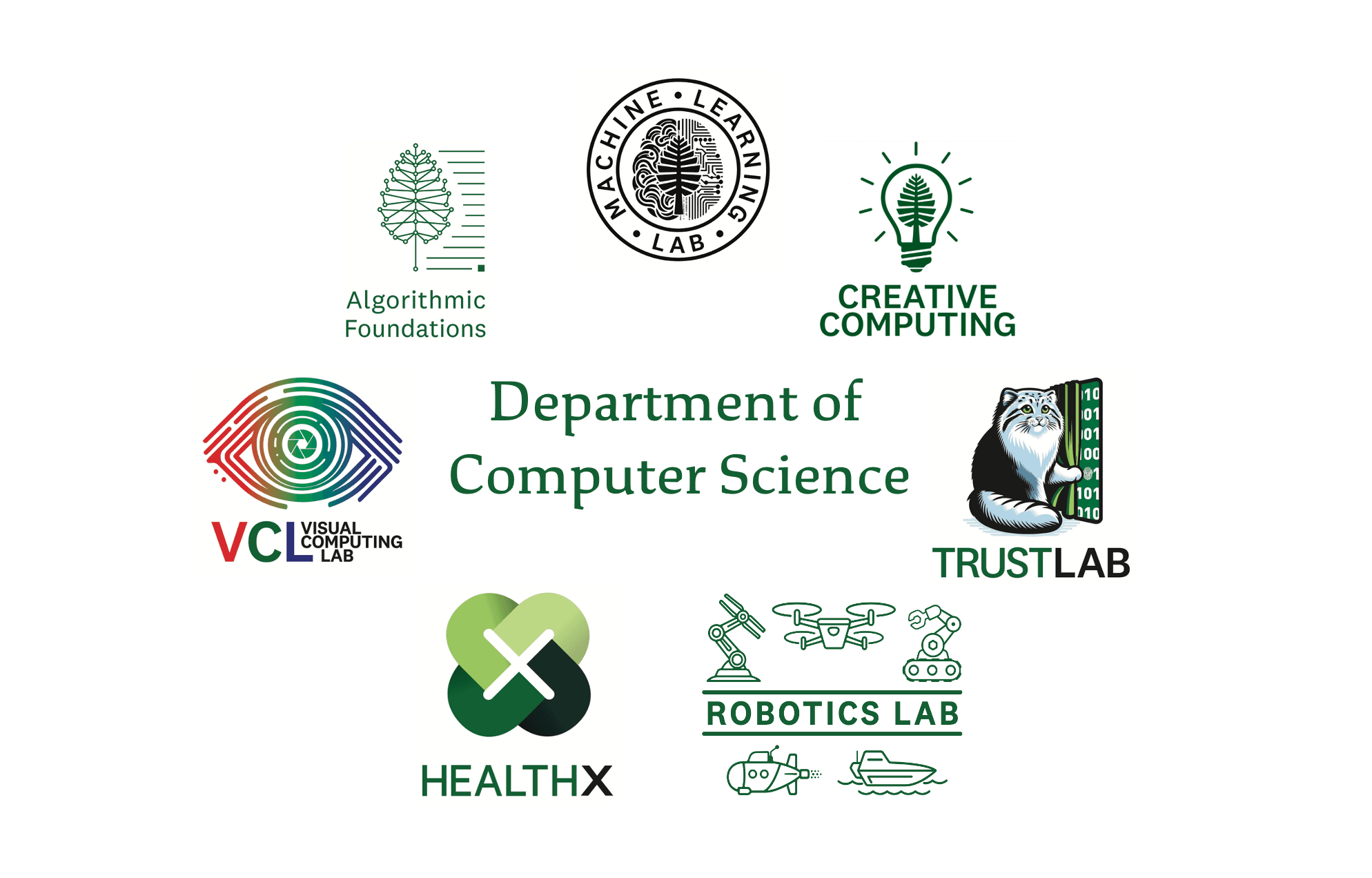
Dartmouth College — Department of Computer Science
United States
Ivy League computer science department at Dartmouth College, home to the Reality and Robotics Lab conducting autonomous and multi-robot systems research.

RIKEN
Japan
Wako, Saitama research institute founded 1917; built the RIBA and 140-kilogram ROBEAR nursing robots and has run the Guardian Robot Project since 2019.

Automata Technologies
United Kingdom
UK-based lab automation company delivering robotic solutions for life sciences, genomics, and cell biology workflows via its LINQ platform.
Robotics needs a service framework.
RSF defines a common language for robot service capability, lifecycle operations, certification pathways, and service-provider networks.
Join the RobotToday community on LinkedIn
Daily robotics news, in-depth analysis, conference highlights, and discussions with professionals worldwide.