Industry Briefing
A single destination for timely, editor-curated robotics news from around the world.
KPI Solutions™ Announces Partnership With Hai Robotics
KPI Solutions has formed a strategic partnership with Hai Robotics to improve warehouse operations through advanced automation and operational design. This collaboration, announced recently, seeks to optimize storage, retrieval, and fulfillment processes, with a particular focus on enhancing productivity in the food and beverage industry. By implementing these innovations, the partnership aims to reduce reliance on manual labor, ultimately streamlining operations and increasing efficiency in a sector that is increasingly turning to automation to meet growing demands.
Warehouse Automation Supply Chain Consulting Operational Design Logistics Food and Beverage Industry
KPI Solutions™ Announces Partnership With Hai Robotics
KPI Solutions has formed a strategic partnership with Hai Robotics to improve warehouse operations by leveraging advanced automation and operational design. Announced recently, this collaboration is set to optimize storage, retrieval, and fulfillment processes, with a particular focus on the food and beverage industry. The initiative aims to boost productivity while decreasing the dependence on manual labor, addressing the growing demand for efficiency in logistics. By integrating innovative technologies, the partnership seeks to transform traditional warehouse practices and enhance overall operational effectiveness.
Warehouse Automation Supply Chain Consulting Logistics Automation Solutions Operational Efficiency
Robot Arms for Food and Beverage Packaging: Three Functional Options
In the food and beverage sector, the unique challenges of packaging automation demand specialized solutions, particularly in hygiene, speed, and gentle handling. JAKA, a provider of industrial robotic arms, emphasizes the importance of selecting the right technology to meet these specific needs. Their robotic arms are designed for precision in handling delicate items such as baked goods and chocolates, achieving accuracy within 0.2mm to minimize product waste and maintain production efficiency. Additionally, JAKA robots are built to withstand demanding environments, featuring an IP54 rating for waterproof and dustproof performance. This durability allows them to operate reliably in cold storage and humid conditions, while their compact design enables installation in tight spaces on busy packaging floors. Moreover, JAKA robotic arms excel in integration, functioning as intelligent nodes within packaging lines. They can communicate with vision systems and conveyors, allowing for real-time adjustments based on data received from cameras. This capability enhances overall equipment effectiveness by ensuring precise placement of products into moving cartons. By aligning their robotic technology with the specific challenges of food and beverage packaging, JAKA aims to enhance hygiene, consistency, and throughput in this fast-paced and regulated industry.
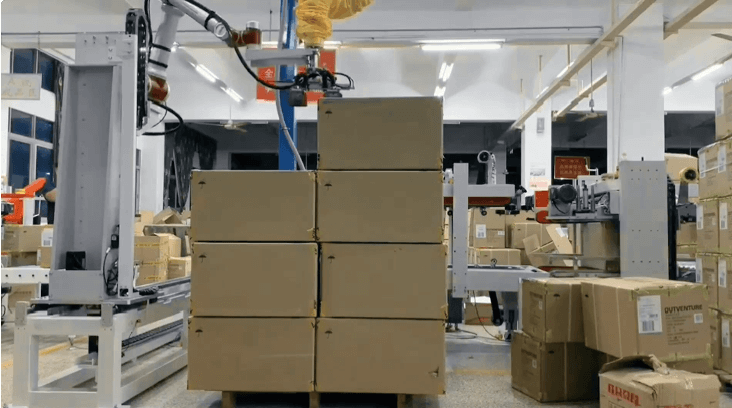
Cobots: Best Practices for Food and Beverage Packaging
JAKA, a leader in robotics and manufacturing, is addressing the challenges of hygiene and flexibility in food and beverage packaging through innovative collaborative robot technology. As the demand for efficient and adaptable production processes grows, JAKA has developed robotic arms designed to withstand rigorous cleaning protocols, featuring an IP54 waterproof and dustproof rating. This design ensures that hygiene standards are met without compromising functionality. The company emphasizes user-friendly operation, allowing packaging line technicians to easily reprogram robots for quick adjustments between multiple product SKUs. JAKA’s intuitive graphical programming interface enables rapid mold changes and adaptations to various package sizes, significantly reducing downtime and making advanced robotics accessible to a wider range of team members. In high-speed production environments, precision is critical. JAKA’s robotic arms are equipped with high-precision hardware and adaptive control algorithms to maintain consistent accuracy throughout long production runs. This capability ensures that every package is handled correctly, preserving product quality and line efficiency. By focusing on hygiene, ease of use, and precision, JAKA aims to integrate collaborative robots seamlessly into packaging processes, enhancing both quality and flexibility on the production floor. The company’s commitment to addressing the unique demands of the food and beverage sector positions it as a key player in advancing robotics and manufacturing solutions.
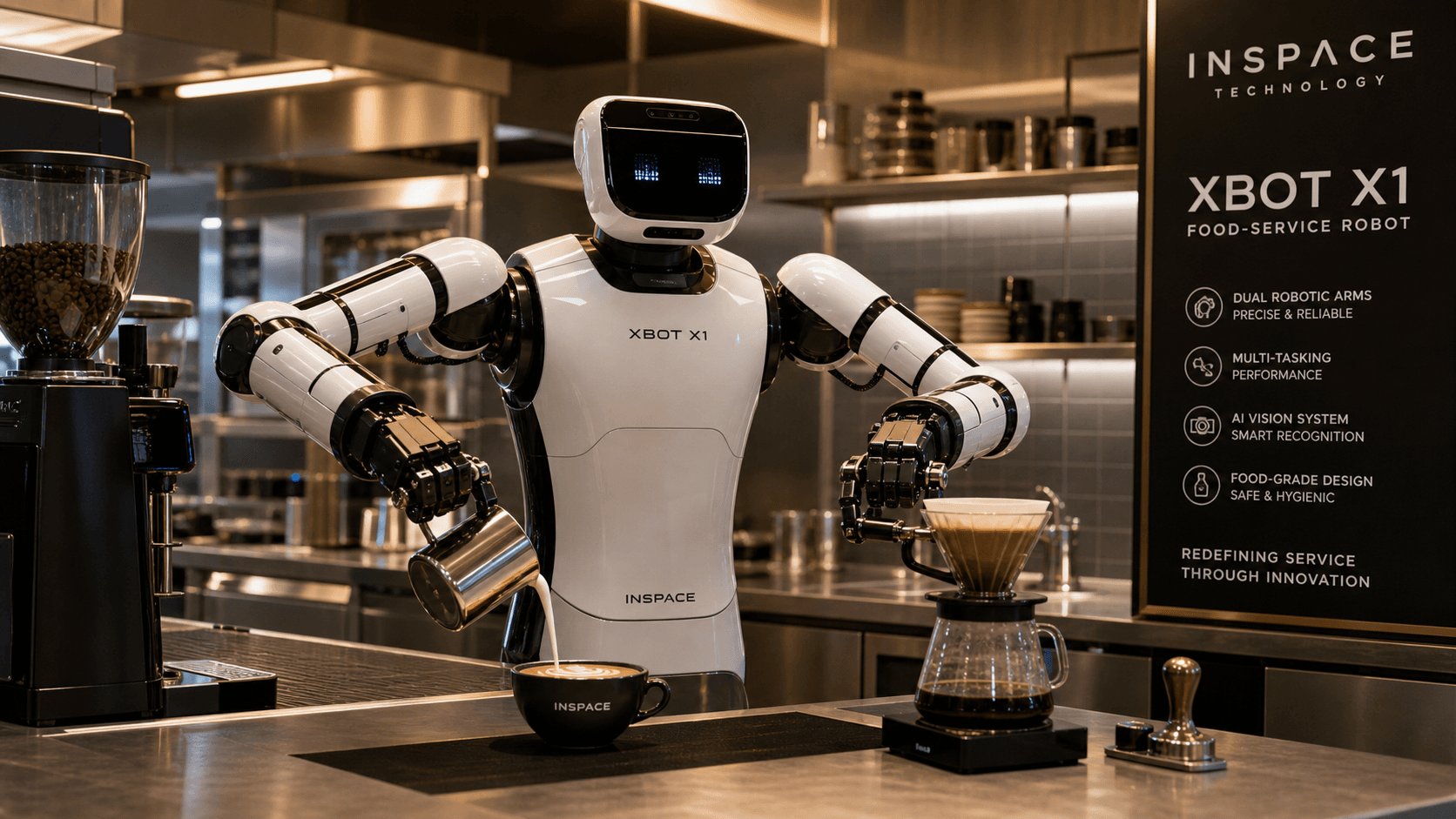
Ex-Xiaomi Executive Tang Mu Launches Food Service Humanoid Robot, Targets Year-End Production
InSpace Technology, a robotics company established by former Xiaomi executive Tang Mu, introduced three innovative food-service robots during a product launch event held on June 30. The unveiling took place in a bid to enhance efficiency in the food service industry, addressing the growing demand for automation in restaurants and catering services. These robots are designed to streamline operations, reduce labor costs, and improve customer service by delivering food and beverages directly to tables. The launch event showcased the robots' advanced features and capabilities, highlighting their potential to revolutionize the way food service is conducted.
Robotics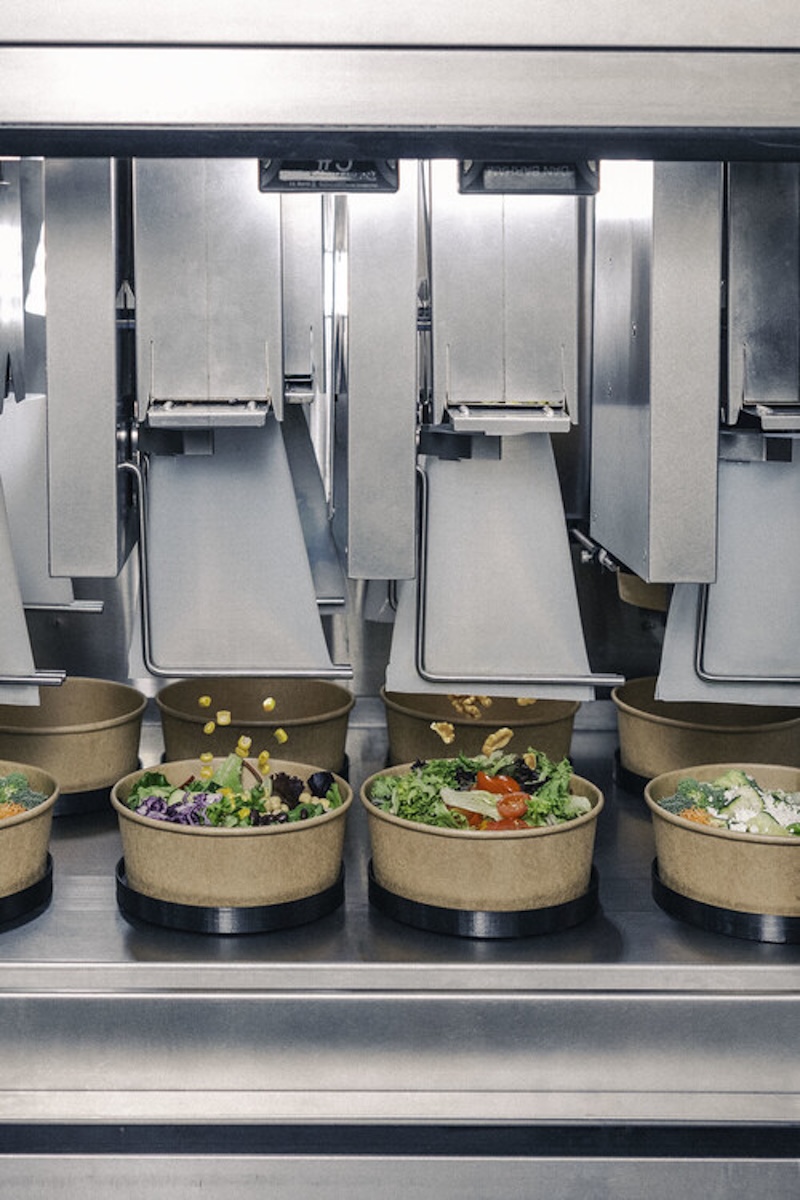
Appetronix acquires Cibotica to expand robotic foodservice automation beyond pizza
Appetronix, a developer specializing in robotic kitchen systems, has acquired Cibotica, a company focused on food robotics, to enhance its automation platform by incorporating a wider range of food categories beyond pizza. The financial details of the acquisition remain undisclosed. This strategic move allows Appetronix to integrate Cibotica’s advanced automated ingredient dispensing and portioning technology into its existing offerings, including the Remy robotic system. The acquisition is part of Appetronix's ongoing efforts to innovate and expand its capabilities in the food service industry.
Engineering AI in foodservice appetronix automation news autonomous kitchens Cibotica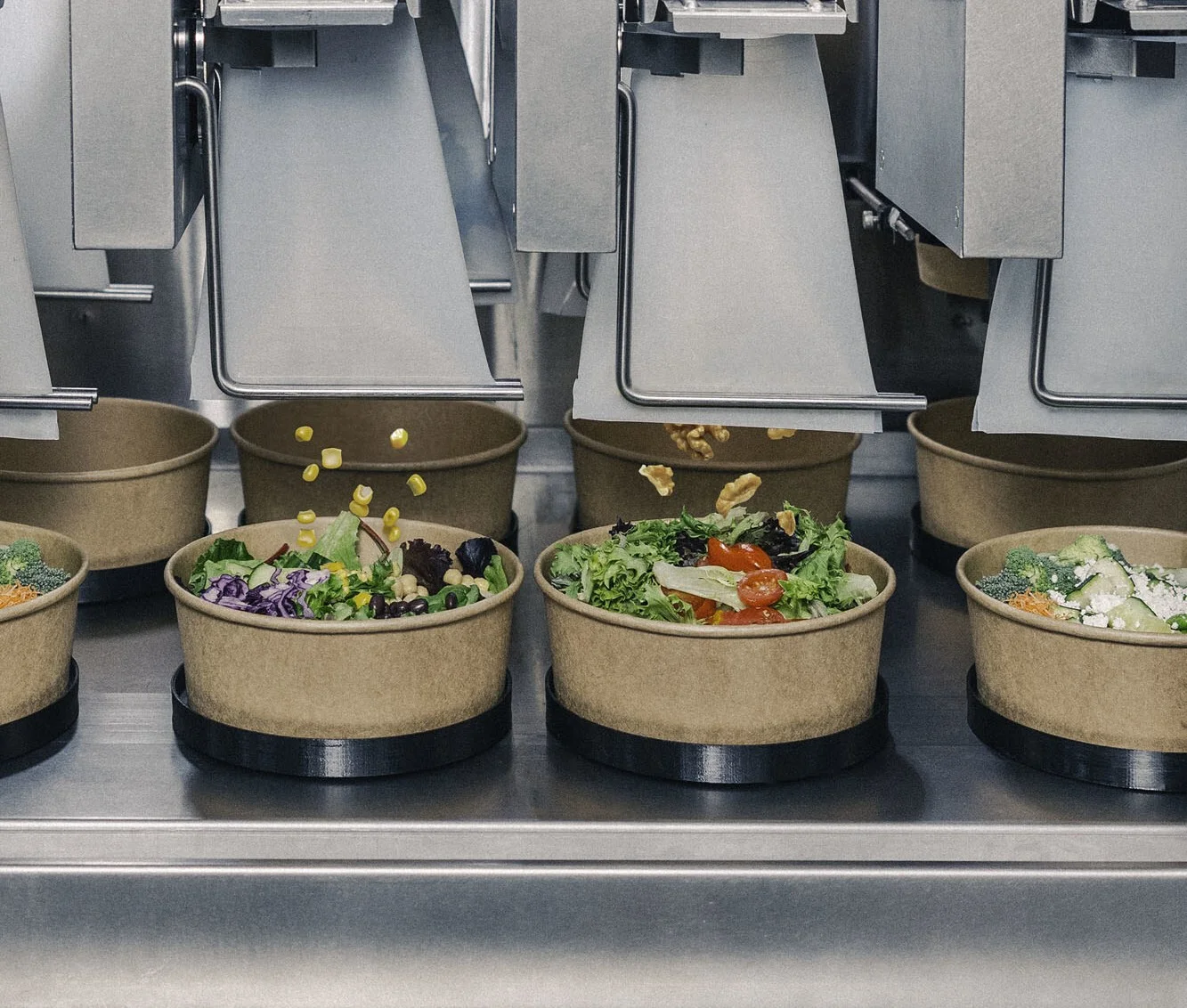
Appetronix Acquires Cibotica to Expand Food Robotics & AI Ecosystem
Appetronix, a leading robotics company specializing in foodservice automation, has announced its acquisition of Cibotica, known for its innovative ingredient dispensing and portioning technology. The transaction, the financial details of which remain undisclosed, will enhance Appetronix's offerings by integrating Cibotica's advanced automated bowl and salad assembly system. This strategic move aims to further Appetronix's mission of revolutionizing the foodservice industry through intelligent automation solutions.
AI Capital Markets Robotics acquisition Appetronix Cibotica
"When robots learn to write code, how will sweet potatoes rewrite the infrastructure of the industry?"
As advancements in artificial intelligence continue to evolve, the integration of robots capable of writing code is poised to transform various industries. This shift is particularly noteworthy in the agricultural sector, where innovative practices involving sweet potatoes are emerging. Researchers and industry experts are exploring how these developments could enhance agricultural infrastructure and efficiency. The exploration into this intersection of technology and agriculture is gaining momentum, with discussions taking place at conferences and workshops throughout 2023. Experts believe that by leveraging AI-driven coding capabilities, agricultural processes can be optimized, leading to increased productivity and sustainability. The motivation behind this initiative stems from the need to modernize farming practices and address challenges such as food security and resource management. By utilizing robots to automate coding tasks, farmers can focus on strategic decision-making and innovative cultivation methods. This evolution in the industry is expected to unfold through collaborative efforts among technologists, agricultural scientists, and farmers, who are working together to implement AI solutions. As these technologies become more accessible, the potential for sweet potatoes and other crops to play a pivotal role in reshaping agricultural infrastructure is becoming increasingly evident. The ongoing research and development efforts aim to create a more resilient and efficient agricultural system, ultimately benefiting both producers and consumers.
Robotics Automation AI
"Delivery no longer relies on subsidies, is the back kitchen world model starting to rewrite the restaurant industry?"
In a significant shift within the restaurant industry, the reliance on subsidies for delivery services is diminishing, prompting industry experts to question whether this marks the beginning of a new operational model. This transformation is occurring as restaurants seek to adapt to changing consumer behaviors and economic pressures. The trend has gained momentum in recent months, particularly as businesses strive to enhance profitability and streamline operations in the wake of the pandemic's impact. As restaurants explore innovative strategies to manage delivery logistics without financial support, many are investing in technology and partnerships that optimize efficiency. This evolution reflects a broader movement towards sustainability and self-sufficiency within the food service sector. Observers note that this change could lead to a more competitive landscape, where restaurants must differentiate themselves through quality and service rather than relying on discounts and promotions. Industry leaders are closely monitoring these developments, as the shift away from subsidies could redefine customer expectations and operational standards. The implications of this transition are significant, potentially reshaping the dynamics of food delivery and the overall restaurant experience. As the sector continues to navigate these changes, the future of dining may be characterized by a more resilient and innovative approach to delivery services.
Robotics Automation AI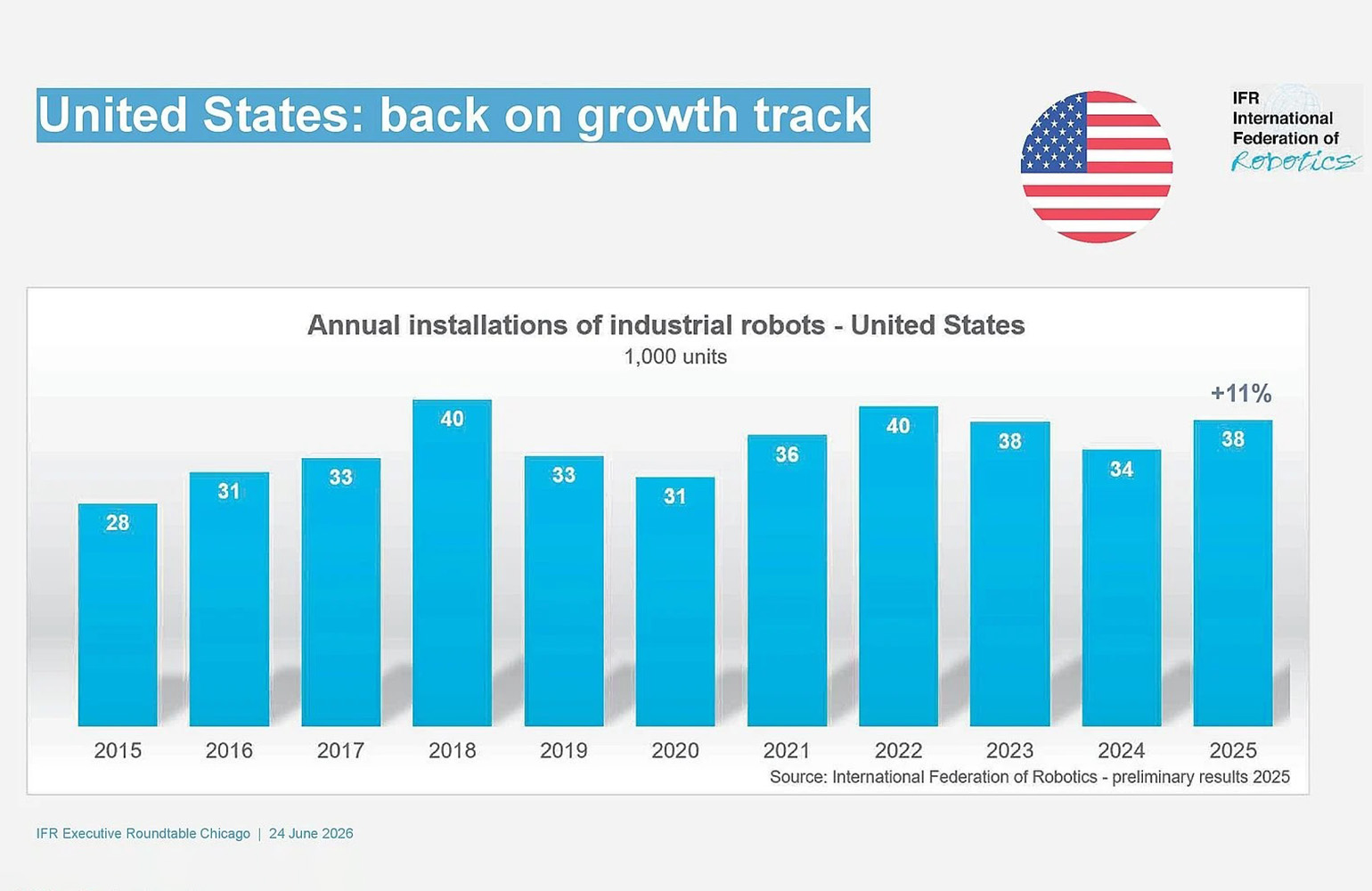
U.S. robotics industry saw double-digit growth in 2025, says IFR
The International Federation of Robotics (IFR) has reported that the U.S. robotics industry experienced significant recovery, marked by double-digit growth in 2025. This resurgence is attributed to strong performance in the food industry and other non-manufacturing sectors, which have played a crucial role in driving demand for robotics solutions. The findings highlight the increasing integration of automation technologies across various industries, underscoring a broader trend towards modernization and efficiency in the U.S. economy.
Automotive China Food / Beverage Industrial Robots Manufacturing Markets / Industries
Gentle Gripper for the Baking Industry
SoftGripping has developed an innovative gripping solution designed for integration into bakery operations. This new technology aims to enhance efficiency and precision in the handling of baked goods, addressing the specific needs of the baking industry. The solution is expected to streamline processes and improve productivity within bakeries, making it a valuable addition to modern food production techniques. The announcement comes as the industry increasingly seeks automation solutions to meet growing consumer demands and maintain competitive advantages.
Allgemein Greifer & Werkzeuge Lebensmittel & Verpackung Robotik
AgriFood Signals: Elbit acquires Bluewhite, more funding for virtual fencing, Anheuser-Busch awards $80k grant
Picnic, a company specializing in pizza-making robots, has officially ceased operations. This closure marks a significant development in the food technology sector, highlighting the challenges faced by innovative startups in a competitive market. The announcement comes amid a broader trend of consolidation and investment within the agri-food industry, as companies seek to enhance efficiency and adapt to changing consumer demands. In related news, Elbit Systems has acquired Bluewhite, a move that underscores the growing interest in advanced agricultural technologies. Additionally, funding for virtual fencing initiatives continues to attract attention, while Anheuser-Busch has awarded an $80,000 grant to support advancements in this area. These developments reflect ongoing efforts to integrate technology into food production and distribution, aiming to improve sustainability and operational effectiveness.
Agtech FoodTech
AI food leaders see sweeping disruptions—at different speeds
Leaders in the application of artificial intelligence within the food system are reporting significant and rapid transformations across the value chain over the past year, with expectations for continued changes ahead. However, there is some divergence among these leaders regarding the speed of these developments. As the industry evolves, stakeholders are closely monitoring how AI will further disrupt traditional processes and practices in food production and distribution. The ongoing advancements highlight the growing importance of technology in addressing challenges within the food sector, signaling a pivotal shift that could reshape the future of food systems.
Artificial intelligence EMEA FoodTech
Chef Robotics Advances Bi-Manual Physical AI System for Prep Table Food Assembly Powered by a Food Foundation Model
Chef Robotics has announced the development of a bi-manual physical AI system aimed at enhancing food assembly tasks on prep tables, such as burger and burrito preparation. This innovative system, which is set to launch on May 19, 2026, will cater to various sectors including ghost kitchens, fast-casual restaurants, and catering services, focusing on lower-volume yet more complex meal assembly compared to traditional food manufacturing processes. The new AI system utilizes two robotic arms for coordinated and dexterous manipulation, mimicking human-like capabilities to handle a variety of food items and utensils. It is powered by Chef's Food Foundation Model (FFM), which employs imitation learning to adapt quickly to diverse tasks and environments, overcoming the limitations of existing robotic systems that struggle with the variability of food materials. Chef Robotics aims to automate manual prep table assembly, a critical area in the food industry that has remained largely reliant on human labor. By leveraging the FFM, the system is designed to learn from demonstrations, allowing it to generalize across different tasks and robotic platforms. This advancement is expected to improve operational efficiency, yield, and consistency in food preparation, ultimately transforming how food assembly is approached in various culinary settings.
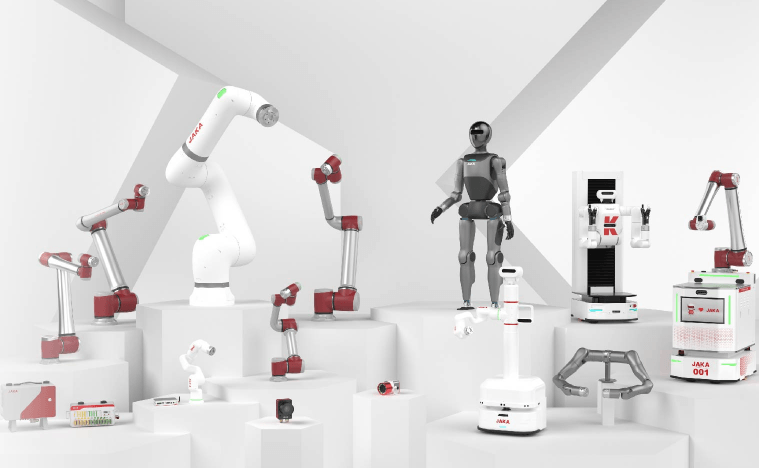
Why Are Collaborative Robots Crucial for SMEs and Industry Giants?
As global manufacturing evolves, the line between manual labor and automation is increasingly blurred. In 2026, a pivotal shift occurs as general industries—including food, consumer goods, and logistics—emerge as the leading sectors driving automation growth, previously dominated by industrial robotics in automotive plants. This transformation is largely attributed to the rise of collaborative robots (cobots), designed to work safely alongside human workers without the need for traditional safety barriers. Small and Medium Enterprises (SMEs) often struggle with the "automation paradox," needing efficiency to compete but lacking the resources for conventional robots. Cobots address this challenge with their compact design and user-friendly, no-code programming, enabling smaller businesses to automate repetitive and hazardous tasks with minimal investment. Meanwhile, larger manufacturers benefit from cobots' flexibility in high-mix, low-volume production environments, where they can efficiently handle tasks like precision dispensing and palletizing. JAKA, a leader in collaborative robotics, emphasizes the importance of robots as reliable partners rather than mere tools. Their JAKA Mini series, weighing under 10kg, is tailored for SMEs, while the JAKA Pro series is built for larger enterprises, offering durability in harsh conditions. Advanced AI and vision systems enhance the robots' ability to interact with their environment, earning the trust of industry giants like Toyota and Schneider Electric. JAKA's solutions aim to facilitate the transition from manual labor to intelligent automation, providing the necessary flexibility and value for the future of Industry 4.0.
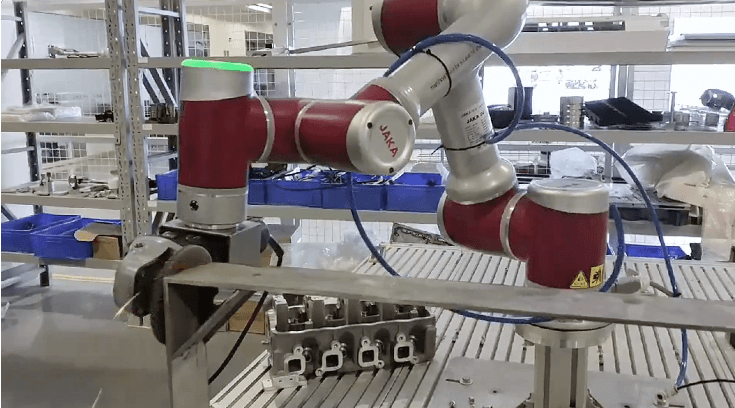
Top 5 Trends of the Industrial Cobot Industry in 2026
The industrial cobot sector is experiencing significant advancements, particularly in 2026, as manufacturers increasingly integrate collaborative robots into their operations. JAKA, a key player in this field, highlights several emerging trends that are shaping the future of robotics and automation. One major trend is the demand for adaptable automation systems. The JAKA Pro5 exemplifies this shift by being highly reprogrammable, allowing manufacturers to efficiently adjust to varying production needs while minimizing downtime and equipment costs. Safety remains paramount, with collaborative robots being deployed to replace human operators in hazardous environments. The JAKA Pro5 enhances workplace safety by performing tasks like polishing and grinding, thereby reducing the risk of accidents and ensuring a safer production environment. Another significant trend is the emphasis on precision and consistent quality. Industrial operators are increasingly relying on cobots to deliver reliable processing outcomes, with the JAKA Pro5 helping to lower defect rates and meet stringent quality standards. Moreover, the integration of smart manufacturing and Industry 4.0 technologies is influencing cobot deployment. The JAKA Pro5 connects seamlessly with production monitoring systems, providing real-time insights that optimize workflows and enhance operational efficiency. Finally, the applications of collaborative robots are expanding across various industries, including electronics, automotive, and food processing. The versatility of the JAKA Pro5 supports this trend, enabling it to perform complex tasks tailored to different production lines. As 2026 unfolds, these trends underscore the evolving role of collaborative robots in enhancing efficiency, safety, and quality within the robotics and automation industry, with JAKA committed to advancing solutions that align with these developments.

Chinese platforms fined 3.6b yuan for food safety violations amid cutthroat rivalry
China's State Administration for Market Regulation (SAMR) has imposed fines exceeding 3.6 billion yuan (approximately US$527.3 million) on seven prominent e-commerce and food delivery platforms, including Pinduoduo, Meituan, and JD.com. This decision was announced on Friday following an investigation that revealed these companies had inadequately verified the licenses of food vendors and permitted unverified "ghost" catering services to operate on their platforms. The regulatory action underscores the government's commitment to ensuring food safety and compliance within the rapidly growing online food service industry.
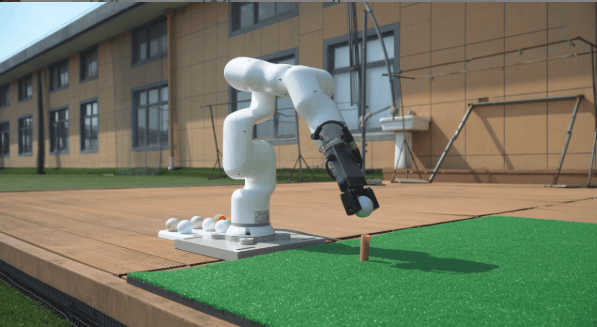
Top 8 Applications of Commercial Robotic Arms in Food and Retail Service
As the food and retail sectors evolve, JAKA is observing a rising interest in the use of commercial robotic arms to enhance operational efficiency without disrupting existing workflows. These robotic solutions, particularly compact mini arms, are designed for environments where space, safety, and cost are critical factors. In beverage shops and cafés, robotic arms are streamlining repetitive tasks like cup handling and liquid dispensing, ensuring consistent portioning during busy hours. Similarly, in fast-casual dining, these arms assist with ingredient placement and tray handling, promoting quality consistency while allowing for safe collaboration with human staff. Retail environments benefit from robotic arms as well, which can sort and restock products during off-peak hours, making them ideal for smaller stores with limited space. In takeaway and retail fulfillment, these arms facilitate packing and sealing operations, fitting seamlessly into compact back-of-house areas. Additionally, vision-assisted inspection applications are on the rise, with robotic arms enhancing the consistency of food quality checks. In retail showrooms, they engage customers through interactive demonstrations, while in back-of-house logistics, they streamline material handling tasks. For chain stores, the ability to standardize operations across multiple locations is a significant advantage, with mini robotic arms simplifying installation and training. JAKA's innovations, such as the MiniCobo, balance lightweight design with commercial usability, allowing businesses to gradually adopt automation while maintaining stable operations.

Beijing issues first food operating license to AI robot company EncoSmart
This week, Beijing's Haidian District granted the city's inaugural food operating license to EncoSmart for its embodied AI robots, marking a significant advancement in the integration of AI technology within the food industry. The state media outlet People’s Daily reported that this license represents a pivotal moment for the application of advanced robotics in food service. EncoSmart intends to launch a pilot program utilizing these AI robots, which are designed to enhance efficiency and innovation in food operations. This development highlights the growing trend of incorporating artificial intelligence into various sectors, aiming to improve service delivery and operational capabilities.
News Feed
Dogtooth Secures £14M Investment for AI Robotics in Agriculture
Cambridge-based AI robotics company Dogtooth has successfully raised £14 million in funding to enhance its agricultural technology solutions. This investment aims to accelerate the development of advanced robotics designed for precision farming, addressing the growing demand for automation in the agtech sector. The funding round highlights the increasing interest in AI-driven solutions within the agricultural industry, particularly in the UK market. The significance of this funding lies in its potential to transform agricultural practices through the integration of AI and robotics. As the global agricultural sector faces challenges such as labor shortages and the need for sustainable practices, innovations like those from Dogtooth are crucial. The investment reflects a broader trend of increasing capital flow into agtech, with investors recognizing the importance of technology in enhancing productivity and sustainability. Looking ahead, Dogtooth's next steps will likely focus on scaling its technology and expanding its market presence. No further timeline was disclosed at the time of publication, but the company’s advancements in AI robotics could set new benchmarks in the agricultural sector, paving the way for future innovations and partnerships in agtech.
Agtech FoodTech
Insta360 vs DJI: The Drone Imaging War Is More Brutal Than the Food Delivery Battle
In Shenzhen, two leading companies in the drone camera industry, Insta360 and DJI, are engaged in intense competition that is transforming the landscape of imaging hardware in China. This rivalry has escalated into a series of patent lawsuits, aggressive price reductions, and a battle for top talent. As both firms strive to outmaneuver each other, the ongoing conflict is reshaping market dynamics and influencing consumer choices in the rapidly evolving technology sector. The situation reflects broader trends in innovation and competition within the Chinese tech industry, highlighting the lengths to which companies will go to secure their position in a lucrative market.
Industry Gadgets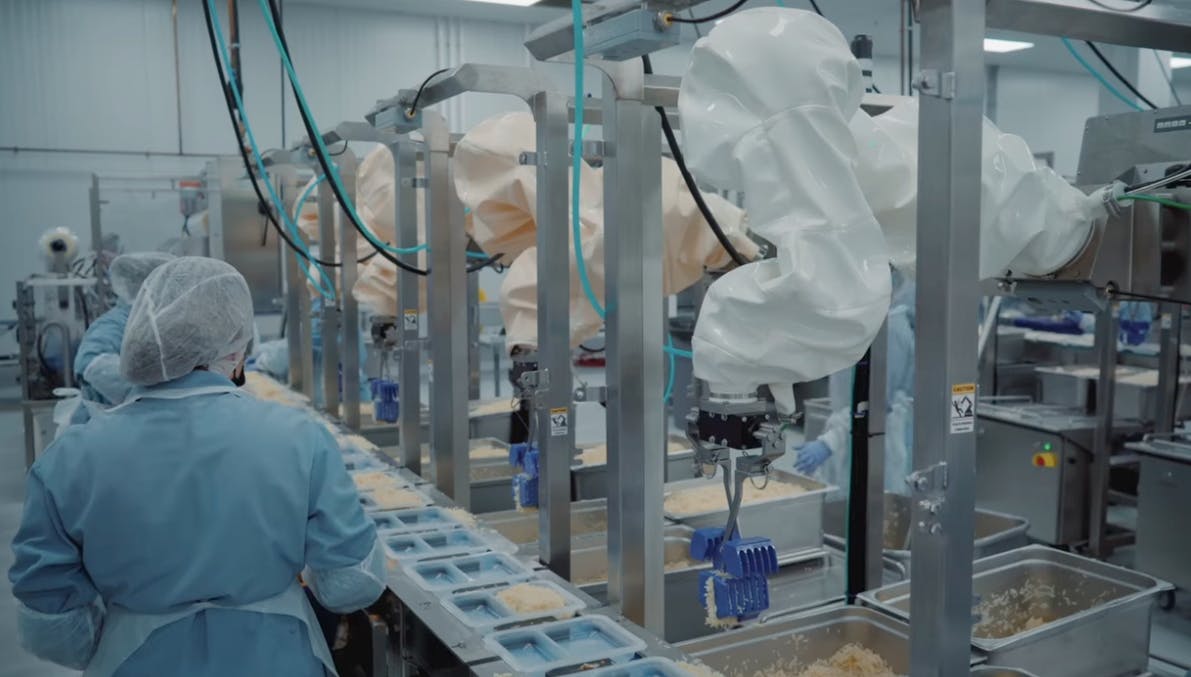
Chef Robotics Successfully Deploys Physical AI in Food Manufacturing
A technology company has developed a system utilizing physical artificial intelligence to automate various tasks. This innovative approach relies on models that have been trained using real-world production data, allowing for enhanced efficiency and accuracy in operations. The initiative aims to streamline processes across different sectors, addressing the growing demand for automation in the workforce. By leveraging data collected up to October 2023, the company is positioned to implement cutting-edge solutions that respond effectively to industry needs. This advancement not only promises to reduce manual labor but also to improve productivity, making it a significant development in the realm of AI-driven automation.
Process / Analytics
Alibaba’s Qwen AI is coming to cars, allowing drivers to order food and book hotels by voice
Alibaba is set to launch its Qwen AI technology across various car brands, enhancing the driving experience with innovative hands-free features. This initiative allows drivers to seamlessly order meals and manage deliveries directly from their vehicles, promoting convenience and safety on the road. The rollout is expected to take place in the coming months, as the company aims to integrate advanced artificial intelligence into everyday driving scenarios. By leveraging its expertise in AI and data analytics, Alibaba seeks to transform how drivers interact with their vehicles, making tasks that typically require manual input more efficient and accessible. This move aligns with the growing trend of smart technology in the automotive industry, as companies increasingly prioritize user-friendly solutions that enhance mobility.

Pakistan gives foreign banks an edge in shift to Islamic finance
FinancePakistan gives foreign banks an edge in shift to Islamic financeDomestic lenders required to convert to sharia-compliant model from 2028One currency, two banking systems. Pakistan's banks must all offer sharia-compliant services from 2028, but foreign banks will be able to continue offering non-Islamic services alongside -- giving them a possible advantage. © ReutersADNAN AAMIRJuly 7, 2026 14:31 JSTISLAMABAD -- In the run-up to its banking reform toward Islamic banking, the Pakistani government has decided to require domestically owned banks to operate under a fully sharia-compliant model from 2028 to eliminate interest-based finance.Read NextEnergyPakistan approves final link in 1,600-km national oil pipelineFinanceBangladesh bets $3.2bn to avert a banking crisis but reforms elusiveBusiness trendsPakistani gig workers' exports to hit record high but AI threats loomCommoditiesIndian families scale back on gold for weddings as prices hover near highsEnergyBangladesh power cuts deepen as government struggles to pay billsFood & BeverageIndia's sugar industry likely to exit exports and exist for ethanolDefensePakistan unfazed by Afghan-Russian military pact, say officialsTradeChinese firms brace for new EU rules as trade deficit tops $1bn a dayInternational relationsBangladesh courts China to drive infrastructure and trade pushBusiness dealsPakistan offers up 3 state-owned power distributors in privatization pushLatest on FinanceFinanceSingapore's Temasek to raise AI exposure 2.5-fold over 5 yearsFinanceJapan brokerages set sights on US mega-IPOs after strong SpaceX debutFinanceJapan's blockchain-based security tokens to open to foreign investorsSponsored ContentAbout Sponsored ContentThis content was commissioned by Nikkei's Global Business Bureau.
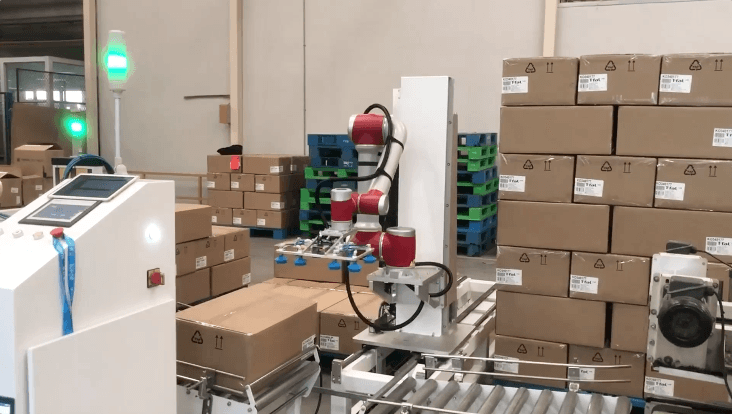
Cobot Palletizing vs. Traditional Palletizers: Speed, Footprint, and Cost Analysis
The palletizing process at the end of production lines is undergoing a significant transformation as manufacturers evaluate the shift from traditional palletizers to collaborative robot (cobot) systems. This change is driven by the need for greater flexibility and efficiency in supply chain operations. Traditional palletizers, known for their high-speed capabilities and suitability for single-SKU production, dominate high-output environments like food and beverage processing. However, cobots, equipped with 6-axis robotic arms, offer a more adaptable solution, particularly for facilities handling diverse product mixes. The transition is taking place as manufacturers seek to optimize space and reduce costs. Traditional systems require extensive floor space and safety barriers, often leading to operational bottlenecks. In contrast, cobots can operate safely alongside human workers, fitting into tighter spaces and allowing for more efficient warehouse layouts. Cost considerations also play a crucial role in this shift. While traditional palletizers may have similar initial costs, their total cost of ownership is significantly higher due to installation and maintenance expenses. Cobots, like those developed by JAKA, provide a more economical option, with easier installation and lower energy consumption. JAKA's Zu series exemplifies this innovation, offering advanced palletizing solutions that enhance productivity while minimizing product damage. As the industry adapts to these technological advancements, the choice between traditional and cobot palletizing systems will ultimately hinge on manufacturers' specific needs for speed, space, and cost efficiency.
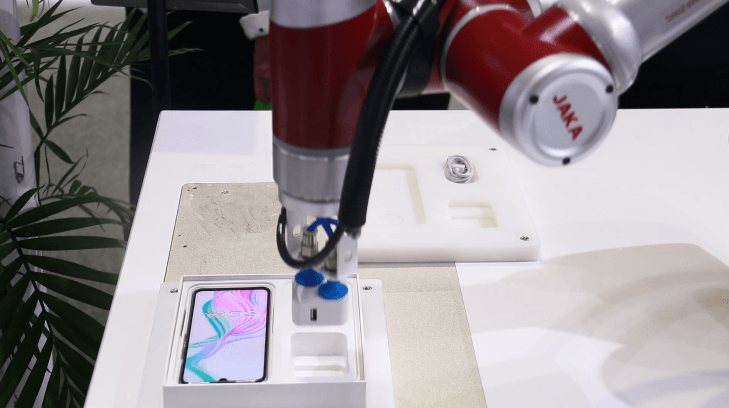
Which Company Makes Industrial Robots?
The global manufacturing sector is witnessing a significant transformation as it shifts from traditional high-speed automation to flexible collaborative systems. This change, driven by the emergence of "Industry 5.0," prioritizes human-machine synergy, allowing robots to operate safely alongside human workers. By 2026, the industrial robotics market has diversified, with companies adapting to the specific needs of production lines, moving beyond the dominance of the "Big Four" in heavy-duty manufacturing. Innovators in the field are now focusing on creating robots that are "Smart, Simple, Small," featuring intuitive graphical interfaces and wireless connectivity. This shift has enabled smaller enterprises to adopt automation technologies previously reserved for larger factories, resulting in increased productivity across various sectors, including electronics, food and beverage, and logistics. JAKA Robotics, a leader in this industrial revolution since 2014, emphasizes the concept of "embodied intelligence" in its robots. Their JAKA Zu series supports payloads up to 20kg with high precision, while the JAKA A series caters to delicate assembly lines with even greater accuracy. JAKA distinguishes itself with user-friendly innovations, such as mobile terminal APP control, which simplifies the automation process. The company’s commitment to providing safe and reliable robotic solutions positions it at the forefront of the evolving landscape of industrial innovation, paving the way for a new era in manufacturing.
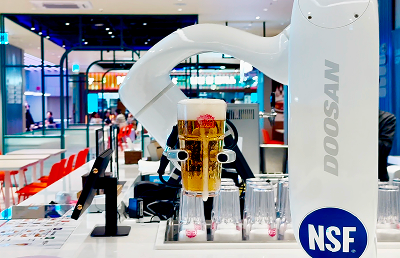
Doosan Robotics diversifies collaborative robot F&B solutions to speed up customer acquisition
Doosan Robotics is advancing its business by developing innovative food and beverage solutions utilizing collaborative robots for tasks such as beer dispensing and cocktail making. On October 23, the company announced the deployment of its collaborative robot beer dispensing solution at the Airbot Bar in Culinary Square, located in Terminal 2 of Incheon International Airport. This initiative follows a memorandum of understanding signed with Incheon International Airport Corporation in May 2022, aimed at fostering digital transformation and creating unique attractions for both domestic and international tourists. The beer dispensing solution employs the E-series robot, certified by the U.S. National Sanitation Foundation for food safety, which efficiently handles the entire process—from dispensing beer to washing cups. It can store up to eight kegs and pour a 14-ounce beer in approximately 43 seconds, ensuring an optimal beer-to-foam ratio. Additionally, on October 15, Doosan Robotics introduced an AI-driven cocktail-making robot at Lotte Duty Free in Gimpo International Airport. This system uses advanced technology to analyze customers' facial expressions and emotions, allowing it to recommend and prepare cocktails tailored to their mood. The robot can create 19 different cocktails based on recipes learned from professional bartenders. Doosan Robotics aims to expand its customer base by diversifying its F&B solutions, which also include a barista solution currently piloted in six Mega MGC Coffee stores and a noodle-making solution for VIPS restaurants. These innovations not only enhance efficiency but also improve safety and reduce the physical strain on workers in the food service industry.

Zipline Expands U.S. Operations with Cleveland Clinic Home Delivery and Austin Launch
On July 13, 2026, Zipline announced a significant expansion of its U.S. operations, including the launch of a home delivery service in partnership with Cleveland Clinic and an upcoming service in Austin. The company reported a remarkable 13-fold increase in businesses utilizing its delivery app in the first half of 2026, alongside the completion of over 2.5 million commercial deliveries. This expansion is crucial as it enhances Zipline's healthcare delivery capabilities, allowing eligible Cleveland Clinic patients to receive prescription deliveries at home at no extra cost. The service will eventually include lab samples and medical supplies, building on the home delivery platform introduced in 2023. Furthermore, the Austin launch will enable rapid food and retail deliveries, further diversifying Zipline's marketplace. Looking ahead, Zipline's growth trajectory appears promising, with new partnerships and services on the horizon. The company continues to attract top talent from industry leaders like Tesla and Waymo, which may bolster its operational capabilities. No further timeline was disclosed at the time of publication.
Delivery Drone News Drone News Feeds News 135 million autonomous miles 2.5 million deliveries
Marc Lore says that AI will soon enable anyone open a restaurant
Wonder, a company specializing in robotic kitchens, is set to transform its operations by launching AI-powered “restaurant factories.” This innovative initiative aims to enable individuals to create virtual food brands simply by providing a prompt. The announcement comes as part of Wonder's strategy to leverage artificial intelligence in the culinary space, enhancing accessibility and creativity in food entrepreneurship. By utilizing advanced technology, the company seeks to streamline the food production process, making it easier for aspiring restaurateurs to enter the market. The rollout of these virtual brands is expected to begin in the coming months, with Wonder's facilities serving as the backbone for this new model. This move not only reflects the growing trend of automation in the food industry but also addresses the increasing demand for diverse dining options in a rapidly evolving market.
AI Commerce Startups TC Cooking food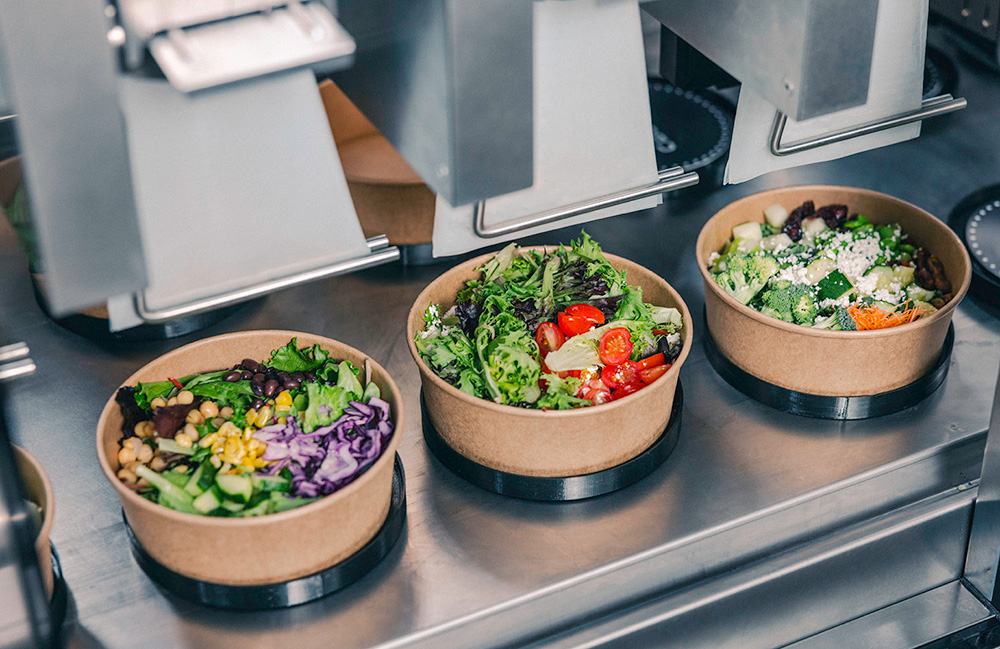
Appetronix acquires Cibotica to automate restaurant kitchens
Appetronix, a company known for developing fully autonomous restaurants, has expanded its capabilities by acquiring Cibotica, a firm specializing in kitchen automation. This strategic move allows Appetronix to retrofit existing restaurant kitchens with advanced automation technology, enhancing operational efficiency and modernizing traditional food service environments. The acquisition marks a significant step for Appetronix, enabling it to diversify its offerings and address a broader market demand for automated solutions in the restaurant industry.
Artificial Intelligence Artificial Intelligence / Cognition Design / Development Financial Food / Beverage Markets / Industries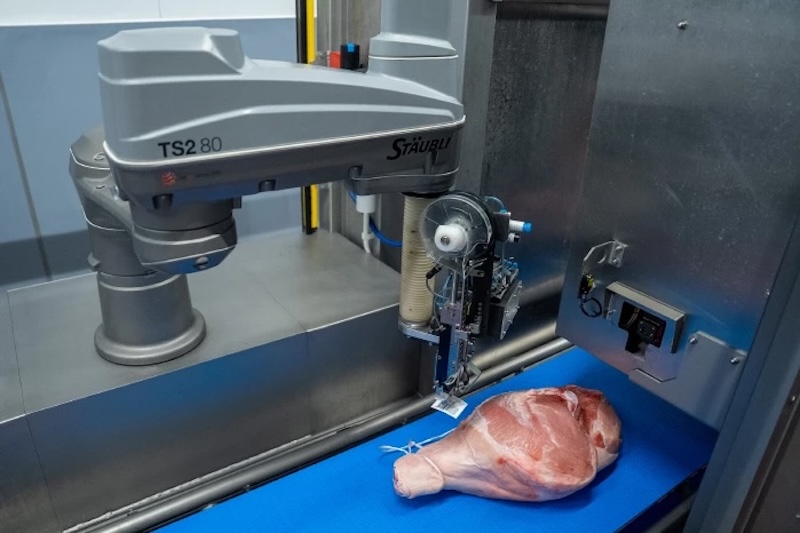
AI-powered robot automates Serrano ham labeling for the first time
A Spanish systems integrator has introduced an innovative AI-based robotic system that revolutionizes the labeling process for Serrano hams, a crucial step in their aging and drying. Previously, this task required significant human labor due to the challenges posed by the presence of bones in the hams, which robots could not detect. The new technology, unveiled recently, enhances efficiency and accuracy in the labeling process, streamlining production in the ham industry. This advancement not only reduces the reliance on manual labor but also ensures that the hams are properly categorized for optimal aging, ultimately benefiting producers and consumers alike.
Manufacturing News ai artificial intelligence food automation Food industry
Inside modern supplement manufacturing: How automated filling lines are raising the quality bar
Recent advancements in automation are transforming the supplement manufacturing industry, particularly through the implementation of cutting-edge filling lines that enhance both quality and efficiency. These innovative systems not only incorporate advanced technologies but also necessitate the establishment of new protocols and expectations for quality assurance. As manufacturers adopt these automated solutions, they are experiencing significant breakthroughs and adopting best practices that elevate production standards. The article delves into how these automated filling lines are setting a new benchmark in the industry, emphasizing the critical controls that are essential for maintaining high-quality output.
Health Manufacturing automated filling lines automated inspection automation news checkweighers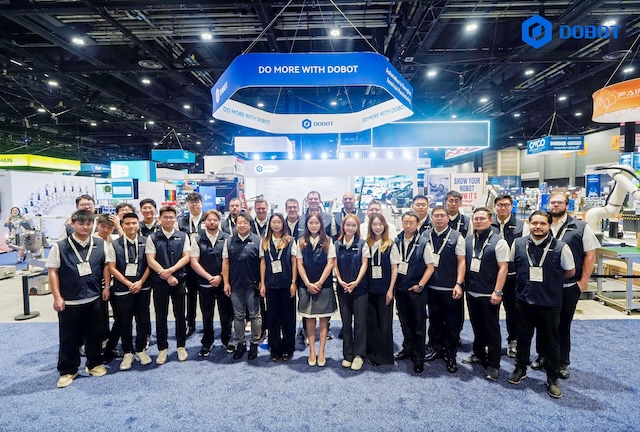
DOBOT Unveils Intelligent Automation Solutions at Automate 2026 to Enhance American Manufacturing
DOBOT showcased its latest intelligent automation solutions at Automate 2026, emphasizing the theme 'DO MORE WITH DOBOT.' The company highlighted how its collaborative robots and AI-powered technologies can enhance efficiency and flexibility in American manufacturing. Key demonstrations included solutions for various industries such as automotive and food & beverage, showcasing the integration of robotics in real-world applications. The significance of DOBOT's presentation lies in its commitment to strengthening American manufacturing through advanced automation. By demonstrating a comprehensive portfolio of application-driven solutions, DOBOT illustrated the potential of intelligent robotics to address industrial challenges and accelerate the transition to smart manufacturing. The showcased technologies aim to improve production processes across sectors, enhancing overall operational efficiency. Looking ahead, DOBOT's focus on integrated automation ecosystems and collaborative robotics indicates a trend towards more accessible and scalable solutions for manufacturers. The company's innovations, including humanoid robots and advanced programming capabilities, suggest a future where human-robot collaboration becomes increasingly seamless. No further timeline was disclosed at the time of publication.
DOBOT Automate 2026 collaborative robots industrial automation automation solutions humanoid robot
WTWH Media Transforms and Rebrands as Arrowfly to Enhance B2B Engagement
WTWH Media, the parent company of The Robot Report, has officially rebranded as Arrowfly. This change reflects its evolution from a specialized trade publisher to a comprehensive B2B media, events, and marketing entity. Arrowfly aims to connect hard-to-reach professional decision-makers with trusted journalism and industry intelligence across three key sectors: Engineering, Healthcare and Life Sciences, and Food, Retail, and Hospitality. The rebranding is significant as it positions Arrowfly to better serve professionals through its extensive portfolio, which includes over 40 vertical media brands and more than 45 industry events. The company emphasizes that while its name and visual identity have changed, its commitment to editorial independence and community engagement remains steadfast. This transformation is designed to strengthen the connections within its professional networks and enhance the overall experience for its audience. Looking ahead, Arrowfly is poised for growth and expansion, with a focus on maintaining the trust it has built over the years. The leadership, including CEO Matt Logan, highlights the importance of editorial authority and community reliance in driving decision-making. No further timeline was disclosed at the time of publication.
Business Resources News Press Release Arrowfly WTWH WTWH Media
LXJ International Holdings Fails Fifth IPO Attempt Amid Market Shifts
LXJ International Holdings Limited, known as 'Laoxiangji', submitted its IPO application to the Hong Kong Stock Exchange on January 8, 2026, but the application expired on July 8, 2026. This marks the fifth unsuccessful attempt by the company, which is recognized as a leading player in the Chinese fast-food sector, to enter the capital market over the past five years. The repeated failures of Laoxiangji's IPO attempts highlight significant challenges in the Chinese fast-food industry, particularly amid rising competition and changing consumer preferences. The company's struggles reflect broader market dynamics, where traditional dining establishments face increasing pressure from the growing popularity of delivery services and healthier eating trends. Looking ahead, industry observers will be keen to see if Laoxiangji will make another attempt to go public or pivot its strategy in response to market conditions. No further timeline was disclosed at the time of publication regarding the company's future plans or potential restructuring efforts.
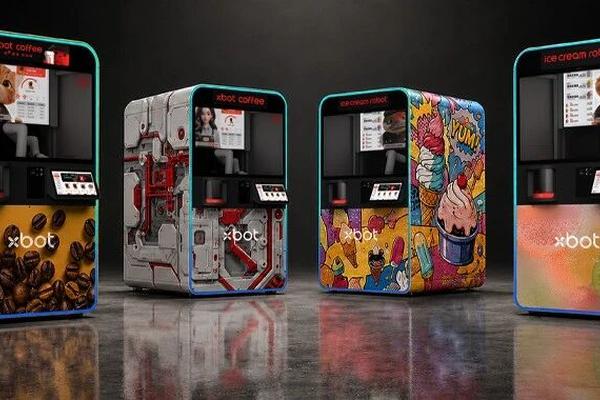
Xiaomi's former executive Tang Mu raises hundreds of millions for coffee robot startup, backed by Lin Bin and Li Wanqiang.
The robotics company Yingshi XBOT has successfully secured hundreds of millions in funding through two rounds of financing, with the Series A round raising 200 million yuan from Hong Kong's Jian Kun Capital and the Series B round expected to bring in 300 to 500 million yuan from various government and industry investors. This marks one of the largest investments in the restaurant-focused robotics sector to date. Founded in 2022 by Tang Mu, a former product manager with extensive experience in tech firms like Tencent and Xiaomi, Yingshi XBOT aims to revolutionize the food service industry by deploying robots for tasks such as coffee making in commercial spaces. The company’s technology is built around a specialized operating system, XOS 3.0, designed for the restaurant sector. This system features a multi-layered architecture that optimizes performance and efficiency while addressing common challenges in the industry. Yingshi XBOT has launched several product lines, including coffee and ice cream robots, which have already been deployed in over 1,000 locations worldwide, producing more than 4 million cups of coffee. With a focus on commercial applications rather than household or industrial settings, Yingshi XBOT has adopted a "Robot as a Service" (RaaS) model, allowing businesses to benefit from robotic solutions without the burden of ownership. The company has established partnerships with various brands and is exploring international markets, projecting significant revenue growth in the coming years.
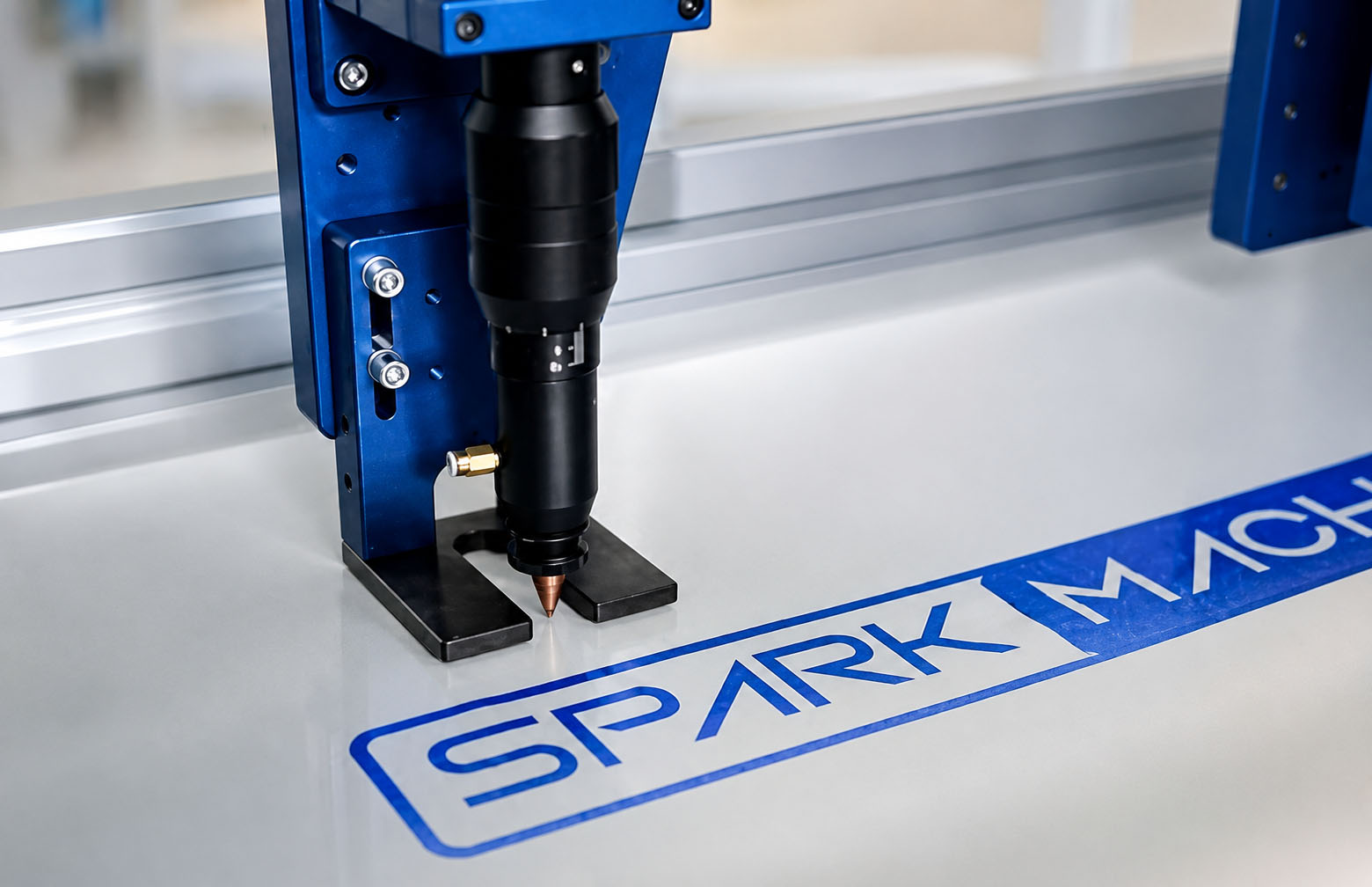
Laser micro-perforation with camera: enhancing reliability in packaging films through industrial vision.
In the contemporary flexible packaging industry, achieving excellence extends beyond aesthetics to become a critical functional requirement. The optimization of permeability has emerged as a fundamental pillar in preserving the freshness of products, where every technical detail plays a vital role in extending shelf life and minimizing food waste. Recent advancements in laser micro-perforation technology, combined with industrial vision systems, are enhancing the reliability of packaging films. This innovative approach not only improves product preservation but also addresses the growing demand for sustainable packaging solutions. The integration of these technologies is transforming how the industry approaches packaging efficiency and effectiveness.
À la une IA Industrie Robotique conservation des aliments contrôle qualité automatisé
Research on the Application of SSG‐RRT Path Planning Algorithm Integrated With Dynamic Obstacle Avoidance in Wheeled Picking Robot
A recent study published in the Journal of Field Robotics highlights advancements in robotic technology aimed at improving agricultural efficiency. Researchers from various institutions conducted the study to explore how autonomous robots can enhance crop management and reduce labor costs. The findings, released in early October 2023, indicate that these robots can perform tasks such as planting, monitoring, and harvesting with greater precision than traditional methods. The research was conducted in diverse agricultural settings, showcasing the robots' adaptability to different crops and terrains. By integrating advanced sensors and machine learning algorithms, the robots can analyze soil conditions and plant health, allowing for timely interventions that can lead to increased yields. This initiative is driven by the growing need for sustainable farming practices in response to global food demands and labor shortages in the agricultural sector. The study emphasizes that implementing robotic solutions could not only optimize resource use but also address environmental concerns associated with conventional farming techniques. As the agricultural industry faces mounting challenges, the deployment of these innovative robotic systems represents a significant step forward in modernizing farming practices and ensuring food security for the future.
RESEARCH ARTICLE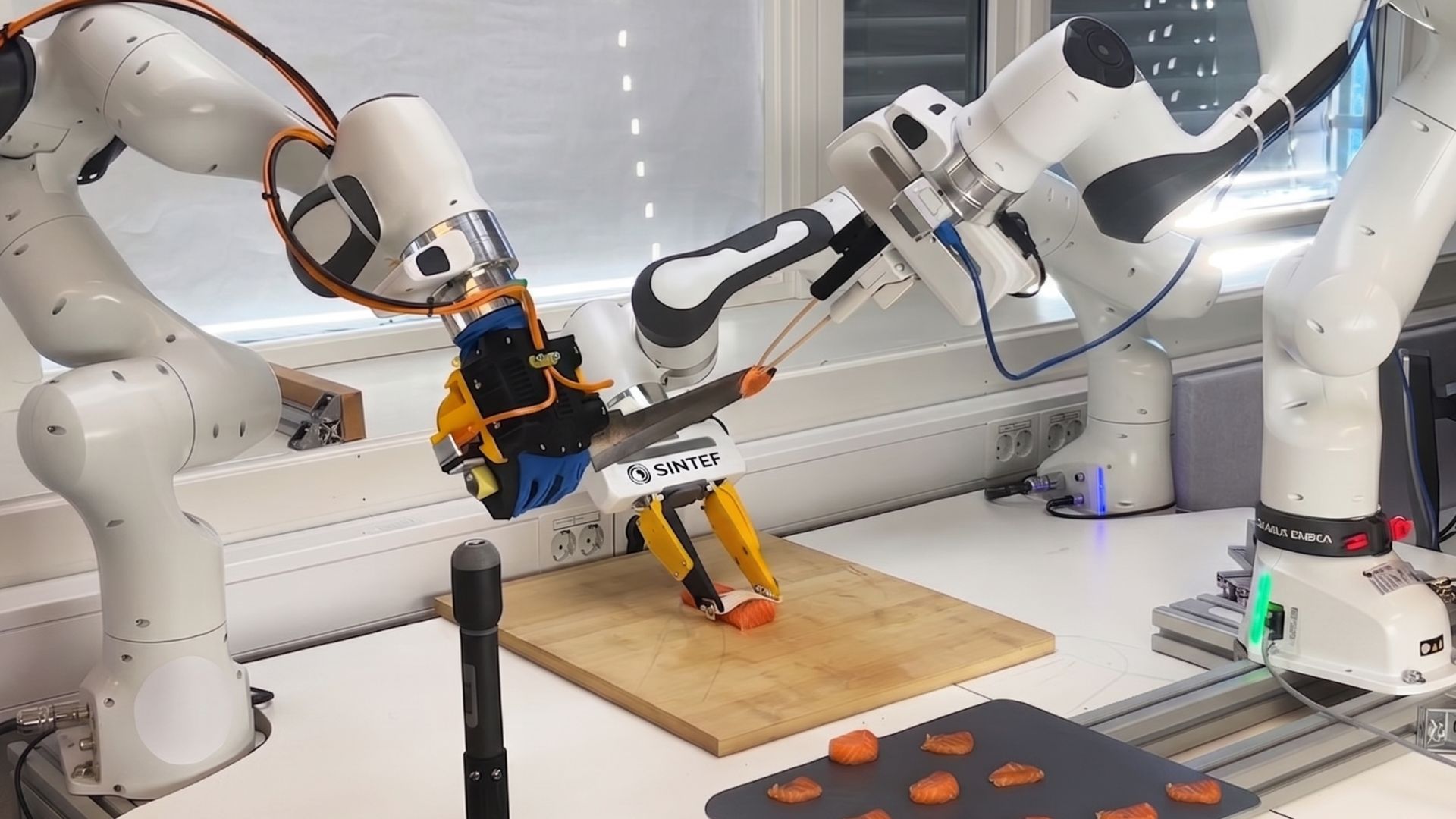
Three-armed kitchen robot cuts raw salmon with 95% touch-sensing accuracy
In a notable development within the robotics industry, researchers and engineers are grappling with the complexities of programming industrial robots to prepare sashimi, a task that has proven to be unexpectedly challenging. Despite advancements in automation and robotics, the intricate nature of slicing raw fish with precision and artistry has eluded machines, highlighting the limitations of current technology in replicating skilled human techniques. This ongoing effort reflects a broader trend in the food industry, where automation is increasingly sought after to enhance efficiency and consistency. As of October 2023, experts are exploring innovative approaches to overcome these hurdles, aiming to integrate advanced sensory feedback and machine learning algorithms that could enable robots to mimic the nuanced movements of experienced chefs. The pursuit of automating sashimi preparation not only underscores the demand for robotics in culinary applications but also raises questions about the future of traditional food preparation methods in an era of rapid technological advancement.
AI and Robotics
Three-armed Sashimi-Bot learns to slice and serve fish like a pro
A new three-armed robot has been developed to assist with the challenging task of cutting fish into bite-sized pieces, addressing a significant hurdle in culinary robotics. Unlike traditional robots that excel at handling rigid objects, this innovative machine is designed to manage the complexities of slippery and shape-shifting materials like fish. The robot's advanced capabilities allow it to adapt to the changing form of the fish during both handling and slicing, making it a valuable tool for chefs and home cooks alike. This breakthrough in robotic technology aims to enhance efficiency and precision in food preparation, reflecting ongoing advancements in automation within the culinary industry.
Robotics
Design and Verification of a Multi‐Feature Wind Field Generation Device Based on Array‐Type Rotors
A recent study published in the Journal of Field Robotics explores advancements in robotic technology aimed at enhancing agricultural efficiency. Conducted by a team of researchers from various universities, the study highlights the development of autonomous robots capable of performing tasks such as planting, weeding, and harvesting crops. This research, which was initiated in early 2023, took place at agricultural fields across multiple locations in the Midwest United States. The motivation behind this initiative stems from the growing need for sustainable farming practices and the increasing labor shortages faced by the agricultural sector. By integrating advanced robotics into farming operations, the researchers aim to reduce reliance on manual labor while simultaneously increasing productivity and minimizing environmental impact. The study details the design and implementation of these robots, which utilize machine learning algorithms to navigate fields and make real-time decisions based on environmental conditions. Initial trials have shown promising results, indicating that these robots can significantly improve crop yields while reducing resource consumption. As the agricultural industry faces mounting challenges, this research represents a critical step toward the future of farming, showcasing how technology can play a pivotal role in addressing food security and sustainability. The findings are expected to influence future developments in agricultural robotics and encourage further investment in this innovative sector.
RESEARCH ARTICLE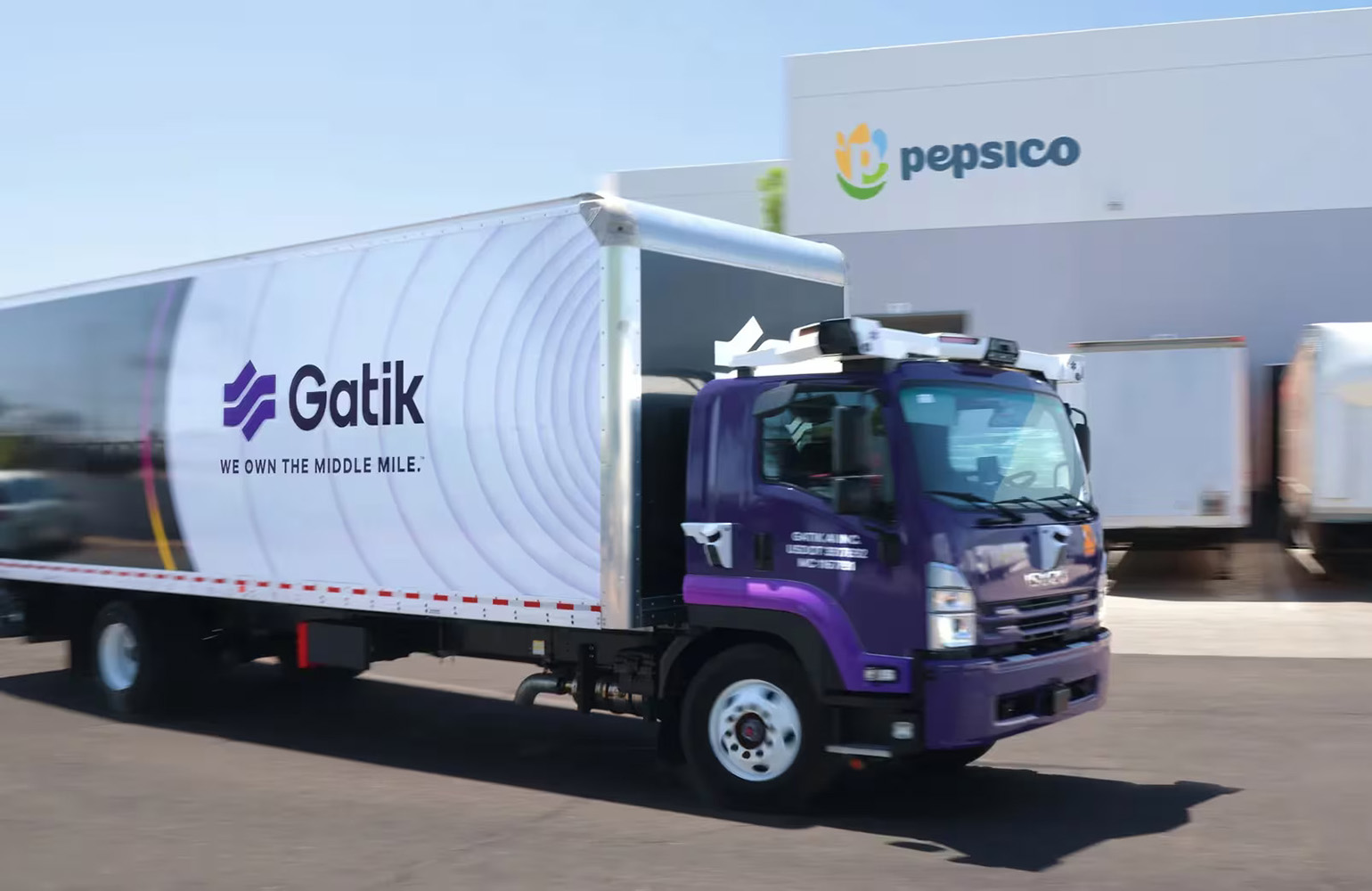
Gatik to bring autonomous freight to PepsiCo’s North American supply chain
PepsiCo has announced a partnership with Gatik to enhance its North American supply chain by integrating autonomous freight solutions. This collaboration aims to optimize PepsiCo's regional transportation networks, which facilitate the daily movement of products between various sites. By leveraging Gatik's technology, the beverage and snack giant seeks to improve efficiency and reduce operational costs in its logistics operations. The initiative reflects a growing trend in the industry to adopt automation in supply chain management, driven by the need for faster and more reliable delivery systems.
Artificial Intelligence Artificial Intelligence / Cognition Automotive Design / Development Food / Beverage Logistics
Minister to Open Aquaculture UK in Glasgow
Jim Fairlie, Scotland’s newly appointed Minister for Agriculture, Marine and the Islands, is set to inaugurate Aquaculture UK next week. This event, recognized as the largest gathering in the aquaculture sector, will take place in Scotland, bringing together industry leaders, stakeholders, and innovators. The opening of this significant event underscores the Scottish government's commitment to advancing the aquaculture industry, which plays a vital role in the nation’s economy and food security. Fairlie's participation highlights the importance of collaboration and innovation in addressing the challenges and opportunities within the sector. Aquaculture UK aims to showcase the latest developments, technologies, and practices that are shaping the future of aquaculture, fostering dialogue and partnerships among attendees.
aquaculture uk events aquaculture
Cross‐Modal Synergistic Optimization Multi‐Task Segmentation Network for Autonomous Ground Intelligent Agents in Field Environments
A recent study published in the Journal of Field Robotics highlights the advancements in autonomous robotic systems designed for agricultural applications. Researchers from various institutions collaborated to explore innovative technologies that enhance efficiency and sustainability in farming practices. The findings, released in early October 2023, emphasize the growing importance of robotics in addressing labor shortages and increasing productivity in the agricultural sector. The study showcases several case studies where autonomous robots successfully performed tasks such as planting, harvesting, and monitoring crops, demonstrating their potential to revolutionize traditional farming methods. By integrating artificial intelligence and machine learning, these robots can adapt to varying environmental conditions and optimize resource use, ultimately contributing to more sustainable agricultural practices. The motivation behind this research stems from the pressing challenges faced by the agricultural industry, including the need for increased food production to meet global demand and the impact of climate change on farming. The researchers advocate for the adoption of robotic technologies as a viable solution to enhance food security and reduce the environmental footprint of agriculture. Through rigorous testing and evaluation, the study provides insights into the operational capabilities of these autonomous systems, paving the way for further innovations in the field. As the agricultural sector continues to evolve, the integration of robotics is expected to play a crucial role in shaping the future of food production.
RESEARCH ARTICLE
Automated Lawn Maintenance: An Agronomic and Operational Review of Turf Health, Biodiversity, and Field Performance
A recent study published in the Journal of Field Robotics highlights advancements in autonomous robotic systems designed for agricultural applications. Researchers from a leading university conducted the study to explore how these robots can enhance efficiency in farming practices. The research was carried out over the summer of 2023 at various agricultural sites across the Midwest. The motivation behind this initiative stems from the increasing demand for sustainable farming solutions that can address labor shortages and improve crop yields. By integrating advanced sensors and machine learning algorithms, the robots are capable of performing tasks such as planting, monitoring crop health, and harvesting with minimal human intervention. The study involved extensive field tests, where the robots demonstrated their ability to navigate complex terrains and adapt to changing environmental conditions. Results showed a significant increase in productivity compared to traditional farming methods, suggesting that the implementation of these technologies could revolutionize the agricultural sector. As the agricultural industry faces challenges related to climate change and population growth, this research underscores the potential of robotics to provide innovative solutions that promote sustainability and efficiency in food production. The findings are expected to pave the way for further developments in agricultural robotics, ultimately benefiting farmers and consumers alike.
SURVEY ARTICLE
RGPB‐Planner: A Real‐Time Gaussian Potential B‐Spline Trajectory Planner for Unmanned Aerial Vehicles in Complex Environments
A recent study published in the Journal of Field Robotics explores advancements in autonomous robotic systems designed for agricultural applications. Researchers from various institutions conducted the study to address the growing need for efficient farming solutions amid increasing global food demands. The findings, released in early October 2023, highlight innovative technologies that enhance the capabilities of robots in tasks such as planting, harvesting, and monitoring crops. The research was conducted in diverse agricultural settings, showcasing how these robotic systems can adapt to different environments and crop types. By integrating artificial intelligence and machine learning, the robots are able to optimize their performance, reducing labor costs and increasing productivity for farmers. This initiative stems from the urgent necessity to improve agricultural efficiency and sustainability in response to climate change and population growth. The study emphasizes that the implementation of these robotic systems could significantly transform traditional farming practices, making them more resilient and resource-efficient. The research team utilized a combination of field tests and simulations to demonstrate the effectiveness of the robotic technologies, providing a comprehensive analysis of their potential impact on the agricultural sector. As the industry continues to evolve, the insights from this study may pave the way for broader adoption of robotics in farming, ultimately contributing to food security and environmental sustainability.
RESEARCH ARTICLE
Automation Drives Cold Store Efficiency
Clavo Food Factory has enhanced its operational efficiency by increasing storage capacity and reducing operating times through the implementation of an automated logistics solution from Mecalux. This upgrade took place at the company's production facility in Tordesillas, Spain. Specializing in ready-to-eat chilled and frozen foods, Clavo Food Factory produces 14,000 tonnes annually, catering to over 42,000 restaurants globally. The automation initiative aims to streamline processes and improve overall productivity, reflecting the company's commitment to innovation in the food production industry.
AMR and AGV Automation Systems and Shuttles Cold Chain Logistics Magazine Features Materials Handling Storage & Racking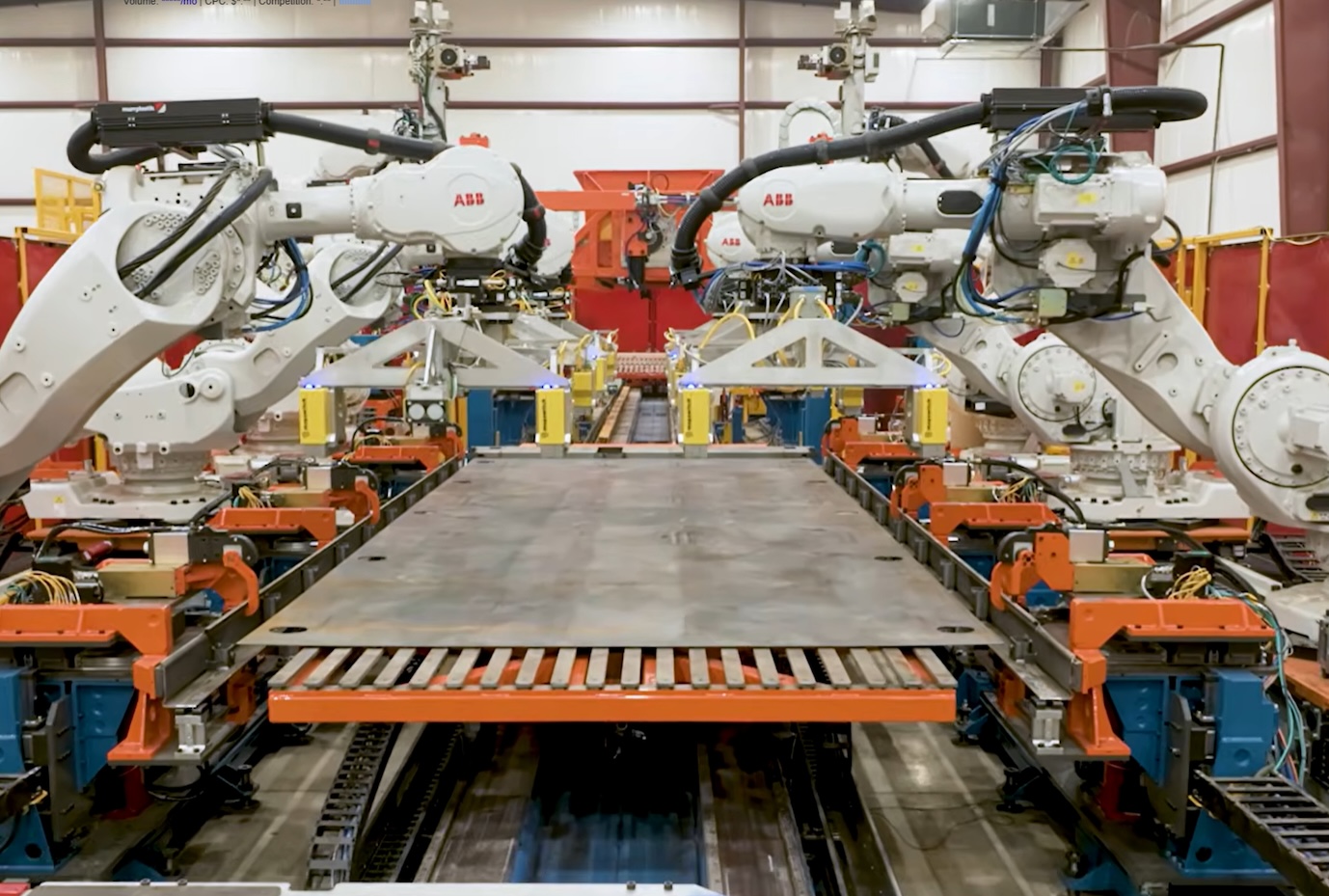
From Flybys to Sample Return: A Review of Space Probes and Robotic Sampling Technologies for Small Bodies
A recent study published in the Journal of Field Robotics highlights advancements in robotic technology aimed at enhancing agricultural efficiency. Researchers from various institutions conducted experiments to assess the effectiveness of autonomous robots in crop monitoring and management. The study, released in early October 2023, took place in diverse agricultural settings across the United States. The motivation behind this research stems from the increasing demand for sustainable farming practices and the need to address labor shortages in the agricultural sector. By integrating advanced robotics, the team aims to provide farmers with innovative tools that can optimize crop yields while minimizing environmental impact. The researchers implemented a series of field tests to evaluate the robots' capabilities in tasks such as soil analysis, pest detection, and irrigation management. The findings indicate that these autonomous systems can significantly reduce the time and labor required for traditional farming methods, ultimately leading to more efficient agricultural practices. This groundbreaking work not only showcases the potential of robotics in transforming agriculture but also emphasizes the importance of technological solutions in meeting the challenges posed by a growing global population and climate change. As the agricultural industry continues to evolve, the integration of robotic technology may play a crucial role in shaping the future of food production.
SURVEY ARTICLE
US$1b windfall: how Meituan’s bets on AI, robotics outshine quarterly loss
Meituan, the Chinese food-delivery giant, is poised to benefit significantly from its investments in emerging technologies, particularly in the rapidly growing artificial intelligence sector, including a stake in Zhipu AI. This development comes at a crucial time for the company, which reported an adjusted net loss of 4.97 billion yuan (approximately US$735 million) for the first quarter of 2023, marking its third consecutive quarter of losses. The strategic investments are seen as a potential lifeline for Meituan, aiming to enhance its financial performance and stabilize its market position. The company’s focus on frontier tech reflects a broader trend in the industry, as firms seek to leverage innovative solutions to drive growth and profitability amidst challenging economic conditions.

Former Meituan delivery tech chief starts a venture for an "restaurant world model" in the era of embodied intelligence.
AtomBite.AI, a company specializing in embodied intelligence, has secured a multi-million dollar seed funding round led by InnoTech Venture Capital, with participation from the Tsinghua Alumni Seed Fund and notable individual investors. This funding will primarily support the development of embodied world models for the restaurant industry and the implementation of core products. The company's founding team, which includes Dr. Wang Dong, a former technical lead at Meituan's food delivery division, aims to address inefficiencies in restaurant kitchens, particularly in the packaging and delivery processes that still heavily rely on manual labor. As global food delivery orders continue to rise, AtomBite.AI identifies the kitchen as a promising application area for embodied intelligence, given its universal demand and clear return on investment for businesses. The team plans to create a "World Action Model" tailored for the restaurant sector, emphasizing the integration of visual and tactile feedback to enhance robotic operations. Their approach focuses on developing a system that learns from real-world interactions rather than relying solely on generalized models. Currently, AtomBite.AI is targeting the packaging and transfer stages of food delivery, which are prone to errors and have quantifiable value. The company anticipates deploying its packaging model in commercial kitchens by 2026, with plans to expand into more complex kitchen operations and broader service industry applications in the future.
Robotics needs a service framework.
RSF defines a common language for robot service capability, lifecycle operations, certification pathways, and service-provider networks.