

Industry Briefing
A single destination for timely, editor-curated robotics news from around the world.
Robot Field Service Becomes Essential for Scalable Automation Success
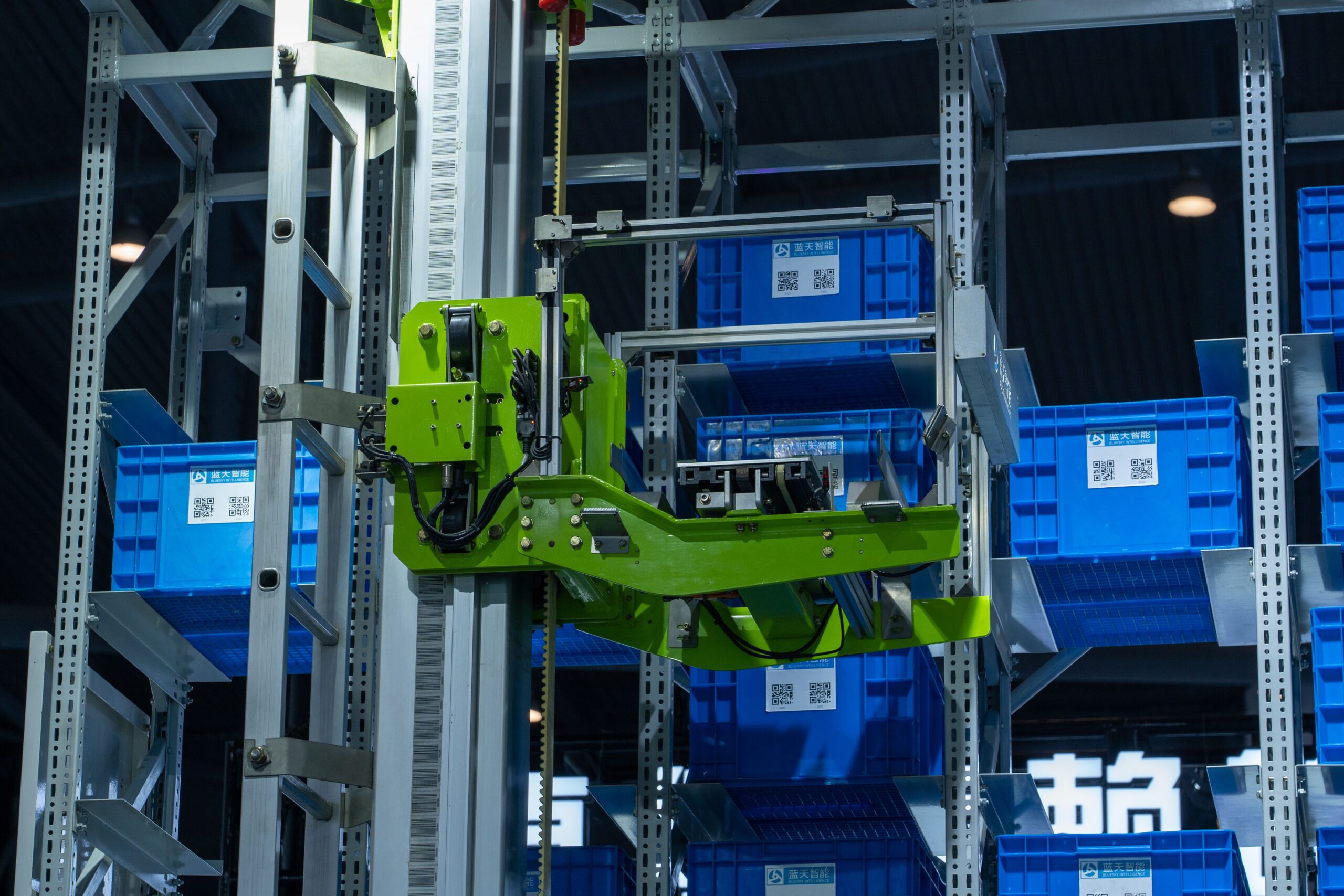
The robotics industry is increasingly focusing on the post-installation phase as robot field service emerges as a critical challenge for automation scalability. Operational issues can arise when robots experience failures in remote locations, necessitating immediate technician intervention rather than simple software updates. This is particularly crucial in sectors like commercial kitchens, where downtime can severely impact service delivery. For logistics operators, the realization is that the journey of a robot begins with purchase and installation, but ongoing maintenance, spare parts availability, and technician training are vital for operational success. This could lead to changes in how contracts for warehouse robotics are structured, emphasizing service-level agreements that define response times and responsibilities for various types of faults. As the deployment of robots expands, the ability to maintain them effectively in the field will become increasingly important. A robust field-service model could minimize unplanned downtime and enhance confidence in deploying automation across multiple facilities, potentially driving demand for third-party service networks that support diverse robotic systems.
Latest News automation Field Service maintenance robotics warehouse automation
Addressing Field Service Challenges in Robotics Maintenance and Support
The robotics industry is increasingly focused on the deployment and sales of robots, yet there is a significant gap in discussions regarding post-deployment support. Specifically, the challenges of field service are becoming apparent as robots require maintenance and repairs after installation. For instance, when a sensor malfunctions in a remote location, it can lead to operational downtime and increased costs. This issue is critical as the reliance on robots in various sectors grows, making effective field service essential for maintaining productivity and efficiency. The ability to quickly address technical failures, such as a sensor issue occurring 900 miles away from the nearest engineer, is vital for ensuring that robotic systems continue to function optimally. As the industry evolves, the importance of robust support systems will become increasingly evident. Looking ahead, companies must prioritize the development of efficient field service strategies to mitigate potential bottlenecks in robotics maintenance. No further timeline was disclosed at the time of publication.

Delivering Flawless Field Service with Predictive Insights and AI
In a recent session, industry leaders discussed the integration of artificial intelligence and predictive technologies in asset maintenance and field service operations. The event highlighted how organizations are leveraging real-time asset insights to enhance their maintenance and service strategies. By utilizing intelligent recommendations, companies are optimizing their operations and improving technician guidance. This approach not only streamlines maintenance processes but also facilitates the orchestration of end-to-end workflows across supply chain management, service execution, and financial operations. The session underscored the growing importance of technology in driving efficiency and effectiveness in asset management.
Robotics needs a service framework.
RSF defines a common language for robot service capability, lifecycle operations, certification pathways, and service-provider networks.
Join the RobotToday community on LinkedIn
Daily robotics news, in-depth analysis, conference highlights, and discussions with professionals worldwide.







