Industry Briefing
A single destination for timely, editor-curated robotics news from around the world.

Reframe Systems Secures $40 Million to Expand Robotic Microfactories for Home Construction
Reframe Systems has successfully raised $40 million to enhance its network of robotic microfactories aimed at addressing the U.S. housing shortage. With a current deficit of 4.5 million homes, the company plans to utilize this funding to scale operations across North America, adapting to various local requirements and conditions. The fragmented nature of the construction industry, which typically relies on numerous subcontractors, has contributed to the housing crisis. Reframe's innovative approach combines robotics and its Pixels to Parts software to streamline home building, enabling faster and more efficient production of energy-efficient and climate-resilient homes. Looking ahead, Reframe aims to deliver one million homes by 2040, five years earlier than initially planned. The company is set to open a new microfactory, FAB1, in Billerica, Massachusetts, which will be operational by October 5. With plans to produce up to 500 multifamily units or 250 single-family homes annually, Reframe is on track to significantly impact the housing market in the coming years.
Artificial Intelligence Artificial Intelligence / Cognition Construction Design / Development Financial Investments
Advancements of Humanoid Robots in Factories: From Functionality to Reliability
The progress of humanoid robots in factories can be summarized as follows: while the ability to perform tasks has been established, consistent daily operation is still in its early stages, and achieving reliable performance remains unaccomplished. The industry is currently stuck between the second and third phases of deployment, with leading companies proving their robots can work but still validating their daily operational capabilities. The Foton Cummins engine factory in Changping, Beijing, is one of the earliest sites for humanoid robots in China, where the TianGong 2.0 bipedal robot and TianYi 2.0 wheeled robot have been tested for nearly a year, primarily handling material transport. These robots address the challenge of flexible handling in the 'last mile' of logistics, demonstrating promising efficiency but still not fully replacing human workers. As of the first half of 2026, global shipments of humanoid robots are expected to exceed 22,000 units, marking a nearly 300% year-on-year increase. However, only a small fraction of these robots are actively working in industrial settings, with most still in the early stages of development. The industry faces challenges such as achieving high success rates, maintaining operational speed, and gathering effective data for real-world applications.
Humanoid Robots Industrial Automation Robotics Manufacturing Technology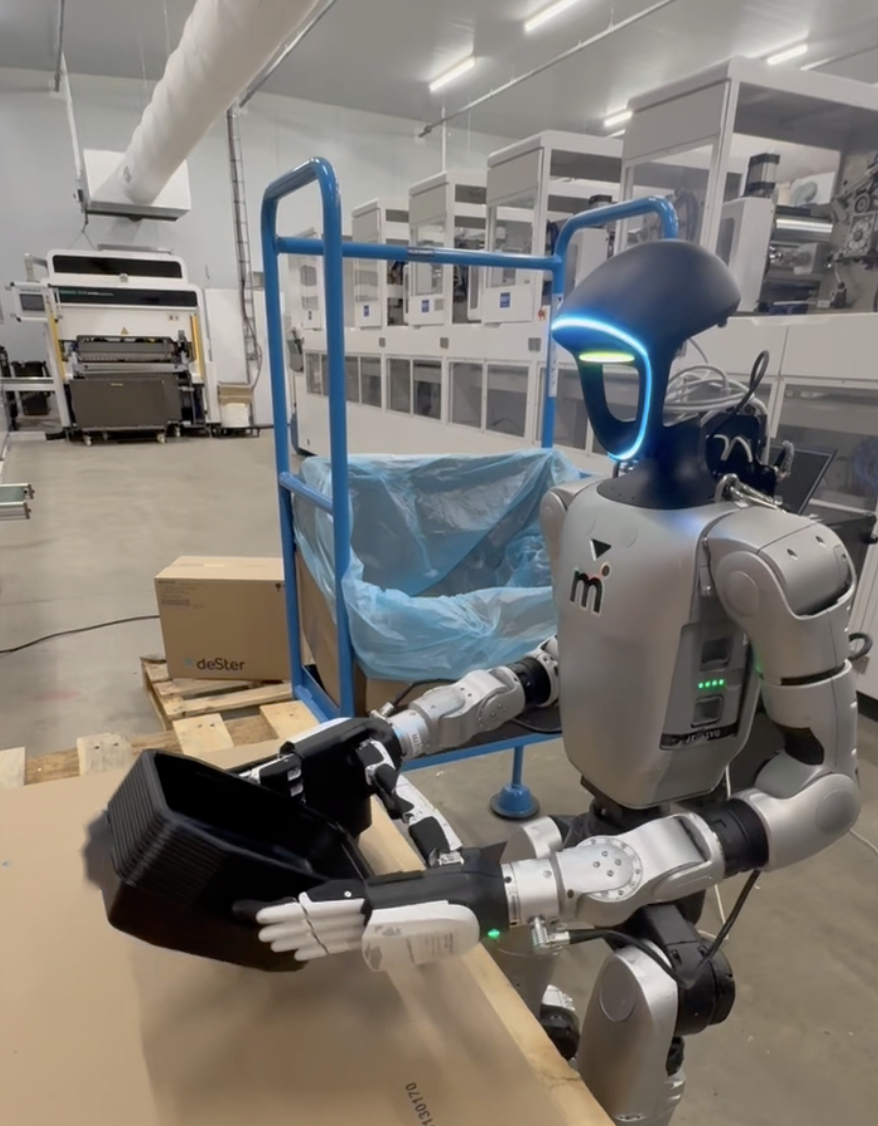
Motion Secures $2 Million to Launch Humanoids-as-a-Service in European Factories
Motion, a pioneer in Humanoids-as-a-Service (HaaS) in Europe, has successfully raised $2 million in a pre-seed funding round led by Extantia Capital. This investment will enable Motion to transition its five pilot projects with Belgian industrial and logistics companies into full-scale production, expand its workforce, and enhance its fleet of humanoid robots, starting in the Benelux region. The significance of this funding is underscored by the pressing labor shortages in European factories, where 72 percent of manufacturers reported challenges in filling roles, particularly for machine and plant operators, according to a ManpowerGroup survey. The deployment of humanoid robots is crucial for addressing these workforce gaps and supporting Europe’s industrial ambitions, especially as competition from countries like China intensifies. Looking ahead, Motion aims to simplify the adoption of humanoid robots by offering a comprehensive service model that includes financing, compliance, and maintenance under a single monthly fee. No further timeline was disclosed at the time of publication.
Humanoids News european manufacturing extantia capital factory automation humanoid robots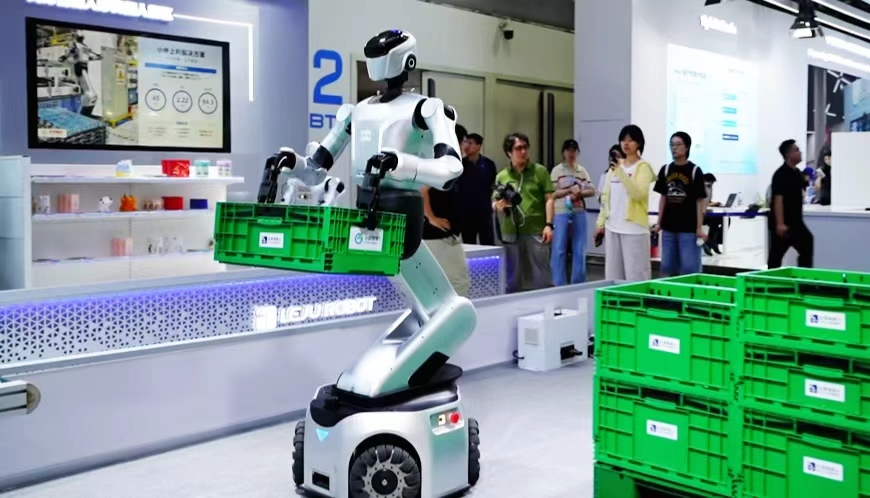
Challenges of Integrating Robots into Factories Despite Technological Progress
The KUAVO-VLA1.0 model can perceive images, follow instructions, and understand environments, but it must adapt to specific factory conditions such as arm length and joint movement before being deployed. This adaptation process involves retraining for new tasks, which increases costs and learning time for factories. The complexity arises from the need for robots to relearn basic operations when faced with new tasks, despite the fundamental actions remaining unchanged. The KUAVO-VLA1.0 has utilized over 600 hours of high-quality data to cover 100 industrial tasks, allowing it to continuously learn and refine its operational capabilities. Looking ahead, the integration of domain-specific models alongside general models represents a shift in the development of embodied intelligence. The focus is on reusing learned capabilities to minimize retraining, which is crucial for enhancing efficiency in industrial applications. No further timeline was disclosed at the time of publication.
Industrial Robots Embodied Intelligence Automation Technology Robotics Development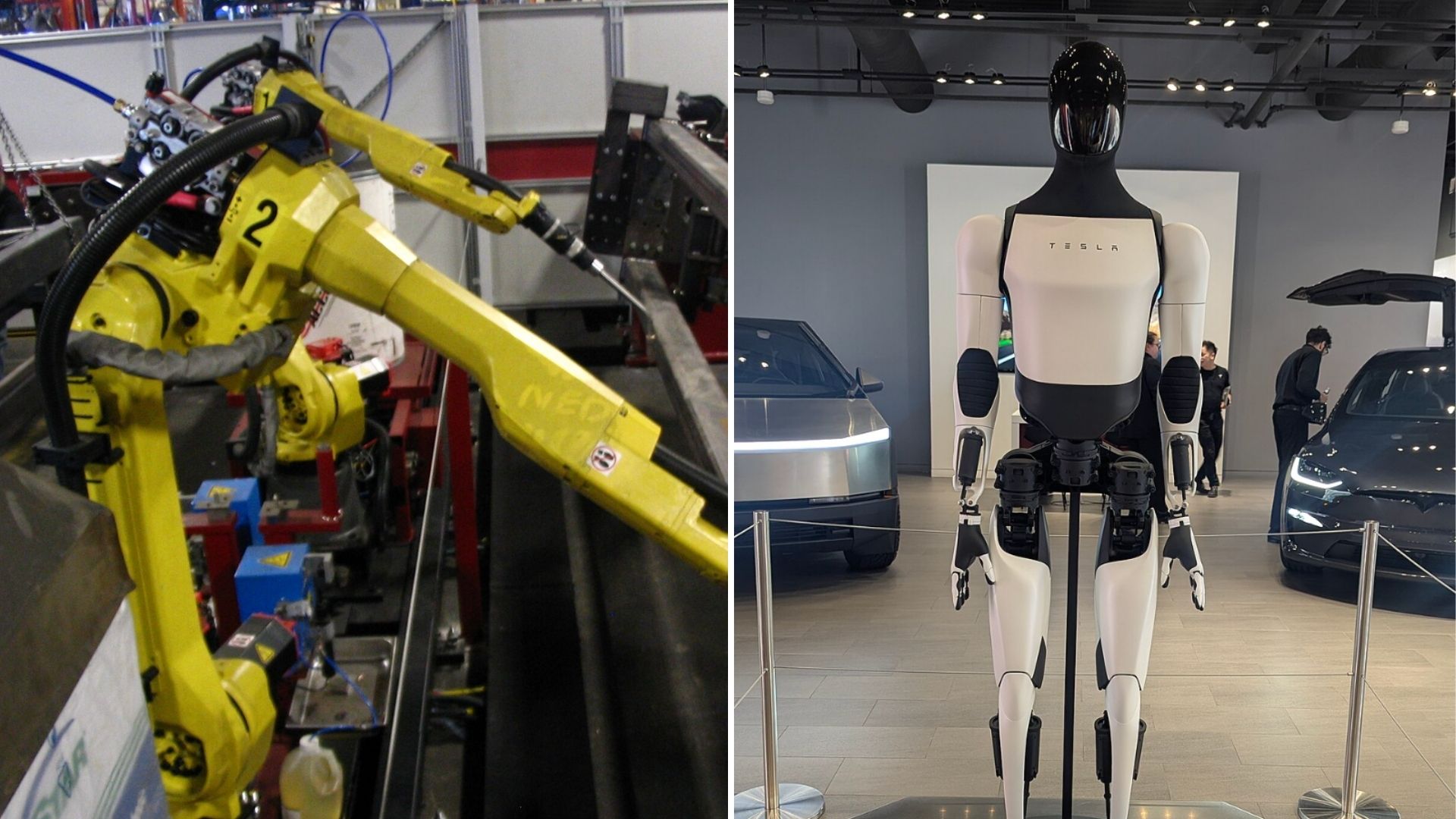
Humanoid Robots Enter Factories: Will They Surpass Traditional Industrial Robots?
Humanoid robots are emerging as a new element in factory automation, capable of walking between workstations and handling components. However, traditional industrial robots still dominate the automated factory landscape, raising questions about the future of humanoid integration in manufacturing environments. The significance of this development lies in the contrasting benefits of humanoids and industrial robots. While humanoids offer flexibility, industrial robots provide proven productivity, having been established in factories for decades. In 2024, factories installed 542,000 industrial robots, contributing to a global total of approximately 4.66 million, according to the International Federation of Robotics. Looking ahead, the competition between humanoids and industrial robots will intensify as manufacturers weigh the costs and benefits of each technology. Collaborative robots are also gaining traction, representing 10.5% of industrial robot installations in 2023, which may further challenge the role of humanoids in factories. No further timeline was disclosed at the time of publication.
AI and Robotics
SpaceX Plans Lunar Factories with Robotic Assistance for Starmind Satellite Production
During SpaceX's quarterly earnings call on August 4, Elon Musk announced plans to establish factories on the moon, utilizing robots for heavy lifting. This initiative aims to support the production of Starmind AI satellites, with a goal of deploying a million-satellite constellation in Earth's orbit and beyond. Musk emphasized the significance of off-Earth manufacturing, stating that robots will play a crucial role in scaling up lunar production. The factories will focus on creating essential components like solar panels and radiators for the Starmind satellites, which are expected to revolutionize space intelligence capabilities. Looking ahead, Musk's vision includes launching locally manufactured Starmind satellites from the moon using electromagnetic mass drivers. While specific details about the robotic workforce remain undisclosed, the use of Tesla's Optimus robots is anticipated. No further timeline was disclosed at the time of publication.
The moon Astronomy Solar System
TechCrunch Disrupt 2026 Introduces Real World AI Stage Featuring Robots and Automated Factories
TechCrunch Disrupt 2026 will feature a new Real World AI Stage, expanding its focus on AI's intersection with the physical world. This stage will highlight advancements in autonomous hardware, including applications in public spaces and potential de-extinction efforts. The event, scheduled for October 13 to 15 at San Francisco’s Moscone West, will host discussions on the challenges of deploying autonomous systems safely. Industry leaders from companies like Shield AI and Colossal Biosciences will address critical questions regarding safety culture, regulatory navigation, and trust-building in high-stakes environments. Attendees can expect insights from notable speakers, including Ben Lamm of Colossal Biosciences, who will explore the role of AI in reviving extinct species. The event promises to be a significant gathering for those interested in the evolving landscape of AI and its real-world applications. No further timeline was disclosed at the time of publication.
AI TechCrunch Disrupt Colossal Biosciences
Humanoid Robots Transforming Brownfield Factories for Industrial Automation
Humanoid robots are emerging as a transformative force in manufacturing, particularly in brownfield factories. Their ability to adapt to existing human-centric environments allows for seamless integration into production workflows, minimizing the need for extensive modifications. This adaptability is crucial as manufacturers seek to modernize facilities without incurring significant capital investment or operational disruption. The significance of humanoid robots lies in their unique design and functionality, which enable them to perform a wide range of tasks in dynamic environments. Unlike traditional automated guided vehicles (AGVs) and autonomous mobile robots (AMRs), humanoids can navigate and adjust to changing conditions, making them well-suited for environments built around human dimensions. This capability positions them as a viable solution for manufacturers looking to enhance automation in legacy systems. Looking ahead, organizations must focus on workforce training and process reevaluation to ensure effective human-robot collaboration. The integration of a robust digital thread and the creation of digital twins will be essential for simulating interactions and validating workflows before deploying humanoids in production. No further timeline was disclosed at the time of publication.
Factory / Robotics
NVIDIA Spectrum-6 Launches in Gigascale AI Factories to Enhance Performance
NVIDIA has introduced the Spectrum-6, a 102.4-terabit-per-second Ethernet switch system, to the world's gigascale AI factories. This new system, part of the NVIDIA Vera Rubin platform, offers double the capacity of its predecessors, enhancing the networking capabilities essential for training advanced AI models and generating intelligence at scale. The deployment of Spectrum-6 is significant as it allows leading AI infrastructure builders like CoreWeave, Microsoft, Nebius, SpaceXAI, and Tesla to optimize their AI factories. This technology enables a unified, high-performance resource for cloud providers, facilitating faster model training and inference service deployment, which is crucial for meeting the demands of complex AI workloads. Looking ahead, the integration of Spectrum-6 is expected to improve GPU coordination and resilience in AI operations, leading to quicker results and better economic outcomes. CoreWeave, Microsoft, and Nebius are among the first to implement this technology, which will benefit a wide range of developers and enterprises in the AI sector. No further timeline was disclosed at the time of publication.

Foreign Leaders Explore Advanced Factories in China's Yangtze River Delta Region
In early 2023, South Korean President Lee Jae-myung engaged with a humanoid robot during a forum in Shanghai, highlighting the increasing presence of technology in diplomatic visits. German Chancellor Merz and Serbian President Vucic also toured advanced factories, showcasing innovations in robotics and automation. The significance of these visits lies in the shift from traditional cultural sites to modern technological achievements as focal points for foreign leaders. Factories like the SAIC-GM Ultium Super Factory in Shanghai and the future factory of Minth Group in Jiaxing demonstrate high levels of automation and efficiency, with robots performing critical tasks. Looking ahead, the trend of 'industrial tourism' is expected to grow, with a notable increase in inbound orders for factory tours by mid-2026. This reflects a broader understanding of China's innovative capabilities and the establishment of a collaborative industrial network in the Yangtze River Delta, which is becoming a key player in global manufacturing and technology.
Robotics Industrial Automation Smart Manufacturing AI Technology
ForwardX Robotics Releases Whitepaper on Scaling AMRs in Existing Manufacturing Facilities
ForwardX Robotics has launched a new whitepaper that explores the engineering capabilities necessary for deploying and scaling autonomous mobile robots (AMRs) in existing manufacturing environments. This initiative comes as manufacturers seek to enhance automation in their facilities while ensuring production continuity. The whitepaper highlights the potential of AMRs to improve internal material flow in brownfield environments, which often require minimal changes to existing factory infrastructure. However, it also addresses the unique challenges posed by these environments, which extend beyond simple robot navigation. As the industry moves towards greater automation, stakeholders should monitor how ForwardX Robotics' insights can influence the adoption of AMRs in brownfield settings. No further timeline was disclosed at the time of publication.
WRC 2026: China Develops Numerous Data Centers for Embodied Intelligence
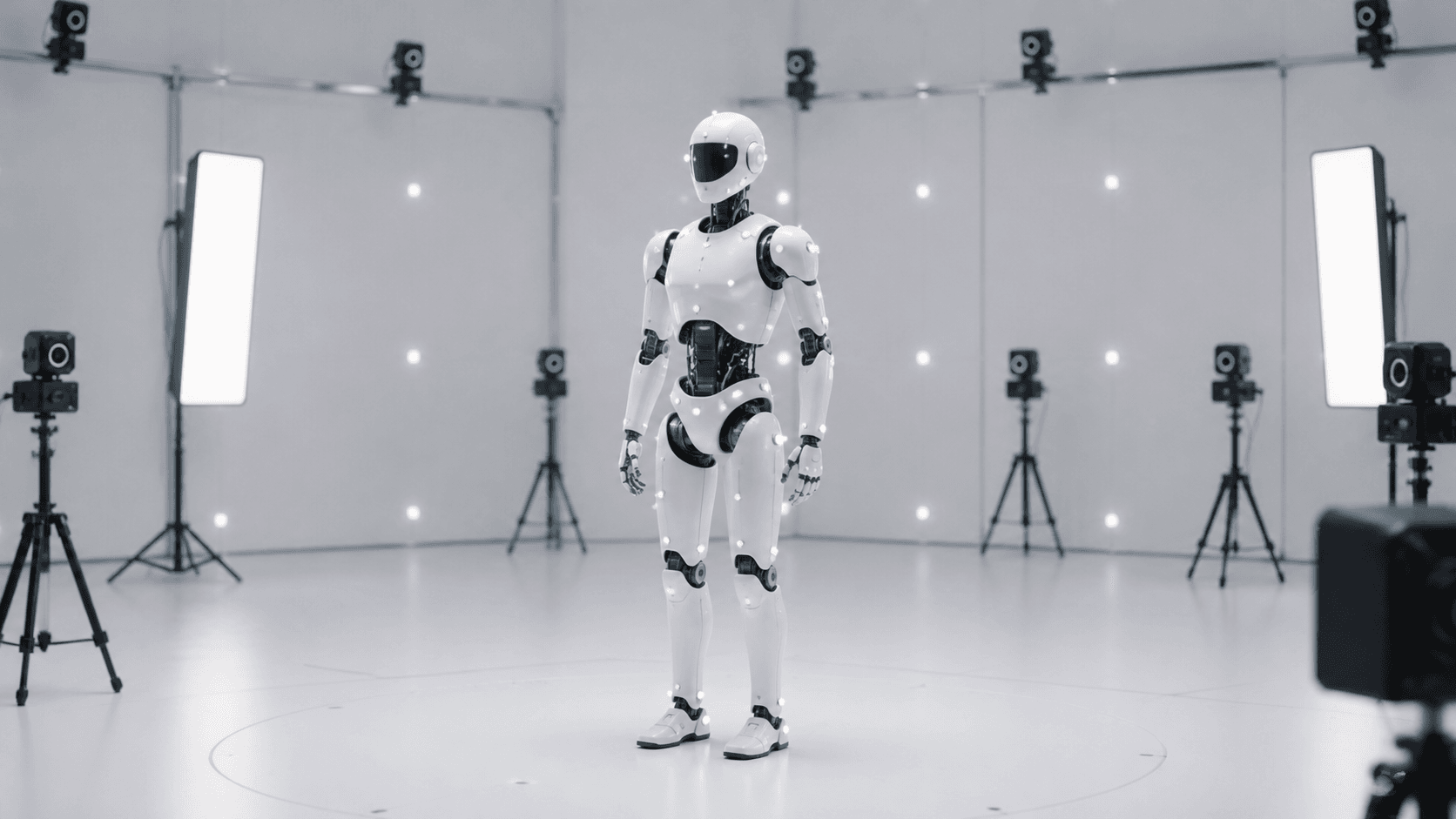
At this year's World Robot Conference, China showcased its efforts in establishing numerous embodied-intelligence data centers. These facilities are part of a broader industry shift from merely constructing robotic bodies to focusing on the data necessary for training their cognitive capabilities. The emphasis on data harvesting is crucial as the robotics sector recognizes the need for substantial datasets to enhance the performance of embodied intelligence systems. Despite the establishment of 90 data factories, experts indicate that the current data volume remains insufficient to fully support the development of advanced robotic brains. Looking ahead, the industry must address the data scarcity issue to ensure the effective training of embodied intelligence. No further timeline was disclosed at the time of publication.
Implementing Simple Automation Solutions in Older Factories
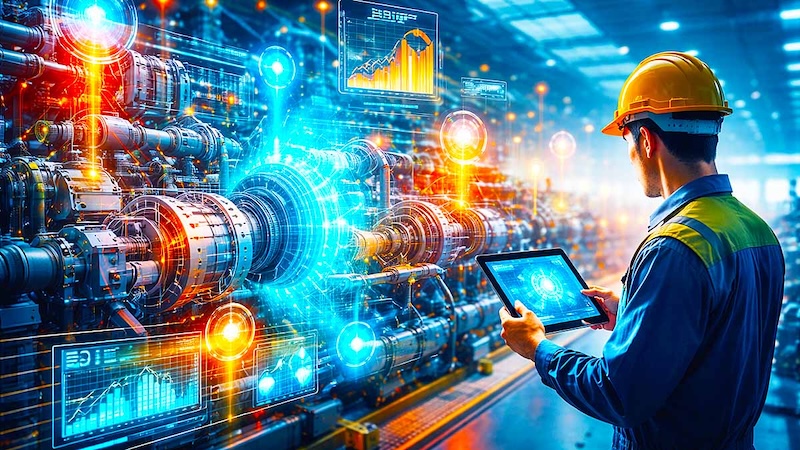
Older factories can benefit from automation without a complete overhaul. Instead of replacing entire systems, focusing on automating specific repetitive tasks can yield significant improvements. Identifying bottlenecks, such as manual lifting or misalignment, allows for targeted automation efforts that enhance efficiency. This approach is crucial as it minimizes disruption and costs while proving the value of automation incrementally. By starting with manageable projects, facilities can gradually build their automation capabilities. Simple motion components, like electric linear actuators, can effectively handle controlled movements without the complexity of full robotic systems. Looking ahead, factories should consider how to integrate these simpler automation solutions into their operations. As they gain experience, they may explore more advanced technologies. No further timeline was disclosed at the time of publication.
Automation Factories Industry Technology actory automation automation retrofits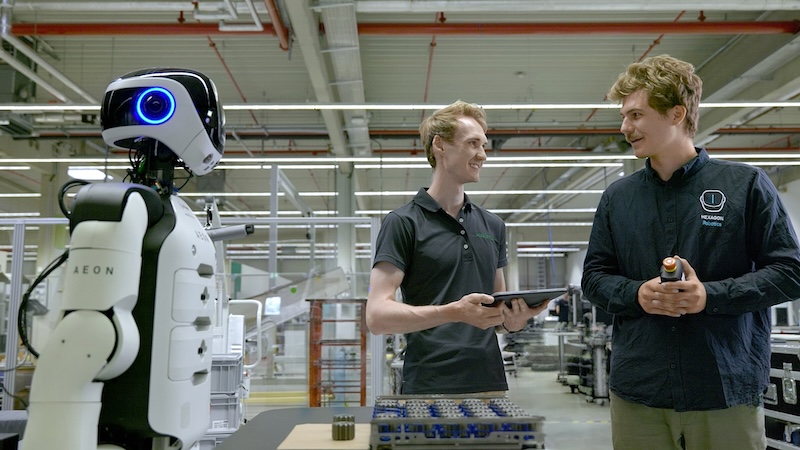
Hexagon Robotics Begins Training AEON Humanoid Robots at Schaeffler's Facility in Germany
Hexagon Robotics and Schaeffler have initiated the training of AEON humanoid robots at Schaeffler’s Humanoid Gym in Germany. This marks a significant step towards deploying at least 1,000 AEON robots in the coming years, utilizing a Train-Validate-Deploy model tailored for industrial environments. The collaboration is crucial as it allows both companies to enhance AEON's industrial capabilities while building Schaeffler's expertise in operating and integrating humanoids into their production processes. The training will focus on imitation learning and refining robot policies to ensure reliable performance in real manufacturing applications. Looking ahead, the training at the Humanoid Gym is expected to expedite AEON's deployment across various manufacturing workflows within Schaeffler over the next six months. This initiative not only supports the integration of humanoids into Schaeffler's operations but also aims to strengthen overall manufacturing performance and scalability in automation.
Components Computing News Training aeon factory automation
Deloitte's 2026 Tech Trends: Physical AI and Intelligent Agents Transforming Business Dynamics
Deloitte's latest report highlights a significant shift in the role of artificial intelligence (AI) in businesses, moving from experimentation to impactful implementation. Leading generative AI tools have reached user scales in just two months that took traditional technologies 50 years to achieve. The report emphasizes the rapid growth of AI startups, which are generating revenue at five times the rate of traditional SaaS companies. The introduction of physical AI is enabling machines to perceive, reason, and adapt in real-time, with applications extending beyond robotics to include autonomous vehicles and drones. The report cites that Amazon has deployed its one millionth robot, showcasing the maturity of AI in warehousing and supply chains. By 2035, it is estimated that humanoid robots in workplaces could reach two million, with a market size projected to grow significantly by 2050. Deloitte identifies a gap in enterprise readiness, with only 11% of companies deploying intelligent agents in production. The report advocates for a shift towards 'Agent-native' thinking, where businesses redesign processes to leverage agents effectively. As AI workloads evolve, traditional data centers are being redefined as 'AI factories,' necessitating new infrastructure strategies. No further timeline was disclosed at the time of publication.
Artificial Intelligence Robotics Business Strategy AI Infrastructure
Humanoid Robots Encounter Significant Hurdles Before Factory Integration
By 2026, humanoid robots are set to transition from laboratories to factories, targeting brownfield sites designed for human workers without accommodating robots. This pragmatic approach leverages existing factory dimensions, allowing robots that can walk, bend, and reach to potentially operate without extensive modifications. Siemens is already utilizing digital twin technology to simulate the integration of humanoid robots in virtual environments, identifying potential conflicts in advance. However, several challenges remain. Reliability is a primary concern, as a robot's ability to walk ten steps does not guarantee it can perform consistently in a real factory environment filled with variables like vibrations, dust, and human activity. Additionally, dexterity poses a significant obstacle; while walking capabilities are improving, fine motor tasks such as picking up small screws or handling fragile components remain problematic for most commercial robots. Data availability is another critical issue. Developing a versatile robot that can adapt to various factories and tasks requires vast amounts of real-world interaction data, which is currently insufficient. A review published in Science Robotics highlights that mobility does not equate to production readiness. As humanoid robots have surpassed the basic walking threshold, the focus now shifts to their actual operational capabilities in factories. Decision-makers should begin evaluating processes and preparing infrastructure to support these advancements.
Humanoid Robots Manufacturing Automation Robotics AI Digital Twin Technology
Agility Robotics Launches Digit V5 Humanoid Robot for Safe Factory Operations
Agility Robotics is set to launch its Digit V5 humanoid robot, designed to operate in factories and warehouses without traditional safety fencing. This innovation aims to enhance human-robot collaboration by allowing the robot to work alongside human workers for up to 20 hours a day, utilizing interchangeable end-effectors for various material-handling tasks. The introduction of Digit V5 is significant as it addresses the challenge of deploying humanoid robots in real-world environments, where safety fencing can hinder operational efficiency. By incorporating advanced safety systems, the robot can navigate and perform tasks in close proximity to people, potentially transforming workflows in crowded industrial settings. Looking ahead, Agility Robotics plans to deploy Digit V5 to early customers in December, with the goal of validating its safety capabilities in real-world conditions. The company envisions expanding the applications of humanoid robots beyond logistics and manufacturing into sectors like retail and pharmaceuticals, where operational restrictions have previously limited deployment.
AI and Robotics
Starlink's Manufacturing Operations: Key Figures and Supply Chain Insights for 2026
Starlink operates two of the highest-volume manufacturing facilities in the space sector, producing approximately 70 satellites weekly in Redmond, Washington, and around 15,000 user terminals daily in Bastrop, Texas. These figures were disclosed in SpaceX's IPO filing, highlighting the scale of Starlink's operations. This information is significant as it positions Starlink not merely as a space venture but as a consumer electronics manufacturer with a unique supply chain. The Redmond facility is among the highest-volume spacecraft factories historically, with production figures vastly exceeding competitors like Amazon's satellite constellation. Looking ahead, Starlink plans to double its terminal production capacity in 2026, supported by a substantial state grant. The focus on in-house printed circuit board manufacturing has also allowed for cost reductions and increased resilience against tariffs, marking a pivotal shift in the supply chain dynamics for consumer electronics in the space industry.

Tesla Energy Faces $240 Million Warranty Charge Amid Supply Chain Challenges in 2026
In Q2 2026, Tesla Energy experienced a significant $240 million warranty charge due to vendor cell issues, highlighting its dependency on external cell suppliers. Despite achieving 13.5 GWh in deployments, the energy gross margin plummeted from 39.5% to 20.4%, attributed to warranty costs, the absence of prior tariff benefits, and competitive pricing pressures. This situation underscores the financial risks associated with cell quality in Tesla Energy's supply chain, which is primarily an assembly business reliant on third-party cells. The company aims to stabilize energy margins in the mid-to-low 20% range long-term, moving away from the inflated margins seen in Q1 2026. Looking ahead, Tesla is set to begin production of Megapack 3 and Megablock at its Megafactory Texas, with a combined annual grid storage capacity of approximately 133 GWh. The introduction of Megablock, which integrates multiple units into a single system, signifies a strategic shift in Tesla's approach to energy storage solutions.

France's New Partnerships Aim to Boost Domestic Drone Production Using Automotive Expertise
France is advancing its domestic drone production through partnerships between major automotive companies and drone manufacturers. This initiative aims to utilize France's robust automotive manufacturing base to enhance the production of autonomous systems, reflecting a significant shift in industrial strategy across Europe and North America. The collaboration involves established automakers and suppliers, with Renault and Thales redesigning the Toutatis loitering munition for automotive-style production, targeting 1,000 units per month by 2027. Additionally, Delair and Schaeffler plan to produce about 100 drones daily by November, while Valeo and Forvia are expanding their roles in electric motors and counter-UAS technologies, respectively. This approach emphasizes efficient manufacturing over design. Looking ahead, the partnerships signify a broader trend in the drone industry, where operational deployment and manufacturing capacity are becoming as crucial as technological innovation. No further timeline was disclosed at the time of publication.
Drone Manufacturing Drone News Drone News Feeds Drones in the News Europe Drone Industry News
U.S. Drone Industry Transitions to Agile Manufacturing Amid Rising Demand
The U.S. drone industry is evolving, driven by government policies and increasing commercial demand, prompting manufacturers to accelerate their production processes. This shift is not only transforming supply chains but also how companies approach product development, emphasizing agility and specialized teams for rapid problem-solving. As manufacturers adapt, the focus has expanded beyond traditional airframe development to include critical areas such as software engineering and systems integration. Godfrey Nolan, President of RIIS, noted that the industry has matured significantly, moving from basic mobile applications to sophisticated command-and-control platforms for sectors like oil and utilities. Looking ahead, the integration of hardware, flight software, and operational workflows will be crucial for success in the U.S. drone market. While enhancing manufacturing capacity remains essential, Nolan highlights that software and systems integration are becoming equally vital challenges for manufacturers aiming to deliver reliable, domestically developed aircraft. No further timeline was disclosed at the time of publication.
defense Drone Manufacturing Drone News Drone News Feeds drone technology News
SK Group and NVIDIA Forge $500 Billion Partnership for AI Infrastructure and Memory Solutions
SK Group and NVIDIA have announced a comprehensive partnership valued at over $500 billion to develop AI infrastructure in response to rising global compute demands. This collaboration includes plans for AI factory construction and the supply of next-generation AI memory, with the first AI factory expected to launch in 2027. The partnership builds on a longstanding relationship between SK Group and NVIDIA, aiming to enhance AI infrastructure across the Asia-Pacific region, particularly in South Korea. The initiative will leverage NVIDIA's DSX platform and SK hynix's advanced memory technologies to create efficient, large-scale AI services. Looking ahead, the collaboration will not only expand AI infrastructure but also focus on co-developing next-generation AI memory solutions. No further timeline was disclosed at the time of publication.
Toyota and Nvidia Enhance Collaboration to Advance AI in Vehicles, Manufacturing, and Urban Infrastructure
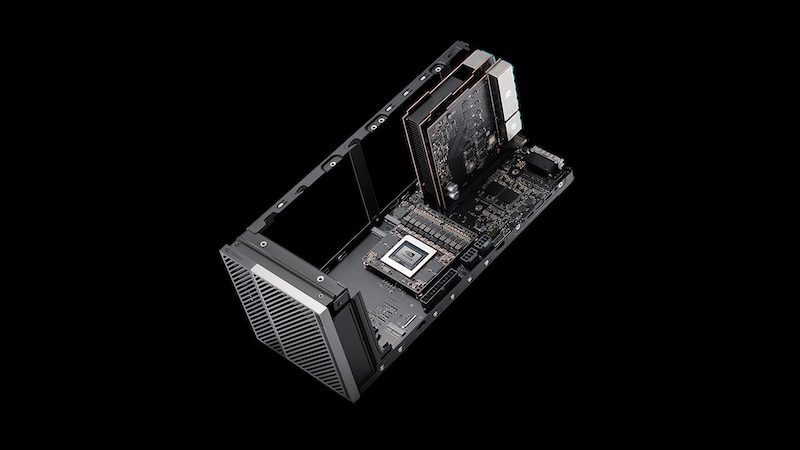
Toyota and Nvidia have broadened their partnership to develop physical AI technologies that encompass next-generation vehicles, manufacturing, robotics, and urban infrastructure. This collaboration builds on a previous agreement, focusing on advanced driver-assistance systems using Nvidia's DRIVE AGX platform and DriveOS operating system. The significance of this partnership lies in its potential to revolutionize mobility and manufacturing. Rishi Dhall, Nvidia's vice president of automotive, emphasized that physical AI will enhance the intelligence of various machines, making vehicles more autonomous and urban environments safer and more responsive. Toyota aims to implement Level 2++ functionality in its future vehicles while leveraging Nvidia AI models for efficient software engineering. Additionally, Toyota is integrating AI into its manufacturing processes through factory simulations using Nvidia's Omniverse and Isaac Sim frameworks. The partnership also extends to urban mobility technologies via Woven by Toyota, which is developing models to analyze traffic conditions. No further timeline was disclosed at the time of publication.
Computing News advanced driver assistance systems ai automotive AI digital twins
Humanoid Robots Poised to Revolutionize Service Sector, Not Manufacturing Lines
The humanoid robot industry is shifting focus towards service applications by 2026, as evidenced by Robot.com's R-noid robot, which can be deployed in just 8 to 12 weeks. This rapid deployment is particularly suited for commercial kitchens, warehousing logistics, and chain hotels, rather than traditional manufacturing environments. This shift is crucial due to the high turnover rates in the service industry, with the restaurant sector experiencing over 300% annual turnover and hotel housekeeping positions facing similar challenges. Traditional industrial robots cannot address these issues, as they require extensive planning and facility modifications, which are not feasible for service businesses. The R-noid robot's ability to integrate into existing workflows without requiring renovations makes it an attractive solution for service operators. As deployment times decrease, the return on investment for businesses facing high turnover becomes more appealing, making humanoid robots a viable option for addressing the pressing needs of the service industry.
Humanoid Robots Service Automation Restaurant Technology Warehouse Logistics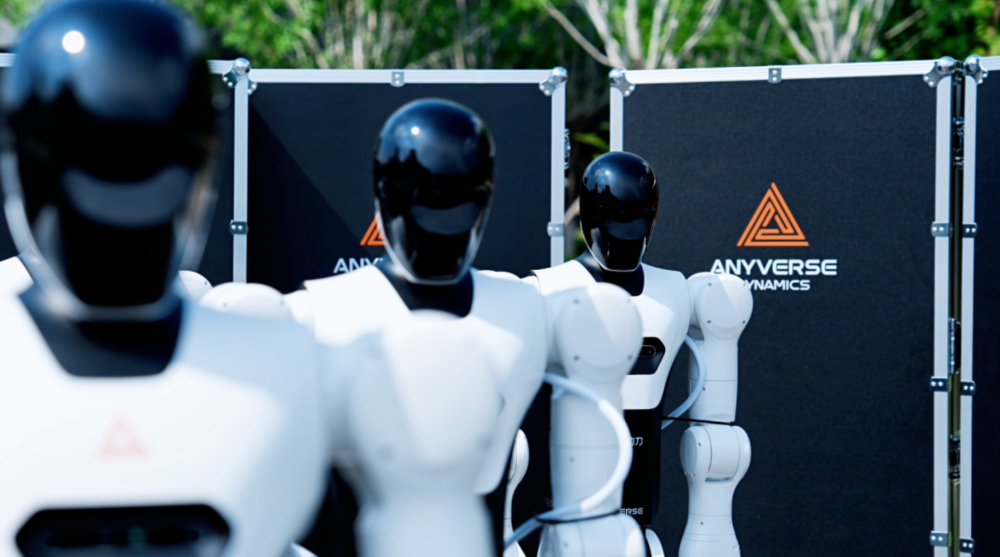
Automakers Seek Reliable Robots for Long-Term Performance Over Flashy Demonstrations
At the 2026 Embodied Intelligence Industry Integration Conference, industry leaders emphasized the need for robots that can operate reliably for extended periods without errors. Executives from companies like Beijing Galaxy General Robotics and Changan Automobile highlighted that automakers prioritize robots capable of consistent performance over flashy capabilities. The discussion revealed that many applications in automotive manufacturing, such as material handling and quality inspection, still lack effective solutions. High labor intensity and safety concerns drive the demand for robots that can maintain precision and efficiency over long operational hours, as noted by industry experts. Looking ahead, the focus will shift towards developing adaptable robots that can quickly integrate into various factory layouts without extensive reprogramming. The concept of 'Design for Robot' was introduced, aiming to reshape factory processes around robotic capabilities. No further timeline was disclosed at the time of publication.
Industrial Robotics Manufacturing Automation Automotive Technology Robotic Process Automation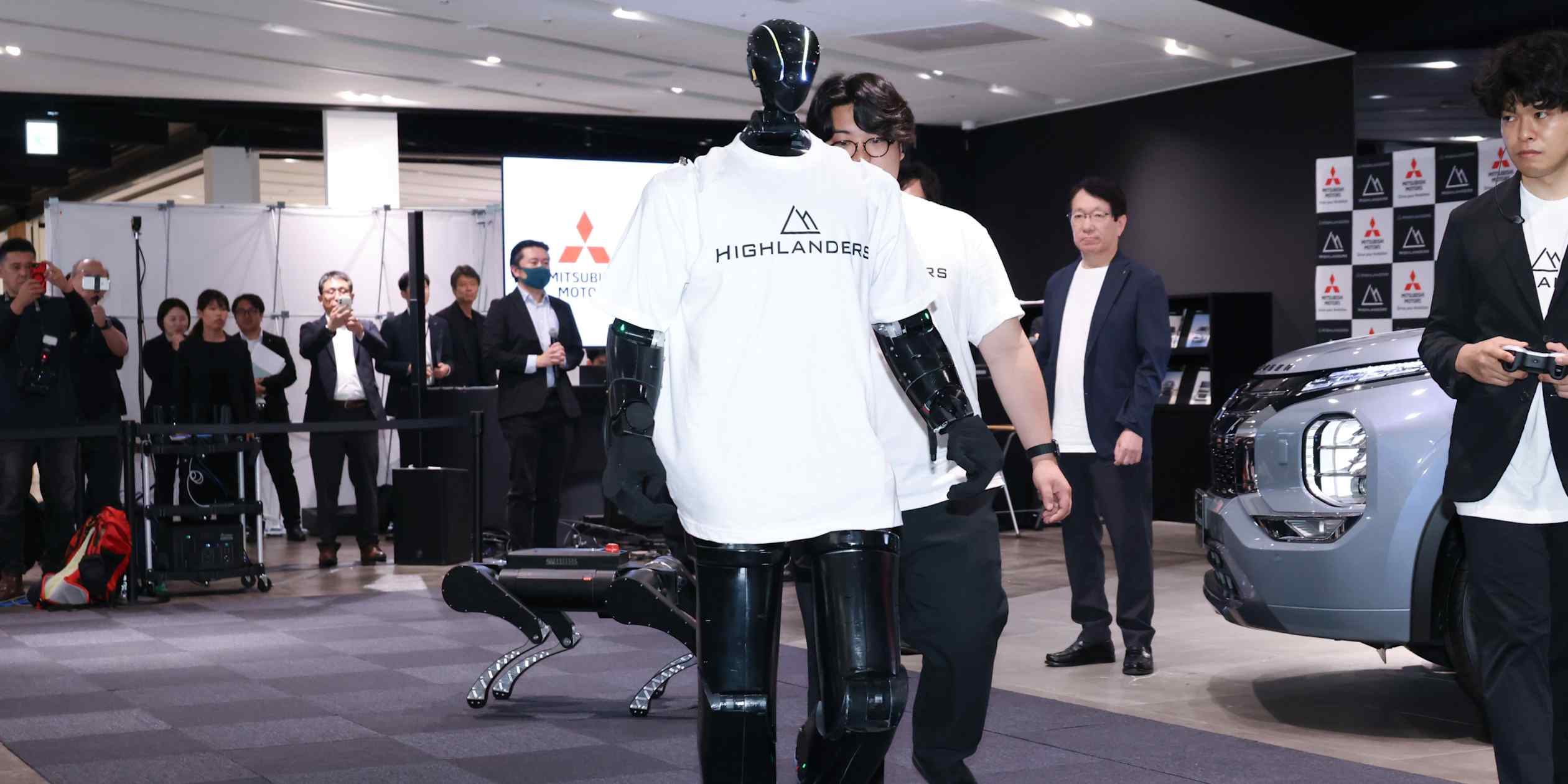
Mitsubishi Motors Partners with Highlanders for Humanoid Robot Production by 2027
Mitsubishi Motors has announced a collaboration with Tokyo-based startup Highlanders to mass-produce humanoid robots for its automotive factories. Production is set to commence as early as 2027, with the partnership aiming to enhance automation within Mitsubishi's manufacturing processes. This initiative was unveiled during a demonstration event in Tokyo on July 9, showcasing the jointly developed humanoid robot. The significance of this collaboration lies in Mitsubishi's strategic move to integrate advanced robotics into its production lines, reflecting a broader trend in the automotive industry towards automation and efficiency. By leveraging Highlanders' expertise in humanoid robotics, Mitsubishi aims to address labor shortages and improve operational productivity, aligning with global shifts towards smart manufacturing technologies. Looking ahead, industry observers will be keen to monitor the development and deployment timeline of these humanoid robots, as well as their impact on Mitsubishi's manufacturing capabilities. No further timeline was disclosed at the time of publication, but the partnership signals a commitment to innovation in the automotive sector.
How JLCMC is Redefining Industrial Automation Solutions for Modern Factories
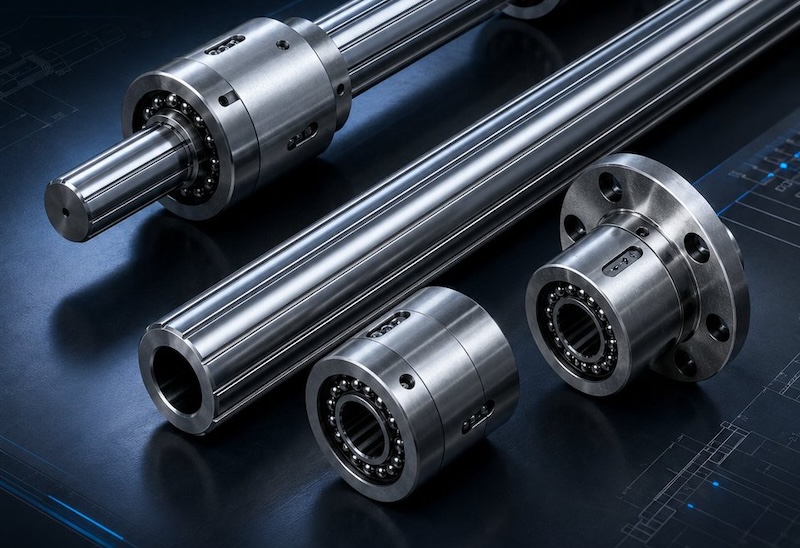
The manufacturing industry is undergoing significant transformation as companies strive to increase production efficiency, minimize waste, and adapt to market demands while keeping costs manageable. Central to this evolution is the rise of industrial automation, supported by various suppliers that play a crucial role behind the scenes. One such emerging player in this sector is JLCMC, an online store that is gaining recognition for its contributions to the automation landscape. As manufacturers navigate these challenges, the integration of advanced technologies and innovative solutions is becoming essential for sustained growth and competitiveness in a rapidly changing environment.
Automation Industry automation engineers cnc factory automation industrial automation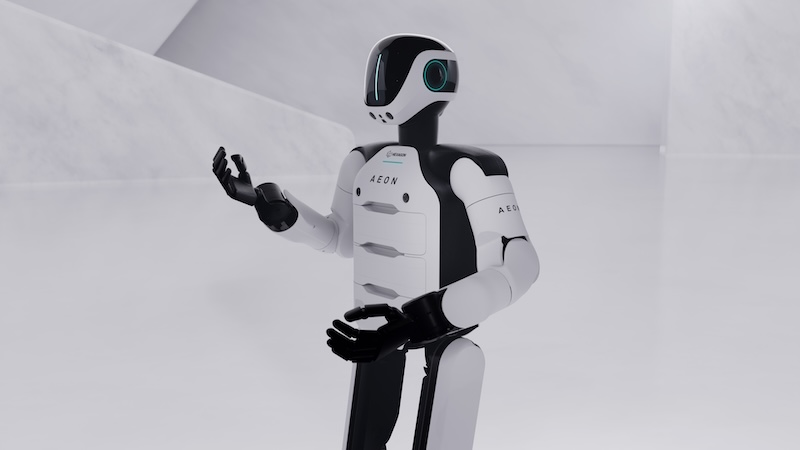
People want robots in warehouses and factories, not hospitals or schools, Hexagon study finds
A recent study by Hexagon, part of its global Robot Generation research, reveals a growing acceptance of robots in the workplace among both adults and children. The findings indicate that while there is a willingness to integrate robots into various tasks, respondents are establishing clear guidelines regarding their use. Adults showed a preference for robots to perform physical and repetitive tasks, suggesting a desire for efficiency and productivity in the workplace. The study highlights a significant shift in attitudes towards automation, reflecting a balance between embracing technological advancements and maintaining human oversight in job roles. As industries increasingly look to incorporate robotic solutions, understanding these preferences will be crucial for successful implementation.
Artificial Intelligence Culture Robotics ai automation news factory automation
US firm unveils R-Noid humanoid robot for factories, hotel and warehouse jobs
Robot.com, a company based in the United States, has unveiled R-Noid, a new humanoid robot engineered to handle repetitive and labor-intensive tasks. This innovative launch took place recently, showcasing the company's commitment to advancing automation technology. The R-Noid is designed to assist in various industries, aiming to improve efficiency and reduce the physical strain on human workers. By integrating advanced robotics with user-friendly interfaces, Robot.com hopes to address the growing demand for automation solutions in the workforce. The introduction of R-Noid reflects a broader trend towards utilizing robotics to enhance productivity and streamline operations in sectors facing labor shortages.
AI and Robotics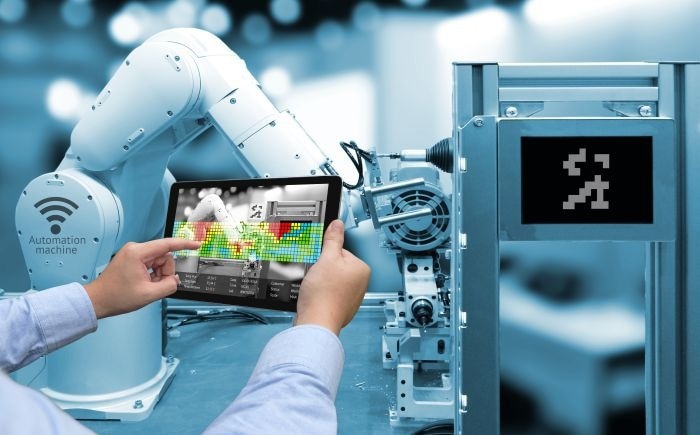
People Want Robots in Warehouses and Factories, not Hospitals or Schools, Hexagon Study Finds
A recent study conducted by Hexagon has revealed that both adults and children are increasingly receptive to the integration of robots in the workplace. The findings indicate a growing acceptance of robotic assistance, yet respondents emphasized the importance of establishing clear guidelines regarding the roles and environments in which these machines should operate. The study highlights a nuanced perspective on automation, reflecting a desire for collaboration between humans and robots while ensuring that ethical and practical boundaries are respected. This research, part of Hexagon's global Robot Generation initiative, underscores the evolving attitudes towards technology in professional settings as of October 2023.

People want robots in warehouses and factories, not hospitals or schools, Hexagon study finds
A recent global study by Hexagon reveals significant attitudes toward robots among adults, highlighting a clear preference for their use in specific tasks. While 68% of respondents favor robots for heavy lifting, only 12% are comfortable with robots taking on caregiving roles. The study, which surveyed adults worldwide, indicates that acceptance of robotic assistance is conditional; for instance, 52% of participants support robots for monitoring hazards, and half would welcome them for cleaning shared spaces or information retrieval. However, a substantial 86% emphasize the necessity of establishing clear guidelines regarding the capabilities and limitations of robots. Interestingly, the research also points to a generational shift in attitudes, with children showing a greater openness to robotic integration in various settings. They are 50% more likely than adults to view robots as "full colleagues" in the workplace, suggesting a growing acceptance of technology in everyday life. This evolving perspective on robotics underscores the importance of addressing concerns and establishing frameworks to facilitate their integration into society.
Digital Twins: Transforming the Factories of the Future
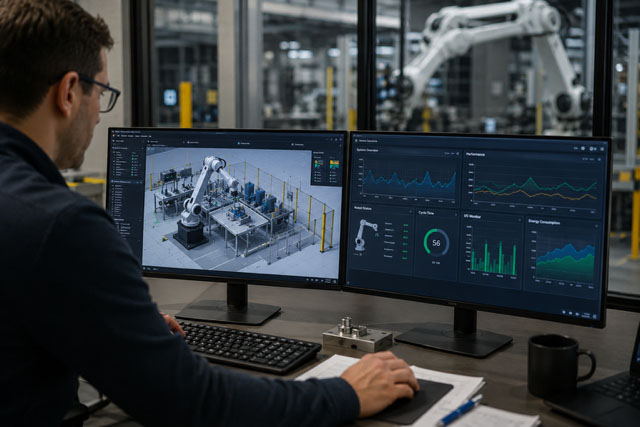
As media attention focuses on humanoid robots and generative artificial intelligence, a less flashy yet equally transformative technology is quietly reshaping the global industry: digital twins. This innovative approach is emerging as a crucial element in the ongoing industrial transformation, offering strategic advantages that may rival those of more visible technologies. The concept of digital twins involves creating virtual replicas of physical systems, enabling companies to optimize operations and improve efficiency. This shift is expected to significantly impact the future of manufacturing, positioning digital twins as a foundational component in the evolution of factories worldwide.
À la une IA Industrie Robotique analyse de données industrielles automatisation industrielle.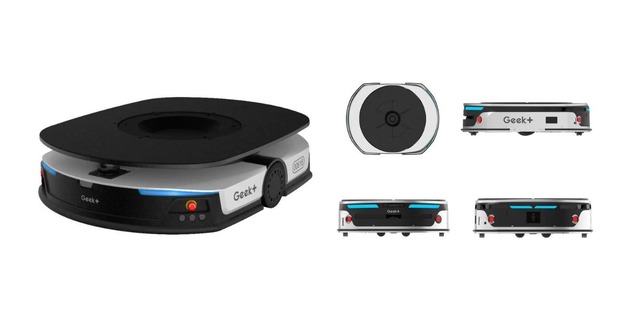
Toyota introduces over 400 Geekplus AMRs to multiple factories to enhance automated logistics.
Geek Plus has announced the implementation of its autonomous mobile robots (AMRs) in multiple Toyota manufacturing plants. Currently, over 400 Geek Plus AMRs are operational across Toyota's facilities, with each system managing up to approximately 200 units. This deployment aims to enhance efficiency in the production process, reflecting the growing trend of automation in the automotive industry.
VLA Shines at ICRA: Investment Thrives While Factories Calculate
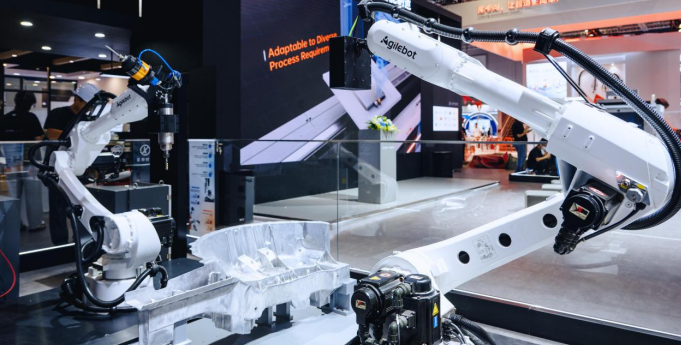
The ICRA 2026 conference held in Vienna highlighted a significant milestone in the field of robotics, featuring a record number of submissions, with nearly 20% dedicated to Vision-Language-Action (VLA) research. While the academic community applauds these advancements, the industry faces ongoing challenges in reliably implementing these technologies within manufacturing environments. Leading the charge is the company 微亿智造, which is utilizing extensive real-world industrial data to improve the stability and efficiency of robotic operations. This integration of data aims to bridge the gap between theoretical research and practical application, addressing the pressing need for robust solutions in factories.
Vision-Language-Action Industrial Robotics Data-Driven Automation Manufacturing Technology
NVIDIA and SK hynix Announce Multiyear Technology Partnership to Advance Memory for AI Factories
NVIDIA and SK hynix have entered into a multiyear technology partnership aimed at enhancing next-generation memory solutions to support the global expansion of artificial intelligence infrastructure. This collaboration, announced today, seeks to accelerate advancements in semiconductor design and manufacturing, addressing the growing demand for AI technologies. By combining their expertise, the two companies aim to innovate and streamline the production of memory components essential for AI applications, ultimately contributing to the efficiency and effectiveness of AI systems worldwide.

NVIDIA unveils full-stack platform for humanoid robots, robotaxis and smart factories
NVIDIA has introduced a comprehensive range of technologies designed to enhance the development of physical artificial intelligence. The announcement was made during a recent event, showcasing the company's commitment to advancing AI capabilities. This initiative aims to address the growing demand for more efficient and powerful AI systems across various industries. By leveraging its cutting-edge hardware and software solutions, NVIDIA seeks to empower developers and researchers to create innovative applications that can operate in real-world environments. The unveiling of these technologies marks a significant step forward in the integration of AI into everyday life, highlighting NVIDIA's role as a leader in the tech industry.

NVIDIA Factory Operations Blueprint Gives Factories a New AI Brain
At the GTC Taipei event, industry leaders emphasized the growing need for advanced AI systems in manufacturing as factories transition from isolated automation to integrated plant-wide intelligence. This shift requires the ability to connect real-time machine signals, quality control systems, work instructions, and operational alerts into a cohesive decision-making framework. The discussion highlighted the urgency for manufacturers to adopt these technologies to enhance operational efficiency and responsiveness in an increasingly competitive market.

NVIDIA DSX Gives Infrastructure Builders the Playbook for AI Factories
NVIDIA has unveiled its new DSX™ platform, designed to provide infrastructure builders with a comprehensive guide for establishing AI factories. This announcement was made today, marking a significant step in the company's efforts to streamline the development and deployment of artificial intelligence technologies. The DSX™ platform aims to facilitate the integration of AI into various industries by offering tools and resources that simplify the construction of AI-driven infrastructures. By equipping builders with a structured approach, NVIDIA seeks to accelerate the adoption of AI solutions across multiple sectors, ultimately enhancing operational efficiency and innovation.

NVIDIA Vera Rubin Ramps Into Full Production to Power Agentic AI Factories Worldwide
At the NVIDIA GTC event in Taipei, the company unveiled that its NVIDIA Vera Rubin platform is set to enter full production. This new platform aims to enhance the capabilities of agentic AI factories globally. The announcement marks a significant step in NVIDIA's efforts to advance artificial intelligence technologies and support the growing demand for automated manufacturing solutions. By leveraging the Vera Rubin platform, NVIDIA intends to empower industries to optimize their operations and improve efficiency through AI-driven processes.
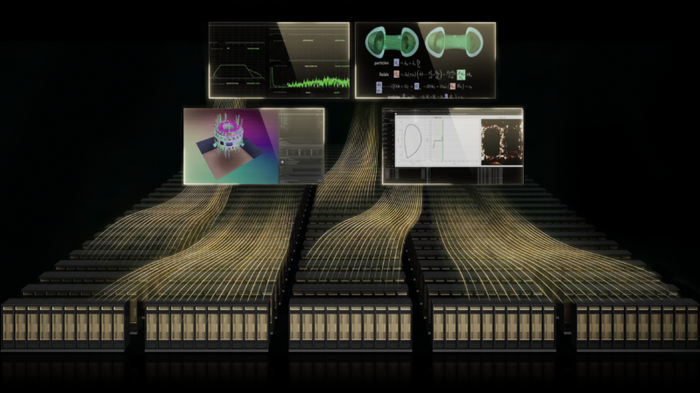
AI Factories: The New Infrastructure of Intelligence
In a significant advancement for the tech industry, AI factories are emerging as pivotal centers for transforming energy into intelligence. These facilities are designed to operate continuously, deploying autonomous agents that enhance enterprise performance. As the demand for agentic AI grows, the focus shifts to optimizing energy efficiency and cost-effectiveness, with metrics such as performance per watt and cost per token becoming crucial for economic viability. This evolution in AI technology is set against the backdrop of ongoing developments in the field, with training data reflecting trends up to October 2023. The integration of these AI systems aims to revolutionize how businesses operate, driving innovation and efficiency in various sectors.

Without Real Data, How Can We Discuss Embodied Intelligence? Pacini Provides the Ultimate Answer with a Cluster of 100,000 Square Meters of Factories
In a bid to overcome the challenges faced by embodied AI, researcher Pacini is pioneering a novel strategy aimed at improving the technology's effectiveness through the use of real-world data. Recognizing the critical issue of data scarcity in the industry, Pacini is establishing a network of super data collection factories designed to generate high-quality, multimodal datasets. This initiative is expected to significantly enhance the generalization capabilities of AI systems, allowing them to perform better in diverse real-world scenarios. By focusing on the integration of comprehensive data sources, Pacini's approach seeks to propel the advancement of embodied AI, addressing a fundamental barrier to its widespread application.
Embodied AI Data Collection Artificial Intelligence Robotics Machine Learning
Hyundai Motor Group to deploy 25,000 Atlas robots across factories
Hyundai Motor Group announced plans to integrate over 25,000 Atlas humanoid robots, developed by its US subsidiary Boston Dynamics, into its vehicle manufacturing processes. This initiative was revealed during an investor relations session hosted by JPMorgan Chase on Monday in Boston. The company aims to enhance its production capabilities by manufacturing key components for these robots in the United States. Officials from six affiliates, including Hyundai Motor, Kia, and Hyundai Mobis, participated in the event, highlighting the group's commitment to innovation and efficiency in its operations.
All News
Embodied Intelligence in Factories: Three Myths and One Truth
Recent discussions among industry experts have focused on the difficulties of incorporating embodied intelligence into industrial environments. This integration is complicated by what is referred to as the 'impossible triangle,' which encompasses the challenges of achieving generalization, reliability, and efficiency simultaneously. The experts argue that a one-size-fits-all approach, often derived from consumer-oriented solutions, is inadequate for the complexities of industrial automation. Instead, they advocate for a more customized strategy that addresses the specific needs and conditions of industrial settings. This tailored approach is seen as essential for overcoming the inherent limitations of current technology and ensuring successful implementation in the field.
Industrial Automation Robotics Embodied Intelligence AI Manufacturing Technology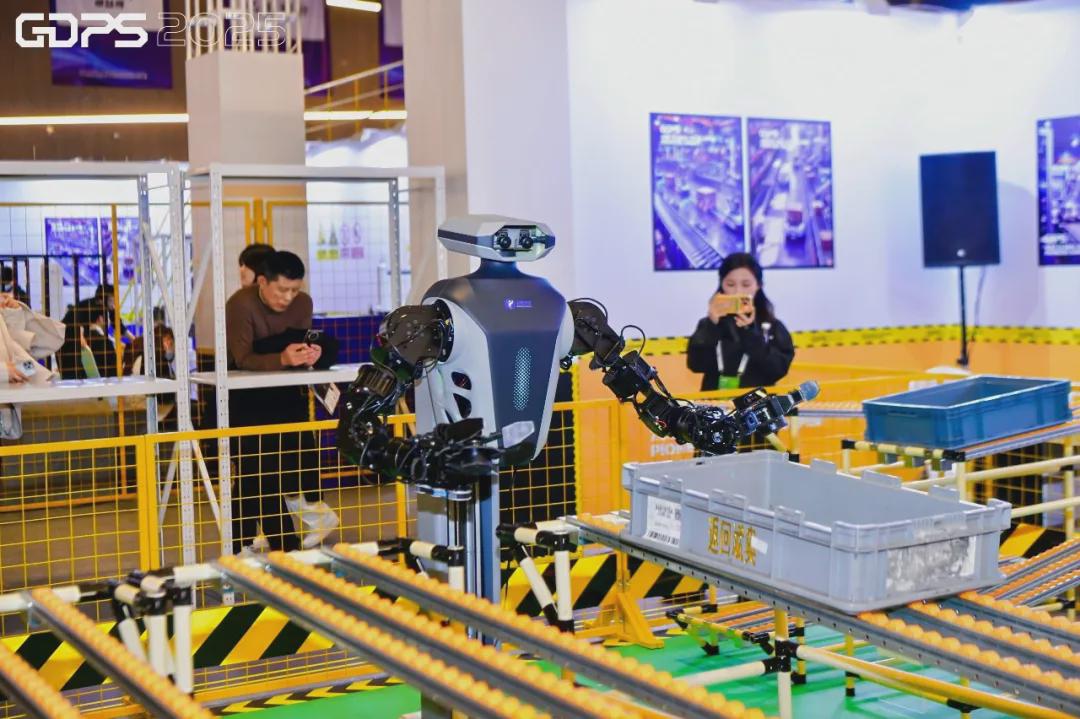
Over 100 Million in Funding! How Lingyu Intelligent Turns Robots into 'Data Collection Factories'?
Lingyu Intelligent has successfully raised nearly 100 million yuan in angel funding to improve its data collection systems and cloud collaboration architecture. This financial boost will enable the company to focus on transforming robots into efficient data production machines. The initiative aims to tackle the pressing issue of insufficient high-quality real-world data, which is essential for training advanced intelligent models. By enhancing its technological capabilities, Lingyu Intelligent seeks to contribute significantly to the development of artificial intelligence and machine learning applications.
Robotics Data Collection Artificial Intelligence Machine Learning
Kia CEO outlines plan to deploy humanoid robot Atlas at U.S. factories in 2029
Kia Corp. CEO Song Ho-sung announced plans to introduce the humanoid robot Atlas, developed by Boston Dynamics, at the company’s U.S. factories by 2029. During recent overseas roadshows, as reported by Korea Investment & Securities, Song detailed the strategy for deploying Atlas first at Hyundai Motor Group’s manufacturing facility in the U.S., before it reaches Kia’s plant in Georgia. This initiative aims to enhance automation and efficiency in production processes, reflecting the automaker's commitment to integrating advanced technology into its operations.
All News
Dutch Industry Anticipates Rapid Automation, Yet Fully Autonomous Factories Remain Elusive
The Dutch industry is increasingly focusing on robotics to address structural challenges such as labor shortages and rising production pressures. However, recent research indicates that the reality of automation lags behind expectations. While 79% of companies utilize robots, 71% automate less than 40% of their processes, with only 6% automating over 60%. Despite these figures, 58% of companies expect their production processes to be fully automated within five years, highlighting a significant gap between ambition and current practice. Malte Janßen from reichelt elektronik emphasizes that automation is becoming a necessity due to the shortage of skilled labor, yet the current level of automation shows that the industry has a long way to go. The Dutch industry is on the brink of a new phase in automation, with a clear intent to invest. However, practical challenges and technological limitations mean that fully autonomous factories remain out of reach for now. The coming years will focus on gradual advancements, balancing innovation, costs, and practical applicability, with humanoid robots and AI-driven systems offering promising prospects.
Nieuws algemeen Technologie Automatisering AI
Robotic Microfactories Enable Scalable Modular Housing Construction
Reframe Systems has introduced decentralized robotic microfactories that are transforming the production of modular homes. This innovative approach aims to significantly lower costs and reduce emissions, addressing the growing demand for affordable housing solutions. By utilizing advanced robotics and decentralized manufacturing processes, Reframe Systems is able to streamline production, making it more efficient and environmentally friendly. The initiative comes at a crucial time as the housing crisis continues to escalate, prompting the need for sustainable and cost-effective building methods. With these microfactories, the company is poised to make a substantial impact on the housing market, providing a viable alternative to traditional construction practices.
China’s physical AI progress seen on roads, in skies and factories
In China, the rapid expansion of physical artificial intelligence (AI) is transforming various sectors by integrating advanced machines with intelligent systems that enable them to interact with their surroundings. This technological advancement is leading to the emergence of smarter robots, drones, and driverless vehicles that are increasingly becoming a common sight on roads, in factories, and even on stage performances. Cities such as Shenzhen in southern China have witnessed the successful deployment of delivery drones, which are now flying over urban landscapes, while autonomous delivery bots are navigating the subway systems. Additionally, the first self-driving cars are beginning to operate in public spaces, marking a significant milestone in the country's push towards automation and smart technology. This surge in physical AI is driven by the need for enhanced efficiency and convenience in logistics and transportation, reflecting China's commitment to becoming a leader in AI innovation. As these technologies continue to evolve, they promise to reshape everyday life and industry practices across the nation.

AI-powered robots offer new hope to German factories
At a prominent industrial trade fair in Germany, a blue-eyed humanoid robot showcased its advanced "physical AI" capabilities, captivating a crowd of visitors. During the demonstration, the robot meticulously opened a box and placed a tool inside, highlighting the growing integration of robotics in industrial applications. This event, held in October 2023, underscores the increasing interest in automation and artificial intelligence within the manufacturing sector, as companies seek innovative solutions to enhance efficiency and productivity. The demonstration not only illustrates the technological advancements in robotics but also reflects the industry's commitment to exploring new frontiers in automation.
Robotics
Tackling the housing shortage with robotic microfactories
Reframe Systems, a company co-founded by Vikas Enti, an alumnus of the SM class of 2020, is revolutionizing the construction industry with its innovative approach to building modular homes. The company has developed microfactories that streamline the construction process, significantly lowering both carbon emissions and costs associated with home building. By utilizing advanced manufacturing techniques, Reframe Systems aims to address the growing demand for sustainable housing solutions. This initiative not only promotes environmental responsibility but also seeks to make homeownership more accessible to a wider audience. The company is poised to make a substantial impact on the housing market, particularly as concerns about climate change and housing affordability continue to rise.
Startups Alumni/ae Construction Housing Systems design SustainabilityRobotics needs a service framework.
RSF defines a common language for robot service capability, lifecycle operations, certification pathways, and service-provider networks.
Join the RobotToday community on LinkedIn
Daily robotics news, in-depth analysis, conference highlights, and discussions with professionals worldwide.