

Industry Briefing
A single destination for timely, editor-curated robotics news from around the world.

FaBrick: A Versatile Fabric-Based Platform for Soft Robotics Development
A recent study published in the journal Science Advances by researchers at the University of Michigan introduced FaBrick, a fabric-driven platform that incorporates inflatable airbag units. This innovative material can achieve five types of movements—contraction, bending, twisting, rotation, and stiffening—based on different cutting, sealing, folding, and stapling techniques. The significance of FaBrick lies in its ability to simplify the design process for soft robots. Traditionally, creating soft robots required separate structures for each type of movement, but FaBrick allows designers to start with a single roll of 'active fabric.' This approach streamlines the development of robotic sleeves, single-piece grippers, and even walking quadrupedal soft robots. Future developments to watch include the potential applications of FaBrick in various robotic designs, as it enables reconfiguration of movement capabilities without the need for new actuators. No further timeline was disclosed at the time of publication.
Soft Robotics Fabric-based Robotics Inflatable Actuators Material Science
RoboScience Unveils First Cloud-Based Large Model for Robotics at WAIC
At the WAIC, RoboScience showcased a groundbreaking cloud-based embodied large model named Visics, capable of controlling multiple robotic hands. This innovation allows for seamless switching between different robotic hands while maintaining operational efficiency, demonstrating the ability to recognize and grasp various objects autonomously within 30 seconds. The significance of this development lies in its potential to revolutionize robotic operations across diverse applications. By enabling a single model to adapt to various hand configurations, Visics enhances the versatility of robotic systems, allowing them to perform complex tasks without the need for extensive retraining when hardware changes occur. Looking ahead, the industry will be keen to observe how Visics performs in real-world scenarios and its ability to execute long-term tasks by integrating multiple actions. No further timeline was disclosed at the time of publication.
Robotics Cloud Computing AI Automation Object Recognition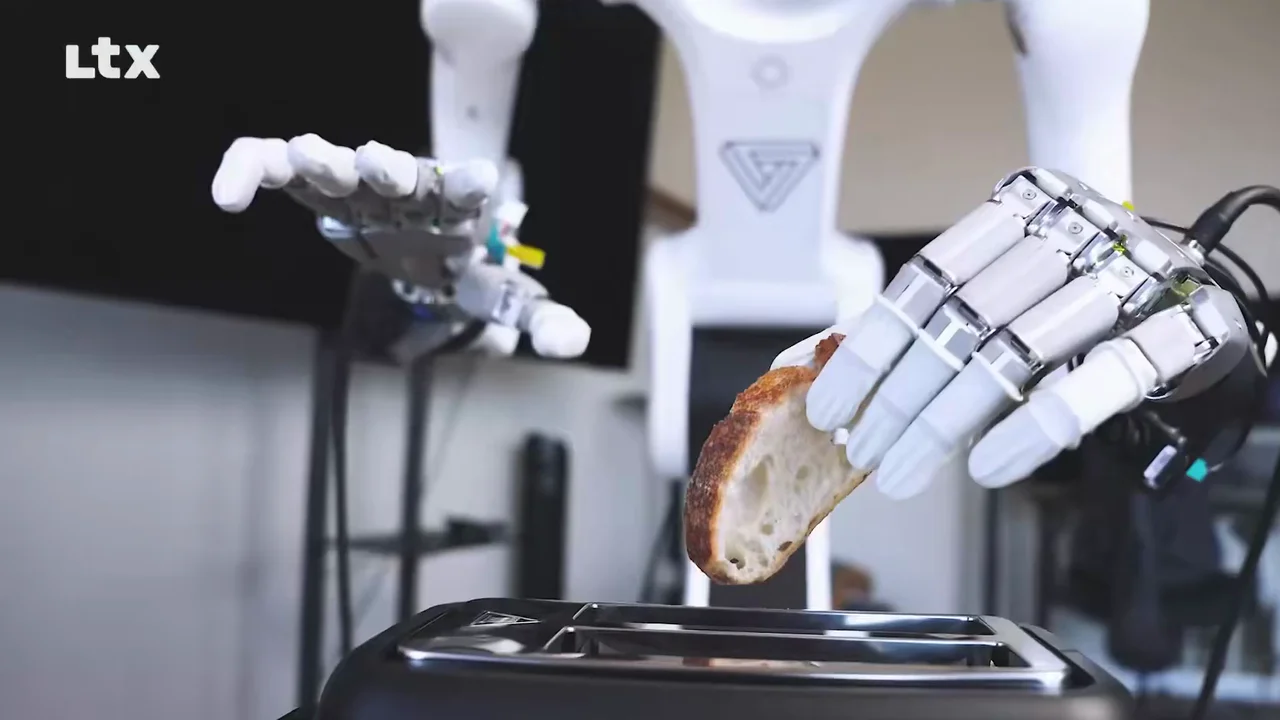
Markov Robotics Innovates Dexterous Manipulation with Video-Based Policy on LTX-2.5
Markov Robotics has introduced a novel approach to dexterous manipulation using a video model as the policy for its LTX-2.5 robot. This method allows the robot to understand object interactions in real-time, enhancing its ability to perform tasks in unfamiliar environments. By leveraging a world model that incorporates physical knowledge, the robot can adapt its grip based on the object's characteristics, such as applying gentle pressure for fragile items like glass and firmer grip for sturdier objects like rocks. This innovation addresses a significant challenge in robotics, where the development of effective software has not kept pace with advancements in hardware. Markov's approach emphasizes the importance of policies in robotic performance, suggesting that the future of dexterous manipulation lies in integrating high-fidelity sensory data with video-based expectations. The company's method of using a head cam to capture scenes and generate action videos represents a shift in how robots can learn and execute tasks. Looking ahead, the robotics community will be watching how Markov's techniques influence the broader field, particularly as more organizations explore world models for robotic applications. The effectiveness of this approach and its potential to streamline the training process for robots could set new standards in the industry. No further timeline was disclosed at the time of publication.
LTX Markov Robotics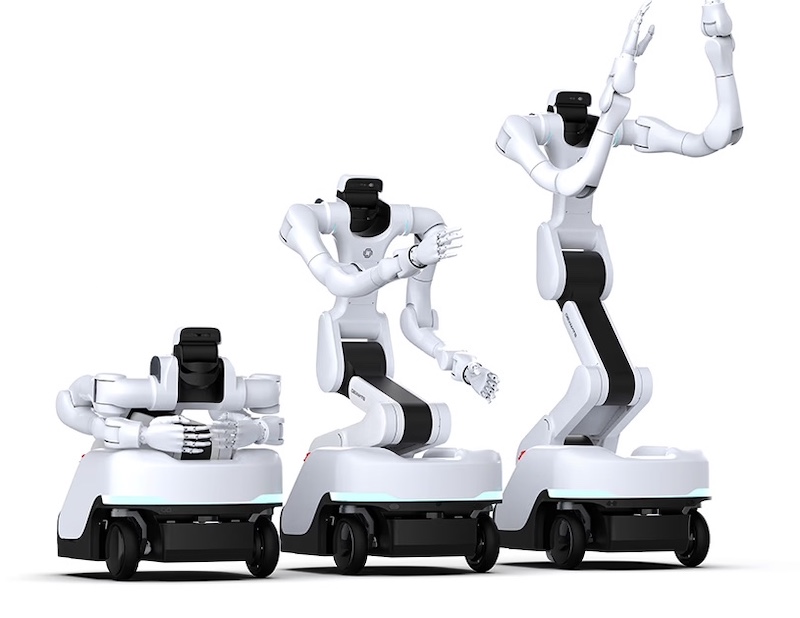
NEC's Corporate Venture Fund Invests in US Robotics Startup Dexmate
NEC Corporation's venture capital fund has made an investment in US-based robotics startup Dexmate, known for its VEGA humanoid robot and integrated physical AI development platform. This investment, facilitated through the NEC Orchestrating Future Fund, aims to explore the deployment of physical AI technologies across various industries. The significance of this investment lies in the growing interest of technology companies in physical AI systems that can interact with real-world environments. Dexmate's approach addresses challenges in deploying physical AI by integrating sensors, control systems, and training data, thereby simplifying the development and operation of AI-powered robots. Looking ahead, NEC plans to leverage Dexmate's technology alongside its own AI capabilities to explore potential applications across multiple sectors. No further timeline was disclosed at the time of publication.
Financials & Investments Humanoids News artificial intelligence dexmate humanoid robotics
HII Establishes Long-term Production Agreements with Path Robotics and GrayMatter Robotics
HII has signed long-term performance-based production agreements with GrayMatter Robotics and Path Robotics to enhance advanced physical AI automation in U.S. Navy shipbuilding programs. These agreements aim to improve the efficiency and capacity of shipbuilding operations, including aircraft carriers and submarines. The collaboration is significant as it represents a strategic investment in the future of American shipbuilding, focusing on resilience and efficiency in the industrial base. HII plans to allocate up to $900 million in shipbuilding work to both companies over seven years, contingent on meeting specific performance milestones. Looking ahead, the partnerships are expected to drive substantial advancements in robotics and autonomous systems, enabling the delivery of Navy-grade production at scale. No further timeline was disclosed at the time of publication.
hii production agreement path robotics graymatter robotics
Study Reveals AI Models Fabricate Medical Diagnoses Based on Demographics
Siddharth Vohra, a master's student at Carnegie Mellon University's Robotics Institute, has demonstrated that large language models (LLMs) can fabricate medical diagnoses when responding to queries without accompanying images. In his study, Vohra found that these models invented false diagnoses 18% of the time, particularly influenced by the demographic information of the user. This research highlights a significant concern in the AI industry regarding the reliability of AI models in healthcare. Vohra's findings indicate that users may overestimate the understanding of these models, which can lead to dangerous assumptions in medical contexts. For instance, the models frequently misdiagnosed conditions like melanoma and sarcoidosis based on demographic factors rather than actual medical data. Looking ahead, Vohra aims to expand his research to identify and address these failure patterns in AI models. He emphasizes the need for stringent testing and verification processes before deploying AI in healthcare settings to ensure safety and reliability in medical decision-making. No further timeline was disclosed at the time of publication.
Research
BabaCAD Robotics Web Offers Free Browser-Based 3D Simulation and Offline Programming Software
BabaCAD Robotics Web has launched a free, browser-based software for 3D simulation and offline programming of industrial robots. This software can be used directly in browsers on various devices, including PC, Mac, Linux, tablets, and smartphones, without the need for installation. The introduction of this software is significant as it allows users to engage in 3D simulations and offline programming without the constraints of traditional software installations. This flexibility can enhance accessibility for engineers and developers working with industrial robots. Looking ahead, the ease of use and cross-platform compatibility of BabaCAD Robotics Web may influence the adoption of similar technologies in the robotics industry. No further timeline was disclosed at the time of publication.
Allgemein Robotersteuerung & Digital Twin Robotik
Zhongke Fifth Era Launches FAM 2.0, a Breakthrough in Embodied Action Flow Modeling
Zhongke Fifth Era has introduced FAM 2.0, the first embodied action flow-based model in the robotics industry. This model incorporates optical flow into action representation, addressing the limitations of traditional coordinate point systems. The FAM 2.0 model has demonstrated significant success rates in various robotic tasks, achieving over 80% in single-arm operations and exceeding 97% in dual-arm industrial applications. The introduction of FAM 2.0 is crucial as it marks a shift in how robotic actions are represented and executed, moving away from rigid coordinate systems that require extensive retraining for different robotic bodies. By using action flow and heatmap technologies, the model allows for more efficient data utilization and cross-body action representation, which could accelerate the development of embodied intelligence in robotics. Looking ahead, the industry will be watching how FAM 2.0 performs in real-world applications and whether it can overcome the existing challenges in embodied intelligence. No further timeline was disclosed at the time of publication.
Embodied Intelligence Robotics Technology Motion Representation Data Efficiency AI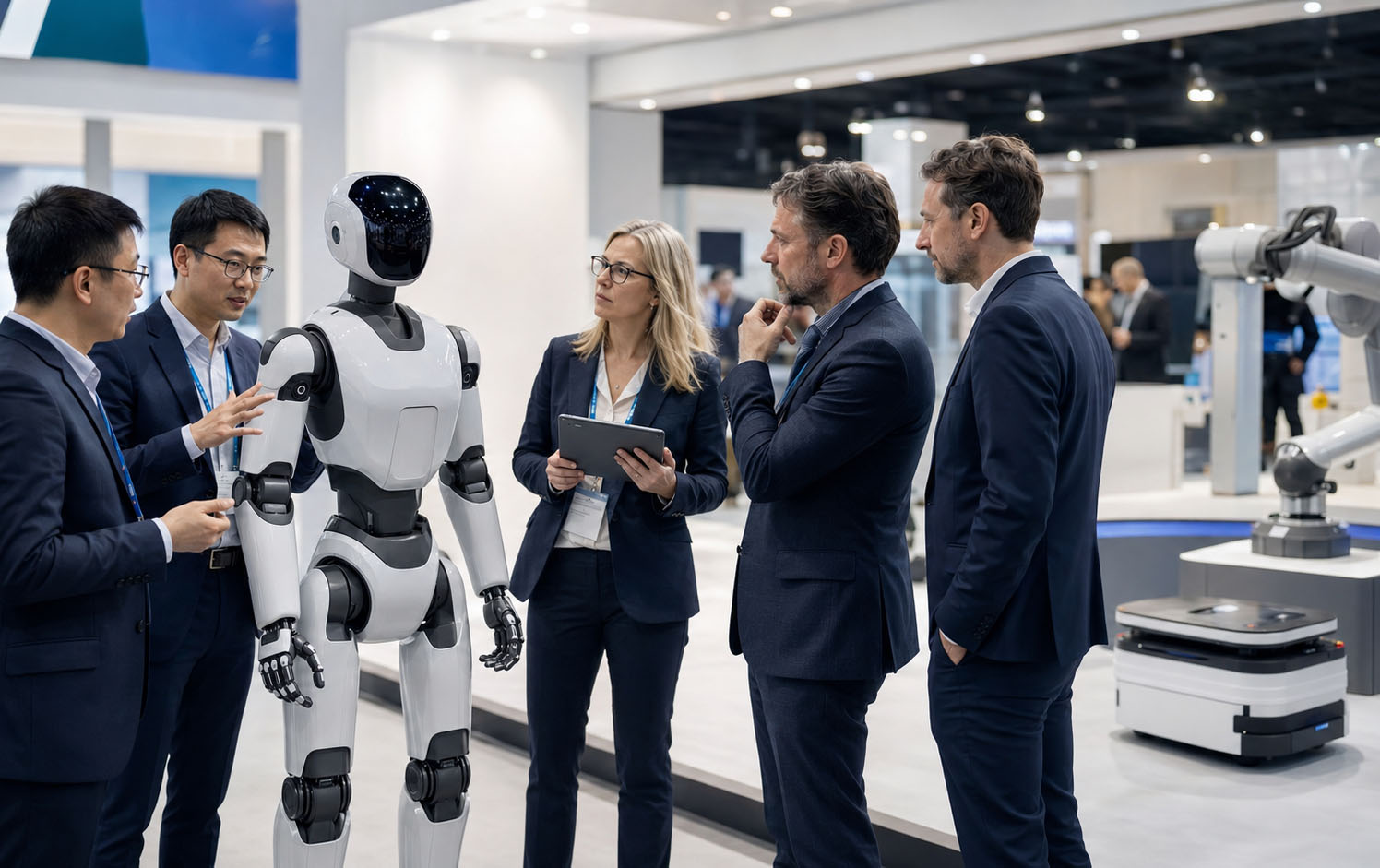
Chinese Robotics Manufacturers Seek Distributors and Integrators in Europe
Chinese robotics has evolved significantly, with many manufacturers now targeting the European market after establishing a strong domestic presence. Various types of robots, including humanoids, quadrupeds, AMRs, cobots, and cleaning robots, are being introduced internationally. However, selling these robots in Europe involves more than just shipping them from China; it requires customer presentations, integration into existing environments, maintenance, user training, and sometimes market-specific adaptations. The challenge now lies in identifying suitable distributors and integrators in Europe. Companies like Unitree Robotics, UBTECH, AgiBot, DEEP Robotics, LimX Dynamics, and Fourier Intelligence are developing robots that are beginning to find applications beyond China. This trend is particularly evident in humanoid robotics, which has transitioned from research projects to the early stages of industrial and commercial deployments. As a result, manufacturers are compelled to consider their international presence, with Europe being a strategically important market. No further timeline was disclosed at the time of publication.
À la une Humanoide IA Robotique AMR cobots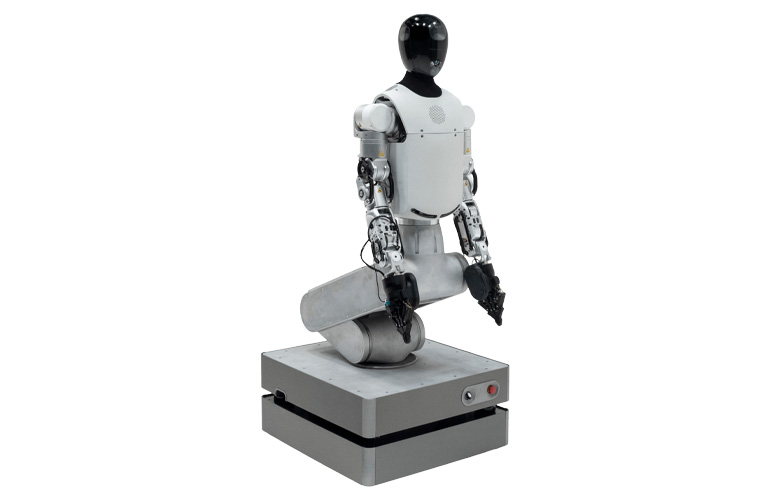
Humanoid Secures $152 Million in Series A Funding for Industrial Robotics Development
Humanoid, a London-based AI and robotics company, has successfully raised $152 million in Series A funding, achieving a post-money valuation of $1.35 billion. This funding increases the total amount raised to $270 million, enabling the company to offer early access to its HMND 01 Alpha Wheeled robot, a bimanual mobile manipulator powered by the KinetIQ AI framework. The significance of this funding lies in Humanoid's ambition to transform humanoid robots from innovative concepts into practical industrial tools. CEO Artem Sokolov emphasized the rapid progress made in just two years, highlighting partnerships with leading industrial firms and a strong project pipeline. The funding will accelerate development and deployment efforts, positioning Humanoid at the forefront of the evolving robotics landscape. Looking ahead, Humanoid plans to leverage this investment to enhance its technology and expand its customer base. The company is already working with early access customers and has established partnerships with industry leaders like Schaeffler AG and Robert Bosch GmbH, which will aid in manufacturing and strategic consulting. No further timeline was disclosed at the time of publication.
Artificial Intelligence Humanoids Investments Manufacturing Markets / Industries News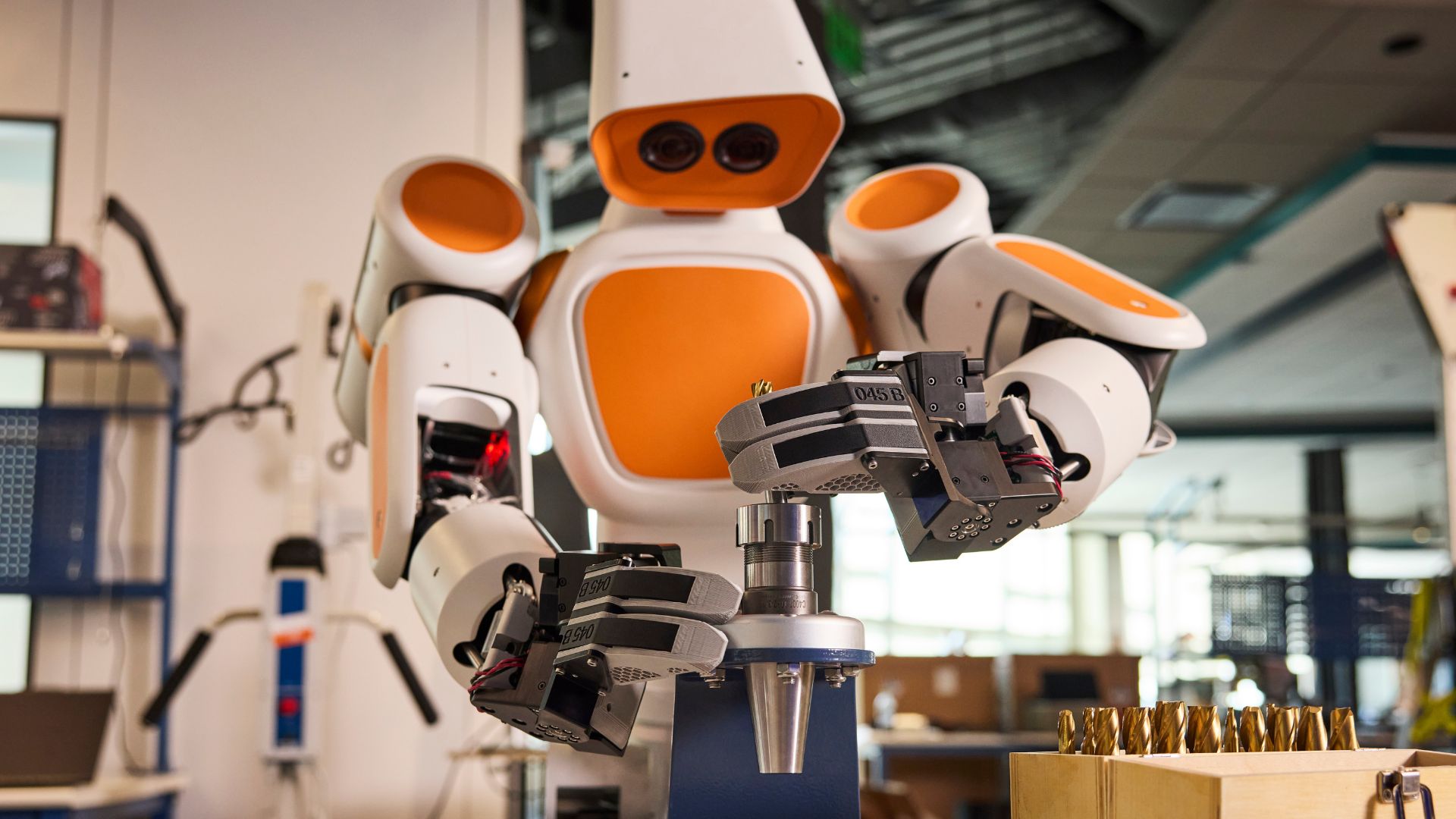
Walden Robotics Launches AI-Driven Factory Robots for Real-World Automation
Walden Robotics, a US-based startup, has unveiled a general-purpose robotics platform that enables Physical AI robots to learn and adapt while performing real work. Unlike traditional robots that follow pre-programmed workflows, Walden's robots continuously improve through real-world operations, making them suitable for complex tasks alongside human workers from the outset. The significance of Walden Robotics lies in its full-stack approach, which integrates hardware, AI, and deployment software to create robots that evolve in capability over time. With $300 million in funding and a valuation of $1.1 billion, the company is addressing the growing demand for flexible automation in sectors like automotive, aerospace, and logistics, driven by labor shortages and increasing product complexity. Looking ahead, Walden Robotics has already begun deploying its robots in production environments, including a Toyota manufacturing plant in North America. The company aims to enhance its robots' skills through real-world experience, utilizing advanced AI techniques such as Large Behavior Models and Diffusion Policy. No further timeline was disclosed at the time of publication.
AI and Robotics Innovation
Differential Robotics, a Hangzhou-based flying robot startup, has raised hundreds of millions of RMB in a Series A1 round — bringing its total funding to over 500 million RMB across six rounds in less than two years of operation.
Differential Robotics has successfully secured hundreds of millions in its Series A1 funding round, aimed at scaling the production of its P300 autonomous flying robots. This significant investment comes as the company seeks to enhance the capabilities of its technology for use in complex environments where GPS signals and network connectivity are unreliable or unavailable. The funding will enable Differential Robotics to accelerate development and deployment of its innovative solutions, which are designed to operate effectively in challenging conditions. The announcement marks a pivotal moment for the company, highlighting the growing demand for advanced robotics in various sectors that require autonomous navigation and operation without traditional support systems.
HumanoidRobotics
BM3D‐Based Optical Flow Tracking for Enhanced Visual Simultaneous Localization and Mapping Systems in Mobile Robotics
The Journal of Field Robotics has recently published an early view article highlighting advancements in robotic technology. This publication, released in October 2023, showcases innovative research that aims to enhance the capabilities of field robots in various applications, including agriculture, search and rescue, and environmental monitoring. The research is driven by the growing need for automation and efficiency in these sectors, as well as the increasing complexity of tasks that robots are expected to perform. The findings suggest that integrating advanced algorithms and machine learning techniques can significantly improve the performance and adaptability of robotic systems in real-world scenarios. This research not only contributes to the academic field but also has practical implications for industries looking to leverage robotics for improved operational efficiency and safety.
RESEARCH ARTICLE
Real‐Time Terrain Traversability Analysis and Mapping for Autonomous Robotics in Dynamic Environments: Fusing Appearance‐ and Geometry‐Based Approaches
In a recent study published in the Journal of Field Robotics, researchers explored advancements in robotic technologies aimed at enhancing agricultural efficiency. The study, which appears in the May 2026 issue, highlights innovative approaches to integrating robotics into farming practices to address labor shortages and improve crop yields. Conducted by a team of experts in robotics and agriculture, the research was carried out in various agricultural settings to assess the effectiveness of these technologies in real-world applications. The findings suggest that the implementation of autonomous robots can significantly streamline farming operations, reduce costs, and increase productivity. This research is particularly timely as the agricultural sector faces increasing challenges due to a declining workforce and the need for sustainable practices. The study emphasizes the potential of robotics to transform the industry, paving the way for smarter, more efficient farming solutions.
RESEARCH ARTICLE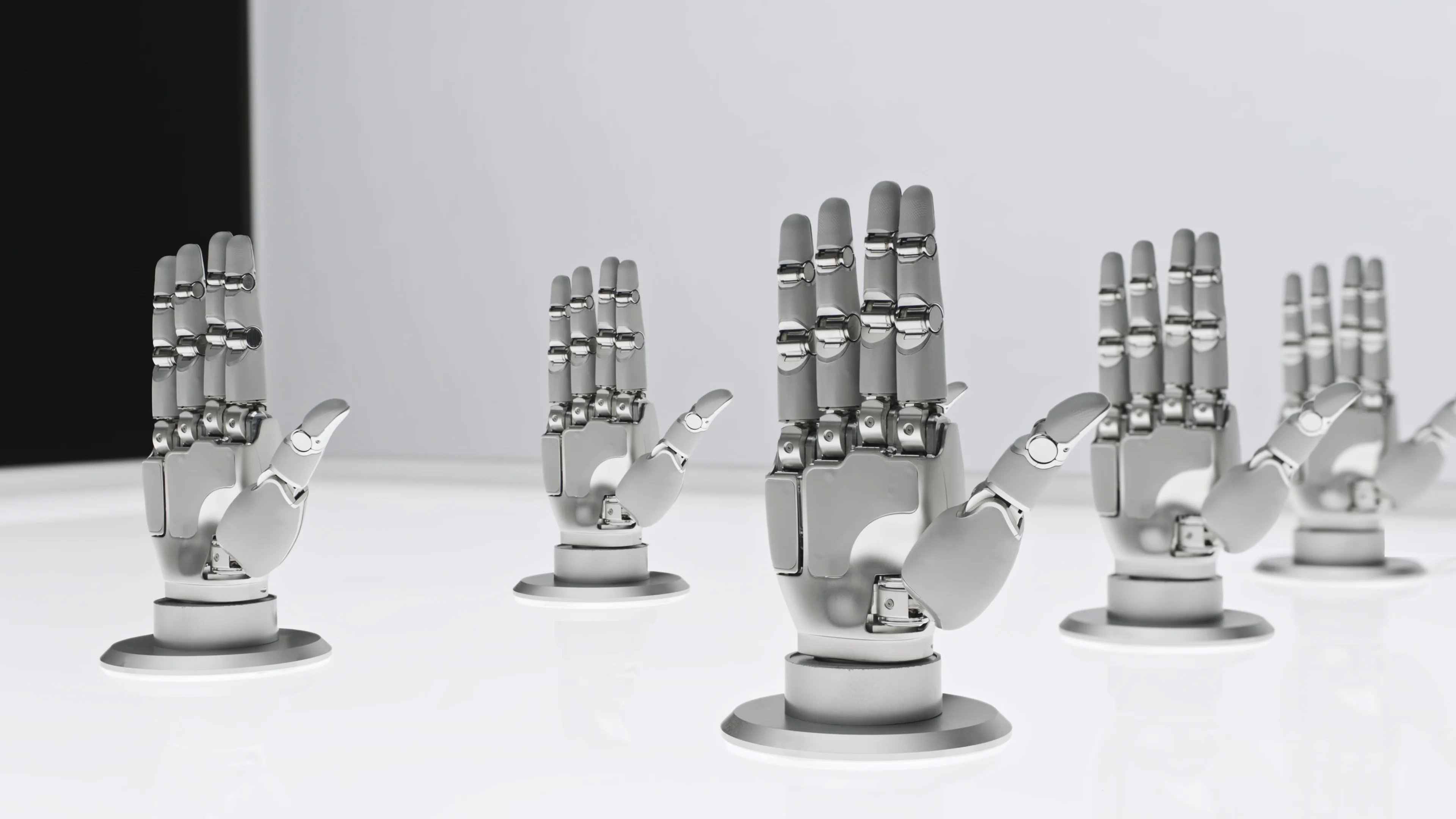
Sharpa Robotics Ramps Up Mass Production of "Vision-Based" Tactile Hand
As CES 2026 approaches, a Singapore-based robotics firm has announced significant advancements in its SharpaWave end-effector. The company revealed details about its rigorous reliability testing, showcasing the product's durability and effectiveness in various applications. Additionally, the firm confirmed that the SharpaWave features a modular design, allowing for enhanced adaptability and customization in robotic systems. This strategic development aims to position the company as a leader in the robotics industry, responding to the growing demand for versatile and reliable robotic solutions. The unveiling of these innovations is expected to attract attention at the upcoming technology showcase in Las Vegas, where industry leaders and enthusiasts will gather to explore the latest advancements in robotics and automation.
SharpaWave Sharpa Robotics handsRobotics needs a service framework.
RSF defines a common language for robot service capability, lifecycle operations, certification pathways, and service-provider networks.
Join the RobotToday community on LinkedIn
Daily robotics news, in-depth analysis, conference highlights, and discussions with professionals worldwide.







