Industry Briefing
A single destination for timely, editor-curated robotics news from around the world.
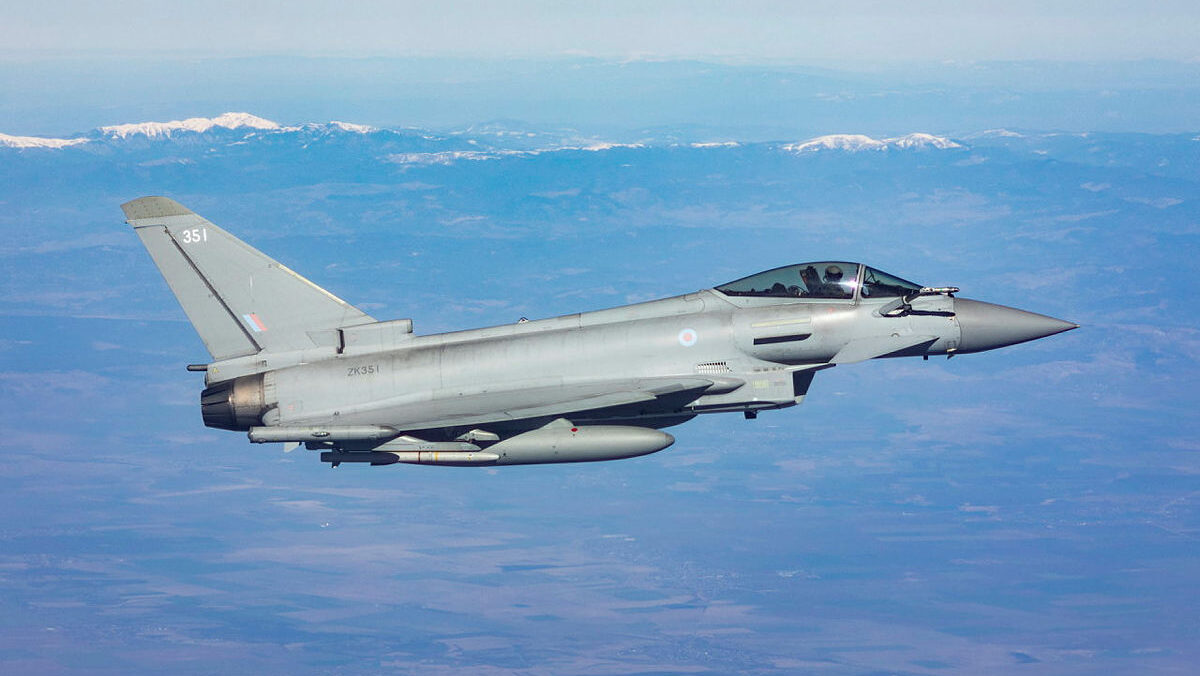
Italian Eurofighter Jets Intercept Unidentified Drone Over Lithuania in NATO Operation
Two Italian Eurofighter jets, part of NATO’s Baltic Task Force, shot down an unidentified drone that violated Lithuanian airspace. This incident, occurring shortly after midnight, marks the second interception of a drone in a month, following a similar event on August 14 in Latvian airspace. The significance of this action lies in the ongoing security concerns in the region, particularly with suspicions that the drone may have originated from Belarus. Lithuanian authorities have indicated a high probability that the drone carried an explosive payload, although this has yet to be confirmed. Looking ahead, the investigation into the incident is ongoing, and the Italian Air Force's choice of weaponry remains unclear. However, recent developments suggest that Italy is exploring cost-effective solutions for neutralizing UAV threats, which may include the Advanced Precision Kill Weapon System (APKWS) II, recently approved for potential sale to Italy by the US State Department.
Air Warfare Air Force APKWS BAE Systems drone incursions Drones
NATO Fighter Jets Shoot Down Drone in Lithuania Amid Rising Tensions with Russia
NATO fighter jets successfully intercepted and shot down a drone that entered Lithuanian airspace, marking a significant incident as it is the first drone downed in the country. Military officials suspect the drone may have been carrying explosives, although its origin remains under investigation. This event comes amid heightened accusations from NATO countries regarding Russian involvement in drone incursions and other aggressive actions near their borders. The incident underscores the escalating tensions between NATO and Russia, particularly as NATO Secretary-General Mark Rutte emphasized that strikes near NATO territory would only strengthen support for Ukraine in its ongoing conflict with Russia. The drone was reportedly in Lithuanian airspace for approximately 30 minutes before being intercepted, raising concerns about the security of the region, especially given Lithuania's proximity to Belarus and the Russian exclave of Kaliningrad. Looking ahead, the situation remains fluid, with NATO reinforcing its defenses along its eastern borders. The drone's origin and purpose are still being investigated, and further developments are expected as NATO countries continue to monitor potential threats from Russian military activities in the region. No further timeline was disclosed at the time of publication.
Politics & Geopolitics Military Headlines North Atlantic Treaty Organization - NATO Europe Russia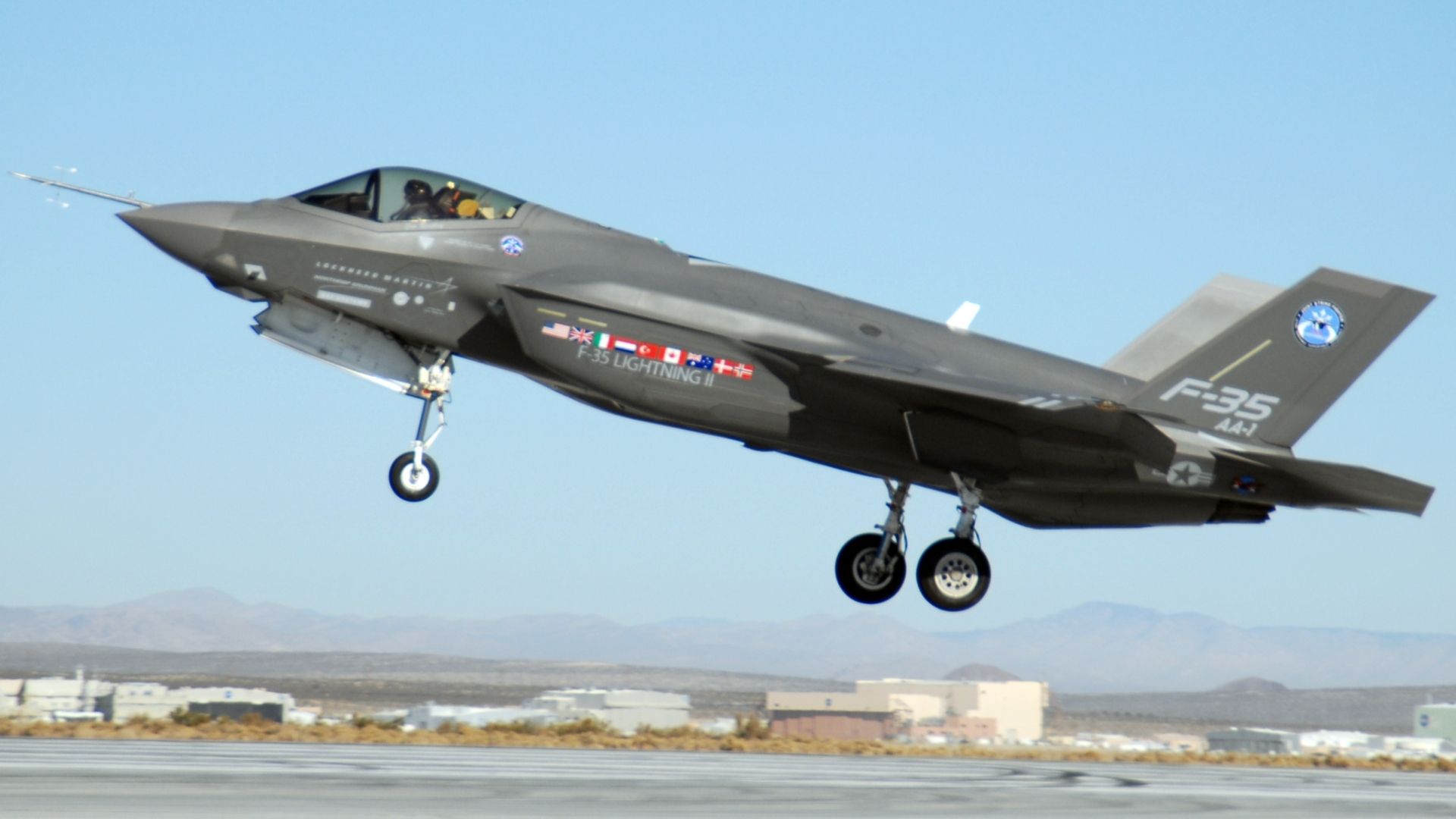
Honeywell Aerospace Introduces 40-Kilowatt Cooling Upgrade for F-35 Fighter Jet
Honeywell Aerospace has unveiled a new upgrade for the F-35 fighter jet, enhancing its cooling capacity by 25% through the P40 upgrade. This improvement raises the aircraft's power and thermal management system (PTMS) cooling capability from approximately 32 to 40 kilowatts, enabling better management of heat generated by advanced sensors and mission systems. The significance of this upgrade lies in its ability to support the F-35's evolving technological demands without necessitating structural changes to the aircraft. As operators integrate more sophisticated sensors and computing systems, the cooling system's capacity becomes critical to maintain optimal operational temperatures for onboard equipment. Looking ahead, the P40 upgrade is expected to facilitate future enhancements to the F-35's capabilities. While specific upgrades utilizing the additional cooling capacity have not been disclosed, Honeywell's approach, which includes software modifications and improvements to liquid-cooling equipment, positions the F-35 to better handle the increasing thermal loads associated with advanced mission systems. No further timeline was disclosed at the time of publication.
Military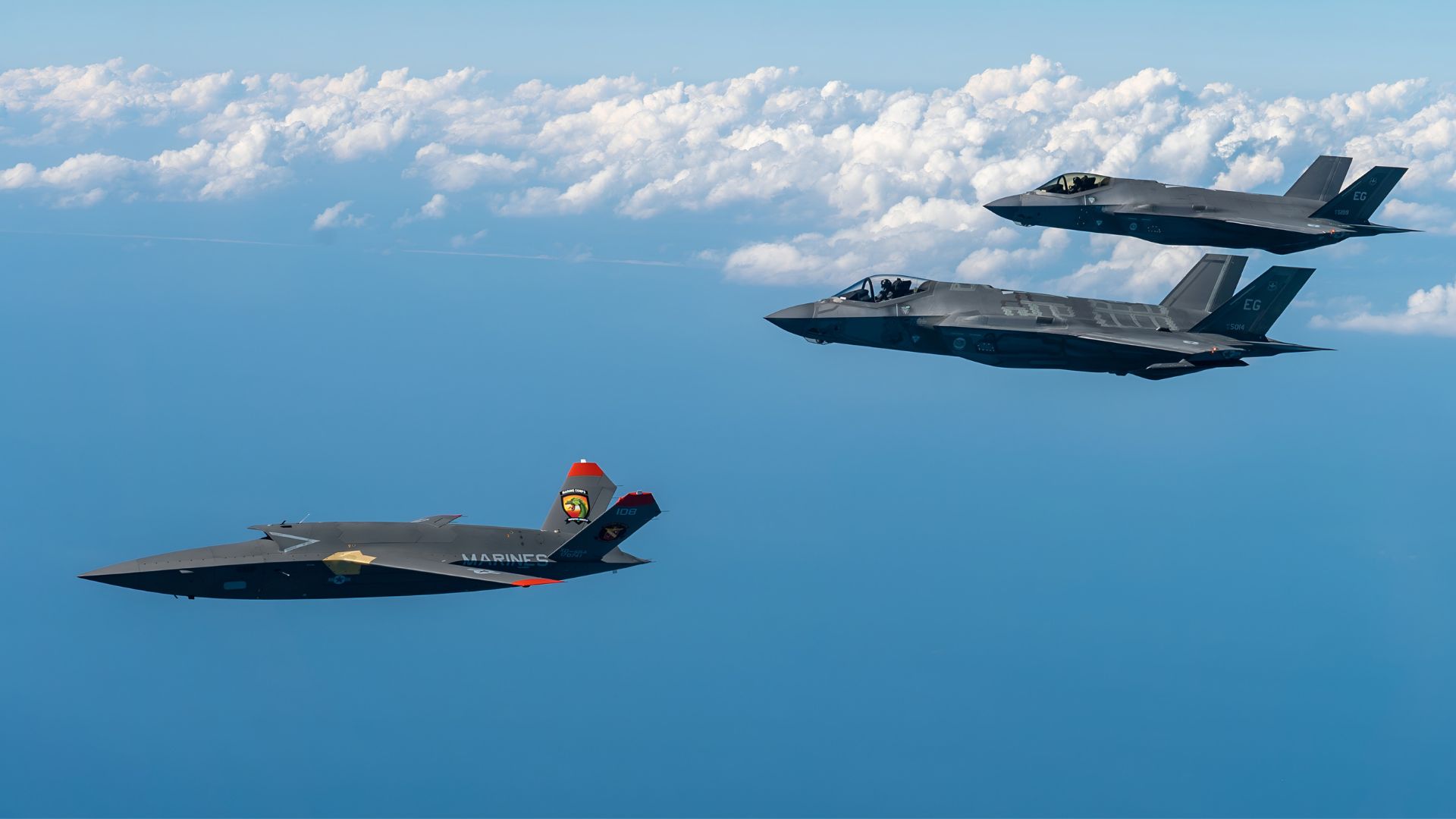
Kratos Defense's Valkyrie Drone Completes Successful Flight with F-35 Fighters
The US military is advancing towards integrating uncrewed aircraft with advanced fighter jets, specifically the F-35 and F/A-18. Kratos Defense & Security Solutions has showcased its XQ-58A Valkyrie drone's capabilities during a recent flight test in Southern California, where it successfully operated alongside Marine Corps fighters. This demonstration is significant as it highlights the potential for autonomous aircraft to enhance mission capabilities in contested airspaces. The Valkyrie's successful launch from a zero-length system and its ability to transition control between different systems underscore the importance of interoperability in military operations. Looking ahead, Kratos plans to scale production of the Valkyrie, aiming for over 150 unmanned aircraft systems by 2026. The ongoing collaboration with Northrop Grumman for the MUX TACAIR program will further adapt the Valkyrie for advanced missions, emphasizing the need for open-architecture systems in modern military aviation.
Military
Kyiv Enhances Drone Interception Strategies with Western Fighter Jets and Modified Aircraft
Since last year, Kyiv has adopted Western fighter jets to counter aerial threats, while also implementing dispersed air defense teams. This multifaceted approach aims to improve the effectiveness and affordability of Ukraine's drone interception capabilities against Russian drones. The reliance on both advanced Western technology and modified aircraft highlights Ukraine's strategic shift in addressing aerial threats. By diversifying its defense methods, Kyiv seeks to enhance its operational readiness and resilience in the face of ongoing challenges posed by Russian drone activities. Looking ahead, it will be crucial to monitor how these strategies evolve and whether additional support from Western allies will further bolster Ukraine's air defense capabilities. No further timeline was disclosed at the time of publication.
Air Warfare Global Land Warfare air defense Air Force Army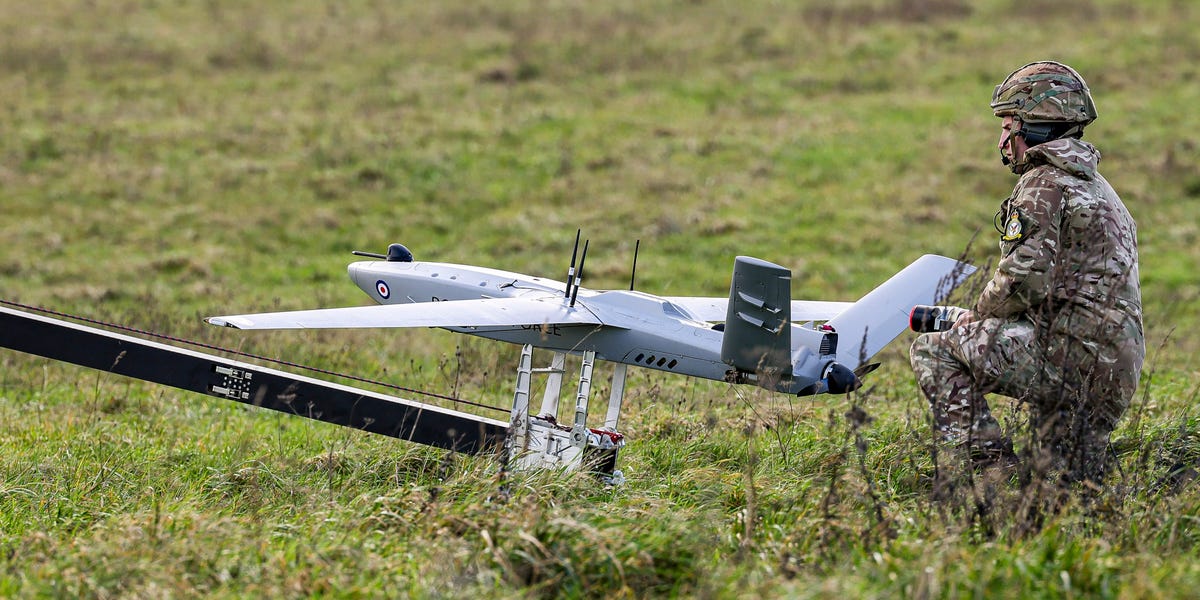
Britain thought AI-powered ‘robot fighter jets’ were years away. The Royal Air Force chief says the future is already here.
The head of the Royal Air Force has announced that the integration of uncrewed aircraft into the military is progressing more rapidly than anticipated. In an interview with Business Insider, the official emphasized the growing importance of these advanced technologies in modern warfare. The comments come as the RAF accelerates its efforts to enhance operational capabilities through the use of unmanned systems. This shift reflects a broader trend within military organizations worldwide, as they adapt to evolving threats and seek to leverage cutting-edge innovations for strategic advantage. The move towards uncrewed aircraft is expected to reshape air operations, enabling more efficient and effective missions in the future.
Military & Defense royal-air-force ai dronesRobotics needs a service framework.
RSF defines a common language for robot service capability, lifecycle operations, certification pathways, and service-provider networks.
Join the RobotToday community on LinkedIn
Daily robotics news, in-depth analysis, conference highlights, and discussions with professionals worldwide.