Industry Briefing
A single destination for timely, editor-curated robotics news from around the world.
New Whisker-Based Technology Enables Tiny Drones to Navigate Without Vision
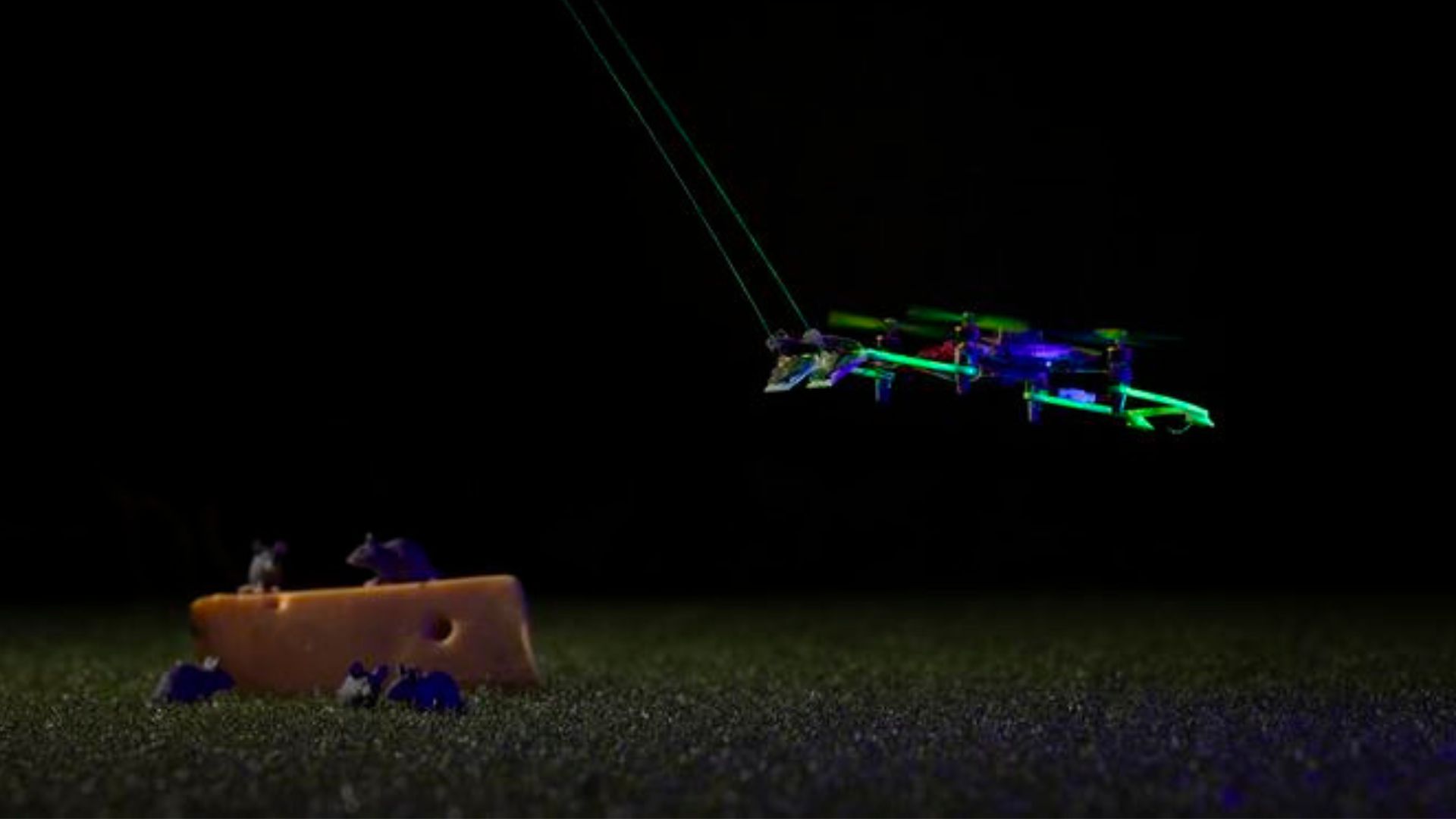
Researchers at Delft University of Technology have developed a whisker-based tactile framework that allows tiny drones to navigate complex environments without relying on visual input. Inspired by the natural whiskers of rodents, this technology equips drones with artificial whiskers that provide real-time feedback as they interact with their surroundings. This innovation addresses a significant challenge in aerial robotics, particularly for micro-drones weighing under 100 grams, which cannot support heavy LiDAR systems. The whisker system enables these drones to operate effectively in low-visibility conditions, such as dust or darkness, where traditional cameras fail. Moving forward, the focus will be on refining this tactile navigation system and exploring its applications in various environments. No further timeline was disclosed at the time of publication.
AI and Robotics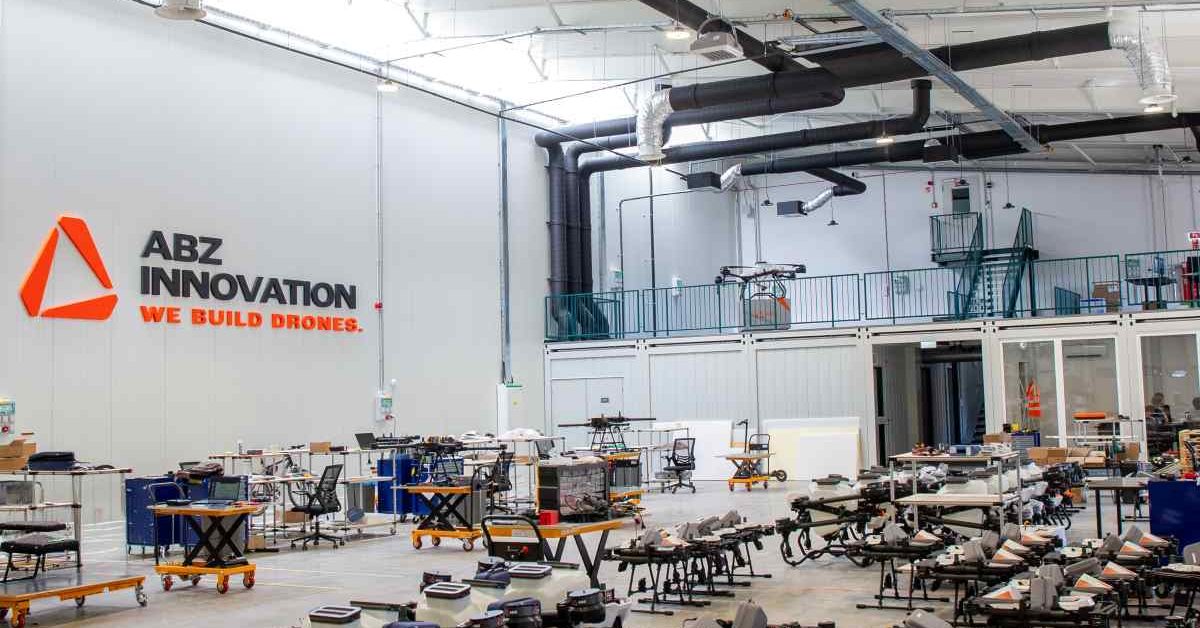
ABZ Innovation Launches Major Drone Manufacturing Facility in Hungary
ABZ Innovation has inaugurated a new drone manufacturing facility in Szentendre, Hungary, which is among the largest dedicated civilian drone production sites in Europe. This expansion is driven by increasing demand for drones in various sectors, including agriculture and industrial cleaning, with the company aiming for a threefold production increase by 2026 and further doubling in 2027. The new facility, approximately four times larger than ABZ Innovation's previous site, will serve as the company's global production hub, emphasizing European manufacturing and after-sales support. The company's drone systems are already deployed in over 40 countries, with a focus on four main product families: L-Series, S-Series, C-Series, and M-Series, catering to precision spraying, seed spreading, industrial cleaning, and cargo operations. As ABZ Innovation continues to grow, the importance of its C-Series for industrial cleaning is notable, becoming the fastest-growing product line. The company is committed to providing a comprehensive support infrastructure for professional drone operators, ensuring data sovereignty and operational efficiency in mission-critical civilian applications. No further timeline was disclosed at the time of publication.
News
Raleigh, North Carolina Implements Drones and AI to Develop City Digital Twin
The city of Raleigh, North Carolina, is utilizing drones and AI technology to create a digital twin aimed at addressing urban challenges and planning for future growth. Collaborating with tech partners like Esri, NVIDIA, and Microsoft, Raleigh seeks to enhance traffic management and urban development through this innovative approach. This initiative is significant as it allows city officials to visualize and communicate urban development effectively, addressing citizens' top concerns regarding development and traffic. The digital twin has already been applied in projects like the Gipson Play Plaza, showcasing its potential in event planning and preserving local trees, vital to Raleigh's identity as the 'City of Oaks.' Looking ahead, Raleigh plans to integrate additional data-collection devices into its digital twin, enhancing its accuracy and utility. No further timeline was disclosed at the time of publication.
Digital Twins Drone News Drone News Feeds News Blue UAS city government city digital twin drones
Hungarian Startup ABZ Innovation to Launch Non-Military Drone Production in the US
ABZ Innovation, a Hungarian startup, is set to initiate non-military drone production in the United States next year. This move follows the company's plans to expand its output in Hungary, as stated by its CEO. The decision to establish a foothold in the US market is significant for ABZ Innovation, as it aims to tap into the growing demand for non-military drones. This expansion reflects the company's commitment to increasing its production capabilities and reaching a broader customer base. Looking ahead, industry observers will be keen to see how ABZ Innovation's US production plans unfold and what impact it may have on the competitive landscape of the drone market. No further timeline was disclosed at the time of publication.

Odyssey Launches Odyssey-3 World Model for Robots, Humanoids, and Drones
Odyssey has unveiled Odyssey-3, a versatile world model designed to control robots, humanoids, autonomous vehicles, and drones using a unified AI system. This autoregressive diffusion transformer is trained on a diverse set of visual observations, allowing it to adapt with minimal task-specific data. The model has been pre-trained to understand physics, motion, and human behavior, enabling developers to create tailored action decoders for various systems. The significance of Odyssey-3 lies in its potential to streamline the training process for humanoid robots. In collaboration with Flexion, Odyssey is exploring how pretraining can minimize the data required for teaching new skills. Flexion has successfully developed control policies for tasks like object manipulation using only a small amount of teleoperation data, demonstrating improved generalization over traditional models. Looking ahead, Odyssey plans to publicly release Odyssey-3 in the coming weeks. The company is also collaborating with Poke & Wiggle to assess the model's adaptability across different robot types and control systems. This initiative could reshape how robots learn and adapt to new environments, enhancing their operational capabilities significantly.
AI AI Funding & Investment Robotics autonomous vehicles Flexion humanoid robotics
ABZ Innovation Launches Major Civilian Drone Manufacturing Facility in Hungary
ABZ Innovation has inaugurated a new manufacturing facility in Szentendre, Hungary, which is recognized as one of the largest civilian drone production sites in Europe. This facility will enhance the manufacturing capabilities for agricultural and industrial drone technology in the region. The establishment of this facility is significant as it strengthens Europe's position in the drone manufacturing sector, particularly for heavy-duty civilian applications. ABZ Innovation aims to meet the growing demand for advanced drone solutions in agriculture and industry, contributing to technological advancements in these fields. Looking ahead, the impact of this facility on the local economy and the broader European drone market will be noteworthy. No further timeline was disclosed at the time of publication.
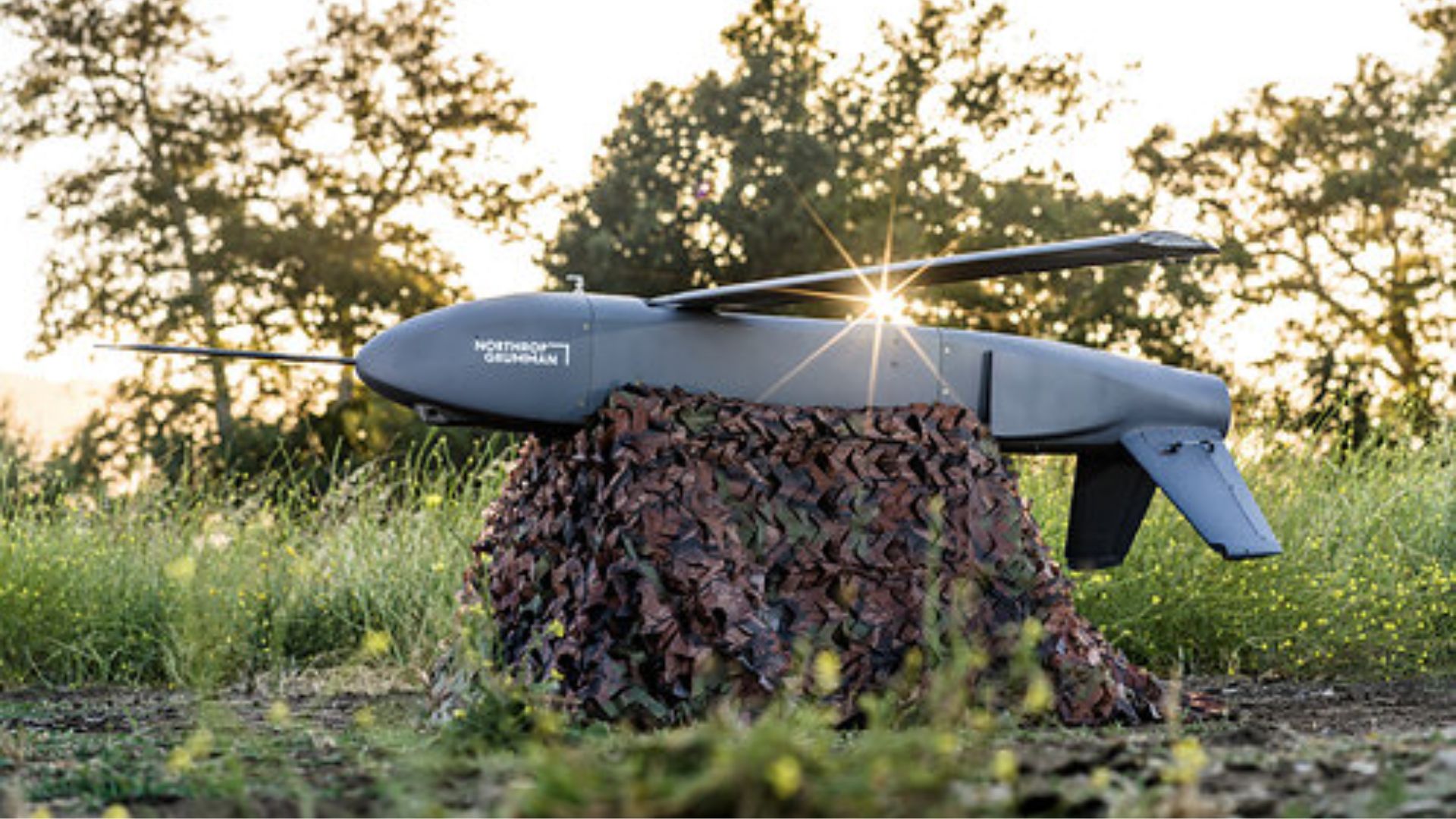
Northrop Grumman's Lumberjack Drone Successfully Tests Quantum Navigation Technology
Sandbox AQ has successfully tested its quantum sensor-based Magnetic Navigation (MagNav) on Northrop Grumman’s Lumberjack drone, marking a significant milestone in unmanned aircraft systems. This test is the first of its kind for an attritable drone, showcasing the potential of quantum navigation in GPS-denied environments, which is increasingly relevant given current military operations. The successful integration of MagNav with Lumberjack's visual navigation system is crucial as the U.S. military seeks alternatives to GPS for navigation and targeting. The ongoing conflicts in Ukraine and West Asia highlight the need for resilient navigation systems that can operate effectively even when GPS signals are jammed or spoofed. This advancement could enhance operational capabilities in contested domains. Looking ahead, the deployment of Sandbox AQ’s AQNav technology in various aircraft platforms could revolutionize military navigation. The ease of integration into existing systems, as demonstrated by the rapid installation on Lumberjack, suggests a promising future for quantum navigation solutions in defense applications. No further timeline was disclosed at the time of publication.
Military
Elroy Air Completes First Autonomous Cargo Drone Flights with 500-lb Payload in Louisiana
Elroy Air, a US drone startup, has successfully conducted its first autonomous, uncrewed flights of the Chaparral hybrid-electric aircraft under the eVTOL Integration Pilot Program in Louisiana. These flights focused on transporting various cargo types, including medical supplies and industrial equipment, showcasing the aircraft's capabilities. This development is significant as it marks a step towards integrating Advanced Air Mobility aircraft into US airspace, enhancing logistics infrastructure and delivery options nationwide. The Federal Aviation Administration (FAA) emphasized the importance of these test flights in shaping aviation policy and supporting commercialization efforts. Looking ahead, Elroy Air's successful tests will inform its strategy for deploying autonomous heavy-cargo aircraft at scale. The Chaparral's unique features, such as interchangeable cargo pods and VTOL capabilities, position it for diverse applications, including disaster relief and maritime missions. No further timeline was disclosed at the time of publication.
Transportation
Hermeus Teams with Anduril for Autonomy in Quarterhorse Drone Development
Hermeus has partnered with Anduril to integrate autonomy software into its Mk 2 Quarterhorse drone, with flight testing set to begin next year. This collaboration aims to enhance the drone's capabilities, allowing for automated flight controls and scalability in operations, as emphasized by Hermeus CEO Zach Shore. The partnership is significant as it leverages Anduril's Lattice mission autonomy suite, which will provide an end-to-end solution for autonomous operations. This integration is expected to accelerate the Quarterhorse's readiness for live operations, aligning with the Pentagon's funding and support for the drone's development. Looking ahead, the collaboration presents opportunities for both companies, with Anduril's technology being tested on a high-speed platform. The executives highlighted the mutual economic benefits and the potential for expanding the market for mission autonomy solutions, although specific financial details were not disclosed at the time of publication.
Air Warfare AI & Autonomy Air Force Anduril autonomy Business & Industry
SiMa.ai and ARK Electronics Collaborate to Enhance Autonomous Drone Development
SiMa.ai and ARK Electronics have formed a strategic partnership aimed at accelerating the deployment of next-generation autonomous drones. They are introducing the ARK-SiMa.ai Modalix MLSoC Bundles, which are production-ready solutions designed to facilitate the development of intelligent drones for various markets, including commercial and defense. This collaboration is significant as it combines SiMa.ai's expertise in Physical AI with ARK Electronics' capabilities in high-quality drone electronics. The resulting solutions are expected to be affordable and high-performance, addressing the growing demand for advanced drone technology in sectors such as UAS, industrial applications, and agriculture. Looking ahead, the partnership aims to simplify the development process for intelligent drones, potentially leading to faster deployment in the market. No further timeline was disclosed at the time of publication.

Infinit Drones Launches Dock M400 for DJI Matrice 400 Autonomous Operations
Infinit Drones has unveiled the Dock M400, an autonomous docking platform designed for the DJI Matrice 400 drone. This innovation allows for remote launching, recovery, and battery management without the need for on-site personnel, addressing a significant gap in the enterprise drone market. The Dock M400 is particularly important as it enhances the capabilities of the DJI Matrice 400, which is known for its heavy-lift capacity and advanced sensor support. With features like automatic battery replacement and dock-to-dock relay missions, the Dock M400 enables organizations to maintain drones in a mission-ready state, thereby improving operational efficiency in sectors such as utilities and emergency services. Looking ahead, the demand for autonomous drone solutions is expected to rise, especially with the growing interest in Drone as First Responder (DFR) programs and favorable regulatory changes in Canada. Infinit Drones aims to capitalize on these trends by offering a solution that combines the Matrice 400's capabilities with autonomous deployment, potentially transforming aerial operations across various industries.
News
Agri Spray Drones Transitions to Agricultural Drone Manufacturer and Technology Innovator
Agri Spray Drones (ASD) has announced its shift from being a distributor of spray drones to becoming a manufacturer and technology company focused on agricultural drones. This evolution is driven by years of operator experience, which will inform product development, quality control, software, and autonomous systems. This transition is significant as it positions ASD to enhance the quality and innovation of agricultural drone technology in the U.S. market. By taking control of the manufacturing process, ASD aims to improve product reliability and performance, which are critical factors for farmers and agricultural businesses. Looking ahead, ASD's roadmap for U.S. manufacturing and advancements in spray drone technology will be crucial to watch. The company's commitment to integrating operator insights into its product offerings may lead to more effective solutions for agricultural applications. No further timeline was disclosed at the time of publication.

L3Harris and ARX UK Evaluate Passive Counter-Drone Technology on Autonomous UGVs
L3Harris and ARX UK have tested the CORVUS-RAVEN sensors mounted on unmanned ground vehicles (UGVs) to enhance battlefield awareness. These sensors are designed to track approaching threats, allowing operators to maintain a safe distance from potential dangers. The implementation of the CORVUS-RAVEN technology is significant as it improves situational awareness for military operators, enabling them to respond effectively to drone threats without direct engagement. This advancement in counter-drone capabilities is crucial in modern warfare, where unmanned aerial vehicles pose increasing risks. Looking ahead, the focus will be on the further development and deployment of these passive counter-drone systems. No further timeline was disclosed at the time of publication.
News
Commercial UAV Expo 2026: Keynotes and Insights for Drone Professionals in Las Vegas
The Commercial UAV Expo is set to take place in Las Vegas from September 1 to 3, attracting over 3,700 professionals and more than 240 exhibitors. This year's event is particularly significant due to ongoing changes in the U.S. commercial drone industry, including the FAA's development of a new framework for routine beyond visual line of sight (BVLOS) operations. The expo serves as a crucial platform for stakeholders to engage with regulators, operators, and manufacturers amidst evolving regulations such as the FCC Covered List and NDAA requirements. DRONELIFE Editor Miriam McNabb will address the gaps and opportunities within the U.S. commercial drone market, emphasizing the importance of collaboration and dialogue during this transformative period. Attendees can look forward to key discussions on advanced aviation technologies and regulatory comparisons between the U.S. and Europe regarding BVLOS operations. Notable sessions include insights from FAA and EASA officials, highlighting the need for adaptation in the National Airspace System to accommodate drones and innovative aviation technologies. No further timeline was disclosed at the time of publication.
DL Exclusive Drone News Drone News Feeds Drones in the News News Selected - FAA and Regulations
AirData Achieves 65 Million Drone Flights as FAA's BVLOS Rule Approaches Finalization
AirData, a drone fleet management platform based in California, has announced it has tracked over 65 million drone flights globally, encompassing more than 850,000 drones and 470,000 pilots. This milestone arrives as the FAA's Part 108 rule, which would permit routine beyond visual line of sight (BVLOS) operations, nears its final review stage. The significance of this achievement lies in the rapid growth of commercial drone operations, with AirData adding 15 million flights in just 15 months, indicating a shift from trial programs to regular integration of drones in business operations. The upcoming Part 108 rule aims to redefine accountability in drone operations, shifting responsibility from individual pilots to the operating organizations. As the FAA's BVLOS framework approaches implementation, AirData's extensive flight database and operational insights position it as a key player in the evolving drone industry. The company’s platform already aligns with the anticipated regulatory requirements, showcasing its readiness for the future of large-scale drone operations in various sectors.
News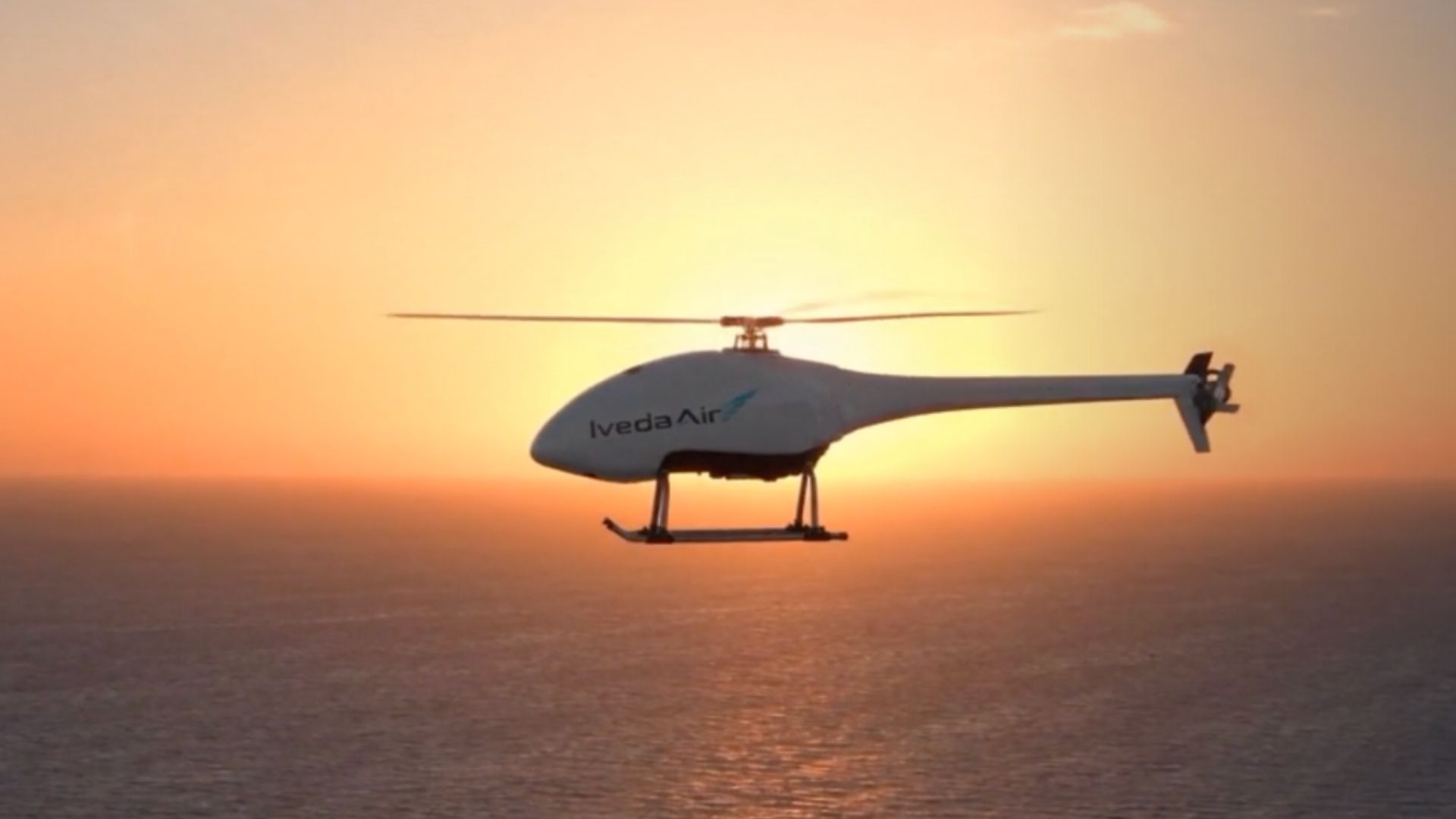
Iveda Launches Gas-Powered GX10-F100 Autonomous Helicopter Drone with 150-Minute Flight Time
Arizona-based Iveda has unveiled the IvedaAir line, featuring the GX10-F100, a gas-powered autonomous helicopter drone. This unmanned aircraft boasts an impressive flight endurance of over 150 minutes, significantly surpassing traditional battery-powered quadcopters. With a cargo capacity of 19 pounds and a maximum speed of 68 mph, the GX10-F100 is designed for military and emergency operations. The introduction of the GX10-F100 is significant as it addresses the limitations faced by conventional drones in challenging environments such as coastlines and isolated terrains. Its extended endurance and cargo capabilities make it suitable for logistics, reconnaissance, and aerial communications in difficult or dangerous areas. Iveda aims to enhance operational efficiency for military users and expand the drone's applications to maritime security, public safety, and emergency response. Looking ahead, Iveda's focus on developing the GX10-F100 for demanding operational environments indicates a shift in drone capabilities. The integration of IvedaAI autonomy software enhances navigation and intelligence missions, allowing for waypoint navigation and real-time video transmission. No further timeline was disclosed at the time of publication.
Military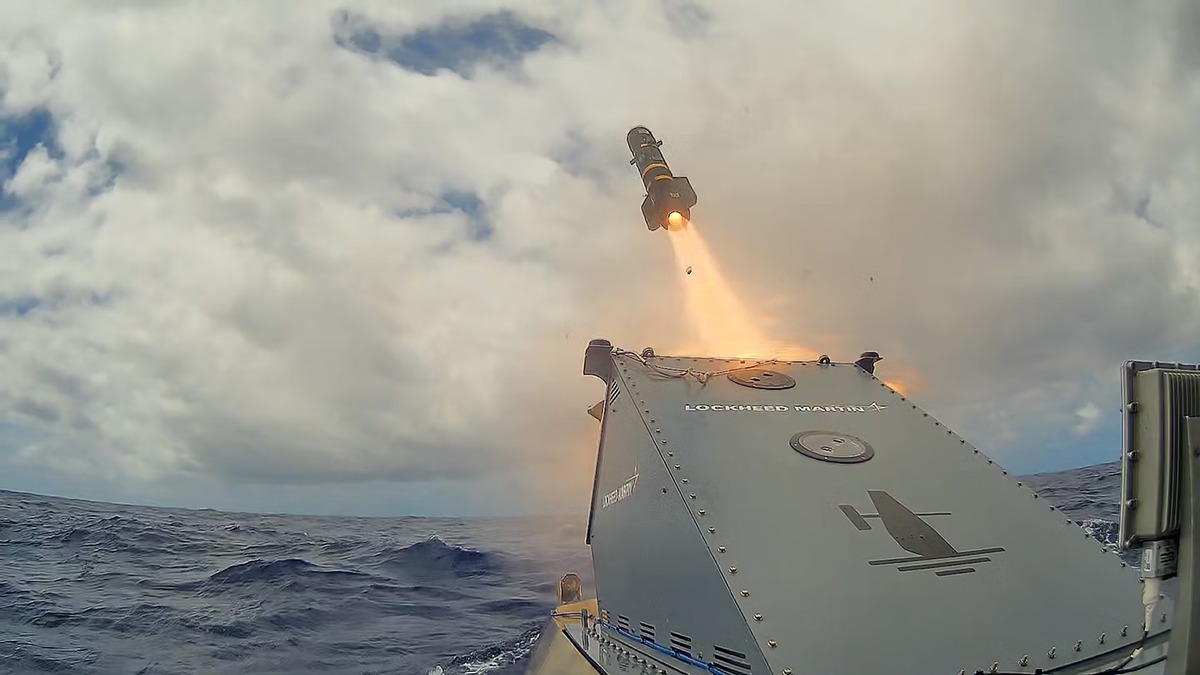
Saildrone and Lockheed Martin Enhance Autonomous Naval Warfare with RIMPAC Missile Launch
Saildrone successfully executed two Joint Air-to-Ground Missile launches from its Surveyor unmanned surface vehicle (USV) during the US Navy's Rim of the Pacific (RIMPAC) exercise. This marks a significant milestone as it is the first-ever missile launch from a Saildrone USV, showcasing the integration of Saildrone's technology with Lockheed Martin's missile capabilities. The demonstration is crucial as it highlights the potential of autonomous systems in modern naval warfare, allowing for extended operational capabilities in contested environments. The collaboration between Saildrone and Lockheed Martin, initiated in October 2025, aims to enhance the operational readiness of unmanned platforms, providing commanders with the necessary tools to project power effectively. Looking ahead, Saildrone plans to further develop its platform capabilities to meet evolving military requirements. The successful integration of electronic warfare sensors during the RIMPAC exercise also indicates the potential for future enhancements in autonomous naval operations. No further timeline was disclosed at the time of publication.
saildrone lockheed martin autonomous naval warfare rimpac demonstration usv
DJI Announces Winners of Global AI Drone Challenge Focused on Real-Time Decision Making
DJI has revealed the winners of its DJI Enterprise Drone Onboard AI Challenge 2026, aimed at enhancing the capabilities of enterprise drones. The competition encourages the development of AI models that enable drones to make real-time decisions, addressing various applications such as crop counting, bridge inspections, and pollution detection. This initiative is significant as it seeks to reduce the time required for data processing after drone flights, allowing for immediate insights that can be crucial in sectors like agriculture and emergency response. By enabling AI models to operate onboard, DJI aims to streamline workflows and enhance the practical value of drone technology across multiple industries. Looking ahead, the focus will be on how these innovative AI solutions can be integrated into existing workflows. The success of projects like AgroCount AI, which automates crop counting, highlights the potential for edge AI to transform agricultural practices and other fields. No further timeline was disclosed at the time of publication.
News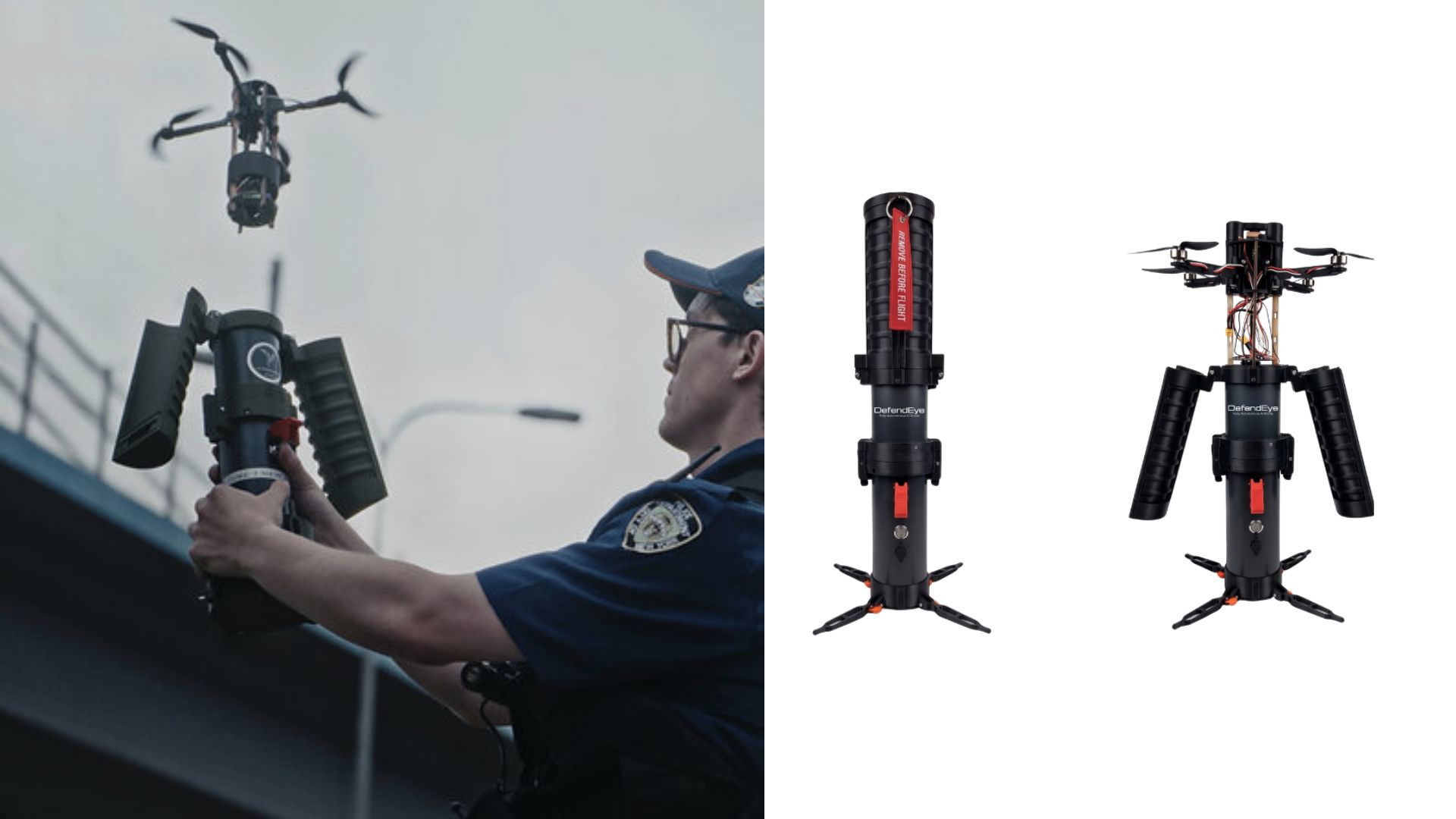
DefendEye to Scale Production of First Autonomous AI Drone for First Responders
DefendEye has announced plans to scale up production of the Overwatch Drone, the world's first autonomous AI drone designed for first responders, following a significant investment round led by NovaCapital. This funding will enable the company to enhance its operations and manufacturing capabilities at its facilities in Hallandale Beach, Florida, and Krakow, Poland. The Overwatch Drone is engineered to provide emergency personnel with immediate situational awareness, deploying in seconds without the need for trained pilots. This innovative system utilizes onboard AI to detect and identify individuals from the air, making it a vital tool for police, firefighters, and search-and-rescue teams in high-stakes environments. Looking ahead, DefendEye aims to redefine crisis management through its autonomous aerial capabilities, ensuring that first responders have rapid access to live video feeds and critical information. No further timeline was disclosed at the time of publication.
AI and Robotics
FAA NextGen Fact Sheet Highlights Future Integration of Drones and Aircraft
On August 17, the Federal Aviation Administration (FAA) released a NextGen fact sheet detailing updates to the National Airspace System (NAS) and ongoing modernization efforts. The Next Generation Air Transportation System, or NextGen, has significantly advanced U.S. air traffic management technology, transitioning to digital communications, satellite navigation, and integrated data sharing. The FAA reports that NextGen programs are now operational and have generated $10.9 billion in benefits from 2010 to 2023. The modernization efforts include the implementation of over 20 capabilities across the country, enhancing air traffic management through technologies like Automatic Dependent Surveillance-Broadcast (ADS-B) and Performance Based Navigation. These advancements allow for more precise navigation and real-time data sharing, shifting the focus from traditional air traffic control to a more strategic, integrated management approach. The FAA emphasizes the importance of accommodating non-traditional aviation forms, including uncrewed aircraft systems (UAS). Looking ahead, the FAA is developing traffic management concepts to safely integrate UAS and other emerging aircraft into the NAS. Technologies such as DroneZone and the Low Altitude Authorization and Notification Capability (LAANC) are pivotal in supporting this growth. The agency is also exploring concepts for UAS Traffic Management and Urban Air Mobility, indicating a significant shift in airspace management strategies in the coming years.
Drone News Drone News Feeds Drones in the News FAA News ADS-B
First Standing Passenger Drone Urban Launches with No License Required
The world's first standing passenger drone, named Urban, was launched by KuFly, showcasing its capabilities during a global product release event in Hangzhou. This innovative flying device allows users to stand on a flat platform, avoiding ground traffic and significantly reducing commute times. For instance, a journey from Hangzhou's Citizen Center to Wulin Square takes only 10 minutes in the air compared to 40 minutes by car during peak hours. This launch is significant as it represents a shift in urban mobility solutions, addressing common commuting challenges faced by many workers. The Urban drone can reach speeds of up to 36 km/h and has a flight duration of approximately 11 minutes with a standard weight of 70 kg. The design includes safety features such as a protective grid and a 360-degree view for the pilot, enhancing the overall flying experience. Looking ahead, KuFly plans to target urban short-distance travel with the Urban model, while also offering the Dream series for broader applications in tourism and outdoor exploration. The company aims to make these drones accessible, with a production price goal of under 100,000 RMB. No further timeline was disclosed at the time of publication.
Passenger Drones Urban Mobility Aerial Transportation eVTOL Drone Technology
Neros Technologies Secures $250 Million to Enhance Defense Drone Production by 2026
Neros Technologies announced the successful completion of a $250 million Series C funding round, elevating its valuation to $2.5 billion. The funding aims to expedite the development and production of its defense drones, including the Archer AI and Bandit models, which are set for deployment by the end of 2026. This funding is crucial as Neros seeks to fulfill its ambitious goal of producing 1 million drones annually, a mission that remains unchanged despite the expanding range of capabilities and mission sets. The company has secured significant contracts with the U.S. Army, Marine Corps, and various allied nations, positioning itself as a key player in the defense drone market amid rising global demand. Looking ahead, Neros Technologies plans to leverage this capital to enhance its drone manufacturing capabilities, particularly in response to the ongoing conflicts in Ukraine, Gaza, and Iran. The company aims to deliver advanced drone solutions that provide credible deterrence and support military operations effectively.
Defense / Security Drones Financial Investments Markets / Industries News
FlybyOps Launches Platform to Streamline Management of Autonomous Drone Fleets
FlybyOps, a Finland-based company, has introduced an enterprise drone operations platform aimed at addressing the complexities of scaling autonomous drone fleets. As commercial drone operations expand, managing pilots, equipment, approvals, and compliance becomes increasingly challenging, especially with the rise of Beyond Visual Line of Sight (BVLOS) operations. The platform serves as a central hub for organizations developing large-scale BVLOS and autonomous drone programs, connecting flights with necessary personnel, aircraft, and compliance requirements. With regulators worldwide facilitating more routine BVLOS flights, industries such as logistics and infrastructure inspection are preparing for fleets capable of performing hundreds or thousands of autonomous missions, necessitating robust management tools. FlybyOps emphasizes compliance and operational oversight, allowing organizations to manage flight approvals, personnel qualifications, and operational risks from a single system. The software has already been adopted globally, providing operators with enhanced visibility into complex flight programs. No further timeline was disclosed at the time of publication.
News
NORTHCOM Deputy Commander Admits U.S. Unprepared for Domestic Drone Swarm Attacks
The deputy commander of United States Northern Command (NORTHCOM), Army Lt. Gen. Joseph Jarrard, stated that the U.S. is currently unprepared to defend against potential drone swarm attacks within its borders. Speaking at the Space and Missile Defense Symposium in Huntsville, Alabama, he highlighted significant gaps in sensor capabilities and response systems necessary to mitigate such threats. Jarrard's remarks underscore a critical vulnerability in U.S. homeland defense, particularly in light of recent global drone usage, including Ukraine's Operation Spiderweb, which effectively targeted Russian air bases. The general emphasized the need for improved domain awareness and the right systems to neutralize drone threats, which have become increasingly sophisticated and accessible. As drone technology continues to advance, the potential for domestic attacks using longer-range drones poses additional challenges for U.S. defenses. No further timeline was disclosed at the time of publication regarding improvements to address these vulnerabilities.
Air Americas Around The Globe Counter-Unmanned Aerial Vehicles (C-UAS) Drones Land
U.S. Military Unprepared for Domestic Drone Swarm Attacks, Says NORAD Deputy Commander
The Deputy Commander of United States Northern Command (NORTHCOM) and North American Aerospace Defense Command (NORAD), Army Lt. Gen. Joseph Jarrard, stated that the U.S. is currently unprepared to defend against drone swarm attacks within its homeland. During the Space and Missile Defense Symposium in Huntsville, Alabama, he emphasized the lack of necessary sensors and effectors to address such threats. Jarrard's remarks highlight significant gaps in U.S. military capabilities, particularly in domain awareness and response systems for drone threats. He pointed out that while drone attacks are increasingly common globally, the U.S. has yet to develop effective mitigation strategies. This admission follows previous concerns raised about the military's readiness, especially after incidents like the Chinese spy balloon event in 2023. Looking ahead, the military must prioritize enhancing its drone defense systems to counter threats similar to Ukraine's Operation Spiderweb, which successfully targeted Russian air bases. The evolving drone technology landscape necessitates urgent action to safeguard critical infrastructure and personnel from potential domestic drone attacks.
Air Americas Around The Globe Counter-Unmanned Aerial Vehicles (C-UAS) Drones Land
General Glen VanHerck Discusses Drone Swarms Over Langley AFB and NORAD's Preparedness
General Glen VanHerck, former head of NORAD and NORTHCOM, expressed that the drone swarms over Langley Air Force Base in December 2023 were anticipated threats. He highlighted the ongoing concerns regarding U.S. military installations' vulnerabilities to drone incursions, emphasizing that the military was not adequately prepared to address such threats. The incursions, which began on December 6, 2023, involved uncrewed aerial systems (UAS) that posed potential risks to flight safety, although they did not show hostile intent. VanHerck noted that he had previously communicated his frustrations about the lack of domain awareness and the need for enhanced capabilities to the Secretary of Defense, Lloyd Austin, in December 2021. Looking ahead, VanHerck's insights underline the necessity for improved policies and authority regarding drone defense at military installations. The challenges of jurisdiction and empowerment for installation commanders remain critical issues that need to be addressed to enhance national security against evolving aerial threats. No further timeline was disclosed at the time of publication.
News & Features Air Counter-Unmanned Aerial Vehicles (C-UAS) Drones Land Unmanned
FlybyOps Introduces New Platform for Scaling BVLOS and Autonomous Drone Operations
FlybyOps has unveiled an enterprise drone operations platform tailored for large-scale Beyond Visual Line of Sight (BVLOS) and autonomous drone initiatives. This Finland-based company aims to tackle the complexities faced by commercial drone operators as they expand their fleets, requiring effective management of flights, locations, aircraft, and personnel while ensuring regulatory compliance. The significance of this platform lies in its ability to centralize management of flight operations, personnel qualifications, and compliance requirements, thereby enhancing operational control. With features such as role-based access, configurable workflows, and structured compliance processes, FlybyOps is designed to support organizations transitioning to more frequent and autonomous BVLOS flights, creating an auditable record of operations. As the drone industry gears up for larger fleets and increased autonomy, FlybyOps is positioned to facilitate this evolution. The platform is already being utilized globally for BVLOS operations, with potential applications in logistics and infrastructure. No further timeline was disclosed at the time of publication.
Applications Drone News Drone News Feeds News autonomous drones BVLOS
FAA Proposes $289,215 Penalty Against Gorge Drones for Unauthorized Agricultural Flights
The Federal Aviation Administration (FAA) has proposed a civil penalty of $289,215 against Gorge Drones, located in Stevenson, Washington, for allegedly conducting unauthorized agricultural drone operations in early 2025. The FAA claims that the company operated an unmanned aircraft to dispense fertilizer during 15 flights without the necessary agricultural aircraft operator certificate, and that the drone was neither registered with the FAA nor had an airworthiness certificate. This proposed enforcement action highlights the FAA's stringent regulations governing agricultural drone operations, which differ from those for drones used solely for imaging or inspection. The agency emphasizes that operators dispensing agricultural materials must adhere to additional federal requirements, including obtaining specific exemptions and operational authority for agricultural aircraft operations. As the agricultural drone sector continues to expand rapidly, compliance with FAA regulations is critical for operators. The FAA's announcement serves as a reminder of the importance of adhering to aviation regulations, as a proposed civil penalty indicates an allegation rather than a final determination. No further timeline was disclosed at the time of publication.
Agriculture Applications Drone News Drone News Feeds Drones in the News FAA
P-8A Poseidon Crews Can Now Control MQ-4C Triton Drones In-Flight
The U.S. Navy has announced that P-8A Poseidon crews can now direct MQ-4C Triton drones during flight without relying on ground stations. This advancement enhances operational flexibility and coordination in military missions, allowing for more efficient targeting and engagement of multiple threats simultaneously. This capability is significant as it represents a leap in military technology, enabling real-time command and control of unmanned aerial vehicles (UAVs). The ability to manage drones in-flight improves response times and situational awareness, which are critical in modern warfare scenarios. Looking ahead, the integration of P-8A Poseidon and MQ-4C Triton systems may lead to further enhancements in naval operations. The U.S. Navy's ongoing commitment to advancing drone technology will likely continue to shape future military strategies and capabilities. No further timeline was disclosed at the time of publication.
Military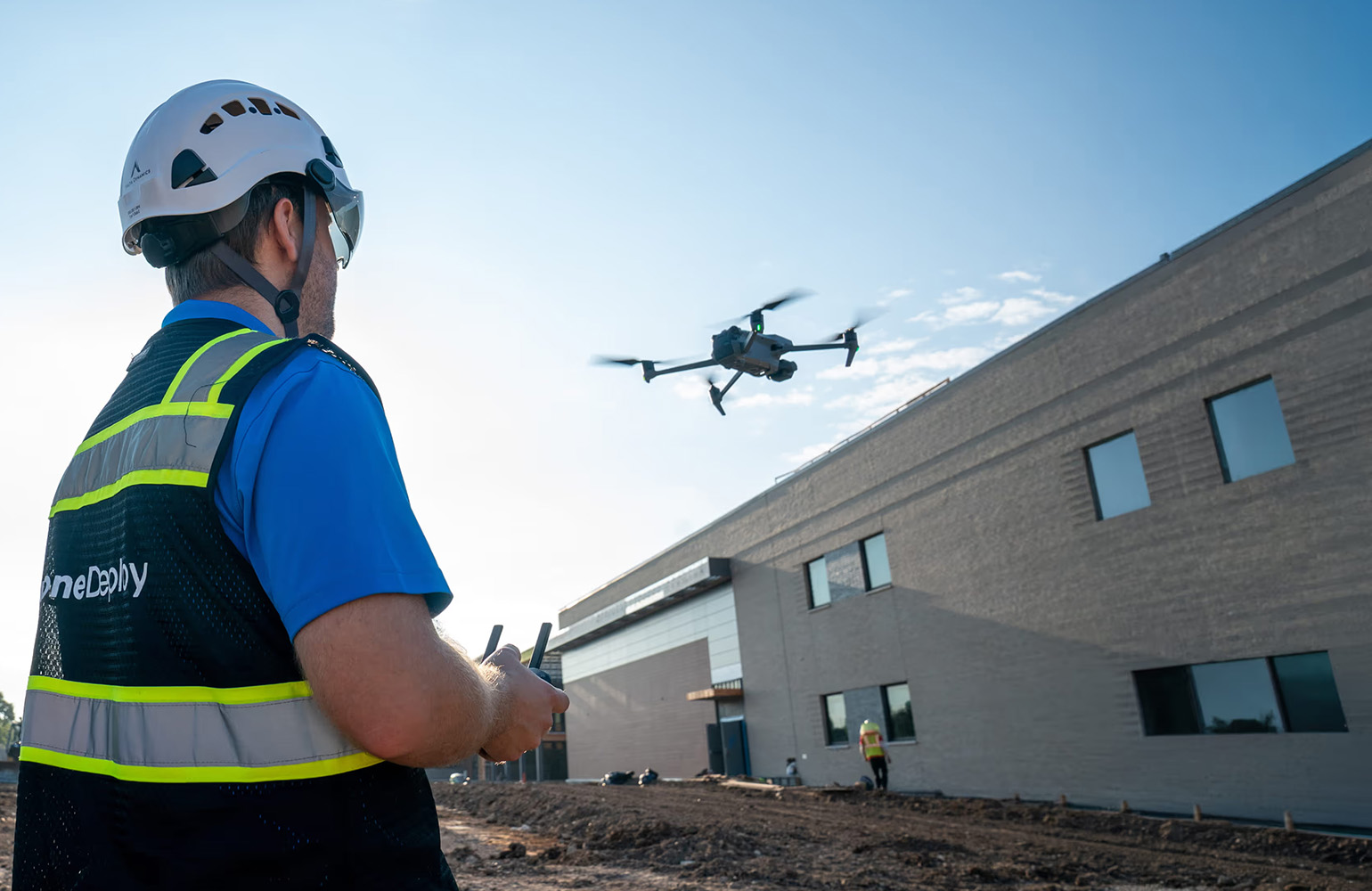
Procore Technologies to Acquire DroneDeploy for $845 Million Cash Deal
Procore Technologies Inc. has announced its plan to acquire DroneDeploy for approximately $845 million in cash. DroneDeploy, known for its robotics and visual intelligence platform, has been utilized on over 3 million job sites across more than 180 countries. Procore's CEO, Ajei Gopal, expressed enthusiasm about integrating DroneDeploy's technology into Procore's offerings to enhance their AI strategy and improve project outcomes. This acquisition is significant as it aims to merge DroneDeploy's visual intelligence capabilities with Procore's construction management platform. By doing so, Procore intends to provide real-time visibility and automated actions on construction sites, enhancing collaboration and efficiency. The integration of DroneDeploy's technology is expected to transform how construction teams document observations and address issues, ultimately improving project execution. Looking ahead, the companies plan to leverage their combined technologies to replace traditional manual inspections with advanced perception capabilities. This will allow for regular evaluations of construction sites using drones, cameras, and robots, facilitating timely and context-aware responses. No further timeline was disclosed at the time of publication.
Artificial Intelligence Cameras / Imaging / Vision Construction Drones Financial Mergers & Acquisitions
RTsys Underwater Technologies and Singapore Navy Deploy COMET-MCM Drones for Maritime Security
RTsys Underwater Technologies, the Republic of Singapore Navy, and the Defence Science and Technology Agency (DSTA) have announced the operational deployment of COMET-MCM autonomous underwater vehicles. These drones are designed to detect and identify naval mines, marking a significant advancement in the Singapore Navy's mine countermeasures capabilities. The Singapore Strait is a crucial maritime route, with nearly 150,000 ships passing through annually. The deployment of COMET-MCM systems aims to enhance maritime safety by addressing underwater threats, particularly naval mines, which could disrupt international trade and maritime safety in the Asia-Pacific region. The COMET-MCM drones operate autonomously for over twelve hours, equipped with high-resolution side scan sonar for precise mapping of underwater areas. This integration into the Singapore Navy's strategy allows for efficient reconnaissance and complements data from minehunters, improving mission effectiveness. No further timeline was disclosed at the time of publication.
rtsys underwater technologies republic of singapore navy dsta operational deployment comet-mcm auv
DoorDash Secures FAA Certification for In-House Drone Delivery Program Launch
DoorDash has announced that it has received Part 135 air carrier certification from the Federal Aviation Administration, enabling the launch of DoorDash Air, its proprietary drone delivery program. This certification allows the company to operate as an air carrier, expanding its delivery capabilities beyond traditional methods. The significance of this certification lies in DoorDash's commitment to enhancing its delivery automation efforts. With the launch of DoorDash Air, the company aims to create a comprehensive delivery network that integrates various modes of transportation, including drones, to meet the growing demands of local commerce. Harrison Shih, head of DoorDash Air, emphasized the importance of building a seamless infrastructure for drone delivery. Looking ahead, DoorDash plans to leverage its Autonomous Delivery Platform, which optimizes delivery routes across different modes, including drones and robots. The company is also focused on developing interoperable ground infrastructure to facilitate merchant handoffs. No further timeline was disclosed at the time of publication.
Drones Food / Beverage Markets / Industries News Regulatory & Compliance Robots / Platforms
NOAA Expands Weather Forecasting with Drones from Swiss Company Meteomatics
The National Oceanic and Atmospheric Administration (NOAA) is enhancing its weather forecasting capabilities by integrating drones into its data collection methods. Collaborating with Swiss technology firm Meteomatics, NOAA is currently testing the Meteodrones at a pilot site near the University of Oklahoma. This initiative aims to improve the accuracy and efficiency of weather models, particularly for severe weather warnings. The addition of drones is significant as it addresses the limitations of traditional weather balloons, which are costly and typically used only once. Meteomatics' hexacopters can be operated repeatedly and remotely, allowing for more flexible data collection based on real-time weather conditions. This capability is expected to enhance the precision of weather data, ultimately leading to better forecasting and warning systems for events like tornadoes and hurricanes. As Meteomatics continues to develop its drone operations in the U.S., it has already established a network of drone data-collection sites in Europe. The company’s Meteodrones are designed to withstand challenging weather conditions and are compliant with U.S. government regulations. No further timeline was disclosed at the time of publication.
Drone News Drone News Feeds News Weather atmospheric data drone Brad Guay Meteomatics
AeroVironment Enhances Mayhem 10 Drone with Autonomous Swarm Capabilities for Military Use
AeroVironment is enhancing its Mayhem 10 launched effects system by integrating autonomous swarm capabilities through a partnership with Applied Intuition. This new software allows multiple Mayhem 10 drones to coordinate missions under a single operator's supervision, addressing future U.S. Army requirements for autonomous systems that extend battlefield reach and reduce soldier workload. The integration of Applied Intuition’s Acuity ISR/Strike software enables collaborative behaviors among Mayhem 10 aircraft, allowing them to share targeting information and adapt to threats in real-time. A recent demonstration showcased the drones' ability to synchronize actions during various test scenarios, highlighting the importance of autonomous systems in modern military operations. Looking ahead, the flexibility of the Mayhem 10 platform, which can carry payloads of up to 10 pounds and operate in GPS-denied environments, positions it as a versatile tool for intelligence, surveillance, and precision strikes. No further timeline was disclosed at the time of publication.
Military
Royal Navy Tests Robotic Boat for Autonomous Drone Launching in Maritime Surveillance
The Royal Navy is conducting trials of a robotic boat designed to autonomously launch and recover drones at sea, enhancing uncrewed maritime surveillance capabilities. This initiative, in collaboration with ACUA Ocean and Teledyne FLIR Defense, aims to improve persistent aerial reconnaissance while minimizing risks to personnel. The system integrates an uncrewed surface vessel (USV) with a tethered uncrewed aerial system (T-UAS), allowing for extended surveillance operations. This development is significant as it represents a new approach to maritime surveillance, combining aerial and surface capabilities into a single autonomous system. The SkyCarrier and SkyRanger R70 drones, utilized during the trials, are equipped with advanced AI and imaging technologies, enabling them to perform demanding surveillance missions. The ability to maintain a stable tether connection allows for longer operational durations and continuous power supply, which is crucial for effective surveillance in challenging sea conditions. Looking ahead, the Royal Navy's exploration of this technology could lead to enhanced capabilities in anti-submarine warfare, mine countermeasures, and the protection of critical maritime infrastructure. No further timeline was disclosed at the time of publication.
AI and Robotics
China Achieves 3D Mapping of Typhoon Noul Using Drone Swarm Technology
China has successfully created a three-dimensional map of Typhoon Noul from its inception to its conclusion using a swarm of drones. This innovative approach marks a significant advancement in meteorological technology, showcasing the capabilities of drone swarms in real-time environmental monitoring. The development is crucial as it enhances the accuracy of weather predictions and disaster response strategies, potentially saving lives and resources during severe weather events. By employing drone technology, China demonstrates its commitment to leveraging advanced tools for better understanding and managing natural disasters. Looking ahead, the implications of this technology could extend beyond meteorology, influencing various sectors that rely on real-time data collection and analysis. No further timeline was disclosed at the time of publication.
AI and Robotics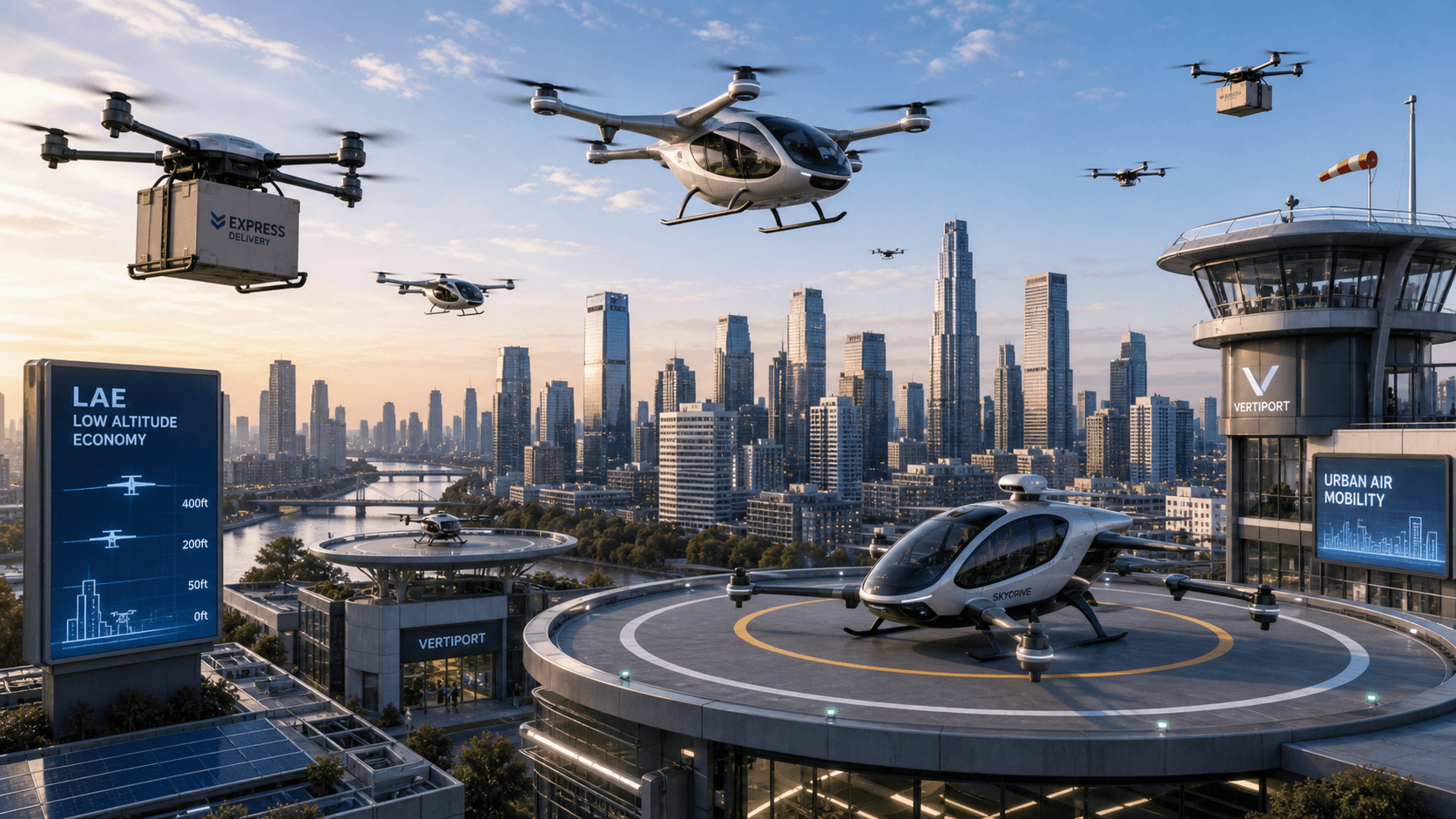
Low-Altitude Economy Experiences Rapid Growth with Logistics Drones and eVTOL Aircraft
The low-altitude economy is entering a significant growth phase as logistics drones, eVTOL aircraft, and airspace management systems converge. This convergence is marked by the commercialization of delivery drones and inspection robots, which are at the forefront of this emerging market. This development is crucial as it signifies an inflection point for the industry, highlighting the increasing demand for efficient logistics solutions and advanced airspace management. The integration of these technologies is expected to enhance operational capabilities and streamline delivery processes in various sectors. Looking ahead, stakeholders should monitor advancements in airspace management infrastructure and the deployment of logistics drones and eVTOL aircraft. No further timeline was disclosed at the time of publication.
Industry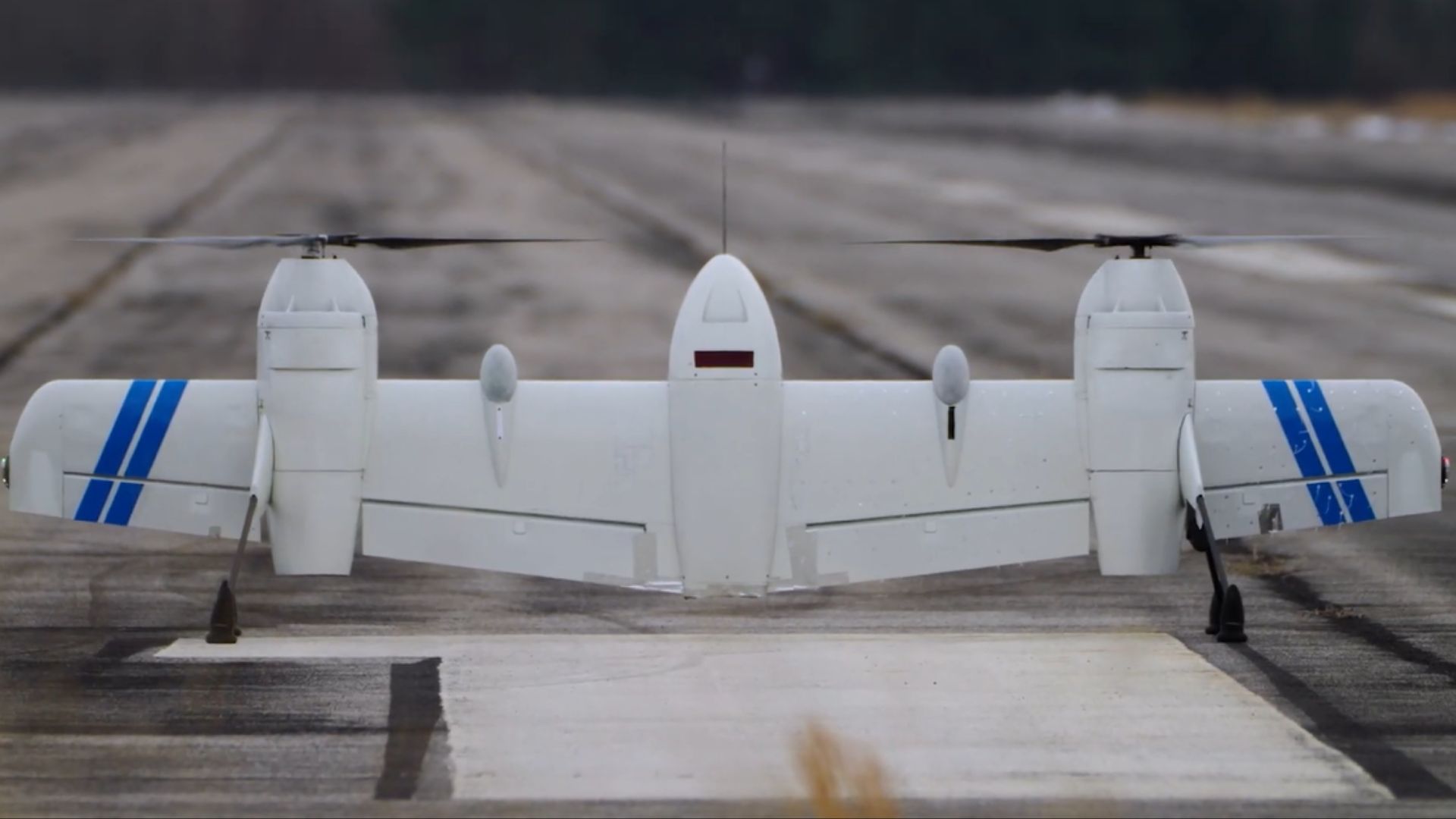
Sikorsky's Nomad 100 Drone Advances with Successful Flight Tests for Military Operations
Sikorsky has initiated flight testing for its Nomad 100 uncrewed aircraft, marking a significant milestone in the DARPA-supported Early VTOL Aircraft Demonstration (EVADE) program. The aircraft is designed for operations without runways, enabling it to launch from remote locations and support various military missions, including logistics and reconnaissance. The Nomad 100's unique rotor-blown wing architecture allows it to combine vertical lift with fixed-wing performance, providing military operators with enhanced flexibility in environments lacking prepared runways. This capability is crucial for missions in contested areas, and the aircraft can operate in adverse weather across land and maritime settings. Looking ahead, Sikorsky plans to conduct more rigorous flight evaluations at a government facility to assess the Nomad 100's performance across diverse mission profiles. The ongoing development of the aircraft aligns with Sikorsky's commitment to advancing autonomous technology for military applications, as emphasized by Rich Benton, the company's vice president and general manager.
Military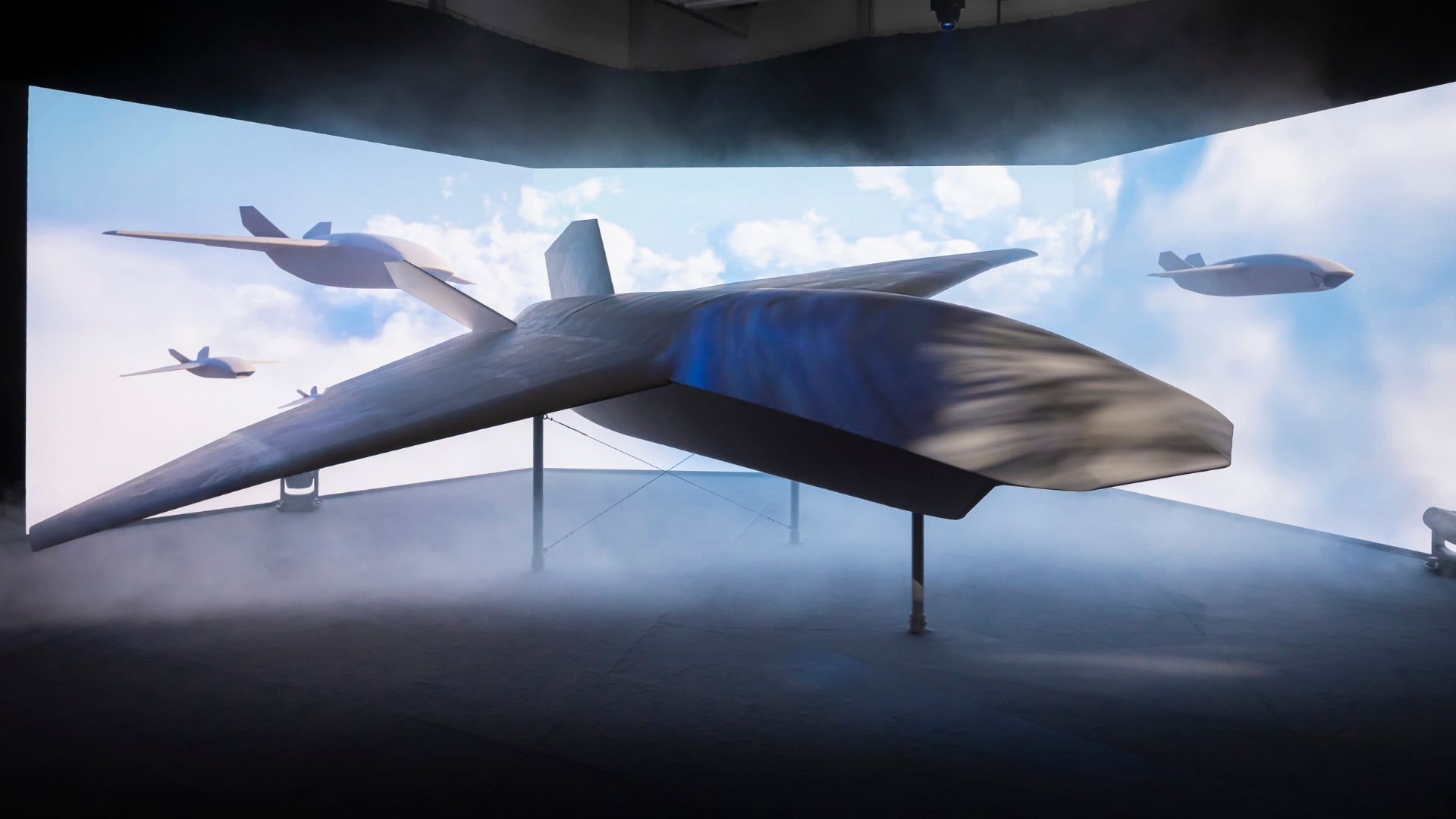
BAE Systems Unveils UK's First Autonomous Combat Drone, Brontanax, at Farnborough Airshow
BAE Systems has launched the UK's first autonomous Collaborative Combat Aircraft (CCA), named Brontanax, at the Farnborough International Airshow. This aircraft is designed to operate alongside crewed fighter jets like the Eurofighter Typhoon, enhancing combat capabilities through missions such as electronic warfare and precision strikes. The introduction of Brontanax is significant as it represents a major advancement in the UK's defense strategy, supported by a £300 million investment from the government through the Storm Fighter program. This initiative aims to establish a sovereign CCA capability for the Royal Air Force, positioning the UK as a leader in next-generation combat aviation in Europe. Looking ahead, ground testing of Brontanax will commence at BAE Systems' Warton facility, with flight trials expected to begin in UK airspace next year. If development proceeds as planned, the aircraft could be operational with the Royal Air Force by the end of the decade, marking a pivotal moment in military aviation technology.
Military
Seven AI Technologies Enhancing Military Drone Swarms' Intelligence and Effectiveness
Military drone swarms are becoming a pivotal advancement in autonomous warfare, enabling multiple unmanned systems to operate collectively rather than individually. This capability is heavily reliant on artificial intelligence, which aids drones in interpreting sensor data, navigating complex environments, and communicating effectively, thereby reducing the burden on human operators. The significance of these advancements lies in their ability to enhance operational resilience. Swarm intelligence allows drones to function as a coordinated unit, utilizing decentralized algorithms to manage interactions, maintain formations, and adapt to challenges, inspired by natural collective behaviors. Programs like DARPA’s OFFSET have explored these concepts, demonstrating how autonomous systems can collaborate in intricate missions, particularly in urban settings. Looking ahead, the integration of edge AI technology is crucial for military drone swarms. This innovation enables drones to process data onboard, ensuring functionality even when connectivity to command centers is compromised. As these technologies evolve, their impact on military operations and strategies will be significant, with ongoing developments to watch closely.
AI and Robotics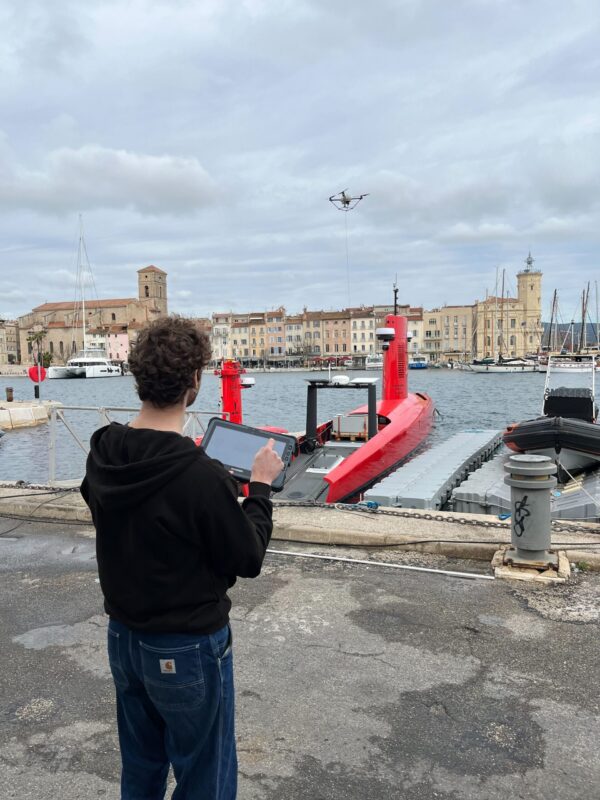
Elistair and Exail Collaborate on Tethered Drone Maritime Surveillance for Autonomous Vessels
Elistair has partnered with Exail to integrate its Khronos DroneBox with Exail's DriX unmanned surface vessel, enabling tethered drone maritime surveillance. This collaboration allows operators to maintain a persistent aerial view from shore, enhancing capabilities for naval, coast guard, and port security operations. The integration of the Khronos DroneBox with the DriX vessel marks a significant advancement in maritime surveillance technology. The tethered drone can operate for up to 24 hours at a height of 60 meters, providing real-time, encrypted video feeds even in challenging environments. This capability extends surveillance beyond traditional surface radar limits, making it ideal for various applications including coastal surveillance and search and rescue missions. Looking ahead, the partnership between Elistair and Exail is expected to evolve as they explore further applications of the Khronos system in maritime contexts. No further timeline was disclosed at the time of publication.
Drone News Drone News Feeds News safety and security seadrones Security
HYFIX CEO Discusses U.S. Drone Technology Development on Drone Radio Show
In a recent episode of the Drone Radio Show, Mike Horton, CEO of HYFIX, discussed the challenges facing U.S. drone technology. He highlighted the U.S. government's restrictions on foreign drone technology, emphasizing the need for domestic alternatives that are not yet fully developed. Horton pointed out that fragmented drone systems pose significant security and supply chain risks, making the case for integrated, U.S.-made systems as essential for the future of autonomy. This perspective underscores the importance of developing robust domestic capabilities in the drone sector. Looking ahead, the conversation raises critical questions about the pace of innovation in U.S. drone technology and the regulatory landscape. No further timeline was disclosed at the time of publication.
Drone Manufacturing Drone News Drone News Feeds drone technology News Podcast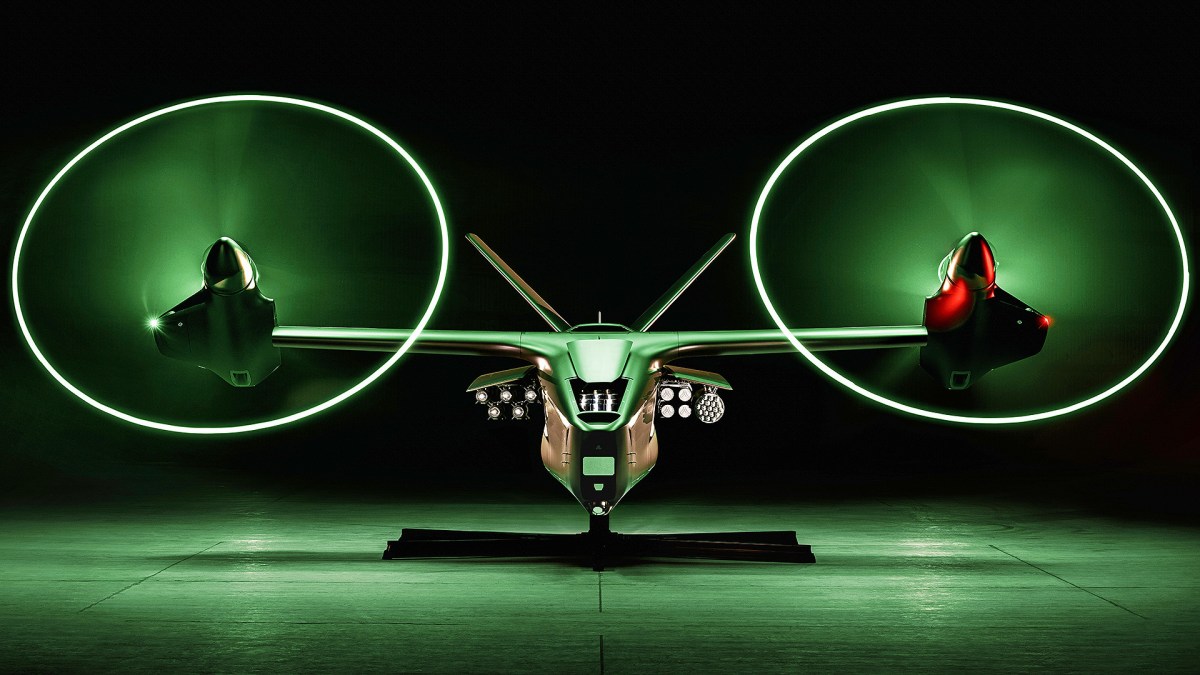
Anduril Unveils Thunder, an Autonomous Tiltrotor Attack Drone Concept
Anduril has introduced Thunder, a hybrid-electric tiltrotor combat drone developed in collaboration with Archer Aviation. Designed as a highly autonomous pilotless wingman, Thunder aims to operate alongside crewed helicopters like the AH-64 Apache, enhancing target acquisition and defense capabilities against air-to-air drone threats. This development is significant as it addresses critical operational gaps in modern warfare, allowing human pilots to engage from a safer distance while Thunder performs close-in defense. The drone's capabilities are expected to improve mission effectiveness in future conflicts, with a first flight planned for next year and potential full-scale production by the end of the decade. Looking ahead, the commercial version of Thunder is also in development, with Archer Aviation set to provide further details soon. As the drone is designed to operate at low altitudes, it is positioned to complement existing military aircraft, enhancing the U.S. Army's aerial capabilities in complex operational environments.
News & Features Air Drones Loyal Wingman Unmanned
L3Harris and Shield AI Achieve Milestone with First Autonomous DiSCO EW Drone Flight
L3Harris Technologies and Shield AI have successfully completed the inaugural live flight trial of their Distributed Spectrum Collaboration and Operations (DiSCO) system. This achievement marks a significant step in the development of autonomous electronic warfare capabilities. The successful flight trial is crucial as it demonstrates the potential of the DiSCO system to enhance operational effectiveness in electronic warfare. By leveraging advanced technologies, this collaboration aims to improve situational awareness and decision-making in complex environments. Looking ahead, industry stakeholders will be keen to observe further developments and potential applications of the DiSCO system in military operations. No further timeline was disclosed at the time of publication.
News
Blue Water Autonomy and Saildrone Sue Navy Over MUSV Marketplace Proposals
Blue Water Autonomy and Saildrone have initiated legal action against the U.S. Navy, asserting that their submissions met the requirements for the new MUSV marketplace. The lawsuits highlight the companies' contention that their proposals were compliant with the Navy's specifications, which is crucial for their competitive positioning in the defense sector. This legal dispute is significant as it underscores the challenges faced by companies in meeting military procurement standards and the implications of such lawsuits on future contracts. The outcome could influence how the Navy evaluates proposals and the overall dynamics of the MUSV marketplace, which is vital for advancing unmanned surface vehicle technologies. As the case unfolds, stakeholders should monitor the Navy's response and any potential changes to the MUSV marketplace criteria. The resolution of this dispute may set precedents for future engagements between defense contractors and military branches, impacting the broader landscape of defense procurement.
Naval Warfare Blue Water Autonomy Drones MUSV Navy Saildrone
Commercial UAV Expo to Feature FAA and EASA BVLOS Keynote in 2026
The Commercial UAV Expo has announced a significant keynote for its 2026 event, featuring regulators from the FAA and EASA. Scheduled for September 3, 2026, in Las Vegas, the session titled "Two Skies, One Conversation" will focus on comparing BVLOS regulations across the U.S. and Europe. This keynote is crucial as it highlights the ongoing efforts to harmonize drone operations globally. With the FAA finalizing its Part 108 BVLOS rule and EASA developing its SORA-based framework, the discussion will provide insights into the evolving regulatory landscape and the shared challenges faced by the commercial drone industry. Attendees can expect to gain valuable knowledge on operational waivers, risk assessment frameworks, and the future of BVLOS rulemaking. This event marks a rare opportunity to witness a collaborative dialogue between two leading aviation authorities, emphasizing the importance of international cooperation in the drone sector.
Drone News Drone News Feeds Drone Shows FAA News Regulation
Tesseract Ventures Selected for Pentagon's Autonomous Drone Delivery System Prototype Program
Tesseract Ventures, a Kansas City-based robotics and drone company, has been chosen by the Defense Innovation Unit (DIU) to participate in a prototype program aimed at enhancing the U.S. military's use of autonomous drones. This initiative, known as the Containerized Autonomous Drone Delivery System (CADDS), focuses on deploying unmanned aerial systems in challenging environments with limited infrastructure. The CADDS project represents a significant advancement for Tesseract Ventures, as it seeks to transition from single-operator drone control to a system where one individual can manage multiple drones simultaneously. This approach aims to improve operational efficiency and reduce the personnel required for drone missions, aligning with the Pentagon's goal of utilizing unmanned systems more extensively in military operations. Looking ahead, Tesseract Ventures will demonstrate its NOMAD modular autonomous platform as part of the prototype project. This platform is designed to facilitate the deployment, launch, recovery, and management of multiple drones from transportable containers. No further timeline was disclosed at the time of publication.
Military
SYNDÉO Introduces SmartVault Drone Base for Underground Autonomous Flight Solutions
SYNDÉO, a Verona, Wisconsin-based infrastructure company, is advocating for underground drone bases, specifically its SmartVault Drone Base, designed for critical missions like infrastructure inspection and border security. This innovative subsurface station features a load-bearing hatch for drone charging, secure storage, and advanced AI capabilities, distinguishing it from conventional above-ground systems. The significance of SYNDÉO's approach lies in its focus on mission-critical applications, providing a secure and efficient environment for drones. Founder Gary Henshue emphasizes that while other drone docks exist, the SmartVault integrates essential features such as thermal management and backup power, catering to the unique demands of autonomous flight operations. Looking ahead, SYNDÉO aims to expand its market presence after a decade in the infrastructure sector. The company previously engaged in smart city initiatives, including a notable project in Austin, Texas. As interest in smart city solutions fluctuates, the future adoption of SmartVault technology will be pivotal for enhancing urban infrastructure and drone operations. No further timeline was disclosed at the time of publication.
Drone News Dual Use News Smart Cities autonomous drones autonomous flight
FAA Grants Approval for Drone Amplified's MONTIS Avalanche Control System
The Federal Aviation Administration (FAA) has approved Drone Amplified's MONTIS drone system for avalanche control, paving the way for its use by transportation agencies and ski resorts. This approval allows operators to deploy explosive charges remotely, enhancing safety by keeping personnel away from hazardous areas while still effectively managing avalanche risks. The significance of this approval lies in its potential to improve avalanche mitigation strategies. The MONTIS system offers an alternative to traditional methods such as helicopters and ground teams, providing flexibility in operations, especially in challenging weather conditions. This innovation aims to protect communities and maintain critical transportation routes during winter. Looking ahead, the integration of the MONTIS system into existing avalanche control programs could lead to safer operations in mountain communities and ski areas. While it will not replace traditional methods, it offers a valuable tool for agencies to enhance their response to avalanche threats. No further timeline was disclosed at the time of publication.
News
Civil Liberties Groups Urge FAA to Amend Drone Rule to Protect Journalism
A coalition of civil liberties organizations, including the ACLU and EFF, is advocating for amendments to a proposed FAA rule that could limit drone flights over critical infrastructure. They argue that overly broad restrictions could hinder independent journalism and the use of drones for news-gathering. The FAA has extended the comment period for the proposed rule, which has garnered significant public feedback, highlighting the need for a balance between security and journalistic freedom. The proposed Section 2209 of the FAA Extension, Safety and Security Act of 2016 aims to allow facilities like prisons and nuclear plants to impose flight restrictions. However, the ACLU and other groups warn that such measures could create a confusing landscape of regulations that stifles First Amendment-protected activities. They emphasize the importance of considering journalistic uses of drones in the rule-making process. As the FAA continues to receive comments on the proposed rule, the implications for drone journalism remain a critical concern. Advocacy groups have pointed to past instances where drone footage has exposed wrongdoing, underscoring the need for protections that allow journalists to operate freely while addressing legitimate security concerns. No further timeline was disclosed at the time of publication.
Drone News Drone News Feeds FAA Feature 1 News Selected - FAA and RegulationsRobotics needs a service framework.
RSF defines a common language for robot service capability, lifecycle operations, certification pathways, and service-provider networks.
Join the RobotToday community on LinkedIn
Daily robotics news, in-depth analysis, conference highlights, and discussions with professionals worldwide.