Industry Briefing
A single destination for timely, editor-curated robotics news from around the world.
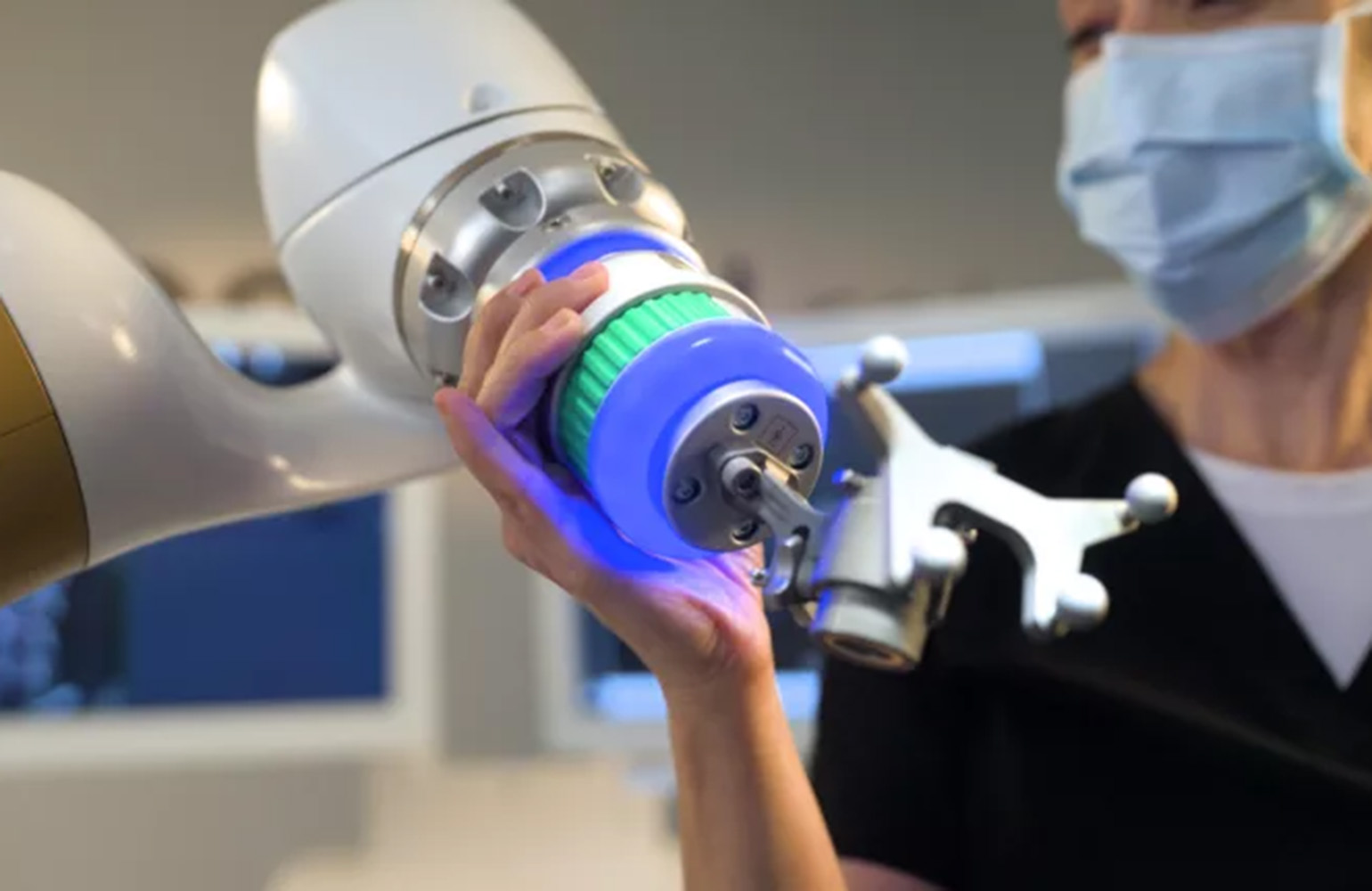
Enovis to Acquire eCential Robotics for Over $180 Million to Enhance Surgical Technology
Enovis Corp. has announced a binding offer to acquire eCential Robotics for approximately €155 million, exceeding $180 million. This acquisition aims to integrate eCential's modular surgical robotics platform into Enovis' ASTRA technology platform, enhancing its capabilities in orthopedic surgery. The addition of eCential's robotic technology is significant as it aligns with Enovis' strategy to provide surgeons with diverse technological options. CEO Damien McDonald emphasized that this move will strengthen their market position and expand strategic opportunities in robotic-assisted surgery, addressing evolving market demands. Looking ahead, Enovis plans to finalize the acquisition by the end of 2026, with an initial payment of €176 million and potential additional payments based on performance milestones. The integration of eCential's expertise is expected to accelerate the development of next-generation robotic solutions, particularly in knee and shoulder surgeries, within the next two years.
Financial Healthcare Robotics Markets / Industries Mergers & Acquisitions News Robots / Platforms
Enovis Acquires eCential Robotics for €155 Million to Enhance Surgical Orthopedic Robots
Enovis announced its acquisition of eCential Robotics for €155 million (approximately $180 million) to advance the development of surgical robots for orthopedic procedures. This strategic move aims to close a competitive gap and formalize an existing collaboration with eCential, which previously developed Johnson & Johnson's Velys Spine surgical robot. Enovis plans to launch a knee robot in late 2028 and a shoulder robot in 2029, enhancing its Astra enabling technology system with robotics capabilities. The acquisition is significant as it positions Enovis to compete more effectively in the orthopedic surgical robot market, where rivals like Johnson & Johnson and Stryker are already active. Enovis CEO Damien McDonald emphasized that integrating robotics technology is crucial for the company's long-term growth strategy. The planned knee and shoulder robots are expected to feature unique capabilities, including a robotic arm with seven degrees of freedom, setting them apart from existing offerings in the market. Looking ahead, Enovis aims to leverage eCential's expertise to accelerate product development and respond more effectively to clinician needs. The acquisition includes an upfront payment and potential milestone payments totaling up to €35 million, contingent on the successful development of the new devices. No further timeline was disclosed at the time of publication.
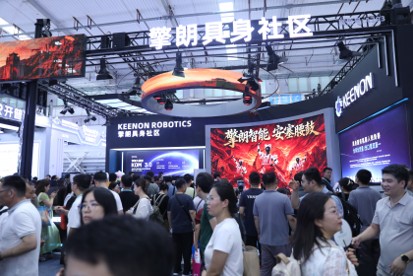
Keenon Robotics Unveils KOM 3.0 Model at 2026 World Robot Conference in Beijing
From August 19 to 23, 2026, the World Robot Conference (WRC) took place at the Yichuang International Exhibition Center in Beijing. The event, themed 'Human-Machine Symbiosis, Integration of Production and Demand,' featured over 300 exhibitors and more than 2,000 exhibits. Keenon Robotics showcased its XMAN series humanoid robots alongside specialized robots for delivery and cleaning, creating an 'embodied community' that demonstrated the capabilities of the KOM 3.0 model. The KOM 3.0 model represents a significant advancement in intelligent robotics, enabling robots to autonomously execute long-range tasks with a closed-loop system. This model integrates a latent space world model within its service industry VLA architecture, allowing robots to not only perceive and understand their environment but also to predict and make decisions before taking action. This leap towards a 'predict-decision-execute' framework enhances the robots' operational efficiency and reliability. Looking ahead, Keenon Robotics aims to further commercialize humanoid robots, emphasizing the importance of real-world application over mere demonstrations. The company has established itself as a leader in the service robotics sector, with over 100,000 units shipped globally. No further timeline was disclosed at the time of publication.
Service Robots AI Robotics Automation
DFA Robotics' KEENON W3 Reduces 330 Hours of Work Annually at Jikei University Hospital
DFA Robotics announced on August 4, 2026, the operational results of the KEENON W3 delivery robot at Jikei University Hospital in Kashiwa. The robot has replaced manual transportation of specimens and medications, achieving a reduction of over 330 hours of work annually in departments such as internal medicine and the pharmacy. A staff survey indicated that approximately 90% of respondents felt they had more time to focus on their primary duties. This implementation is significant as it addresses the increasing demand for healthcare services, projected to rise by 75% for emergency transport and 62% for home care by 2040, while the working-age population continues to decline. With new regulations on overtime for physicians starting in April 2024, healthcare facilities are challenged to create environments that allow professionals to concentrate on essential tasks. Since its full implementation in June 2025, the KEENON W3, affectionately known as 'Carry' within the hospital, has been utilized for transporting specimens and medications across three routes. The hospital is now exploring further optimization of operations, including multi-floor transportation and expanded departmental use, as interest grows from other areas of the facility.

Lenovo Capital Expands Investment Strategy to Focus on Robotics and AI Agents
Lenovo Capital, the venture capital division of Lenovo Group, is intensifying its investment in artificial intelligence, particularly in robotics and AI agents. This strategic shift aims to capitalize on the upcoming industrial cycle, moving beyond foundational AI models to encompass a broader range of technologies, including computing infrastructure. The significance of this move lies in Lenovo Capital's commitment to long-term investments in over 100 AI companies across various sectors. This includes investments in chips, hardware infrastructure, and AI applications, as highlighted by Song Chunyu, chief investment officer and senior partner at Lenovo Capital. The focus on robotics and AI agents indicates a strategic pivot towards emerging technologies that are expected to play a crucial role in future industrial advancements. Looking ahead, industry observers should monitor Lenovo Capital's ongoing investments and partnerships in the robotics sector, as well as its impact on the broader AI landscape. No further timeline was disclosed at the time of publication.
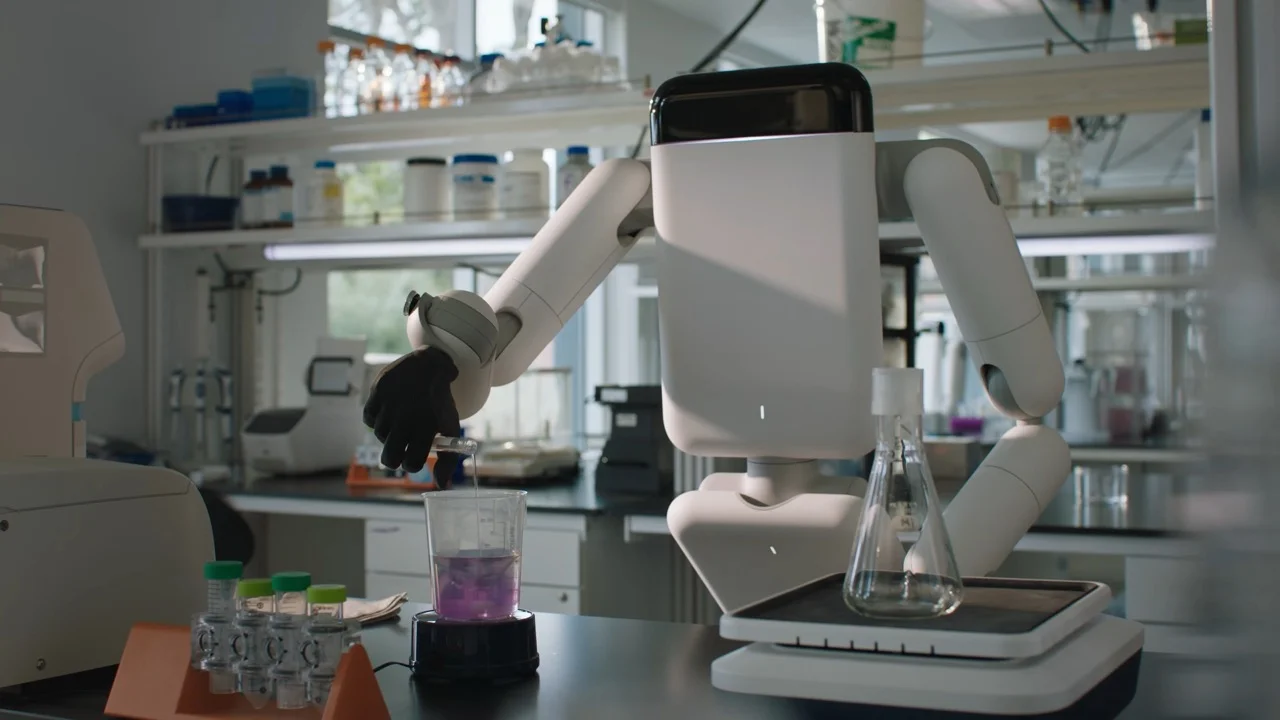
Genesis AI Launches Eno: A Unique Minimalist Robot Redefining Automation Design
Genesis AI has unveiled its first general-purpose robot, Eno, which diverges from traditional humanoid designs. Instead of mimicking human form, Eno features a minimalist design that enhances human capabilities. CEO Zhou Xian emphasizes that valuable robots require intentional design and integrated systems, resulting in a product that resembles a high-end appliance rather than a humanoid. Eno's design includes a wheeled base and a central tower of articulated panels, allowing for dynamic height adjustment and compact storage. Unlike typical humanoid robots, Eno lacks a traditional head but offers a chest-mounted cognitive interface that displays its AI's intent and operational state, fostering trust with users. Its arms feature proprietary dexterous hands co-developed with Wuji Tech, boasting 22 degrees of freedom and safety for close human interaction. Eno operates on GENE, Genesis AI's robotics-native foundation model, enabling it to function as a true physical agent. This system allows Eno to understand high-level objectives, adapt to environments, and manage workflows actively. Genesis AI is enhancing Eno's intelligence through its Genesis World 1.0 simulation platform, which aims to bridge the gap between simulation and real-world application.
GEN-1 genesis-ai
Enhancing Robot Automation: The Need for Advanced Machine Vision Beyond Object Detection
In modern manufacturing, a significant gap exists between object detection and robotic action. While artificial vision software can identify components with high accuracy, robotic arms often remain inactive due to insufficient spatial information. This highlights the necessity for engineering teams to focus on spatial calibration and deep sensor integration to enhance automation efficiency. The demand for streamlined production processes drives the need for machines that can handle parts with minimal pre-sorting. This requirement emphasizes the importance of transforming raw camera data into actionable commands through a multi-stage process, which includes classifying, locating, and estimating the position of objects in 3D space. The integration of Six Degrees of Freedom (6DoF) tracking is crucial for accurate robotic movements. Looking ahead, the industry must adopt a dynamic approach to calibration, treating it as an ongoing process rather than a one-time task. By utilizing automated calibration routines, manufacturers can ensure the reliability of their robotic systems over time, particularly in complex environments where traditional 2D vision systems fall short. No further timeline was disclosed at the time of publication.

Baidu's Apollo Go Launches Robotaxi Trials in London with FREENOW and Uber
FREENOW, a European mobility platform owned by Lyft, has partnered with Baidu’s Apollo Go to initiate robotaxi testing in London, UK. This deployment signifies the first instance of a Chinese autonomous vehicle conducting real-world road tests in London's intricate traffic conditions, with Uber also confirming the operation of Apollo Go vehicles on public roads. The significance of this development lies in Apollo Go's expansion into right-hand-drive markets, following its initial launch in Hong Kong. The test fleet will utilize Apollo RT6 robotaxis, which will have safety operators on board during the trials. Initial testing will occur in Brent, a borough of London that features both urban and suburban driving environments. Looking ahead, FREENOW and Apollo Go aim to start offering rides to the public in 2027. This milestone will be crucial in assessing the viability of autonomous vehicles in complex urban settings and could pave the way for broader adoption of robotaxi services in the UK and beyond.
News Feed
Baidu Begins Testing Robotaxis in London with Lyft and Freenow Partnership
Baidu has commenced testing its autonomous vehicles in London, collaborating with Lyft and Freenow. This initiative follows a strategic partnership established nearly a year ago to deploy Baidu's Apollo Go RT6 robotaxi across Europe via Lyft's platform. The testing, which started with human safety operators, marks a significant step towards commercial robotaxi services in the UK. The move is crucial as London emerges as a competitive landscape for robotaxi services, with other companies like Waymo and Uber also testing autonomous vehicles in the city. Baidu and Freenow aim to have their robotaxis available for public use by 2027, contingent on regulatory approval. The UK government is actively developing regulations for autonomous vehicles, which will influence the timeline for these services. As testing progresses, Baidu and Freenow are engaging with local authorities, including Transport for London, to ensure compliance and safety. The planned service will feature a hybrid network, integrating human drivers with robotaxis, emphasizing the importance of supporting professional drivers in the evolving transportation landscape.
Transportation Baidu Lyft robotaxis
A Ground Mobile Robot for Autonomous Terrestrial Laser Scanning‐Based Field Phenotyping
A recent study published in the Journal of Field Robotics highlights advancements in autonomous navigation systems for drones, showcasing their potential applications in various industries. Conducted by a team of researchers from leading universities, the study was released in early October 2023. The research took place in multiple test environments, including urban areas and rural landscapes, to evaluate the drones' performance in diverse conditions. The motivation behind this study stems from the increasing demand for efficient and reliable drone technology in sectors such as agriculture, logistics, and disaster response. By enhancing the drones' ability to navigate complex terrains and avoid obstacles, the researchers aim to improve operational safety and effectiveness. The team employed a combination of machine learning algorithms and real-time data processing to develop a robust navigation framework. This innovative approach allows drones to make autonomous decisions based on their surroundings, significantly reducing the need for human intervention. The findings suggest that these advancements could lead to more widespread adoption of drones, ultimately transforming how various industries operate. As the technology continues to evolve, the researchers emphasize the importance of ongoing testing and refinement to ensure that these autonomous systems can be safely integrated into everyday use. The study not only contributes to the academic field but also sets the stage for practical applications that could enhance efficiency and safety across multiple sectors.
RESEARCH ARTICLE
Tesla Finally Built Enough Cars, but Wall Street Wants Robots Now
Tesla has achieved a significant milestone by delivering 480,126 vehicles in the second quarter of 2026, surpassing analysts' expectations of approximately 406,600 units. This marks a 25% increase compared to the same period last year and a 34% rise from a lackluster first quarter. The success was largely driven by the popularity of the Model 3 and Model Y, which accounted for 97% of the deliveries. Additionally, Tesla's energy sector reported the deployment of 13.5 GWh of batteries, exceeding projections as well. Despite these impressive figures, Tesla's stock fell by 8%, highlighting a disconnect between the company’s operational success and investor sentiment. This decline is attributed to ongoing concerns among buyers regarding CEO Elon Musk's political views and the recent expiration of the federal electric vehicle tax credit, which has affected consumer interest. As Tesla emerges from two years of declining sales, this quarter is seen as a pivotal comeback, yet Wall Street's focus has shifted towards the company's potential in robotics, indicating a desire for innovation beyond vehicle production.
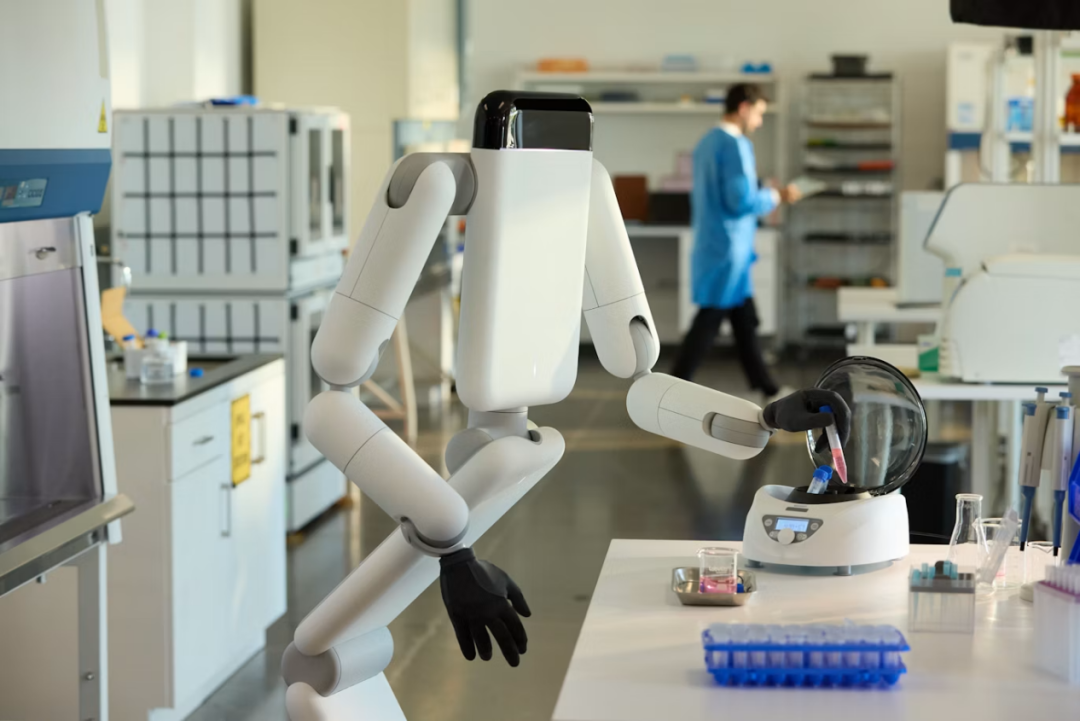
Genesis AI Launches Unique Non-Human Robot Eno Backed by Former Google CEO
Genesis AI, a French startup backed by former Google CEO Eric Schmidt, has introduced Eno, a non-humanoid robot engineered for practical use in various industries. Unveiled recently, Eno distinguishes itself from traditional humanoid robots with its wheeled base and foldable panels, emphasizing mobility and adaptability for tasks in manufacturing and logistics. The startup's mission is to transform robotic design by prioritizing functionality over human-like features, aiming to enhance efficiency in real-world applications.
Robotics AI Industrial Automation Non-Humanoid Robots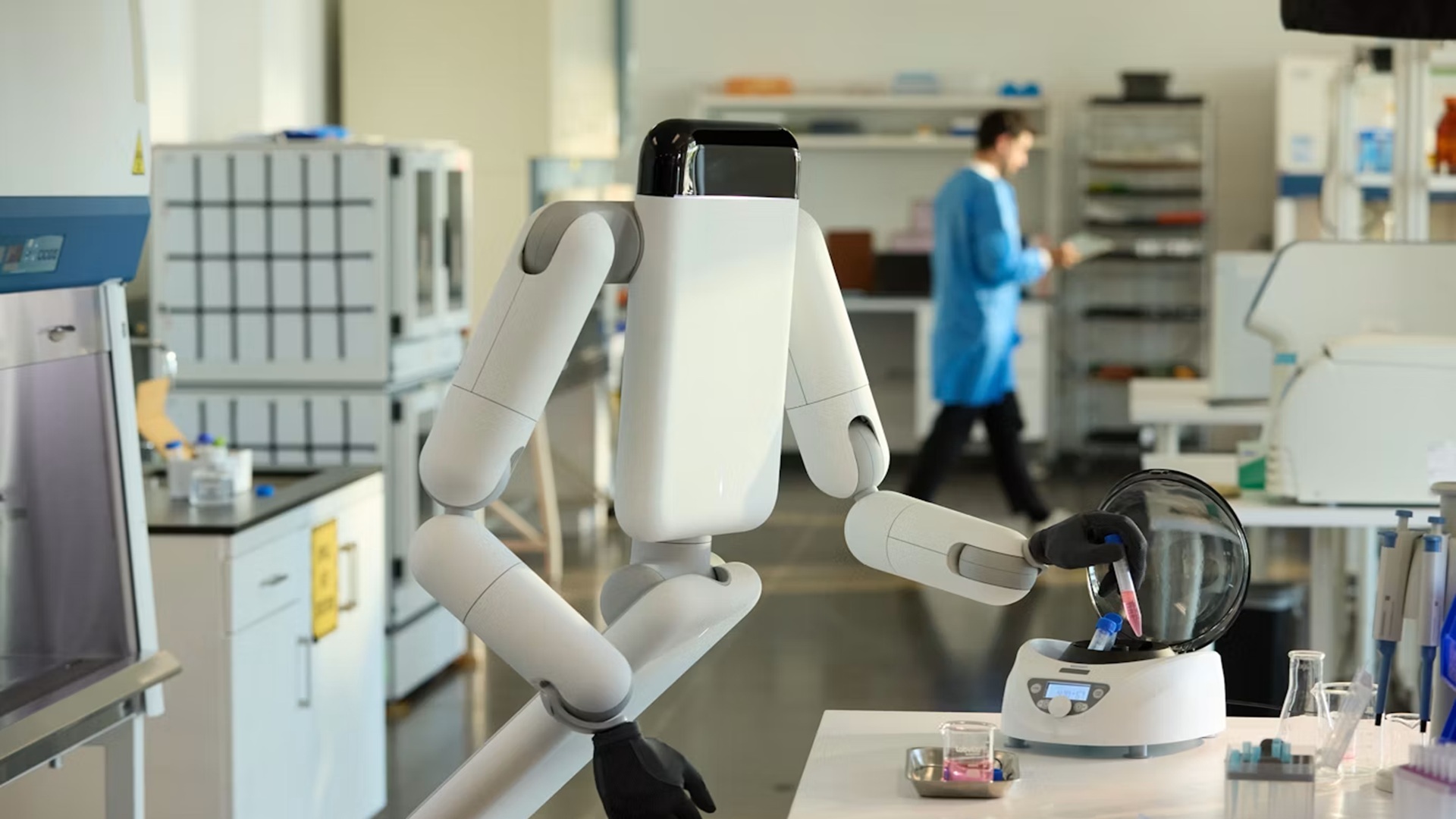
Eno humanoid robot aims to become the general-purpose machine for every workplace
Genesis AI has introduced Eno, its inaugural general-purpose robot, marking a significant step in the company's ambition to advance robotics technology. The unveiling took place recently, showcasing Eno's capabilities designed to perform a variety of tasks across different sectors. This launch is part of Genesis AI's broader strategy to innovate and integrate artificial intelligence into everyday applications, aiming to enhance efficiency and productivity in various industries. By leveraging cutting-edge technology, Eno is expected to address diverse needs, from automation in manufacturing to assistance in healthcare. The development of this robot reflects the growing trend in the tech industry towards creating versatile AI-driven solutions that can adapt to multiple environments and challenges.
AI and Robotics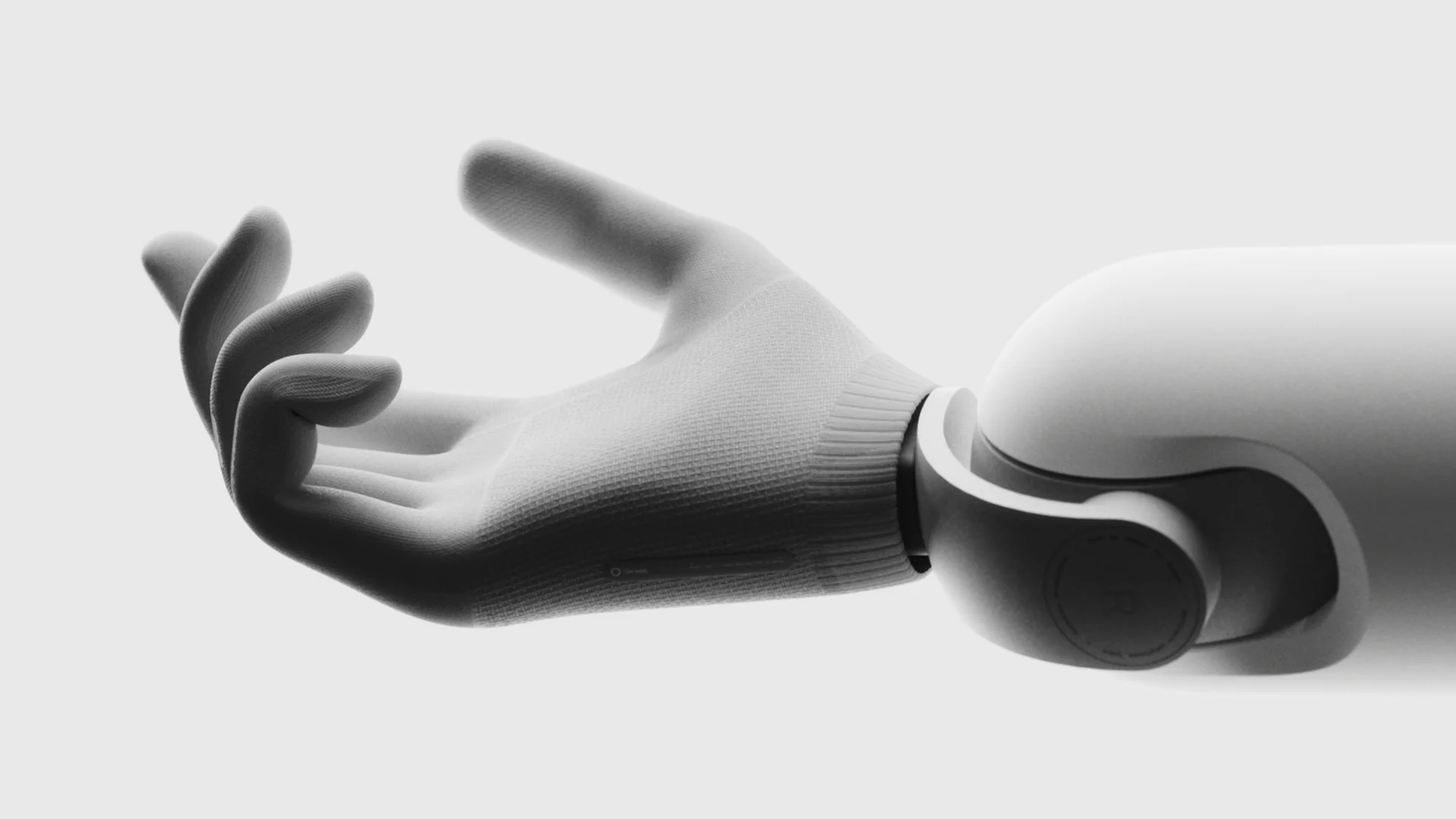
Genesis AI Launches Company’s First General-Purpose Robot ‘Eno’
Genesis AI has introduced Eno, its inaugural general-purpose robot, which marks a significant advancement in robotics technology. The unveiling took place recently, showcasing Eno's innovative design that integrates proprietary hardware with GENE, the company's foundational robotics model. This combination enables Eno to execute a wide range of physical tasks, moving beyond the limitations of robots that are typically programmed for specific functions. Genesis AI aims to revolutionize the robotics landscape with this versatile approach, allowing for greater adaptability and efficiency in various applications.
AI AI Funding & Investment AI Use Cases Robotics Eno Gensis AI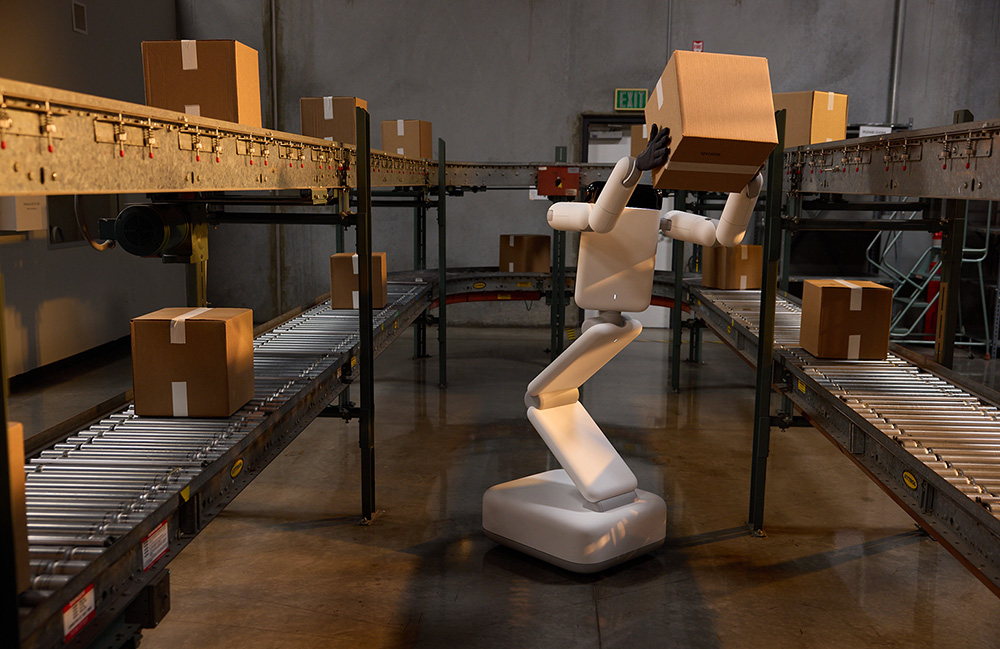
Genesis AI launches Eno general-purpose robot
Genesis AI has announced plans to commence production of its general-purpose robot, Eno, by the end of 2026. The company aims to initiate targeted customer deployments at that time, with plans for home deployments to follow subsequently. This strategic move reflects Genesis AI's commitment to advancing robotics technology and expanding its market presence in the growing field of automation.
Arms / Manipulators Artificial Intelligence Artificial Intelligence / Cognition Autonomous Mobile Robots (AMRs) Design / Development Grippers
Why Amphenol Is The Ultimate Pick-And-Shovel Play For The AI And Robotics Boom
Amphenol, a key player in the technology sector, is experiencing significant growth due to its provision of essential connectors and cable systems for artificial intelligence (AI), data centers, electric vehicles (EVs), and robotics. The company has reported an impressive organic growth rate exceeding 80% annually in its AI infrastructure segment, while the increasing adoption of robotics is anticipated to drive further demand for its products. Despite this rapid revenue and profit expansion, Amphenol's stock is currently trading at a forward price-to-earnings ratio of 26, which some analysts believe undervalues its high-growth and high-margin potential. Elina Selianska, a private investor with a decade of experience in the stock market, has assigned a "Buy" rating to Amphenol, advocating for a technology premium valuation and projecting a target price of over $144 in the near term. Selianska emphasizes the importance of understanding a company's long-term potential and its role in future markets, rather than solely relying on financial metrics. Her analysis aims to help investors grasp the underlying business value and its integration into the evolving economy.
APH APH:CA TEL APHU MU NVDA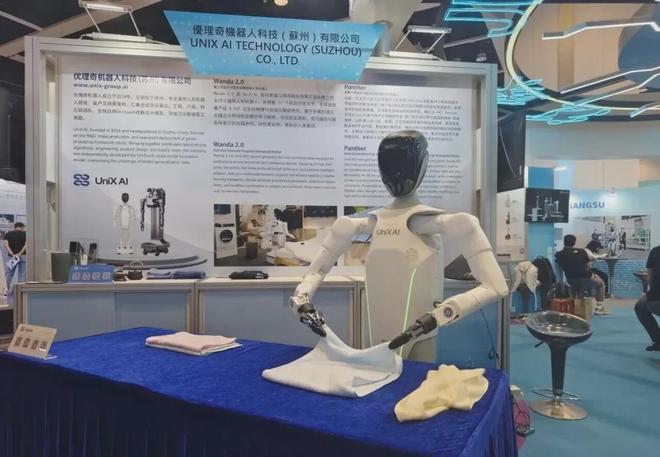
The UniX Phenomenon: When Chinese Robots Transition from Being 'Measured' to 'Measuring Others'
UniX AI, a Chinese robotics firm, is transforming the global view of Chinese robotics through its innovative development of humanoid robots designed for both home and commercial applications. The company has garnered substantial media attention and is making rapid advancements in technology, establishing itself as a significant contender in the dynamic robotics sector. By prioritizing user-friendly humanoid designs, UniX AI aims to enhance everyday life and improve service efficiency, thereby contributing to the growing acceptance and integration of robotics in various environments.
Humanoid Robots AI Robotics Industry Home Automation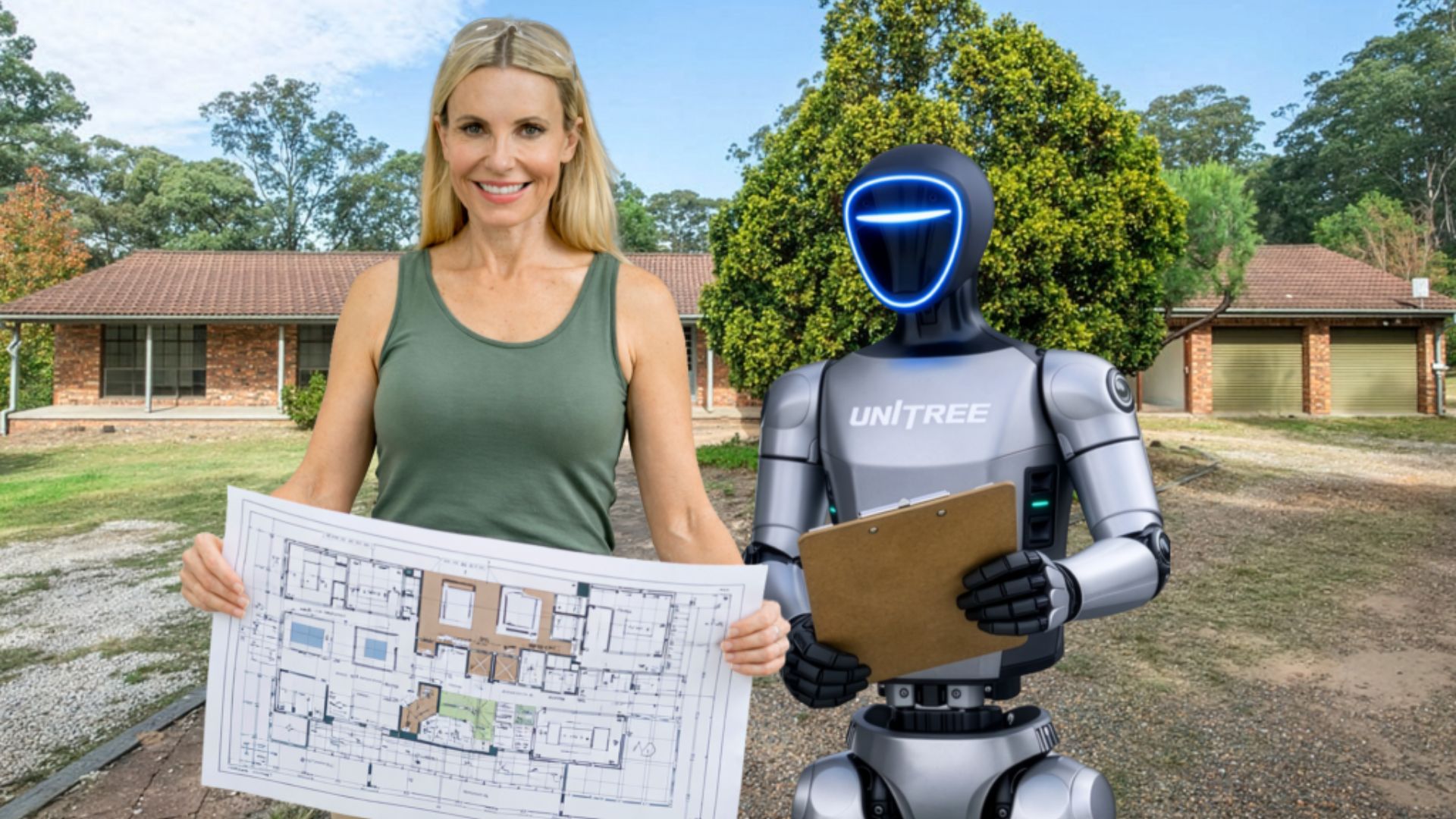
‘World-first’: Humanoid robot Tinnie to work as apprentice in renovation project
A humanoid robot is set to take on the role of a 'renovation apprentice' in a groundbreaking residential project aimed at revolutionizing home improvement. This innovative initiative, which will begin in early 2024, is located in a suburban neighborhood known for its commitment to integrating technology into everyday life. The project seeks to address the growing demand for skilled labor in the renovation sector, particularly as the industry faces a shortage of workers. By employing advanced robotics, the developers aim to enhance efficiency and reduce costs associated with home renovations. The robot will assist human workers by performing various tasks, such as measuring spaces and handling tools, thereby streamlining the renovation process. This collaboration between human expertise and robotic assistance is expected to set a new standard in the construction industry, showcasing how technology can effectively complement traditional labor.

KEENON Robotics Showcased Autonomous Cleaning Innovation at Interclean Amsterdam 2026
In response to ongoing labor shortages and increasing operational complexities facing the facilities management (FM) industry, KEENON has unveiled a new professional cleaning fleet designed to enhance autonomy, scalability, and efficiency. This innovative fleet aims to address the growing expectations for consistency in cleaning services. The launch reflects KEENON's commitment to providing solutions that meet the evolving needs of the industry, particularly as businesses seek to optimize their operations amidst these challenges. The introduction of this advanced cleaning technology is expected to streamline processes and improve service delivery, ultimately benefiting both service providers and their clients.

Performance Evaluation and Improvement for RGB‐D Cameras on High‐Throughput Phenotyping Robots
In a recent study published in the Journal of Field Robotics, researchers have explored advancements in robotic technology aimed at enhancing agricultural efficiency. The study, which appears in the May 2026 issue, highlights innovative methods for deploying autonomous robots in crop management. Conducted by a team of experts in robotics and agriculture, the research took place over several months at various test sites across the Midwest. The motivation behind this research stems from the growing need for sustainable farming practices that can meet the demands of an increasing global population. By integrating advanced robotics into agricultural processes, the team aims to reduce labor costs and improve crop yields while minimizing environmental impact. The researchers utilized a combination of machine learning algorithms and sensor technology to develop robots capable of performing tasks such as planting, monitoring crop health, and harvesting. Through rigorous field tests, they demonstrated that these robots could operate efficiently in diverse conditions, adapting to changes in weather and soil quality. This groundbreaking work not only showcases the potential of robotics in transforming agriculture but also addresses critical challenges faced by farmers today. As the agricultural sector continues to evolve, the findings from this study could pave the way for more widespread adoption of robotic solutions, ultimately contributing to a more sustainable and productive future for farming.
RESEARCH ARTICLE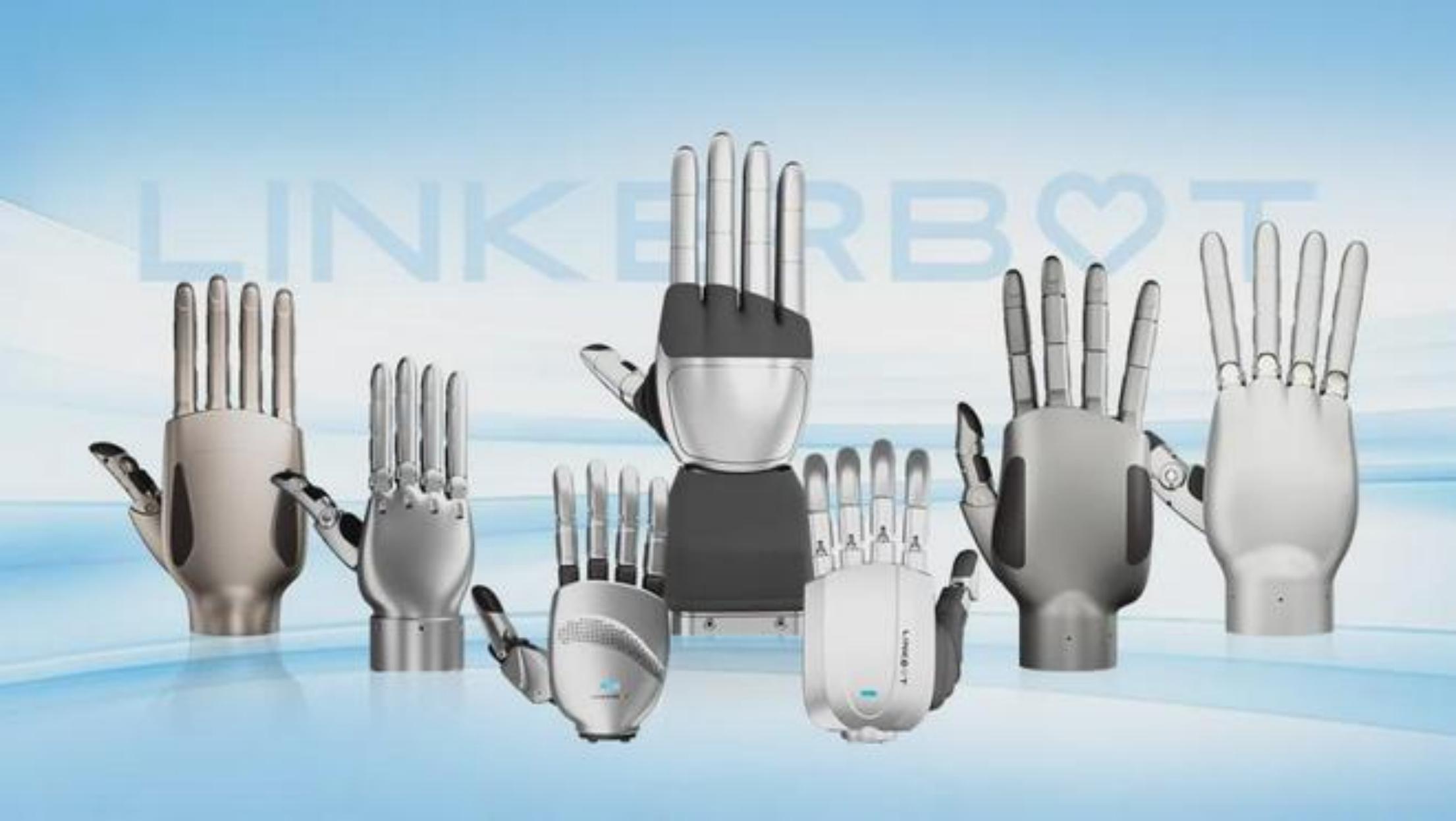
High Contrast & Technology Breakthrough: Behind the Billion-View Phenomenon of 'Hands' Bringing Robots into Everyday Life
Recent advancements in dexterous robotic hands are paving the way for their integration into everyday life, moving from mere demonstrations to practical applications. Experts predict that by 2026, these innovative technologies will see widespread adoption, driven by significant market growth and increasing demand for automation in various sectors. The evolution of these robotic hands showcases their potential to enhance productivity and efficiency, making them a vital component in the future of robotics. As industries continue to explore their capabilities, the impact of dexterous robotic hands is expected to reshape how tasks are performed, ultimately transforming both professional and personal environments.
Dexterous Robots Robotics Technology AI Automation
Scott Walter: Why Humanoid Robots Just Need to Be "Good Enough"
Dr. Scott Walter, a leading figure in robotic technology, has dedicated the past 40 years to exploring the convergence of virtual design and physical reality. In a recent interview, he shared insights on the current state of robotics, particularly focusing on Tesla’s Optimus humanoid robot. Walter discussed the challenges surrounding robotic hands, referencing the "Fermi paradox" to illustrate the complexities of creating effective robotic manipulation. He also addressed prevalent misconceptions regarding the safety of home robots, emphasizing that the industry is now poised to tackle issues that have persisted since 1985. This evolution in robotics is attributed to advancements in technology and a growing understanding of human-robot interaction, suggesting a promising future for the field.
Scott Walter Interview
KEENON Robotics drives intelligent transformation of service robot technology
KEENON Robotics, a Shanghai-based technology company founded in 2010, has transformed from a research-focused entity into a leading player in the service robotics sector over the past 15 years. The firm has successfully navigated significant technological challenges, enabling it to develop and implement its robotic solutions across multiple industries, particularly in dining and hospitality. This evolution reflects the company's commitment to innovation and its adaptability in a rapidly changing market. As KEENON continues to expand its product applications, it aims to enhance efficiency and service quality in various sectors, positioning itself as a key contributor to the future of automation.
Up and Comers Content and entertainment E-commerce and New Retail Highlight News
Lenovo debuts humanoid robot LeXiang No.1, pushing into embodied intelligence and AI
At the Tech World 2025 event held in Shanghai on Wednesday, Lenovo, a prominent Chinese PC manufacturer, introduced its inaugural humanoid robot, named LeXiang No.1, which the company referred to as a “silicon employee.” This launch marks Lenovo's strategic entry into the rapidly expanding field of embodied intelligence and artificial intelligence. The company aims to reshape its image from being solely a device manufacturer to a leader in intelligent agents, reflecting a broader trend in technology where AI-driven solutions are increasingly integrated into everyday life.
Heavy Hitters Content and entertainment E-commerce and New Retail Highlight News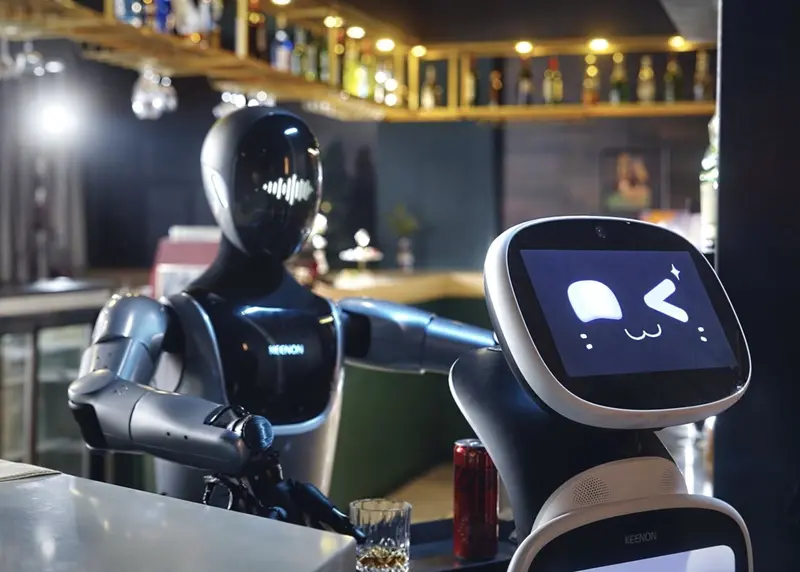
Video: KEENON Robotics Enters Humanoid Field with XMAN-R1, Expands Autonomous Cleaning Lineup
KEENON Robotics has introduced the XMAN-R1, its inaugural humanoid robot aimed at enhancing human interaction and collaboration with its existing line of commercial robots. This launch took place recently as part of the company's efforts to innovate within the service robotics sector. In addition to the XMAN-R1, KEENON also unveiled three new cleaning robots—KLEENBOT C20, C40, and C55—each designed to cater to various cleaning needs across different environments. This expansion of their product lineup underscores KEENON's commitment to providing a comprehensive range of automated solutions, enhancing efficiency and service capabilities in commercial settings.
Keenon XMAN-R1Robotics needs a service framework.
RSF defines a common language for robot service capability, lifecycle operations, certification pathways, and service-provider networks.
Join the RobotToday community on LinkedIn
Daily robotics news, in-depth analysis, conference highlights, and discussions with professionals worldwide.