Industry Briefing
A single destination for timely, editor-curated robotics news from around the world.
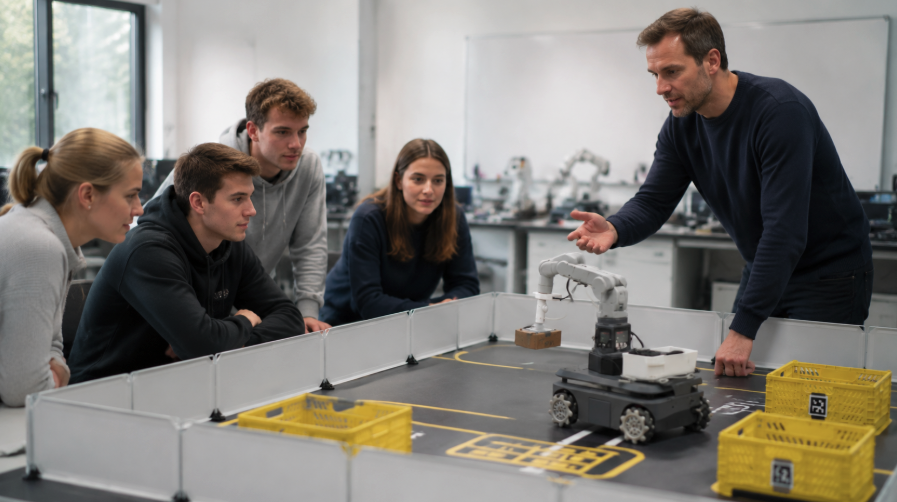
Empowering STEM Education and Research in the Americas: Elephant Robotics Introduces Integrated Educational Robotics Solutions
In recent years, STEM education has seen significant growth, fueled by a rising demand for practical engineering skills, artificial intelligence literacy, and interdisciplinary innovation. Despite this progress, schools, universities, and research laboratories continue to face challenges in creating effective robotics environments. Educators often struggle to integrate various components such as robotic arms, mobile platforms, sensors, and open-source software from multiple sources, complicating the development of comprehensive robotics programs. This ongoing issue highlights the need for streamlined solutions that can enhance the teaching and learning of robotics in educational settings.
Design Research Robotics AI education americas automation news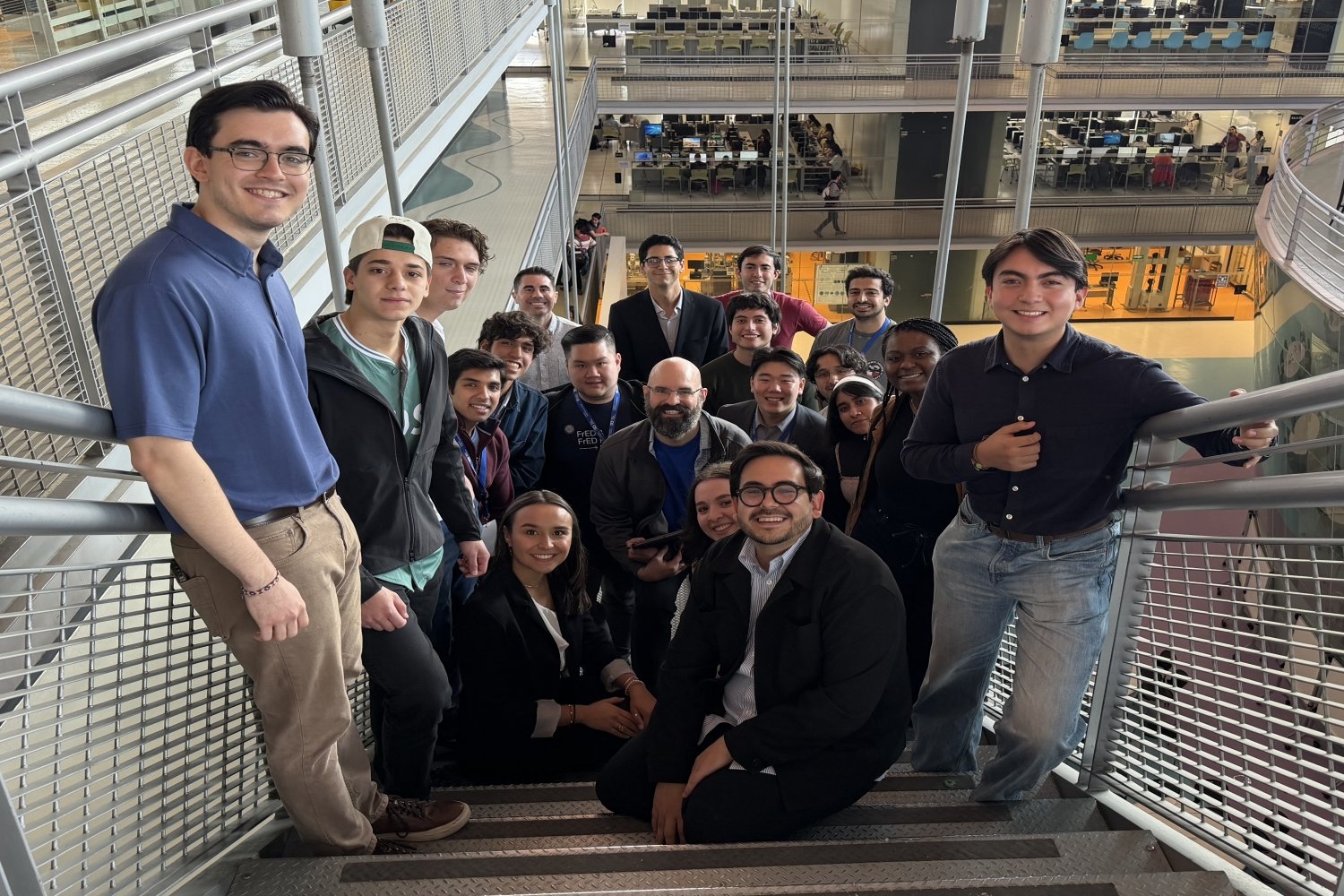
MIT-designed educational factory embraces modern manufacturing
The Massachusetts Institute of Technology (MIT) and Tecnológico de Monterrey (Tec de Monterrey) have announced plans to broaden the FrED (Frugal and Inclusive Education) curriculum to universities throughout Mexico. This initiative aims to enhance educational opportunities and promote innovative teaching methods in response to the growing demand for accessible and inclusive education. The collaboration is set to roll out in early 2024, with the goal of equipping students with practical skills and knowledge that address local challenges. By leveraging MIT's expertise in technology and Tec de Monterrey's strong presence in the region, the program seeks to foster a new generation of leaders capable of driving social change. The expansion is part of a larger effort to improve educational equity and empower students from diverse backgrounds, ultimately contributing to the development of a more inclusive society.
Classes and programs International initiatives 3-D printing Automation Collaboration Manufacturing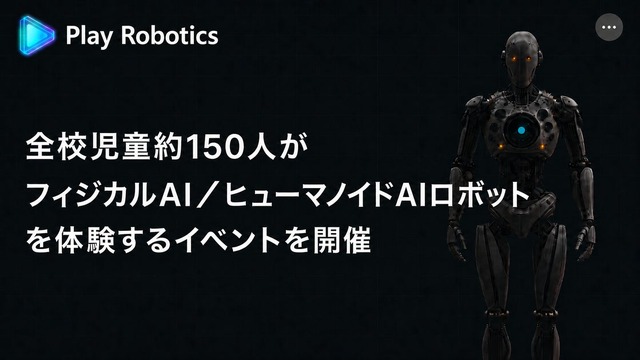
First educational event in Japan featuring humanoid demonstrations and physical AI experiences at elementary schools on June 26.
Play Robotics, a company specializing in safety evaluation and support for the integration of humanoid robots, is set to host a Physical AI Experience event on June 26, 2026. The event will take place at Shiroyama Elementary School in Inagi City. This initiative aims to provide participants with hands-on experiences to explore the capabilities and safety of humanoid robots, promoting awareness and understanding of AI technologies in educational environments. Through interactive demonstrations and activities, attendees will gain insights into the practical applications of robotics and artificial intelligence in everyday life.

Electromate Announces Availability of Dobot Educational Robots and Accessories in Canada
Electromate has announced the launch of Dobot’s educational robots and accessories, now available to customers throughout Canada. This expansion, revealed on May 25, 2026, aims to support academic institutions, training centers, and research labs by providing a comprehensive ecosystem of robotic platforms designed for teaching robot programming, automation systems, and mechatronics. The Dobot educational lineup caters to various instructional levels, from K-12 to higher education. It includes entry-level platforms like the Magician Lite, which focuses on foundational coding and robotics skills, and the more advanced Dobot Magician Educational Version, which offers enhanced capabilities and accessory integration. For institutions seeking to provide advanced training, models such as the MG400 and Magician E6 are available, featuring higher payload capacities and multi-axis control suitable for industrial applications. In addition to the robots, Electromate offers a range of accessories, including electric grippers, suction cups, vision kits, and linear rail kits, enabling educators to create practical exercises that cover material handling, pick-and-place operations, and system integration. Electromate collaborates with educators to ensure that the robotic platforms meet curriculum objectives and lab requirements. With these products in stock for immediate delivery, institutions can prepare for the upcoming academic terms.
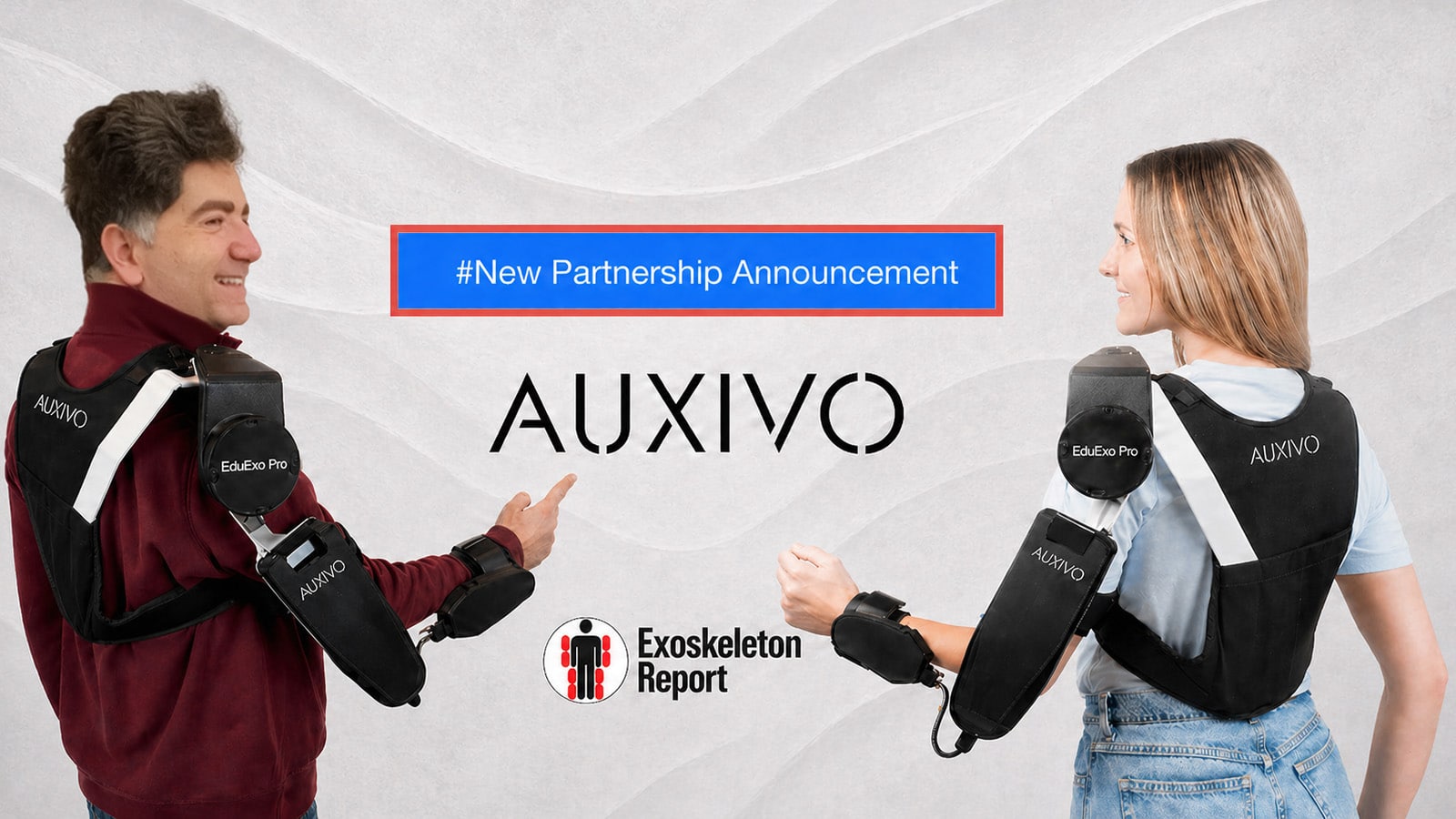
ExR Becomes an Auxivo Educational Exoskeleton Partner for EduExo Pro
Exoskeleton Report has announced a partnership with Auxivo to enhance the distribution, consultation, and customer education for the EduExo Pro educational exoskeleton kit. This collaboration marks a significant advancement in Exoskeleton Report's ongoing commitment to promoting educational exoskeletons. The partnership aims to provide comprehensive support to users and educators interested in integrating this innovative technology into learning environments. The initiative is expected to facilitate greater awareness and understanding of the benefits of educational exoskeletons, thereby fostering their adoption in schools and training programs.
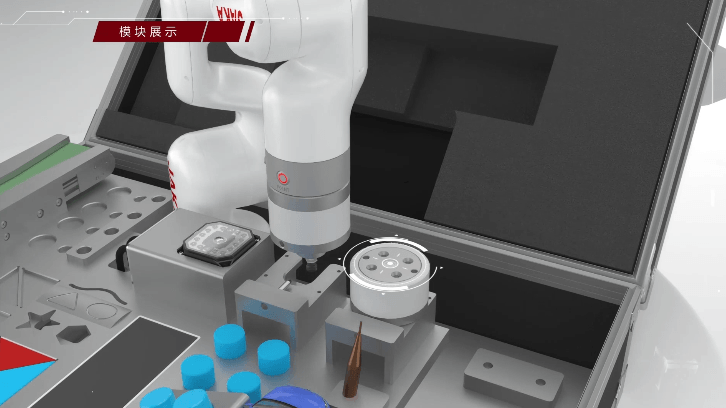
Educational Robotic Arm in Action: Case Studies in High School Robotics Clubs
In recent years, high school robotics clubs have increasingly adopted educational robotic arms, such as the JAKA MiniCobo, to enhance student learning through hands-on experience with automation and programming. This versatile tool allows students to engage in various tasks, including sorting and assembly, while minimizing direct contact with potentially hazardous equipment, thereby creating a safer learning environment. The JAKA MiniCobo has become a central resource in several robotics clubs, where students have successfully programmed the arm to identify and separate components during projects. This adaptability enables students to explore multiple programming approaches and fosters collaboration as they work in teams to troubleshoot and refine their coding solutions. Educators have noted that the use of this robotic arm not only improves accuracy and efficiency but also teaches essential skills in workflow optimization and precision control, crucial for careers in engineering and STEM fields. Furthermore, the integration of the JAKA MiniCobo into extracurricular activities has significantly boosted student engagement. Students benefit from immediate feedback on their programming efforts and enjoy the creative freedom to design new tasks, simulating real-world industrial processes. This hands-on approach cultivates curiosity and confidence in technology, ultimately preparing students for future innovations. Overall, the incorporation of educational robotic arms like the JAKA MiniCobo in high school settings exemplifies the transformative potential of automation in education, equipping students with valuable skills while promoting a safe and engaging learning atmosphere.
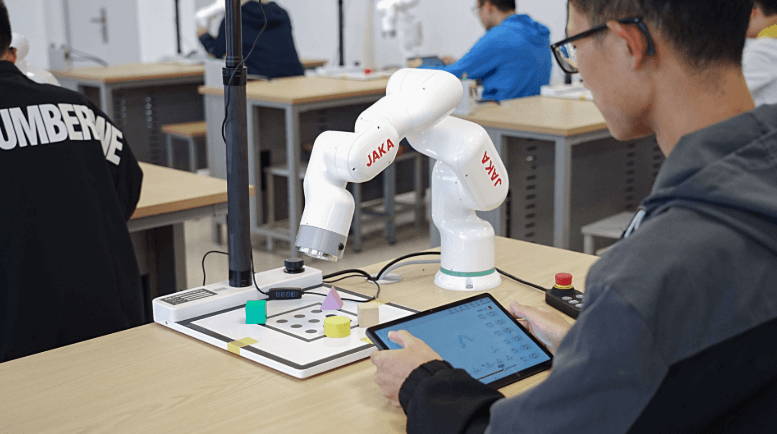
Educational Robotic Arm Best Practices for K-12 STEM Curriculum
In an effort to enhance K-12 STEM education, JAKA has introduced mini robot arm solutions designed to foster critical thinking and hands-on learning among students. This initiative aims to make STEM concepts more interactive and accessible, addressing the growing need for practical educational tools. The JAKA MiniCobo, a lightweight and cost-effective robotic arm, allows students to engage in incremental, project-based activities that build their skills from simple tasks to complex programming exercises. By integrating these robotic arms into classrooms, educators can facilitate real-world applications of STEM principles, encouraging teamwork and problem-solving through projects such as assembling components and simulating industrial processes. The MiniCobo's user-friendly design ensures that teachers can easily incorporate robotics into their lessons without extensive preparation, making it suitable for daily classroom use. Safety and accessibility are prioritized in JAKA's educational solutions, which comply with strict safety standards and feature intuitive programming interfaces. This design enables students to experiment confidently while allowing teachers to focus on guiding learning objectives. By providing robust and approachable robotics technology, JAKA aims to inspire the next generation of innovators and engineers, ultimately advancing educational outcomes in STEM fields.

Aoyi Technology Showcases Innovative Products at WAIC 2026 Addressing Real-World Needs
On July 17, 2026, the World Artificial Intelligence Conference (WAIC) opened in Shanghai, attended by President Xi Jinping, who emphasized the importance of global AI cooperation. Aoyi Technology presented its full range of self-developed hardware, including the CeRelax EEG headset, gForce Ultra EMG wristband, and lower limb rehabilitation exoskeleton, focusing on practical applications in real environments. The showcased products aim to address specific pain points in various scenarios, such as the lower limb exoskeleton, which assists users in walking without the need for muscle signal collection. The gForce Ultra wristband captures minute muscle contractions to aid rehabilitation and optimize robotic operations, while the CeRelax headset bridges the gap between high-end research and consumer needs in brain health. Looking ahead, Aoyi Technology's Vice President Zhang Qi highlighted the industry's shift towards functional product development. The company plans to extend its capabilities into the education sector with a new matrix of embodied intelligence educational products designed for vocational schools, aiming to cultivate practical engineering talent. No further timeline was disclosed at the time of publication.
Brain-Machine Interfaces Wearable Technology Rehabilitation Robotics Educational Technology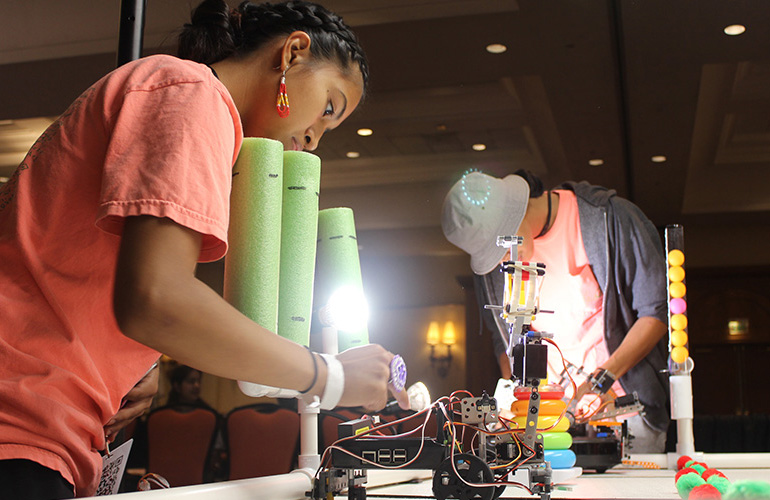
KISS Institute Launches BotBall to Enhance STEM Education with Student-Led Robotics
The KISS Institute for Practical Robotics (KIPR) has introduced BotBall, a robotics program designed to foster creativity and critical thinking among students. This initiative emphasizes student-led engineering, allowing participants from elementary to high school to engage in hands-on learning using a standardized kit. The program ensures a level playing field by providing all teams with the same materials, promoting accountability and project management skills without adult intervention during competitions. BotBall challenges traditional educational models by integrating real programming languages like C and Python into its curriculum, demonstrating that students can handle complex coding at an early age. The Junior Botball Challenge (JBC) further innovates by allowing up to five students to collaborate on a single robot, shifting the focus from competition to inquiry-driven problem solving. This approach encourages teamwork and a deeper understanding of both mechanics and software among participants. As the school year approaches, KIPR is expected to release more details about the upcoming competition schedule. The BotBall program represents a significant shift in STEM education, moving away from conventional roles and fostering a new generation of students who are well-versed in both engineering and programming disciplines. No further timeline was disclosed at the time of publication.
Autonomous Mobile Robots (AMRs) Educational News competition education workforce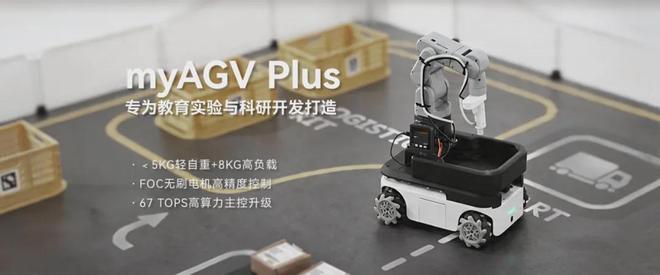
Product Launch | myAGV Plus Redefines New Frontiers in Mobile Composite Robotics Education and Research
Elephant Robotics has unveiled the myAGV Plus, a cutting-edge mobile robot platform aimed at enhancing education, research, and algorithm validation. This launch aligns with the Ministry of Education's initiative to integrate artificial intelligence into educational frameworks. The myAGV Plus features substantial improvements in computing power, control, and perception, effectively connecting theoretical concepts with practical applications. This development is part of a broader effort to modernize educational tools and methodologies, ensuring that students and researchers have access to advanced resources for learning and experimentation.
Mobile Robots Educational Robotics AI in Education Research and Development Robotics Technology
Hongtu Chuanglian's Market Positioning Battle: The 'Second Half' of Embodied Intelligence Belongs to Players Who Understand Scenarios and Can Deliver
Hongtu Chuanglian has made a significant advancement in the education sector by introducing the first Software as a Service (SaaS) training platform aimed at enhancing practical skills among students. Launched recently, this innovative platform seeks to bridge the gap between theoretical knowledge and real-world applications, ensuring that learners are adequately prepared for the job market. By drawing on extensive industrial experience, Hongtu Chuanglian aims to build a comprehensive educational ecosystem that prioritizes employability. This initiative reflects a growing trend towards embodied intelligence in education, positioning the company as a leader in the global push for more effective training solutions.
Embodied Intelligence SaaS Platforms Industrial Automation Educational Technology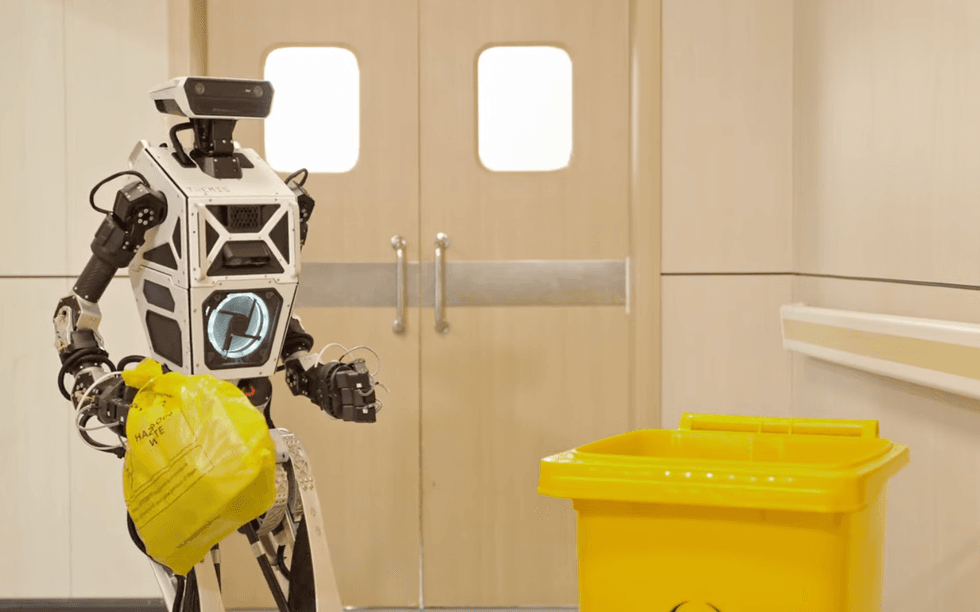
Video Friday: Multitasking Robots Smoothly Do the Things Together
IEEE Spectrum robotics has released its weekly roundup of notable robotics videos and upcoming events, including the ICRA 2026 conference scheduled for June 1-5, 2026, in Vienna. Among the highlights, Westwood Robotics unveiled THEMIS Gen2.5, the first commercial full-size humanoid robot capable of walking and manipulating objects simultaneously. This advancement builds on Helix's previous work, which demonstrated a single neural network controlling a humanoid's upper body, now expanded to encompass the entire robot's functions. In a demonstration of practical applications, Kimberly Elenberg from Carnegie Mellon University showcased how data from robotic responders can enhance life-saving efforts during mass casualty incidents. Meanwhile, Sphero continues to thrive in the competitive educational robotics market since its inception in 2011. Innovative flight testing methods were discussed by Zipline, emphasizing the importance of testing drones in extreme conditions. Additionally, researchers from the University of Tokyo introduced a concept of 3D-printing both skin and skeleton, while LimX presented small bipedal robots capable of skiing and resembling dinosaurs. The EPFL Reconfigurable Robotics Lab introduced a novel user-guided control system for modular robots, demonstrating its effectiveness through various tasks. Texas A&M University showcased its Quadrotor Biplane Tailsitter (QBiT) UAVs, which combine the agility of quadrotor drones with the efficiency of fixed-wing aircraft. Lastly, DARPA announced a new challenge aimed at developing drones capable of carrying payloads exceeding four times their weight, promising to transform drone usage across multiple sectors.
Humanoid-robots Video-friday Commercial-robots Drones Educational-robots Bipedal-robots
Over 30 Companies Announce $10 Billion Investment in Pennsylvania Defense Sector
More than 30 companies have pledged approximately $10 billion towards defense technologies, research and development, and job creation in Pennsylvania, as announced by President Donald Trump at the Pennsylvania Defense and Innovation Summit in Carlisle. Key players in this investment include Lockheed Martin, JPMorgan Chase, Hanwha, Kratos, and General Dynamics, focusing on shipbuilding, munitions, artificial intelligence, and robotics, which will support over 4,000 jobs according to Sen. Dave McCormick. This significant investment aligns with the 'Arsenal of Freedom' initiative aimed at revitalizing the defense industrial base under the Defense Department’s New Acquisition Transformation strategy. It also supports Trump’s 'peace through strength' agenda, which seeks to enhance the U.S. military's capabilities in response to global threats. Pennsylvania currently ranks seventh in DOD contract value, with $20.7 billion projected between July 14, 2025, and July 14, 2026, a figure expected to rise to over $34 billion since Trump’s return to office. Looking ahead, Sen. McCormick emphasized the need for collaborative efforts among industry, academia, and Congress to strengthen the defense industrial base. He highlighted the importance of a diverse team including traditional technology innovators and skilled tradesmen, noting a shortage in skilled labor and the need for educational institutions to address this gap. No further timeline was disclosed at the time of publication.

Deloitte Reports Over 2 Million Manufacturing Jobs Could Remain Unfilled Due to Skills Gap
Deloitte has revealed that more than 2 million jobs in the manufacturing sector may remain unfilled due to a significant shortage of skilled workers. This alarming statistic highlights the urgent need for collaboration between industry experts and educators to address the skills gap in higher education. The implications of this skills gap are profound, as unfilled positions could hinder growth and innovation within the manufacturing industry. By fostering partnerships between educational institutions and manufacturing companies, stakeholders can develop targeted training programs that equip students with the necessary skills to meet industry demands. Looking ahead, it will be crucial to monitor initiatives aimed at bridging this skills gap. No further timeline was disclosed at the time of publication, but ongoing efforts in collaboration between academia and industry will be essential to ensure a skilled workforce for the future of manufacturing.

New York School District Pilots Robot Teacher Named Sally Amid Controversy
The Salamanca City Central School District in New York is piloting a project featuring a humanoid robot teacher named Sally, developed by Realbotix. This initiative aims to assist high school students in completing summer AI and robotics courses, marking what is believed to be the first deployment of a humanoid robot teacher in an operational school district in the U.S. Sally utilizes natural language processing, facial expression feedback, and real-time classroom support, providing personalized tutoring based on students' learning data. The project is part of the Woz ED STEM curriculum, founded by Apple co-founder Steve Wozniak, to promote STEM education. However, concerns arise regarding data security and the implications of a technology company with adult entertainment origins entering the education sector. As this initiative unfolds, it raises critical questions about the role of human teachers versus robots in education. While Sally can assist with homework and answer questions, it cannot replace the emotional connections that human teachers foster. The outcome of this pilot could redefine the boundaries of educational roles and the integration of AI in classrooms.
Humanoid Robots AI in Education EdTech Robotics
LA High School Students Engage with Real Robotics at Faraday Future Headquarters This Summer
A group of K-12 students in Los Angeles has been hands-on with real humanoid robots and industrial-grade robotic dogs at Faraday Future's headquarters this summer. On July 15, Faraday Future announced that its EAI Robotics Summer Camp, in collaboration with the Lynwood and El Segundo school districts, has entered its second week, alongside a partnership with Triple I, a full-cycle education organization in the U.S. The summer camp is notable for using actual robotics equipment rather than toy kits or computer simulators. Students have worked with Faraday Future's own robots, including the Navi, an educational four-legged robot priced under $2,000, the industrial-grade Aegis, and the humanoid robot Master. The camp employs a five-day progressive learning structure, culminating in students programming and debugging real hardware. Participants have transformed from beginners to capable of autonomous system demonstrations within just one week. Faraday Future's Co-CEO Chen Zhe emphasized the importance of immersive engineering experiences for students and how their feedback aids product iteration and course design. He believes education will be a key application area for scaling consumer robotics in its early stages, as Faraday Future aims to bridge classroom learning with practical experience and home education.
Robotics Education Hands-on Learning Consumer Robotics Programming STEM
Tesla's Optimus Production Targets Set to Challenge Competitors in Robotics Market
Tesla has officially finalized its third-generation Optimus robot, aiming for a production capacity of 100,000 units annually. CEO Elon Musk has set a strict production timeline, requiring the company to ramp up to 1,000 units per week by September and stabilize at 2,000-2,500 units per week by year-end. Failure to meet these targets could result in a complete overhaul of the procurement team. This ambitious plan positions Tesla not just as an automotive company but as a leader in physical world AI, with Optimus as its flagship product. In contrast, domestic competitor Yushu Technology has received approval for its IPO, projecting over 5,500 units shipped by 2025, capturing 32.4% of the global market. However, Yushu's focus on research and education limits its industrial application, with only 9.01% of revenue coming from manufacturing and inspection. As the robotics industry approaches a critical window for large-scale applications between 2026 and 2028, the ability to establish a commercial loop in industrial applications will define market leaders. Yushu has the potential to evolve into a key player if it can leverage IPO funding to enhance its capabilities, but reliance on educational markets may hinder its growth prospects.
Humanoid Robots AI Industrial Automation Robotics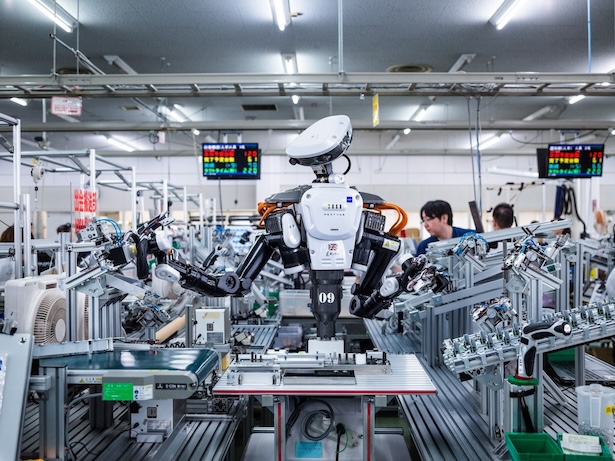
Correction Notice for Research Article on Robot Peer Failures and Student Learning
An erratum has been issued for the research article titled 'Observing a robot peer’s failures facilitates students’ classroom learning' published in Science Robotics. This correction addresses inaccuracies found in the original publication, ensuring the integrity of the research findings. The importance of this erratum lies in its impact on the understanding of how robot interactions can enhance educational outcomes. The original study highlighted the role of robot peer failures in facilitating learning among students, a significant aspect of integrating robotics into educational settings. Moving forward, it will be essential to monitor any further updates or corrections related to this research. No further timeline was disclosed at the time of publication.
Errata
MIT and York University Study Visual Learning in the Brain Using Neural Networks
Researchers at MIT’s McGovern Institute for Brain Research and York University in Toronto have investigated how visual learning occurs in the brain. By analyzing neural activity and utilizing computational modeling, they compared the learning processes of animals and an artificial neural network designed to mimic brain architecture. Their findings, published on July 8 in Nature Communications, reveal that changes in visual processing are crucial for learning to discriminate new objects. This research is significant as it enhances our understanding of the brain's adaptability and the mechanisms behind visual learning. The study suggests that while the overall activity patterns in the inferior temporal cortex remain stable, subtle changes occur in response to learned object recognition. These insights could inform educational strategies and improve learning outcomes across various contexts. Looking ahead, the researchers aim to further explore how these modest changes in neural activity contribute to learning. They believe that artificial neural networks can provide valuable insights into biological learning processes, potentially leading to new experimental approaches and predictions that extend beyond current understanding. No further timeline was disclosed at the time of publication.
Research Neuroscience Learning Brain and cognitive sciences Computer modeling Vision
Argonne National Laboratory launches ChemGraph framework for automated chemistry simulations
Researchers at Argonne National Laboratory have introduced ChemGraph, an open-source framework that automates complex computational chemistry simulations using AI agents. Built on the Aurora exascale supercomputer, ChemGraph simplifies the simulation process by allowing users to describe scientific problems in plain language, which the system then translates into computational tasks. This innovation aims to enhance research in materials science, battery design, and combustion systems by streamlining workflows and reducing the need for specialized expertise. The significance of ChemGraph lies in its ability to combine large language models with agent-based automation, enabling researchers to conduct simulations without manually navigating every technical step. By distributing tasks among AI agents, the framework enhances efficiency and reduces costs associated with computational resources. This approach not only improves the accuracy of simulations but also allows for the integration of various scientific software and libraries, ensuring that results are physics-based rather than solely reliant on language model outputs. Looking ahead, ChemGraph's open-source nature has already led to adaptations for other applications, such as X-ray absorption spectroscopy and high-throughput materials screening. The research team envisions further educational applications, providing a platform for professors to teach advanced computational techniques while simplifying the exploration of research questions for students. No further timeline was disclosed at the time of publication.
AI and Robotics
Separating logic and language
A recent study conducted by neuroscientists has revealed that logical reasoning operates independently of the brain's language-processing regions. This groundbreaking research, published in October 2023, challenges the long-held belief that language is essential for reasoning tasks. The findings were derived from brain imaging techniques that monitored participants as they engaged in various logical reasoning exercises. The study, which took place at a leading research institution, suggests that the cognitive processes underlying logical reasoning may rely on distinct neural pathways separate from those involved in language comprehension and production. This discovery could have significant implications for understanding how humans think and solve problems, potentially influencing educational approaches and cognitive therapy practices.
Research Neuroscience Language Learning Brain and cognitive sciences School of Science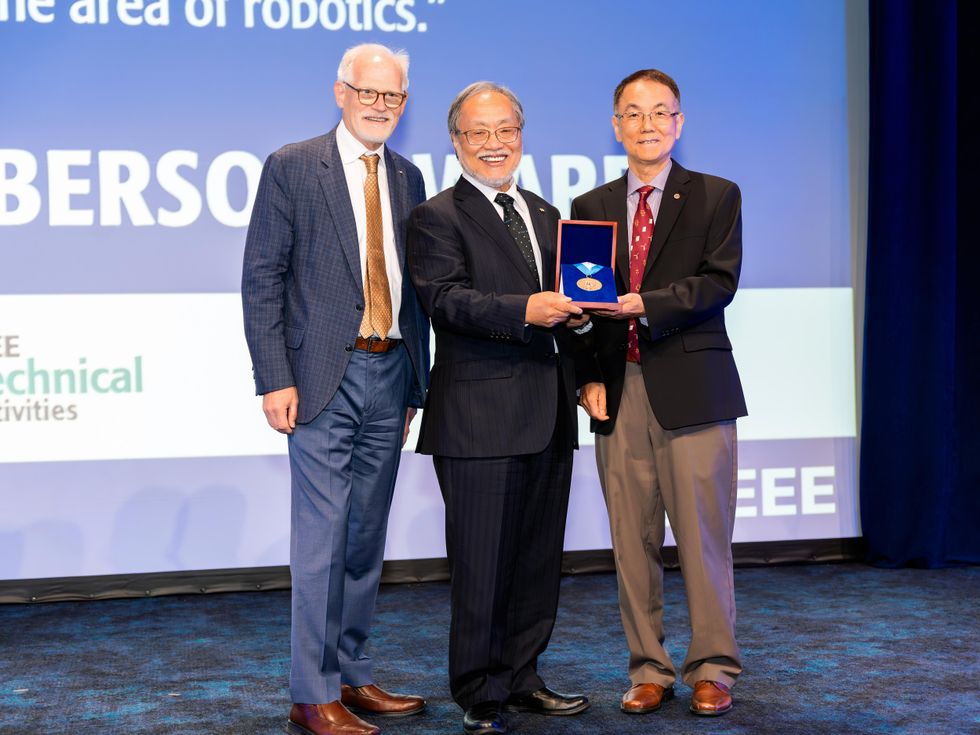
IEEE Honors Robotics Pioneer Toshio Fukuda
Toshio Fukuda has been blazing trails for most of his career. He is considered to be one of the most prolific scholars in robotics, writing more than 2,000 research papers and authoring several books on the field. He’s an influential figure thanks to his pioneering work developing biomedical robotic systems, industrial robots, micro-nano robotics, mechatronics, and AI-driven automation.Fukuda launched one of the first robotics conferences, the IEEE/RSJ International Conference on Intelligent Robots and Systems (IROS). It is still popular almost 40 years later.Toshio FukudaEmployerEgypt-Japan University of Science and Technology, in Alexandria TitleProfessor and vice president of research Member gradeLife Fellow Alma matersWaseda University, in Tokyo; University of Tokyo An IEEE Life Fellow, he is a professor emeritus in the department of micro-nano systems engineering and a visiting professor at Nagoya University, in Japan, where he taught for nearly 25 years. Currently, he is a vice president of research at the Egypt-Japan University of Science and Technology, in Alexandria, Egypt.Within IEEE, Fukuda has held top volunteer positions including the organization’s highest office: He served as IEEE president in 2020, becoming the first person of Asian descent to hold the role.He’s a former program director of Japan’s Moonshot program, which by 2050 intends to develop advanced AI robots.Born in Japan, Fukuda has been recognized by the country for his contributions to science with two of its highest awards: the Medal of Honor with a purple ribbon in 2015 and the Order of the Sacred Treasure in 2022.IEEE honored him with this year’s Richard M. Emberson Award for “distinguished service advancing the technical objectives of IEEE, especially in the area of robotics.” The IEEE Board-level award is sponsored by the IEEE Technical Activities Board. Fukuda received the award on 24 April at a ceremony in New York City.As a former IEEE president who has served as a master of ceremonies at several of the organization’s major award events, Fukuda noted that he is more accustomed to bestowing awards than receiving them.“It’s very interesting to be on the receiving end,” he says.The journey into robotics researchAs a teenager, Fukuda spent his summer breaks teaching himself how to build things including transistor radios and steam engines.“It was very nice to have a hands-on hobby and make these kinds of things myself,” he says. His experimentation led him to study engineering.He earned a bachelor’s degree in engineering in 1971 from Waseda University, in Tokyo. He says one of his professors there—Ichiro Kato, regarded as the father of Japanese robotics research—was a good mentor who made a positive impact.Fukuda’s research interests were robotics and mechatronics, a field that combines robotics, electronics, computer science, and control systems.He went on to earn a master’s degree and a doctorate in science from the University of Tokyo, in 1971 and 1977. During those years, he also attended Yale, where he conducted research on advanced control theory in 1973.He reflects fondly on his time at Yale: “It was a very nice environment and a kind of free-thinking atmosphere. It motivated me to study more.”“IEEE doesn’t care who you are, what you do, what country you are from, or whether you are male or female. IEEE accepts people who have energy and passion.”While at Yale, Fukuda served as an assistant to his advisor—which led him to consider a career in academia, he says, because he enjoyed the freedom that research work afforded him.But he realized that such freedom comes with a price. University researchers are expected to raise the money that funds their work. He compares researchers to small-business owners who have to bring in money to keep their enterprise afloat.That realization led him to select robotics as his field because he intended to develop technologies useful to industry, he says.After earning his doctorate, he returned to Japan in 1977 to work as a research scientist at the government’s Mechanical Engineering Laboratory, later renamed the National Institute of Advanced Industrial Science and Technology, in Tsukuba.“There was a lot of research going on at the lab, including practical robotics and theory,” he says.He left Japan in 1979 to become a visiting research fellow at the University of Stuttgart, in Germany. During his year there, he studied systems, software problems, and related topics.He returned to Japan and was hired as an associate professor of mechanical engineering at the Tokyo University of Science. He conducted research into practical uses for robots by visiting industrial plants. He decided to develop robots that inspect industrial equipment such as those used in assembly plants, oil refineries, and power stations—places that “can be hostile environments for humans,” he says.His work drew interest from chemical, oil, and utility companies.“I got a lot of money from them for this very practical application, which funded my research,” he says, laughing.Developing popular robotic systemsFukuda grew tired of making those robots, he says, so he switched to creating ones for scientific applications. He developed many techniques, but he probably is best known for his modular, cellular robotic systems (CEBOTs), which he introduced in 1985.He has described how CEBOTs work in numerous papers published in the IEEE Xplore Digital Library.The CEBOT system is composed of a number of autonomous robotic cells that stick together like interlocking Lego plastic bricks, he says.Each cell is a fundamental modular unit that has a function. When a simple task is given, the system can analyze it and generate the structure of the cellular manipulator. The cells connect to and detach from each other through connection mechanisms and cooperate mutually, creating complex structures and configurations.“You start developing from the component-wise to the cell-wise to a small functional unit—and then you come up with clusters that make bigger systems. We can make a society of robot beings like that,” he explained in his oral history published on the Engineering and Technology History Wiki. “It’s a distributed robotic system, a self-organized robotic system, and also an evolutionary robotic system.“It’s also a fault-tolerant robot system because if something is wrong, you just remove those things and make a new one. You keep the system working. That’s a great thing.”Today CEBOTs are used for a variety of tasks such as delivering medication in hospitals, assisting with planting crops, and transporting products in distribution centers. Check out IEEE Spectrum’s Robots Guide for news from the world of robotics.In 1989 Fukuda joined Nagoya University as a professor of mechanical engineering and micro-nano systems engineering. During his 24-year career there, he was director of the university’s Center for Micro-Nano Mechatronics. He developed a long list of technologies at the university, including many for medical applications. He also conducted groundbreaking research into intelligent robotic systems and micro- and nano-robotics.Another technology he is known for is brachiation robots, which he helped develop in 1988. He calls them monkey robots because they’re based on the pendulum-like movement of monkeys swinging from tree to tree. The gravity-based locomotion enables continuous movement.Brachiation robots now are inspecting high-voltage transmission towers and bridges, searching damaged buildings for survivors, and performing maintenance on pipelines and cables.Fukuda retired from the university in 2013 and was named professor emeritus.He didn’t stay retired for long, though. He next held a teaching appointment at Meijo University, in Nagoya, until he left in 2022 to join the Egypt-Japan University.A prominent volunteerHe joined IEEE in 1980 at the encouragement of one of his research advisors, Professor Fumio Harashima, now an IEEE Life Fellow. After attending conferences and reading the organization’s publications, Fukuda says, he looked forward to becoming more involved.“I wanted to know how to organize a conference and how to edit a paper for one of its Transactions,” he says. “I wanted to know what was going on from inside the organization, not just the outside.”In 1988 he was the founding chair and organizer of IROS, in Tokyo. The conference had 330 attendees that year, and was supported by Harashima. Today it is one of the largest and most prestigious conferences on the topic, attracting more than 9,000 people annually. Out of 120,000 conferences, it was the only conference in the Nature Index database for this year, Fukuda says.In 1996 he and other members launched IEEE Transactions on Mechatronics.He was the founding president of the IEEE Nanotechnology Council, which was established in 2002. He is considered a pioneer in nanotechnology research, particularly regarding how it relates to robotics.Over the years, he has held numerous volunteer positions on IEEE editorial boards and committees.He was the 1998–1999 president of the IEEE Robotics and Automation Society, becoming the first non-U.S. member to hold the title.He was director of IEEE Division X (2001–2002 and 2017–2018), which covers intelligent systems, biological engineering, robotics, control systems, and photonic technologies. He served as the 2013–2014 director of IEEE Region 10 (Asia-Pacific).As the 2020 IEEE president, Fukuda saw the organization through the early part of the COVID-19 pandemic. Because of travel restrictions, he realized IEEE should change how it offered its in-person services, specifically educational programs. He encouraged IEEE Educational Activities to develop an online learning platform. The IEEE Learning Network started with just three courses and now offers nearly 2,000 courses, webinars, and learning materials.An award-winning memberThe Emberson Award joins a slew of other recognitions Fukuda has received from IEEE. They include several from the IEEE Robotics and Automation Society: a 2004 Pioneer Award, a 2009 Saridis Leadership Award, and the 2011 Harashima Award for Innovative Technologies. He is also a recipient of the Board-level 2010 IEEE Robotics and Automation Technical Field Award.He says he feels strongly that IEEE should be a diverse organization that is welcoming to all. As IEEE president, he led efforts to devise a diversity, equity, and inclusion program. Several policies, procedures, and bylaws were revised to give members a safe, inclusive place for discourse.“It’s important for IEEE to make everyone feel comfortable,” he says. “DEI programs are important. All people should be equal. IEEE doesn’t care who you are, what you do, what country you are from, or whether you are male or female. IEEE accepts people who have energy and passion.“It accepted me, from the Far East. That’s why I like it.”You can learn more about Fukuda and his career from the oral history conducted by the IEEE History Center.
Robotics Robots Ieee-member-news Type-ti Ieee-awards Toshio-fukuda
Small-AI Models Gain Traction Around the World
One morning in 2019, Adebayo Alonge was in a Cape Town hotel room, preparing to demonstrate his startup’s AI answer to a serious problem in African health care: counterfeit medication, which kills thousands of people across the continent every year.The RxScanner is a handheld spectrometer that scans a pill with infrared light, then sends the item’s molecular profile to an AI model equipped with a pharmaceutical database. In seconds, the AI identifies the medication from its molecular profile—or reports that it’s phony.Pharmacies were using the system in more than a dozen countries, including Ghana, Kenya, Myanmar, and Alonge’s native Nigeria. But that morning in South Africa, it didn’t work. “I was shocked,” Alonge says.The spectrometer connected to the AI model—but the data center was 14,000 kilometers away and bandwidth was limited. “Our server was in the United States, and just to get the result of a single scan was taking me over 5 minutes.”So Alonge immediately asked his engineers to shrink the AI model down to a smaller, low-power, unconnected version that could run entirely on his Android phone. They produced it 2 hours later, and that saved the demo.More importantly, the work birthed a new version of his device, which can authenticate a pill in places without broadband, computers, or even reliable electricity. It also turned Alonge into an advocate for this kind of “small AI.”Small AI for Global Health Care AccessSmall AI is a far cry from wealthy nations’ colossal large language models (LLMs), hyperscale data centers, multibillion-dollar investments, and debates about AI consciousness. But for millions of people around the world, the only AI that matters, and often the only kind available, is small. (According to a World Bank Report issued in November, only 0.7 percent of internet users in the world’s poorest countries have used ChatGPT, compared to a quarter of all internet users in the most developed nations.)“Most people are discussing AI from the LLM/generative side. But that needs a lot of computing power, electricity, massive data, and skilled people to manage it,” Ajay Banga, president of the World Bank, said last January at the World Economic Forum, in Davos. “Outside the developed world, other than maybe India and China, very few countries have that combination.”By contrast, small AI can deliver useful, even life-saving services to people in areas that have none of those things, Banga said. In India, where the government’s AI plans call for more development of small AI, many such systems are working for farmers.For example, a drone-based system developed by Bala Murugan and colleagues at the Vellore Institute of Technology, in India, takes photos of cashew plants and quickly identifies those with splotches that indicate disease. All the processing takes place on the drone itself, so there’s no need for a computer on-site, nor for a connection to a central server.Using small language models trained for a specific problem, and sometimes running on cheap, low-power devices, other small-AI implementations have been developed to identify ant infestations in a Uruguayan vineyard, detect the presence of malaria-carrying mosquitoes in a number of nations, and run electrocardiograms from an Arduino device in parts of Brazil that lack access to more complex equipment.“This is the most important area in AI nowadays,” says Marcelo José Rovai, a professor at the Institute of Engineering and Information Systems at the Federal University of Itajubá, in Brazil, who was involved in all three projects. “It’s growing very fast.”Low-Power, Small-AI Models on Devices Small AI models can run on a variety of low-power devices, including [from left to right] an Arduino Nano 33 BLE Sense, a Seeed Wio Terminal, and an Arduino Portenta.Moez AltayebFor Alonge, Rovai, and other advocates, small AI is not just “a promising trend,” as that November World Bank report calls it. It may be, in the long term, the form of AI that will touch the most lives and remain sustainable after some of the giant models become too costly for most users.“I think the future of AI is not like one giant model, at a center. I think it’s millions of small, precise models deployed at the edge, each one solving like a specific problem, a specific context,” Alonge says. This is partly because much of humanity—including people in parts of rich countries as well as the developing world—lives without access to cutting-edge frontier models. But, he says, it’s also because those models are not sustainable.“If someone is not subsidizing it, most people will not be able to afford those models. So those of us who are said to be small-AI developers are the ones who will have to build for the majority of the world,” Alonge says.There is no strict definition of “small AI,” but people often use the term for language models with at most a few billion parameters. (Compare that to cutting-edge models, which can include more than a trillion.) That’s small enough to run directly on a phone or a Raspberry Pi. That’s what allows these applications to run on devices without a connection to a data center and use only a few watts of power, often supplied by a battery or a solar panel.Despite their small footprint, these models aren’t fundamentally different technology from that of gigantic AI models, Rovai says. Many instances of small language models were created the same way the phone-based version of Alonge’s pharmaceuticals scanner was—by “pruning” large models, or removing the parameters that weren’t involved in the task. The result is a system that’s less capable generally but still very good at the specific job it was pruned for, Rovai says. A lighter version of RxAll’s RxScanner spectrometer sends its results to an AI model run locally on a phone to check that a drug’s molecular signature is genuine.RxAllOther small models are created by “distillation.” They are trained to mimic a large model, until their performance approaches that of their “teacher,” Rovai says. In other cases, a larger model’s precision is reduced, for example, so that a model run on 32-bit architecture can run on 8-bit designs. In situations where the machine learning application is being used to classify data or predict patterns (like an ant infestation), it’s trained from the beginning on a small device, not derived from a larger model at all. Running all these small, specialized systems is becoming easier, Rovai says, for two reasons.The first reason is that hardware is getting better and more capable while using less power, he says. This means more and more phones can run small AI—especially those equipped with neural processing units, which are specialized chips that handle AI tasks like facial recognition and changing the brightness, shadows, or contrast in a photo.In 2025, slightly more than a third of all smartphones shipped worldwide were capable of running generative AI, and that figure will reach 45 percent by the end of this year, according to the technology research firm Counterpoint. By the end of next year, slightly more than half of all smartphones will be able to run a small AI model.The second reason Rovai cites is the shrinking footprint of language models. Both Google DeepMind’s Gemma 4 (released in April) and Alibaba’s Qwen 3.5 are “fantastic” for small AI, Rovai says. Both models are “open weight,” meaning users can adjust the connections between parameters to suit their needs. This makes it easy, for example, “to take a lot of data from, say, the milk industry and retrain the model specifically on that,” Rovai says.Rovai illustrated these reasons on a Zoom call, using one of his most recent experiments. Holding up a device, he says, “This is the new Arduino UNO Q—a US $50 device with a Qualcomm chipset. I’m running a language model here, which collects data from sensors and analyzes that data to detect tiny pools of water where mosquitoes might be breeding. It takes 3 watts to run it.”Support for Small-AI DevelopmentConvinced that millions of people are already benefiting from these kinds of applications, the World Bank now actively promotes small AI with grants, mentorship programs, financing, technical advice, and models of government policies that are friendly for small-AI development. For example, in Rwanda, the World Bank is backing a government program to help low-income households get devices that can run AI.All that said, no one claims that large language models are going away entirely. To create a generative AI that can run on a phone or other small device requires the architectural insights, data processing, and results of a larger model, Rovai says. “We need the big models to create these smaller models.” And for all that small AI can benefit people without access to big AI, the technology can’t solve the larger problems of development and digital inequality, Alonge says. Implementing small AI won’t allow nations to escape the challenge of creating an ecosystem to support AI: reliable power, a supply chain that works, and an educational system that develops the talents needed to create AI tools.Though his drug-scanning system can run for days on a phone with no connection, “you still want to be able to enable periodic syncing for updates with new signatures for the medications and analytics,” Alonge says. “And even when you are using batteries, reliable power is important. That phone battery is not going to last forever.”In many parts of the world, the future of small AI isn’t assured, he says. “It works, and many places will eventually need to use it. The question is whether or not the political actors are wise enough to invest in infrastructure to support it long term.”
Small-language-models Artificial-intelligence Llms
New humanoid robot built for companionship with 90% accuracy in recognizing emotions
Chinese robotics company UBTech has unveiled its latest innovation, the UWORLD U1 Series, which it claims to be the world's first humanoid robot designed for educational purposes. The launch took place on October 15, 2023, during a technology expo in Beijing, where the company showcased the robot's capabilities in interactive learning and skill development for students. The UWORLD U1 Series aims to enhance educational experiences by providing personalized tutoring and engaging students in STEM subjects through interactive lessons. UBTech's motivation behind this development is to address the growing demand for innovative educational tools that can adapt to various learning styles and environments. The humanoid robot features advanced AI technology, enabling it to interact with students in real-time, respond to questions, and facilitate hands-on learning activities. By integrating robotics into the classroom, UBTech hopes to inspire a new generation of learners and foster interest in technology and engineering fields. With this launch, UBTech positions itself at the forefront of the educational technology sector, aiming to revolutionize how students engage with learning materials and prepare for future careers in an increasingly digital world.
AI and Robotics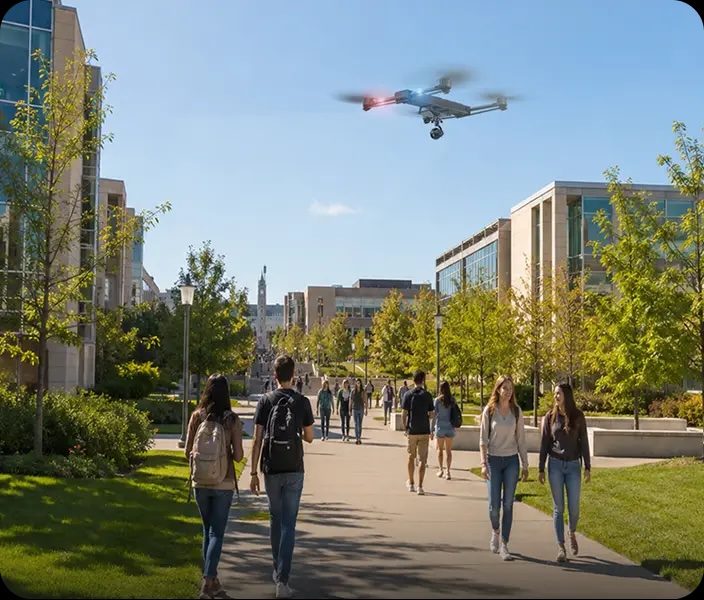
IACLEA Launches National Campus Drone Program with Draganfly
The International Association of Campus Law Enforcement Administrators (IACLEA) has introduced a national initiative aimed at assisting colleges and universities in developing compliant drone programs that prioritize public safety, training, and governance. This program, launched recently, seeks to provide a structured framework for educational institutions to effectively integrate drone technology into their safety protocols. To enhance this initiative, IACLEA has partnered with Draganfly, a leading drone manufacturer, to ensure that the programs align with best practices and regulatory standards. The collaboration aims to equip campus law enforcement with the necessary tools and knowledge to utilize drones effectively, thereby improving safety measures on campuses across the nation.
Applications Defense defense Drone News Drone News Feeds drone security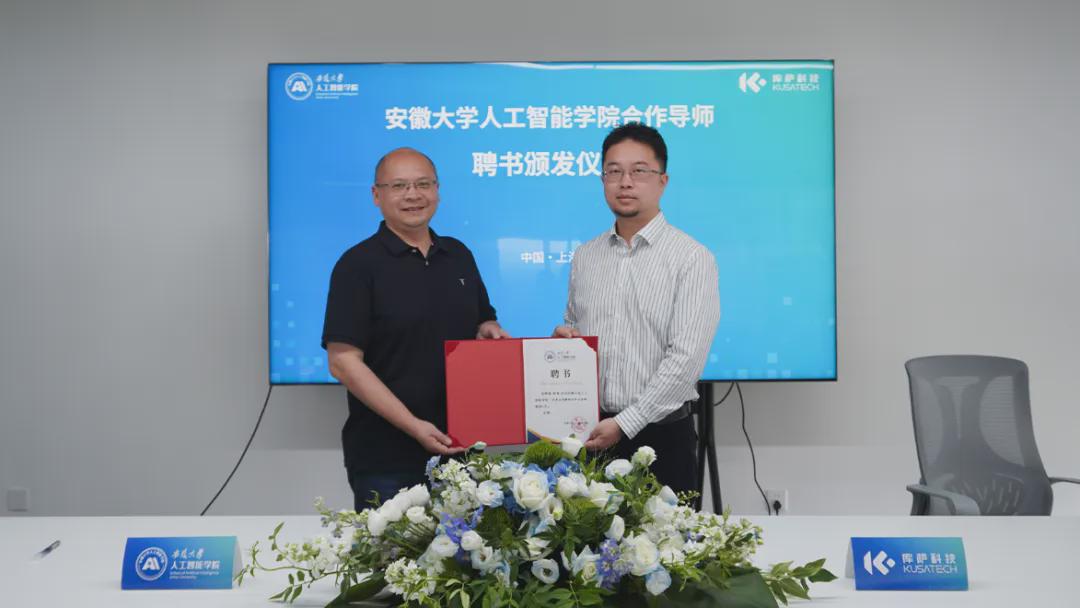
Kusa Technology Partners with Anhui University AI College for Robotics Development and Talent Training
Kusa Technology has announced a strategic partnership with Anhui University AI College to advance the development of embodied intelligent robots and nurture talent in this emerging field. This collaboration, which was unveiled recently, seeks to bridge the divide between academic research and practical applications, harnessing the unique strengths of both organizations. By combining Kusa Technology's expertise in robotics with the academic resources of Anhui University, the partnership aims to drive innovation and enhance the reliability of urban service robotics. This initiative reflects a growing trend in the tech industry to integrate educational institutions into the development process, ensuring that advancements in technology are aligned with real-world needs and applications.
Embodied Intelligence Robotics Development AI Talent Training Urban Service Robots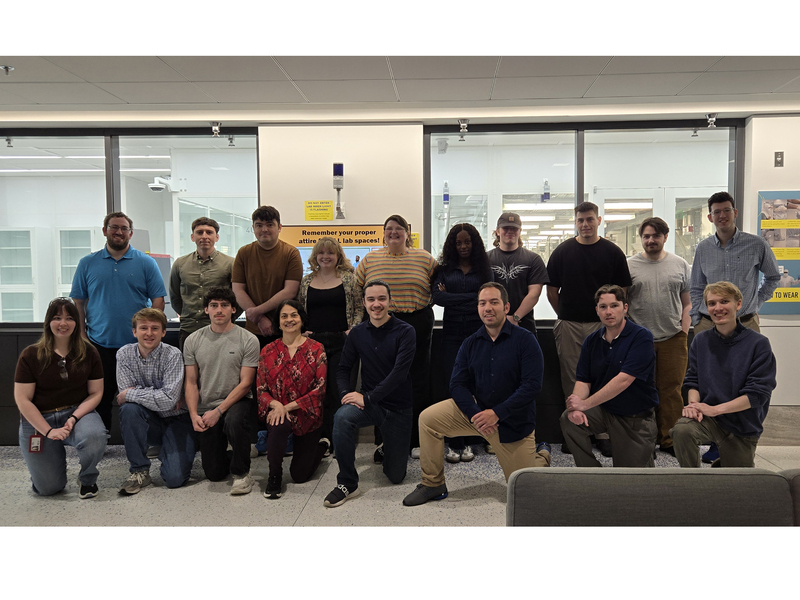
Students from across the Northeast step inside MIT.nano’s cleanroom
A hands-on boot camp is currently underway, aimed at teaching integrated photonics to students from community and four-year colleges in the region. This educational initiative, which focuses on practical skills and knowledge in the rapidly evolving field of photonics, is designed to equip participants with the necessary tools to excel in this technology-driven industry. The program is taking place in local educational institutions, fostering collaboration and learning among students from diverse backgrounds. By providing this training, organizers hope to enhance the workforce's capabilities and address the growing demand for expertise in integrated photonics. The boot camp emphasizes experiential learning, allowing students to engage directly with the technology and gain valuable insights into its applications and implications.
Materials Research Laboratory MIT.nano Education, teaching, academics STEM education Manufacturing Industry
US firm to deploy humanoid robot teaching assistant in New York schools
Schools across the United States are preparing to integrate humanoid robots into classrooms as part of an innovative educational initiative aimed at enhancing learning experiences. This initiative is set to roll out in early 2024, with various districts collaborating with technology companies to develop and implement these advanced teaching aids. The introduction of humanoid robots is motivated by the desire to engage students in new and interactive ways, fostering interest in subjects such as science, technology, engineering, and mathematics (STEM). Educators believe that these robots can provide personalized learning support, assist in teaching complex concepts, and promote collaboration among students. The deployment process will involve training teachers on how to effectively incorporate the robots into their lesson plans, ensuring that they complement traditional teaching methods rather than replace them. Pilot programs will be conducted in select schools to assess the impact of these robots on student engagement and learning outcomes before a wider rollout. As schools embrace this technological advancement, the initiative reflects a growing trend in education to leverage artificial intelligence and robotics to prepare students for a rapidly evolving workforce. The integration of humanoid robots is expected to not only enhance educational experiences but also spark discussions about the future of technology in society.
AI and Robotics
JD.com Launches 'Nirvana Plan' for Transforming 700,000 Couriers into Robotics Experts
JD.com has launched the 'Nirvana Plan,' an initiative aimed at retraining 700,000 couriers as robotics maintenance technicians in response to the growing trend of robotic delivery systems. This program, announced recently, involves collaborations with 120 educational institutions to deliver specialized training that capitalizes on the couriers' existing on-ground experience. By doing so, JD.com intends to enhance its robotic logistics capabilities while fostering a new ecosystem within the logistics sector. The initiative not only addresses the technological advancements in delivery services but also prioritizes job security for its workforce, ensuring that employees can transition into new roles as the industry evolves.
Robotics Logistics Workforce Transformation Training Programs
Realbotix to Deploy First Humanoid Robot and AI Teachers Assistant in U.S. School District
Salamanca City Central School District has launched a pilot program aimed at enhancing educational technology within its classrooms. This initiative, which began recently, seeks to integrate advanced digital tools to improve student learning experiences and outcomes. The program is part of a broader effort to modernize education and equip students with essential skills for the future. By implementing this technology, the district aims to foster a more engaging and interactive learning environment. The pilot will allow educators to assess the effectiveness of these tools in real-world settings, ultimately guiding future decisions on technology adoption across the district.

KUKA brings hands-on industrial automation to the classroom
KUKA is enhancing its educational initiatives by focusing on technical training in automation at vocational schools and universities. The company is introducing modular robot learning cells and AI-supported applications to facilitate hands-on training, enabling educational institutions to effectively incorporate industrial automation into their curricula. This initiative aims to provide students with a clear, application-oriented understanding of modern production environments, ensuring they are well-prepared for future workforce demands. By investing in these educational resources, KUKA seeks to bridge the gap between academic training and industry requirements, fostering a new generation of skilled professionals in automation.

Robot Talk Episode 161 – Collaborative haptic systems, with Allison Okamura
Claire recently engaged in a conversation with Allison Okamura, a prominent figure in the field of engineering at Stanford University, where she holds the position of Richard W. Weiland Professor. The discussion centered on the development of advanced robotic systems designed for haptic interaction, which allows users to experience touch sensations through technology. Okamura's research encompasses a wide range of interests, including haptics, teleoperation, virtual reality, medical robotics, soft robotics, rehabilitation, and education. As the Director of Graduate Studies for Mechanical Engineering at Stanford, she is at the forefront of integrating these innovative technologies into various applications, aiming to enhance user experience and interaction in both medical and educational settings. The dialogue highlights the significance of haptic technology in creating more immersive and effective robotic systems, reflecting ongoing advancements in the field.
Jiangsu Launches High-Quality Data Consortium for Embodied Intelligence in Robotics
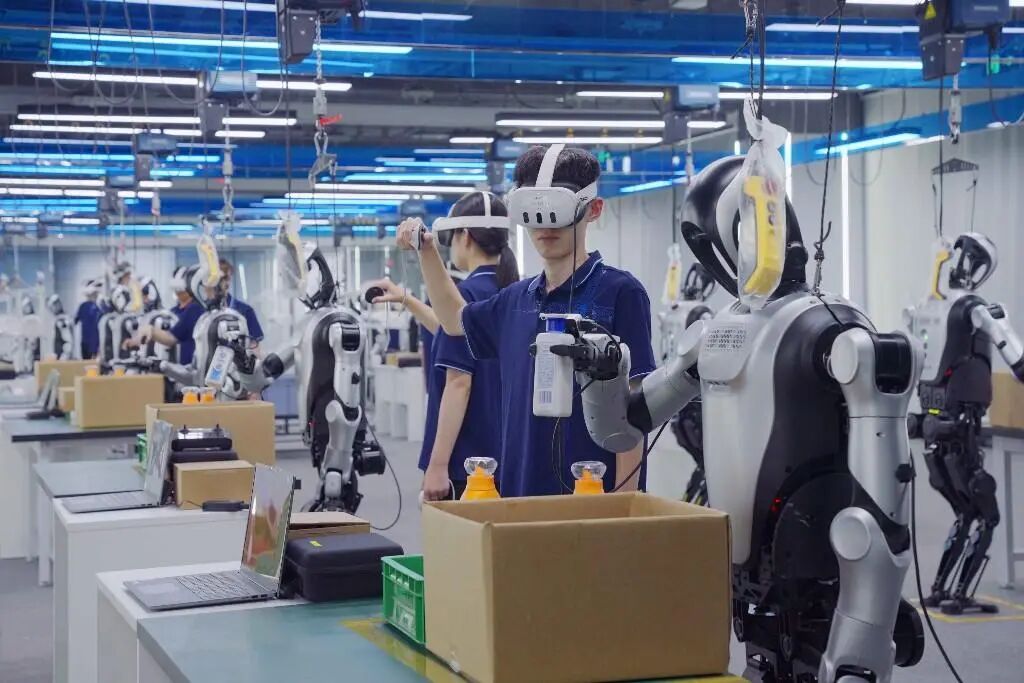
The Jiangsu Industrial Consortium for High-Quality Data in Embodied Intelligence was officially launched in Suzhou, with the goal of tackling data scarcity in the robotics sector. Spearheaded by Suzhou Heshuju Information Technology Co., the consortium brings together universities and technology firms to create standardized, multimodal datasets essential for artificial intelligence training in industrial applications. Additionally, the initiative includes a talent training program designed to align educational outcomes with industry requirements, thereby enhancing the workforce's capabilities in this rapidly evolving field.
Embodied Intelligence Industrial Robotics AI Training Data Standardization Talent Development
AI Assistance Weakens Independent News Judgment
Recent discussions among experts highlight the dual role of artificial intelligence in combating misinformation. While AI tools have proven effective in identifying false information, there are concerns that reliance on these technologies could undermine individuals' long-term ability to detect misinformation independently. This issue has gained attention as the prevalence of misinformation continues to rise, particularly in digital media. Experts emphasize the importance of developing strategies that not only utilize AI for immediate detection but also foster critical thinking skills among users. By encouraging independent analysis and evaluation of information, the goal is to create a more informed public capable of navigating the complexities of the information landscape. The conversation is ongoing, with many advocating for educational initiatives that integrate AI tools while promoting cognitive skills essential for discerning truth from falsehood.

The tenured engineers of 2026
Ten faculty members at the Massachusetts Institute of Technology (MIT) have been awarded tenure, marking a significant milestone in their academic careers. This decision, announced recently, affects five different units within the School of Engineering, highlighting the institution's commitment to fostering academic excellence and innovation. The tenure grants are intended to recognize the contributions and potential of these faculty members, who have demonstrated exceptional research and teaching capabilities. By securing tenure, these educators will gain increased job security and the opportunity to pursue long-term projects that can further advance their fields. This announcement underscores MIT's ongoing efforts to support its faculty and enhance its educational environment.
Awards, honors and fellowships Faculty Aeronautical and astronautical engineering Civil and environmental engineering Electrical engineering and computer science (EECS) Mechanical engineering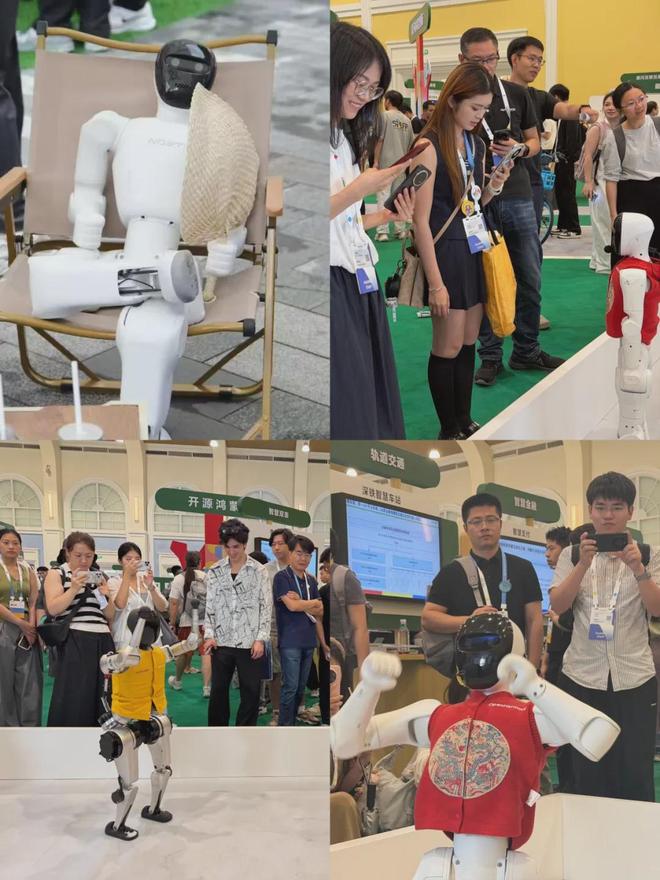
Songyan Power Unveils OpenHarmony Consumer Humanoid Robot at HDC2026
At the HDC2026 conference, Songyan Power unveiled its first consumer-grade humanoid robot, which operates on the OpenHarmony platform. This launch highlights significant advancements in technology integration and the development of a cohesive ecosystem. The company is focused on enhancing user experience by ensuring the robot can seamlessly connect with smart home devices and educational tools. Additionally, Songyan Power announced a new initiative titled '100 People, 100 Machines,' aimed at encouraging collaboration among developers within the industry. This initiative seeks to foster innovation and expand the capabilities of humanoid robots in everyday applications.
Humanoid Robots OpenHarmony AI Developer Ecosystem Smart Home Technology
New research shows robot ‘personality’ in games hinges on timing and turn-taking
Recent research indicates that humanoid robots have the potential to serve as effective playmates for humans, particularly in enhancing social interaction and engagement among children. Conducted by a team of robotics experts, the study highlights the robots' ability to adapt to children's preferences and behaviors, fostering a more interactive play environment. The findings were published in a peer-reviewed journal earlier this month, following extensive trials in various settings, including schools and homes. The motivation behind this research stems from the growing interest in integrating technology into childhood development, aiming to address socialization challenges faced by some children. By employing advanced artificial intelligence, these robots can learn and respond to individual needs, making them more appealing companions for play. The study's authors emphasize the importance of ensuring that these interactions are safe and beneficial, advocating for guidelines on the ethical use of robots in children's lives. As the field of robotics continues to evolve, the implications of this research could significantly impact educational practices and child development strategies, offering new avenues for fostering creativity and social skills among young users.
AI and Robotics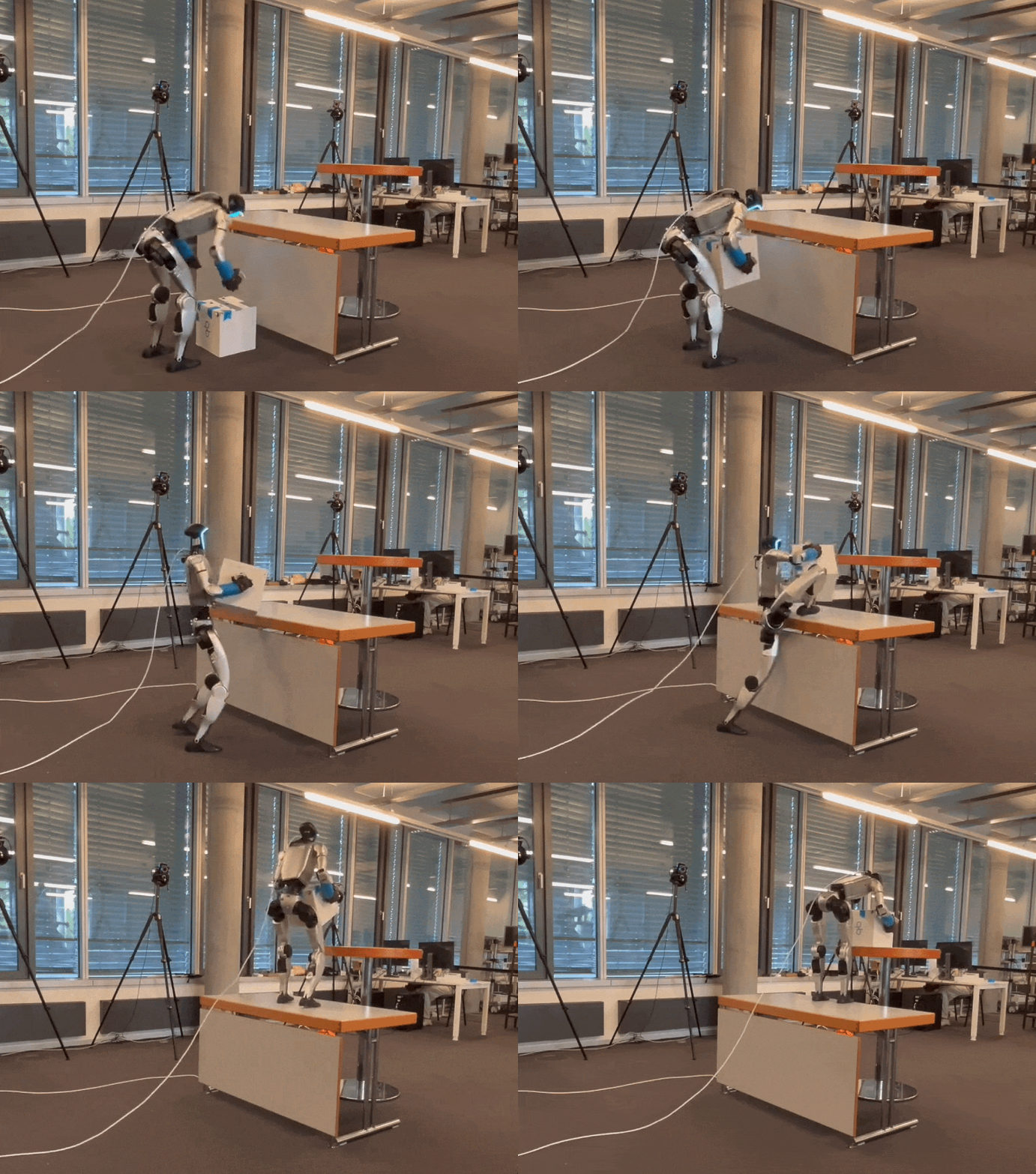
Video Friday: Robotic Motion Discovery Reveals Unusual Behaviors
IEEE Spectrum robotics has released its latest edition of Video Friday, showcasing an array of innovative robotics videos and announcing upcoming events in the field. Notable events include RSS 2026 in Sydney from July 13-17, the Summer School on Multi-Robot Systems in Prague from July 29 to August 4, and Actuate 2026 in San Francisco on August 18-19. Among the featured videos is MotionDisco, a framework that autonomously discovers complex humanoid loco-manipulation motions, highlighting the challenges of coordinating fluid movements across multiple joints. Additionally, the Human Support Robot (HSR) from Toyota is demonstrated in real home environments, assisting residents with daily tasks, showcasing the potential for robots to become long-term companions. Other highlights include the MIDAS Hand, an open-source robotic hand designed for manipulation and research, and a novel flight maneuver by a bipedal robot that showcases advanced aerial control. The European Space Agency shares a timelapse of Dextre, a robotic handyman, efficiently unloading equipment in space, while ROBOTIS introduces AI Sapiens, which learns humanoid motions using just a smartphone camera. In a collaborative effort, LUMOS Robotics has launched Project EDGE, inviting global innovators to explore humanoid robotics, while Sphero emphasizes its educational products designed to nurture computational thinking from early childhood through high school. These developments illustrate the rapid advancements and collaborative spirit within the robotics community.
Humanoid-robots Video-friday Quadruped-robots Robot-videos Home-robots Dexterity
BrainCSPACE System Enhances Laboratory Training and Industry Applications
Zhongke Shengu has introduced the BrainCSPACE system, a groundbreaking initiative designed to tackle challenges in robotics education and meet industry demands. Launched recently, this innovative system integrates real-world data with practical training to create a comprehensive closed-loop ecosystem. By focusing on talent development and improving data quality, BrainCSPACE aims to enhance robotic decision-making capabilities. This initiative not only addresses the skills gap in the robotics field but also promises a significant return on investment for both educational institutions and businesses, ensuring that they remain competitive in a rapidly evolving technological landscape.
Robotics Education Data Quality AI Systems Industrial Automation
MIT affiliates win 2026 Hertz Foundation Fellowships
A new fellowship program has been launched to support doctoral students in applied sciences, engineering, and mathematics who are dedicated to addressing critical challenges in science and technology. This initiative aims to recognize and empower emerging researchers who are developing innovative solutions to pressing issues. The program is designed to enhance the educational and research opportunities for these students, providing them with the resources necessary to advance their work. By fostering a new generation of scientists and engineers, the fellowship seeks to contribute to the advancement of knowledge and technology, ultimately benefiting society as a whole. The initiative is expected to play a significant role in shaping the future of scientific research and technological development.
Awards, honors and fellowships Students Graduate, postdoctoral Alumni/ae Chemistry Mechanical engineering
More than 2,000 students to compete in world’s largest rocket engineering competition
ProtoSpace Mfg, a leader in rapid manufacturing for sectors including aerospace and defense, has confirmed its role as the lead sponsor for the upcoming International Rocket Engineering Competition (IREC) 2026. This prestigious event is scheduled to take place from June 15 to June 20 at the Midland International Air & Space Port in Midland, Texas. Organized by the Experimental Sounding Rocket Association (ESRA), IREC is recognized globally as a premier platform for engineering innovation and competition among aspiring rocket engineers. ProtoSpace Mfg's sponsorship underscores its commitment to advancing aerospace technology and supporting educational initiatives in the field.
Engineering News Space aerospace careers aerospace engineering aerospace industry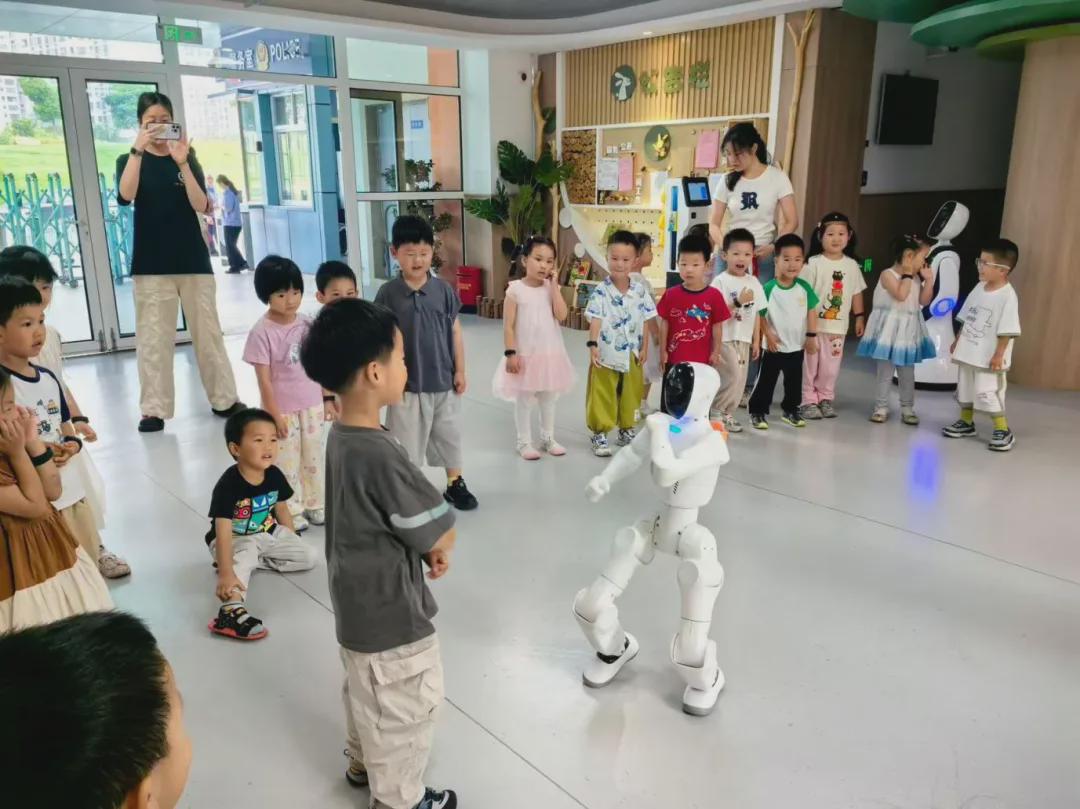
Integrating Education and Family: Songyan Power's Humanoid Robots Enhance K12 Learning
Songyan Power is making significant strides in the K12 education sector by integrating humanoid robots into learning environments. The company is partnering with educational institutions and family-oriented brands to develop a comprehensive ecosystem designed to foster children's growth through innovative educational experiences. This initiative, which emphasizes the emotional connection and interactive capabilities of humanoid robots, aims to enhance student engagement and promote a more dynamic learning atmosphere. By leveraging technology in this way, Songyan Power seeks to redefine traditional educational methods and support the evolving needs of young learners.
Humanoid Robots K12 Education AI in Education Robotics EdTech
Zoomlion's Humanoid Robot Z01 Shines at KOMATEK 2026, Showcasing Advances in Embodied AI and Industrial Robotics
At a recent exhibition, a bipedal humanoid robot showcased its advanced capabilities in industrial collaboration, intelligent guidance, and educational applications. The event highlighted the robot's ability to perform coordinated movements and execute tasks with precision, demonstrating significant advancements in robotics technology. This exhibition, aimed at promoting innovation in automation and education, attracted attention from industry professionals and educators alike. The robot's design reflects a growing trend towards integrating intelligent systems into various sectors, emphasizing the importance of robotics in enhancing operational efficiency and learning experiences.

Ambassadors of STEM
A newly established student club at the Massachusetts Institute of Technology (MIT) is dedicated to supporting K-12 students through hands-on STEM education. This initiative, spearheaded by alumni of the FIRST Robotics program, seeks to leverage their experiences and expertise to inspire younger students in the fields of science, technology, engineering, and mathematics. The club aims to create engaging learning opportunities that foster creativity and problem-solving skills among participants. By organizing workshops, mentorship programs, and robotics competitions, the group hopes to enhance educational enrichment and ignite a passion for STEM in the next generation. The club's formation reflects a growing commitment within the MIT community to address educational disparities and promote STEM literacy among youth.
Clubs and activities STEM education Students Undergraduate Robotics Mechanical engineering
Young children see meaning in human looks but not in robot gazes, new study finds
A recent study conducted by researchers has revealed that young children are highly adept at following the gaze of others, demonstrating a natural inclination to understand social cues. The research, which took place in various settings involving preschool-aged children, aimed to explore the developmental aspects of gaze-following behavior. The findings indicate that this ability emerges early in childhood, suggesting that children are instinctively tuned to the attention of those around them. This skill is crucial for social interaction and communication, as it helps children learn about their environment and the intentions of others. The study highlights the importance of social engagement in early childhood development, emphasizing that children benefit from observing and interpreting the actions and focus of adults and peers. By understanding where others are looking, children can enhance their learning experiences and navigate social situations more effectively. This research contributes to the broader understanding of cognitive development in young children and underscores the significance of social learning in early years. The implications of these findings could influence educational strategies and parenting approaches, fostering environments that encourage social interaction and engagement.

JAKA Unveils 1.22m Humanoid Robot 'Pi Zai' Ahead of Children's Day
As Children's Day approaches, JAKA's humanoid robot, known as 'π仔', has gained significant attention online following the release of a video demonstrating its playful interactions with children. Standing at 1.22 meters tall, the robot is specifically designed for public service and educational settings, highlighting the increasing consumer interest in life-like robots that enhance everyday experiences. JAKA, leveraging its expertise in collaborative robotics, aims to fulfill the growing demand for intelligent companions that can engage with users in meaningful ways.
Humanoid Robots Collaborative Robotics AI Public Service Robots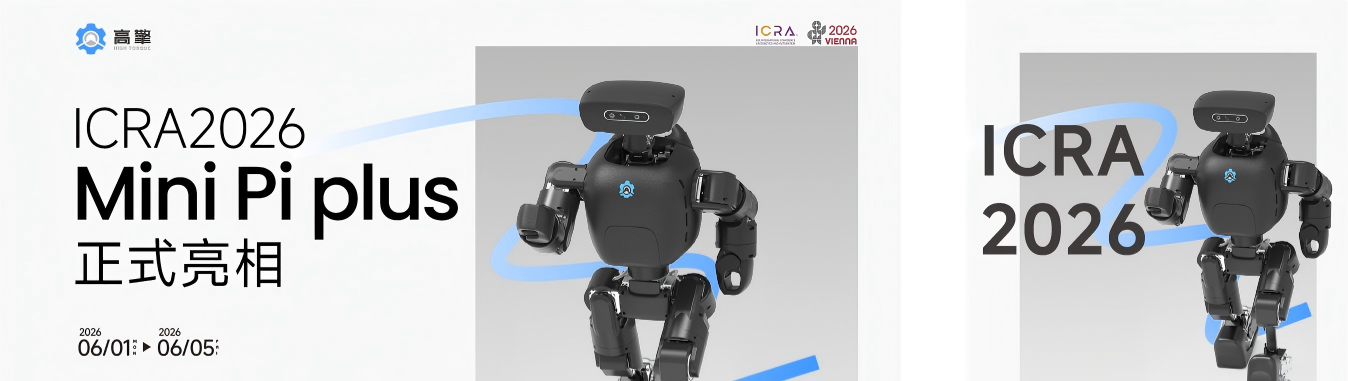
Launch of Mini Pi Plus Open-Source Humanoid Robot at ICRA 2026
At the ICRA 2026 conference, Gaoqing Power introduced the Mini Pi Plus, a groundbreaking humanoid robot designed to enhance accessibility and affordability for research and educational purposes. Weighing just 15 kg, the Mini Pi Plus boasts a comprehensive open-source ecosystem and a powerful toolchain, allowing researchers to concentrate on innovation without the typical setup hurdles. This advanced platform features dynamic movement capabilities and a high-performance communication architecture, marking a significant advancement in the field of humanoid robotics.
Humanoid Robots Open-Source Robotics Robot Research AI Robotics Education
UBTECH Launches Consumer Humanoid Robot Brand 'UWORLD'
On May 20, UBTECH unveiled its new consumer humanoid robot brand, UWORLD, signaling a strategic pivot from its established industrial applications to the consumer market. This new brand aims to enhance family companionship and provide educational support through robots designed for natural interaction, practical functionality, and appealing aesthetics. By focusing on these key areas, UBTECH seeks to meet the growing demand for innovative technology in everyday family life.
Humanoid Robots Consumer Robotics AI Home Automation
Language development in the brain
Recent research has revealed that the brain's language network continues to develop throughout adolescence, although significant language processing capabilities are established by the age of four. This study highlights the critical role of the left hemisphere in managing language functions early in childhood. Conducted by a team of neuroscientists, the findings underscore the importance of early language exposure and its impact on cognitive development. The research, which utilized advanced imaging techniques to observe brain activity, was published in October 2023, contributing valuable insights into how language skills evolve from early childhood through the teenage years. Understanding this progression can inform educational strategies and interventions aimed at supporting language acquisition in young learners.
Research Language Learning Brain and cognitive sciences Neuroscience McGovern Institute
Two from MIT named 2026 Knight-Hennessy Scholars
A prestigious fellowship has been established to support graduate studies at Stanford University, aiming to provide financial assistance to talented students pursuing advanced degrees. This initiative, announced recently, seeks to enhance educational opportunities for individuals from diverse backgrounds. By alleviating the financial burden associated with graduate education, the fellowship encourages a broader range of applicants to consider Stanford as their academic destination. The program is designed to foster innovation and research by attracting top-tier candidates who can contribute significantly to their fields of study. As the fellowship opens for applications in the upcoming academic year, it is expected to draw interest from prospective students worldwide, further solidifying Stanford's reputation as a leading institution for higher education.
Awards, honors and fellowships Students Graduate, postdoctoral Alumni/ae Economics Electrical engineering and computer science (EECS)Robotics needs a service framework.
RSF defines a common language for robot service capability, lifecycle operations, certification pathways, and service-provider networks.