

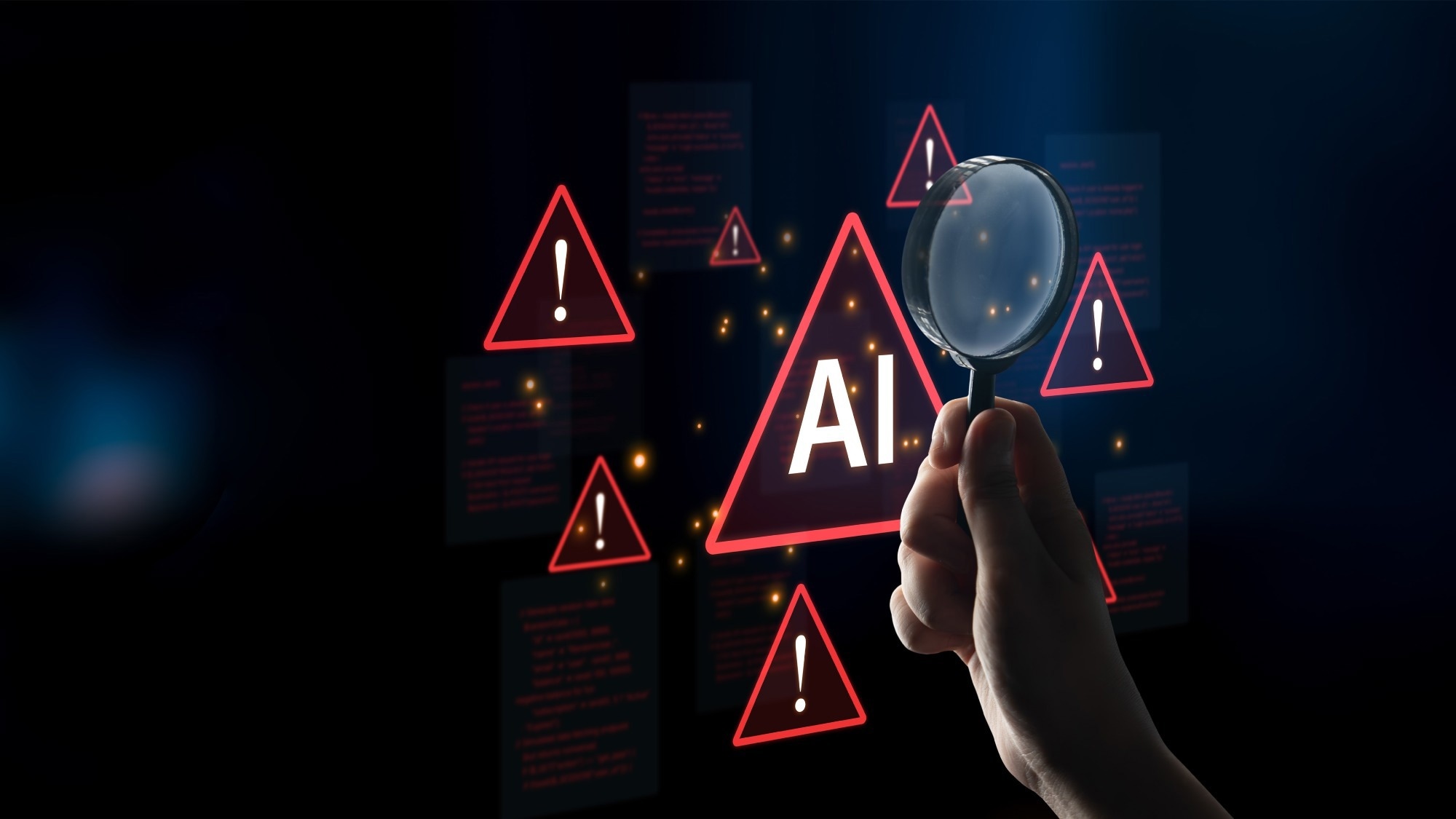
AI Assistance Weakens Independent News Judgment
Recent discussions among experts highlight the dual role of artificial intelligence in combating misinformation. While AI tools have proven effective in identifying false information, there are concerns that reliance on these technologies could undermine individuals' long-term ability to detect misinformation independently. This issue has gained attention as the prevalence of misinformation continues to rise, particularly in digital media. Experts emphasize the importance of developing strategies that not only utilize AI for immediate detection but also foster critical thinking skills among users. By encouraging independent analysis and evaluation of information, the goal is to create a more informed public capable of navigating the complexities of the information landscape. The conversation is ongoing, with many advocating for educational initiatives that integrate AI tools while promoting cognitive skills essential for discerning truth from falsehood.
HERL (Human Engineering Research Lab)
United States
Joint University of Pittsburgh and US Department of Veterans Affairs laboratory conducting rehabilitation engineering research. Develops mobility devices, assistive technologies, and medical-grade products for people with disabilities.

Joanneum Research Assoc (AT)
Austria
Joanneum Research Institute for Robotics and Flexible Production conducts applied R&D in industrial robot systems, production automation and robot safety, offering feasibility analysis, consulting and testing in a robotics solution centre.

St Petersburg National Research U of ITMO
Russian leading research university (ITMO University) specializing in information technology, optical engineering, and photonics. Active research programs in AI, robotics, computer vision, and cyber-physical systems.






Leave a comment