


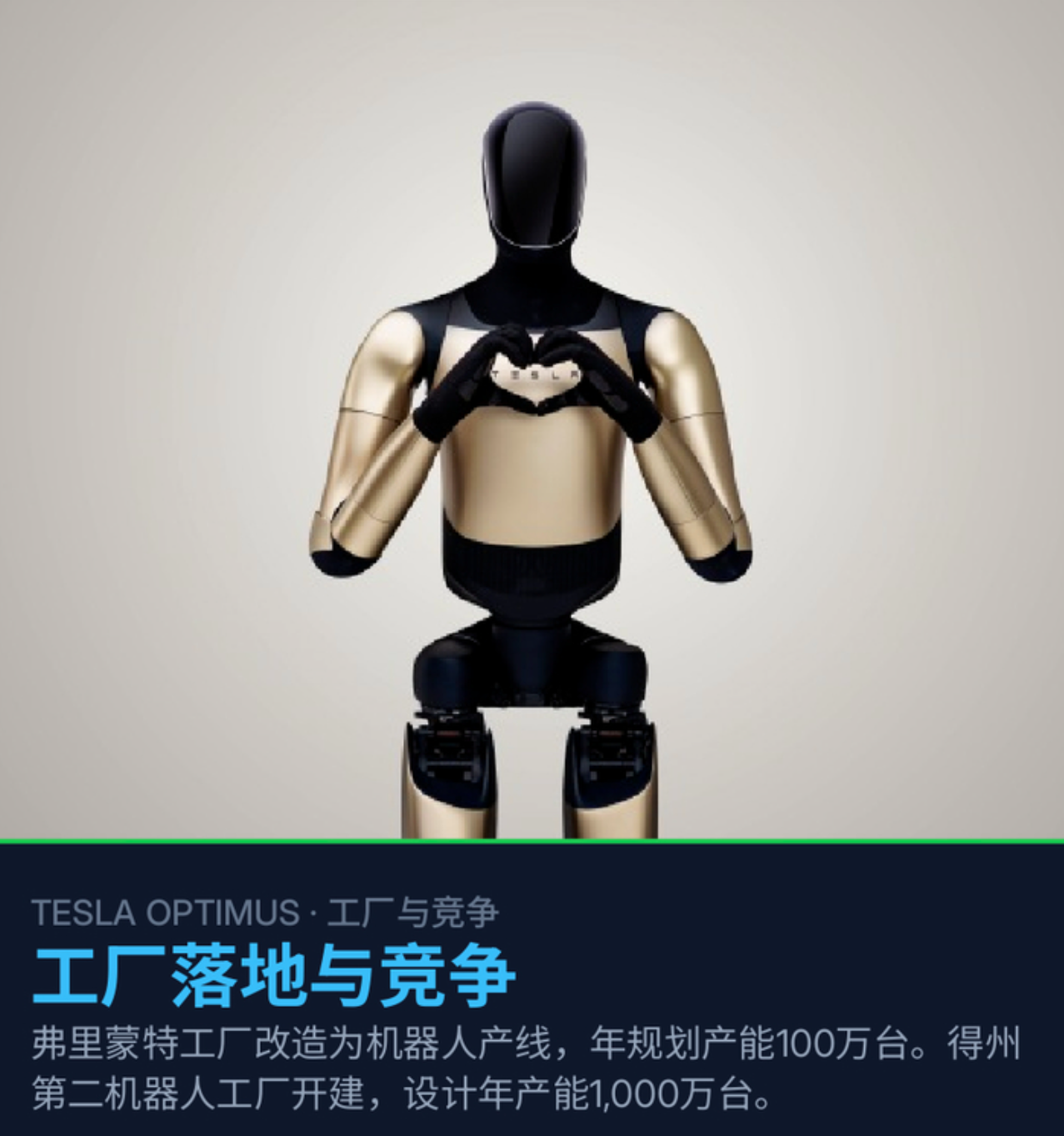
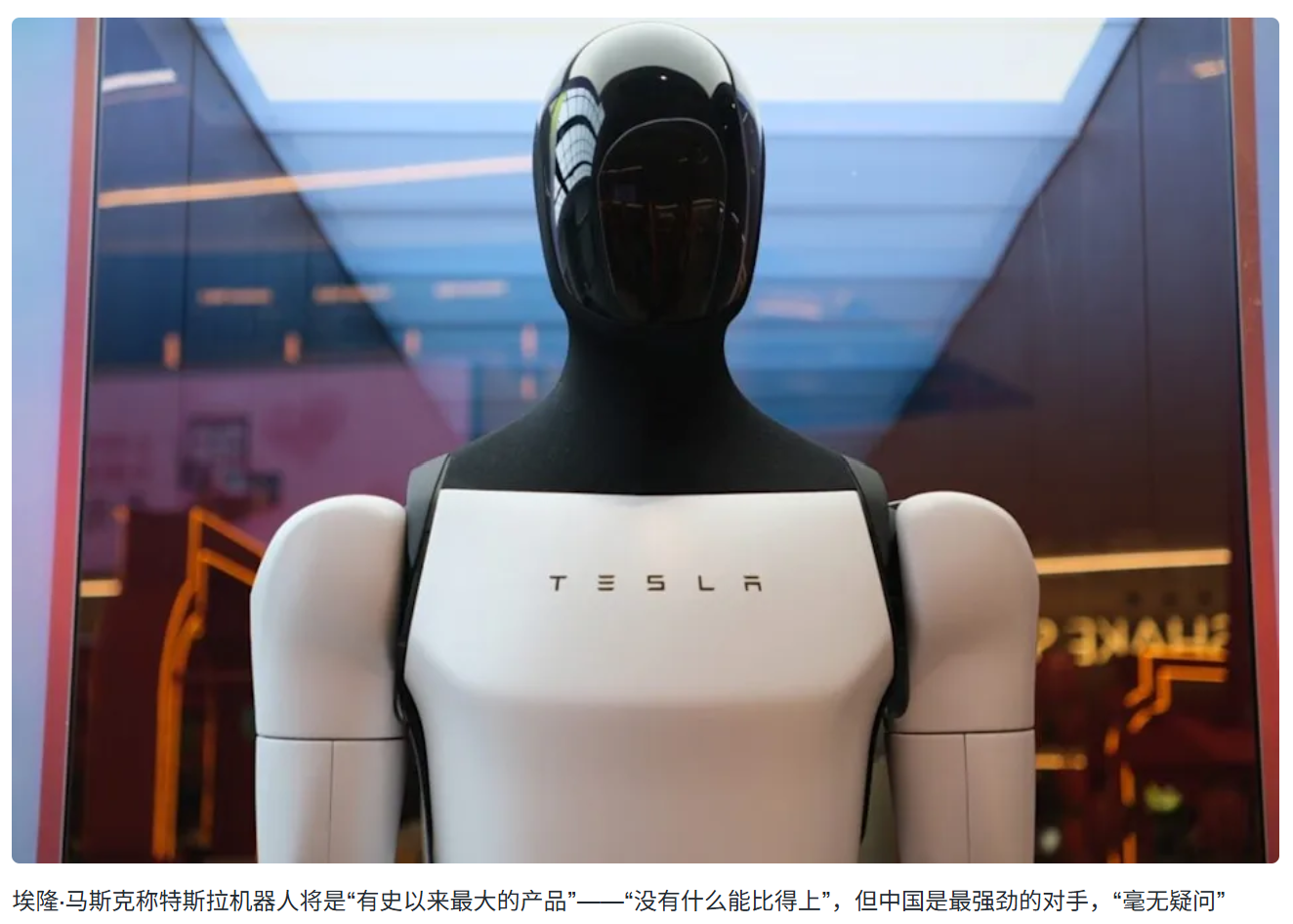
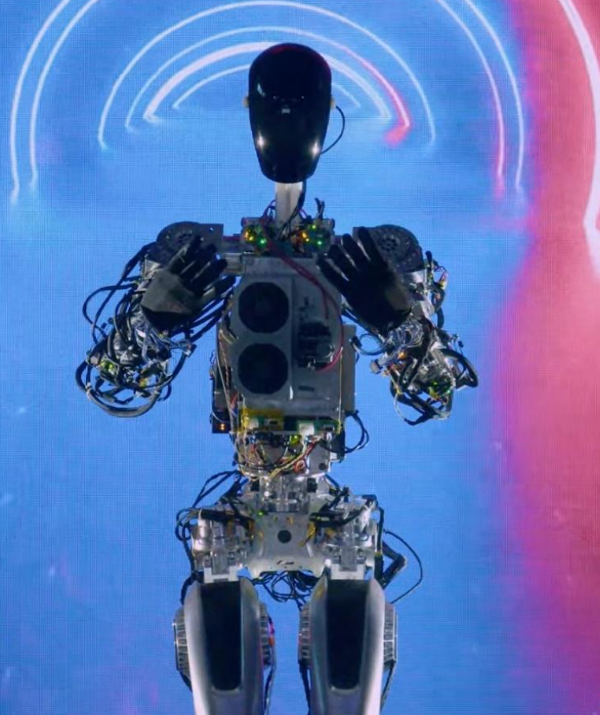
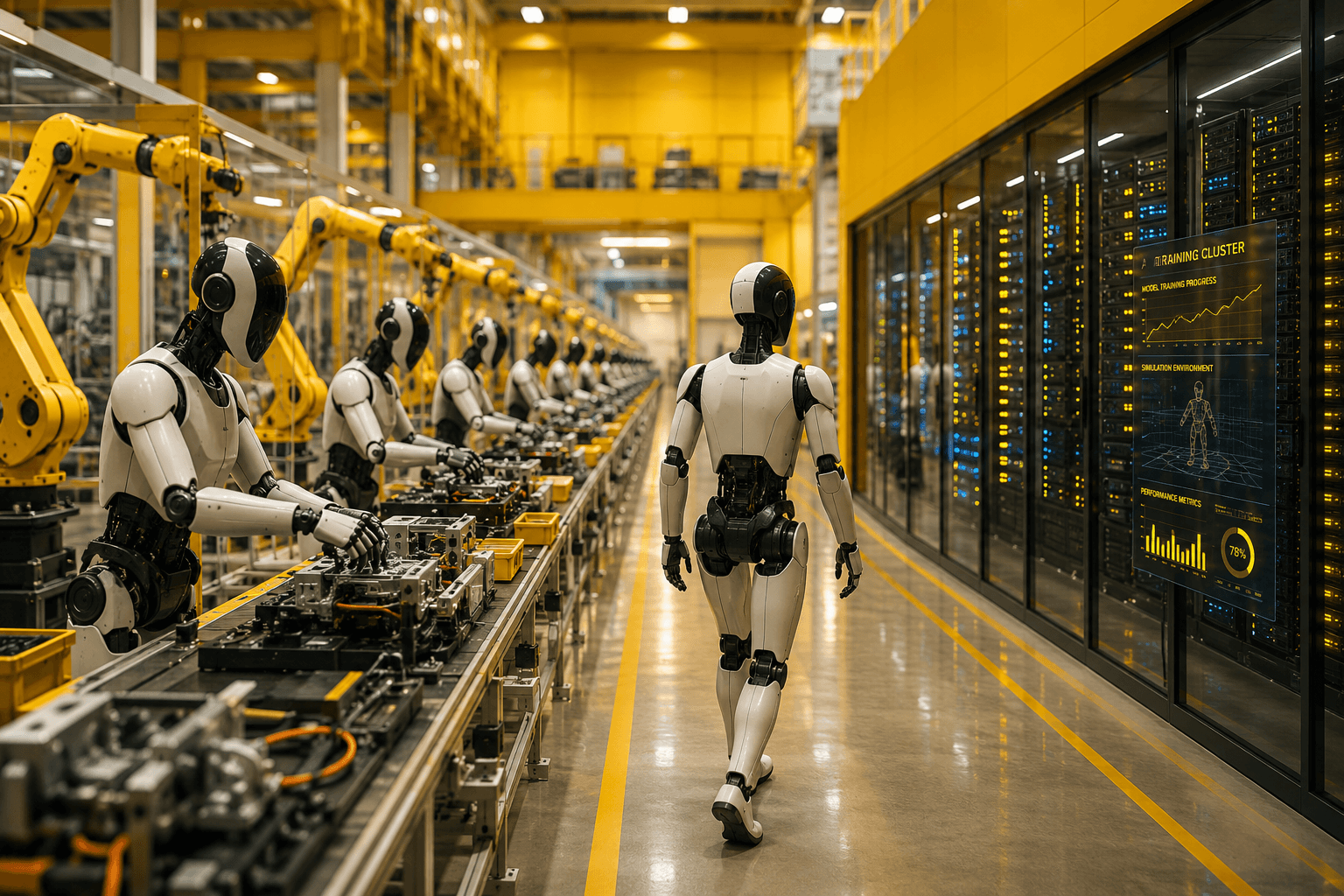
Tesla has officially finalized its third-generation Optimus robot, aiming for a production capacity of 100,000 units annually. CEO Elon Musk has set a strict production timeline, requiring the company to ramp up to 1,000 units per week by September and stabilize at 2,000-2,500 units per week by year-end. Failure to meet these targets could result in a complete overhaul of the procurement team.
This ambitious plan positions Tesla not just as an automotive company but as a leader in physical world AI, with Optimus as its flagship product. In contrast, domestic competitor Yushu Technology has received approval for its IPO, projecting over 5,500 units shipped by 2025, capturing 32.4% of the global market. However, Yushu's focus on research and education limits its industrial application, with only 9.01% of revenue coming from manufacturing and inspection.
As the robotics industry approaches a critical window for large-scale applications between 2026 and 2028, the ability to establish a commercial loop in industrial applications will define market leaders. Yushu has the potential to evolve into a key player if it can leverage IPO funding to enhance its capabilities, but reliance on educational markets may hinder its growth prospects.
Editor's Note
Tesla's aggressive production goals for the Optimus robot highlight a significant shift in the robotics landscape, emphasizing the importance of rapid scaling and technological advancement. As competitors like Yushu Technology attempt to carve out their niches, the focus on industrial applications will be crucial for long-term success. The upcoming years will be pivotal for defining leadership in this evolving market.

















Leave a comment