Industry Briefing
A single destination for timely, editor-curated robotics news from around the world.

NVIDIA and Boston Dynamics: Divergent Strategies in Robotic Motion Control
On August 12, two papers on robotic motion control were published in Science Robotics, showcasing contrasting approaches by NVIDIA and Boston Dynamics. The RAI Institute and Boston Dynamics introduced the ZEST framework, which enables zero-shot embodied skill transfer and motion imitation, allowing the Atlas robot to learn various skills in approximately 10 hours using a single NVIDIA L4 GPU. In contrast, the SONIC framework consumed around 700 hours of motion capture data and 21,000 GPU hours for training, focusing on a unified control strategy that encompasses a wide range of human movements. This approach allowed the Yushu G1 robot to successfully execute 123 different motion sequences with a 99.2% success rate, demonstrating real-time adaptability to human actions. These differing methodologies highlight the ongoing debate in robotics regarding efficiency versus data-driven approaches. Future developments will need to address complex movement challenges, such as how robots can adapt to various physical interactions and whether new control logic is required for different actions. No further timeline was disclosed at the time of publication.
Robotic Motion Control AI Machine Learning Robot Training Boston Dynamics
AIR Partners with Elmo Motion Control for Advanced Cargo Drone Technology
AIR VEV Inc. has formed a strategic partnership with Elmo Motion Control Ltd. to integrate high-performance motion control systems into its Heavy Lift UAS. Elmo's Gold HV drive will enhance the AIR 120D cargo drone's electric propulsion motors, ensuring precise control and efficiency. This collaboration aims to optimize the aircraft's performance while minimizing weight and complexity. The significance of this partnership lies in the combination of Elmo's advanced servo drives and AIR's innovative electric aviation design. AIR CEO Rani Plaut emphasized that the selection of Elmo was based on the need for high power density and efficiency in electric aircraft. The integration of Elmo's technology is expected to improve the cargo aircraft's payload capacity and operational efficiency. Looking ahead, the integration of Elmo's Gold HV motor drives is already in progress as part of the AIR 120D development program. AIR is focused on validating the technology against its performance and safety requirements before moving forward with operational deployment. No further timeline was disclosed at the time of publication.
Actuators / Motors / Servos Defense / Security Drones Markets / Industries Motion Control News
Legged Robots Learn Dynamic Movements Through Motion-Imitation Framework
Legged robots, which mimic the movements of animals or humans, are being enhanced through a motion-imitation framework that teaches them dynamic movements such as cartwheels and backflips. This advancement addresses the challenge of reliably replicating complex whole-body movements in a short time frame. The ability to perform intricate movements is crucial for legged robots, especially in home environments or populated areas where dynamic tasks are common. By improving their motion capabilities, these robots can become more effective in navigating and interacting within these spaces, potentially increasing their utility in everyday applications. Looking ahead, the continued development of motion-imitation frameworks could lead to even more sophisticated movement capabilities for legged robots. No further timeline was disclosed at the time of publication.
Robotics
BeyondMimic Advances from Motion Tracking to Versatile Humanoid Control Using Guided Diffusion
BeyondMimic has transitioned from a focus on motion tracking to developing versatile humanoid control through guided diffusion techniques. This advancement signifies a major leap in robotics, allowing for more sophisticated and adaptable humanoid robots that can respond to complex environments and tasks. The importance of this development lies in its potential applications across various sectors, including healthcare, entertainment, and service industries. By enhancing humanoid control, BeyondMimic aims to improve human-robot interaction and functionality, making robots more useful in everyday scenarios. Looking ahead, stakeholders should monitor the ongoing research and development efforts by BeyondMimic to see how these guided diffusion techniques will be implemented in real-world applications. No further timeline was disclosed at the time of publication.
Research Article
Multi-Stage Dynamic Positioning Control for Overactuated AUVs Using Active Disturbance-Rejection
The Journal of Field Robotics has published an early view article detailing a novel multi-stage dynamic positioning control method for overactuated Autonomous Underwater Vehicles (AUVs). This method employs active disturbance-rejection techniques to enhance control performance in challenging underwater environments. This advancement is significant as it addresses the complexities faced by AUVs in dynamic conditions, improving their operational reliability and efficiency. The proposed control strategy is expected to facilitate better navigation and stability, which are critical for underwater exploration and various marine applications. Future developments in this area will likely focus on refining the control algorithms and testing them in real-world scenarios. Researchers and practitioners should monitor upcoming publications for further insights into the practical applications and performance metrics of this innovative control approach.
RESEARCH ARTICLE
Advancements in Humanoid Locomotion Control Explored in Science Robotics
The article published in Science Robotics discusses the evolution of humanoid locomotion control, highlighting significant advancements in this field. It emphasizes the importance of developing more efficient and adaptable control systems for humanoid robots, which can enhance their functionality in various environments. This evolution is crucial as it addresses the challenges faced by humanoid robots in navigating complex terrains and performing tasks that require agility and balance. Improved locomotion control can lead to better integration of humanoid robots in real-world applications, such as healthcare, service industries, and disaster response. Looking ahead, researchers are expected to focus on refining these control systems further, potentially incorporating artificial intelligence to enhance adaptability. No further timeline was disclosed at the time of publication.
Review
Motion Controls Robotics, Inc. Expands Automation Portfolio with New Technologies and Expertise
Motion Controls Robotics, Inc. (MCRI) has announced an expansion of its automation portfolio by integrating new specialized automation technologies and intellectual property. This enhancement includes capabilities in tire manufacturing automation, robotic painting, precision fluid application, surface treatment, and other specialized manufacturing processes. This development is significant as it broadens MCRI's ability to support a wider range of operations within manufacturing plants. By adding experienced personnel with industry expertise, MCRI aims to improve efficiency and effectiveness in various manufacturing applications, thereby strengthening its market position. Looking ahead, MCRI's focus on enhancing its automation capabilities may lead to further innovations and partnerships in the automation sector. No further timeline was disclosed at the time of publication.

Data-Driven Review of Hexapod Locomotion on Various Terrains: Modeling and Control Insights
A recent review published in the Journal of Field Robotics examines hexapod locomotion across both structured and unstructured terrains. The study highlights advancements in modeling, control strategies, and validation techniques for hexapod robots, providing a comprehensive overview of current methodologies. This review is significant as it consolidates various approaches to hexapod locomotion, emphasizing the importance of adapting to different terrain types. Understanding these locomotion strategies is crucial for enhancing the performance and versatility of hexapod robots in real-world applications. Looking ahead, researchers and developers in the field should monitor ongoing advancements in hexapod locomotion technologies and their potential applications in diverse environments. No further timeline was disclosed at the time of publication.
SURVEY ARTICLE
SONIC Enhances Motion Tracking for Comprehensive Humanoid Whole-Body Control
The research published in Science Robotics details SONIC's advancements in motion tracking technology aimed at improving humanoid whole-body control. This development is significant as it addresses the challenges of achieving natural and fluid movements in humanoid robots, which is crucial for their integration into various applications. The importance of this technology lies in its potential to enhance the functionality and adaptability of humanoid robots in real-world scenarios. By enabling more precise and responsive motion tracking, SONIC could lead to improved human-robot interaction and collaboration, making robots more effective in tasks that require nuanced movements. Looking ahead, the robotics community will be keen to observe how SONIC's innovations are implemented in future humanoid robot designs and applications. No further timeline was disclosed at the time of publication.
Research Article
LimX Dynamics Transitions to POC Deployment with Luna Humanoid and COSA Brain System
LimX Dynamics has shifted its focus from showcasing motion control technologies to deploying proof of concepts (POCs) with its Luna humanoid robot, COSA brain system, and FluxVLA Engine. This transition highlights a significant industry trend where attention is moving from theoretical capabilities to practical applications in real-world scenarios. This shift is crucial as it indicates a growing demand for humanoid robots that can effectively operate in various environments. The emphasis on deployment suggests that companies are prioritizing the development of robots that can perform specific tasks reliably, which is essential for gaining traction in the market. Looking ahead, it will be important to monitor how LimX Dynamics and other players in the industry adapt their technologies to meet the practical needs of users. No further timeline was disclosed at the time of publication.
Industry
An In-Depth Analysis of Wall-Climbing Robots: Adaptation, Adhesion, and Motion Control
The Journal of Field Robotics has published a comprehensive review focusing on wall-climbing robots, detailing their environmental adaptation, adhesion mechanisms, and motion control strategies. This review highlights the various technologies employed in these robots to navigate vertical surfaces effectively. Understanding the capabilities of wall-climbing robots is crucial as they have significant applications in inspection, maintenance, and exploration tasks across various industries. The review emphasizes the importance of adhesion mechanisms, which are vital for the robots' ability to operate in diverse environments without falling. Looking ahead, advancements in motion control and adhesion technologies will be essential for enhancing the performance of wall-climbing robots. No further timeline was disclosed at the time of publication.
SURVEY ARTICLE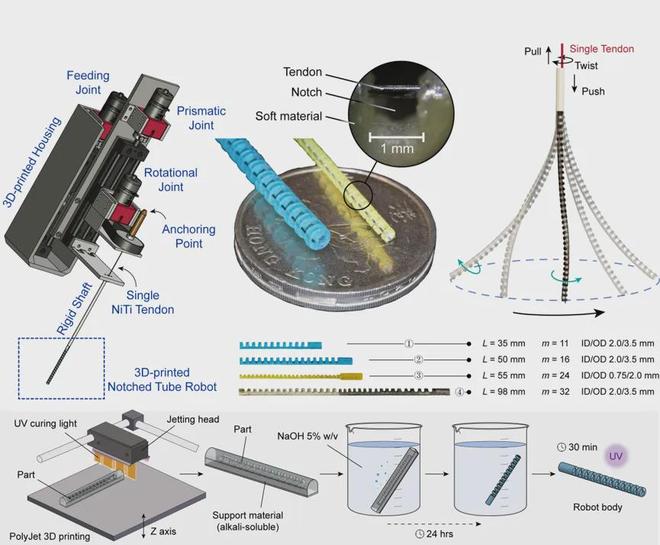
CUHK Introduces Innovative Single-Tendon Continuum Robots for Enhanced Motion Control
The Chinese University of Hong Kong (CUHK) has developed a groundbreaking single-tendon-driven continuum robot, addressing the longstanding challenges in minimally invasive medical applications. This innovative design utilizes a single eccentrically arranged tendon to achieve near omnidirectional motion control, significantly simplifying the actuator and transmission system while maintaining a compact size. This advancement is crucial as traditional tendon-driven continuum robots (TDCRs) rely on multiple tendons for three-dimensional motion, leading to increased complexity and limitations in miniaturization. The new paradigm proposed by CUHK's research team not only enhances spatial manipulation capabilities but also improves force transmission efficiency, paving the way for next-generation minimally invasive surgical robots. Looking ahead, the research, published in Nature Communications, offers a new design and technological pathway for continuum robots, inspired by the flexible movement observed in biological systems. No further timeline was disclosed at the time of publication.
Continuum Robots Medical Robotics Robotic Motion Control Tendon-Driven Robotics
Hyundai Motor Group to Acquire Full Ownership of Boston Dynamics
Hyundai Motor Group is poised to gain full control of Boston Dynamics after SoftBank exercised a put option on its remaining 9.65 percent stake in the robotics firm. This move comes as Hyundai accelerates its focus on physical artificial intelligence, with plans to enhance its robotics capabilities and synergies across its manufacturing operations. The acquisition is significant as it allows Hyundai to consolidate its ownership of Boston Dynamics, which it initially acquired an 80 percent stake in for $880 million in 2021. With SoftBank's stake dropping below 10 percent, Hyundai and its affiliates will fully own the company, enabling better coordination in robot development and deployment, particularly with the introduction of Atlas humanoid robots in their manufacturing plants. Looking ahead, Hyundai plans to begin testing Atlas robots at its Metaplant America and Kia's Georgia plant, with operational roles expanding by 2030. The company aims to produce 30,000 robots annually by 2028 and establish capacity for 350,000 actuators, crucial for robot functionality. No further timeline was disclosed at the time of publication.
All News
Humanoid Robots Achieve Agile Movements with New ZEST Control Framework
Researchers have introduced a novel control framework named zero-shot embodied skill transfer (ZEST) that enables humanoid robots to execute agile movements such as crawling, cartwheels, and backflips. This innovative system utilizes reinforcement learning to teach robots whole-body movements derived from human motion capture, video, and animation data, allowing for a diverse range of movements to be learned in a single training phase. The significance of ZEST lies in its ability to reduce the engineering and tuning efforts typically required for robotic skill acquisition. By employing a reinforcement-learning policy trained in simulation, ZEST can transfer learned skills to physical robots like Boston Dynamics' Atlas and Spot without the need for extensive fine-tuning. This framework also incorporates adaptive sampling and automatic curriculum adjustments to enhance learning efficiency and performance. Looking ahead, the researchers aim to expand ZEST's capabilities to include zero- and few-shot adaptation and continual learning. While the current implementation is limited to flat, nonslippery environments, the potential for future advancements in robotic control and movement generalization is promising. No further timeline was disclosed at the time of publication.
AI and Robotics
GAM Enterprises Acquires Schaeffler's PSC Gear Reducers for Enhanced Motion Control
GAM Enterprises has announced the acquisition of certain assets from Schaeffler Ultra Precision Drives, including intellectual property and technology for the PSC gear reducer. This product is crucial for precision motion control applications and has been integral to GAM's GPL product line. The acquisition is significant as it strengthens GAM's position in the precision motion control market, allowing the company to vertically integrate its supply chain and enhance its manufacturing capabilities. GAM-Melior GmbH, a new entity formed to support the PSC product, will be based in Hameln, Germany, and aims to serve global automation and robotics customers. Looking ahead, GAM plans to support existing customers of the PSC product line while continuing to develop this technology platform. No further timeline was disclosed at the time of publication.
Actuators / Motors / Servos Financial Mergers & Acquisitions Motion Control News Robot Components
Regal Rexnord Enhances FANUC CRX with New Collaborative Robotics Solution
Regal Rexnord has introduced a new collaborative robotics solution that integrates its motion control brands with FANUC's CRX series. This solution utilizes Thomson linear motion technology, Boston Gear gearheads, Huco couplings, and Kollmorgen motors and software, allowing for the deployment of the Thomson Movotrak™ Cobot Transfer Unit (CTU). This development is significant as it provides FANUC CRX users with a seamless, out-of-the-box external axis solution, enhancing operational efficiency and flexibility in collaborative robotic applications. The integration of these advanced motion control technologies is expected to streamline workflows and improve productivity in various industrial settings. Looking ahead, the adoption of this collaborative robotics solution may influence the competitive landscape in the robotics sector, particularly in applications requiring enhanced motion control capabilities. No further timeline was disclosed at the time of publication.
A Survey of Dynamic Wireless Power Transfer for Persistent UAV Transportation in Low‐Altitude Economy: The Field–Motion Framework
A recent study published in the Journal of Field Robotics highlights advancements in robotic technology aimed at enhancing agricultural efficiency. Researchers from various universities collaborated to develop an innovative robotic system designed to automate crop monitoring and management tasks. This study, released in early October 2023, emphasizes the growing need for sustainable farming practices amid increasing global food demands. The robotic system utilizes advanced sensors and artificial intelligence to assess crop health, optimize irrigation, and reduce pesticide usage. By integrating these technologies, the researchers aim to support farmers in making data-driven decisions that can lead to higher yields and lower environmental impact. The project was conducted in various agricultural settings, showcasing its adaptability to different crops and farming methods. The motivation behind this initiative stems from the challenges faced by the agricultural sector, including labor shortages and the need for more efficient resource management. By automating routine tasks, the robotic system not only addresses these issues but also promotes sustainable agricultural practices that are essential for future food security. As the agricultural landscape continues to evolve, this research represents a significant step towards the integration of robotics in farming, potentially transforming how crops are cultivated and managed in the years to come.
SURVEY ARTICLE
Design and Motion Control of a Propeller–Leg Hybrid Multimodal Underwater Adhesion Robot
The Journal of Field Robotics has published an early view article that explores advancements in robotic technology and its applications in various fields. This publication, released in October 2023, highlights the innovative research conducted by a team of engineers and scientists aiming to enhance the efficiency and capabilities of robotic systems. The study focuses on the integration of artificial intelligence and machine learning to improve navigation and decision-making processes in autonomous robots. Researchers conducted extensive field tests to evaluate the performance of these systems in real-world environments, demonstrating significant improvements over previous models. The findings are expected to impact industries such as agriculture, manufacturing, and disaster response, where robotic assistance can lead to increased productivity and safety. This research underscores the growing importance of robotics in addressing complex challenges and advancing technological solutions across multiple sectors.
RESEARCH ARTICLE
Motion Control and Experimental Verification of a Continuum Aerial Manipulator for Power Grid Maintenance Operations
A recent study published in the Journal of Field Robotics highlights advancements in robotic technology aimed at improving agricultural efficiency. Researchers from various institutions collaborated to develop a new robotic system designed to automate the process of crop monitoring and management. This innovative system was tested in fields across California during the summer of 2023, demonstrating its potential to enhance productivity and reduce labor costs for farmers. The motivation behind this research stems from the increasing demand for sustainable agricultural practices and the need to address labor shortages in the farming sector. By integrating advanced sensors and artificial intelligence, the robotic system can analyze crop health, soil conditions, and environmental factors in real-time, providing farmers with actionable insights. The study outlines the methodology used in the field trials, including the deployment of multiple robotic units equipped with cutting-edge technology. These robots were programmed to navigate autonomously, collect data, and deliver precise recommendations for crop management. The findings indicate that the implementation of such robotic systems could lead to significant improvements in yield and resource efficiency. As the agricultural industry faces mounting challenges, this research underscores the importance of innovation in fostering sustainable practices and meeting the needs of a growing population. The successful trials pave the way for further development and potential commercialization of robotic solutions in agriculture, promising a transformative impact on the sector.
RESEARCH ARTICLE
Elmo releases new motion controller and servo drives for industrial applications
Elmo has unveiled its latest motion controller and servo drives, enhancing its existing Platinum product line and launching a new Titanium line. This development aims to set new standards for power density in industrial applications. The announcement highlights Elmo's commitment to innovation and leadership in the automation sector, as the company seeks to meet the growing demands for efficient and high-performance solutions in the market. The new products are expected to provide advanced capabilities for various industrial applications, reinforcing Elmo's position as a key player in the industry.
Actuators / Motors / Servos Events Motion Control News Robot Components servo
Introducing the New Slim Hollow Shaft Encoder for Compact Robotics and Motion Control Applications
The IH520 Series has been introduced as a slim incremental hollow shaft encoder, specifically engineered to deliver accurate motion feedback for compact robotics and motion control applications. This innovative device is particularly suited for environments with restricted space and the need for continuous operation. Key features include a low axial profile, flange mounting, and a hollow shaft design, all of which facilitate straightforward installation. The development of the IH520 Series addresses the growing demand for efficient and reliable motion control solutions in modern robotics.

DynaSki: A Robust Locomotion Framework for Dynamic Skiing Robot on Challenging Terrains
A recent study published in the Journal of Field Robotics highlights advancements in autonomous robotic systems designed for agricultural applications. Researchers from a leading university conducted the study to address the growing need for efficient farming solutions amid increasing global food demand. The findings, released in early October 2023, provide insights into how these robotic systems can enhance crop monitoring and management. The research was conducted in various agricultural settings, demonstrating the robots' capabilities in navigating complex terrains and performing tasks such as planting, weeding, and harvesting. By employing advanced sensors and machine learning algorithms, the robots can analyze environmental conditions and optimize farming practices, ultimately aiming to increase yield while reducing labor costs. The motivation behind this innovation stems from the challenges faced by farmers due to labor shortages and the need for sustainable farming methods. The study emphasizes the potential of robotics to transform traditional agriculture, making it more resilient and productive in the face of climate change and resource constraints. As the agricultural sector continues to evolve, these findings could pave the way for broader adoption of robotic technologies, enhancing food security and sustainability worldwide.
RESEARCH ARTICLE
Elmo Motion Control Talks About Their Newest Servos
The Titanium platform has been unveiled as a cutting-edge solution that integrates multi-axis control, high computing power, and robust functional safety features, all designed to fit within a remarkably compact size. This innovative technology aims to enhance operational efficiency and safety in various applications, making it a significant advancement in the field. The platform's development reflects the growing demand for sophisticated yet space-efficient systems in industries such as robotics, automation, and aerospace. By leveraging advanced engineering techniques, the Titanium platform promises to deliver superior performance while addressing the challenges of modern technological requirements.
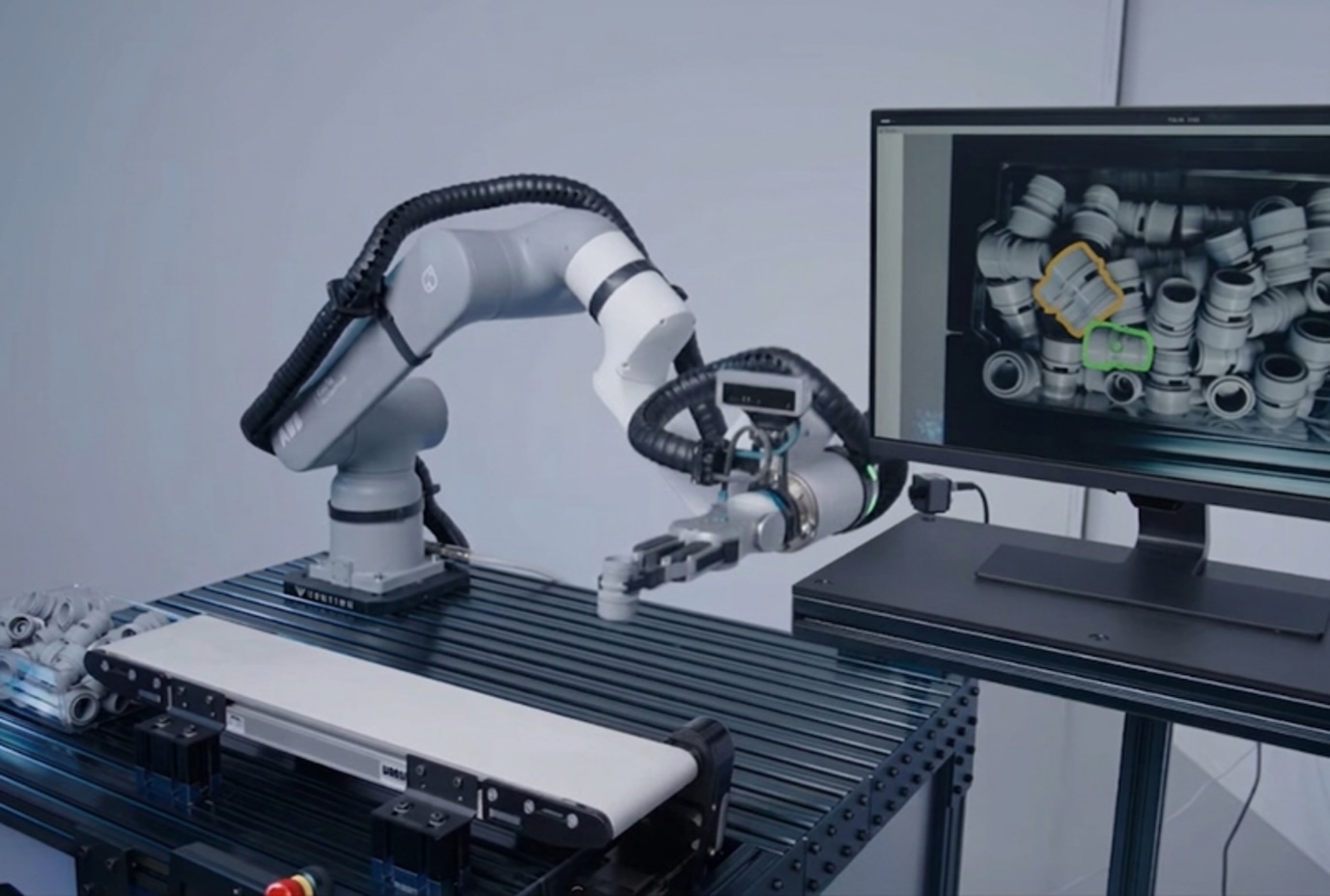
Efficient and Adaptive Autonomous Guidance and Control of Planetary Rover With Improved Traction Controller and Dynamic Cost Map
In June 2026, the Journal of Field Robotics published a significant study highlighting advancements in robotic technology aimed at enhancing agricultural efficiency. Researchers from various institutions collaborated to develop innovative robotic systems capable of performing tasks such as planting, monitoring crop health, and harvesting. This initiative responds to the growing demand for sustainable farming practices and the need to address labor shortages in the agricultural sector. The study, which spans pages 2848 to 2866 in the journal’s fourth issue, showcases how these robots utilize artificial intelligence and machine learning to adapt to diverse farming environments. By integrating advanced sensors and data analytics, the robotic systems can make real-time decisions, optimizing resource use and minimizing environmental impact. The research team conducted extensive field trials across multiple agricultural settings, demonstrating the robots' effectiveness in improving yield and reducing operational costs. The findings are expected to influence future agricultural policies and practices, promoting the adoption of technology in farming to ensure food security in an increasingly challenging climate. This groundbreaking work not only illustrates the potential of robotics in agriculture but also underscores the importance of interdisciplinary collaboration in addressing global challenges.
FIELD REPORT
Allient to demonstrate advanced motion control systems at 2026 Robotics Summit & Expo
Allient is set to showcase its advanced motion and control technologies at the Robotics Summit & Expo taking place this week in Boston. The company aims to highlight its innovative systems, which are designed to enhance robotic applications and improve operational efficiency. This exhibition represents an opportunity for Allient to engage with industry professionals and demonstrate the capabilities of its latest developments in motion control. The event serves as a platform for networking and collaboration within the robotics sector, emphasizing the importance of technological advancements in driving the future of automation.
Actuators / Motors / Servos Controllers Events Motion Control News allient
Video: This $42k humanoid robot from China blends real-time motion, vision, and smart control
Chinese robotics company LimX Dynamics has unveiled a full-size humanoid robot aimed at enhancing automation across various industries. The launch took place on October 15, 2023, at a technology expo in Shanghai, where the company showcased its latest advancements in robotics. This innovative robot is designed to perform tasks traditionally handled by humans, thereby increasing efficiency and productivity in workplaces. LimX Dynamics believes that the integration of such robots can significantly reduce labor costs and address workforce shortages in sectors like manufacturing and logistics. The development process involved extensive research and collaboration with industry experts to ensure the robot's capabilities meet the demands of modern enterprises.

Elmo Motion Control – The Titanium Line, Redefining Limits of Motion Control
Elmo Motion Control has unveiled its latest line of advanced Titanium servo drives, designed to enhance motion control solutions across various applications. This new generation of single-axis and multi-axis drives boasts high power density and exceptional performance, making them suitable for demanding industrial environments. The drives are equipped with cutting-edge multi-core processors that facilitate superior productivity and ensure functional safety. Set to revolutionize the industry, these compact drives can be operational within minutes, allowing for quick integration into existing systems. The Titanium line also features advanced networking capabilities and local intelligence, providing users with a streamlined and efficient control experience. This innovation aims to meet the growing demand for intelligent motion control solutions that prioritize both performance and safety in an increasingly automated world.

Quiz: All About AI-Driven Motion Control
Industry experts are increasingly exploring the integration of artificial intelligence (AI) to enhance motion control systems. This trend has gained momentum as companies seek to improve efficiency and precision in various applications, ranging from robotics to manufacturing. Recent discussions among specialists highlight the transformative potential of AI in optimizing motion control processes, particularly in automating complex tasks and improving responsiveness to dynamic environments. As businesses face growing demands for innovation and adaptability, the adoption of AI-driven motion control solutions is seen as a critical step forward. Experts emphasize that leveraging AI can lead to significant advancements in performance, allowing systems to learn from data and make real-time adjustments. This capability not only streamlines operations but also reduces the likelihood of errors, thereby increasing overall productivity. The conversations surrounding this topic have intensified in recent months, with industry conferences and workshops providing platforms for sharing insights and best practices. As companies continue to invest in AI technologies, the motion control sector is poised for a significant evolution, driven by the need for smarter, more efficient systems that can keep pace with the rapid advancements in technology.
Factory / Motion
Regal Rexnord to bring its motion control portfolio to the Robotics Summit
Regal Rexnord is set to showcase its advanced motion control portfolio at the upcoming Robotics Summit. The event will highlight how the company’s unified motion ecosystem enhances the design of modern robotic systems. This demonstration aims to illustrate the innovative solutions Regal Rexnord offers to meet the evolving needs of the robotics industry. The Robotics Summit serves as a platform for industry leaders to exchange ideas and explore the latest technological advancements, making it an ideal venue for Regal Rexnord to present its capabilities.
Events Motion Control News Robot Components Kollmorgen portescap
Fuzzy Based Control Strategy and Dynamic Torque Adjustment in a Four Wheeled Coconut Tree Climber
A recent study published in the Journal of Field Robotics highlights advancements in autonomous robotics technology, focusing on the development of new algorithms that enhance navigation capabilities in challenging environments. Conducted by a team of researchers from various universities, the study was released in early October 2023. The research aims to address the increasing demand for efficient robotic systems that can operate in complex terrains, such as disaster-stricken areas or remote locations. By improving the algorithms that guide these robots, the team hopes to facilitate better decision-making processes, enabling robots to adapt to unpredictable conditions in real-time. The study involved extensive field tests, where the robots were deployed in simulated disaster scenarios to evaluate their performance. The results demonstrated significant improvements in navigation accuracy and obstacle avoidance, showcasing the potential for these technologies to be utilized in real-world applications. This research not only contributes to the field of robotics but also emphasizes the importance of innovation in enhancing the capabilities of autonomous systems, ultimately aiming to improve safety and efficiency in various sectors, including search and rescue operations.
RESEARCH ARTICLE
Research on Collision Avoidance Methods for Logistics Unmanned Aerial Vehicle Based on Dynamic Controlled Interactive Collaborative Fusion
A recent study published in the Journal of Field Robotics highlights advancements in robotic technology aimed at enhancing agricultural efficiency. Researchers from various institutions collaborated to develop a new autonomous robot designed to optimize crop monitoring and management. The study, released in early October 2023, emphasizes the growing need for innovative solutions in agriculture to address challenges such as labor shortages and increasing food demand. The robot utilizes advanced sensors and machine learning algorithms to gather real-time data on soil conditions, crop health, and environmental factors. This data-driven approach allows farmers to make informed decisions, ultimately leading to improved yields and reduced resource waste. The research team conducted field tests in various agricultural settings, demonstrating the robot's effectiveness in diverse conditions. The motivation behind this initiative stems from the pressing need for sustainable agricultural practices as global populations continue to rise. By integrating robotics into farming, the researchers aim to support farmers in adapting to changing environmental conditions while maximizing productivity. This breakthrough in agricultural robotics represents a significant step toward modernizing farming practices, showcasing how technology can play a crucial role in addressing food security and sustainability challenges. The findings are expected to influence future developments in the field, paving the way for more sophisticated agricultural solutions.
RESEARCH ARTICLE
China's First GaN Magnetic Encoding Chip for Humanoid Robot Joints Released, Setting a New Benchmark for High-Precision Motion Control
China Semiconductor has unveiled its first domestically produced GaN magnetic encoding sensor designed specifically for humanoid robot joints. This groundbreaking chip, introduced recently, promises enhanced performance in extreme conditions, effectively tackling significant industry challenges such as overheating and precision issues. By providing a solution to these critical problems, the new sensor paves the way for the advancement of high-performance robotic joints, marking a significant step forward in robotics technology.
Humanoid Robots Motion Control GaN Technology Robotics Sensors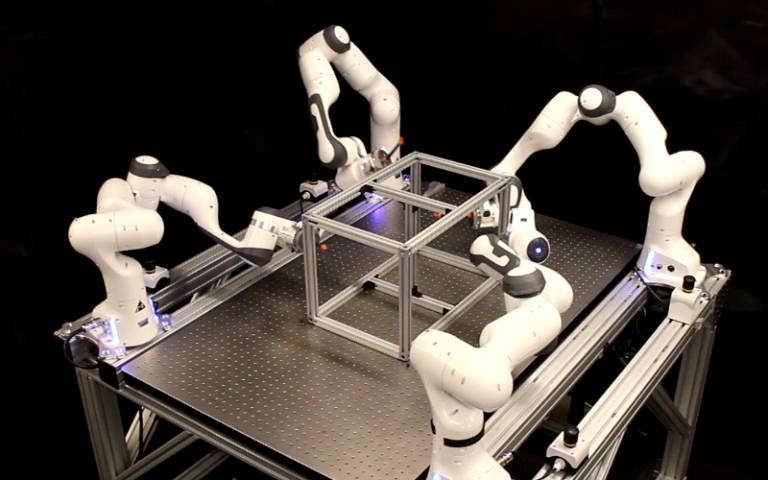
Hierarchical Dynamic Control Framework for a Hexapod Robot in Complex Terrain
A recent study published in the Journal of Field Robotics has explored advancements in robotic technologies, focusing on their applications in various fields. The research, conducted by a team of engineers and scientists, highlights the significant progress made in robotic systems designed for complex tasks, such as search and rescue operations, agricultural monitoring, and environmental conservation. The findings, released in May 2026, emphasize the importance of integrating artificial intelligence and machine learning into robotic systems to enhance their efficiency and adaptability in real-world scenarios. The study was conducted in multiple locations, showcasing a range of environments where these robotic technologies can be deployed effectively. The motivation behind this research stems from the growing need for innovative solutions to address challenges in disaster response and resource management. By utilizing advanced robotics, the team aims to improve operational capabilities and reduce human risk in hazardous situations. The study outlines a systematic approach to testing and implementing these technologies, providing a framework for future developments in the field. Overall, the research underscores the potential of robotics to transform various industries, offering insights into how these technologies can be harnessed to improve safety, efficiency, and sustainability in critical operations.
RESEARCH ARTICLE
Dynamic State Feedback Control of Autonomous Underwater Vehicles Based on Switching Between Multiple Heading Movement Models
In May 2026, researchers published a significant study in the Journal of Field Robotics, detailing advancements in robotic technology. The study, appearing in Volume 43, Issue 3, pages 1679-1692, highlights innovative methodologies for enhancing robotic navigation and autonomy in complex environments. Conducted by a team of experts in robotics and artificial intelligence, the research aims to address the growing demand for efficient and reliable robotic systems in various industries, including agriculture, manufacturing, and disaster response. The motivation behind this research stems from the increasing reliance on robotics in everyday applications and the need for these systems to operate effectively in unpredictable settings. By employing advanced algorithms and machine learning techniques, the researchers demonstrated how robots can improve their decision-making processes and adapt to changing conditions in real-time. The findings are expected to have a profound impact on the future development of autonomous robots, paving the way for more sophisticated applications that can enhance productivity and safety across multiple sectors. As the field of robotics continues to evolve, this study represents a crucial step toward achieving greater autonomy and efficiency in robotic systems.
RESEARCH ARTICLE
Formation Control of UAVs Based on Dynamic Vector Velocity Obstacle Method
A recent study published in the Journal of Field Robotics highlights advancements in autonomous robotic systems designed for agricultural applications. Conducted by a team of researchers from various universities, the study was released in early October 2023. The research focuses on the development of robots capable of performing tasks such as planting, monitoring crop health, and harvesting, which are crucial for enhancing agricultural productivity. The motivation behind this research stems from the increasing demand for food production and the need for sustainable farming practices in the face of climate change. By integrating advanced technologies such as artificial intelligence and machine learning, the researchers aim to create robots that can operate efficiently in diverse agricultural environments. The study outlines the methodologies employed in designing and testing these robotic systems, including field trials that demonstrate their effectiveness in real-world farming scenarios. The findings suggest that these autonomous robots can significantly reduce labor costs and improve crop yields, offering a promising solution to the challenges faced by modern agriculture. As the agricultural sector continues to evolve, this research underscores the potential of robotics to transform farming practices, making them more efficient and sustainable. The implications of these advancements could lead to a new era of agriculture, where technology plays a pivotal role in meeting global food demands.
RESEARCH ARTICLE
Physics-informed neural controlled differential equations for long horizon multi-agent motion forecasting
Researchers are tackling the complexities of long-horizon motion forecasting for multiple autonomous robots, a task made difficult by non-linear interactions among agents and the accumulation of prediction errors over time. This initiative, which aims to enhance trajectory forecasting, is particularly relevant for applications such as travel time prediction, prediction-guided planning, and surrogate simulation. By developing efficient forecasting methods, the team seeks to improve the reliability and accuracy of autonomous systems in dynamic environments. The work is ongoing, with implications for various fields that rely on advanced robotics and automation.
Machine learning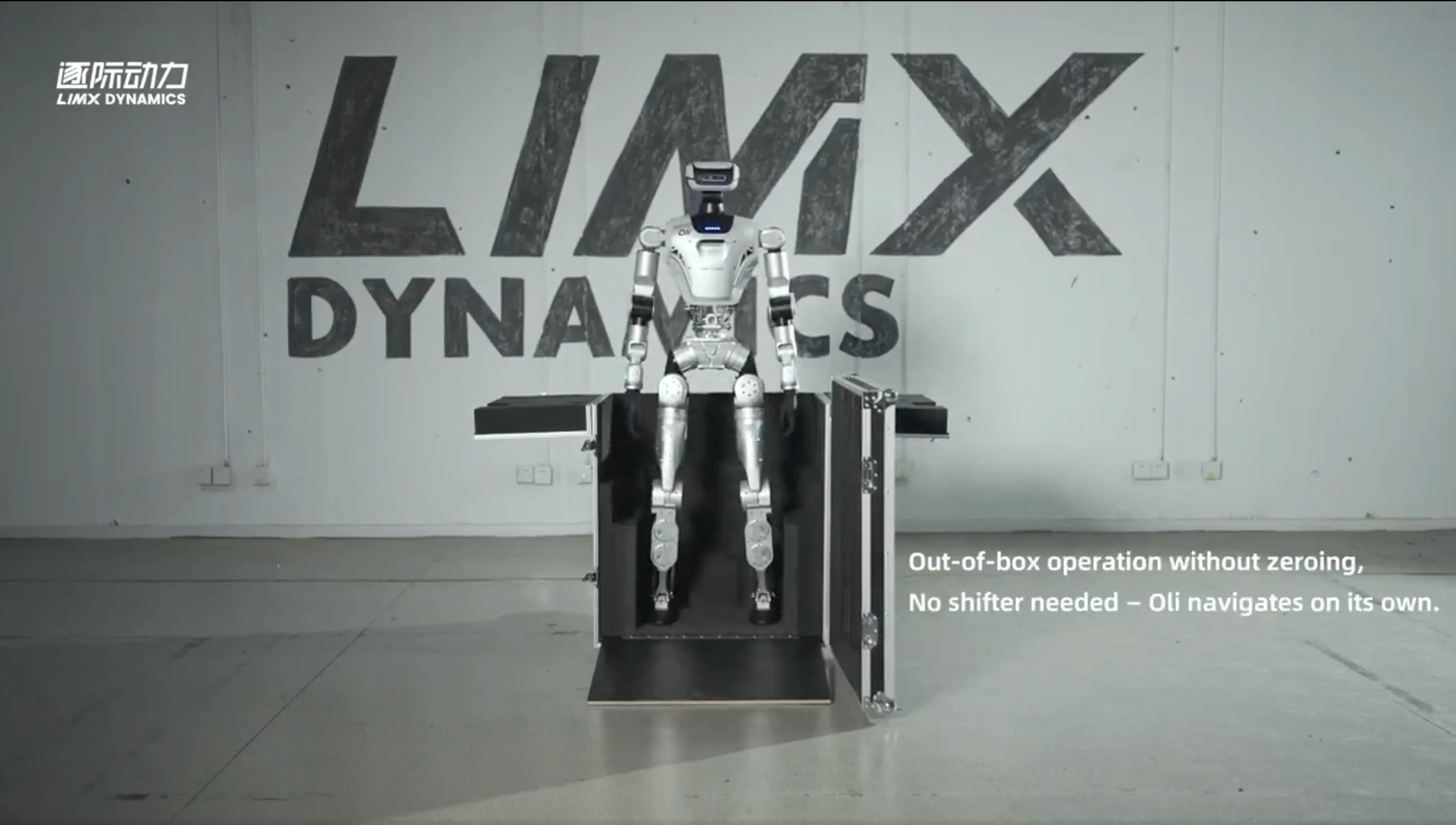
LimX Dynamics Updates Oli with Voice Control, Robust Recovery, and Simplified Unboxing
Recent demonstrations showcased the advanced capabilities of a humanoid robot, emphasizing its integration of large language models and its impressive ability to recover from falls on construction debris. These events took place in various locations, highlighting the robot's versatility in real-world environments. Developers were particularly impressed by the streamlined "out-of-box" experience, which simplifies the process of working with the robot. This initiative aims to enhance the usability and accessibility of robotic technology, making it easier for developers to implement and innovate. The demonstrations not only illustrate the robot's technical prowess but also its potential applications in construction and other industries, where agility and adaptability are crucial.
LimX Dynamics
Elmo Launches New Titanium Product Line and Platinum Servo Drives at SPS 2025, Redefining Limits of Motion Control
A new high-performance technology has been introduced, aimed at enhancing efficiency in demanding industrial and harsh-environment applications. This innovative solution, characterized by its compact design and advanced features, is set to revolutionize operations across various sectors. The launch, which took place in October 2023, highlights the growing need for reliable and robust equipment that can withstand challenging conditions. By integrating cutting-edge technology, the product promises to meet the rigorous demands of industries, ensuring superior performance and reliability.
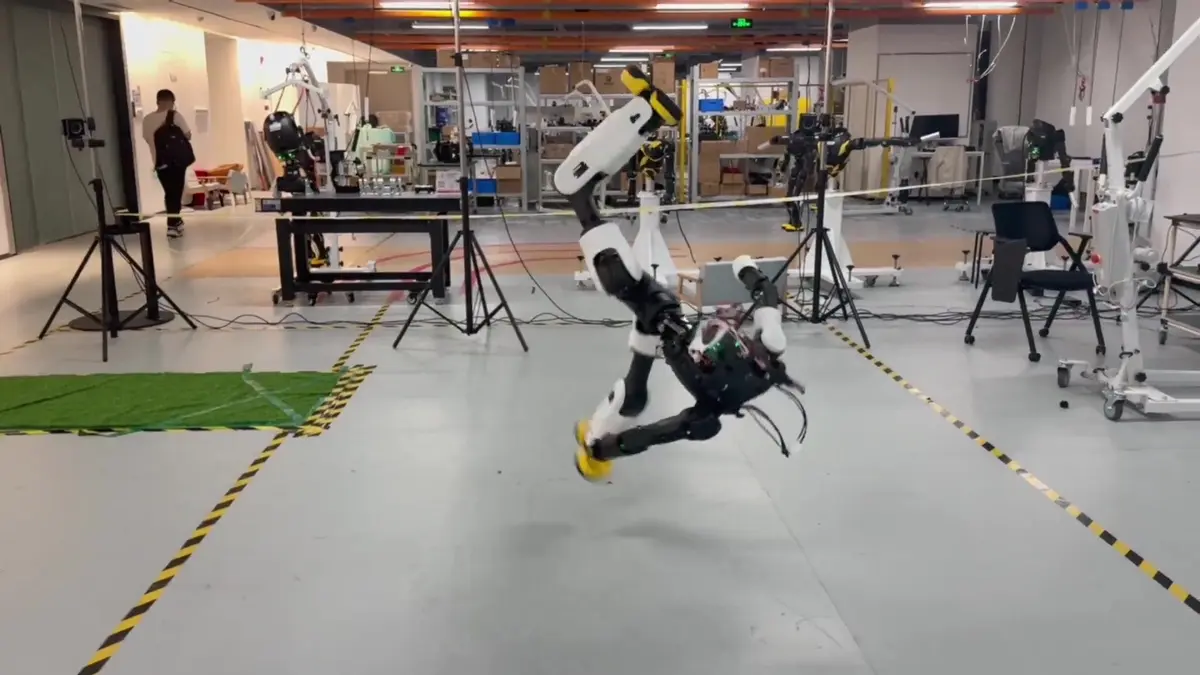
AgiBot's X2 Humanoid Sticks a Webster Flip, Pushing Boundaries of Dynamic Control
AgiBot, a robotics company based in Shanghai, has showcased its advancements in humanoid robotics by releasing a video of its Lingxi X2 robot performing a Webster flip, a challenging acrobatic maneuver. This demonstration, which emphasizes the robot's dynamic balance and motion control, marks a significant milestone for the company as it seeks to enhance its competitive edge in the rapidly evolving field of humanoid robotics. The successful execution of such a complex movement illustrates AgiBot's commitment to innovation and technological development in robotics.
AGIBOT Lingxi X2Robotics needs a service framework.
RSF defines a common language for robot service capability, lifecycle operations, certification pathways, and service-provider networks.
Join the RobotToday community on LinkedIn
Daily robotics news, in-depth analysis, conference highlights, and discussions with professionals worldwide.