Industry Briefing
A single destination for timely, editor-curated robotics news from around the world.

July 2026 Update on Robotics in Society, Business, and Culture
In July 2026, the U.S. Federal Communications Commission (FCC) blocked new foreign-made advanced robotic devices from receiving equipment authorization for sale in the U.S., citing supply-chain vulnerabilities and cybersecurity risks. This decision affects networked humanoids, quadrupeds, and other mobile robots over 4.4 lbs, while existing authorized models remain unaffected. The FCC's action has sparked mixed reactions, with some experts warning it could hinder U.S. AI innovation by limiting access to affordable foreign platforms. Others, like Michigan Republican John Moolenaar, argue it strengthens the domestic robotics industry. China's Commerce Ministry has threatened retaliation against the U.S. if the restrictions persist, indicating a potential escalation in trade tensions. In other developments, researchers unveiled innovative robotics technologies, including a drone that becomes nearly invisible and a versatile robot capable of flying and swimming. Additionally, a new vine-inspired robot can help individuals don clothing hands-free, showcasing the diverse applications of robotics in society. No further timeline was disclosed at the time of publication.
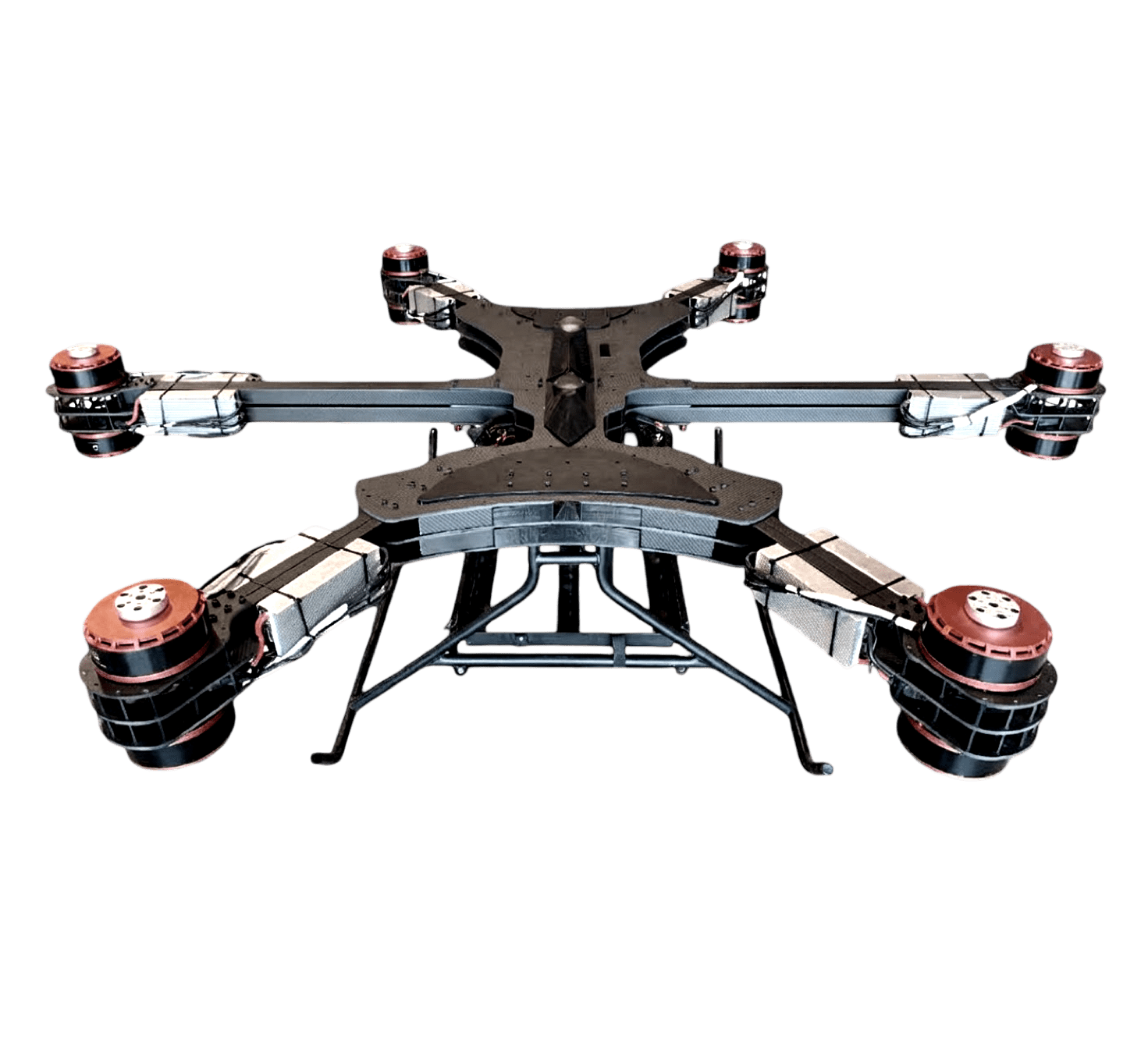
Powerus Launches Agriculture Division for U.S.-Made Heavy-Lift Drones
Powerus, a Florida-based manufacturer of heavy-lift drones, has launched a new agriculture division under its subsidiary Kaizen Aerospace. This initiative aims to market its products both in the United States and internationally, addressing the growing demand for agricultural drones. Powerus has partnered with Sprig Aerospace, which will serve as the distributor for its xFold series of drones, enhancing agricultural applications with advanced payloads and analytics tools. The establishment of this agriculture division is significant as it positions Powerus to meet the needs of a rapidly expanding global market for agricultural drones. Co-founder Brett Velicovich emphasized the importance of U.S.-made drones, which offer a domestic alternative to products typically sourced from China. The partnership with Sprig is expected to enhance the capabilities of the Dragon H1000 drone, which recently received a special airworthiness certificate from the FAA for research and development. Looking ahead, Powerus and Sprig will continue to refine their systems under the FAA certificate, aiming for commercial deployment. Additionally, Kaizen has signed a $60 million distribution agreement with Aerospread Technologies to market its heavy-lift drones in New Zealand and Australia, further expanding its reach in the agricultural sector.
Agriculture Applications DL Exclusive Drone News Drone News Feeds Aerospread Technologies
Key Elements for Effective Collaboration in Global Teams Across Cultures
Seven critical elements influence the effectiveness of global teams working across various time zones, languages, and cultural norms. These elements include communication strategies, cultural awareness, and the use of technology to bridge gaps between team members. Understanding these factors is essential for organizations aiming to enhance collaboration among diverse teams. By focusing on these elements, companies can improve team dynamics, increase productivity, and foster a more inclusive work environment. Looking ahead, organizations should prioritize the development of these key elements to ensure successful collaboration in an increasingly globalized workforce. No further timeline was disclosed at the time of publication.
391433 391435 391436 391440 391441 391501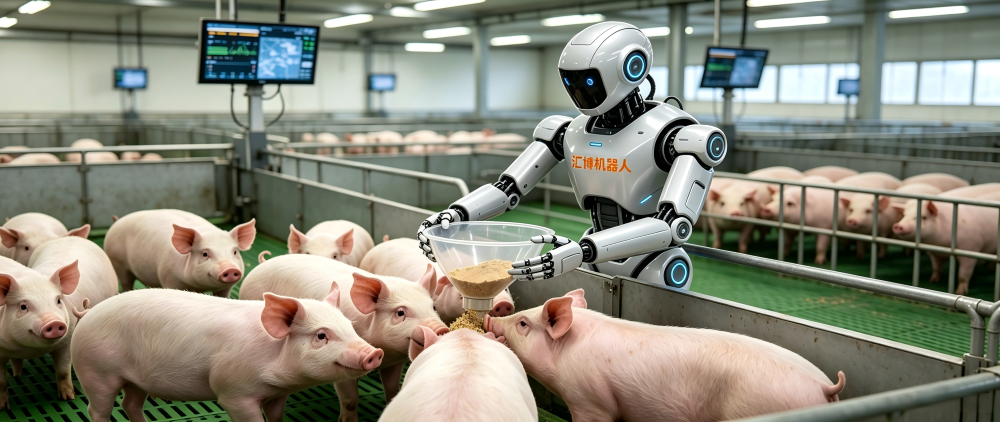
Jinke Smart Agriculture Reduces Robotics Investment from 650 Million to 60 Million Amid Market Challenges
On July 10, Jinke Smart Agriculture's stock surged, prompting speculation about its acquisition of Jiangsu Huibo Robotics. Initially, Jinke planned to invest 650 million yuan to gain control over Huibo, which specializes in humanoid robotics for pig farming. However, by late June, the investment was drastically reduced to 60 million yuan, raising concerns about the viability of the acquisition. This significant cut in investment reflects the broader challenges faced by Jinke, as its revenue is projected to decline by 18.26% in 2025, with a net profit drop of 78.59%. The domestic pig market struggles with prices below 12 yuan per kilogram, while production costs remain high. The shift towards robotics is seen as a potential solution to reduce labor costs and improve efficiency in pig farming. Looking ahead, the feasibility of the investment hinges on whether the robotics can operate effectively in the harsh conditions of pig farming. The debate continues on whether humanoid robots are necessary for the tasks at hand, as their design may offer advantages in precision and flexibility compared to traditional robotic forms. No further timeline was disclosed at the time of publication.
Humanoid Robots Agricultural Robotics Pig Farming AI Technology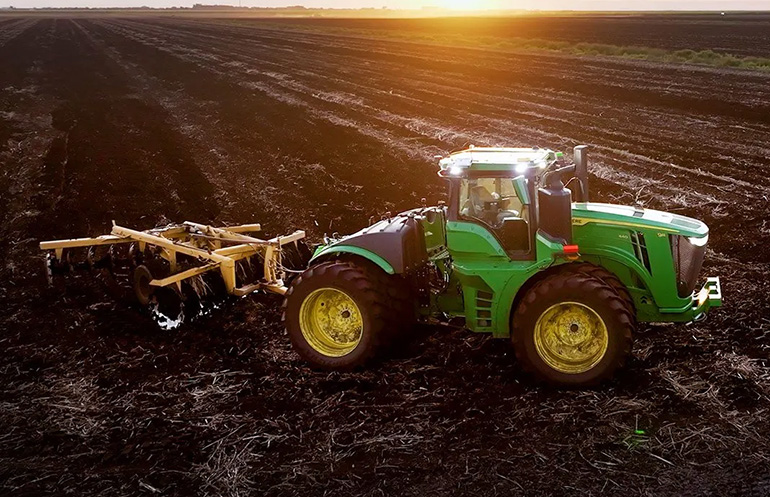
ASI Deploys Largest Autonomous Vehicle Fleet in American Sugarcane Farming
Autonomous Solutions Inc. (ASI), in collaboration with U.S. Sugar Corp. and Everglades Equipment Group, has launched the largest fleet of autonomous tractors in American sugarcane farming across South Florida. This deployment spans hundreds of thousands of acres and represents a significant operational shift in agriculture, moving beyond pilot projects to full-scale implementation. The initiative is crucial as American farmers face challenges such as a shrinking workforce, rising costs, and unpredictable weather patterns. ASI's Mobius platform has already facilitated extensive autonomous operations, demonstrating that the technology is ready to meet the demands of modern farming. U.S. Sugar, a key partner in this venture, manages 255,000 acres and emphasizes the importance of innovation in maintaining agricultural productivity. Looking ahead, the collaboration between ASI, U.S. Sugar, and Everglades Equipment Group aims to address labor shortages and enhance operational efficiency. As weather events increasingly threaten crops, the ability to deploy autonomous solutions becomes vital in ensuring the continuity of agricultural work, mitigating economic losses, and supporting the food supply chain.
Agriculture Mobility / Navigation News Opinion Self-Driving Vehicles asi
Hylio's Strategies for Navigating Regulatory Changes in Drone Agriculture
Hylio, an agricultural drone developer based in Richmond, Texas, is adapting to new regulatory challenges posed by the FCC's limits on foreign-made drones. The company, founded in 2015 by Arthur Erickson, prioritizes domestic manufacturing to mitigate risks associated with international supply chains. As the regulatory landscape evolves, Hylio emphasizes the importance of compliance and provides guidance to customers on necessary licenses for drone operations. The recent FCC regulations have created uncertainty within the robotics industry, particularly affecting drone manufacturers. Hylio's proactive approach to sourcing components domestically positions it favorably amid these changes. Erickson highlights the necessity for drone users to engage with technology providers to ensure they understand the legal requirements for operating drones, which can vary significantly by location and are subject to rapid changes. Looking ahead, the focus on domestic supply chains and regulatory compliance will be critical for drone developers. Hylio's commitment to educating customers about licensing and operational requirements will be essential as the industry adapts to ongoing regulatory shifts. No further timeline was disclosed at the time of publication.
Agriculture China Drones Markets / Industries News Regulatory & Compliance
Qingdao's Smart Agricultural Plant Factory Begins Operations Amid Economic Challenges
In 2026, the Qingdao Jiaozhou Shanghe Meigu Plant Factory commenced operations, featuring advanced robotics for all stages of vegetable production. This facility, located in Li Gezhuang Town, boasts a clean environment comparable to pharmaceutical standards and produces 900 kilograms of fresh vegetables daily, supplying high-end supermarkets in Qingdao. The significance of this plant lies in its representation of China's cutting-edge smart agriculture. With a multispectral control system tailored for various vegetables and real-time monitoring by nutrient robots, the factory saves 80% of arable land and achieves a 99% reduction in water usage compared to traditional farming methods. However, a study by the Chinese Academy of Agricultural Sciences revealed that only 18.5% of scenarios analyzed yielded profits, highlighting the economic vulnerabilities of plant factories. Looking ahead, the industry faces challenges in profitability, as conventional fresh food markets struggle to support margins. The plant factory's strategy of supplying high-end supermarkets is crucial for offsetting high costs. Future solutions may focus on energy-saving technologies, photovoltaic direct supply, and cultivating high-value crops to enhance revenue. No further timeline was disclosed at the time of publication.
Robotic Farming Plant Factories Smart Agriculture Energy Efficiency High-Value Markets
Advanced Prediction Techniques for Spray Distribution in Automatic Spraying Machines
Recent research published in the Journal of Field Robotics focuses on intelligent prediction methods for spray distribution and hydraulic behavior in automatic spraying machines used in precision agriculture. This study aims to enhance the efficiency and effectiveness of agricultural spraying processes. The significance of this research lies in its potential to optimize pesticide and fertilizer application, thereby reducing waste and environmental impact. By improving the accuracy of spray distribution, farmers can achieve better crop yields while minimizing chemical usage, which is crucial for sustainable agriculture. Looking ahead, the agricultural sector may see increased adoption of these advanced prediction techniques in automatic spraying machines. No further timeline was disclosed at the time of publication.
RESEARCH ARTICLE
Autonomous Agri Solutions Acquires Robotti to Secure Its Future in Agriculture
Autonomous Agri Solutions (AAS) has acquired the Robotti autonomous field robot's key hardware and production assets following Agrointelli's bankruptcy. This acquisition marks a significant milestone for AAS and the agricultural robotics sector, as it aims to continue supporting Robotti users and enhance its market presence. The bankruptcy of Agrointelli in February 2026 left many Robotti users uncertain about the future of their machines. With over 65 robots delivered and more than 10,000 operational hours logged globally, AAS's acquisition is crucial for maintaining service and support for existing customers. The transition to AAS is seen as a positive development for the agricultural community, which relies on Robotti's capabilities. Looking ahead, the future of Robotti will depend on AAS's ability to manage existing customer relationships and potentially expand its distribution network. The situation for customers outside the UK remains uncertain, contingent on the involvement of regional distributors or AAS's direct engagement. No further timeline was disclosed at the time of publication.
Field robots agricultural robots autonomous technology farm management mechanical weeder robotic harvesting
Thales and Kelly Hills Unveil BVLOS Drone Network for Kansas Agriculture
Thales and Kelly Hills Unmanned Systems have announced a partnership to deploy a beyond visual line of sight (BVLOS) drone network in Kansas, aimed at enhancing agricultural operations such as crop spraying, scouting, fertilizing, and seeding. This initiative follows the successful model of Thales’s Vantis deployment in North Dakota, which has set a precedent for integrating uncrewed aircraft systems into national airspace. The Kansas Department of Agriculture will collaborate with the two companies to implement this network, leveraging Thales’s TopSky air traffic control automation platform, which currently manages about 40 percent of global airspace. The partnership aims to improve precision, productivity, and sustainability in farming while adhering to FAA regulatory standards for airspace integration. Looking ahead, the program is designed for scalability, with potential applications extending beyond Kansas to other agricultural operations across the U.S. The focus on detect-and-avoid systems will enhance safety for people and property, while precision application techniques promise to reduce environmental impact and increase efficiency in farming practices. No further timeline was disclosed at the time of publication.
Agriculture BVLOS Drone News Drone News Feeds Farming Drones News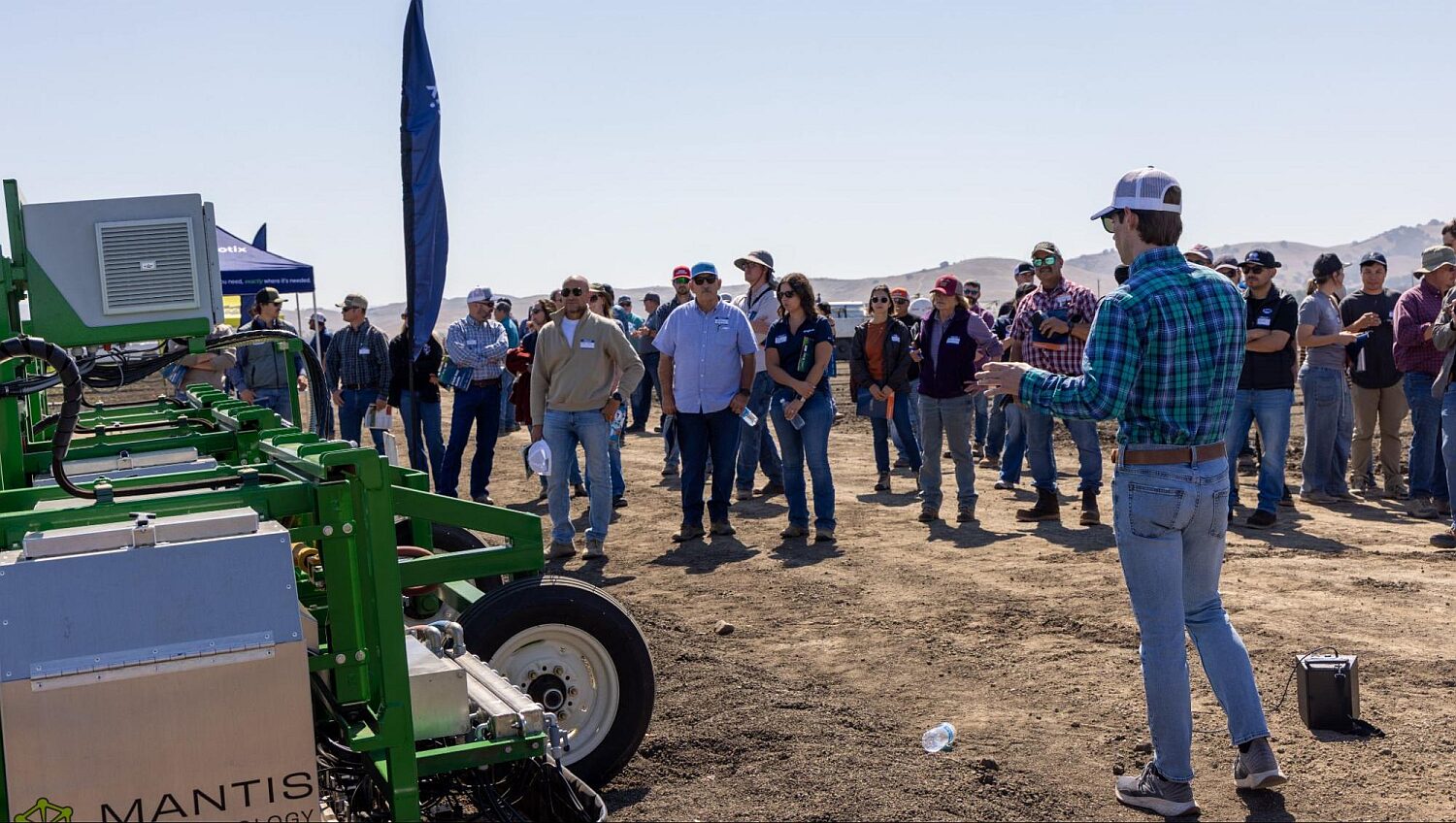
Field Days: A New Approach for Evaluating Ag Robotics Startups in Agriculture
On August 6, over 250 growers, investors, and startup teams from the US, Brazil, and Europe participated in a Connect field day, showcasing advanced AI technology for automating leafy greens. This event, part of the UC ANR Innovate program, highlights the importance of real-world testing in assessing startup viability. The Connect program, developed by Connie Bowen and Hannah Johnson, emphasizes the significance of field days in evaluating startup teams. Investors often struggle to assess teams effectively, but field days provide critical insights into a startup's potential for long-term success. Founders who excel at these events often secure commercial contracts, while those who do not receive constructive feedback for improvement. Looking ahead, the Connect program plans to host more field days through 2027, offering startups opportunities to demonstrate their solutions to California's farming industry. The focus remains on fostering meaningful connections between technology providers and growers, ensuring that innovations genuinely address agricultural challenges.
Agtech Artificial intelligence Precision agriculture US & Canada
Dogtooth Secures £14M Investment for AI Robotics in Agriculture
Cambridge-based AI robotics company Dogtooth has successfully raised £14 million in funding to enhance its agricultural technology solutions. This investment aims to accelerate the development of advanced robotics designed for precision farming, addressing the growing demand for automation in the agtech sector. The funding round highlights the increasing interest in AI-driven solutions within the agricultural industry, particularly in the UK market. The significance of this funding lies in its potential to transform agricultural practices through the integration of AI and robotics. As the global agricultural sector faces challenges such as labor shortages and the need for sustainable practices, innovations like those from Dogtooth are crucial. The investment reflects a broader trend of increasing capital flow into agtech, with investors recognizing the importance of technology in enhancing productivity and sustainability. Looking ahead, Dogtooth's next steps will likely focus on scaling its technology and expanding its market presence. No further timeline was disclosed at the time of publication, but the company’s advancements in AI robotics could set new benchmarks in the agricultural sector, paving the way for future innovations and partnerships in agtech.
Agtech FoodTech
Qingtian Rental's A3 Robot Debuts at Jing'an Fashion Culture Week, Merging Technology and Fashion
The 2026 Jing'an Fashion Culture Week commenced on June 30, emphasizing the fusion of fashion and technology. The event featured Qingtian Rental's A3 robots, which were showcased alongside live models in a dynamic fashion show. This innovative presentation underscored the growing integration of robotics within the fashion industry, building on the previous success of the A2 robot at the Met Gala. The initiative aims to redefine traditional aesthetics through cutting-edge technology, marking a pivotal moment in the evolution of fashion.
Fashion Technology Robotics Cultural Innovation AI in Fashion Smart Manufacturing
LiTime Powers Smart Agriculture and Robotics in Agriculture with Extended Runtime and System Integration
Automation is transforming the landscape of modern agriculture, with technologies such as lawn mowers, irrigation control systems, automated transporters, and robotics becoming increasingly prevalent on farms, plantations, and in greenhouses. These advanced tools are designed to operate efficiently over extended periods, requiring intelligent management and minimal maintenance in challenging outdoor conditions. In response to these demands, LiTime, a prominent manufacturer of lithium batteries, is stepping up to provide innovative energy solutions tailored for agricultural automation. Their products aim to enhance the performance and reliability of these automated systems, ensuring that farmers can maximize productivity while minimizing operational challenges.
Agriculture Automation agricultural automation agricultural machinery agricultural robots amrs
Agreenculture acquires Chouette to add agronomic intelligence to autonomous machines
French autonomous-machinery specialist Agreenculture has announced its acquisition of Chouette, a company known for its AI-driven agronomic analysis tailored for viticulture. This strategic move, revealed recently, aims to integrate Agreenculture’s advanced autonomy technology with Chouette’s sophisticated crop-monitoring algorithms. The collaboration is set to enhance the development of machines capable of operating independently while also interpreting field observations. This initiative reflects a growing trend in the agricultural sector to leverage artificial intelligence for improved efficiency and precision in farming practices.
Autonomous/semi-autosteering systems agricultural robots agronomists autonomous technology crop monitoring vineyard robots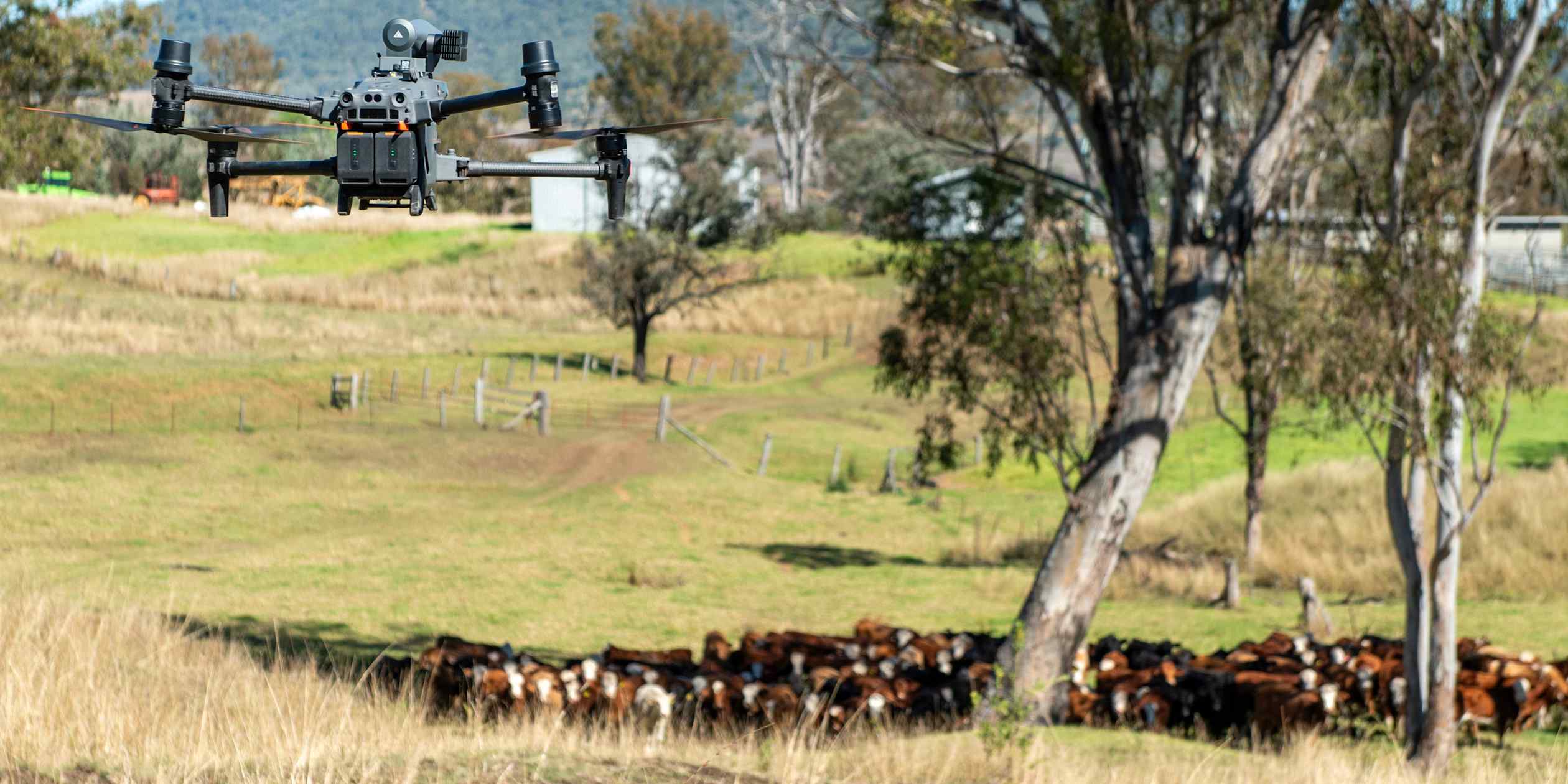
Dogs, drones and AI: Australian agriculture is going high-tech
In Wagga Wagga, Australia, SkyKelpie is revolutionizing traditional sheep and cattle herding by integrating drones into agricultural practices. On a chilly morning, stock agents utilized rattles and whistles to guide sheep through sorting gates, while a three-year-old kelpie named Sky adeptly corralled the flock on command. This innovative approach reflects a broader trend among a new generation of farmers who are eager to enhance productivity through technology. By combining the agility of trained dogs with the precision of drones, SkyKelpie aims to streamline the herding process, making it more efficient and effective. This shift towards high-tech agriculture is driven by the need for improved operational efficiency in a competitive farming landscape.

Japan Agriculture Drone Market Projected to Reach $357.8M by 2034
A recent report from the Tokyo-based Market Research Center, in collaboration with the Japan UAS Industrial Development Association (JUIDA), projects that Japan's agriculture drone market will reach $357.8 million by 2034. The report estimates the market's value at $104.8 million in 2025 and anticipates a compound annual growth rate (CAGR) of 14.62% over the next decade. This growth is driven by increasing demand for advanced agricultural technologies aimed at enhancing efficiency and productivity in farming practices. The findings highlight the significant potential for drones to transform the agricultural landscape in Japan, reflecting a broader trend towards innovation in the sector.
Agriculture Drone News Drone News Feeds Farming Drones Featured - Agriculture Japan Drone Industry
Minister to Open Aquaculture UK in Glasgow
Jim Fairlie, Scotland’s newly appointed Minister for Agriculture, Marine and the Islands, is set to inaugurate Aquaculture UK next week. This event, recognized as the largest gathering in the aquaculture sector, will take place in Scotland, bringing together industry leaders, stakeholders, and innovators. The opening of this significant event underscores the Scottish government's commitment to advancing the aquaculture industry, which plays a vital role in the nation’s economy and food security. Fairlie's participation highlights the importance of collaboration and innovation in addressing the challenges and opportunities within the sector. Aquaculture UK aims to showcase the latest developments, technologies, and practices that are shaping the future of aquaculture, fostering dialogue and partnerships among attendees.
aquaculture uk events aquaculture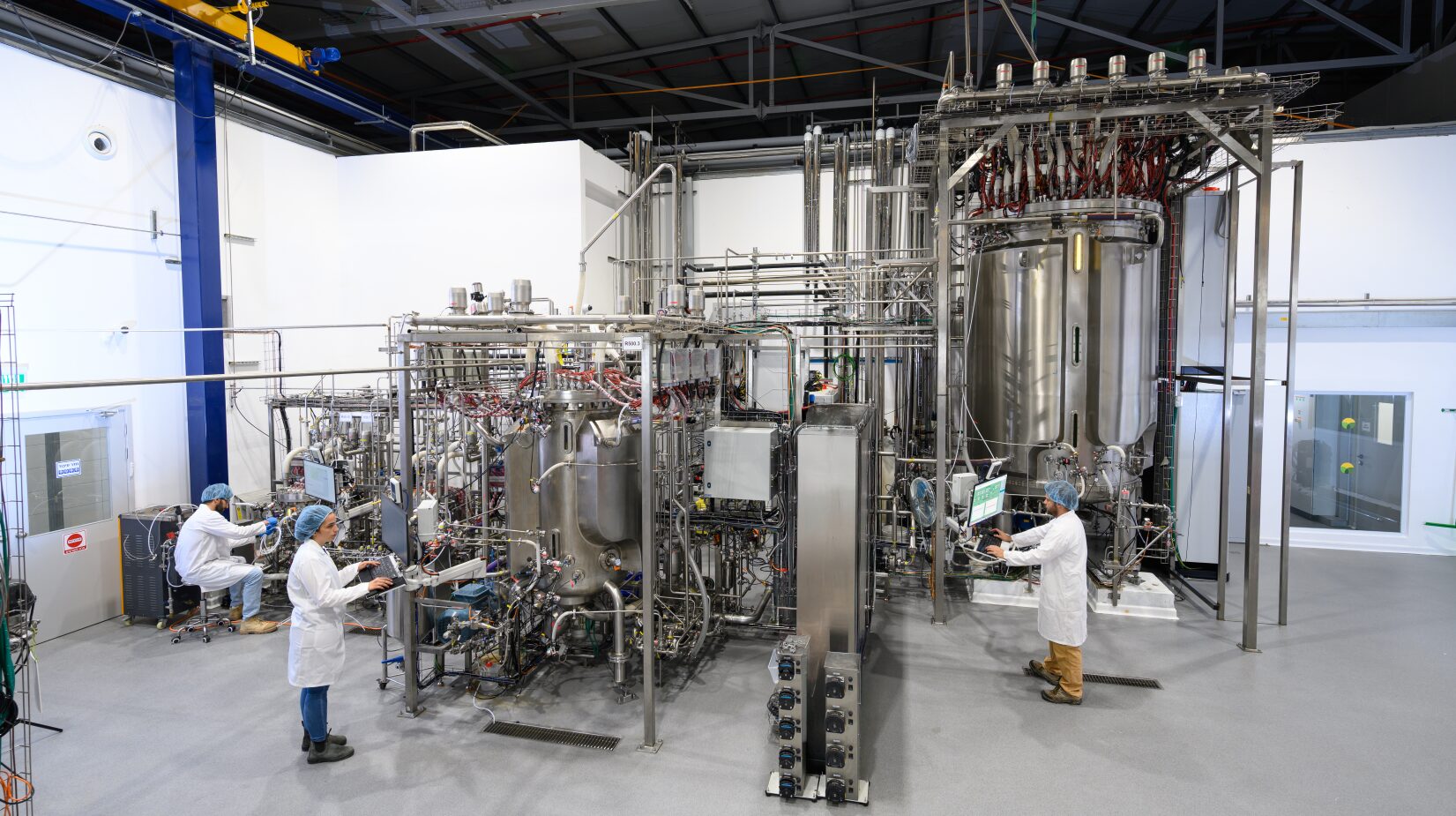
Ayana Bio and Brevel net $1.25m grant to see if ‘illuminated fermentation’ can turbocharge plant cell culture
Ayana Bio, a biotechnology company, has secured a $1.25 million grant to explore the potential of "illuminated fermentation" in enhancing plant cell culture. The funding will support research focused on extracting valuable compounds from various plants, specifically targeting sage for rosmarinic acid, saffron for crocins, and marigold for zeaxanthin and lutein. This initiative aims to improve the efficiency and yield of plant-based production processes. The grant signifies a growing interest in innovative biotechnological methods to optimize the cultivation of high-value plant compounds, which are increasingly sought after in various industries, including pharmaceuticals and nutraceuticals.
Biomanufacturing & biologicals Deeptech EMEA FoodTech Nutrition & health Startups & funding
A rainbow patchwork quilt shows agriculture from space | Space photo of the day for June 4, 2026
A vibrant patchwork of colors now blankets South Africa, as revealed in a new composite image produced from data collected by NASA's latest Earth-observing mission. This innovative imagery showcases the diverse landscapes and ecosystems of the region, highlighting the advancements in satellite technology and Earth observation capabilities. The image serves not only as a stunning visual representation but also underscores the importance of monitoring environmental changes and natural resources. By utilizing cutting-edge technology, NASA aims to enhance our understanding of the Earth's systems and promote informed decision-making regarding environmental conservation and management.
Earth Astronomy Solar System
Yamaha Agriculture adds herbicide spraying to Prospr robot
Yamaha Agriculture has unveiled a new herbicide spraying attachment designed for its Prospr autonomous hybrid vehicle platform, enhancing the machine's functionality to facilitate automated weed control in orchards and vineyards. This innovation aims to improve agricultural efficiency and reduce labor costs, addressing the growing need for effective weed management in the farming sector. By integrating this attachment, farmers can leverage advanced technology to streamline their operations and promote sustainable practices in crop production. The introduction of this feature marks a significant step forward in the application of automation within agriculture, reflecting Yamaha's commitment to supporting modern farming techniques.
Autonomous/semi-autosteering systems autonomous technology herbicides hybrid drivetrains robotic harvesting weed control
Reservoir’s Danny Bernstein says we’re ‘entering the golden age of robotics’ in agriculture
Danny Bernstein of Reservoir has highlighted the significant advancements in agricultural robotics, emphasizing the shift towards multi-tasking, multi-crop machines. Speaking at a recent event, he noted that the industry is entering what he describes as the "golden age of robotics" in agriculture. This transformation is largely driven by the increasing involvement of venture capital in the sector, which is fostering innovation and development. Bernstein's insights reflect a growing trend towards automation in farming, aimed at enhancing efficiency and productivity across various crops.
Agtech Artificial intelligence Deeptech Precision agriculture US & Canada ag robotics
The Hiring Philosophy Behind Soltaros OÜ: Why Culture Fit Matters as Much as Skill
Soltaros OÜ, a company known for its innovative hiring practices, emphasizes the importance of culture fit over traditional qualifications like polished résumés. This approach stems from years of experience in building cross-functional teams across various markets. By prioritizing cultural alignment, Soltaros aims to create a cohesive work environment that enhances collaboration and productivity. The company’s unique hiring philosophy reflects a commitment to fostering a strong organizational culture, which they believe is crucial for long-term success. This focus on culture fit not only differentiates Soltaros in a competitive job market but also aligns with their strategic goals of maintaining a dynamic and engaged workforce.
Business Culture Technology automation news business operations collaboration
Curtains Up for Innovation Theatre at Aquaculture UK
Aquaculture UK has announced the schedule for its Innovation Theatre, highlighting the latest technological advancements in the aquaculture sector. This event will take place at the Scottish Event Campus (SEC) in Glasgow on June 16-17. The Innovation Theatre, which is free to attend, aims to showcase the rapid digitalisation and significant innovations shaping the industry. As the aquaculture community convenes for the UK's premier trade show, the programme will emphasize the transformative changes currently influencing the global market.
innovation theatre events aquaculture uk
DJI Agriculture Reveals Global Adoption of Agricultural Drones Cuts 51Mt in Carbon Emissions and Saves 410Mts of Water for Farmers Globally
At Brazil's AgriShow, a new report has been unveiled showcasing the rapid growth of the agricultural drone industry, revealing that over 600,000 DJI agricultural drones are now operational across more than 100 countries and regions. This significant milestone underscores the increasing adoption of drone technology in agriculture, driven by the need for enhanced efficiency and precision in farming practices. The report highlights how these drones are transforming traditional agricultural methods, enabling farmers to monitor crops, optimize resource use, and improve yields. As the industry matures, stakeholders are optimistic about the potential for further advancements and increased integration of drone technology in agricultural operations worldwide.

Focus on the Future in Aquaculture UK Conference Programme
Prominent leaders from the global aquaculture sector are set to headline an impressive roster of speakers at Aquaculture UK, scheduled to take place in two months in Glasgow. The event marks a significant shift as it moves to a new venue, aiming to foster discussions on the latest advancements and challenges in the aquaculture industry. This gathering is expected to attract industry professionals and stakeholders eager to share insights and explore innovative solutions to enhance sustainable practices in aquaculture. The conference serves as a pivotal platform for networking and collaboration, reflecting the growing importance of aquaculture in addressing global food security and environmental sustainability.
aquaculture uk conference programme events
Shortlist Announced for 2026 Aquaculture Awards
The Aquaculture Awards 2026 shortlist was announced today, highlighting the outstanding contributions of individuals, businesses, and organizations within the aquaculture sector over the past year. This recognition aims to celebrate innovation and excellence in sustainable fish farming and related practices. The awards ceremony will take place later this year, bringing together industry leaders and stakeholders to honor those who have made significant impacts in the field. The selection process involved a thorough evaluation of nominees based on their achievements, commitment to sustainability, and advancements in aquaculture technology. This initiative not only acknowledges the hard work of those in the industry but also aims to inspire further progress and collaboration in sustainable aquaculture practices.
2026 aquaculture awards events
DroneDash and GEODNET Launch GEODASH Aerosystems to Bring Map-Free, AI-Driven Precision Spraying to Industrial Agriculture
A new joint venture has been established to focus on oil palm, sugarcane, and broad-acre agricultural operations across Southeast Asia, the United States, and South America. The initiative aims to enhance agricultural productivity and sustainability in these regions. Commercial deployment of the venture's projects is scheduled for the third quarter of 2026, marking a significant step forward in agricultural innovation and resource management. The collaboration seeks to leverage advanced technologies and sustainable practices to meet the growing demand for these crops while addressing environmental concerns.

REGISTER NOW: Aquaculture UK - 16–17 June, 2026 - Glasgow, UK
Innovations in aquaculture are rapidly transforming the industry, with advancements in artificial intelligence, robotics, and smart fish farming techniques leading the charge. As of October 2023, these technologies are being implemented to enhance efficiency and sustainability in fish farming practices. The integration of semi-closed and closed containment systems is particularly noteworthy, as these methods aim to minimize environmental impact while maximizing production. Industry experts are advocating for these innovations to address the growing demand for seafood and to ensure responsible management of aquatic resources. By leveraging cutting-edge technology, aquaculture is poised to meet future challenges and contribute to food security on a global scale.
aquaculture uk events
EVENT: Aquaculture UK - 16–17 June, 2026 - Glasgow, UK
The UK’s largest aquaculture event is set to take place on June 16-17 at the Scottish Event Campus in Glasgow, offering free admission to attendees. This significant gathering will showcase innovations from over 200 exhibitors, highlighting advancements in areas such as artificial intelligence, robotics, feed production, genetics, and sustainability solutions. The event aims to foster collaboration and knowledge sharing within the aquaculture industry, addressing the growing demand for sustainable practices and technological integration in fish farming. Participants will have the opportunity to engage with industry leaders and explore the latest trends and developments shaping the future of aquaculture.
events aquaculture uk 2026
Where tech meets culture: 2025 Hainan Southeast Tech & Art Festival to launch July 25
Lingshui, a coastal county in Hainan province, China, is set to host the 2025 Hainan Southeast Tech & Art Festival from July 25 to 27. This year's festival, themed “Empowering Art with Technology, Innovation Leading the Future,” aims to unite participants from various sectors, including technology, culture, and the creative industries. Over the course of three days, attendees can look forward to more than 15 featured events and exhibitions designed to showcase the intersection of art and innovation. The festival seeks to foster collaboration and inspire new ideas that leverage technology to enhance artistic expression and cultural development.
Events Content and entertainment E-commerce and New Retail Highlight News
Former DingTalk executive criticizes Alibaba culture in viral memo, Jack Ma responds
A former senior product executive at DingTalk, Alibaba's enterprise messaging division, has raised significant concerns about the company's direction in a detailed internal letter following their departure. The letter criticizes the erosion of Alibaba's corporate culture, its unsuccessful mergers and acquisitions strategy, and a perceived stagnation in innovation. This candid assessment has garnered attention, prompting a rare public response from Alibaba founder Jack Ma. The memo has sparked widespread reflection both within the company and among the public, highlighting the challenges Alibaba faces in maintaining its competitive edge in the tech industry.
News Alibaba E-commerce and New Retail Highlight Jack Ma
DJI implements mandatory 9 pm off-duty policy to tackle excessive overtime culture
DJI's new policy mandating employees to leave the office by 9 PM has ignited significant discussion on the Chinese social media platform Weibo. Implemented on February 27, this directive includes measures such as forcibly turning off office lights in Shanghai to ensure compliance. The decision comes in response to prior criticisms regarding the company's culture of excessive overtime, where core research and development teams frequently worked past 11 PM. The policy aims to address concerns about employee well-being and work-life balance, reflecting a shift in the company's approach to labor practices amidst ongoing scrutiny.
Heavy Hitters Content and entertainment E-commerce and New Retail Highlight NewsRobotics needs a service framework.
RSF defines a common language for robot service capability, lifecycle operations, certification pathways, and service-provider networks.
Join the RobotToday community on LinkedIn
Daily robotics news, in-depth analysis, conference highlights, and discussions with professionals worldwide.