

Industry Briefing
A single destination for timely, editor-curated robotics news from around the world.

Microsoft Implements AI Agents to Optimize Supply Chain Cost Reductions
Microsoft has deployed AI agents designed to simulate demand, predict shortages, and suggest shipping routes. These systems evaluate factors such as cost, speed, and carbon impact to enhance supply chain efficiency. This initiative is significant as it aims to reduce supply chain costs while also addressing environmental concerns. By leveraging AI technology, Microsoft is positioning itself to improve logistics and operational efficiency in a competitive market. Looking ahead, it will be important to monitor the effectiveness of these AI agents in real-world applications and their impact on overall supply chain performance. No further timeline was disclosed at the time of publication.

China's CZ-10B Rocket Recovery Achieves 60-70% Cost Reduction, Ushering in Reusable Era
China's CZ-10B rocket has successfully demonstrated net-based recovery, marking a significant shift towards reusable rocket technology. This achievement is expected to reduce launch costs by 60-70%, transforming the landscape of the space economy. The move from disposable to reusable rockets is crucial as it aligns with the growing demand for cost-effective space access in both commercial and government sectors. This paradigm shift indicates a maturation of the space economy, which is approaching a trillion-yuan valuation. Looking ahead, the implications of this technology could reshape future space missions and investments. No further timeline was disclosed at the time of publication.
Industry
Microsoft AI Launches MAI-Cyber-1-Flash Cybersecurity Model with Enhanced Detection and Cost Reduction
On July 27, Microsoft AI unveiled its first dedicated cybersecurity model, MAI-Cyber-1-Flash, integrated into the multi-agent vulnerability identification and remediation platform MDASH. This combination achieved a score of 95.95% in the CyberGym vulnerability detection benchmark, surpassing models such as Mythos, Gemini, and the GPT series, while reducing costs by approximately 50% compared to existing MDASH solutions. The introduction of MAI-Cyber-1-Flash is significant as it enhances vulnerability detection capabilities, which is crucial for organizations facing increasing cyber threats. The model's performance in benchmark tests indicates its potential to provide superior security solutions, making it a competitive option in the cybersecurity landscape. Looking ahead, Microsoft also launched the Perception security system, designed for continuous monitoring, vulnerability patching, and addressing emerging threats. No further timeline was disclosed at the time of publication.

World's First Ultra-High Frame Rate World Model Achieved: Domestic NPU Hits 50FPS with 70% Cost Reduction
A team of Chinese developers has introduced MoWorld, an innovative real-time interactive world model that operates at 50 frames per second without relying on NVIDIA GPUs. This groundbreaking technology utilizes domestic neural processing unit (NPU) technology, which not only lowers inference costs but also improves the immersive experience across various applications, including robotics, gaming, and digital environments. The launch of MoWorld marks a significant advancement in the field, showcasing the potential of homegrown technology to compete with established international standards in high-performance computing.
World Models Real-Time Rendering Domestic NPU AI Technology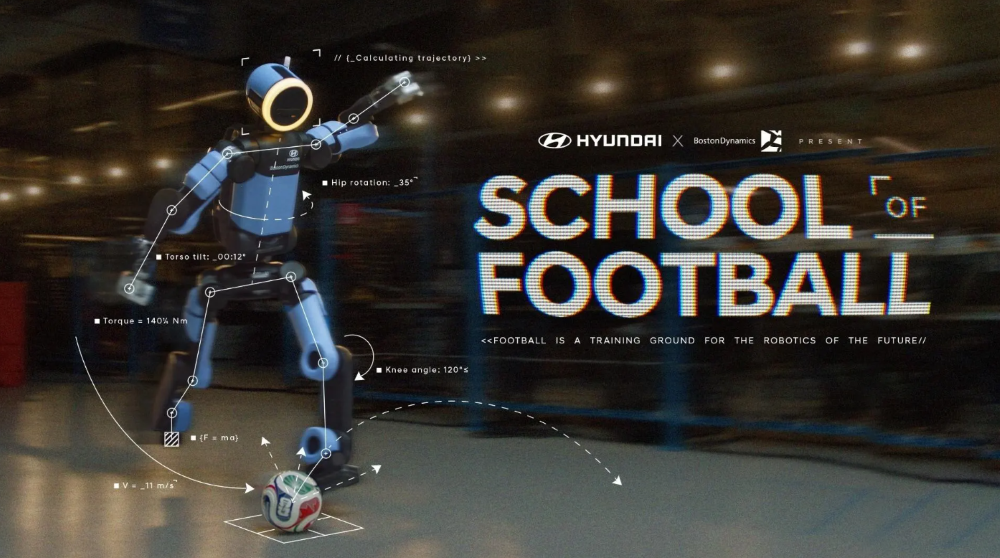
Boston Dynamics' Atlas Welcomes a "Weight Reduction" Revolution: Components Reduced by Nearly an Order of Magnitude, Costs Expected to Drop Significantly
Boston Dynamics has announced a significant advancement in its Atlas robot, achieving a dramatic reduction in component weight by nearly an order of magnitude. This breakthrough, revealed in October 2023, is expected to lead to substantial cost savings for the company. The weight reduction is part of Boston Dynamics' ongoing efforts to enhance the robot's performance and efficiency, making it more accessible for various applications. By utilizing innovative materials and design techniques, the company aims to improve the robot's agility and functionality while lowering production expenses. This development marks a pivotal moment in robotics, as lighter robots can operate more effectively in diverse environments, potentially transforming industries that rely on automation and advanced robotics.
Robotics Automation AI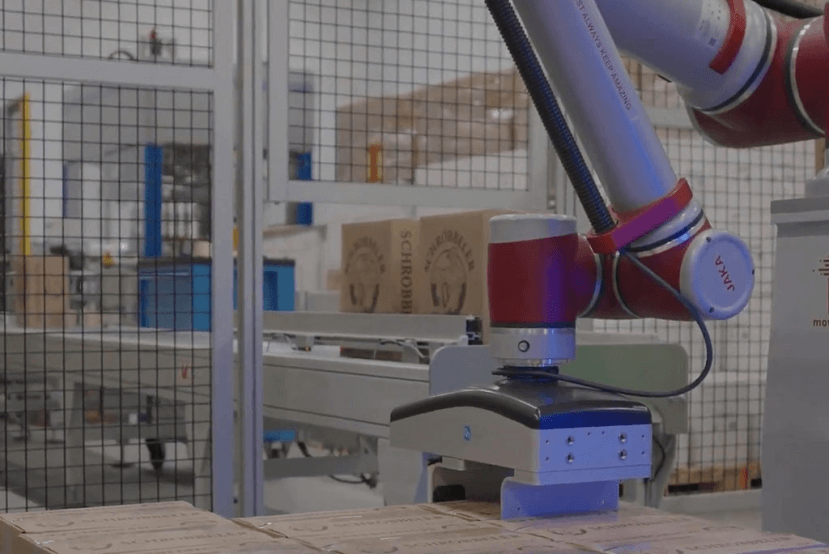
The Impact of Cobots in Manufacturing on Production Throughput and Cost Reduction
Manufacturers are increasingly turning to collaborative robots, or cobots, to enhance productivity while managing costs, according to insights from JAKA. As the demand for higher output intensifies, these robots are becoming essential in optimizing operational efficiency. Cobots can operate continuously across multiple shifts without fatigue, significantly increasing production capacity. Their versatility allows them to perform various tasks, such as machine tending and assembly, which minimizes downtime typically associated with re-tooling. The financial benefits of integrating cobots are substantial. By taking over repetitive and physically demanding tasks, cobots reduce strain on human workers, enabling them to focus on higher-value activities like quality control. This not only improves resource allocation but also decreases material waste due to the precision of robotic operations, thereby lowering input costs. Additionally, the reduction in errors and rework enhances overall cost efficiency. Strategic integration of cobots with existing machinery and production systems is crucial for maximizing their impact. When seamlessly connected, these robots create a synchronized workflow that improves material handling and shortens cycle times, leading to a measurable increase in overall equipment effectiveness (OEE). For manufacturers exploring automation, the advantages of cobots in boosting throughput and refining cost structures are evident. JAKA aims to provide solutions that facilitate this integration, helping businesses enhance their operational metrics and strengthen their competitive edge in the market.
Robotics needs a service framework.
RSF defines a common language for robot service capability, lifecycle operations, certification pathways, and service-provider networks.
Join the RobotToday community on LinkedIn
Daily robotics news, in-depth analysis, conference highlights, and discussions with professionals worldwide.







