Industry Briefing
A single destination for timely, editor-curated robotics news from around the world.
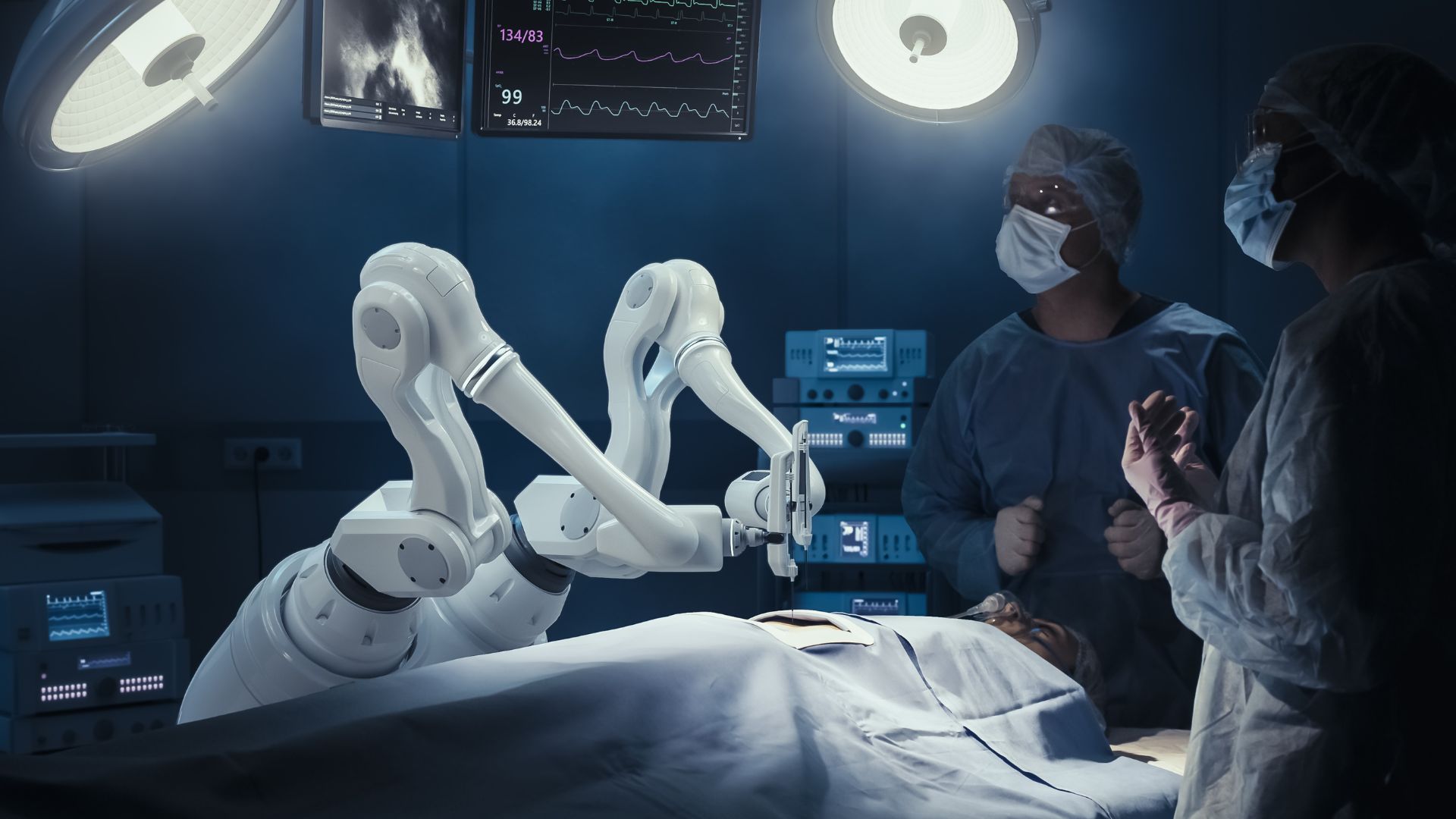
First Computer Vision-Guided Surgery Successfully Removes Brain Tumor While Preserving Vision
A neurosurgeon at the National Hospital for Neurology and Neurosurgery in London successfully performed the world's first computer vision-guided brain surgery, aided by a real-time machine intelligence system. This innovative technology helped remove a pituitary tumor from 48-year-old Rhys Hibbert without compromising his eyesight, a significant achievement in neurosurgery. The procedure highlights the importance of integrating advanced technologies in delicate surgical environments, particularly in pituitary surgeries where proximity to critical structures like optic nerves poses high risks. The software, developed at University College London, processed live video feeds to identify critical anatomy, providing surgeons with real-time visual references during the operation. Looking ahead, the technology, which runs on NVIDIA’s Clara IGX platform, aims to evolve beyond anatomy recognition to potentially track surgical instruments and their interactions with tissue. This advancement could enhance surgical precision and safety in future procedures. No further timeline was disclosed at the time of publication.
AI and Robotics Health
AI and Computer Vision Propel the Third Wave of Warehouse Automation
The movement and tracking of goods in warehouses have seen significant automation, yet the accuracy of inventory data remains a challenge. This gap is being addressed through advancements in AI and computer vision, marking the third wave of warehouse automation. The importance of this development lies in its potential to enhance operational efficiency and accuracy in inventory management. By leveraging AI and computer vision, warehouses can achieve a more truthful representation of their inventory, which is crucial for effective supply chain management. Looking ahead, the focus will be on how these technologies can further transform warehouse operations. The integration of AI and computer vision into inventory processes promises to redefine standards in accuracy and efficiency. No further timeline was disclosed at the time of publication.

Top Computer Vision Development Company Options for 2026
Selecting the appropriate computer vision development company is crucial for ensuring compatibility with the specific environment in which the model will operate. This could range from camera system-on-chips (SoCs) and cloud-based software as a service (SaaS) products to medical devices and live video systems. Among the available options, SQUAD stands out as a robust choice for edge hardware and smart camera products. Meanwhile, Intellias and Softeq are recognized as strong contenders for embedded AI solutions. As the industry evolves, companies must carefully assess their needs to align with the right technology partner.
Components Computing Technology AI development artificial intelligence automation news
Survey on AI‐Enabled Computer Vision Technologies and Applications for Space Robotic Missions
In June 2026, the Journal of Field Robotics published a comprehensive study exploring advancements in robotic technologies and their applications in various fields. The research, conducted by a team of experts in robotics and engineering, highlights innovative methodologies that enhance the efficiency and effectiveness of robotic systems. The study focuses on the integration of artificial intelligence and machine learning algorithms, which significantly improve the decision-making capabilities of robots in real-world environments. This advancement is particularly relevant in sectors such as agriculture, manufacturing, and disaster response, where precision and adaptability are crucial. The findings were presented during a conference held in a prominent robotics research hub, attracting attention from industry leaders and academic scholars alike. The motivation behind this research stems from the growing demand for automation and smart technologies in response to global challenges, including labor shortages and the need for increased productivity. By employing rigorous testing and validation processes, the researchers demonstrated the practical applications of their robotic systems, showcasing successful case studies that underline the potential for widespread adoption. The publication aims to inform and inspire further innovations in the field, ultimately contributing to the evolution of robotics as a transformative force in society.
SURVEY ARTICLE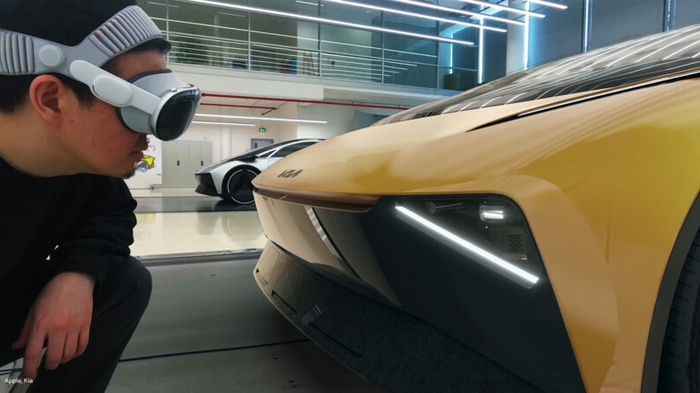
More Than Meets the Eye: NVIDIA RTX-Accelerated Computers Now Connect Directly to Apple Vision Pro
NVIDIA and Apple have announced a collaboration that integrates NVIDIA CloudXR 6.0 natively into visionOS, enhancing the capabilities of augmented and virtual reality applications. This partnership aims to securely deliver high-performance simulations and professional 3D graphics applications, including Immersive for Autodesk VRED, through Innoactive’s XR streaming service. The integration is set to provide users with advanced graphics powered by NVIDIA's RTX technology, significantly improving the experience for developers and users in the XR space. This development comes as both companies seek to leverage their strengths in graphics processing and software innovation to meet the growing demand for immersive experiences in various industries.

ImportAI 449: LLMs training other LLMs; 72B distributed training run; computer vision is harder than generative text
As artificial intelligence continues to evolve, experts are raising concerns about its potential to disrupt political systems globally. A recent discussion among political analysts and technologists highlighted the possibility of an unprecedented political interregnum driven by AI advancements. This conversation gained momentum in October 2023, as various stakeholders, including policymakers and industry leaders, began to assess the implications of AI on governance and societal structures. The rapid integration of AI technologies into everyday life is prompting fears that traditional political frameworks may struggle to adapt, leading to instability and uncertainty. Analysts argue that the increasing reliance on AI for decision-making processes could undermine democratic institutions, as algorithms may not reflect the complexities of human values and ethics. In response to these concerns, experts are advocating for proactive measures to ensure that AI development aligns with democratic principles. They emphasize the need for transparent regulations and ethical guidelines to mitigate potential risks associated with AI's influence on political landscapes. The discourse around AI's role in shaping future governance is expected to intensify as the technology continues to advance, prompting a reevaluation of how societies govern themselves in an increasingly automated world. As the debate unfolds, the urgency for a collaborative approach among technologists, policymakers, and civil society becomes clear, aiming to harness the benefits of AI while safeguarding democratic integrity and social cohesion.
Robotics needs a service framework.
RSF defines a common language for robot service capability, lifecycle operations, certification pathways, and service-provider networks.
Join the RobotToday community on LinkedIn
Daily robotics news, in-depth analysis, conference highlights, and discussions with professionals worldwide.