

Industry Briefing
A single destination for timely, editor-curated robotics news from around the world.
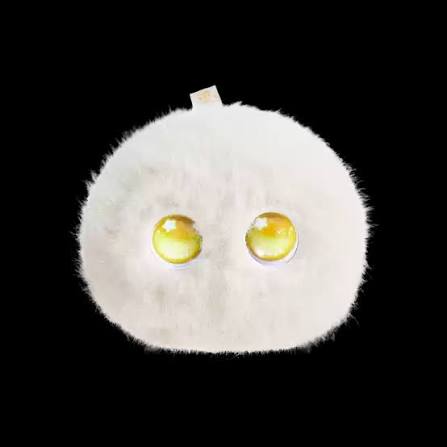
Companion Robots Achieve Nearly 300,000 Sales, Highlighting New Market for Embodied Intelligence
Robopoet's Fuzozo, priced at 399 yuan, has sold nearly 300,000 units in China since its launch in July 2025. This surge in sales contrasts sharply with traditional humanoid robots, which have struggled to gain traction in the market. The emotional companionship and personalized interaction offered by such robots have proven to meet a validated demand, as evidenced by users engaging in over 40 minutes of daily conversation. The growing sales figures for companion robots like Fuzozo and Haivivi's BubblePal, which surpassed 300,000 units in the U.S., indicate a shift in consumer interest towards emotional engagement rather than purely functional capabilities. This trend is underscored by WHO data revealing that one in six people globally experience loneliness, particularly among younger demographics. The success of these robots suggests that emotional needs can drive substantial market growth. Looking ahead, the challenge will be whether these products can maintain user engagement as novelty fades. The integration of large language models has transformed companion robots, allowing them to remember past interactions and respond dynamically, which could enhance user retention. No further timeline was disclosed at the time of publication.
Companion Robots Emotional AI Consumer Robotics Human-Robot Interaction
Companion Robots for the Elderly Focus on Conversation Rather Than Physical Care
Recent developments in companion robots for the elderly highlight a shift towards prioritizing conversation over physical assistance. Robots like Sandi in Barcelona and Hyodol in South Korea are designed to provide emotional support and reminders for medication and daily activities, addressing the needs of seniors facing cognitive decline and loneliness. This trend is significant as it reflects a growing recognition of the emotional and psychological needs of the elderly population. With over 3.2 billion people aged 60 and above in China and a substantial shortage of professional caregivers, the demand for supportive technologies is increasing. However, the penetration rate of professional care robots remains low, indicating a gap between need and technological adoption. Looking ahead, the challenge remains in developing robots that can perform physical tasks effectively while also providing companionship. As the demand for elderly care continues to rise, the focus on robots that foster interaction rather than just physical assistance may shape future innovations in this sector. No further timeline was disclosed at the time of publication.
Elderly Care Robots Companion Robots AI Technology Healthcare Innovation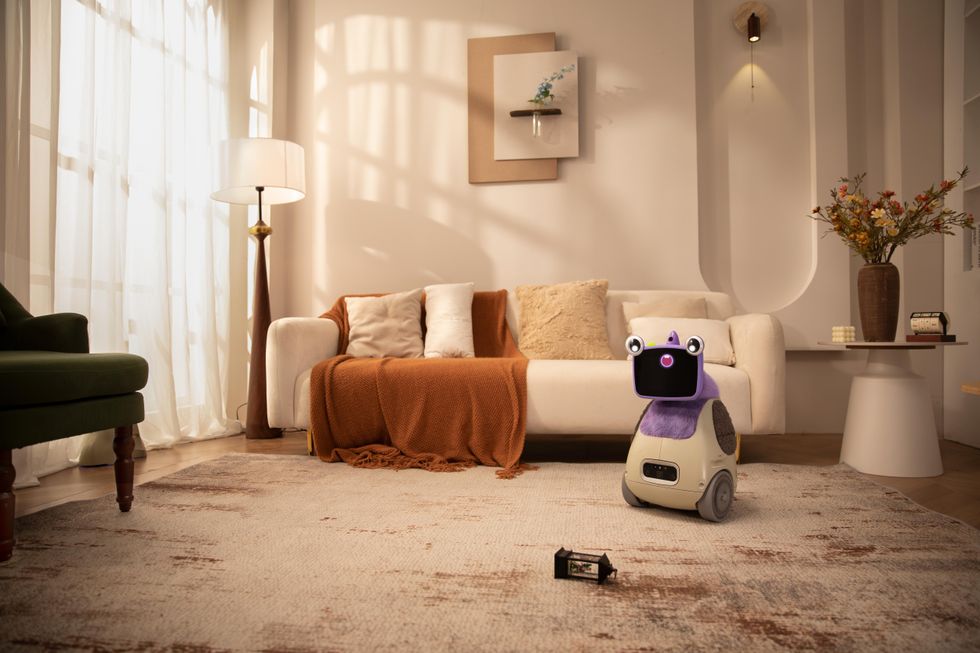
Ollobot's OlloNi SS1 Redefines AI Companion Robots for Emotional Connection
Ollobot's OlloNi SS1 is a new generation of AI companion robots designed to address loneliness and emotional needs in modern households. Unlike earlier models, which were limited in functionality, the SS1 employs proactive interaction and emotional intelligence to provide companionship for various demographics, including the elderly, children, and single professionals. The significance of the OlloNi SS1 lies in its ability to create a sense of presence and emotional support, filling gaps left by traditional communication tools. With the global AI companion market projected to grow from $48 billion in 2026 to $318 billion by 2033, Ollobot's innovative approach positions it at the forefront of this expanding industry. Looking ahead, the evolution of the OlloNi SS1 through over-the-air updates and its integration into family activities will be crucial to its success. As the demand for emotional support in technology increases, Ollobot's focus on familiarity and long-term coexistence may set a new standard for companion robots in the future.
Social-robots Human-robot-interaction Computer-vision Companion-robots Multimodal-ai Ai-robots
Companion Robots Transitioning from Concept to Daily Life in China
In a Shenzhen nursing home, companion robots are actively engaging with elderly residents through activities like chess, poetry reading, and Tai Chi. This shift comes as China's aging population is projected to exceed 320 million by the end of 2025, highlighting the urgent need for elder care solutions. The companion robot market in China is expected to reach approximately 79.6 billion yuan in 2024 and rise to around 90 billion yuan in 2025. By the end of 2026, the market could expand to between 110 billion and 140 billion yuan, driven by advancements in edge AI. The elder care robot segment alone is anticipated to surpass 10 billion yuan by 2026. As the industry evolves, challenges such as data privacy, ethical human-robot interaction, and addiction risks are emerging. The development of emotional AI models capable of recognizing nuanced emotions is crucial for enhancing the companionship experience, marking the beginning of a significant market opportunity.
Companion Robots Elder Care AI Technology Emotional Recognition Robotics Market
BBC's Ann Droid Explores Robots as Companions for Tackling Loneliness in Care
The new BBC sitcom 'Ann Droid' imagines a future where robots provide care and companionship to the elderly, focusing on a widow named Sue and her assistive robot, Linda. The show raises critical questions about the role of robots in addressing loneliness among older adults and whether machines can truly offer companionship without replacing human connections. As researchers in social care and robotics, the creators highlight that while the technology depicted in 'Ann Droid' is exaggerated, some real-world applications are already being tested. Initiatives like Comfort Companions, developed in partnership with Age UK South Gloucestershire, aim to provide conversational AI to combat loneliness, supplementing human befrienders rather than replacing them. Looking ahead, the potential for robots to enhance social connections rather than replace them is a key takeaway from the series. However, significant barriers remain, including limitations in technology and social acceptance. The sitcom cleverly addresses public concerns about trusting robotic caregivers, emphasizing the importance of maintaining human control and connection in the caregiving process.

UBTech’s lifelike humanoid robots built for companionship arriving in homes across China
UBTech Robotics, recognized as the world's first publicly traded humanoid robot manufacturer, has introduced a new consumer humanoid robot aimed at personal companionship. The U1 model, unveiled on Tuesday in Shenzhen, features lifelike silicone skin and advanced emotional artificial intelligence, reflecting a growing trend among Chinese tech companies to shift robotic applications from industrial settings to domestic environments. Available in both male and female versions, the U1 stands at 183 cm and 168 cm tall, respectively, and comes in three variants: Lite, Pro, and Ultra. This launch signifies a notable advancement in the integration of robotics into everyday life, as UBTech seeks to enhance human-robot interaction in personal spaces.
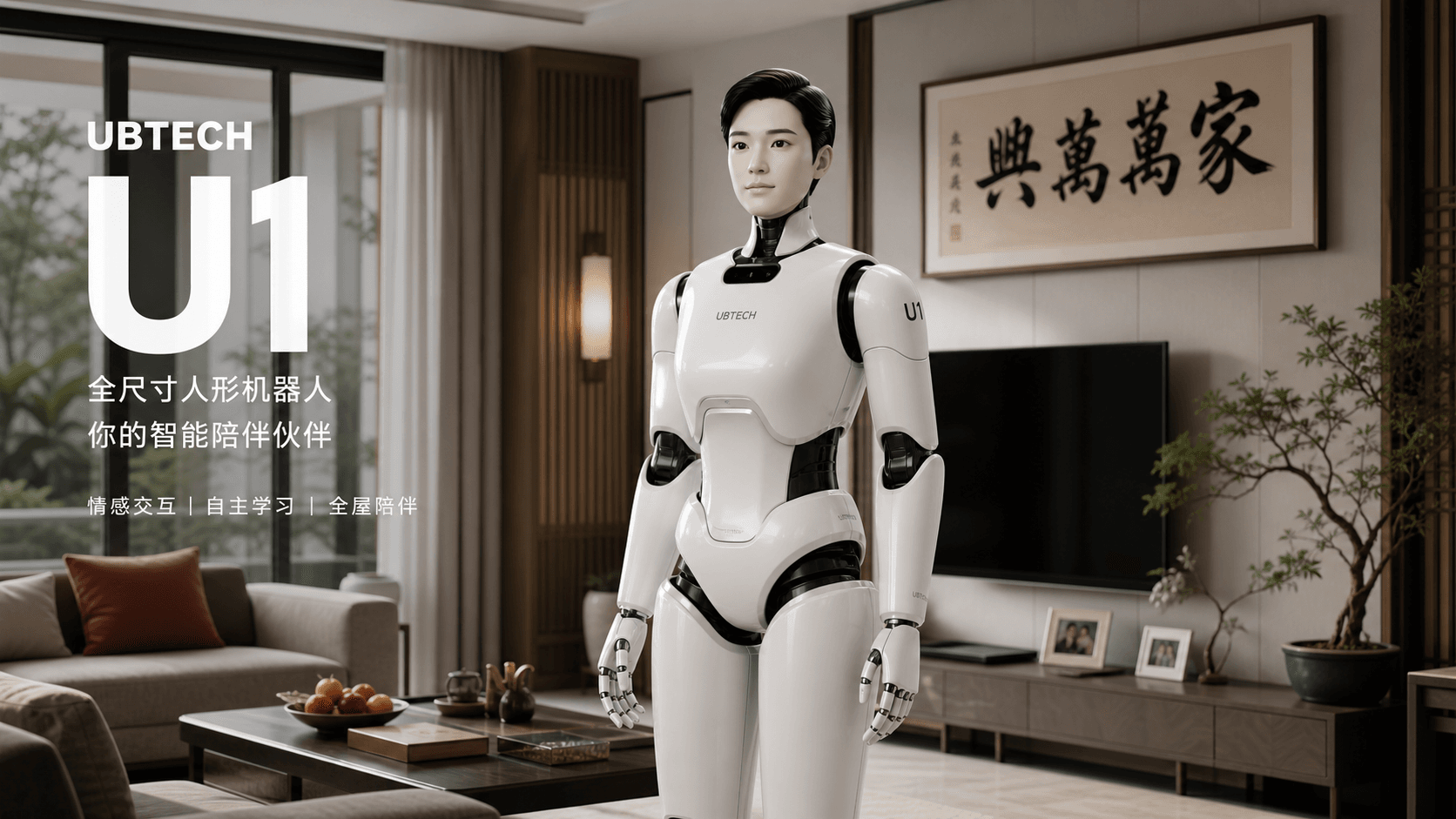
UBTECH Sells 5,000 Companion Robots in Two Weeks, Eyes Consumer Market Breakthrough
UBTECH's U1 full-size humanoid companion robot has garnered significant interest, achieving over 5,000 pre-orders within just three weeks of its launch. This surge in demand highlights a burgeoning consumer appetite for emotional AI technology in China. The U1 robot, designed to interact with users on a personal level, reflects a growing trend towards integrating advanced robotics into daily life. As the market for emotional AI continues to expand, UBTECH's early success with the U1 indicates a promising future for humanoid robots in the region.
HumanoidRobotics
Podcast: Colin Angle discusses building companion robots with Familiar Machines & Magic
Colin Angle, co-founder of iRobot, recently shared insights into his new venture, Familiar Machines, which focuses on developing next-generation social robots. In a podcast discussion, Angle elaborated on the innovative designs and functionalities of companion robots that aim to enhance human interaction and companionship. The conversation highlights the growing interest in robotics and the potential for these machines to play significant roles in everyday life. Angle's transition from iRobot to Familiar Machines underscores his commitment to advancing technology that fosters social connections.
Artificial Intelligence News Opinion Podcast Robots / Platforms Software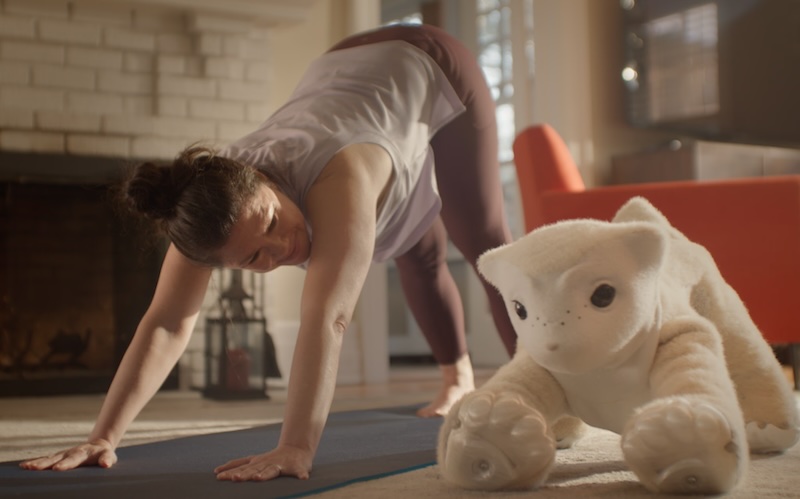
Inside Colin Angle’s bid to build companion robots with Familiar Machines & Magic
Colin Angle, a prominent figure in robotics, has launched a new startup called Familiar Machines & Magic, which is focused on creating a quadruped robot designed to serve as a companion. This initiative aims to address the growing demand for advanced robotic companions in a competitive market. The startup is currently in the development phase, working on innovative technologies to enhance the functionality and appeal of these robots. Angle's vision is to combine cutting-edge engineering with user-friendly design to ensure that the robots can effectively meet the needs of potential users. As the project progresses, Familiar Machines & Magic seeks to carve out a niche in the evolving landscape of robotics, where the integration of companionship and technology is becoming increasingly significant.
Artificial Intelligence Consumer Robotics Human Robot Interaction / Haptics News Startups Familiar Machines & MagicRobotics needs a service framework.
RSF defines a common language for robot service capability, lifecycle operations, certification pathways, and service-provider networks.
Join the RobotToday community on LinkedIn
Daily robotics news, in-depth analysis, conference highlights, and discussions with professionals worldwide.








