

Industry Briefing
A single destination for timely, editor-curated robotics news from around the world.

China Implements Stricter Export Controls on Drones, Impacting U.S. Supply Chains
China has introduced new export control measures affecting specific drones and related technologies bound for the United States, as announced by the Ministry of Commerce on August 5, 2026. These measures require stricter case-by-case reviews for exports already listed on China's dual-use export control list, which could complicate supply chains for U.S. manufacturers reliant on Chinese components. The significance of these controls lies in their potential impact on U.S. drone manufacturers, many of whom still depend on Chinese suppliers for essential components like motors, batteries, and sensors. While the announcement does not ban all drone exports, it imposes tighter licensing requirements that could lead to longer lead times and increased compliance burdens, particularly for smaller manufacturers with limited sourcing options. Looking ahead, the new licensing requirements may slow product introductions and extend delivery schedules, affecting manufacturing more than field operations. The evolving regulatory landscape on both sides of the supply chain underscores the growing importance of navigating export controls and national security policies in the global drone market. No further timeline was disclosed at the time of publication.
Drone Manufacturing Drone News Drone News Feeds Drones in the News Dual Use Feature 1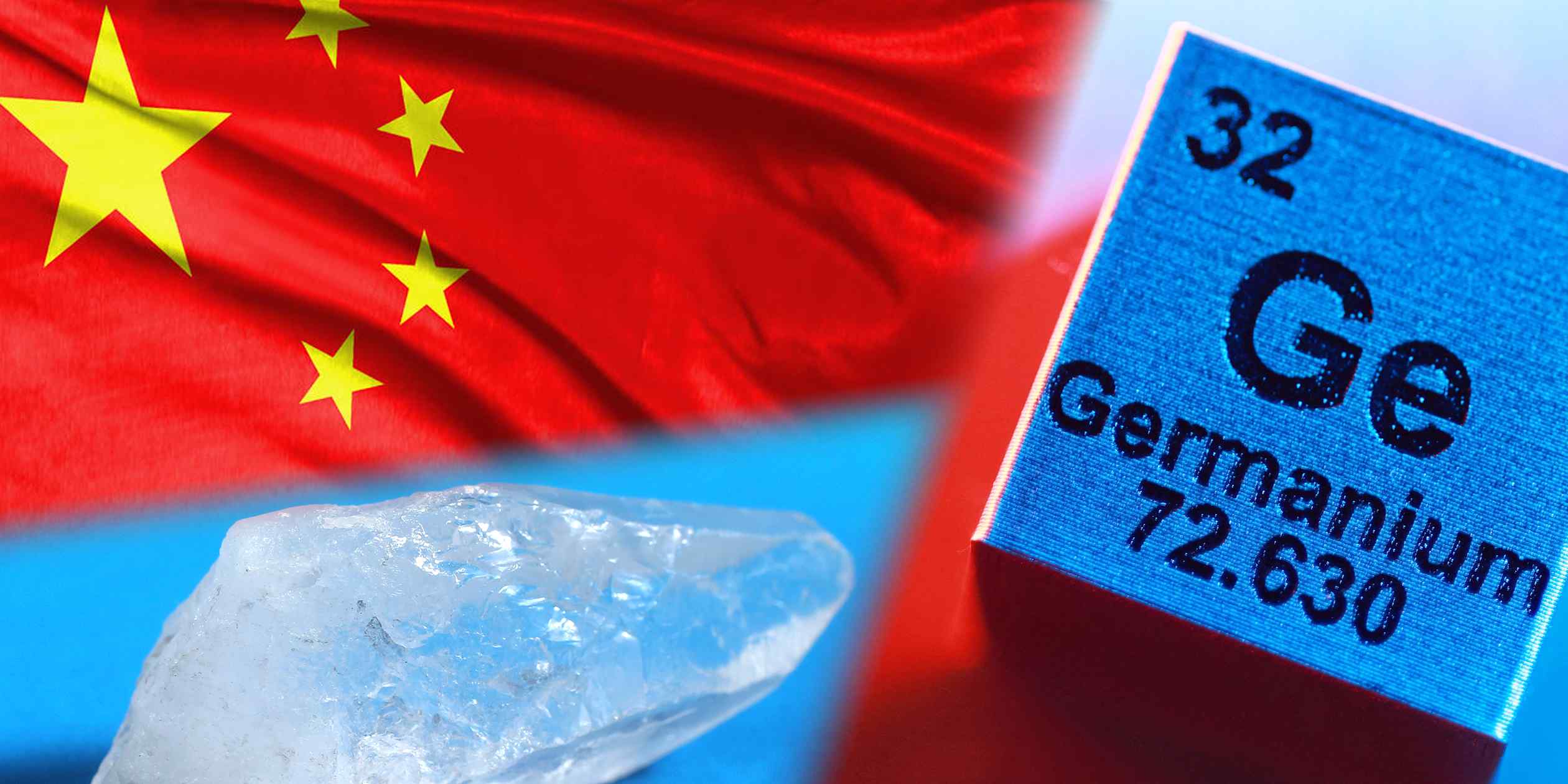
China Restricts Exports of Key Optical and Aerospace Metals to Taiwan
China has begun to restrict or delay exports of essential aerospace and optical materials to Taiwan, leading to significant supply chain disruptions in the region's technology sector. This move affects materials such as germanium and quartz, which are critical for various industries. The implications of these restrictions are profound, as Taiwan relies heavily on these materials for its tech manufacturing processes. The bottlenecks created by these export delays could hinder production capabilities and impact the broader supply chain, which is already under pressure from global economic conditions. Looking ahead, industry stakeholders will need to monitor the situation closely, as further restrictions could exacerbate existing challenges in securing necessary materials. No further timeline was disclosed at the time of publication.

China's Industrial Robot Exports Increased by 13.2% in First Seven Months of 2023
In the first seven months of 2023, China's industrial robot exports surged by 13.2%, reflecting a significant growth in the robotics sector. The introduction of an independent customs tariff code in January has led to a more than fivefold increase in the export value of intelligent bionic robots within six months. The variety of exported robots is expanding, with cleaning robots accounting for over 70% of exports, while industrial and humanoid robots are rapidly gaining traction. This growth is crucial as it highlights China's shift towards high-end robotics, with applications ranging from autonomous inspections in industrial parks to advanced manufacturing processes. Customs authorities have implemented supportive measures, such as tax reductions and streamlined services, to facilitate the export process for robotics companies. For instance, over 200 tax exemption procedures were processed by Beijing Customs in the first half of the year, saving companies more than 120 million yuan in R&D costs. Looking ahead, the demand for industrial robots is expected to continue expanding across various sectors, including automotive, electronics, and pharmaceuticals. The development of a classification database for robot products and innovative inspection services by customs is likely to further enhance the competitiveness of Chinese robotics on the global stage. No further timeline was disclosed at the time of publication.
Industrial Robots Robot Exports Customs Innovation Automation Technology
China's New Export Trio: Robots, AI Models, and Innovative Pharmaceuticals
China is redefining its export landscape with a new trio of products: robots, AI models, and innovative drugs. This shift is exemplified by wall-climbing cleaning robots being utilized in Australia and Chinese large language models (LLMs) powering Brazilian energy grids. This transformation in exports is significant as it highlights China's growing capabilities in advanced technology and pharmaceuticals, moving beyond traditional manufacturing. The introduction of these products indicates a strategic pivot towards high-tech solutions that cater to global demands, enhancing China's position in international markets. Looking ahead, it will be crucial to monitor how these innovations impact global supply chains and competition. The ongoing development and deployment of these technologies could reshape perceptions of Chinese products and influence future trade dynamics. No further timeline was disclosed at the time of publication.

China Reports 68.7% Surge in Electric Vehicle Exports for H1 2026
In the first half of 2026, China's electric vehicle exports surged by 68.7% year-on-year, as reported by customs data on July 14. This remarkable growth reflects a broader increase in various sectors, including electric motorcycles and bicycles, which rose by 31.5%, and electric locomotives, which saw a 45.1% increase. Additionally, lithium batteries and wind turbines experienced growth rates of 37.6% and 35.6%, respectively. The significant rise in electric vehicle exports is crucial for China's position in the global electric vehicle market, showcasing its manufacturing capabilities and technological advancements. The data also highlighted that exports of AI-integrated intelligent bionic robots surpassed 10,000 units, reaching over 90 countries and regions, indicating a growing demand for advanced robotics in international markets. Looking ahead, it will be important to monitor how these export trends evolve and whether they will continue to bolster China's economy. No further timeline was disclosed at the time of publication.
News Feed
China Enhances Border Controls Following Meta's Acquisition Attempt of AI Startup Manus
China's government has implemented stricter entry and exit regulations to safeguard advanced technologies, including artificial intelligence. These new rules are set to take effect on September 15, 2026, in response to Meta's attempted acquisition of the Chinese AI developer Manus, which has raised concerns about data leaks and economic security. The tightening of border controls is significant as it reflects China's ongoing efforts to protect its technological advancements and sensitive data from foreign influence. The regulations aim to prevent potential leaks that could arise from foreign investments in Chinese tech firms, particularly in the AI sector, which is crucial for the country's economic strategy. Looking ahead, the impact of these regulations on foreign investments and collaborations in China's tech landscape will be crucial to monitor. As the global competition in AI intensifies, how these measures affect companies like Meta and their ambitions in China remains to be seen. No further timeline was disclosed at the time of publication.

China's Drone Exports Experience Growth in Southeast Asia and Emerging Markets
China has seen a significant increase in drone exports to emerging economies this year, driven by rising demand for civilian uses such as agriculture and surveying. This surge in exports comes as the country seeks to offset declining sales in the United States, highlighting a shift in market dynamics. The growing interest in Chinese drones in regions like Southeast Asia underscores the potential for these technologies to support various sectors, particularly in the Global South. As countries in these regions adopt drones for farming and other applications, China's position as a leading supplier is strengthened, despite geopolitical tensions. Looking ahead, the continued expansion of drone applications in emerging markets will be crucial for China's export strategy. No further timeline was disclosed at the time of publication.

US Eases Export Controls for UAE, Enhancing Access to Drones and AI Technology
Washington's recent decision to ease export controls for the UAE is expected to enhance the country's domestic production of advanced drones and military hardware. The US Commerce Department's upgrade of the UAE to the A:5 export country group allows for easier access to dual-use technologies, including computer chips, which are vital for defense applications. This change is significant as it positions the UAE as a key player in the defense market, providing more flexibility for acquiring subsystems and components. Analysts believe this regulatory shift will not directly impact major arms deals like the F-35 or MQ-9 Reaper exports, but it creates a more permissive environment for the movement of controlled technologies, potentially shortening procurement timelines and fostering closer cooperation between American and Emirati defense firms. Looking ahead, the A:5 classification could benefit Emirati companies such as EDGE Group, allowing them to access essential components and technical cooperation. While the immediate effects on specific weapons sales remain uncertain, this designation opens doors for various defense programs, including potential collaborations in drone manufacturing.
Air Warfare Global Networks & Digital Warfare AI & Autonomy Air Force Arab countries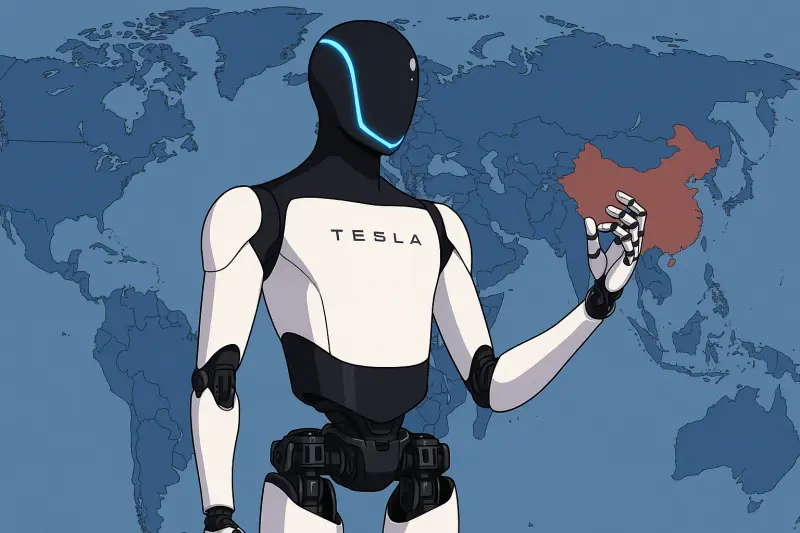
Tesla Optimus Production Delayed by China's Rare Earth Export Controls
Tesla is experiencing delays in its production schedule for the Optimus humanoid robot, primarily due to new export restrictions imposed by China on rare earth minerals. During a recent earnings call, CEO Elon Musk highlighted a significant 'magnet issue' as a key challenge affecting the project. To address this setback, Tesla is actively seeking licenses from the Chinese government to secure the essential components needed for the robot's development. The situation underscores the growing complexities of global supply chains and the impact of geopolitical factors on technological advancements.
Optimus Tesla UBTECH Robotics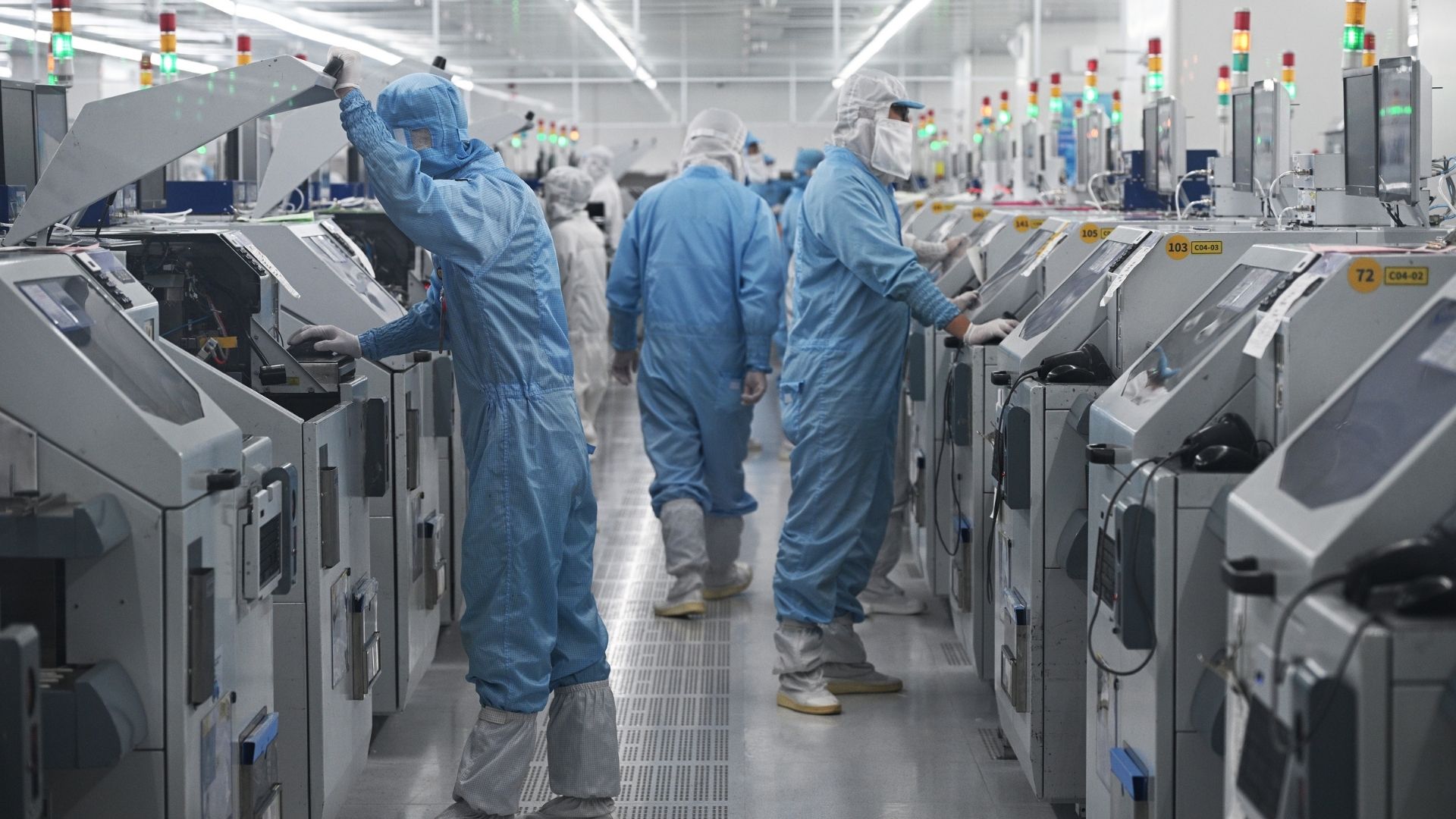
Chinese AI chip startup bets on 3D stacking to sidestep US export controls
A Chinese AI chip startup, founded by semiconductor expert Wei Shaojun, has officially launched its operations, marking a significant entry into the competitive technology sector. The company aims to develop advanced artificial intelligence chips that cater to the growing demand for AI applications across various industries. This announcement comes at a time when the global market for AI technology is rapidly expanding, driven by increasing investments and innovations in machine learning and data processing. The startup is based in Shenzhen, a hub for technology and innovation in China, which provides a conducive environment for research and development. Wei Shaojun, with his extensive experience in the semiconductor industry, is spearheading efforts to create cutting-edge solutions that could enhance the performance of AI systems. The motivation behind this venture is to capitalize on the burgeoning AI market and to contribute to China's ambitions in becoming a leader in semiconductor technology. To achieve its goals, the startup plans to leverage advanced manufacturing techniques and collaborate with local research institutions to accelerate the development of its products. By focusing on high-performance chips tailored for AI tasks, the company aims to differentiate itself from competitors and establish a strong presence in the market. As the demand for AI capabilities continues to rise, this new player is poised to make a significant impact in the tech landscape.
AI and Robotics
China’s Export Restrictions on Red Cat Highlight a Bigger Challenge for U.S. Drone Manufacturing
China's recent decision to impose export controls on Red Cat Holdings and its subsidiary, Teal Drones, has raised concerns within the U.S. drone manufacturing sector. While the immediate effects on production may be minimal, this action highlights the pressing need for American manufacturers to thoroughly analyze and understand their supply chains. The restrictions serve as a reminder of the complexities and vulnerabilities that U.S. companies face in the global market, particularly in light of increasing geopolitical tensions. As a result, industry leaders are urged to reassess their operational strategies to mitigate potential disruptions and ensure resilience against similar challenges in the future.
Applications Defense Drone Manufacturing Drone News Drone News Feeds drone parts
From Shanghai to the World: UCloud and China's AI-Driven Cloud Export
On June 2, UCloud, a cloud computing company based in Shanghai, inaugurated a new cloud computing node in Uzbekistan, expanding its global network to 36 nodes across 28 regions. This development signifies a strategic move for UCloud as it enhances its infrastructure in Central Asia, positioning itself to better serve local businesses and meet the growing demand for cloud services in the region. The establishment of this node reflects UCloud's commitment to expanding its international presence and providing reliable cloud solutions to emerging markets.
Technology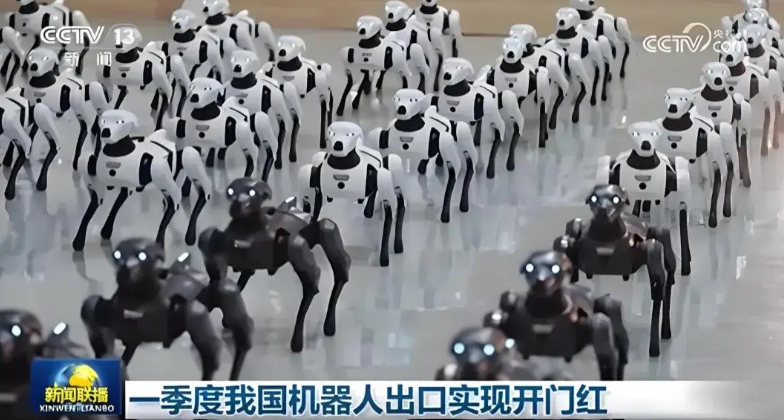
A Strong Start: China's Robotics Industry Exports Reach 11.3 Billion Yuan
China's robotics industry is witnessing remarkable growth on the global stage, with exports soaring to 11.32 billion yuan in the first quarter of 2026. This figure represents a substantial 42% increase in industrial robot exports compared to previous periods. The shift from a focus on import substitution to a strategy centered on global output underscores China's competitive edge in technology and its ability to provide comprehensive service offerings. This expansion reflects the country's commitment to enhancing its position in the international robotics market, driven by advancements in innovation and manufacturing capabilities.
Robotics Industrial Automation Global Trade Technology Innovation
DeepSeek takes step away from Nvidia amid export curbs on China
DeepSeek, a Hangzhou-based company, has introduced its latest AI model, the V4 Pro, with significant price reductions aimed at intensifying competition in the artificial intelligence sector as China seeks to rival the United States. Announced last week, the company is offering developers a remarkable 75 percent discount on the new model. Additionally, fees for input cache hits across its AI platforms have been drastically reduced to just 10 percent of the original price, benefiting users who regularly make similar or repeat requests. This strategic pricing move is designed to attract more developers and enhance the accessibility of AI technology in a rapidly evolving market.

Japan’s chip-making equipment exports to China surge by 61.6% y-o-y in August
Japan's semiconductor equipment exports to China experienced a significant surge in August, rising by 61.6% compared to the same month last year, totaling $1.29 billion. The Ministry of Finance reported that Japan shipped 6,742 tons of equipment to China, marking a 41% increase from July. This growth highlights the importance of machinery and equipment, which now represent 23.2% of Japan's overall exports. The robust demand for semiconductor technology in China is driving this upward trend, reflecting the ongoing global competition in the semiconductor industry.
News Feed
China accounts for nearly half of ASML’s Q2 revenue despite Dutch export restrictions
ASML, the Dutch semiconductor equipment manufacturer, announced on Wednesday its financial results for the second quarter, revealing sales of 6.24 billion euros ($6.82 billion), which surpassed the company's expectations. This figure, however, marks a decline in overall net sales compared to the same period last year. The report highlights the ongoing challenges posed by geopolitical uncertainties and restrictions on chip-related exports from the Netherlands to China. Despite these obstacles, ASML continues to experience strong demand for its products, indicating resilience in the face of external pressures.
Up and Comers Chips government Highlight NewsRobotics needs a service framework.
RSF defines a common language for robot service capability, lifecycle operations, certification pathways, and service-provider networks.
Join the RobotToday community on LinkedIn
Daily robotics news, in-depth analysis, conference highlights, and discussions with professionals worldwide.







