Industry Briefing
A single destination for timely, editor-curated robotics news from around the world.

Dynamic Creatures Launches Innovative Mobile Character Robots for Hospitality and Entertainment
Dynamic Creatures, a robotics firm founded by leaders from Boston Dynamics and Google, has officially launched after operating in stealth mode. The company specializes in developing interactive character robots designed for the hospitality and entertainment sectors. These robots are capable of moving fluidly in guest environments and can understand and respond to interactions in real time. The emergence of Dynamic Creatures is significant as it introduces a new category of mobile character robots that enhance guest experiences in various settings. With an official partnership with Boston Dynamics and engagements with major theme parks, the company aims to revolutionize how guests interact with technology in entertainment and hospitality. Looking ahead, industry observers should monitor Dynamic Creatures' developments, particularly its collaborations with theme parks and the deployment of its character robots. No further timeline was disclosed at the time of publication.

Selecting the Optimal Motor for Mobile Robots and Automation Systems
The selection of motors for mobile robots involves complex interdependencies among various components, including gearboxes, controllers, and mechanical layouts. Mistakes in motor selection often only become apparent during real-world testing, where issues such as overheating and inconsistent acceleration can arise when the robot operates under load. This disconnect highlights the importance of considering the entire drivetrain rather than focusing solely on individual specifications. Understanding the robot's operational parameters—such as total mass, expected payload, and environmental conditions—is crucial for effective motor selection. These factors dictate the forces the drivetrain must generate, which are often overlooked when relying solely on motor catalogs. A design review revealed that a robot's performance could be significantly impacted by changes in its operating environment, necessitating a reevaluation of the entire drivetrain ratio rather than simply upgrading to a larger motor. To optimize motor selection, engineers should prioritize calculating the required wheel torque based on real-world conditions. This approach ensures that the drivetrain is adequately designed to handle various scenarios, including inclines and repeated starts. Additionally, wheel diameter plays a critical role in determining tractive force, and its impact on performance should not be underestimated during the design process.

WRC 2026 Highlights: Future Directions for Ground Mobile Robots
At the WRC 2026 event in Beijing, the focus shifted to the future of ground mobile robots, particularly with the introduction of the Galileo X. This new product aims to combine high-precision indoor transport, outdoor cruising, and obstacle navigation in one system, challenging the traditional single-form competition in the industry. The significance of this development lies in the recognition that the next breakthrough in ground mobile robotics may not be about maximizing the parameters of a single form but rather about creating systems that can handle complete task chains. The industry has long adhered to a logic of one product per scenario, but this approach has limitations, especially when considering the diverse environments robots must operate in. As the market matures, stakeholders are eager to see what the next generation of ground mobile robots will look like. The Galileo X represents a potential shift in addressing complex scenarios with integrated solutions rather than relying on separate machines for different tasks. No further timeline was disclosed at the time of publication.
Ground Mobile Robots Robotics Innovation Logistics Automation Multi-Environment Navigation
Global Demand for Autonomous Mobile Robots Expected to Surge by 2030
The demand for autonomous mobile robots (AMRs) is increasing globally, driven by rising labor costs and the need for operational flexibility. Interact Analysis predicts that the market for AMRs will grow from nearly $5 billion in 2024 to $14 billion by 2030, indicating a strong recovery post-COVID-19 pandemic. ABI Research forecasts that the mobile robot market could expand from $33 billion in 2026 to $68.9 billion by 2030, with AMRs comprising half of that total. Suppliers highlight the ease of integrating automated and semi-automated forklifts into existing workflows, while automated storage and retrieval systems (ASRS) offer scalability for those investing in infrastructure. Recent advancements in AMRs are attributed to improvements in computer vision, sensor fusion, and machine learning, enhancing navigation and operational efficiency. Despite interoperability challenges, orchestration software vendors are addressing these issues, enabling easier scaling and integration of fleets. No further timeline was disclosed at the time of publication.
AGVs Automated Warehouse Autonomous Mobile Robots (AMRs) Digital Issues Logistics Manufacturing
TechCrunch Disrupt 2026 Introduces Real World AI Stage Featuring Robots and Automated Factories
TechCrunch Disrupt 2026 will feature a new Real World AI Stage, expanding its focus on AI's intersection with the physical world. This stage will highlight advancements in autonomous hardware, including applications in public spaces and potential de-extinction efforts. The event, scheduled for October 13 to 15 at San Francisco’s Moscone West, will host discussions on the challenges of deploying autonomous systems safely. Industry leaders from companies like Shield AI and Colossal Biosciences will address critical questions regarding safety culture, regulatory navigation, and trust-building in high-stakes environments. Attendees can expect insights from notable speakers, including Ben Lamm of Colossal Biosciences, who will explore the role of AI in reviving extinct species. The event promises to be a significant gathering for those interested in the evolving landscape of AI and its real-world applications. No further timeline was disclosed at the time of publication.
AI TechCrunch Disrupt Colossal Biosciences
U.S. FCC Imposes Import Limits on Humanoid and Mobile Robots Amid Security Concerns
The U.S. government has announced restrictions on imports of certain humanoid and mobile robots, citing national security risks. The Federal Communications Commission (FCC) stated that foreign-made advanced robotic devices could create vulnerabilities in the supply chain and pose cybersecurity threats to critical infrastructure. An exemption exists for robots and power inverters that receive conditional approval from the U.S. Department of War or Department of Homeland Security. This ruling reflects a growing concern over the dominance of foreign-subsidized robotics in the U.S. market, particularly following the loss of production capabilities to China. Industry leaders, such as Evan Beard, CEO of Standard Bots, have expressed strong support for these measures, emphasizing the need for the U.S. to lead in robotics technology. The FCC's actions are seen as a significant step in safeguarding American interests in the robotics sector. Looking ahead, the implications of these restrictions on the robotics industry will be closely monitored, especially as companies like Unitree pursue public offerings and as domestic manufacturers seek to expand. No further timeline was disclosed at the time of publication.
Analysis Autonomous Mobile Robots (AMRs) Batteries / Power Supplies China Humanoids News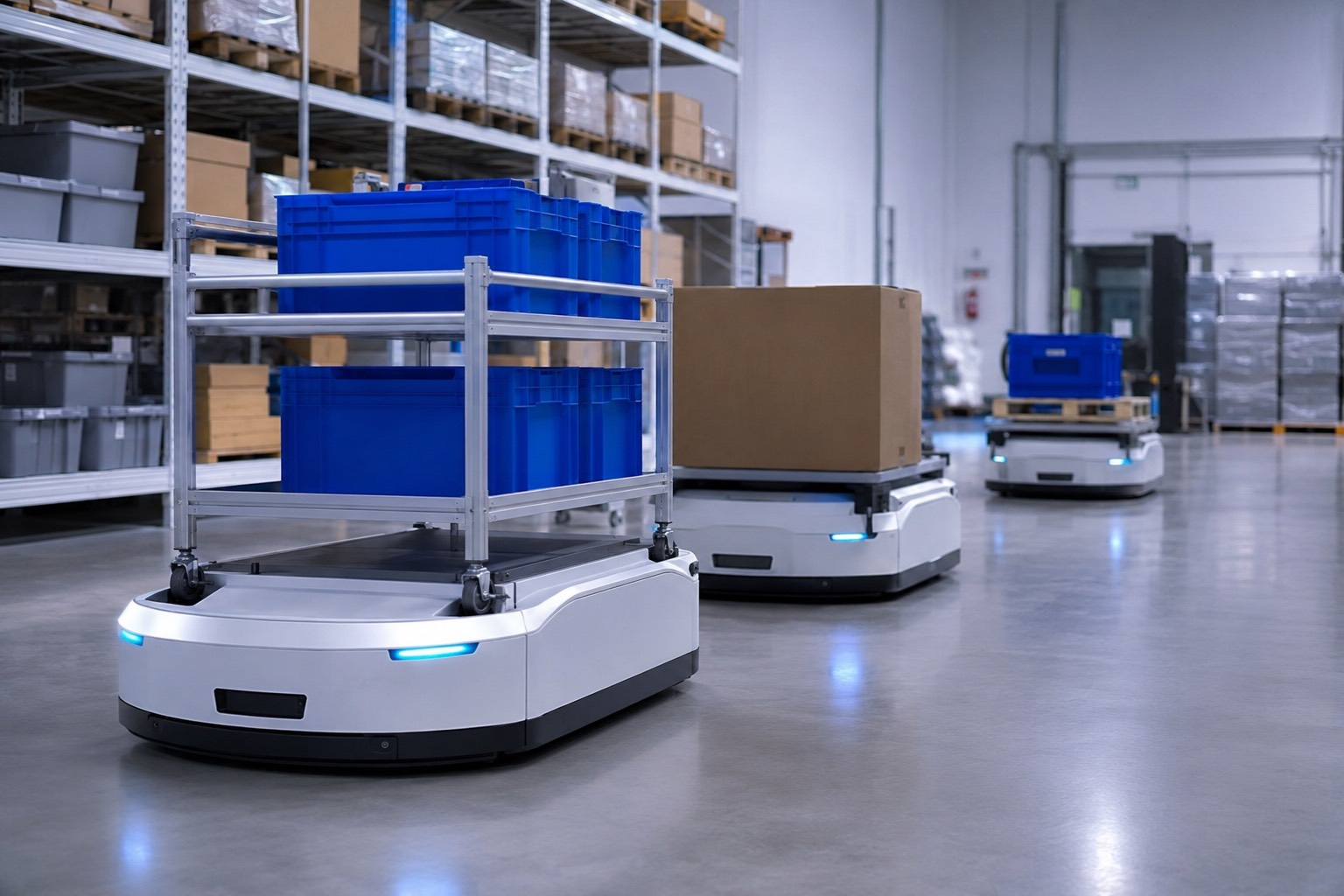
The Rise of Autonomous Mobile Robots in Industrial Automation
Autonomous Mobile Robots (AMRs) are rapidly transforming industrial automation, moving beyond traditional fixed conveyors and AGVs. Their flexibility meets the evolving demands of logistics driven by e-commerce growth, product customization, and labor shortages. AMRs utilize advanced technologies like sensors, cameras, LiDAR, and AI to navigate dynamically without fixed infrastructure. This adaptability is crucial as industries face fluctuating volumes and changing processes, making AMRs a vital component of modern supply chains. According to the International Federation of Robotics, AMRs are among the fastest-growing segments in professional robotics. As deployments increase in logistics centers, fleet management software is becoming as critical as the robots themselves, indicating a shift towards integrated automated solutions.
À la une IA Industrie Robotique AMR automatisation des entrepôts
Fanuc and Google Collaborate on AI-Driven Welding Robots for Enhanced Automation
Japanese industrial automation firm Fanuc has partnered with Google to create an AI-automated welding system. This innovative solution utilizes robots equipped with artificial intelligence that can interpret blueprints directly, thus removing the need for manual programming. Deliveries of this advanced system are expected to commence in December 2026. This collaboration is significant as it represents a leap forward in automation technology, potentially streamlining manufacturing processes and improving efficiency in welding tasks. By enabling robots to read blueprints autonomously, Fanuc and Google aim to reduce labor costs and enhance productivity in industrial settings, which is crucial for maintaining competitiveness in the global market. Looking ahead, industry stakeholders should monitor the rollout of this AI-driven welding system, particularly its impact on manufacturing workflows and labor dynamics. The anticipated deliveries in December will be a key milestone, and the performance of these robots in real-world applications will be critical to assessing their effectiveness and adoption in various sectors.
Batten & Kamp Unveils 'Beauty Seeker': An AI Robot as a Mobile Flower Vase
At the 2026 IFA in Berlin, Batten & Kamp introduced 'Beauty Seeker,' a unique creation combining an AI six-legged robot with an orchid, transforming it into a mobile vase. This design intentionally diverges from mainstream technology narratives by stripping the robot of its built-in camera and multiple functionalities, focusing instead on a fundamental question: what does it mean for a high-tech robot to coexist with us as a simple container in a home environment? The robot retains a single core function: using LiDAR to track nearby people and slowly adjust its position to draw attention to the orchid it carries. This design creates a sense of absurdity, as the advanced robot serves not to perform tasks but to act as a moving base for a flower. Interestingly, this limitation reduces the typical threat perception associated with such robots, as it merely holds a flower, creating a peculiar tension between its potential power and its chosen role as a vase. This is not Batten & Kamp's first exploration of such contradictions; their 2023 project 'Comfort Seeker' featured an iconic Eames chair on a four-legged robot, examining the intersection of furniture and autonomous systems. 'Beauty Seeker' continues their inquiry into the relationship between technology and nature, as the orchid, evolved to attract pollinators, now competes for human attention through an AI-driven robot. The designers aim to shift the focus from what robots can do to what they should do, suggesting that the rarest behavior may be simply to hold a flower and quietly revolve around us.
AI Robots Design Innovation Human-Robot Interaction Domestic Technology
Roboteon Enhances Fleet Management and Orchestration for Manufacturing Robots and AGVs
Roboteon has announced an expansion of its capabilities, providing a powerful software platform designed to orchestrate automated material flows in manufacturing environments. This platform aims to improve visibility, control, productivity, and throughput for manufacturers by acting as a digital nervous system. The significance of this development lies in Roboteon's position as a leading innovator in intelligent warehouse and manufacturing robotics software. By enabling the integration and synchronization of mobile robots and autonomous guided vehicles (AGVs), manufacturers can optimize their operations and enhance overall efficiency on the shop floor. Looking ahead, industry stakeholders should monitor how Roboteon's advancements in fleet management and orchestration will influence manufacturing processes and the adoption of automated solutions. No further timeline was disclosed at the time of publication.
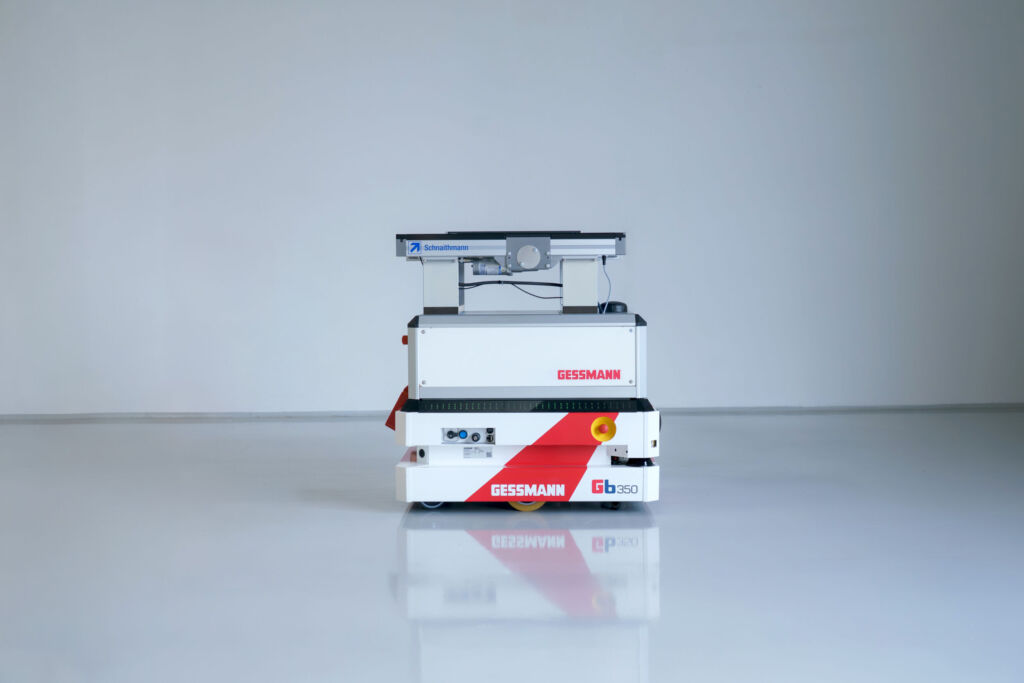
Autonomous mobile robots enhance assembly automation.
Schnaithmann has introduced autonomous mobile robots into its assembly and transfer lines, enhancing automation capabilities. This integration aims to streamline operations and improve efficiency in manufacturing processes. The deployment of these robots represents a significant advancement in the company's approach to modern assembly automation, reflecting a growing trend in the industry towards increased reliance on autonomous technologies.
Allgemein Automation Fördertechnik & Handling Lagerlogistik & Materialfluss Mobile Robotik
Drive solutions for shuttles, automated guided vehicles, and autonomous mobile robots.
At the SPS Italia exhibition, Bonfiglioli showcased its innovative mechatronic ecosystem, highlighting advanced drive solutions tailored for shuttles, automated guided vehicles (AGVs), and autonomous mobile robots (AMRs). This presentation underscores Bonfiglioli's commitment to enhancing automation and efficiency in various industrial applications. The event, held in Italy, serves as a platform for industry leaders to explore cutting-edge technologies and solutions that address the evolving needs of the market. Through its participation, Bonfiglioli aims to demonstrate its leadership in the field and foster collaborations that drive technological advancements in automation.
Allgemein Antriebs- und Lineartechnik Robotik
Mobile robots as part of a comprehensive system
The effective deployment of mobile robots hinges not only on the quantity of vehicles utilized but also on their operational behavior in conjunction with various factors such as layout, material flow, charging infrastructure, and control systems. This comprehensive approach is essential for optimizing the integration of mobile robots within industrial settings, ensuring they function seamlessly as part of a holistic system. The insights were shared in a recent article on ROBOTIK UND PRODUKTION, highlighting the importance of strategic planning in the implementation of robotic technology in modern production environments.
Allgemein Automation Fördertechnik & Handling Lagerlogistik & Materialfluss Mobile Robotik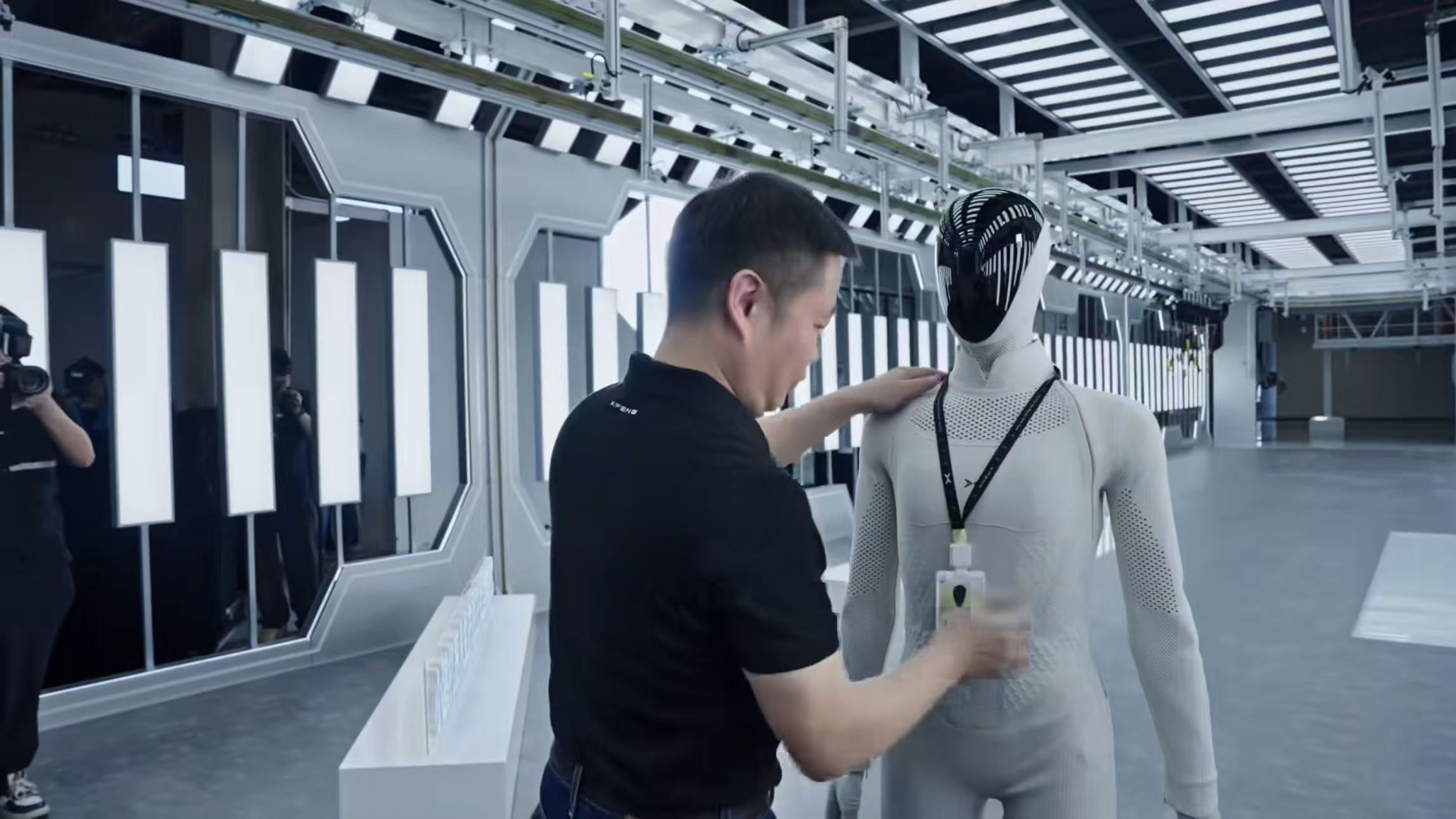
XPeng Launches Automated Production Line for Humanoid Robots with First IRON Model
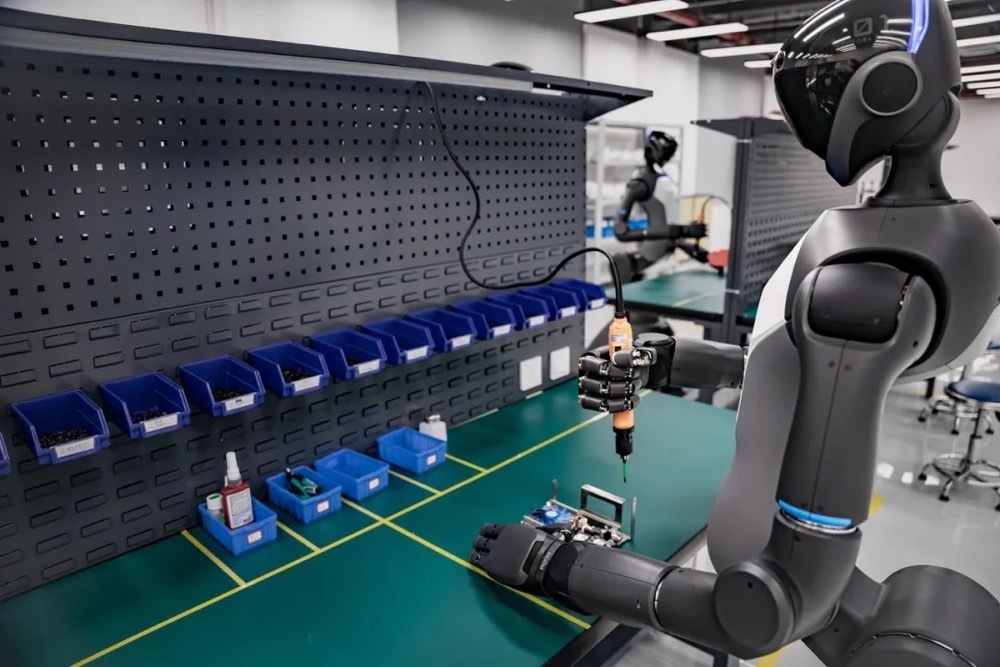
XPeng has officially commenced operations of its automated production line for humanoid robots, with the first IRON robot successfully completing its final assembly and autonomously walking off the line. This milestone signifies XPeng's transition from research and development to mass production of humanoid robots, which are still in the early stages of commercialization. The significance of this development lies in XPeng's claim that IRON is the world's first high-level general-purpose humanoid robot produced on an automated line. The production line, designed by XPeng's team, integrates automotive manufacturing and quality-control systems tailored for humanoid robot assembly, with over 80% of its core processes automated. Looking ahead, XPeng plans to scale production of IRON by the end of 2026, with commercial deliveries expected in 2027. The company aims to position IRON for tasks that are dangerous or repetitive, while also expanding its applications. XPeng's recent funding round raised over $900 million to support its robotics business, indicating strong investor interest in the future of humanoid robots.
Heavy Hitters AI Highlight News Robotics
Xpeng Launches Automated Production Line for Humanoid Robots with High-Level Capabilities
Xpeng has successfully activated an automated production line dedicated to humanoid robots, marking a significant milestone in robotics. The company claims that the first high-level general-purpose humanoid robot has completed its assembly and autonomously walked off the production line. This production line is engineered for mass production, boasting an automation rate exceeding 80% in its essential processes. The establishment of this production line is crucial as it positions Xpeng to meet the growing demand for humanoid robots in various sectors. With plans to initiate volume production by the end of 2026, Xpeng aims to deliver these advanced robots to both domestic and international markets starting in 2027. This move highlights the company's commitment to innovation and leadership in the robotics industry. Looking ahead, stakeholders should monitor Xpeng's progress toward its production and delivery timelines. The successful launch of this automated line could set a precedent for other companies in the robotics sector, potentially influencing market dynamics and technological advancements. No further timeline was disclosed at the time of publication.
News Feed
Xianglu Robotics and Haier Collaborate to Launch CR3, a Fully Automated Home AI Cooking Robot
On July 29, 2026, Xianglu Robotics and Haier Robotics signed a strategic cooperation agreement to jointly launch the CR3, the world's first fully automated home AI cooking robot. This collaboration marks a significant step into the consumer market for AI cooking robots, transitioning from commercial kitchens to home kitchens. The introduction of the CR3 is crucial as it addresses the long-standing barriers that have kept AI cooking robots confined to commercial settings. These barriers include technological advancements, user perception, and cost control. With rapid breakthroughs in AI technology and the robotics industry, Xianglu Robotics aims to evolve the role of cooking robots from assistants to replacements in home kitchens. Looking ahead, the partnership between Xianglu and Haier will focus on enhancing the cooking robot ecosystem, leveraging their respective strengths in technology and market reach. As consumer awareness grows and production costs decrease, the CR3 could become a leading product in the home appliance market, potentially transforming how cooking is approached in households across China.
AI Cooking Robots Home Appliances Robotics Automation Technology
NEDO Launches Contest for Automated Surface Defect Inspection Robots in Automotive Manufacturing
NEDO (New Energy and Industrial Technology Development Organization) has announced a new theme under the 'NEDO Challenge' program, focusing on robot solutions for manufacturing. The initiative invites proposals for automating surface defect inspections in the automotive industry through 'Contest A'. This contest aims to address labor shortages in small and medium-sized manufacturing businesses while promoting the adoption of robotic technologies. The significance of this initiative lies in its potential to enhance efficiency in automotive manufacturing, particularly in automating the inspection of surface defects such as scratches and color inconsistencies. By developing and implementing robotic solutions starting from the automotive sector, NEDO aims to create a ripple effect throughout the entire supply chain, encouraging broader adoption across various manufacturing sectors. Looking ahead, Contest A will be conducted in two phases: Contest A1 will focus on identifying challenges in automating inspection processes, while Contest A2 will involve developing functional robots based on the proposals from A1. The application period for A1 is set from June 30, 2026, to October 16, 2026. Future plans may include Contest B, aimed at promoting robot adoption in a wider range of manufacturing industries.
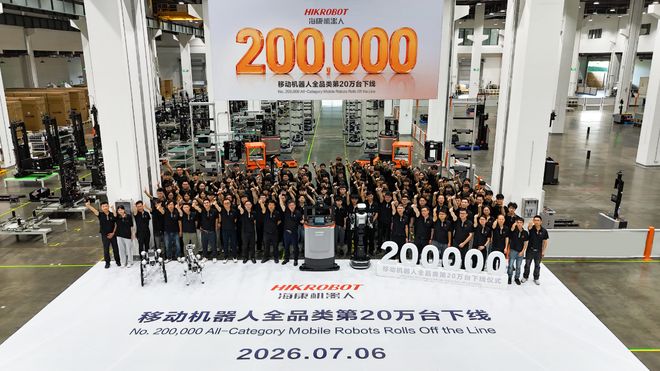
Hikvision Robotics Achieves Milestone with 200,000 Mobile Robots Produced
On July 6, 2026, Hikvision Robotics marked a significant achievement by producing its 200,000th mobile robot, a milestone reached just two years after the company celebrated its 100,000th unit. This accomplishment underscores Hikvision's dominant position in the global mobile robotics market, highlighting the swift expansion of China's mobile robotics sector. The growth is attributed to advancements in technology and the establishment of industry standards, which have facilitated the transition from experimental applications to widespread deployment.
Mobile Robots Warehouse Automation Manufacturing Technology AI Industry Standards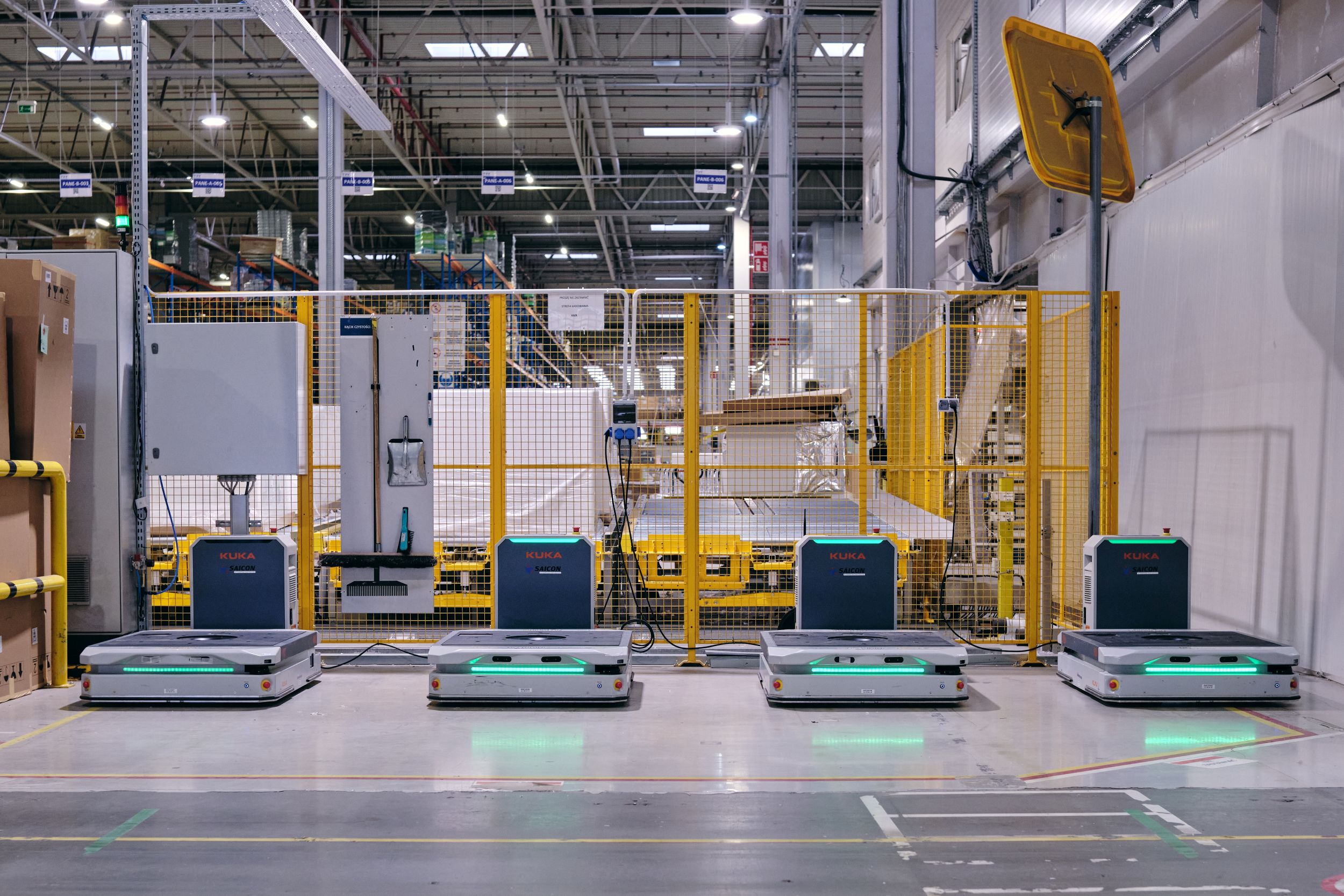
From the factory floor to the living room: 22 mobile robots keep TV production running
In a significant advancement for warehouse operations, a company has successfully transitioned from manual electric carts to fully automated transport systems utilizing autonomous mobile robots. This shift, which took place recently, aims to enhance efficiency and streamline logistics within the facility. By implementing these robots, the company seeks to reduce the need for human intervention in material handling, thereby minimizing the risk of accidents and improving overall productivity. The integration of this technology marks a pivotal change in how goods are transported within the warehouse, reflecting a broader trend towards automation in the industry.

Chassis Pose Kinematic Model and Control for Terrestrial Mobile Robots With Active Flippers
The Journal of Field Robotics has published an EarlyView article highlighting recent advancements in robotic technology. Researchers from various institutions have collaborated to explore innovative applications of robotics in fields such as agriculture, search and rescue, and environmental monitoring. This study, released in October 2023, emphasizes the growing importance of autonomous systems in enhancing efficiency and safety across these sectors. The research team conducted extensive field tests to demonstrate how robots can perform complex tasks, such as crop monitoring and disaster response, with minimal human intervention. By integrating artificial intelligence and machine learning, the robots are designed to adapt to dynamic environments, showcasing their potential to revolutionize traditional practices. The motivation behind this research stems from the increasing demand for automation in response to labor shortages and the need for more effective solutions to global challenges. The findings underscore the necessity for continued investment in robotic technology to address pressing issues such as food security and disaster management. As the field of robotics continues to evolve, this publication serves as a critical resource for professionals and researchers aiming to leverage these advancements for practical applications. The collaborative effort reflects a commitment to pushing the boundaries of what is possible in robotics, paving the way for future innovations that could significantly impact various industries.
RESEARCH ARTICLE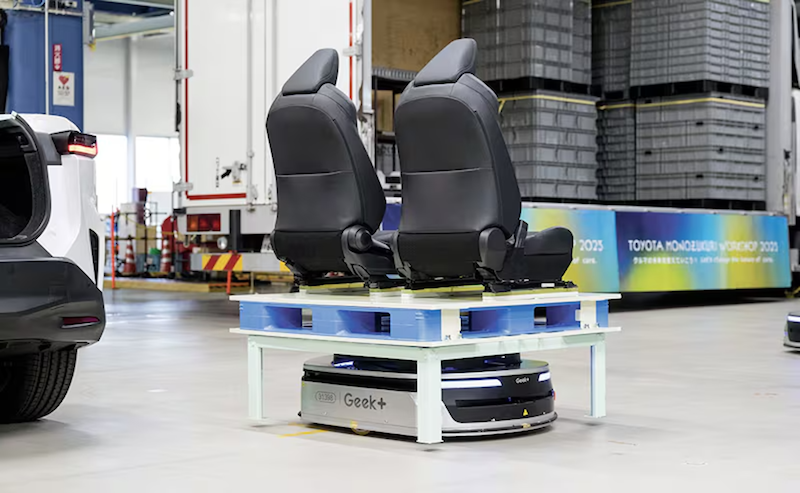
Geekplus intalls more than 400 autonomous mobile robots at multiple Toyota plants
Geekplus has initiated the deployment of moving-type Autonomous Mobile Robots (AMRs) at multiple Toyota Motor Corporation plants across Japan. This strategic move comes in response to labor shortages stemming from the country's declining population and evolving labor market dynamics. Currently, 436 Geekplus AMRs are actively operating within Toyota's manufacturing facilities, with each system managing around 200 units. The integration of these robots aims to enhance operational efficiency and address workforce challenges, reflecting a growing trend in automating production processes within the automotive industry.
News Warehouse robots amrs automation news autonomous mobile robots factory automation
OMRON Robotics to Demonstrate Next-Generation Autonomous Mobile Robots at Automate 2026
A leading technology company has unveiled its latest advancements in automated material handling with the introduction of the LD-150 and LD-300 autonomous mobile robots (AMRs). This launch took place in October 2023, showcasing the company's commitment to enhancing efficiency in logistics and warehouse operations. The new AMRs are designed to streamline material flow, addressing the growing demand for smarter and more flexible solutions in supply chain management. By integrating advanced navigation and sensing technologies, the LD-150 and LD-300 aim to optimize workflows, reduce operational costs, and improve safety in various industrial environments. This innovation reflects the company's strategy to leverage automation in response to evolving market needs and the increasing complexity of logistics operations.

Precision Error Compensation Algorithm for Automated Drill Pipe Gripping in Underground Coal Mine Drilling Robots
A recent study published in the Journal of Field Robotics highlights advancements in robotic technology, focusing on the development of autonomous systems for agricultural applications. Conducted by a team of researchers from leading universities, the study was released in June 2026 and emphasizes the growing need for efficient farming solutions amid increasing global food demand. The research showcases innovative robotic designs capable of performing tasks such as planting, harvesting, and monitoring crop health with minimal human intervention. By integrating artificial intelligence and machine learning algorithms, these robots can adapt to varying environmental conditions and optimize their performance over time. The motivation behind this initiative stems from the challenges faced by the agricultural sector, including labor shortages and the need for sustainable practices. The researchers aim to address these issues by providing farmers with tools that enhance productivity while reducing the environmental impact of farming activities. Through extensive field trials, the team demonstrated the effectiveness of these autonomous systems in real-world agricultural settings, illustrating their potential to revolutionize farming practices. The findings suggest that widespread adoption of such technologies could significantly improve crop yields and resource management, ultimately contributing to food security in the face of a growing global population.
RESEARCH ARTICLE
Dynamic Environment Adaptive Path Planning for Mobile Robots: A Hybrid Enhanced Path‐Planning Approach
The Journal of Field Robotics has published a new study highlighting advancements in autonomous robotic systems. Researchers from various institutions collaborated on this project, aiming to enhance the efficiency and safety of robots used in field applications. The study, released in early October 2023, focuses on innovative algorithms that improve navigation and obstacle avoidance in complex environments. Conducted in diverse outdoor settings, the research demonstrates how these advancements can significantly reduce operational risks and increase productivity in sectors such as agriculture, search and rescue, and environmental monitoring. By integrating cutting-edge machine learning techniques, the team was able to develop robots that adapt to changing conditions in real-time, showcasing their potential for practical deployment. This research is particularly timely as industries increasingly seek automation solutions to address labor shortages and improve operational efficiency. The findings underscore the importance of continued investment in robotic technologies, which are poised to transform various sectors by enhancing capabilities and ensuring safer working conditions. The study serves as a pivotal step toward realizing the full potential of autonomous systems in real-world applications.
RESEARCH ARTICLE
Autonomous Mobile Picking Robots: Bridging the Gap Between Warehouse Automation and Retail Fulfillment
A new integrated autonomous picking system has been developed to tackle challenges in automated material handling. This innovative system combines a lightweight six-degree-of-freedom robotic arm with depth-camera-based vision, adaptive grasping capabilities, and intelligent task management. The deployment of this technology aims to enhance efficiency and accuracy in various industrial applications. The system was designed to streamline operations and reduce labor costs, addressing the growing demand for automation in the logistics and manufacturing sectors. By leveraging advanced robotics and artificial intelligence, the integrated system promises to improve productivity and operational effectiveness in environments where precision and speed are critical.
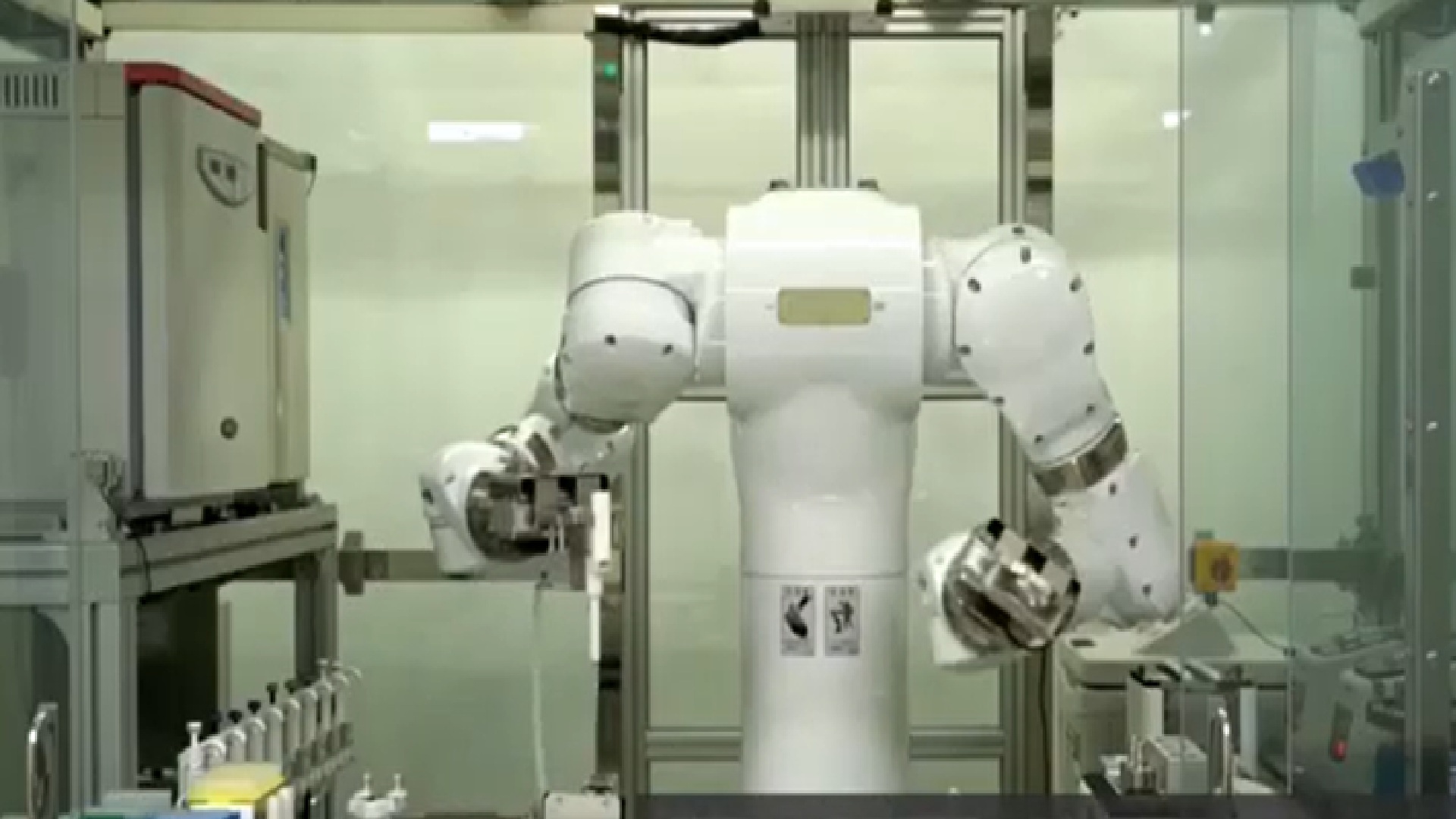
Japan: World-first fully automated medicine lab with humanoids, robots and no humans
A Japanese university has inaugurated a cutting-edge robotics laboratory aimed at advancing medical research through automation. This initiative, which commenced recently, allows robots to perform complex medical experiments that were traditionally conducted by human researchers. The university's goal is to enhance the efficiency and accuracy of medical studies, addressing the growing demand for innovative solutions in healthcare. By integrating robotics into the research process, the institution hopes to accelerate discoveries and improve patient outcomes. The laboratory is equipped with state-of-the-art technology designed to facilitate a wide range of experiments, showcasing the potential of robotics in transforming the medical field.
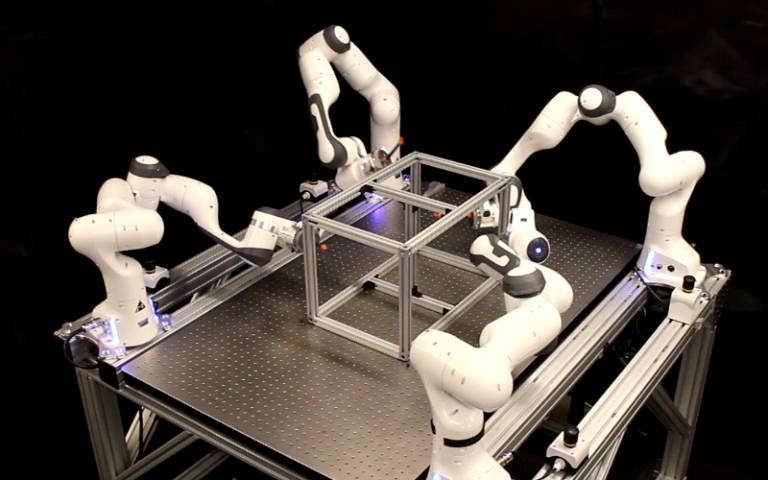
Phase stability regulator based on two dynamic parameters for autonomous mobile robots
A researcher has highlighted the advantages of implementing a phase stability regulator featuring two real-time signals for autonomous mobile robots (AMRs). This innovation aims to enhance the operational efficiency and reliability of AMRs, which are increasingly utilized in various industries for tasks such as logistics and delivery. The findings were discussed in a recent publication on The Robot Report, emphasizing the importance of advanced regulatory systems in improving the performance of these robots. By integrating dynamic parameters into the phase regulation process, the researcher suggests that AMRs can achieve better stability and responsiveness in their operations, ultimately leading to more effective automation solutions.
Autonomous Mobile Robots (AMRs) Logistics Manufacturing Mobility / Navigation News Opinion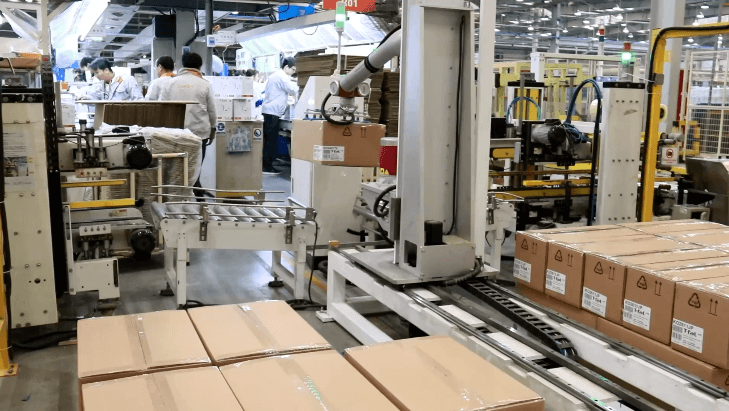
The Future of Cobot Palletizing: Autonomous Mobile Robots and Modular Systems
As the manufacturing and logistics sectors evolve, JAKA is pioneering advancements in cobot palletizing, emphasizing flexibility and autonomy. Customers are increasingly demanding systems that can adapt to varying layouts, product types, and throughput requirements without extensive reconfiguration. The integration of six-axis robot arms is central to this shift, enabling dynamic handling of mixed loads and pallet patterns. A key trend in this field is the combination of autonomous mobile robots with collaborative manipulators. This integration allows for palletizing tasks to occur beyond fixed stations, enabling cobots to move between production lines and adjust to seasonal shifts or temporary capacity needs. The use of modular mechanical interfaces and standardized communication protocols facilitates scalable system development, transforming cobot palletizing into a shared resource that enhances operational efficiency and investment planning. Advanced control capabilities are also crucial for the future of cobot palletizing. Features such as precise path planning, responsive motion control, and adaptable force management enable collaborative robots to handle various packaging formats consistently. For instance, the JAKA Zu7 robot can seamlessly transition between palletizing and secondary tasks like automated screwdriving, adjusting torque settings as needed. Looking forward, JAKA envisions a future where cobot palletizing is characterized by autonomous mobility, modular design, and intelligent control. This approach aims to ensure that palletizing solutions evolve alongside production demands, rather than limiting them. By aligning collaborative robots with mobile platforms and adaptable end-effectors, JAKA is committed to developing systems that integrate into broader automation strategies, supporting reliable operations and sustainable growth in modern automated facilities.
Hybrid Velocity Obstacle‐Nonlinear Control Method for Real‐Time Collision Avoidance of Nonholonomic Mobile Robots
In May 2026, researchers published a study in the Journal of Field Robotics, exploring advancements in robotic technology and its applications in various fields. The study highlights the integration of artificial intelligence and machine learning in enhancing the capabilities of field robots. Conducted by a team of engineers and scientists, the research aims to address challenges faced in agriculture, search and rescue operations, and environmental monitoring. The findings demonstrate how these innovations can improve efficiency and accuracy in tasks traditionally performed by humans, thereby reducing labor costs and increasing safety in hazardous environments. The team employed a series of experiments to test the robots' performance in real-world scenarios, showcasing their ability to navigate complex terrains and make autonomous decisions. This research is significant as it underscores the potential of robotics to transform industries by providing solutions that are not only effective but also sustainable. The authors emphasize the importance of continued investment in robotic research to further develop these technologies and expand their applications.
RESEARCH ARTICLE
First Autonomous Mobile Robots Roll Off the Line at Rockwell Automation’s Milwaukee Headquarters
Rockwell Automation has achieved a significant milestone with its OTTO by Rockwell Automation platform, following the company's acquisition of Clearpath Robotics in 2023. This development underscores Rockwell's dedication to enhancing smart manufacturing through automation technologies. The integration of Clearpath Robotics is expected to bolster the capabilities of the OTTO platform, positioning Rockwell as a leader in the evolving landscape of automated manufacturing solutions.
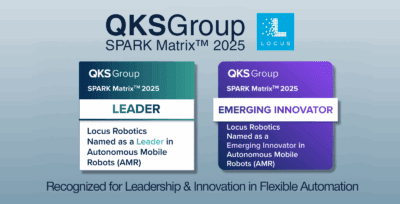
Locus Robotics Named Global Leader and Emerging Innovator in 2025 QKS SPARK Matrix™ for Autonomous Mobile Robots (AMR)
QKS Group has announced the launch of its innovative Locus Array solution, which is being hailed as a significant advancement in the industry. This new technology aims to enhance data processing and analysis capabilities, addressing the growing demand for efficient solutions in various sectors. The introduction of the Locus Array is set to take place in October 2023, with the company emphasizing its potential to streamline operations and improve overall performance. By leveraging cutting-edge technology, QKS Group seeks to position itself as a leader in the market, responding to the evolving needs of its clients. The rollout of this solution is expected to provide businesses with enhanced tools for decision-making and operational efficiency, ultimately driving growth and innovation across the industry.
Robotics needs a service framework.
RSF defines a common language for robot service capability, lifecycle operations, certification pathways, and service-provider networks.
Join the RobotToday community on LinkedIn
Daily robotics news, in-depth analysis, conference highlights, and discussions with professionals worldwide.