

Industry Briefing
A single destination for timely, editor-curated robotics news from around the world.
Ukraine's Artillery Adapts to Drone Warfare Dynamics Amid Ongoing Conflict
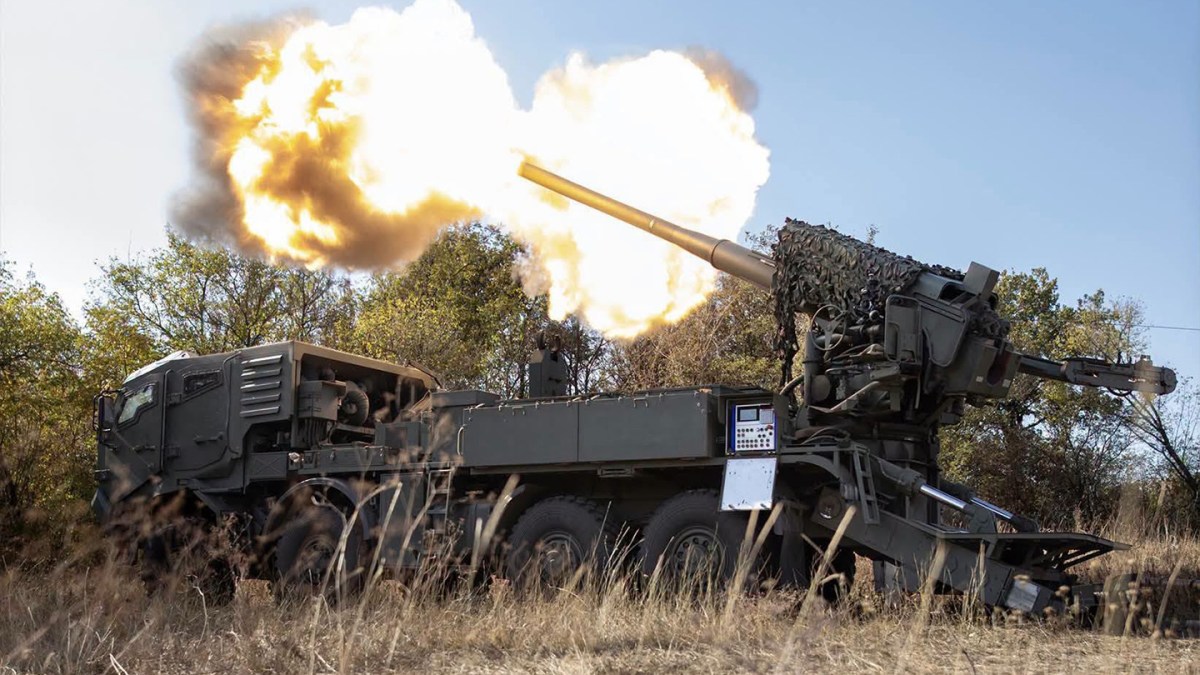
Since the onset of Russia's invasion, the role of artillery in Ukraine has evolved significantly, with drones now dominating the battlefield. Lt. Col. Vitalii Korniienko, commander of the 7th Artillery Brigade, highlighted the integration of artillery and drones to enhance combat effectiveness. While drones conduct the majority of strikes, artillery remains crucial for specific tasks that drones cannot accomplish, particularly in areas affected by electronic warfare. The shift in warfare tactics emphasizes the need for artillery to adapt to the changing landscape, where traditional massed fire is no longer viable. Korniienko pointed out that the cost-effectiveness of using drones for targeting has led to a strategic rethinking of artillery deployment. Artillery is now used in conjunction with drones to provide cover and engage targets that are out of reach for drones, ensuring that both systems complement each other. Looking ahead, the continued integration of ground-based robotic systems for logistics and the ongoing evolution of artillery tactics will be critical. As the conflict progresses, the ability to effectively combine these technologies will determine operational success on the battlefield. No further timeline was disclosed at the time of publication.
News & Features Around The Globe Artillery Europe Land Russia
Tiberius Aerospace Partners with US Army to Develop 155mm Sceptre Artillery Munition
Tiberius Aerospace has signed a Cooperative Research and Development Agreement (CRADA) with the US Army to advance the development of the 155mm Sceptre artillery munition. This collaboration is significant as it aims to enhance the capabilities of the US Army's artillery systems, potentially leading to improved operational effectiveness on the battlefield. The 155mm Sceptre munition is expected to play a crucial role in modernizing artillery operations. Looking ahead, industry stakeholders will be keen to monitor the progress of this partnership and the subsequent developments in the Sceptre munition project. No further timeline was disclosed at the time of publication.
News
Tiberius Aerospace Partners with US Army to Develop Mach 3 Sceptre Artillery Munition
Tiberius Aerospace has entered into a Cooperative Research and Development Agreement with the U.S. Army to enhance the Sceptre, a ramjet-powered 155mm artillery munition. This collaboration aims to improve the precision and range of existing artillery systems without necessitating new launcher purchases, allowing for strikes beyond Mach 3 and up to 93 miles away. The significance of this partnership lies in its potential to transform artillery capabilities, particularly in environments where GPS signals may be compromised. Sceptre's design enables it to reach altitudes above 65,000 feet and maintain propulsion throughout its flight, distinguishing it from traditional projectiles. This advancement could provide a strategic advantage in contested battlefields. Looking ahead, the focus will be on validating and refining the technologies essential for transitioning Sceptre from an experimental round to a fully operational artillery capability. No further timeline was disclosed at the time of publication.
Military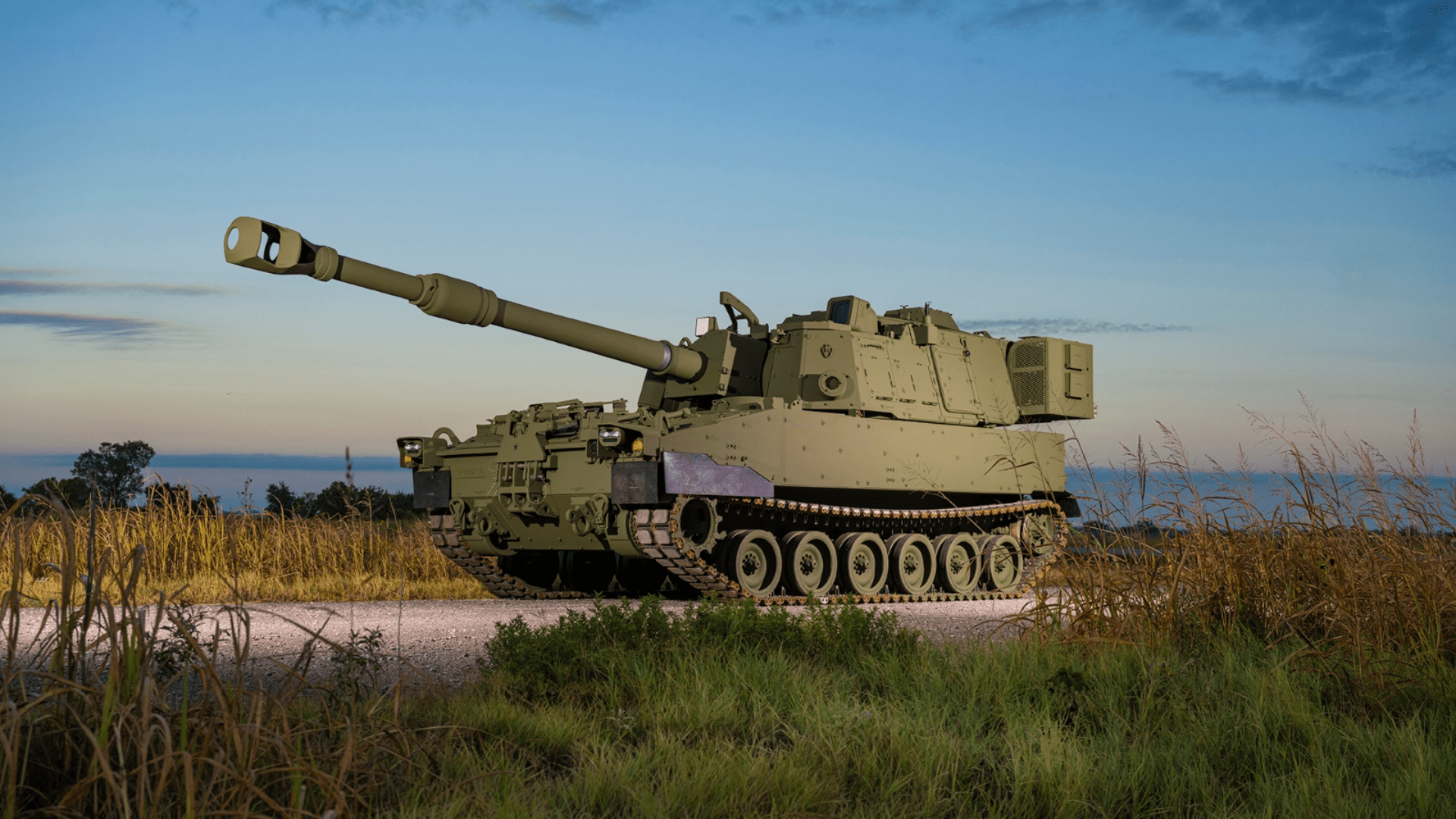
US Army trials LP-CROWS integration on Paladin artillery for drone defense
Engineers at the US Army Yuma Proving Ground are conducting developmental testing of advanced military technologies. This initiative, which began recently, aims to evaluate and enhance the performance of various systems crucial for operational readiness. The testing is part of the Army's ongoing efforts to improve its capabilities and ensure that troops are equipped with the most effective tools for modern warfare. By rigorously assessing these technologies in a controlled environment, the Army seeks to identify potential improvements and address any issues before deployment. The Yuma Proving Ground, known for its vast testing facilities, provides an ideal location for these critical evaluations, allowing engineers to simulate real-world conditions effectively. This testing phase is essential for maintaining the Army's competitive edge and ensuring the safety and effectiveness of its personnel in future missions.
Military
Rheinmetall presents L60 155mm artillery system at Eurosatory 2026
Rheinmetall has introduced its latest L60 155mm artillery weapon system during the Eurosatory defense and security exhibition, currently taking place in Paris. The unveiling of this advanced artillery system highlights Rheinmetall's commitment to enhancing military capabilities amid growing global security challenges. The L60 is designed to provide improved firepower and precision for armed forces, reflecting the company's focus on innovation in defense technology. This launch at such a prominent international event underscores the importance of showcasing cutting-edge military equipment to potential buyers and allies.
NewsRobotics needs a service framework.
RSF defines a common language for robot service capability, lifecycle operations, certification pathways, and service-provider networks.
Join the RobotToday community on LinkedIn
Daily robotics news, in-depth analysis, conference highlights, and discussions with professionals worldwide.







