

Industry Briefing
A single destination for timely, editor-curated robotics news from around the world.

Researchers Develop AthenaZero, a Robot Capable of Throwing, Catching, and Hitting Baseballs
Researchers have developed AthenaZero, a robot designed to throw, catch, and hit baseballs with human-like precision. This advancement showcases the potential of robotics in sports, highlighting the capabilities of robots to perform complex physical tasks that require coordination and timing. The significance of AthenaZero lies in its ability to mimic human athletic skills, which could revolutionize training methods in sports and enhance robotic applications in various fields. As robotics technology continues to evolve, the integration of such advanced capabilities may lead to new opportunities in both entertainment and practical applications. Looking ahead, the development of AthenaZero raises questions about the future of robotics in sports and other physical activities. The ongoing advancements in robotic technology will be crucial to watch, as they may lead to further innovations and applications that challenge our understanding of human-robot interaction.
AI and Robotics
Hanwha and Magnet Defense to Begin Construction of New MUSV This Fall
Hanwha and Magnet Defense have announced plans to commence construction on a new Medium Unmanned Surface Vehicle (MUSV) this fall. The two companies formalized their collaboration through a memorandum of understanding signed in April, which outlines their commitment to developing this advanced maritime technology. The development of the MUSV is significant as it represents a strategic partnership aimed at enhancing capabilities in unmanned maritime operations. This initiative is expected to contribute to advancements in naval defense technology, reflecting the growing importance of unmanned systems in modern military applications. Looking ahead, testing of the MUSV is scheduled for next year, marking a critical phase in the project. Stakeholders will be keen to monitor the progress of this collaboration and its implications for the defense sector, particularly in the context of increasing investments in unmanned vehicle technologies.
Naval Warfare Drones Hanwha Hanwha Defense USA Magnet Defense MUSV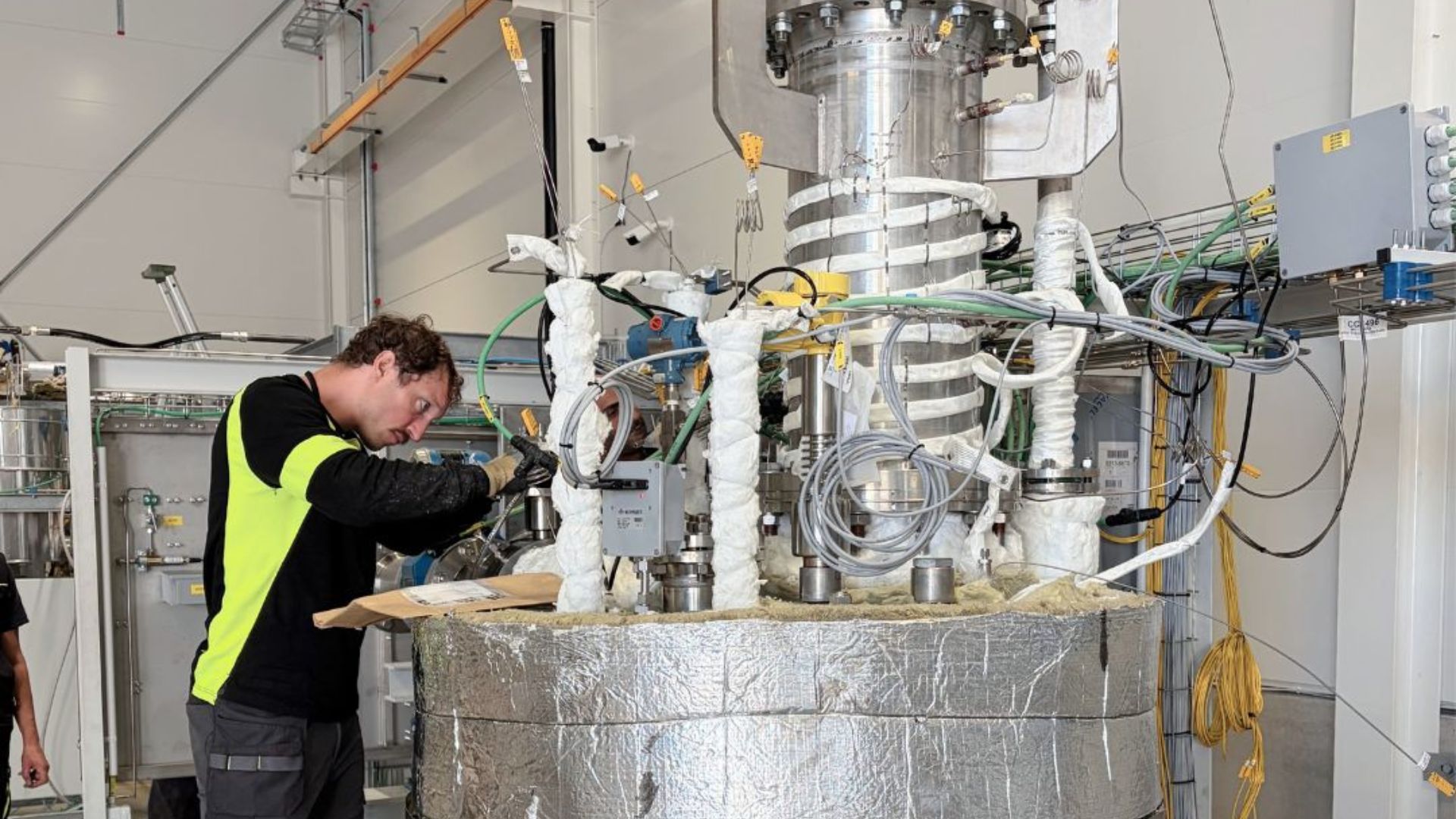
Blykalla and Microsoft Reduce Lead-Cooled Reactor Licensing Time from Years to Months
Blykalla, a nuclear technology firm, has implemented a new computational platform in collaboration with Microsoft to streamline the licensing process for its lead-cooled reactors. This innovative system automates the assessment of reactor data against stringent regulatory standards, enabling the company to transform lengthy licensing preparation periods from years to mere months. This advancement is significant as it supports active licensing efforts in both Sweden and the United States, where Blykalla is pursuing the construction of two advanced reactor parks. The platform is designed to reduce documentation time and resources by 90% while maintaining the necessary safety standards expected by regulators, as emphasized by Jon Christensen, Head of AI at Blykalla. Looking ahead, Blykalla's SEALER reactor, which utilizes a patented aluminum alloyed steel to combat corrosion from molten lead, represents a leap forward in modular reactor technology. The company has also established an engineering facility in Austin, Texas, to adapt its systems for the North American market. No further timeline was disclosed at the time of publication.
Energy
US Air Force Prepares for European Allies' Involvement in Collaborative Combat Aircraft Development
Senior leaders from the U.S. Air Force in Europe report that NATO allies are increasingly interested in participating in the development of collaborative combat aircraft (CCAs). This interest comes as many of these countries also pursue their own fighter and drone programs. The U.S. Air Force is optimistic that CCAs will enhance the alliance's overall capabilities, particularly in light of shrinking fleets of crewed combat aircraft among NATO allies. The significance of CCAs is underscored by the current geopolitical climate, with rising tensions with Russia and new threats emerging. Autonomous aircraft could provide NATO with additional combat capabilities without necessitating a larger number of crewed aircraft stationed in Europe. Lt. Gen. Jason T. Hinds and Chief Master Sgt. Joshua J. Wiener highlighted the potential for at least 500 CCAs to be operational by 2032, with growing interest from European nations such as Germany, Sweden, and the Netherlands. Looking ahead, the U.S. Air Force is utilizing two operational scenarios to illustrate how CCAs could integrate into NATO's force structure: defensive and offensive missions. Allies are keen to incorporate CCAs into their military strategies, indicating a collaborative future in defense capabilities. No further timeline was disclosed at the time of publication.
Air Around The Globe Collaborative Combat Aircraft Europe NATO News & Features
Flytrex Launches Rooftop Drone Docks and AI Fleet Positioning in Dallas-Fort Worth
Flytrex has unveiled a rooftop docking system and AI-driven fleet positioning for drone delivery in the Dallas-Fort Worth area. This innovative system is designed to reduce delivery costs by 60% and cut customer delivery times by half by positioning drones at restaurants before orders are placed. The significance of this development lies in its potential to streamline drone delivery operations. By eliminating the need for drones to fly from a central location to restaurants, Flytrex's system addresses a major inefficiency in current delivery networks. The technology allows for quicker service and fresher food, enhancing the overall customer experience. Looking ahead, Flytrex plans to install the rooftop docking system at over 100 additional sites, expanding its operational footprint. However, the success of this model will depend on finding suitable locations and obtaining regulatory approvals for its operations. No further timeline was disclosed at the time of publication.
Applications Delivery Drone News Drone News Feeds News AI fleet positioning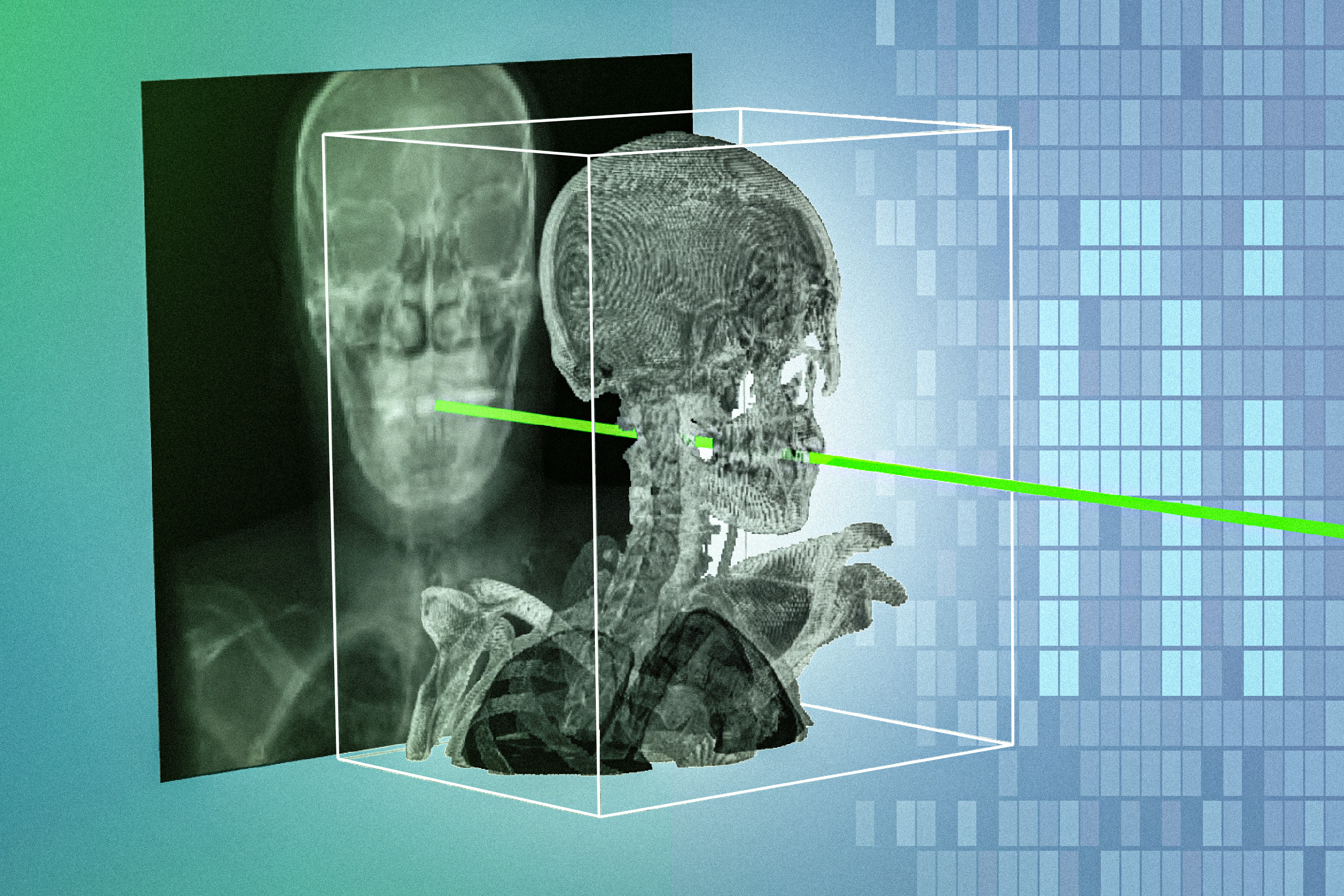
MIT Researchers Develop AI Technique to Enhance Safety and Precision in Minimally Invasive Surgeries
Researchers at MIT have developed a new AI technique that rapidly matches X-rays taken during surgery with a patient's preoperative 3D medical scans. This innovative method aims to improve the precision of minimally invasive surgical tools, potentially leading to faster and safer procedures. The significance of this advancement lies in its ability to streamline the process of aligning real-time X-rays with preoperative images, which is crucial for guiding surgical instruments accurately. Current methods are often cumbersome and can increase the risk of complications during surgery, making this new AI model, named xvr, a promising solution. Looking ahead, the xvr model, which adapts to individual patients in about five minutes and achieves sub-millimeter precision, could revolutionize access to life-saving procedures, particularly for those living far from specialized medical centers. No further timeline was disclosed at the time of publication.
Research Computer science and technology Artificial intelligence Machine learning Computer vision Medical devices
Ferrovalle Implements AI Optimization at Mexico City's Intermodal Rail Hub
Ferrovalle is advancing its digital transformation by implementing Inform’s Syncrotess Optimization Plus platform at its Mexico City intermodal hub. This initiative, known as Smart Yard, aims to enhance yard, equipment, and train operations by providing an optimization layer that integrates with Ferrovalle’s existing Terminal Operating System (TOS). The system is set to go live in June 2027. This development is significant as Ferrovalle’s intermodal division managed approximately 550,000 TEUs in 2025, positioning it as one of the largest inland intermodal operations in Latin America. The Syncrotess platform will utilize data from current systems to enhance operational visibility and continuously update recommendations, thereby improving efficiency in container storage, equipment deployment, and train loading and discharge processes. Looking ahead, Ferrovalle aims to increase equipment throughput and improve the ratio of billable moves to total handling volume. The integration of customs clearance into the optimization process is also noteworthy, ensuring that only cleared containers are loaded onto trains. No further timeline was disclosed at the time of publication.
AI Automation Systems and Shuttles IT in Logistics Ports & Maritime WMS & SCM Software AI intermodal optimisation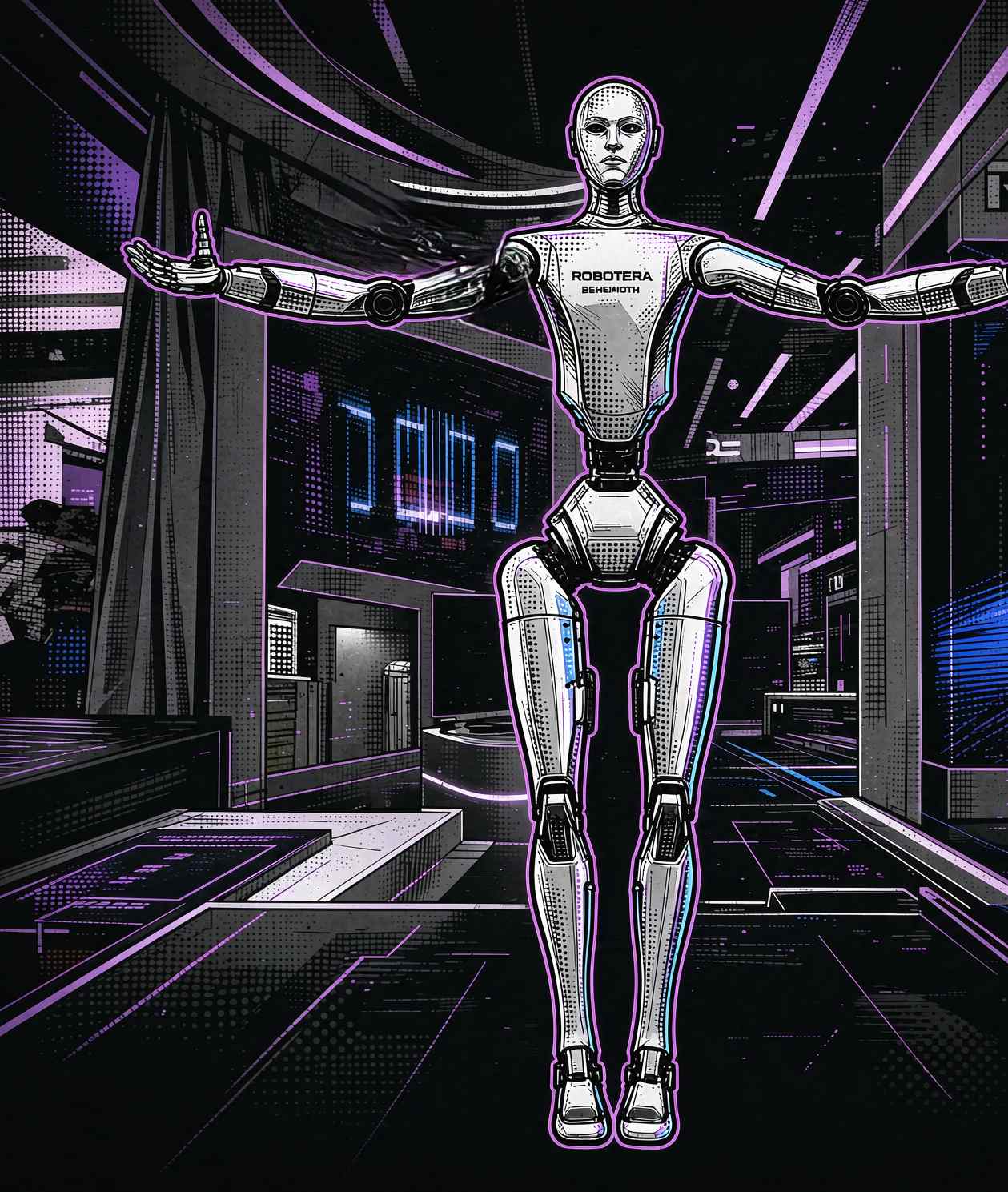
Yushu Launches H2: A 180cm, 70kg Bionic Robot Excelling in Ballet and Martial Arts
On October 20, Yushu introduced its fourth humanoid robot, the H2, which stands 180 cm tall and weighs 70 kg. Compared to its predecessor, the H1, the H2 features significant upgrades in movement fluidity and bionic characteristics, with a body mass index of 21.6 that closely resembles that of a normal human. The H2 boasts 31 joints, an increase of approximately 19% from the 26 joints of the R1 released in July. These joints are distributed across the arms, legs, and torso, allowing the robot to perform complex movements such as ballet and martial arts with grace and fluidity. The introduction of a human-like face has also garnered attention, with some viewers comparing it to characters from science fiction films. The advancements in the H2's capabilities expand its potential applications, ranging from industrial automation to entertainment and companionship services. As Yushu continues to refine its humanoid robots, the focus will be on whether the H2's enhanced joint control and weight lead to improved operational capabilities or superior performance in demonstrations. No further timeline was disclosed at the time of publication.
Humanoid Robots Bionic Technology Robotics AI Automation
Israel's National AI Plan Prioritizes Physical AI Amidst Electromagnetic Challenges
Israel's new national AI initiative has identified physical AI as a strategic focus, emphasizing the need for machines to perceive, decide, and act in the real world. This encompasses various sectors including transportation, healthcare, space, and agriculture. The plan proposes the establishment of a sandbox and national physical testing ground to validate autonomous systems under conditions that closely mimic reality. The initiative highlights the importance of understanding the electromagnetic environment, which affects navigation and communication for autonomous machines. Engineers have recognized that radio waves, which are often overlooked, play a crucial role in how machines operate. The ability to navigate this invisible environment is essential for the reliability of autonomous systems, especially in complex scenarios like those faced in Ukraine, where interference can disrupt operations. Looking ahead, the integration of advanced modeling tools for radio signal propagation is crucial. By creating digital twins that account for the effects of physical structures on signal behavior, the aim is to enhance the testing of autonomous machines before deployment. This proactive approach could significantly reduce failures in the field, ensuring that AI systems are better equipped to navigate both visible and invisible challenges.
Physical AI Autonomous Systems Wireless Communication AI Testing Digital Twins
Hefei Team Develops All-Weather Forestry Inspection Robot for Enhanced Fire Detection
A team led by Cheng Ziyang has developed a forestry inspection robot designed to address the limitations of traditional fire detection methods. The robot integrates LiDAR and thermal imaging technologies, enabling it to operate effectively in low visibility conditions such as nighttime and smoke. This innovation aims to enhance the efficiency of forest fire monitoring by autonomously navigating complex terrains and detecting temperature anomalies that are often precursors to fires. The significance of this development lies in its potential to improve forest fire prevention efforts. Traditional methods, including fixed sensors and manual patrols, have proven inadequate due to high costs, low efficiency, and limited coverage. The new robot has demonstrated a 27% increase in inspection coverage and significantly improved accuracy in identifying fire sources, thereby reducing the need for human intervention in hazardous areas. Looking ahead, the team plans to further optimize the robot's performance and push for its industrialization. The challenges of cost, reliability, and mass delivery remain, but overcoming these hurdles could lead to a substantial enhancement in the intelligence of forest fire protection systems, ultimately reducing risks and improving response times in emergency situations.
Forestry Robotics Fire Detection Technology Autonomous Systems Environmental Monitoring
2026 Embodied Intelligence Challenge to Feature Robotic Sports Carnival at Digital Trade Expo
The 2026 Global Digital Trade Innovation Competition, featuring the Embodied Intelligence Challenge, will take place from September 23 to 27 at the Hangzhou International Expo Center. Attendees will have the opportunity to engage in various robotic sports, including sprinting alongside robots and competing in basketball shooting contests. This event is significant as it aims to attract over a hundred teams and includes 14 competition categories and two special activities, showcasing innovations in robotics and technology. The challenge will test robots in various scenarios, such as sprinting, obstacle courses, and team sports, providing a platform for both entertainment and technological demonstration. As part of the fifth Global Digital Trade Expo, the event will also feature an innovation showcase where companies can present their robotic products, including service robots like massage and ice cream robots. Attendees can participate in interactive experiences, making the event a unique blend of competition and technology engagement. No further timeline was disclosed at the time of publication.
Robotics AI Digital Trade Interactive Technology
Emerald AI, Google, and NVIDIA Form Alliance to Enhance AI Data Center Flexibility
Emerald AI, Google, and NVIDIA have announced the formation of the AI Energy Management Alliance (AEMA), aimed at advancing data centers that can dynamically manage electricity usage based on grid conditions. This initiative seeks to enhance AI infrastructure by enabling more efficient energy use, ultimately supporting community energy systems and reducing environmental impacts. The significance of this alliance lies in its potential to address the power constraints currently limiting the expansion of AI infrastructure in the U.S. Traditional data center interconnection processes are not designed for the flexible demands of modern computing. By allowing data centers to adjust their electricity consumption intelligently, the AEMA aims to optimize existing grid capacity and facilitate quicker connections for AI facilities. Looking ahead, the AEMA's technology-neutral approach focuses on measurable performance metrics, ensuring reliability while reducing uncertainty for developers. The alliance will bring together a diverse range of stakeholders, including AI platforms, data center operators, and utilities, to collaborate on creating a more responsive and efficient energy ecosystem for AI technologies. No further timeline was disclosed at the time of publication.

Trump Dismisses AI Threats as Hoax During Call with Jensen Huang
During the All-in Summit in Los Angeles on September 14, Jensen Huang received a call from former President Donald Trump, who dismissed concerns about AI dangers as a hoax. Trump emphasized the value of data centers, likening them to oil for the next 20 to 25 years, and stated that robots and AI would not take over everything. He urged caution but insisted that the industry should not be slowed down. Huang responded by affirming the importance of ensuring that the benefits of AI reach everyone in the U.S., including all industries and states. He echoed Trump's sentiment that AI should not be slowed, referencing recent calls from industry leaders like Anthropic's Dario Amodei and OpenAI's Sam Altman for a more cautious approach to AI development. Trump's stance contrasts sharply with these calls for moderation. The implications of this conversation suggest a strong support for AI infrastructure investment and data center development in the current policy environment. Huang's commitment to not slowing AI development signals ongoing demand for chips and computing power, positioning AI infrastructure as a critical component of future energy strategy rather than a technology requiring restraint. No further timeline was disclosed at the time of publication.
AI Data Centers NVIDIA Technology Policy
Wall Street Considers Impact of AI Slowdown on Data Center Investments
Wall Street is evaluating the potential effects of a slowdown in AI model development on data center investments. Companies like Oracle, GE Vernova, and Caterpillar have heavily invested in AI infrastructure, but recent proposals for a slowdown have led to stock declines across the sector. The significance of this slowdown is underscored by the reliance of industrial giants on the continuous demand for AI systems and chips. Analysts warn that any delays could adversely affect Oracle's cloud infrastructure business, which has been a key growth driver. Looking ahead, the market anticipates a rush to secure AI-related debt, with Amazon recently raising nearly $6 billion. As companies navigate these challenges, the pricing of new debt deals is expected to rise, reflecting increased demands from fixed income investors.

Boyagongdao Unveils BG-5 Biomimetic Robotic Fish for Shallow Water Inspections
Boyagongdao showcased its BG-5 Golden Dragon Fish biomimetic autonomous underwater vehicle (AUV) at the China International Fair for Trade in Services (CIFTIS). This innovative robotic fish weighs approximately 3 kg and measures 640 mm in length, designed specifically for shallow inspections. The BG-5 features a soft multi-joint tail, enabling it to achieve a top speed of 0.6 m/s and a depth rating of 5 meters. This propeller-free design is particularly suited for delicate underwater environments, making it a significant advancement in underwater inspection technology. As the demand for efficient and non-intrusive inspection methods grows, the BG-5's capabilities position it as a valuable tool in various applications. No further timeline was disclosed at the time of publication.
Saxony's Automation and Robotics Sector Showcases Innovations at All About Automation in Chemnitz
The automation and robotics industry in Saxony will showcase its innovations at the All About Automation event in Chemnitz on September 23 and 24. This event serves as a platform for industry leaders to demonstrate their contributions to the advancement of small and medium-sized enterprises. This exhibition is significant as it highlights Saxony's role as a driving force in automation and robotics, emphasizing the region's commitment to fostering innovation within the industry. By participating in this event, local companies aim to strengthen their market presence and collaborate with other stakeholders. Looking ahead, the focus will be on how these innovations can further benefit the Mittelstand (SMEs) in Saxony. No further timeline was disclosed at the time of publication.
Allgemein Newsarchiv Veranstaltungs-Highlights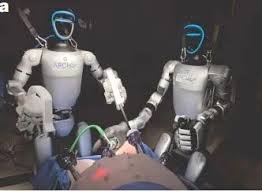
Humanoid Robot Successfully Performs Gallbladder Surgery on Live Pigs, According to Nature Study
A research team from the University of California, San Diego, utilized the humanoid robot developed by Yushu Technology to perform gallbladder surgeries on live pigs, marking a significant milestone in robotic surgery. This is the first instance of a humanoid robot conducting live surgeries, showcasing its potential in clinical settings. The significance of this research lies in its exploration of humanoid robots in surgical environments, which have traditionally relied on specialized robotic systems like the da Vinci Surgical System. The study highlights the humanoid robot's ability to operate in existing surgical environments without requiring extensive modifications, potentially reducing costs and increasing accessibility. Looking ahead, while the humanoid robot demonstrated notable advancements, it still faces challenges in precision compared to specialized surgical robots. The study indicates that further developments are needed before humanoid robots can be considered for clinical use. No further timeline was disclosed at the time of publication.
Humanoid Robots Surgical Robotics Medical Technology Robotic Surgery
Wingcopter Unveils All-Electric Wingcopter 262 for Tactical Reconnaissance in Defense Sector
Wingcopter has launched the all-electric Wingcopter 262, featuring a wingspan of 262 centimeters (103 inches) and a tactical range of 150 kilometers (93 miles). This new vertical take-off and landing aircraft is designed for defense and security applications, offering up to six hours of flight endurance and a maximum takeoff weight of 10 kilograms (22 pounds). The introduction of the Wingcopter 262 is significant as it enhances reconnaissance capabilities with AI-enabled cameras and resilient navigation for GNSS-denied environments. The aircraft's modular battery system allows for quick mission readiness, making it suitable for persistent aerial surveillance in tactical operations. Wingcopter's experience in unmanned aircraft development underpins this innovative platform. Looking ahead, Wingcopter's new business unit, Wingcopter Security and Defence, aims to expand its portfolio in the defense sector, including logistics and reconnaissance. The company is also collaborating with TAF Industries to support drone production in Ukraine. No further timeline was disclosed at the time of publication.
Defense Drone News Drone News Feeds Military News
American Alligators Create Critical Water Depressions in Florida's Everglades During Dry Season
During the dry season in Florida's Everglades, American alligators excavate water-filled depressions in the limestone bed. These depressions serve as vital habitats, concentrating fish, turtles, and wading birds, which are essential for the ecosystem's health. The role of these alligator-created depressions is increasingly recognized by ecologists as a crucial component of the southern marsh's functionality. By maintaining these water-filled holes, alligators contribute significantly to the biodiversity and ecological balance of the region. Looking ahead, the ongoing study of these animal-built infrastructures will provide further insights into their ecological importance. No further timeline was disclosed at the time of publication.
Earth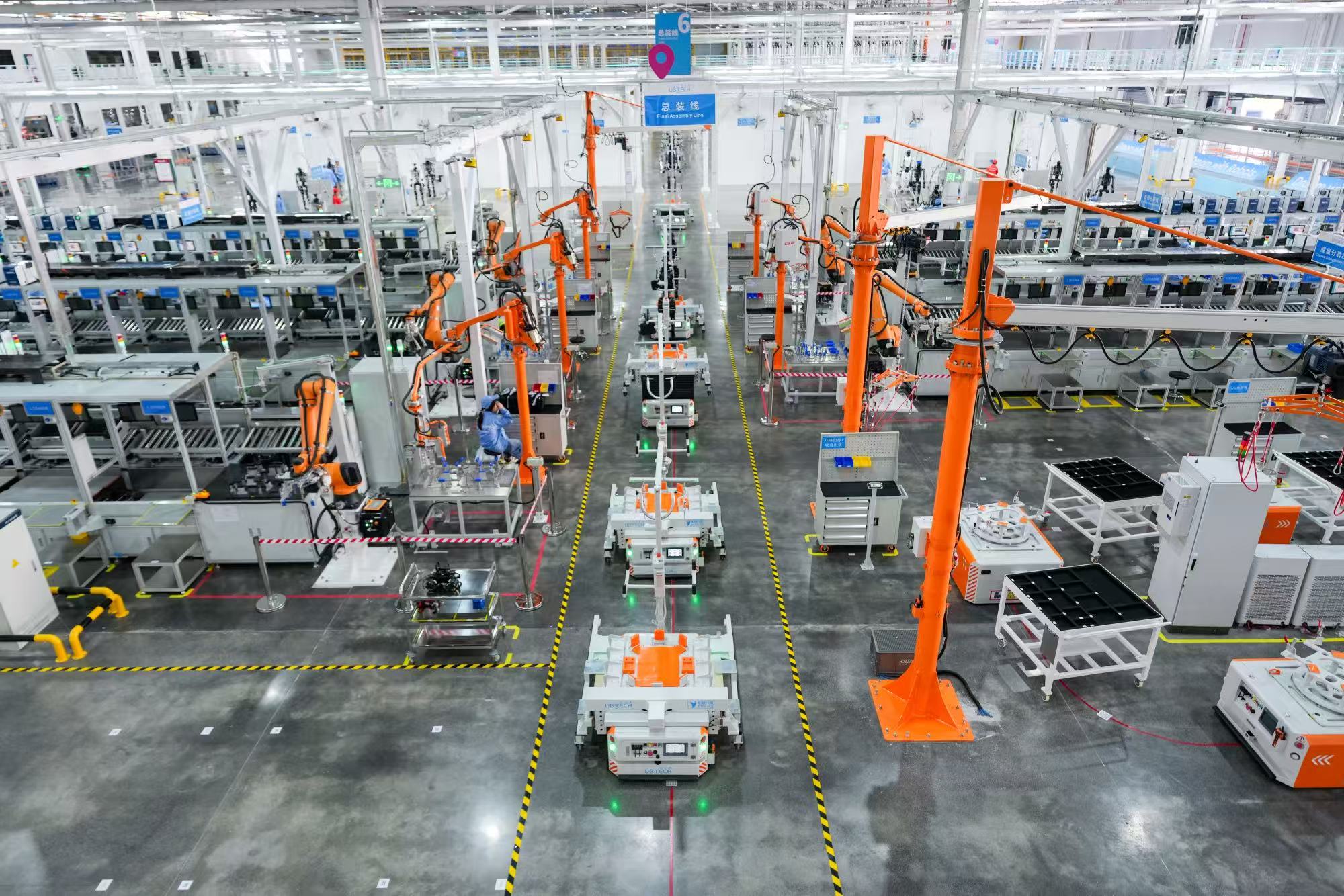
Company Producing 10,000 Humanoid Robots Annually, with Non-Human Workers Dominating Factory Operations
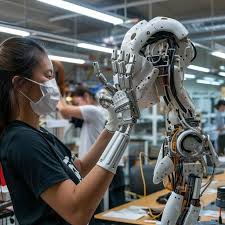
A newly established company has begun producing 10,000 humanoid robots each year, highlighting a significant advancement in robotics manufacturing. This development is noteworthy as it reflects the growing reliance on automation in production processes, where non-human workers are increasingly taking on roles traditionally held by humans. The implications of this trend are profound, as it raises questions about the future of labor and the potential for robots to replace human jobs. The fact that a company can produce such a high volume of humanoid robots annually indicates a shift towards more automated and efficient manufacturing practices. Looking ahead, it will be important to monitor how this company and others in the industry adapt to the challenges and opportunities presented by automation. No further timeline was disclosed at the time of publication.
Robotics Automation AI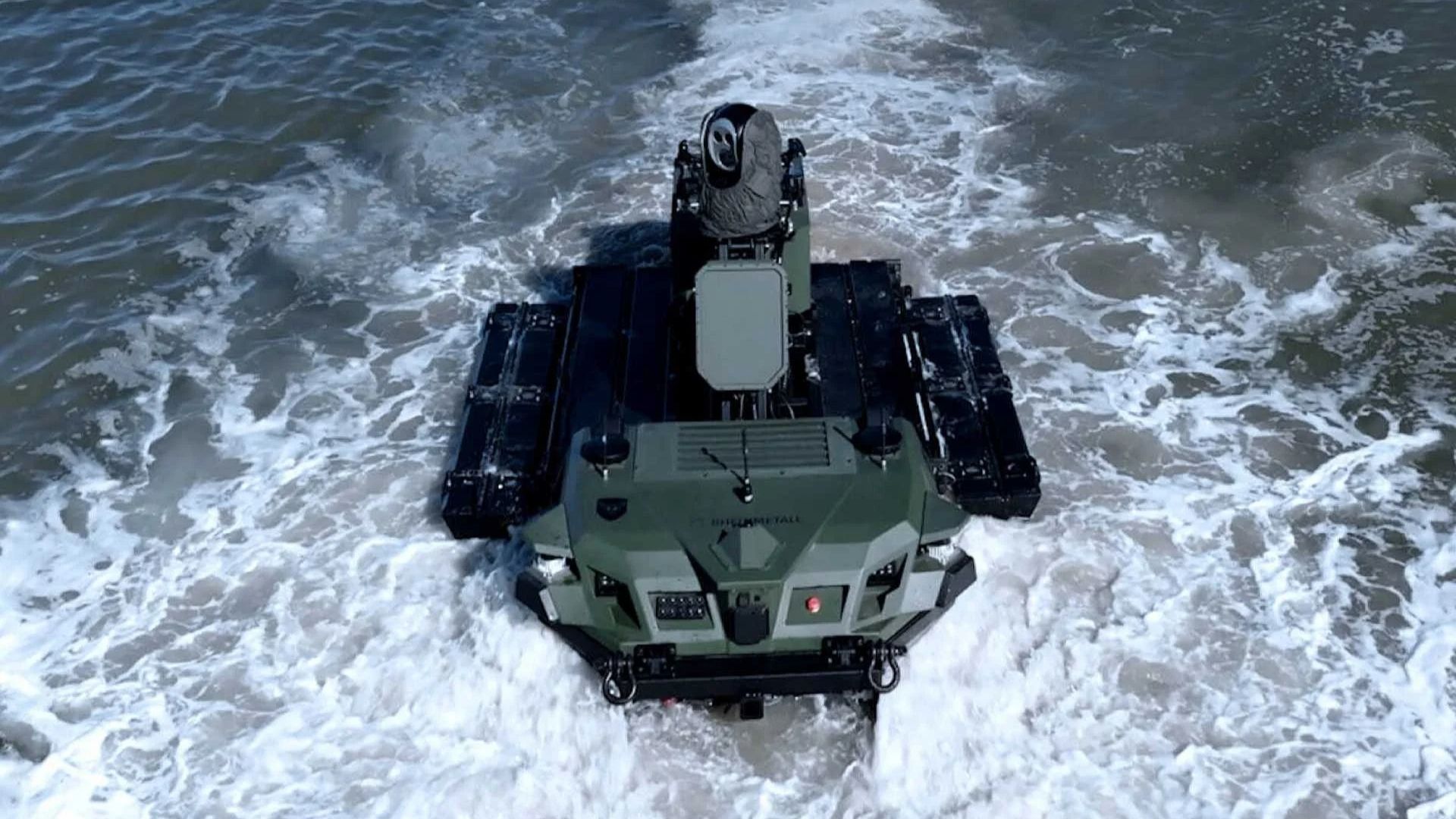
US Marine Corps Secures 12 Rheinmetall Amphibious Robots for Autonomous Logistics
American Rheinmetall has been awarded a $7.28 million contract to supply 12 Mission Master SP Autonomous Unmanned Ground Vehicles (A-UGVs) to the US Marine Corps. This procurement includes five amphibious kits and supporting equipment aimed at enhancing autonomous logistics and expeditionary mobility technologies. The significance of this contract lies in its potential to advance the operational capabilities of the US Marine Corps. The Mission Master SP vehicles are designed to support the Marine Corps Warfighting Laboratory's evaluations and capability development efforts, reflecting over four years of collaboration between Rheinmetall and the Marines. Looking ahead, the deployment of these advanced A-UGVs will be closely monitored as they are integrated into military operations. The amphibious capability is particularly noteworthy, as it addresses the evolving demands of littoral and expeditionary operations, marking a key milestone in Rheinmetall's partnership with the US Marine Corps.
Military
Monumental's Salar al Khafaji Discusses Robotics in Construction and 'Walls as a Service
Salar al Khafaji, founder and CEO of Monumental, recently appeared on Episode 261 of The Robot Report Podcast to discuss the concept of 'Walls as a Service' and the potential for robotics in the construction sector. He emphasized the need for scalable automation in construction, a field known for its limited digitization and reliance on traditional methods. The discussion highlights the significance of integrating robotics and AI into construction processes, aiming to transform it into a more efficient and technology-driven industry. Al Khafaji's vision focuses on making construction software-defined and hardware-enabled, which could lead to substantial improvements in productivity and cost-effectiveness. Listeners should keep an eye on Monumental's developments as they continue to innovate in the construction space. No further timeline was disclosed at the time of publication.
Artificial Intelligence Autonomous Mobile Robots (AMRs) Construction News Opinion Podcast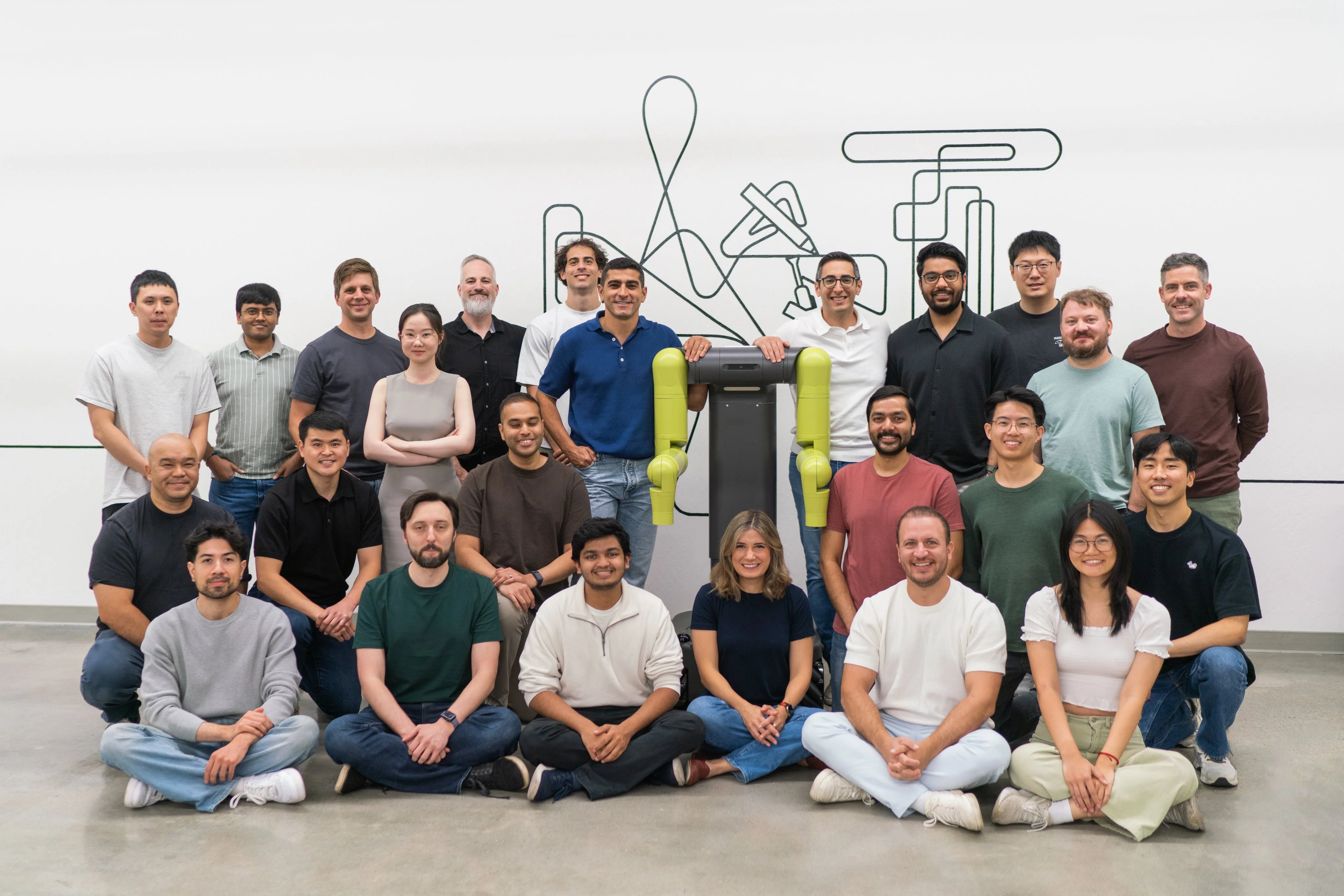
Maven Robotics Emerges from Stealth with $100M Funding for Industrial Mixed Palletizing
Maven Robotics, based in Santa Clara, has announced its emergence from two years of stealth with a $100 million Series A funding round. Led by RoboStrategy, this funding will support the production of 250 third-generation robots and early engineering for a fourth generation. Maven's focus is on addressing the challenges of mixed palletizing in industrial logistics, a critical bottleneck in distribution centers. The significance of Maven's approach lies in its pragmatic strategy to capture industrial logistics before expanding its intelligence capabilities. By utilizing a wheeled mobile base and dual-arm manipulation, the robots can operate efficiently at speeds of up to 10 miles per hour, handling payloads of up to 30 kilograms. This operational reliability is crucial, as the company maintains a 99% uptime rate across its robots, which currently operate in client facilities. Looking ahead, Maven Robotics aims to enhance its end-to-end workflow by integrating directly with warehouse management systems. No further timeline was disclosed at the time of publication. CEO Hamza Derbas emphasizes the importance of return on investment, critiquing the complexity and costs associated with bipedal robots in warehousing applications.
US Maven Robotics RoboStrategy
Addressing the Fall Challenge in Commercial Robotics with Light REACT Technology
A significant challenge in commercial robotics is the frequent occurrence of falls and malfunctions, which can halt operations and increase maintenance costs. Many potential applications remain unexploited due to the inability of robots to recover from such incidents. On September 9, 2026, Liangyuan Innovation introduced the Light REACT technology, focusing on adapting to faults and disturbances in real-world environments, rather than merely enhancing speed and agility. The importance of this technology lies in its ability to redefine how robots respond to unexpected challenges in various settings, such as factories and homes. Traditional methods rely on pre-set emergency protocols that often fail in unpredictable situations, leading to increased downtime and operational costs. By shifting the focus to in-context learning, Liangyuan aims to enable robots to autonomously adjust to their physical conditions, making them more resilient and capable of functioning in diverse environments. Looking ahead, the success of Light REACT could pave the way for broader adoption of robotics across industries. The shift from a reactive to a proactive approach in fault adaptation is crucial for scaling robotic applications. No further timeline was disclosed at the time of publication.
Robotics Operational Efficiency Adaptive Technology Commercialization
GEAIR 2.0 Demonstrates Genetically Modified Tomatoes to Boost Agricultural Robot Efficiency
On September 7, at the Beijing Seed Industry Conference, the GEAIR 2.0 system from the Institute of Genetics and Developmental Biology showcased its capabilities. The robotic arm efficiently pollinates flowers in under ten seconds, achieving a 92.8% accuracy in identifying flower structures, a 7.8% improvement over its predecessor. This advancement highlights the potential of genetically modified tomatoes to enhance agricultural robotics. The significance of this development lies in the concept of crop-robot co-design, where the focus shifts from adapting machines to the existing plant structures to modifying the plants to work better with robots. This approach addresses the challenges faced by agricultural robots in greenhouses, where traditional methods have struggled due to plant design hindrances. The global market for robotic pollination is projected to grow significantly, reaching approximately $847 million by 2025 and $3.2 billion by 2033. Looking ahead, two key areas warrant attention: the potential for crop-robot co-design to be applied to other crops, such as soybeans, and the regulatory pathways for gene-edited crops in China. The success of GEAIR 2.0 could prompt a reevaluation of the agricultural robotics industry, emphasizing a collaborative approach between machines and crops, which could redefine the future of agricultural practices.
Agricultural Robotics Genetic Engineering Crop-Robot Co-Design Pollination Technology
Doubao Work Enhances Task Management with Parallel Sub-Agents and Mac GUI Control
ByteDance's Doubao Work has introduced a new feature that allows for the distribution of tasks across parallel sub-agents. This enhancement aims to improve efficiency in workplace automation by enabling multiple agents to work simultaneously on different tasks. The significance of this update lies in its ability to extend the Operate Computer screen-click control from Windows to Mac systems. This functionality does not depend on APIs or MCP, which broadens the accessibility and usability of Doubao Work across different operating systems. Looking ahead, it will be important to monitor how this development impacts user adoption and productivity within organizations that utilize Doubao Work. No further timeline was disclosed at the time of publication.
10th ZGC Emerging Fields Quadruped Robot Challenge Set for September 2026
The 10th ZGC Emerging Fields Quadruped Robot Challenge will take place from September to October 2026, focusing on the application of quadruped robots in complex environments. This initiative aims to promote the development of embodied intelligence technologies in line with China's 14th Five-Year Plan, enhancing economic growth through innovation. The challenge will assess quadruped robots on their ability to transport materials and perform tasks in various terrains, including stairs, sand pits, and rubble. It will also evaluate their autonomous capabilities in emergency scenarios, such as navigating confined spaces and conducting search and rescue operations in simulated urban ruins. Participating teams must register before the deadline and will have training opportunities on obstacle courses prior to the competition. Awards will be given to top teams, with opportunities for further support and collaboration in scientific projects and potential partnerships in sectors like emergency response and energy.
Quadruped Robots Emergency Response Robotics Innovation AI Technology
Experts Discuss Key Technical Challenges in Embodied Intelligence at Recent Roundtable
A recent roundtable featured six experts discussing the core technical challenges in embodied intelligence. Huang Siyuan from the Beijing Academy of Artificial Intelligence focused on full-body coordination in bipedal robots, while Zhao Xing from Xinghai Map emphasized training paradigms for embodied foundational models. Other participants included Yu Chao from Tsinghua University, who advocated for integrating reinforcement learning with Agentic Robotics, and Zhu Yichen from Current Robotics, who highlighted the end-to-end data loop for local manipulation. The discussion revolved around three main themes: the model layer, data layer, and implementation layer. Experts debated whether the VLA represents the most reasonable technical route and the significance of world models. They also explored the potential of one million hours of human video in scaling robotic capabilities and the efficient use of multimodal and causal signals. A consensus emerged that while data is crucial for scaling, the path to achieving it is not singular. Looking ahead, the experts acknowledged the excitement surrounding advancements in robotics, particularly in Silicon Valley, where tech giants are rapidly forming robotics teams. However, they cautioned that the industry is still in its infancy, emphasizing the need for a calm assessment of the challenges and breakthroughs required for progress in embodied intelligence.
Embodied Intelligence Robotics Machine Learning AI Research
Supply Chain Challenges Hinder Humanoid Robot Development Despite AI Advances
The primary bottleneck for humanoid robots is not just AI model limitations but also supply chain constraints. A recent McKinsey report highlights that critical hardware components such as precision motor systems and tactile sensing are high-risk areas that won't automatically improve with algorithm upgrades. Renesas Vice President Ivo Marocco emphasizes that the complexity of ecosystem and system integration poses a greater challenge than solving AI issues. Despite expectations for humanoid robots to become mainstream, Omdia data forecasts only 13,000 units shipped globally by 2025, a figure that pales in comparison to automotive and industrial automation markets. Renesas aims to cover 30% of the bill of materials (BOM) costs for humanoid robots, with a long-term goal of reaching 70%. However, this target is often misunderstood as immediate market share, when in fact it represents a future product mix goal. The transition from 30% to 70% BOM coverage faces significant hurdles, particularly in high-risk hardware components. While automotive and industrial components can be repurposed, they do not address the unique challenges of humanoid robots. Renesas is focusing on system-level solutions and has established a physical AI and robotics lab in Beijing to support customers through the entire engineering validation process. The company anticipates a compound annual growth rate of 40% in the physical AI market by 2030-2035, although consumer humanoid robots are expected to take over five years to achieve significant market presence.
Humanoid Robots Supply Chain AI Hardware Components
Texas Senators Propose Drone-Enhanced Smart Wall for Border Security
Texas Democratic lawmakers are advocating for a drone-powered 'smart wall' to enhance border security instead of traditional physical barriers. Senator Judith Zaffirini emphasized that this strategy would integrate technology such as surveillance cameras, sensors, and drones to improve law enforcement's ability to monitor illegal activities along the Texas-Mexico border. The proposal comes in response to federal plans for a physical border wall, which have faced criticism for their environmental impact and limited effectiveness. With over 1,200 miles of border to secure, the senators argue that a smart wall would provide a more adaptable and efficient solution, allowing for better resource allocation and quicker response times to security threats. Looking ahead, the Texas lawmakers believe that a comprehensive approach combining technology with law enforcement personnel is essential. They stress the importance of tailoring security measures to the diverse geographic and demographic conditions along the border. No further timeline was disclosed at the time of publication.
Drone News Drone News Feeds Drones in the News News safety and security Big Bend National Park border wall
Inbolt's Robotics Solutions Address Precision Challenges in Electronics Manufacturing
Inbolt is addressing the growing need for automation in electronics manufacturing, particularly in the assembly of complex data center infrastructure. With their control platform, which includes CAD-based programming and real-time control, Inbolt has installed over 200 robot arms across more than 100 factories, powering over 40 million robot cycles last year. The shift towards AI server racks has created a demand for more precise robotic solutions, as traditional manual assembly methods struggle with the complexities of modern electronics. Inbolt's technology aims to increase automation from 20-30% to 90%, focusing on the precision required for tasks like screw driving and cable routing, which are critical in preventing costly errors. As the electronics industry evolves, Inbolt's advancements in robotics will be crucial for meeting the challenges of high-voltage safety and ergonomic handling. The ability to adapt to frequent design changes and maintain high precision will be key factors to watch in the future of electronics assembly automation.
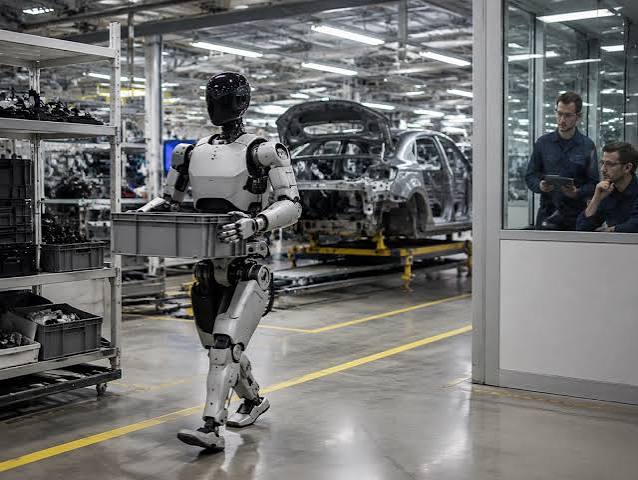
Humanoid Robots Face Hardware Challenges Amid Advancements in AI Technology
In 2026, humanoid robots showcased impressive performances, such as the Yushu H1 completing 1.9 kilometers in 4 minutes and 13 seconds, surpassing human world records. However, a critical issue arises: as AI becomes more intelligent, can the physical capabilities of robots keep pace? According to The Robot Report, there is a fundamental misalignment between AI and humanoid robots, as robots require physical interaction data that cannot be sourced from the internet. The hardware limitations are particularly evident in dexterous hands, which can cost over 100,000 yuan, with some models exceeding 800,000 yuan. Despite their high costs, these hands have a limited operational lifespan in real industrial settings, lasting only a few weeks to a few months. Zhang Zhengtang, founder of Zhongke Huiling, emphasizes the complexity of integrating motors, sensors, and controls in a confined space, where even minor environmental factors can lead to failures after repeated use. As humanoid robots are projected to reach an annual production of 100,000 units by 2026, the industry faces challenges in ensuring consistency across thousands of joint modules and simplifying assembly processes. Wang Xingxing from Yushu Technology predicts that widespread adoption in factories and homes could occur within 2 to 10 years, contingent on hardware stability to support AI advancements in unfamiliar environments.
Humanoid Robots AI Integration Robotics Hardware Automation
Palladyne AI and Fanuc America Collaborate on AI-Enhanced Robotics for Industry
Palladyne AI and Fanuc America have established a strategic partnership to advance AI-driven robotic automation tailored for manufacturing, warehousing, and logistics sectors. This collaboration aims to integrate Fanuc's industrial robots with Palladyne IQ, focusing on enhancing motion planning, adaptive behavior, and human-assisted learning capabilities. The significance of this partnership lies in addressing challenges faced by manufacturers and logistics operators, such as skilled labor shortages and the need for increased productivity. By combining their technologies, the companies aim to create more adaptable robotic systems that can efficiently respond to dynamic environments, ultimately streamlining deployment processes across various operations. Looking ahead, the collaboration will also emphasize joint customer validation and the development of standardized deployment workflows, which are expected to simplify the introduction of robotic automation. No further timeline was disclosed at the time of publication.
AI AI Funding & Investment Capital Markets Robotics automation Fanuc
Uber Technologies Stock Declines Amid Wall Street's Focus on Tesla's Cybercab Launch
Uber Technologies (UBER) experienced a decline in stock value on Tuesday, as Wall Street analysts provided optimistic views on the company's strategies to counter competition from Waymo and Tesla (TSLA). The drop occurred following Tesla's official launch of its 'Cybercab' in Austin, Texas, which is designed specifically for autonomous ride-hailing. The introduction of Tesla's Cybercab represents a significant competitive challenge for Uber, as it aims to establish a foothold in the autonomous ride-hailing market. Analysts noted that while Uber is making strides to enhance its offerings, the emergence of Tesla's robotaxis could reshape the landscape of ride-hailing services, intensifying the competition. Looking ahead, industry observers will be monitoring how Uber responds to the competitive pressures posed by Tesla's Cybercab and other autonomous vehicle initiatives. No further timeline was disclosed at the time of publication.

Challenges in Commercializing Embodied Intelligence: Hardware and Engineering Focus
As robots demonstrate capabilities like running and jumping, the industry consensus is clear: technical prototypes do not equate to commercial products. The competition in the embodied intelligence sector has shifted from algorithmic prowess to a comprehensive evaluation of hardware engineering, supply chain systems, and cost-benefit analysis in real-world scenarios. By 2026, advancements in technologies such as large models and dexterous hands are expected to accelerate. However, as numerous prototypes enter operational environments, issues like stability, maintenance costs, and parts supply have surfaced, revealing a significant gap between technological capabilities and industrial demands. While robots may achieve high success rates in laboratory settings, industrial applications require thousands of operational cycles, where even minor failures can halt entire processes. The industry recognizes that universal robots are not a feasible path at this stage. Instead, addressing gaps left by traditional automation is a more pragmatic approach. The logistics and warehousing sectors, characterized by structured environments, are the first to undergo large-scale validation. However, not all tasks are suitable for robots, and traditional automation still holds advantages in many areas. The maturity of the supply chain will ultimately determine the limits of industry expansion, as companies begin to build collaborative platforms to support large-scale delivery and address current mismatches in planned capacity and actual output.
Robotics Hardware Engineering Supply Chain Management Industrial Automation
Palladyne AI and FANUC America Form Strategic Partnership to Enhance Robotic Automation
Palladyne AI and FANUC America have announced a strategic collaboration aimed at advancing intelligent robotic automation. This partnership will integrate FANUC America's extensive industrial robot portfolio with Palladyne AI's innovative physical AI software platform. The collaboration is significant as it seeks to simplify the deployment of robotic systems, enhance their adaptability, and broaden the scope of automation across various sectors, including manufacturing, warehousing, and logistics. By leveraging both companies' strengths, the partnership aims to address the growing demand for efficient automation solutions. Looking ahead, industry stakeholders should monitor the developments from this collaboration, particularly how the integration of AI with robotics will impact operational efficiencies in the targeted sectors. No further timeline was disclosed at the time of publication.

Restaurant Robots Enter Real Operations: Efficiency and Cost Challenges Ahead
Restaurant robots are transitioning from exhibitions to real operations, with significant implications for efficiency and cost. In late August, a dual-arm robot developed by Sharpa began working at a DQ store in Shanghai, completing 55 steps to make ice cream using existing equipment and ingredients. While the robot's production time is currently longer than that of skilled staff, the focus is on ensuring process stability before improving speed. The introduction of cooking robots in Chinese kitchens is gaining traction, with brands like Xiaocaiyuan deploying them across nearly 300 locations. Industry estimates suggest that cooking robots can enhance service efficiency by 30% to 50%. The market for cooking robots in China is projected to grow from 3.7 billion yuan in 2025 to 4.59 billion yuan in 2026, indicating a strong demand for automation in food preparation. Despite the potential benefits, challenges remain, particularly in customizing dishes and maintaining quality. High-end restaurants are hesitant to adopt cooking robots, emphasizing the irreplaceable skills of chefs. The future of restaurant robots will likely focus on human-robot collaboration, where robots handle repetitive tasks while humans manage personalized service and quality control.
Restaurant Automation Robotics AI Food Technology
RoboBall: A Novel Inflatable Robot for Moon Exploration and Challenging Terrain Navigation
A team from Texas A&M University has developed RoboBall, a 1.8-meter diameter inflatable robot designed to traverse diverse terrains on the Moon. This innovative approach, which began as a NASA project in 2003, aims to address the critical challenge of tipping over faced by traditional wheeled or legged rovers. RoboBall's spherical design allows it to roll over obstacles while protecting its internal components from harsh lunar conditions. The significance of RoboBall lies in its potential to enhance lunar exploration, particularly in the Moon's south polar region, where permanent shadow areas may contain water ice and ancient geological layers. Scheduled for a paper presentation at an IEEE conference in December 2025, the team is also developing a dual lidar module named Remora to help the robot navigate slopes without compromising its sealed structure. This innovation could provide crucial data for autonomous navigation in challenging environments. As global interest in lunar exploration intensifies, with NASA's $20 billion lunar base plan set for completion by 2032, RoboBall could play a vital role in future missions. The research team is also investigating terrestrial applications for RoboBall, such as disaster response, showcasing the robot's versatility in extreme conditions. No further timeline was disclosed at the time of publication.
Lunar Exploration Robotic Innovation Terrain Navigation Disaster Response Space Robotics
AI Call Centers Transforming with Compliance Challenges Ahead
The AI outbound call industry is undergoing structural differentiation, with its market size surpassing 12 billion yuan and an annual growth rate of 38% as of 2026. Driven by large model technology, the proportion of outbound solutions utilizing these models has increased from under 15% in 2024 to over 40% in 2025, addressing key pain points by evolving from simple keyword repetition to dynamic conversational agents. However, compliance remains a significant challenge as the industry faces new bottlenecks. An industry analysis highlights that while large models serve as the 'brain' of AI call systems, the effectiveness of these systems also relies heavily on the stability of the communication infrastructure, compliance with number regulations, and coverage of voice lines. For instance, Gaositong employs Huawei's IMS telecom-grade system, ensuring minimal downtime and high system availability. As AI call centers become more intelligent, the risk of spam calls increases, complicating compliance efforts. Reports indicate that a single AI robot can make between 800 to 1,500 calls daily at a low cost, with capabilities to disguise caller IDs and remove spam labels. The core issue lies in the technology architecture, which must be fortified against misuse to ensure compliance. The industry is at a crossroads, where the focus will shift from the capabilities of large models to the integrity of communication infrastructures.
AI Call Centers Compliance Technology Communication Infrastructure Large Language Models
Household Robots Face Challenges: Market Growth and Open Source Solutions Ahead
The shipment of humanoid robots is surging, with IDC projecting around 18,000 units globally by 2025, a 508% increase. However, the penetration of these robots into households remains minimal, as most are still used in entertainment, education, and data collection. Ecovacs Group Chairman Qian Dongqi noted that it may take three to five years for humanoid robots to enter homes, citing a decade-long journey for their vacuum robots to achieve household integration. Despite technological advancements, the industry faces significant challenges, particularly high component costs and the lack of a robust supply chain. The performance of humanoid robots drops dramatically in real home environments, with a success rate of only 12% compared to 89.4% in simulated settings. This disparity highlights the complexities of domestic environments, which present unpredictable variables that robots struggle to navigate. To address these issues, leading companies are shifting towards open-source ecosystems. Ecovacs launched the “Eight Realms” open-source robot platform, allowing community contributions to improve functionality. Similarly, Lexiang Technology is focusing on community-driven product development. While the widespread adoption of household robots may take longer than anticipated, the path forward is becoming clearer as companies seek to engage users in defining practical applications.
Humanoid Robots Open Source Robotics Household Automation AI Robotics Development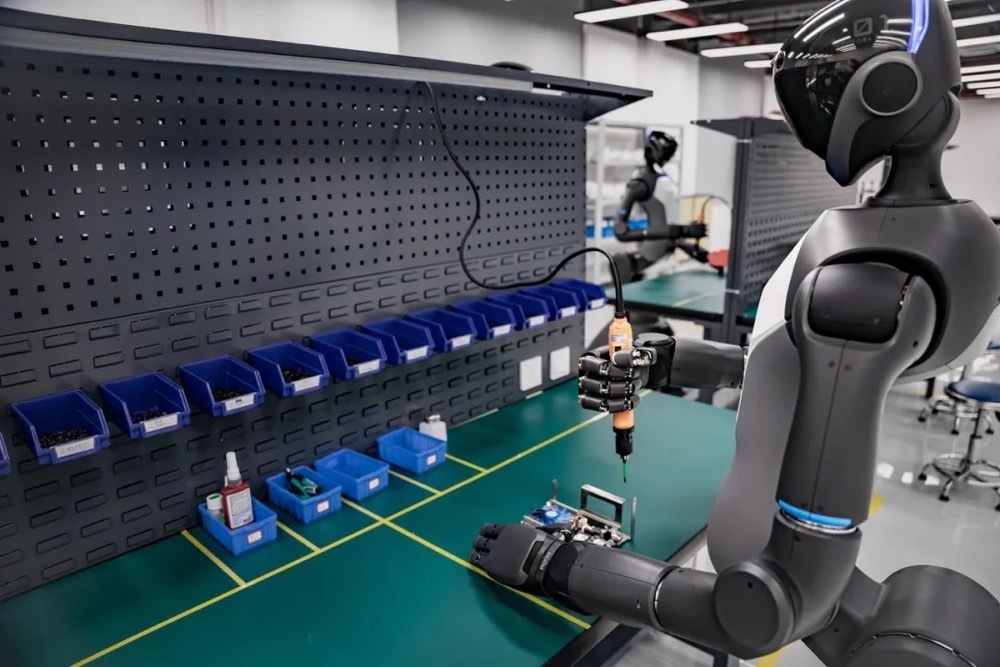
Qingdao's Smart Agricultural Plant Factory Begins Operations Amid Economic Challenges
In 2026, the Qingdao Jiaozhou Shanghe Meigu Plant Factory commenced operations, featuring advanced robotics for all stages of vegetable production. This facility, located in Li Gezhuang Town, boasts a clean environment comparable to pharmaceutical standards and produces 900 kilograms of fresh vegetables daily, supplying high-end supermarkets in Qingdao. The significance of this plant lies in its representation of China's cutting-edge smart agriculture. With a multispectral control system tailored for various vegetables and real-time monitoring by nutrient robots, the factory saves 80% of arable land and achieves a 99% reduction in water usage compared to traditional farming methods. However, a study by the Chinese Academy of Agricultural Sciences revealed that only 18.5% of scenarios analyzed yielded profits, highlighting the economic vulnerabilities of plant factories. Looking ahead, the industry faces challenges in profitability, as conventional fresh food markets struggle to support margins. The plant factory's strategy of supplying high-end supermarkets is crucial for offsetting high costs. Future solutions may focus on energy-saving technologies, photovoltaic direct supply, and cultivating high-value crops to enhance revenue. No further timeline was disclosed at the time of publication.
Robotic Farming Plant Factories Smart Agriculture Energy Efficiency High-Value Markets
Development and Evaluation of a Wall-Climbing Robot for Adaptive Building Facades
A new wall-climbing robot designed for adaptive building facades has been developed and analyzed. This robot operates under negative pressure, allowing it to adhere to various surfaces effectively. Its design aims to enhance maintenance and inspection processes for buildings with dynamic facades. The significance of this development lies in its potential to revolutionize how buildings are maintained, particularly those with adaptive features. By utilizing negative pressure technology, the robot can navigate complex surfaces, which is crucial for ensuring the longevity and safety of modern architectural designs. Looking ahead, the focus will be on further testing and refinement of the robot's capabilities. No further timeline was disclosed at the time of publication.
RESEARCH ARTICLE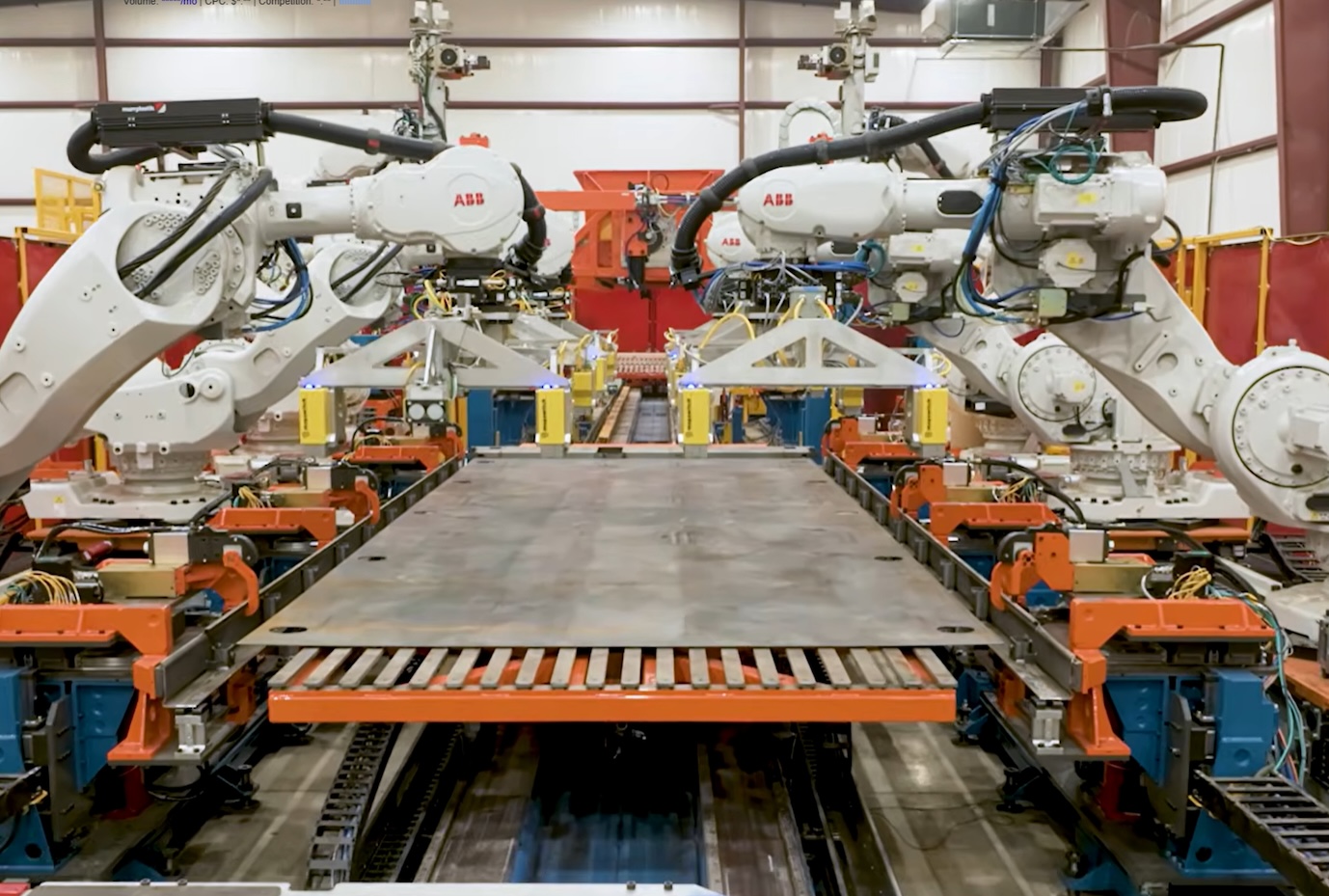
Transporting Your Motorcycle to Rallies Instead of Riding It There
Motorcycle rallies are highly awaited events that unite riders nationwide for scenic routes and community engagement. However, the journey to these rallies can often detract from the overall experience due to long distances, adverse weather conditions, mechanical issues, and rider fatigue. This transportation challenge highlights the need for alternative solutions that can enhance the rally experience. By shipping motorcycles instead of riding them, participants can arrive fresh and ready to enjoy the festivities without the stress of the journey. Looking ahead, the trend of shipping motorcycles to events may gain traction as more riders seek to maximize their enjoyment at rallies. No further timeline was disclosed at the time of publication.
Culture Logistics bike transport enclosed motorcycle transport long-distance motorcycle travel motorcycle carrier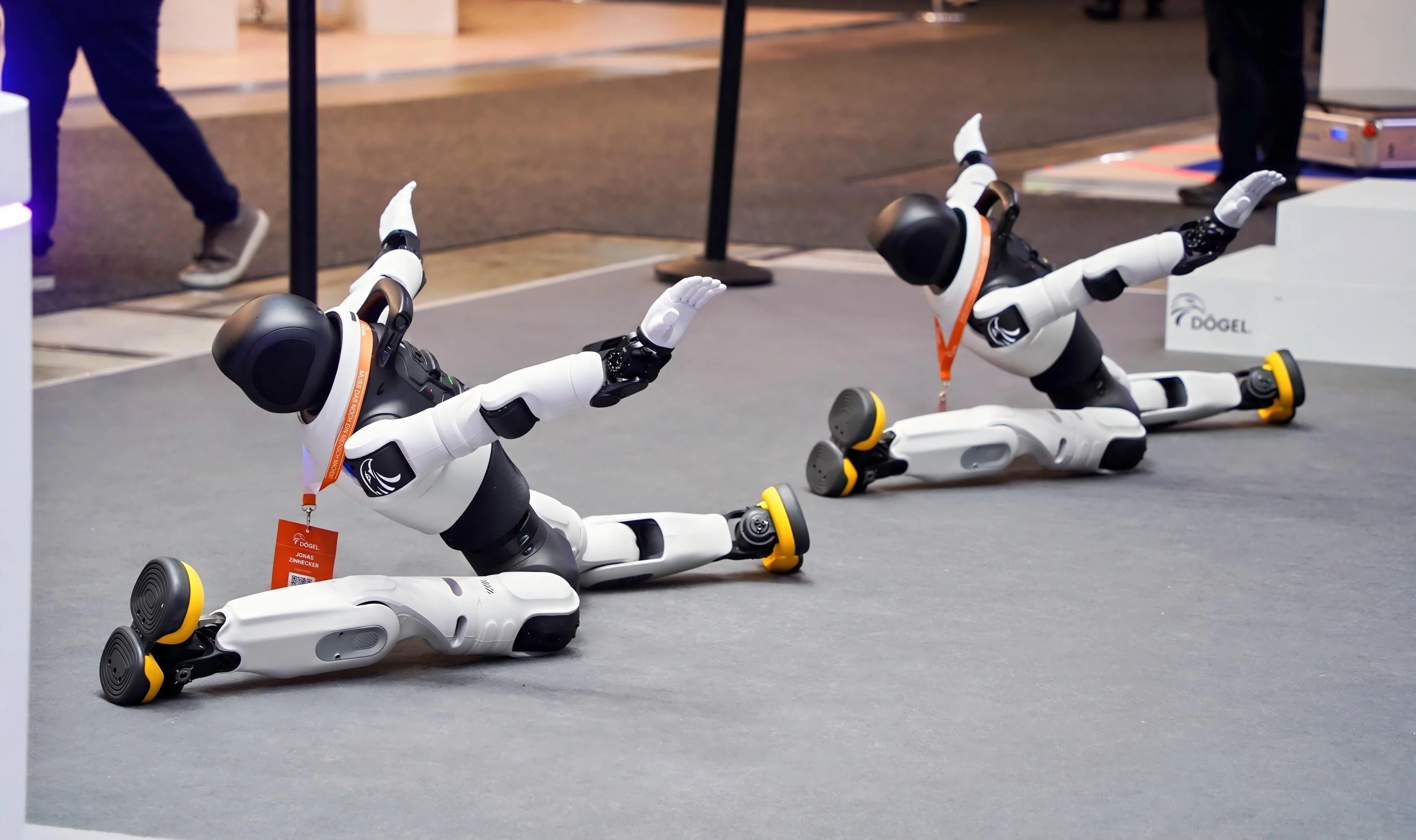
AGIBOT Expands European Operations at IFA 2026 with TÜV Rheinland Certification and Tekpoint Alliance
AGIBOT, a Shanghai-based robotics developer, is intensifying its European strategy following the launch of its first mass-production facility in Serbia. At IFA 2026 in Berlin, the company showcased its multi-tier hardware portfolio, including the AGIBOT A3 humanoid and X2 Ultra platform, while announcing key compliance certifications and a partnership with Tekpoint to enhance its regional presence. This move is significant as it marks AGIBOT's transition from production announcements to establishing a commercial foundation in Europe. The AGIBOT A3, a humanoid designed for various tasks, received critical TÜV Rheinland certifications, ensuring compliance with European safety and regulatory standards. This compliance is crucial for enterprise customers looking to deploy AGIBOT's robots in shared environments, addressing the challenges foreign manufacturers face in meeting stringent European regulations. Looking ahead, AGIBOT's collaboration with Tekpoint and its focus on compliance certifications will be vital as the company seeks to solidify its market position in Europe. No further timeline was disclosed at the time of publication.
Europe Market China AGIBOT
MIT Assistant Professor Thomas Rose, Expert in Archaeometallurgy, Passes Away at 37
MIT Assistant Professor Thomas Rose, a specialist in ancient metallurgy, tragically died on September 2 due to injuries from a bicycle accident in Cambridge, Massachusetts. The incident is under investigation and occurred at the intersection of Memorial Drive and Massachusetts Avenue. Rose, who was 37 years old, had recently joined MIT as the POSCO Professor of Materials Science and was in the process of establishing his laboratory. Rose's contributions to the MIT community were notable, as he actively mentored students and shared his lab resources. His colleagues praised him for his technical expertise and personal qualities, highlighting his friendly and open demeanor. Senior Lecturer Michael Tarkanian remarked on Rose's exceptional fit within the department, emphasizing how fortunate they felt to work alongside him. Looking ahead, Rose was set to teach his first courses this fall, and his lab had just welcomed its first group of graduate researchers. His innovative research in archaeometallurgy, which combined various scientific disciplines, positioned him as a valuable asset to the Center for Materials Research in Archaeology and Engineering (CMRAE). No further timeline was disclosed at the time of publication.
Obituaries Faculty Materials science and engineering DMSE School of Engineering
Texas A&M's RoboBall: A Giant Inflatable Robot for Lunar Crater Exploration
Rishi Jangale and his team at Texas A&M University have developed RoboBall, a 1.8-meter-wide inflatable robot designed for lunar exploration. This innovative vehicle aims to navigate challenging terrains like the Shackleton Crater, which is 21 km wide and 4 km deep, to collect geological samples and investigate frozen water deposits. The significance of RoboBall lies in its potential to access areas of the moon that are too dangerous for astronauts. With its unique spherical design, RoboBall can roll over obstacles without tipping, making it ideal for exploring the moon's dark, cold craters. This exploration could provide valuable insights into lunar geology and the history of the Earth. Looking ahead, the team plans to collaborate with scientists to integrate lunar science instruments into RoboBall's design. While the robot may not be suitable for all missions, its ability to collect samples and return them to a rover could enhance our understanding of the moon. No further timeline was disclosed at the time of publication.
Robotics Soft-robotics Moon Space-exploration Lunar-exploration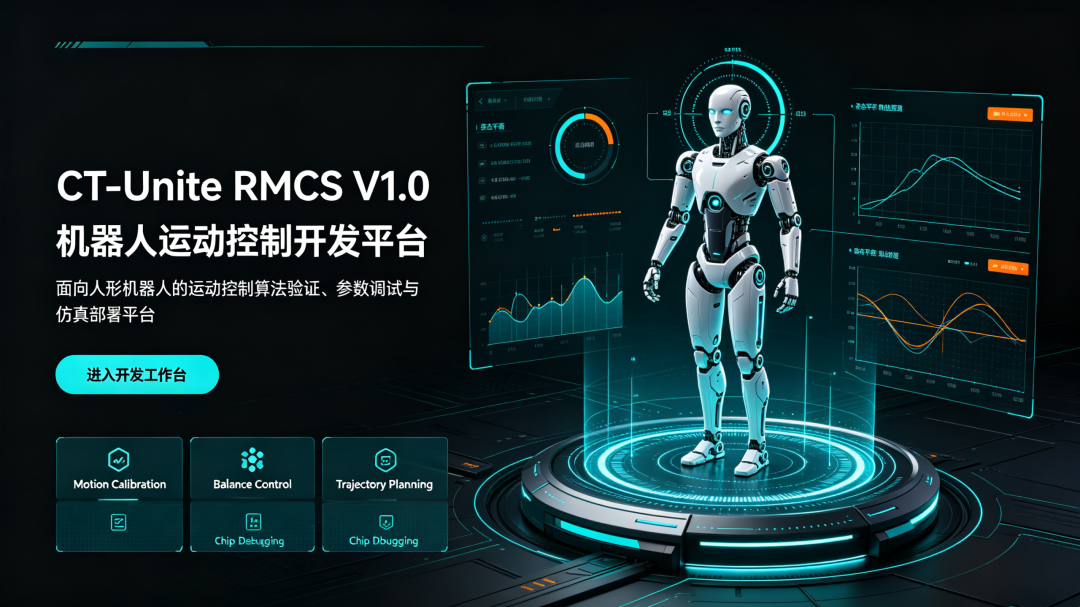
RMCS V1.0 Launches to Address Robot Mass Delivery Challenges in the Industry
The launch of RMCS V1.0 by ZK Wireless Semiconductor marks a significant step in overcoming the engineering gap in robot mass production. This integrated platform, centered around the CT-2001A intelligent chip, aims to facilitate the transition from prototype validation to scalable delivery, addressing critical pain points in the robotics industry. The importance of RMCS V1.0 lies in its ability to streamline the development process, which has traditionally been hampered by long development cycles, high talent requirements, and complex maintenance. By providing a standardized platform for motion control, RMCS V1.0 allows companies to focus on application development rather than foundational algorithm creation, thus lowering the barriers to entry for mass production. Looking ahead, the industry will be watching how RMCS V1.0 impacts the robotics landscape, particularly in terms of reducing costs and improving efficiency in robot deployment. No further timeline was disclosed at the time of publication.
Robot Motion Control Intelligent Chips Robotics Development Automation Solutions
Venezuela's Earthquakes Highlight Drone Utility and Airspace Challenges in Emergencies
On June 24, 2026, two significant earthquakes hit northern Venezuela, prompting immediate drone deployment for damage assessment and search and rescue operations. Drones provided critical situational awareness, revealing destruction and aiding in the rescue of 6,462 individuals from collapsed buildings, while the confirmed death toll reached 6,509. The rapid response showcased the effectiveness of drones in emergencies but also highlighted the challenges of crowded airspace as multiple organizations deployed their drones simultaneously. Juan Plaza, CEO of Plaza Aerospace, emphasized the need for coordination among drone operators to avoid chaos in the air while ensuring clarity on the ground. Looking ahead, the role of drones is expected to evolve beyond immediate response. Teams are utilizing photogrammetry and LiDAR to document structural damage, which can inform engineering assessments and improve future disaster preparedness. No further timeline was disclosed at the time of publication.
Applications Disaster Response Drone News Drone News Feeds Drones in the News News
Germany Officially Accuses Russia of Involvement in Leipzig Airport Drone Attack
Germany has formally accused Russia of being involved in a drone attack at Leipzig Airport. This accusation marks a significant escalation in the already tense relations between the two nations. The Russian embassy responded to Germany's claims, stating that these measures represent an 'unprecedented escalation in Russian-German relations.' This situation highlights the growing geopolitical tensions and the implications for international security. Observers should monitor the developments in diplomatic communications between Germany and Russia, as well as any potential repercussions for bilateral relations. No further timeline was disclosed at the time of publication.
Scott Walter Introduces the Humanoid Decathlon Challenge to Standardize Robot Performance
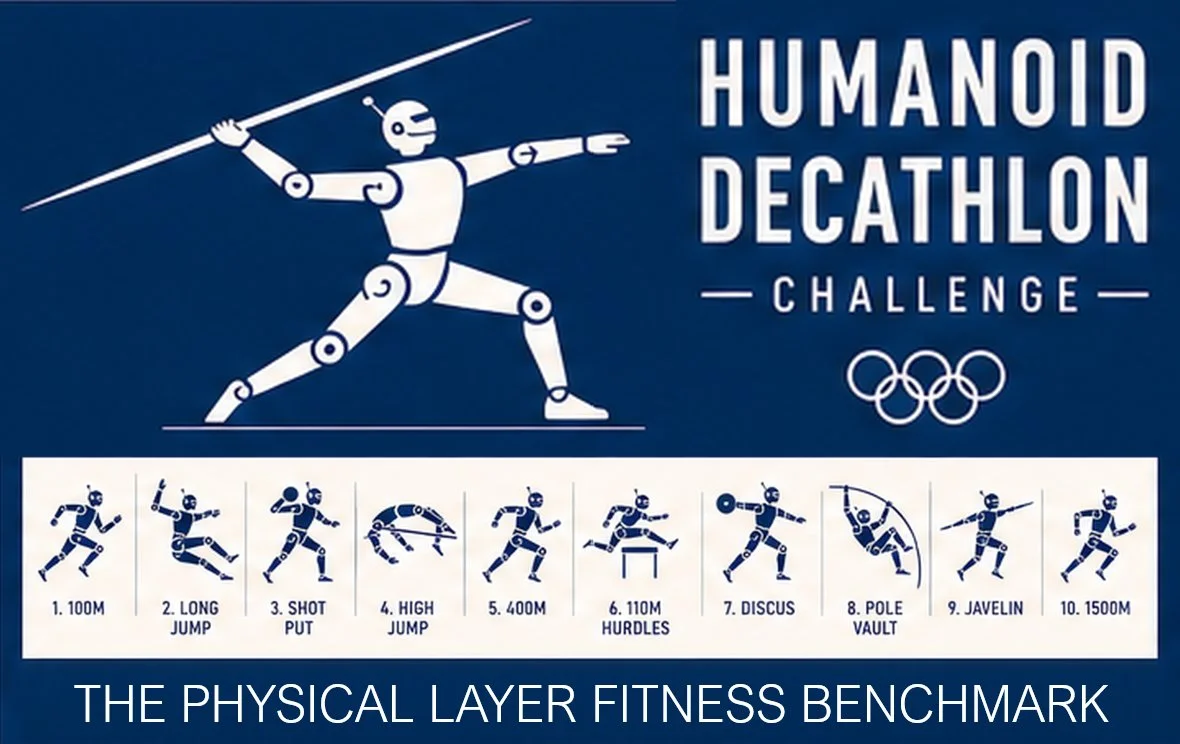
Dr. Scott Walter has proposed the Humanoid Decathlon Challenge, aiming to establish a comprehensive benchmark for humanoid robots. This initiative comes in response to recent athletic achievements in robotics, where humanoid robots have excelled in isolated tasks but lack a unified performance standard. The challenge requires a single bipedal robot to autonomously complete all ten events of the men's decathlon, adhering to World Athletics rules without any hardware modifications. Walter's proposal includes the No Bot of Theseus rule, which prohibits the use of modular engineering shortcuts, ensuring that the same robot must perform every event without altering its physical components. Additionally, the robots must demonstrate self-sufficiency by dressing themselves in athletic uniforms and managing their clothing. This rigorous standard aims to create a fair comparison with human athletes and push the boundaries of humanoid robotics. No further timeline was disclosed at the time of publication.
Scott Walter WHRGRobotics needs a service framework.
RSF defines a common language for robot service capability, lifecycle operations, certification pathways, and service-provider networks.
Join the RobotToday community on LinkedIn
Daily robotics news, in-depth analysis, conference highlights, and discussions with professionals worldwide.






