

Industry Briefing
A single destination for timely, editor-curated robotics news from around the world.
Robots Face Data Shortage Despite Establishment of Hundreds of Training Centers
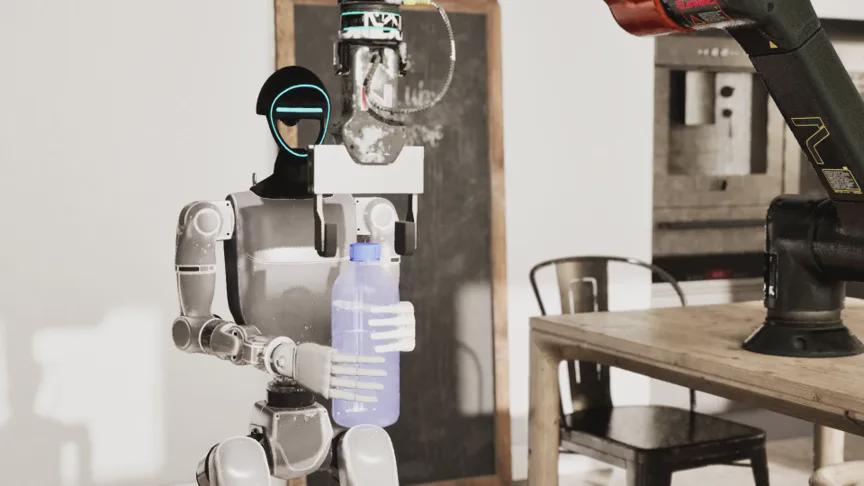
The rapid increase in robot model parameters has not been matched by the availability of high-quality physical interaction data. Current compliant data in China stands at only 500,000 hours, while commercial deployment requires tens of millions of hours, resulting in a gap exceeding 99%. The China Academy of Information and Communications Technology indicates that embodied intelligence models need at least tens of millions of hours of data to reach a 'ChatGPT moment', yet globally available high-quality data is still far from sufficient. The scarcity of data is not due to a lack of collection efforts; approximately 100 embodied intelligence data collection centers have emerged in China over the past two years. However, the data collected is often of poor quality, incompatible formats, and not reusable across different projects. The high cost of collecting real machine data, estimated at around 275 yuan per hour for effective data, exacerbates the issue, making it a rare and expensive resource. As over 70 training centers are operational and more than 40 are under construction, concerns about the quality of data collected persist. Some reports describe the business model of these centers as 'circular financing', where robot companies sell machines to government-built data centers and then funnel money back under the guise of data procurement. No further timeline was disclosed at the time of publication.
Embodied Intelligence Data Collection Robotics Training AI Standards
Chen Pu of Yuan Ke Vision Discusses Transitioning Robot Training Data from 2D to 4D with High Precision
On September 23, Chen Pu, Vice President of Product Development at Yuan Ke Vision, highlighted the importance of high-quality real data for robot training during a seminar in Beijing. He emphasized the need to elevate data from 2D to 4D and improve precision from centimeter to sub-millimeter levels to build a robust 4D data foundation for robotics. This transition is crucial as the industry faces challenges such as weak model generalization and inadequate scene adaptability. Chen noted that current training methods often rely on limited 2D video data, which fails to capture the complexities of three-dimensional space and temporal changes, hindering robots' ability to understand and interact with their environments effectively. Looking ahead, Yuan Ke Vision aims to address these challenges by developing new data collection and training paradigms that enhance dimensionality, enrich modalities, and improve precision. Chen pointed out that while video data serves as a foundation, it is often too simplistic, and the lack of tactile data remains a significant gap in the industry. No further timeline was disclosed at the time of publication.
Robot Training Data 4D Data Collection Industrial Robotics Embodied Intelligence Precision Robotics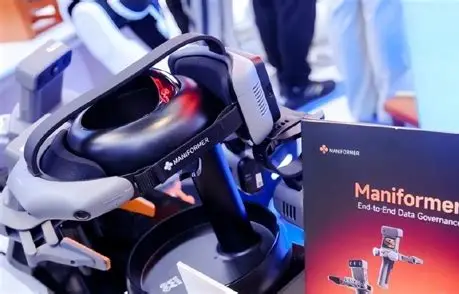
Mifengpai Unveils Data Crowdsourcing Initiative for Robot Training Through Daily Activities
On September 23, Mifengpai launched a global initiative to crowdsource data for robot training, showcasing over 50,000 real environments and 5,000 tasks. The event highlighted the need for extensive data on everyday actions, which are crucial for training robots but have not been systematically recorded. Mifengpai's approach combines hardware, an app, and a data engine to facilitate this data collection. This initiative is significant as it addresses the challenge of gathering large-scale data necessary for developing embodied artificial general intelligence (AGI). Mifengpai's infrastructure, including the MEgo collection devices and a user-friendly app, aims to democratize data collection by allowing ordinary users to contribute through standardized tasks. The company has already seen substantial engagement, with 20,000 registered users and over 13,000 data collection tasks submitted in just one month. Looking ahead, Mifengpai has introduced a subsidy plan worth 100 million yuan to support task and equipment subsidies, along with a scene data alliance involving over 50 companies across various sectors. This collaborative effort is expected to enhance the quality and quantity of data available for robot training, ultimately improving robotic capabilities in everyday tasks.
Data Crowdsourcing Robot Training AI Technology Human-Robot Interaction
Shangpin Home Introduces Open-source WorldSimReady-Home Dataset for Robotics Training
Shangpin Home, in collaboration with Tangyuan Technology, has launched the WorldSimReady-Home simulation dataset aimed at addressing the challenges of robotic training in complex home environments. This open-source dataset includes 100,000 square meters of high-fidelity home scenes, 10,000 interactive assets, and 1,000 standardized robotic simulation task examples, allowing for extensive training and testing of various robotic forms. The significance of this initiative lies in its potential to bridge the Sim2Real gap, where robots struggle to perform in real homes despite successful laboratory tests. By providing a diverse range of simulated environments, the dataset enables developers to train robots for navigation, object manipulation, and complex household tasks without the risks associated with real-world trials. Looking ahead, the WorldSimReady-Home dataset represents a foundational step in Shangpin Home's strategy for embodied intelligence. As more teams engage with this open-source initiative, the development of additional datasets for industrial, commercial, and specialized scenarios is anticipated. The effectiveness of this approach will depend on the practical application of the dataset and the successful transfer of learned strategies to real-world settings.
Robotics Training Simulation Data Home Automation AI Digital Twins
Kinetic Blocks Introduces Beta Marketplace for Humanoid Robot Training Data
Kinetic Blocks, a startup based in Oslo, has launched a beta version of a marketplace dedicated to the buying and selling of training data for humanoid robots. This platform became available on September 1, following months of development in collaboration with a select group of data suppliers and early users. The introduction of this marketplace is significant as it aims to streamline the acquisition of training data, which is crucial for the development and enhancement of humanoid robots. By facilitating transactions between data providers and developers, Kinetic Blocks is addressing a vital need in the robotics industry, potentially accelerating advancements in humanoid robot capabilities. Looking ahead, Kinetic Blocks has not disclosed any further timeline for expanding access to the marketplace or additional features. Stakeholders in the robotics sector should monitor this development closely, as it may influence the landscape of humanoid robot training and data utilization.
Computing Humanoids News 1x technologies artificial intelligence egocentric video
Kinetic Blocks Launches Marketplace for Humanoid Training Data Acquisition
On September 1, Oslo-based startup Kinetic Blocks introduced a gated beta of a marketplace tailored for the buying and selling of humanoid training data. This platform aims to streamline the traditionally slow and complex process of dataset procurement by replacing bilateral licensing deals with standardized commercial transactions. The significance of Kinetic Blocks' launch lies in its potential to address the challenges of physical data acquisition in the embodied AI sector. By allowing data suppliers to list various datasets, including egocentric human video and teleoperation recordings, the platform seeks to establish clear market values and mitigate the opaque rights management that has historically plagued robot learning data procurement. Looking ahead, Kinetic Blocks plans to expand its engineering and commercial teams in the coming months while preparing to open a seed funding round in the fourth quarter of 2026. This development comes amid a competitive landscape where foundational model developers are increasingly seeking innovative strategies for sourcing real-world telemetry data.
Data Collection Kinetic Blocks Dataset Europe
Micro1 Achieves $500 Million Gross Run Rate Amid Surge in AI Training Data Demand
Micro1, a data-labeling startup, has seen its gross annual run rate increase from $100 million to $500 million in just eight months, driven by the high demand for unique AI training data. The company retains about 60% to 70% of this figure, resulting in a net annual run rate between $150 million and $200 million. This significant growth highlights the robust market for AI training data, with Micro1's revenue trajectory indicating a strong demand that can support multiple players in the sector. While competitors like Mercor and Handshake have surpassed Micro1 in gross revenue, the startup's expansion reflects a broader trend in AI spending, which may soon rival expenditures on computing resources. Looking ahead, Micro1 is poised for continued growth as it increases contract sizes and expands its synthetic data generation capabilities. The company is also navigating controversies regarding the sale of off-the-shelf data, particularly concerning its stance on not selling to Chinese AI developers, as articulated by founder Ali Ansari. No further timeline was disclosed at the time of publication.
AI Startups data labeling micro1 reinforcement learning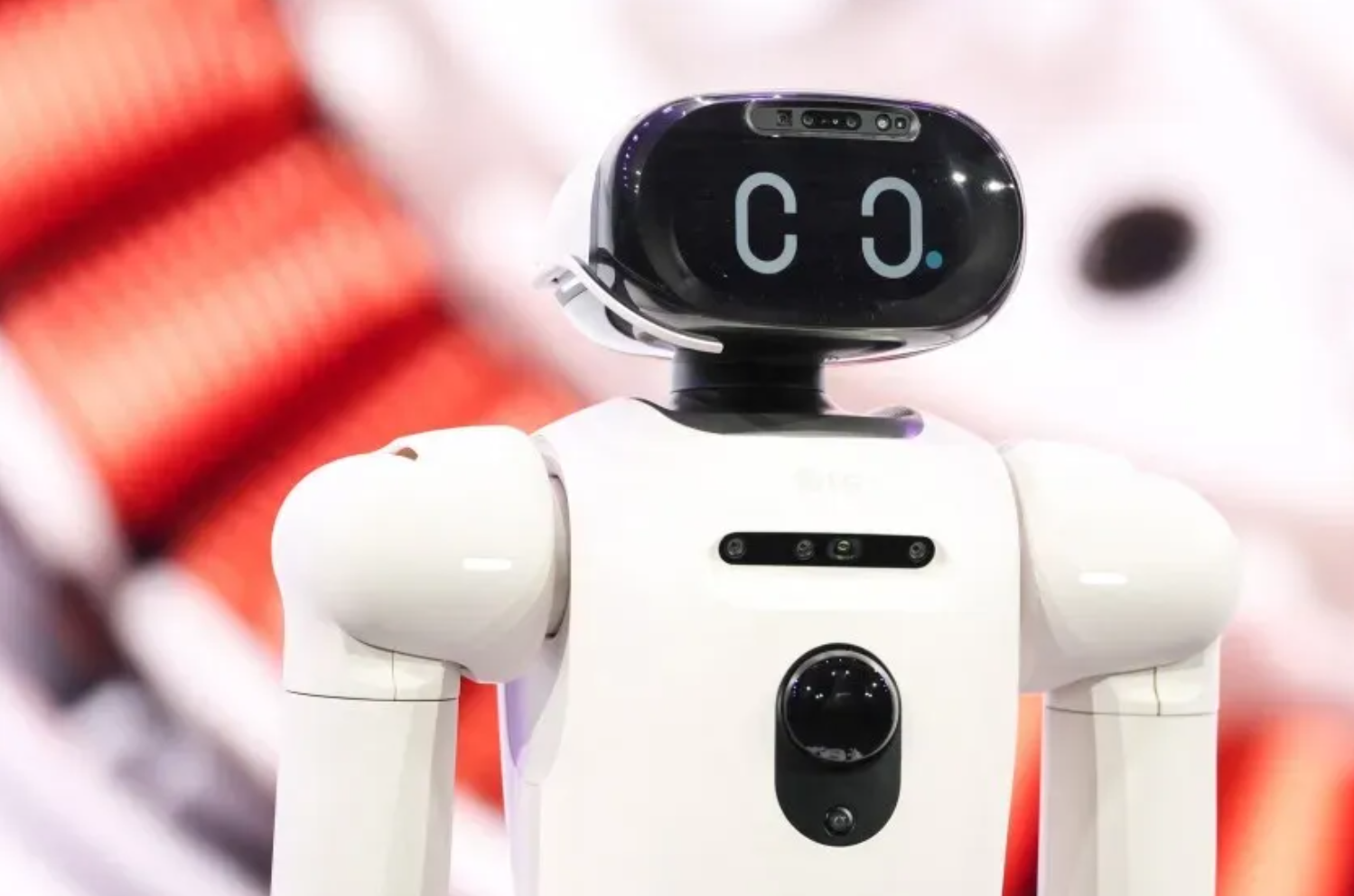
NVIDIA and LG Set Ambitious Goal of 100,000 Hours of Robot Training Data by Year-End
NVIDIA and LG Electronics have set a new benchmark in robot training data, aiming for 100,000 hours by year-end. This initiative was announced during a visit by NVIDIA's Senior Director of Omniverse and Robotics Marketing, Min-San Huang, to LG's Yangjae R&D Center in Seoul, following a strategic partnership agreement signed just days earlier. This ambitious target is significant as it surpasses the training data of other companies, such as Ant Group's LingBot-VLA 2.0 model, which has 60,000 hours. The training data will be sourced from a mix of real and synthetic data, leveraging decades of LG's operational data in manufacturing and logistics, enhanced through NVIDIA's Omniverse and Isaac robotics development platform. Looking ahead, LG plans to deploy hundreds of CLOiD robots at the Yangjae data factory, which features various training environments. The company aims to launch a next-generation bipedal robot based on NVIDIA's Isaac GR00T model by Q1 2027. No further timeline was disclosed at the time of publication.
Robot Training AI Robotics Manufacturing Data Analytics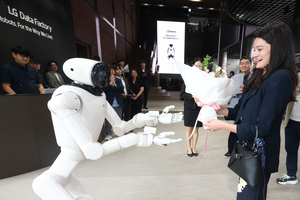
LG Electronics and Nvidia Aim for 100,000 Hours of Humanoid Robot Training Data
LG Electronics is enhancing its collaboration with Nvidia to expedite the creation of training data for humanoid robots. This initiative follows a memorandum of understanding signed by LG Group Chairman Koo Kwang-mo and Nvidia CEO Jensen Huang, aimed at expanding cooperation in physical AI and mobility. Madison Huang, Nvidia's senior director, visited LG's data factory in Seoul to review the progress of this partnership. The significance of this collaboration lies in its potential to advance the capabilities of humanoid robots through extensive training data. By utilizing LG's CLOiD robots in various simulated environments, including a home setting and a washing machine plant, the companies aim to gather diverse data for training purposes. The data will be processed using Nvidia's advanced robotics solutions, enhancing the learning process for these robots. Looking ahead, LG Electronics plans to fully operationalize the Yangjae data factory by the end of the year, with a target of collecting 100,000 hours of training data. This ambitious goal represents nearly 12 years of continuous operation, marking a significant milestone in the development of humanoid robotics.
All News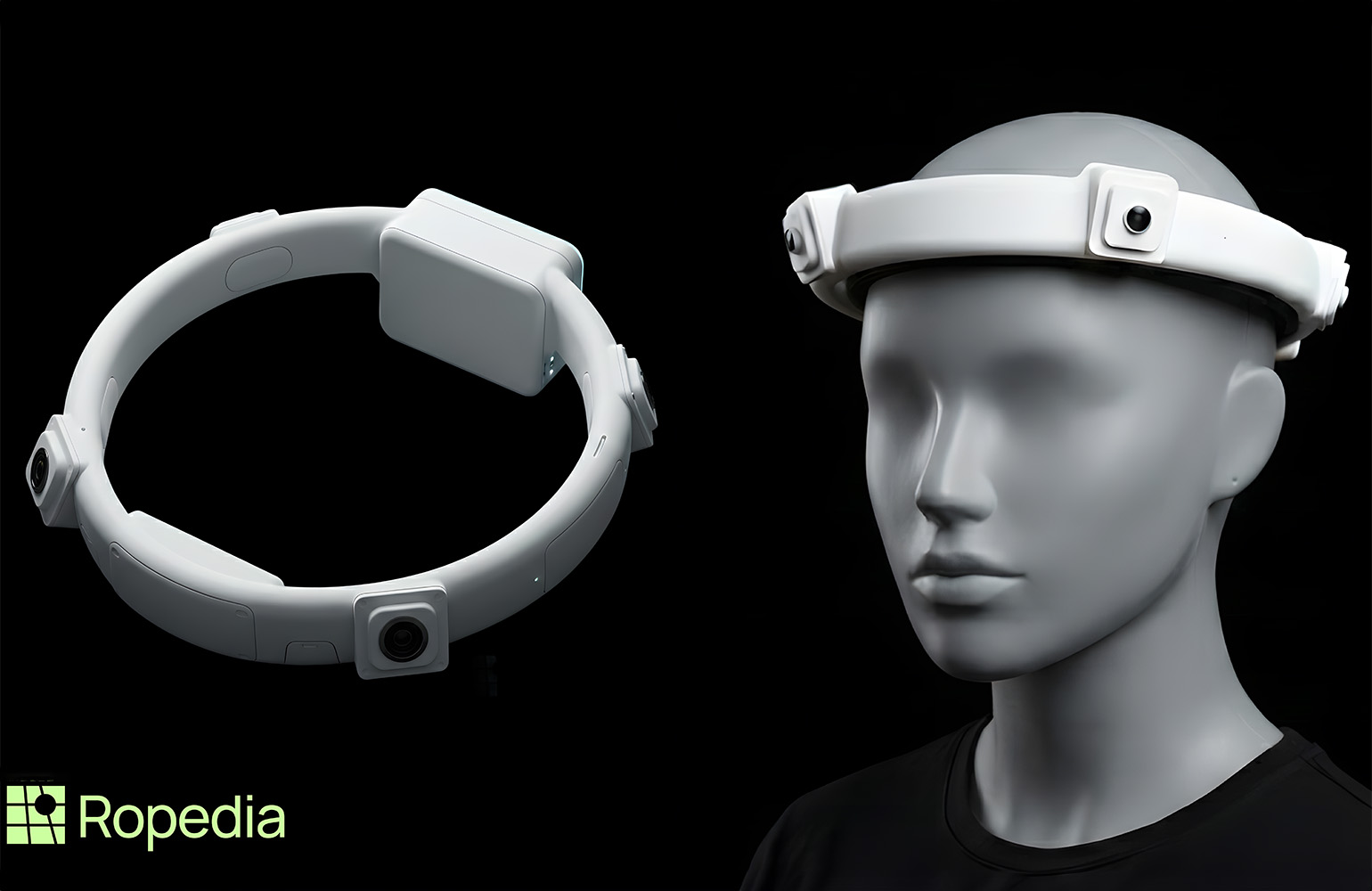
Ropedia Secures $22 Million to Enhance Data Collection for Robotics Training
Ropedia has announced the successful completion of a $22 million pre-Series A funding round, bringing its total funding to $30 million. The investment will be utilized to scale HOMIE, a lightweight, head-mounted device designed to capture first-person human movement and spatial context, which is essential for training robots. This funding is significant as it allows Ropedia to expand its business and technical teams, particularly in hardware, software, and data infrastructure. The company aims to enhance its presence in North America, especially the United States, where most of its clients are located. Ropedia's approach to data collection, which involves generating and structuring data internally, distinguishes it from traditional data-labeling providers. Looking ahead, Ropedia plans to further develop its data platform, incorporating annotation tools and quality analytics. The company is committed to building the necessary data infrastructure for the robotics industry to scale effectively. No further timeline was disclosed at the time of publication.
Artificial Intelligence Artificial Intelligence / Cognition Design / Development Financial Investments News
AI Agents Develop Virtual Environments for Essential Robot Training Data
Robots are becoming more visible in public spaces, captivating onlookers. However, they still lack the versatility needed for tasks in kitchens or factories, primarily due to a significant data bottleneck. Similar to human learning, robots acquire skills through experience, but the process of physically training them in various environments is labor-intensive and time-consuming. This challenge highlights the need for innovative solutions to streamline robot training. By utilizing AI agents to create virtual playgrounds, developers can simulate diverse scenarios, allowing robots to learn efficiently without the constraints of physical environments. This approach could significantly reduce the time and resources required for training, ultimately accelerating the deployment of robots in practical applications. Looking ahead, the development of these virtual training environments may pave the way for more capable robots in various industries. As AI technology continues to evolve, it will be essential to monitor advancements in virtual training methodologies and their impact on robot performance and adaptability. No further timeline was disclosed at the time of publication.
Robotics
MIT Develops SceneSmith: AI Agents Create Virtual Environments for Robot Training
MIT has introduced SceneSmith, a system utilizing AI agents to generate realistic 3D environments for robot training. This innovation addresses the challenge of providing diverse and rich simulation content, which is crucial for robots to learn effectively. By employing a vision-language model, SceneSmith creates detailed indoor scenes that allow robots to practice various tasks before real-world deployment. The significance of SceneSmith lies in its ability to enhance the training process for robots, reducing the time engineers spend on real-world testing. The system constructs scenes with up to six times more objects than previous methods, enabling robots to learn complex skills in a controlled virtual setting. This advancement could lead to more efficient and effective robot training, ultimately accelerating their integration into everyday tasks. Looking ahead, the researchers aim to further refine SceneSmith and explore its applications in diverse robotic tasks. The ability to simulate realistic environments will be critical as robots become more prevalent in various sectors. No further timeline was disclosed at the time of publication.
Encord and Zander Labs Use EEG Data to Advance Physical AI Training Techniques
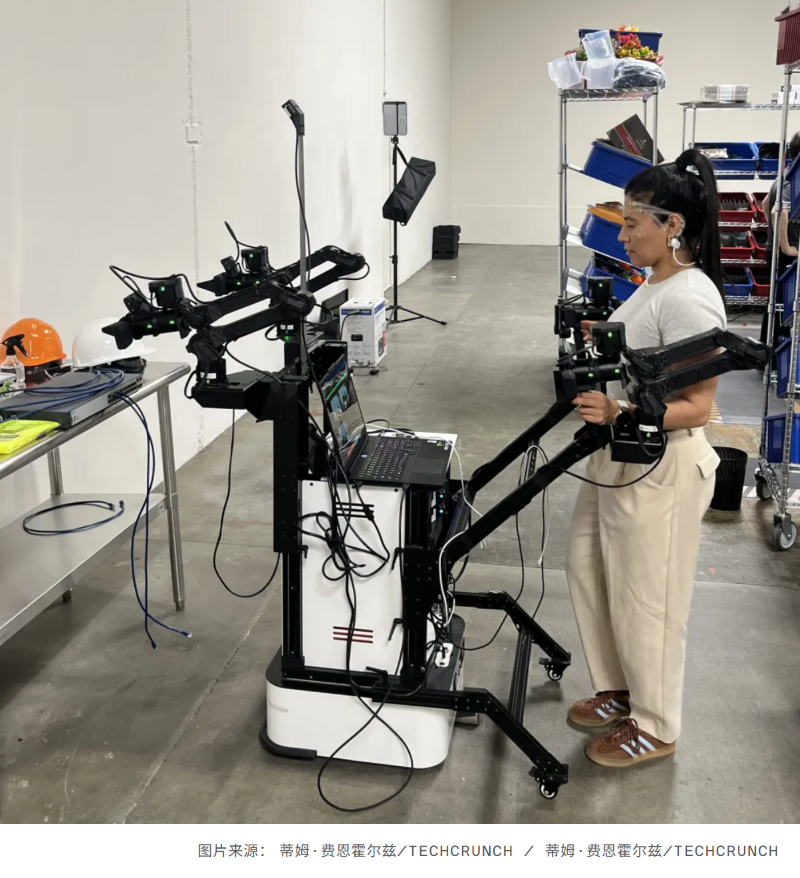
In a warehouse in San Leandro, California, a worker is participating in an experiment that combines a data collection helmet with EEG sensors to train robots. This collaboration between Encord and Zander Labs aims to address the scarcity of real-world training data for physical AI, which is a significant challenge in the field. The importance of this experiment lies in its potential to generate valuable training data by capturing the neural activity of operators during tasks. This data can inform robot models about operator states, such as confusion or focus, enabling more efficient training and resource allocation. Encord is also collecting remote control data and first-person videos to create a comprehensive data production system. Looking ahead, the integration of EEG helmets, muscle sensors, and detailed annotations could revolutionize how robots are trained, providing the necessary real-world data that is currently lacking. No further timeline was disclosed at the time of publication.
Physical AI Robot Training Data Collection EEG Technology
AI Agents Develop Virtual Environments for Robot Training Using SceneSmith System
AI agents have developed the SceneSmith system, which creates realistic 3D environments such as kitchens and hotels for robot training. This innovative approach allows robots to simulate everyday tasks, enhancing their operational capabilities. The significance of this development lies in its potential to address the skills gap in the manufacturing sector. With over 2 million jobs projected to remain unfilled due to a shortage of skilled workers, effective training solutions like SceneSmith are crucial for preparing the workforce of the future. Looking ahead, the integration of AI in training environments will likely continue to evolve, providing robots with the necessary data to perform complex tasks. No further timeline was disclosed at the time of publication.

MIT and Toyota Develop SceneSmith to Enhance Robot Training with AI-Generated Environments
MIT and the Toyota Research Institute have introduced SceneSmith, a system that utilizes AI agents to create realistic 3D environments for robot training. This innovation addresses the significant challenge of generating diverse simulation content, which is crucial for teaching robots various tasks in a cost-effective manner. The SceneSmith system employs three AI agents, leveraging the advanced vision-language model GPT-5.2, to design intricate indoor scenes. These environments, featuring up to six times more objects than previous methods, allow robots to practice skills in a rich virtual playground, ultimately reducing the need for extensive real-world testing. As the research progresses, the effectiveness of these AI-generated environments will be closely monitored. The team has already demonstrated that robots can successfully navigate and perform tasks in these virtual settings, indicating a promising future for robotic training methodologies. No further timeline was disclosed at the time of publication.
Research Robotics Artificial intelligence Simulation Computer science and technology Machine learning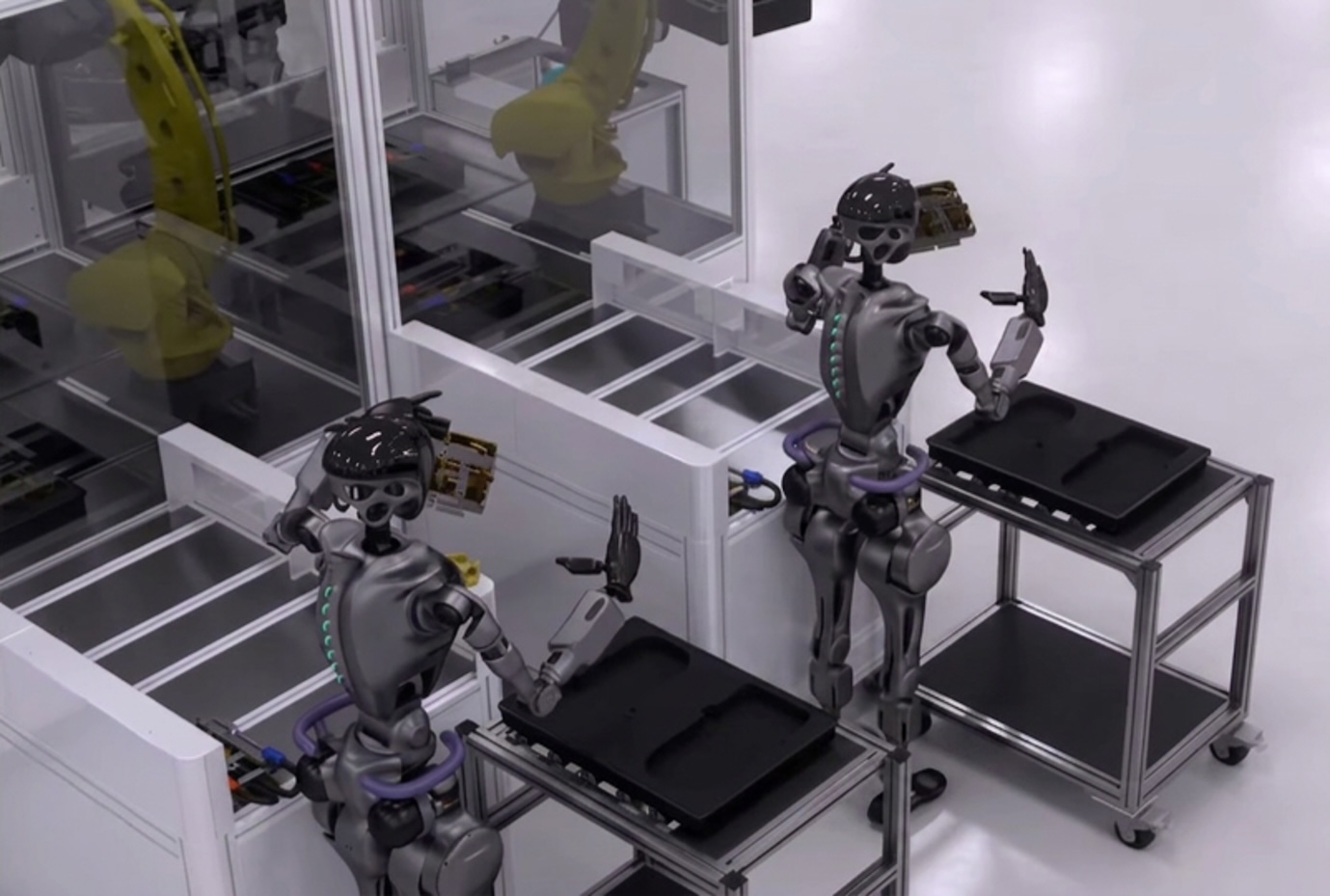
SpaceX Proposes 1 Million AI Satellites to Address Ground Data Center Constraints
On January 30, 2026, SpaceX filed with the FCC to launch up to 1 million AI compute satellites, positioning orbital data centers as a solution to the increasing demand for AI computing power. Ground data centers are facing significant challenges, with energy consumption projected to reach approximately 1,050 TWh in 2026, making them the fifth-largest electricity consumer globally. The demand for new data center capacity is outpacing the growth of power generation infrastructure, leading to a critical bottleneck in the grid system. The significance of this initiative lies in the structural constraints faced by ground data centers, including power delivery limitations, high water consumption, and local opposition to new projects. The Uptime Institute's 2026 outlook identifies power as the primary constraint on data center growth, with capacity clearing prices in the PJM grid skyrocketing to $329.17/MW, driven by data center expansion. Additionally, cooling requirements are becoming increasingly unsustainable, with facilities consuming vast amounts of water, further complicating their operational viability. Looking ahead, SpaceX's orbital AI compute initiative aims to circumvent these challenges by leveraging the advantages of space, such as continuous solar power and minimal local opposition. The first AI prototypes are expected to launch in early 2027, with operational deployments planned for 2028. No further timeline was disclosed at the time of publication.
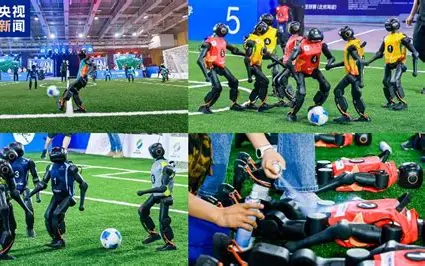
Shenzhen Luohu District Launches Integrated Humanoid Robot Football Competition and Training Initiative
On September 28, the Luohu District of Shenzhen announced the launch of the first Luohu Cup, an integrated program for humanoid robot football competitions and training, held at Cuiyuan Middle School. This initiative, organized by the Luohu District Education Bureau and supported by Zhiyin Technology and Beijing Accelerated Evolution Technology, aims to enhance AI education in primary and secondary schools through a hands-on, competitive approach. The program emphasizes the importance of embodied intelligence in education, moving beyond theoretical learning to practical applications. By utilizing humanoid robots in football, students will engage in real-world challenges that foster skills in perception, decision-making, and teamwork. The initiative will establish 20 pilot schools, focusing on training over competition, with a goal of developing over 100 certified personnel to support the event. The inaugural Luohu Cup is scheduled to commence in December 2026, with finals and awards in January 2027, leading to the national robotics competition in May 2027. The Luohu District Education Bureau believes that mastering the integration of competition, training, and evaluation will set a new standard for experiential learning in the region.
Humanoid Robots AI Education Robotics Competitions STEM Education
Niantic Spatial Introduces Places Library Featuring 100 Real Environments for Robot Training
Niantic Spatial has launched its Places Library, providing robotics developers with a catalog of 100 real environments for training and evaluation. The assets, available as USDZ files, include two representations for each environment: a Gaussian splat for visual appearance and a mesh for collision detection. This initiative aims to enhance embodied AI training by offering realistic settings that align with gravity and support various simulators, including NVIDIA Isaac Sim. The significance of this launch lies in its potential to improve robot training efficiency. By utilizing real-world environments captured with a standard 360-degree camera, Niantic ensures that robots receive accurate visual and collision data, which is crucial for effective navigation and interaction. The library includes diverse settings, such as medical warehouses and urban streets, allowing developers to test their robots in varied scenarios without the need for extensive in-house data collection. Looking ahead, the Places Library could facilitate more advanced evaluations of robotic behavior in different environments. While the library's impact on performance across the 100 environments remains to be seen, it offers a valuable resource for robotics teams aiming to refine navigation tasks and adapt to changing surroundings. No further timeline was disclosed at the time of publication.
Niantic Spatial Flexion
Asimov Releases Open-Source Training Code for Humanoid Robot Locomotion
Asimov has announced the open-source release of the training code for its humanoid robot's walking capabilities. This initiative, revealed on September 25, allows developers to inspect and modify the locomotion policy of Asimov 1, providing a foundation for adapting the robot's controller to different hardware and exploring various walking styles. This development is significant as it enhances the accessibility of robotics technology, enabling a broader community of developers to contribute to the evolution of humanoid robotics. By providing the isaac_asimov repository built on NVIDIA’s Isaac Lab simulation framework, Asimov encourages innovation in training methodologies, which could lead to improved humanoid performance and capabilities. Looking ahead, developers will be able to utilize the released training framework to bridge the simulation-to-hardware gap, although no further timeline was disclosed at the time of publication. The community's engagement with this open-source initiative could accelerate advancements in humanoid locomotion and related technologies.
open-source Asimov locomotion
DeepSeek Unveils DSec Sandbox Infrastructure for Large-Scale Agent Training
DeepSeek has introduced the DSec platform, a sandbox infrastructure tailored for extensive agent training. This innovative system integrates various sandbox types, including function-call, container, microVM, and full-VM sandboxes, while effectively managing their lifecycle alongside reinforcement learning tasks. The significance of DSec lies in its ability to support large-scale operations, with a production-scale unit comprising approximately 160 nodes. It can handle around 3 million sandboxes daily and accommodate over 380,000 concurrent sandboxes, showcasing its robust capabilities in the field of agent training. Looking ahead, the DSec platform's ability to create more than 5,000 sandboxes per second positions it as a critical tool for developers and researchers in the AI domain. No further timeline was disclosed at the time of publication.
News Feed
EagleNXT Delivers eBee VISION Drone Kits to U.S. Army Training Center
EagleNXT has successfully delivered nine eBee VISION drone kits to the U.S. Army’s National Training Center located at Fort Irwin, California. This shipment fulfills an order announced in April 2026 and marks a significant step in the company's commitment to domestic production of drones and sensors in the United States. The delivery is crucial as it supports the Army's training operations, particularly in opposing force exercises and counter-drone instruction. EagleNXT's CEO, Bill Irby, emphasized that establishing their headquarters in Allen, Texas, was aimed at achieving domestic production, which is now a reality. The eBee VISION drone is designed for intelligence, surveillance, and reconnaissance, boasting features such as a 90-minute flight time and a video link range of up to 12 miles. Looking ahead, EagleNXT's operations in Allen are expanding, with the recent launch of the updated MicaSense RedEdge-MX sensor for commercial customers. This dual focus on defense and commercial markets indicates a strategic approach to enhance production capabilities while meeting diverse customer needs. No further timeline was disclosed at the time of publication.
Applications Defense Drone News Drone News Feeds News Army drones
China Launches Components for Orbital Datacenter: AI Compute, Cloud Software, and Laser Links
On September 23, it was reported that China has successfully launched key components for an orbital datacenter. These components include on-board AI computing capabilities, cloud-native satellite software, and advanced 100 Gbps-class laser communication links, developed through multiple concurrent programs. This development is significant as it represents a major step forward in China's capabilities in space technology and satellite communications. The integration of AI and cloud-native software into satellite systems could enhance data processing and transmission efficiency, positioning China as a competitive player in the global space industry. Looking ahead, industry observers will be keen to monitor the progress of these programs and their potential applications in various sectors. No further timeline was disclosed at the time of publication.

Microsoft and OpenAI Executives Privately Labeled AI Training as 'Theft' in Legal Filings
Recent unsealed documents from The New York Times' copyright lawsuit against OpenAI and Microsoft reveal that executives from both companies privately referred to their AI training methods as theft. The filings allege that the companies scraped paywalled content without detection, creating extensive training datasets while removing copyright notices. This revelation is significant as it highlights the internal concerns of Microsoft and OpenAI regarding the impact of their practices on publishers. Microsoft’s director of Applied Science, Brent Hecht, noted a drastic decline in click-through traffic to Times content, attributing it to the launch of Copilot, which he described as a 'doom loop' for the content supply chain. Looking ahead, the implications of these admissions could lead to increased scrutiny and potential regulatory actions against AI training practices. No further timeline was disclosed at the time of publication.
AI AI Funding & Investment Insights AI training insights Microsoft
Hygon Information Technology Expands AI Chip Focus from Data Centers to Robotics Applications
Hygon Information Technology is preparing to launch a new chip aimed at physical-world applications, including robotics. This marks a significant shift from the company's current focus on data centers, as reported by Chinese media. The new chip, an iteration of the CPU1000 series, is designed to fulfill low-power, embedded, and edge computing needs. It targets various physical AI applications, particularly in robotics, machine vision, and intelligent manufacturing, highlighting the growing demand for AI solutions in these sectors. The launch event is scheduled to take place in Shenzhen, where Hygon will promote its vision of integrating computing power into the physical world. No further timeline was disclosed at the time of publication.

Japan Collaborates with Machinery Makers to Collect Data for Physical AI Development
The Japanese government is partnering with major machinery manufacturers to gather data for machine learning applications focused on physical AI, including autonomous robots. This initiative involves assigning unique IDs to individual factory equipment to facilitate data collection across various producers. This collaboration is significant as it aims to enhance Japan's capabilities in physical AI, positioning industrial robot manufacturers like Yaskawa Electric to benefit from the increased data availability. The initiative reflects a broader trend in the industry towards leveraging data for advanced AI applications. Looking ahead, the effectiveness of this data collection strategy will be crucial for the development of autonomous robots and other physical AI technologies. No further timeline was disclosed at the time of publication.

US Marine Corps Demonstrates Drone Training with Skydio's X2D for Enhanced Operations
The US Marine Corps has released a video showcasing training exercises with Skydio's X2D drone, highlighting its integration into military operations. This small drone is utilized for reconnaissance missions, allowing Marines to gain essential skills in operating UAVs effectively. The significance of this training lies in the Department of Defense's directive for better technology integration within military units by 2025. The Marines are establishing a Military Occupational Specialty for sUAS Operators, enabling them to utilize drones in the field without relying on specialized units. Looking ahead, the military's interest in drones is expanding beyond reconnaissance to include attack capabilities and medical supply delivery. Companies like Malloy Aeronautics are developing drones for rapid response, indicating a shift in military logistics and operational strategies.
News
New AI Training Technique Enhances Robot Navigation in Crowded Areas
A research team led by Professor Daehee Park at DGIST, in collaboration with KAIST, has developed an innovative AI training method. This technique allows a single compact AI model to predict the movements of nearby individuals while planning safe navigation paths for robots, effectively minimizing performance degradation in both tasks. This advancement is significant as it addresses the challenges faced by robots in crowded environments, enhancing their ability to operate safely and efficiently. The research was presented at the 19th European Conference on Computer Vision (ECCV 2026) in Malmö, Sweden, highlighting its relevance in the field of robotics and AI. Looking ahead, the implications of this research could lead to improved robotic applications in various sectors, particularly in environments where human-robot interaction is critical. No further timeline was disclosed at the time of publication.
Robotics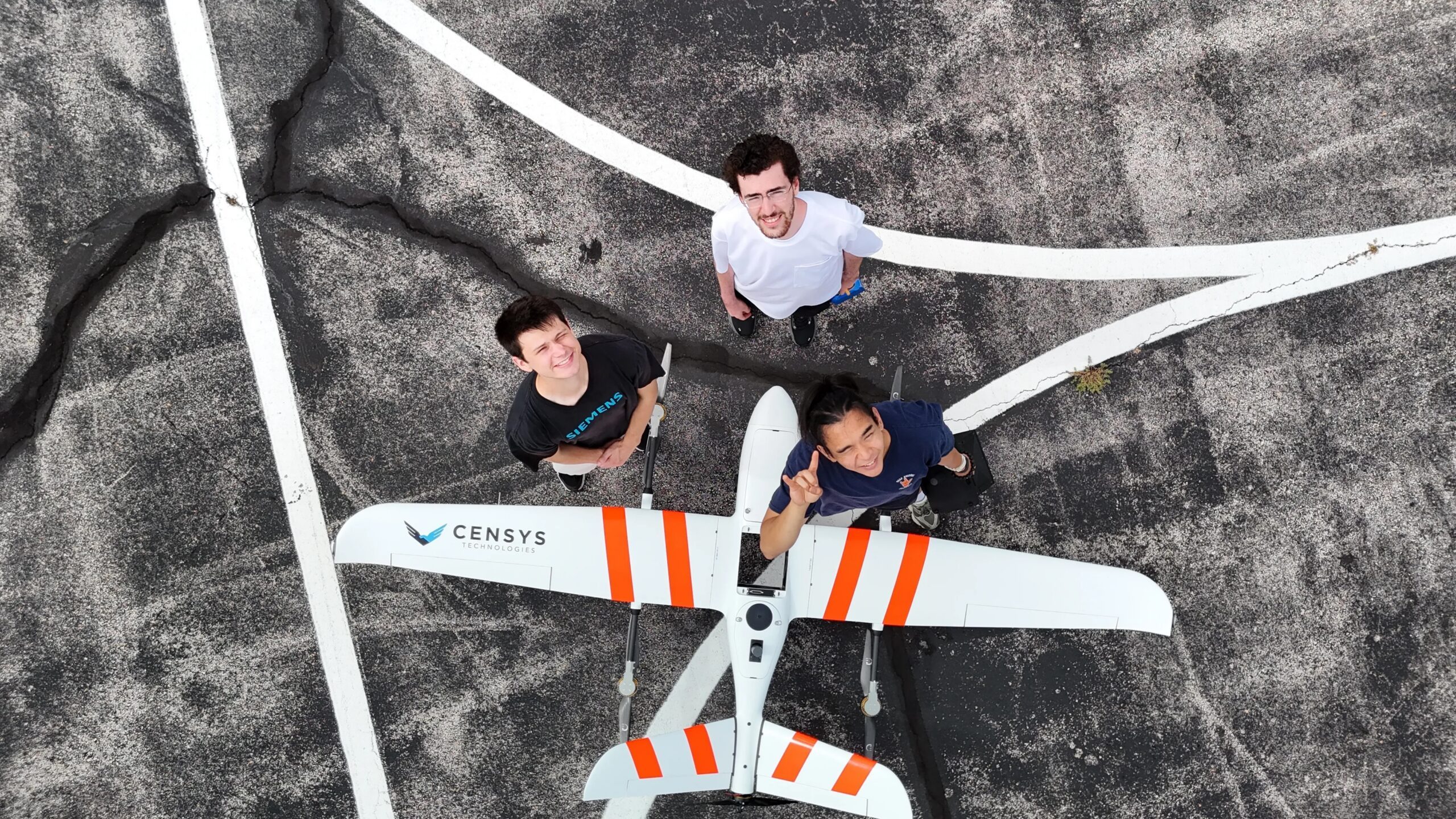
AIVE AI Systems Enhances Geospatial Data Access with Innovative Mapping Solutions
At the upcoming 2026 INTERGEO event in Munich, AIVE Systems will showcase its AI-driven software that simplifies the creation of georeferenced 2D maps from drone imagery. This innovation targets users who require geographic context without needing intricate 3D models, expanding its applications beyond wildfire detection. AIVE's technology stems from the FLARE-X project, a collaboration led by The University of Texas at Austin, which focused on autonomous wildfire risk mapping and detection. The software developed by AIVE aims to support various sectors, including infrastructure inspection, public safety, agriculture, and border patrol, by providing essential environmental insights. The company's initial offerings, Atlas GEO Cloud and Atlas GEO QGIS, utilize fewer images to generate maps, differentiating from traditional methods that rely on precise positioning tools. AIVE's approach automates the mapping process, making it accessible for users without extensive expertise. No further timeline was disclosed at the time of publication.
DL Exclusive Drone News Drone News Feeds Education Mapping News
FirstEnergy Foundation Funds Drone Training for Educators and Law Enforcement in New Jersey
The FirstEnergy Foundation has awarded a $15,000 grant to Warren County Community College to enhance drone training for educators and police officers. This funding will support training for 20 high school STEM teachers and 10 police officers, preparing them for the FAA's Part 107 Remote Pilot Certificate exam, along with live flight training. This initiative is part of a larger $55,000 funding effort by the FirstEnergy Foundation aimed at supporting five educational programs in New Jersey, focusing on STEM fields. Doug Mokoid, FirstEnergy’s president of New Jersey, emphasized the importance of preparing the next generation for careers in electrical systems and drone operations, highlighting New Jersey's legacy of innovation. As police departments increasingly utilize drones for various operations, training costs can be a barrier for smaller agencies. The program has already seen participation from officers across 10 police departments in New Jersey and Pennsylvania, with Delaware Township Police Chief Robert Illes noting the critical role drones will play in future law enforcement operations. No further timeline was disclosed at the time of publication.
Applications Drone News Drone News Feeds Education Featured – Safety and Security Fire and Police
Rui Erman Establishes Data Training Facility in Changzhou with 150 Robots Generating 2GB Data Per Minute
Rui Erman has launched a data training facility in Changzhou, equipped with 150 robots capable of generating 2GB of raw data per minute. This facility features two main areas: a basic motion training zone for fundamental robotic actions and a scenario application area designed for diverse operational contexts such as home, industrial, and retail environments. The significance of this initiative lies in addressing critical challenges in the robotics industry, including the scarcity of high-quality real-world data and the high costs associated with data collection. Rui Erman is actively involved in developing standards for data collection, ensuring compliance with the MCAP standard, which emphasizes data accuracy and synchronization. Looking ahead, Rui Erman aims to transition robots from controlled environments to real-world applications, enhancing data collection efficiency. The company is focused on achieving a significant reduction in robot costs to facilitate widespread adoption in households and factories. No further timeline was disclosed at the time of publication.
Data Collection Robotics Machine Learning AI Standards
Xiaomi Releases Open-Source Robotics-U0 Model and Training Tools with Significant Speedups
Xiaomi has open-sourced the Xiaomi-Robotics-U0, an autoregressive embodied world foundation model featuring approximately 4 billion parameters and full-scale weight lines of around 38 billion. This release includes training and inference tools designed to enhance robotic applications. The significance of this development lies in Xiaomi's claim of achieving FlashAR+ speedups nearing 83 times, which positions the Robotics-U0 model at the forefront of robot-centric scene, transfer, and video synthesis tasks, as evidenced by its top ranking in WorldArena. Looking ahead, the impact of Xiaomi-Robotics-U0 on the robotics landscape will be noteworthy, particularly in applications requiring advanced scene understanding and video synthesis capabilities. No further timeline was disclosed at the time of publication.

Emerald AI, Google, and NVIDIA Form Alliance to Enhance AI Data Center Flexibility
Emerald AI, Google, and NVIDIA have announced the formation of the AI Energy Management Alliance (AEMA), aimed at advancing data centers that can dynamically manage electricity usage based on grid conditions. This initiative seeks to enhance AI infrastructure by enabling more efficient energy use, ultimately supporting community energy systems and reducing environmental impacts. The significance of this alliance lies in its potential to address the power constraints currently limiting the expansion of AI infrastructure in the U.S. Traditional data center interconnection processes are not designed for the flexible demands of modern computing. By allowing data centers to adjust their electricity consumption intelligently, the AEMA aims to optimize existing grid capacity and facilitate quicker connections for AI facilities. Looking ahead, the AEMA's technology-neutral approach focuses on measurable performance metrics, ensuring reliability while reducing uncertainty for developers. The alliance will bring together a diverse range of stakeholders, including AI platforms, data center operators, and utilities, to collaborate on creating a more responsive and efficient energy ecosystem for AI technologies. No further timeline was disclosed at the time of publication.
Rhoda AI Evaluates Impact of Web-Video Pretraining on Industrial Robot Performance
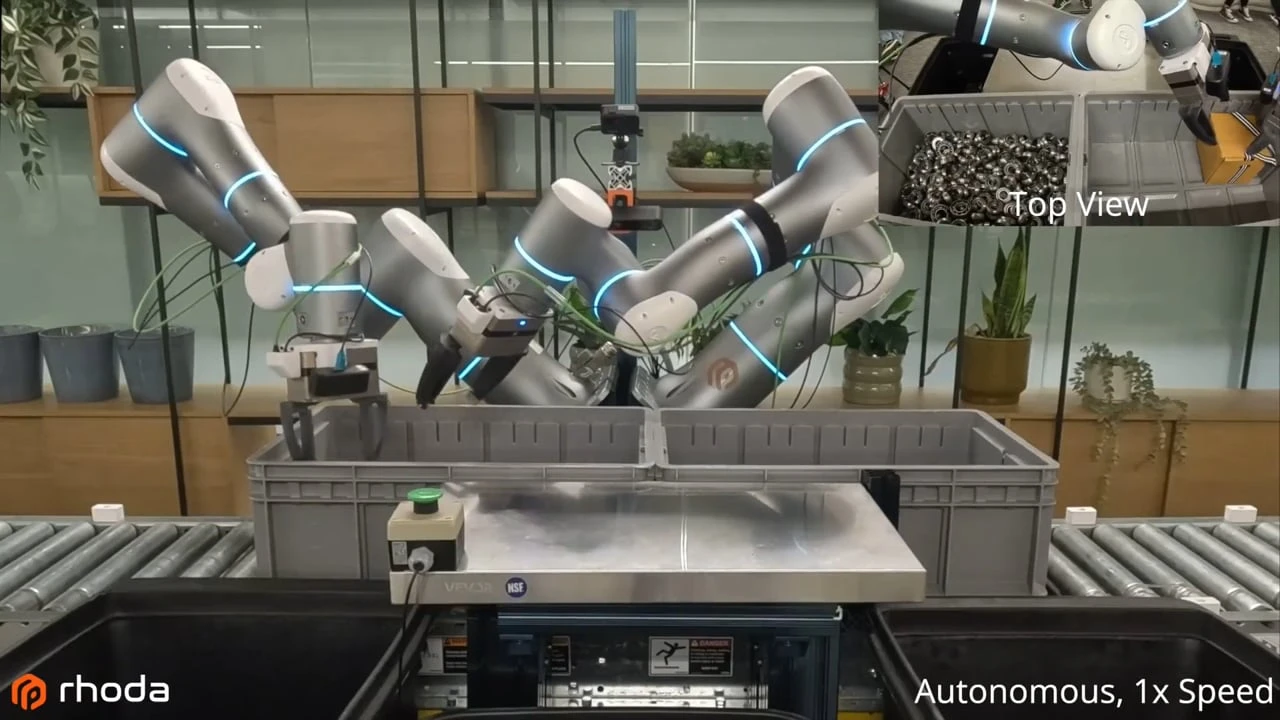
Rhoda AI has reported enhancements in industrial manipulation capabilities through scaled web-video pretraining, as detailed in a study released on September 10. The research tested various model sizes, achieving completion rates of 3.7%, 65.0%, 75.3%, and 84.7% in under 100 seconds for tasks like unpacking bearings and sorting waste, with the largest model scoring 94 out of 111. This study is significant as it explores a fundamental aspect of physical AI, demonstrating that larger models, while requiring more computational resources, can lead to improved performance. A separate fixed-size experiment indicated that increasing pretraining compute raised performance from 57.8% to 75.3%, suggesting that the amount of pretraining data and compute plays a crucial role in task execution efficiency. Looking ahead, Rhoda's approach, which utilizes the Direct Video-Action architecture, emphasizes the importance of causal video modeling in robot training. The company’s ongoing evaluations and adaptations of its models will be critical to understanding the future applications of video pretraining in robotics. No further timeline was disclosed at the time of publication.
US rhoda-ai
Wall Street Considers Impact of AI Slowdown on Data Center Investments
Wall Street is evaluating the potential effects of a slowdown in AI model development on data center investments. Companies like Oracle, GE Vernova, and Caterpillar have heavily invested in AI infrastructure, but recent proposals for a slowdown have led to stock declines across the sector. The significance of this slowdown is underscored by the reliance of industrial giants on the continuous demand for AI systems and chips. Analysts warn that any delays could adversely affect Oracle's cloud infrastructure business, which has been a key growth driver. Looking ahead, the market anticipates a rush to secure AI-related debt, with Amazon recently raising nearly $6 billion. As companies navigate these challenges, the pricing of new debt deals is expected to rise, reflecting increased demands from fixed income investors.

YeeGooAI Unveils EgoEasy: A Data Collection System Priced from 1499 Yuan
On September 10, 2026, at the GEIA GBA 2026 exhibition in Shenzhen, YeeGooAI publicly launched EgoEasy, a lightweight data collection system designed for producing billions of hours of real-world data for embodied intelligence. The lightweight version is priced at 1499 Yuan, while the complete version is available for 2499 Yuan. EgoEasy aims to address the industry's need for low-cost, sustainable, and manageable production of real-world data, moving beyond merely capturing more video. With current compliance data in China at approximately 500,000 hours, the demand for foundational data for commercializing embodied intelligence has escalated to tens of millions of hours, as highlighted by industry leaders. The system features a split architecture with a camera cap and a waist-mounted collection box, allowing for over 10 hours of continuous data capture. This design minimizes the burden on users and integrates seamlessly into existing workflows, transforming data collection from a one-time task into a sustainable production process. No further timeline was disclosed at the time of publication.
Data Collection AI Robotics Cloud Management
Mecka AI Approaches $500 Million Valuation in Sequoia Capital Funding Round
Mecka AI, a startup focused on collecting and analyzing human motion data for training humanoid robots, is nearing a funding round led by Sequoia Capital at a valuation of approximately $500 million. This new financing follows a $60 million round raised just three months prior, led by Framework Ventures with participation from Menlo Ventures, SV Angel, and Kindred Ventures. The significance of this funding lies in Mecka AI's innovative approach to addressing the shortage of physical-world data essential for developing general-purpose robots. By employing body sensors and smartphones, the startup captures real-world interactions, which are critical for robotics companies and AI labs that rely on this data to enhance their models. Looking ahead, Mecka AI projects an annual run rate of $100 million by the end of 2026. As the demand for robot training data intensifies, it will be important to monitor how Mecka AI's initiatives evolve and how they compare to other startups in the space, such as XDOF and Scale AI, which are also focused on real-world data collection for robotics.
AI Robotics data Exclusive Sequoia
Qualcomm Partners with Amazon to Develop Advanced AI Data Center Infrastructure
Qualcomm Technologies Inc. has entered into a collaboration with Amazon to create customized silicon for large-scale AI data centers, focusing on AI inference. This partnership aims to enhance data center infrastructure by improving computing and connectivity capabilities, as highlighted by Qualcomm's President and CEO, Cristiano Amon. The significance of this collaboration lies in addressing the escalating demand for AI workloads, which necessitate advancements in compute, storage, networking, and energy-efficient infrastructure. By combining Amazon's robust AI infrastructure with Qualcomm's expertise in power-efficient processing and silicon design, the partnership is poised to deliver innovative solutions for next-generation AI infrastructure. Looking ahead, Qualcomm and Amazon will work on high-performance optical connectivity solutions capable of supporting bandwidth demands of up to 1.6 terabits per second. The collaboration indicates a long-term commitment to developing customized silicon across multiple generations, which could lead to significant advancements in AI data center capabilities.
AI and Robotics
Gaode's Two Decades of Traffic Data Transforms into AI's Key Asset
On September 10, Gaode launched ABot-Earth 0.7, a 3D native city world model covering 196 countries and regions. This model leverages two decades of accumulated spatiotemporal data, including trillions of data points from roads, buildings, and user interactions. The significance of this data is underscored by the challenges faced by autonomous driving companies, which spend heavily to gather real-world data, and robotics firms that rely on costly manual data collection. Gaode's extensive dataset positions it uniquely in the competitive landscape of world models, where real-world data is becoming increasingly critical. The ABot-Earth 0.7 model enables real-time interactive 3D digital twin experiences, enhancing navigation and travel recommendations. However, while the model showcases impressive capabilities, it primarily serves Gaode's own applications, raising questions about its broader applicability in interactive environments. The future of Gaode's AMAP-AI Inside strategy is pivotal. With partnerships in smart vehicles and other technologies, Gaode could transition from a mapping company to a foundational infrastructure provider for physical AI. The true test will be whether Gaode is willing to share its valuable data capabilities with companies striving to enhance robots' understanding of the physical world. No further timeline was disclosed at the time of publication.
AI Spatial Data 3D Modeling Navigation Technology
Kovrr Introduces AI Interaction Data Fabric to Enhance Enterprise AI Security Workflows
Kovrr has launched the AI Interaction Data Fabric, a new correlation layer designed to enhance its AI Security and Governance Platform. This innovative solution aims to secure enterprise AI workflows by providing a robust framework for managing AI interactions and data security. The introduction of the AI Interaction Data Fabric is significant as it addresses the growing need for effective security measures in AI-driven environments. Kovrr's focus on AI and cyber risk management positions it as a key player in ensuring that enterprises can safely leverage AI technologies without compromising data integrity or security. Looking ahead, industry stakeholders should monitor how the AI Interaction Data Fabric influences enterprise adoption of AI solutions. Kovrr's advancements in AI security could set new standards for governance and risk management in the rapidly evolving landscape of artificial intelligence. No further timeline was disclosed at the time of publication.

AirData Enhances Live Streaming with DVR-Style Rewind and Cloud Recording Features
AirData has launched a significant upgrade to its live streaming platform, introducing cloud recording and a DVR-style rewind feature that allows authorized users to review up to 10 minutes of past footage during active drone missions. This enhancement is particularly beneficial for public safety agencies and utility companies, enabling them to access critical information without interrupting ongoing operations. The new features address the challenges faced by remote decision-makers who may miss important moments during live feeds. With the ability to rewind and review footage, users can gain immediate insights into events that occurred before they joined the stream. This capability is crucial as drone operations increasingly shift towards remote and autonomous applications, such as Drone as First Responder (DFR) programs. Looking ahead, AirData's advancements could significantly improve operational efficiency for various sectors, including public safety and infrastructure inspection. As the FAA develops regulations for beyond visual line of sight (BVLOS) operations, the importance of maintaining comprehensive operational records, including mission video, will continue to grow. No further timeline was disclosed at the time of publication.
News
Beijing's Shijingshan Intelligent Training Center Undergoes Major Upgrade Amid AI Advances
The Shijingshan Intelligent Training Center in Beijing has completed a significant upgrade, enhancing its technical architecture and logic. This upgrade, led by Lingyun Guang·Yuan Keshijie, a prominent visual technology company, aligns with global AI developments, particularly in embodied intelligence. The center aims to transition from merely mimicking actions to enabling robots to understand their environment, addressing the challenges faced in real-world applications. This upgrade is crucial as the robotics industry grapples with the limitations of traditional training methods, which often rely on 2D video and fixed environments. These methods fail to equip robots with the necessary understanding of dynamic, real-world scenarios. The shift towards a comprehensive 'world model' that incorporates 3D and 4D data is essential for improving robots' decision-making capabilities in varied environments. Looking ahead, the Shijingshan center is set to officially launch its upgraded facilities during the upcoming service trade fair. It will feature over 100 robots and ten real-world scenarios, including home care and automotive assembly. The center's evolution represents a pivotal step in addressing the industry's data challenges and enhancing the training of robots for practical applications.
Robotics AI Training Data Collection Machine Learning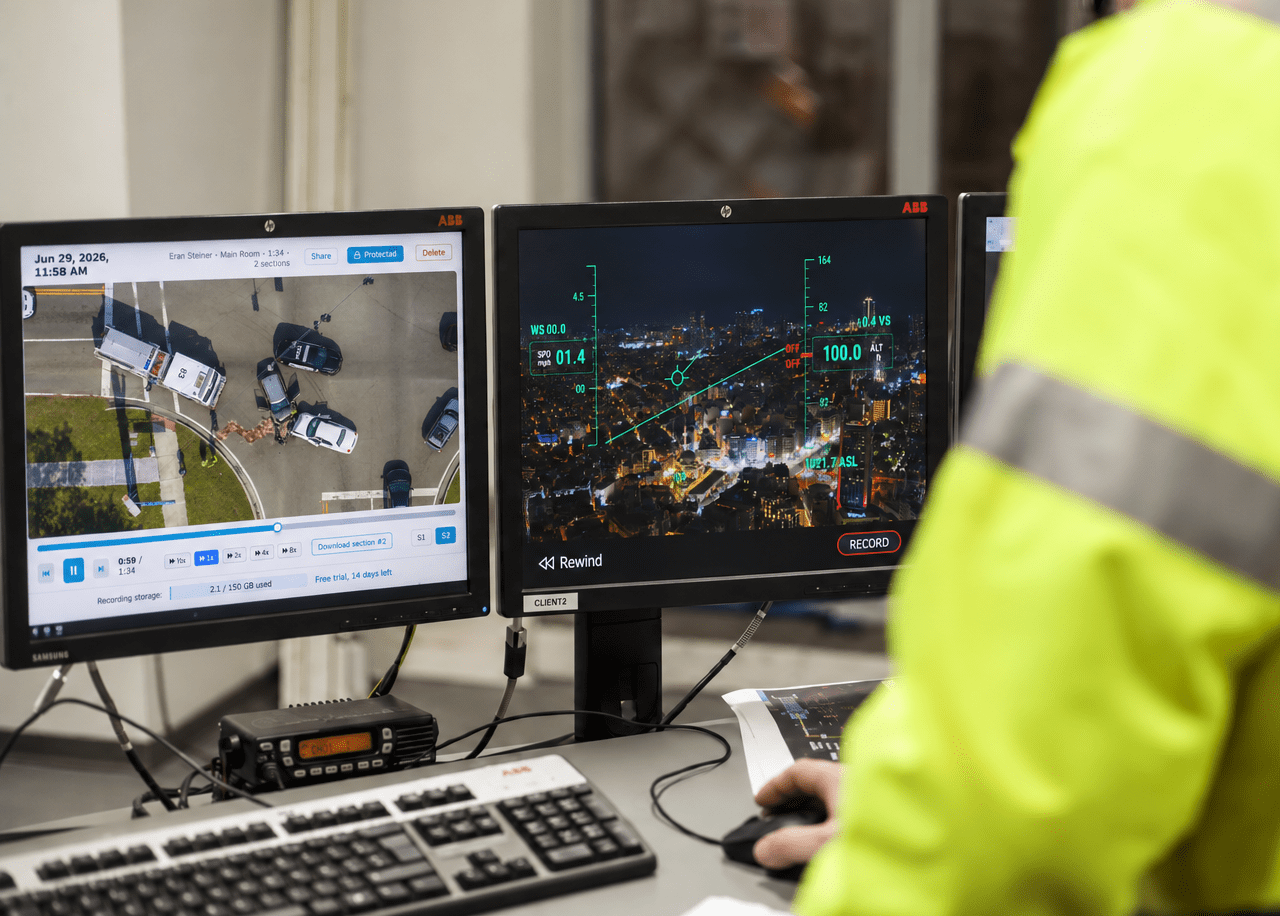
AirData Introduces 10-Minute Rewind Feature for Live Drone Video Streaming
AirData has enhanced its Live Streaming platform by adding recording and rewind capabilities, allowing authorized viewers to review the previous 10 minutes of an active stream. This feature addresses the challenge of remote drone operations where key events may occur while the necessary personnel are not watching the live feed. The new Stream Recording and Rewind capability is particularly beneficial for applications such as Drone as First Responder (DFR) and remote inspections, where pilots and decision-makers may be in different locations. According to Eran Steiner, founder and CEO of AirData, this innovation allows teams to capture critical moments that might otherwise go uncaptured during live operations. The Huntsville Police Department has already adopted this feature, enhancing their ability to analyze live feeds. The rewind function not only improves operational efficiency but also provides a cloud-based solution for data protection, ensuring that video footage remains accessible even if the drone is damaged or the onboard storage fails. No further timeline was disclosed at the time of publication.
Drone News Drone News Feeds News AirData BVLOS DFR
Datavault AI Expands Edge AI Deployment to Compete with Hyperscalers in Neocloud Market
Datavault AI is expanding its edge AI deployment onto SanQtum, now operational in New York City, Philadelphia, and Washington, DC. The company plans to launch in three additional cities by the end of the year. This expansion is significant as it positions Datavault AI to compete in the burgeoning $400 billion neocloud market, challenging established hyperscalers. The deployment of edge AI technology is crucial for enhancing data processing capabilities closer to the source, which is increasingly important in today's data-driven landscape. Looking ahead, Datavault AI's continued expansion into new cities will be critical to watch, as it seeks to establish a stronger foothold in the competitive neocloud sector. No further timeline was disclosed at the time of publication.

Seattle Times and Newsday File Lawsuit Against OpenAI and Microsoft Over AI Training Practices
The Seattle Times and Newsday have initiated legal action against OpenAI and Microsoft, claiming the companies utilized their journalism without authorization to train AI models. The lawsuit highlights concerns that generative AI could disrupt the news industry by consuming original content and producing derivative works for commercial gain. This legal challenge is part of a broader trend of copyright litigation against OpenAI and Microsoft, which began in 2023 with a similar lawsuit from The New York Times. The Seattle Times' involvement is particularly significant as Microsoft and OpenAI have previously funded some of its journalism initiatives, raising questions about the implications of such partnerships in light of the lawsuit. As the case unfolds, it will be important to monitor how it impacts the relationship between AI companies and news organizations, as well as the potential for further legal actions from other publications. No further timeline was disclosed at the time of publication.
AI AI Funding & Investment AI Policy & Regulation Insights AI training business
217 Robots Undergo Training to Improve Elderly Care in Qingdao
In Qingdao, 217 robots are undergoing training at China's first rehabilitation robot training verification center to enhance elderly care. With over 320 million people aged 60 and above in China, and more than 50 million elderly individuals with disabilities, the demand for professional caregivers is significant, with a shortfall of 10 million workers. The training focuses on teaching robots essential tasks such as medication delivery, folding clothes, and assisting with wheelchairs. Each action is broken down into numerous detailed steps to ensure precision, especially when interacting with elderly individuals. The training aims to address the unique needs of seniors, as highlighted by experts who emphasize the importance of personalized care in robotic applications. As the robots learn to perform basic tasks, challenges remain, particularly in understanding dialects and providing appropriate responses to seniors' needs. The Qingdao training center has attracted 45 companies and 210 robot models, indicating a growing interest in the development of care robots. The future of these robots in the market will depend on their ability to interact effectively with humans, rather than just their technological capabilities.
Elderly Care Robots Robotics Training Assistive Technology Healthcare Innovation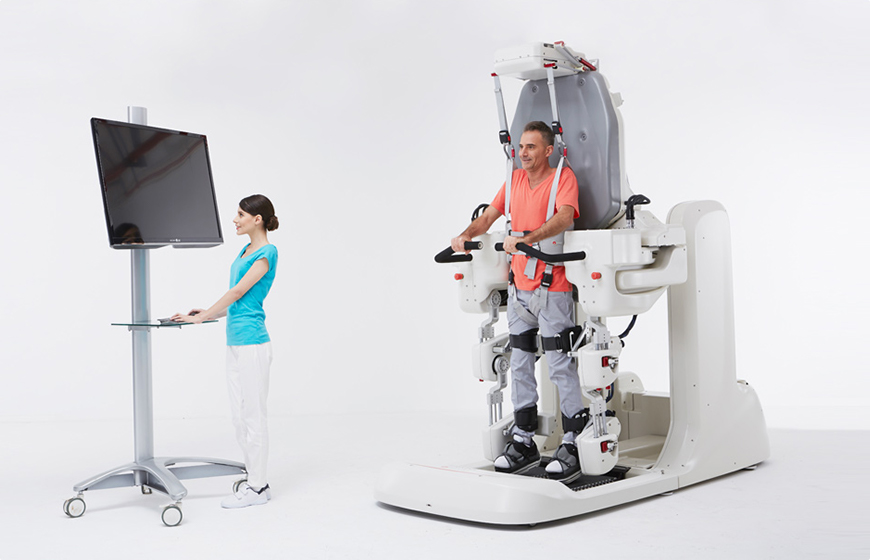
The Evolution of Rehabilitation Robots: From Training Tools to Treatment Partners
The WAIC 2026 showcased a significant evolution in rehabilitation robots, highlighting their transition from mere training tools to essential treatment partners. This shift reflects advancements in embodied intelligence, which is becoming increasingly relevant in the field of rehabilitation. This transformation is crucial as it indicates a growing recognition of the importance of human-machine collaboration in therapeutic settings. The integration of rehabilitation robots into treatment protocols can enhance patient outcomes and streamline rehabilitation processes, making them indispensable in modern healthcare. Looking ahead, the focus will be on how these rehabilitation robots will continue to develop and adapt to meet the needs of patients and healthcare providers. No further timeline was disclosed at the time of publication.
Robotics Automation AI
Lan Xiaohuan Discusses China's Data Economy, Robotics, and AI Landscape
Lan Xiaohuan, an economics professor at China Europe International Business School, has authored the bestselling book, How China Works: An Introduction to China’s State-led Economic Development. In his discussions, he highlights the economic factors contributing to China's significant trade surplus and advocates for an enhanced social safety net. Xiaohuan emphasizes the importance of public data infrastructure in shaping the competitive landscape of artificial intelligence, particularly in relation to the United States. His insights reflect the critical role that data plays in driving innovation and economic growth within China. As the conversation around AI and robotics continues to evolve, observers should pay attention to how China's strategies in public data utilization may influence global technological advancements. No further timeline was disclosed at the time of publication.

Investors Leverage AI Market Data for Enhanced Deal Sourcing Strategies
Investors are increasingly utilizing AI systems and live market data to enhance deal sourcing across private equity, venture capital, and growth equity. This shift allows for a more efficient identification of investment opportunities, moving beyond traditional relationship-based methods that often lead to missed chances due to competition. The traditional deal sourcing model, reliant on banker relationships and static target lists, is becoming less effective as the market grows more competitive. Research indicates that investment teams often spend excessive time gathering data instead of analyzing it, which hampers their ability to identify promising deals proactively. AI technologies, such as those developed by Grata and Parallel AI, enable continuous market mapping and target discovery, allowing investors to identify mid-market companies that are often overlooked. As the investment landscape evolves, firms that adopt these AI-driven strategies will likely gain a competitive edge in sourcing deals more effectively.
AI AI Funding & Investment Business Enterprise AI Insights business
Dronetag Integrates Remote ID Data into Airwise Nexus for Enhanced Airspace Awareness
Dronetag and Airwise Solutions have announced a new integration that incorporates Remote ID data into the Airwise Nexus common operating picture. This partnership aims to provide operators with a comprehensive view of low-altitude airspace activity, enhancing the management of complex drone missions, including beyond visual line of sight (BVLOS) operations. The integration is significant as it combines Dronetag's Remote ID transmitters and receivers with Airwise's drone operations management platform, airwiseOS. This collaboration allows users to access a unified interface that displays Remote ID detections alongside telemetry, radar information, and other sensor data, improving situational awareness and coordination for public safety and critical infrastructure teams. Looking ahead, the integration is available to Airwise customers utilizing Dronetag receivers or transmitters, allowing them to enable the connection through their app account settings. No further timeline was disclosed at the time of publication.
Drone News Drone News Feeds News Remote ID airspace awareness Airwise Solutions
Teradyne Unveils New UltraFLEXplus Instruments for AI and Data Center Testing
Teradyne, Inc. has launched three advanced instruments for its UltraFLEXplus platform, specifically designed to address the growing complexities of AI and data center semiconductor testing. The UltraPin5000-EM, UltraPort-PCIe6, and UltraVS64-HP instruments enhance scalability, flexibility, and performance, enabling semiconductor manufacturers to efficiently test cutting-edge devices. This launch is significant as it positions Teradyne to meet the increasing demands of the AI and data center markets, which are driving unprecedented growth in semiconductor complexity. CEO Greg Smith emphasized the company's commitment to providing innovative solutions that help customers stay competitive in this rapidly evolving landscape. Looking ahead, Teradyne will showcase these instruments at SEMICON Taiwan from September 2-4, 2026, in Taipei. The introduction of these products marks a strategic move to strengthen Teradyne's role in the AI device supply chain, ensuring that components meet the industry's stringent quality standards. No further timeline was disclosed at the time of publication.
Robotics needs a service framework.
RSF defines a common language for robot service capability, lifecycle operations, certification pathways, and service-provider networks.
Join the RobotToday community on LinkedIn
Daily robotics news, in-depth analysis, conference highlights, and discussions with professionals worldwide.







