

Industry Briefing
A single destination for timely, editor-curated robotics news from around the world.
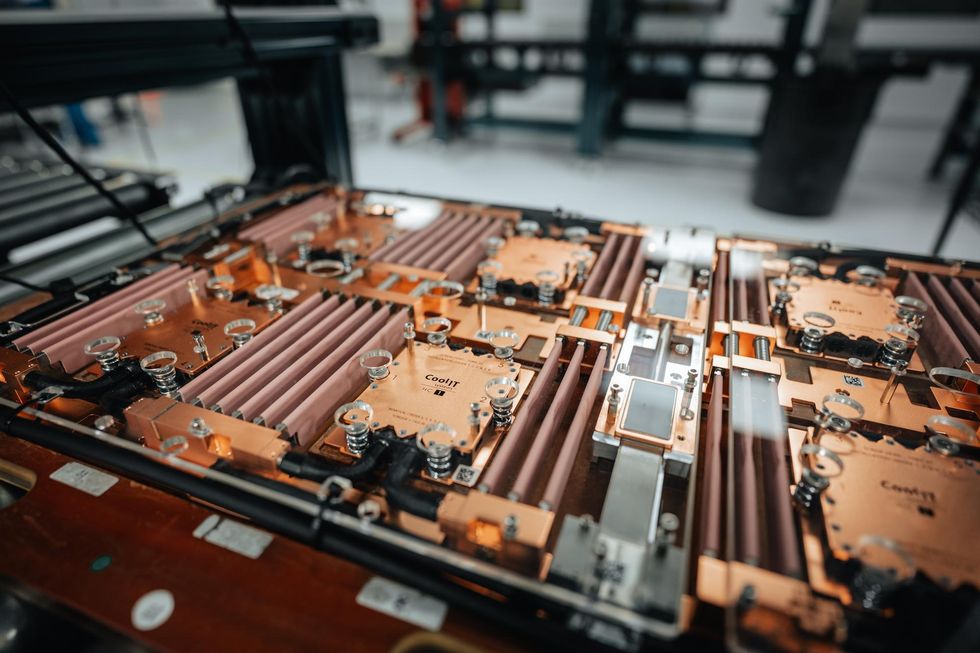
CoolIT Advances Fanless AI Servers with Near-Total Heat Capture Technology
CoolIT has introduced a near-total heat capture solution for AI servers, enabling fanless operation at densities exceeding 250 kW per rack. This innovation addresses the challenges posed by rising thermal design power (TDP) in processors, which has led to increased heat in surrounding components like memory and storage. The shift to liquid cooling is crucial as traditional air cooling becomes inadequate at high densities, creating a bottleneck in server performance. CoolIT's modular coldplate technology allows for effective heat management, ensuring that air contributes less than 1 percent to the cooling load, which is essential for the next generation of computing. Looking ahead, CoolIT's modeling suggests that near-total heat capture will become the standard for flagship rack-scale products by 2028. As rack power approaches 1 MW, the demand for efficient cooling solutions will only grow, making this technology vital for future AI server designs.
Type-sponsored Artificial-intelligence Heat Liquid-cooling Ai-data-centers Servers
Nvidia Plans Over 15% Price Increase for AI Servers Impacting Major Tech Firms
Nvidia has announced a price increase of more than 15% for its AI servers, prompting warnings to Microsoft, Google, and Oracle from contract manufacturers regarding the higher costs. This decision reflects Nvidia's response to rising production expenses and market demand for AI technologies. The price hike is significant as it may affect the operational budgets of major tech companies that rely on Nvidia's AI servers for their services. Microsoft, Google, and Oracle are among the key players in the cloud computing and AI sectors, and increased costs could impact their pricing strategies and profit margins. Industry observers should monitor how these price changes will influence the competitive landscape in AI and cloud services. No further timeline was disclosed at the time of publication.
Artificial Intelligence News AI infrastructure NVIDIA semiconductors Vera Rubin
Japan Accelerates Production of 3D-Printed Interceptor Drones to Mitigate Supply Chain Risks
Japan is fast-tracking the production of 3D-printed interceptor drones to enhance its defense capabilities against potential supply chain attacks. This initiative underscores the importance of advanced manufacturing technologies in military applications, particularly in ensuring rapid availability of critical components. The move is significant as it reflects Japan's commitment to strengthening its defense infrastructure amid rising global tensions. By leveraging 3D printing, Japan aims to create a more resilient supply chain for military hardware, which is crucial for maintaining operational readiness in the face of evolving threats. Looking ahead, the focus will be on the successful implementation of these 3D-printed drones within Japan's defense strategy. No further timeline was disclosed at the time of publication.
Military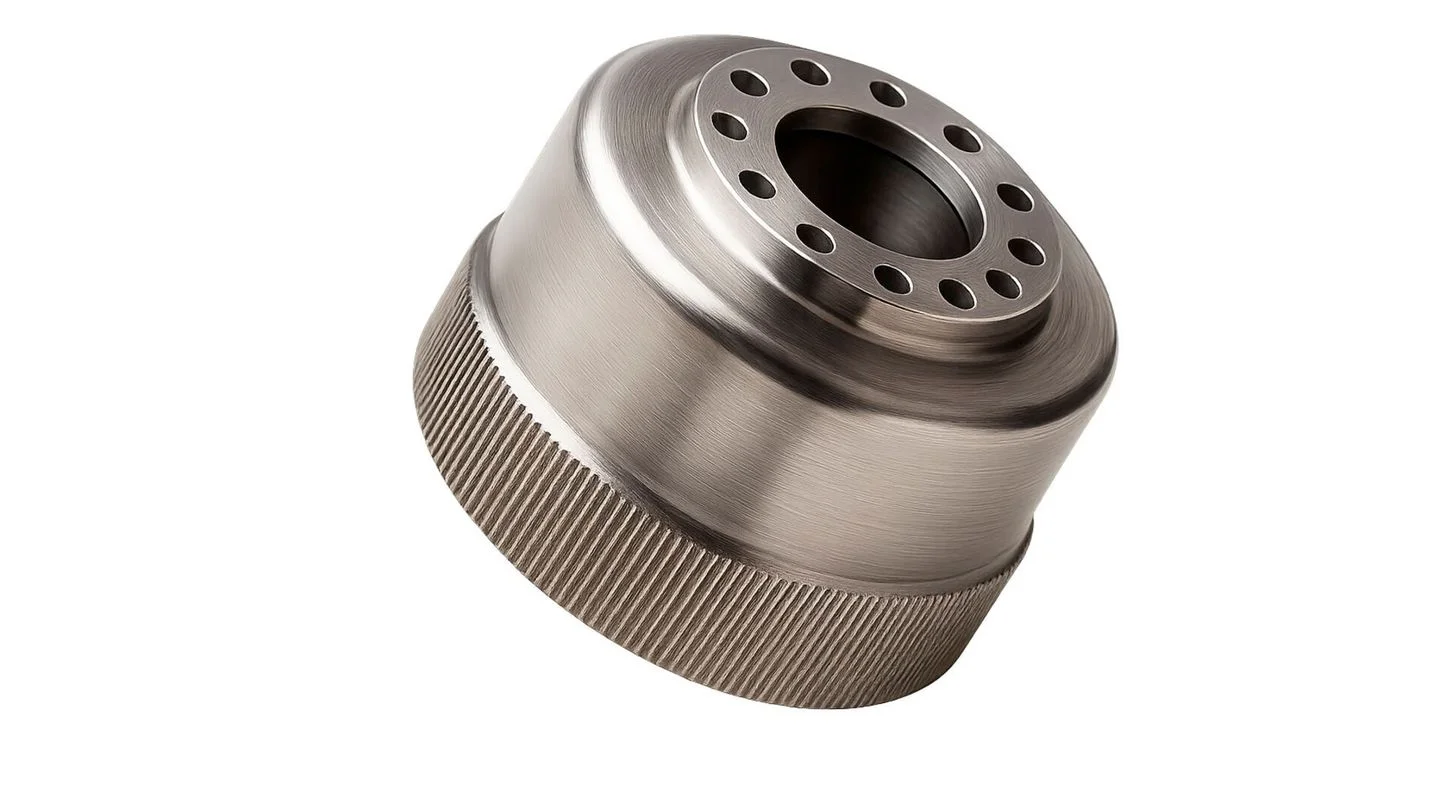
Schaeffler Announces Breakthrough in Strain Wave Gearbox Production for Humanoid Robotics
Schaeffler has successfully validated a new manufacturing process for formed strain wave gearboxes, which significantly reduces production costs and time. This innovation is crucial for humanoid robotics, where actuators can account for up to half of a robot's total manufacturing cost. With mass production planned for 2027, Schaeffler aims to solidify its position as a leading Tier 1 supplier in the humanoid robotics market. The formed strain wave gearboxes offer advantages over traditional planetary gears, including zero backlash and high precision in a compact design, essential for robotic joints. The new manufacturing method utilizes high pressing forces to shape components quickly, cutting costs by over 25% and reducing material use by more than 75%. This advancement addresses a significant supply chain challenge as humanoid companies scale production from hundreds to thousands of units. Looking ahead, Schaeffler's formed strain wave gearboxes complement its existing planetary gear actuator solutions, enabling the company to provide a comprehensive range of actuation products for OEM robot manufacturers. No further timeline was disclosed at the time of publication.
Europe Actuators Schaeffler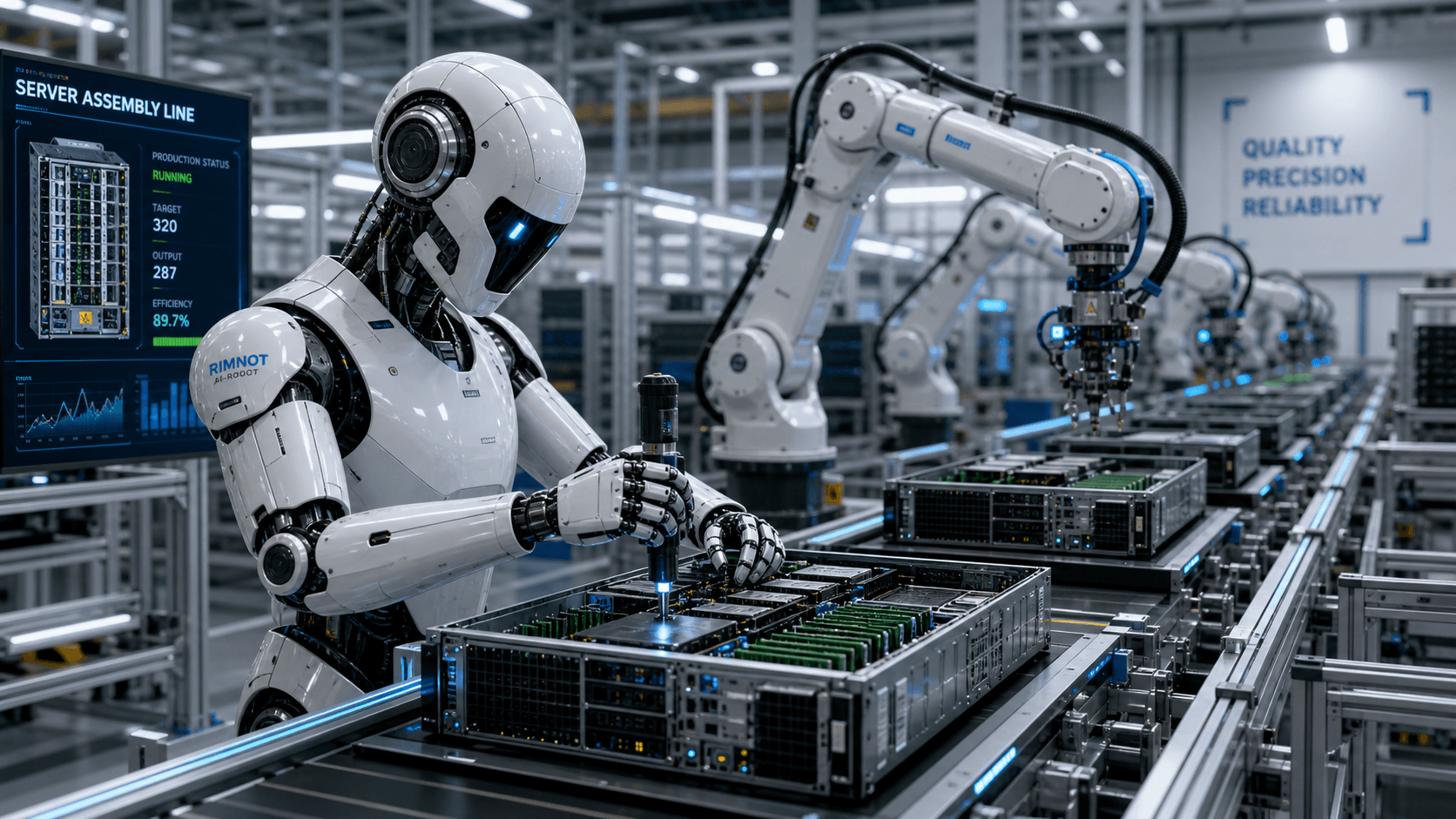
Rimnot and Yuantu Launch 10K-Unit Robot Deployment for Server Manufacturing
Rimnot, a newly established physical AI startup, has announced a partnership with Yuantu to deploy 10,000 industrial robots in server manufacturing. This initiative was unveiled during the World Artificial Intelligence Conference (WAIC), where the companies showcased their robots' capability to adapt to environments in just 30 minutes. This deployment is significant as it represents a major step forward in integrating physical AI into industrial applications, particularly in the server manufacturing sector. The collaboration between Rimnot and Yuantu highlights the growing trend of leveraging advanced robotics to enhance production efficiency and adaptability in manufacturing processes. Looking ahead, industry observers will be keen to monitor the progress of this deployment and its impact on server manufacturing. The ability of these robots to quickly adapt to different environments could set a new standard for operational flexibility in the industry. No further timeline was disclosed at the time of publication.
Technology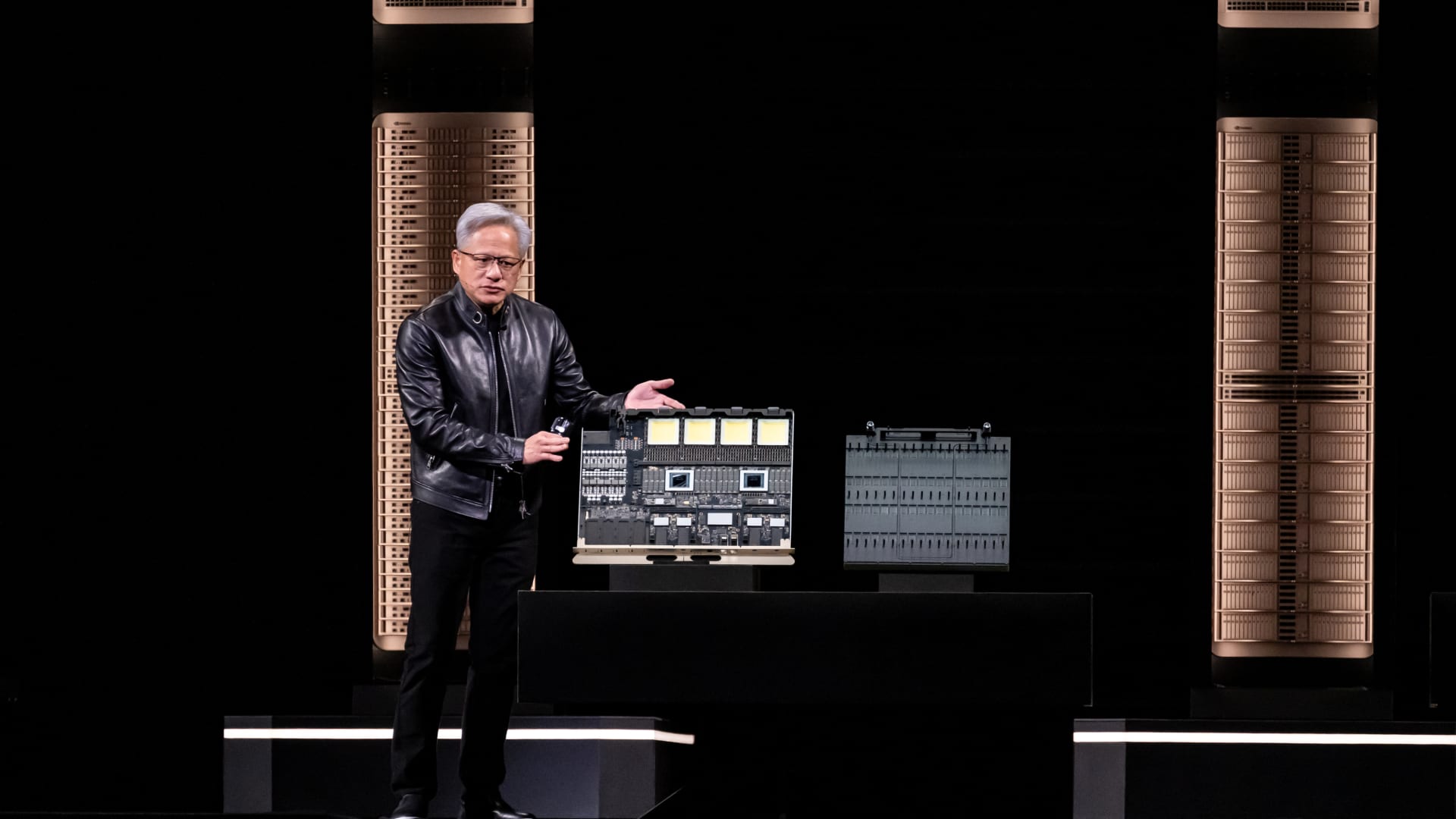
Nvidia Unveils Vera CPU for AI, Challenging AMD and Intel in Server Market
Nvidia has introduced its next-generation CPU, Vera, designed specifically for AI applications, marking its entry into the CPU market. This strategic move positions Nvidia to compete directly with established players AMD and Intel in the AI server sector. The company has begun shipping Vera chips to clients such as OpenAI, Anthropic, and SpaceX, highlighting its commitment to vertical integration in technology. The significance of this launch lies in Nvidia's aim to redefine server architecture by focusing on single-core performance rather than core count, which has been the traditional approach by competitors. With the server CPU market projected to reach $200 billion, Nvidia's Vera chip is expected to play a crucial role in enhancing AI agent performance, offering 50% better efficiency compared to existing x86 chips from Intel and AMD. Looking ahead, Nvidia's strategy to sell complete computing systems rather than just individual chips could reshape the competitive landscape in AI servers. As the demand for AI capabilities continues to grow, the performance and pricing of the Vera CPU will be critical factors to monitor in the evolving market dynamics.
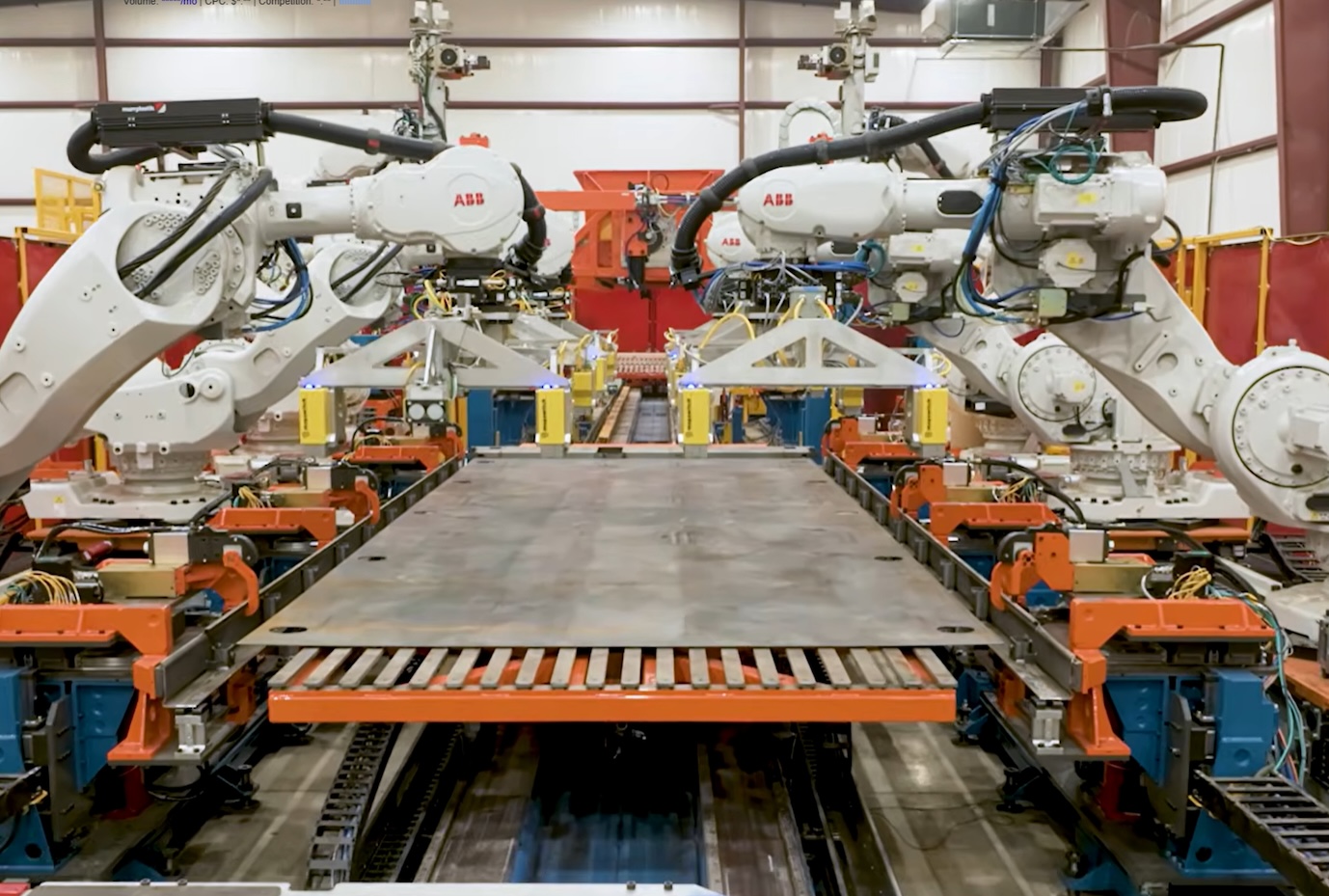
ABB Motion President Discusses New Data Center Racks for AI Infrastructure
Brandon Spencer, President of ABB Motion, recently highlighted the company's new portfolio of data center racks aimed at addressing the increasing power and computing demands of AI infrastructure. He noted that the power requirements at the rack level are surging, with deployments expected to reach approximately one megawatt per rack, representing a five to six-fold increase from current levels. This development is significant as it reflects the broader trend of escalating energy needs driven by advancements in AI technologies. The ability to support such high power demands is crucial for data centers to remain competitive and efficient in an era where AI applications are becoming more prevalent. Looking ahead, industry stakeholders should monitor how ABB's innovations will influence data center design and energy consumption practices. No further timeline was disclosed at the time of publication.

New Server Hopes to Break Through AI’s “Memory Wall”
Majestic Labs, an AI hardware startup, is addressing the memory limitations of large language models (LLMs) with its upcoming server, Prometheus, set to launch in 2027. This innovative server will feature up to 128 terabytes of memory, significantly surpassing the capabilities of Nvidia’s current offerings. Co-founder Sha Rabii emphasizes that this substantial memory increase will enhance performance and efficiency, particularly as models grow larger. Prometheus employs a unique DRAM-centric architecture, utilizing LPDDR6 memory and a proprietary memory interface with miniature copper cables that allow for greater memory placement flexibility. This design aims to overcome the “memory wall” that hampers LLM performance, providing a memory bandwidth of up to 25.6 terabytes per second. To complement its memory capabilities, Prometheus will incorporate the Ignite AI processing unit, which combines ARM application cores with RISC-V vector and tensor cores on a single chip. This integration allows for seamless handling of LLM inference tasks without the need for processor handoffs. Majestic Labs is also focused on ensuring compatibility with existing AI frameworks like PyTorch and OpenAI’s Triton, allowing customers to run their models without modifications. The server, designed in compliance with the Open Compute Project, will be modular, enabling future memory upgrades. Despite the advanced technology, Majestic Labs aims to offer competitive pricing by leveraging DRAM instead of more expensive high-bandwidth memory. Rabii claims that this approach could reduce customer capital expenditures and power consumption significantly, potentially by 10 to 50 times, depending on the workload.
Memory Server Ai-accelerators Performance
The AI Server Challenge: Testing Power at Scale
Recent advancements in artificial intelligence (AI) are driving the need for specialized power test systems tailored for next-generation AI architectures. As the demand for faster GPUs and more efficient accelerators grows, the industry recognizes that traditional power testing methods may not suffice. This shift is particularly relevant as AI applications become increasingly complex and resource-intensive, necessitating a reevaluation of existing testing frameworks. The urgency for these purpose-built systems arises from the need to ensure that AI technologies can operate effectively and sustainably. With AI's rapid evolution, companies are seeking innovative solutions to optimize performance while managing energy consumption. The integration of advanced power testing will enable developers to better assess the efficiency and reliability of their AI systems, ultimately leading to more robust and scalable technologies. As the AI landscape continues to evolve, industry leaders are collaborating to design and implement these specialized power test systems, ensuring that they meet the unique demands of next-gen AI workloads. This proactive approach aims to enhance the overall performance and sustainability of AI solutions, paving the way for future breakthroughs in the field.
Foxconn to Deploy NVIDIA-Powered Humanoid Robots in Houston AI Server Plant
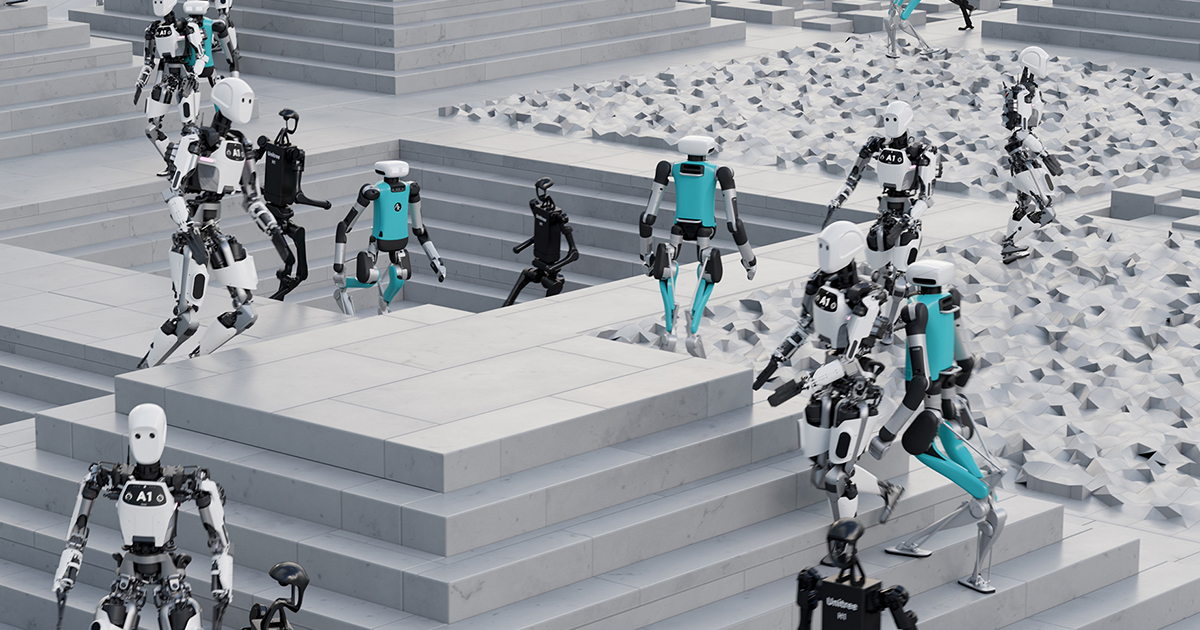
An electronics giant is set to implement humanoid robots powered by NVIDIA's GR00T foundation model on its production lines, signaling a pivotal trial for its innovative "simulation-first" approach to robotics. This initiative aims to enhance efficiency and productivity within manufacturing processes. The deployment of these advanced robots is expected to take place in the coming months, as the company seeks to leverage cutting-edge technology to streamline operations and reduce costs. By integrating AI-driven humanoids into its workflow, the firm hopes to revolutionize traditional manufacturing practices and address labor shortages in the industry. This move underscores a growing trend among tech companies to explore the potential of robotics in various sectors, particularly in response to increasing demands for automation and smart manufacturing solutions.
NVIDIA foxconn AI GR00T manufacturing Isaac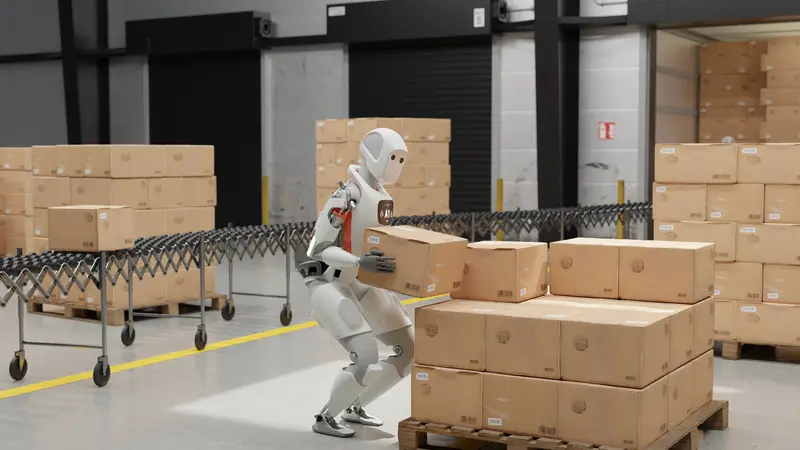
Apptronik Cracks CNBC Disruptor 50, Highlighting Humanoid Robotics' Rise in AI Era
Apptronik has made history by being named the first humanoid robotics company on CNBC's 2025 Disruptor 50 list, securing the 33rd position. This recognition underscores the company's innovative approach to scalability and its integration of artificial intelligence, particularly through its Apollo robot. The accolade comes on the heels of a significant $350 million Series A funding round, which has bolstered Apptronik's capabilities and market presence. Additionally, strategic partnerships have further enhanced the company's standing in the rapidly evolving field of humanoid robotics, reflecting the increasing importance and potential of this technology in various sectors.
Apollo Jeff Cardenas ApptronikRobotics needs a service framework.
RSF defines a common language for robot service capability, lifecycle operations, certification pathways, and service-provider networks.
Join the RobotToday community on LinkedIn
Daily robotics news, in-depth analysis, conference highlights, and discussions with professionals worldwide.







