

Industry Briefing
A single destination for timely, editor-curated robotics news from around the world.

Digua Robotics and Giga Vision Collaborate to Integrate World Models into Edge AI Chips
On September 14, Digua Robotics and Giga Vision announced a strategic collaboration focused on integrating their respective technologies. Giga Vision will provide world models, embodied foundational models, and real-world application experience, while Digua Robotics will contribute an edge AI computing platform, algorithm toolchain, and robotics ecosystem. The initial integrated model chosen is GigaBrain-0.7, utilizing the Xuri S600 hardware base and GigaWorld's capabilities. This partnership aims to create an affordable, integrated solution for embodied intelligence at the edge. GigaWorld will handle scene generation, action consequence prediction, strategy evaluation, and retraining of failure samples, providing a virtual training environment for robots. GigaBrain will serve as the edge intelligence core, managing natural language tasks, spatial perception, task decomposition, skill routing, and decision-making, while the Xuri S600 will support multimodal reasoning and task scheduling. Looking ahead, both companies plan to accelerate the practical application of GigaBrain-0.7 across various robotic platforms, including industrial manufacturing and home services. The success of this collaboration will depend on the performance of GigaBrain-0.7 in real-world robotic applications, particularly in terms of task success rates and system stability.
Robotics AI Edge Computing Embodied Intelligence
Microsoft Executive Highlights Need for Innovation Over Memory Chips to Address AI Bottlenecks
Rani Borkar, president of Azure Hardware Systems and Infrastructure at Microsoft, emphasized that merely increasing memory chip production will not alleviate the supply chain bottlenecks affecting AI infrastructure. Speaking at SEMICON Taiwan 2026 in Taipei on September 2, Borkar called for innovative solutions to tackle these limitations. This statement is significant as it underscores the complexity of the challenges facing AI development, which cannot be solved solely by enhancing hardware capacity. The current bottlenecks hinder the scalability and efficiency of AI systems, making it crucial for industry leaders to explore alternative strategies and technologies. Looking ahead, the focus will likely shift towards innovative approaches and technologies that can effectively address the underlying issues in AI infrastructure. No further timeline was disclosed at the time of publication.

Zhipu AI's GLM-5.3-Flash Achieves Top Rankings Using 100,000 Domestic AI Chips
Zhipu AI's GLM-5.3-Flash is now operating on 100,000 domestic AI chips, marking a significant milestone in its development. This model has been gaining popularity and is currently leading in benchmark and usage rankings, showcasing its effectiveness and efficiency in the AI landscape. The significance of this achievement lies in Zhipu AI's commitment to utilizing domestic technology, which not only supports local industries but also enhances the performance of AI applications. The successful deployment of GLM-5.3-Flash on such a large scale indicates a growing trend towards self-sufficiency in AI chip production, which is crucial for the industry. Looking ahead, it will be important to monitor how Zhipu AI continues to leverage its domestic chip technology and the impact this has on its competitive positioning in the market. No further timeline was disclosed at the time of publication.

Xiaomi Achieves Stability with AI Models, Self-Built Chips, and Humanoid Robots
Xiaomi reported a revenue of 108.92 billion yuan in Q2 2026, marking a significant stabilization amidst fierce competition. The company's attributable net profit has doubled, reflecting its successful diversification beyond traditional markets like phones and cars. This growth is attributed to several key advancements, including the MiMo-V2.5 model, which has dominated OpenRouter's monthly and weekly call charts. Additionally, Xiaomi's self-developed Xuanjie chip has successfully passed mass verification, showcasing the company's commitment to in-house technology development. Furthermore, a new humanoid robot has been deployed in factory settings, achieving a remarkable 98% success rate. This indicates Xiaomi's strategic shift towards robotics and AI, positioning the company for future growth. No further timeline was disclosed at the time of publication.

SpaceX and Nvidia Collaborate on Starmind AI1 Satellite with Rubin Chips for Orbital Computing
SpaceX and Nvidia have announced a partnership to develop the Starmind AI1 satellite, which will utilize Nvidia's Rubin GPUs and Vera CPUs for AI computing in low Earth orbit. This initiative aims to create a vast network of satellites, potentially reaching one million, forming a distributed AI supercomputer in space. The significance of this project lies in its potential to revolutionize AI processing capabilities beyond Earth, leveraging the advantages of solar energy and high-speed laser communication between satellites. SpaceX's commitment to using Nvidia's technology underscores the importance of this collaboration in advancing space computing. Looking ahead, prototype testing for the Starmind AI1 satellite is set for early 2027, with mass production anticipated later that year, contingent on regulatory approvals. The project could reshape the landscape of orbital infrastructure, significantly expanding the current satellite population and enhancing data processing capabilities in space.
AI and Robotics Space
Fuhang Micro Achieves Record Q2 Earnings with 10x Profit Increase, Innovating AI Chips for Robotics
On July 31, Fuhang Micro (300613) reported its semi-annual performance for 2026, revealing a revenue of 1.4 to 1.5 billion yuan, marking a year-on-year increase of 103.48% to 118.01%. The net profit attributable to shareholders surged to 270 to 350 million yuan, a staggering rise of 1072.72% to 1420.19%. This growth is attributed to rising storage prices and increased demand across its three main sectors: smart video, smart IoT, and smart mobility. The significance of this performance lies not only in the cyclical rebound but also in the positive market feedback for its new AI-ISP chips aimed at robotics and other emerging fields. These chips enhance image processing capabilities, crucial for robots to operate effectively in various environments. By integrating lightweight neural networks into the imaging pipeline, Fuhang Micro's technology reduces latency and power consumption, positioning the company favorably within the robotics supply chain. Looking ahead, Fuhang Micro's growth trajectory will depend on the adoption of AI-ISP chips by leading robotics clients and the expansion into industrial vision and automotive sectors. The company's ability to meet its ambitious revenue targets of 4 billion yuan in the next 3 to 5 years will be a key indicator of its long-term success in the robotics market.
AI Chips Robotics Imaging Technology Industrial Automation Machine Vision
WAIC 2026 Highlights: Computing Chips and Supernode Architecture Transform Embodied Intelligence
At the 2026 World Artificial Intelligence Conference (WAIC), the concept of embodied intelligence emerged as a focal point. As attendees engaged with advancements in multimodal large models, a roadmap concerning computing chips, supernode architecture, and AI application deployment began to reshape industry perceptions. A clear consensus is forming that the next phase of competition in embodied intelligence will center on systematic challenges involving computational foundations, infrastructure, and application scenarios rather than merely algorithmic metrics. According to a recent report by CITIC Securities, dedicated computing chips for embodied intelligence are becoming a critical battleground. Unlike general-purpose GPUs, these chips must provide extreme optimization for specific tasks such as low-latency inference, high parallel computing, and multi-sensor fusion. The introduction of supernode architecture indicates a pathway for the large-scale deployment of embodied intelligence, seamlessly connecting cloud, edge, and terminal computing resources to support a comprehensive agent framework that spans perception, decision-making, and execution. The pace of AI application deployment is exceeding expectations, with embodied intelligence technologies rapidly transitioning from laboratories to real-world scenarios, including logistics sorting and home companionship services. Companies like Jieyue Xingchen have achieved initial commercial validation across various verticals, lowering development barriers and accelerating product iteration cycles. As the integration of large language model inference capabilities with robotic motion control deepens, a new 'agent economy' is gradually taking shape. No further timeline was disclosed at the time of publication.
Embodied Intelligence Computing Chips Supernode Architecture AI Applications Industry Innovation
Japan Plans Acquisition of 27,500 Nvidia Rubin Chips for Domestic AI Robotics Development
Japan is set to purchase 27,500 next-generation Rubin chips from Nvidia Corp. to develop a foundational AI model tailored for robotics. This initiative aims to enhance Japan's capabilities in creating sovereign AI systems that can be integrated into various robotic applications. The acquisition of these chips is significant as it represents Japan's commitment to advancing its technological independence in the field of artificial intelligence. By building a homegrown AI model, Japan seeks to strengthen its position in the global robotics market and reduce reliance on foreign technologies. Looking ahead, the focus will be on how effectively Japan can leverage these Rubin chips to create a robust AI framework for robots. No further timeline was disclosed at the time of publication.

QBit Semiconductor Reveals Robotics and Drone Chipset Roadmap for Physical AI Control
QBit Semiconductor, a Taiwan-based fabless IC design leader, announced its roadmap for robotics and drone chipsets at SEMICON Taiwan 2026. This initiative focuses on integrating Physical AI control capabilities, particularly through their QB88XX series, which includes advanced motion control and image processing technologies. The unveiling of this roadmap is significant as it positions QBit Semiconductor to capitalize on the growing demand for Physical AI applications in robotics and drone markets. By targeting these sectors, the company aims to enhance the functionality and efficiency of robotic systems and drones, leveraging their expertise in high-end image processing and motion control. Looking ahead, industry stakeholders should monitor QBit Semiconductor's developments in the QB88XX series and its impact on the Physical AI landscape. No further timeline was disclosed at the time of publication.

Lambda Secures $1 Billion in Debt to Acquire Nvidia AI Chips for Microsoft
Lambda, an AI cloud company, has successfully raised $1 billion in private, short-dated debt to purchase Nvidia's AI chips, which it plans to lease to Microsoft. This funding, arranged by JP Morgan Chase, indicates Lambda's strategy to quickly deploy the chips and generate revenue, allowing for swift debt repayment. This significant financial move underscores Lambda's commitment to expanding its GPU infrastructure, having previously secured a $1 billion credit facility in May and a $926 million loan for Nvidia GB300 GPUs. The company is also reportedly negotiating a $3 billion pre-IPO funding round, reflecting the growing demand for AI capabilities. Looking ahead, Lambda's ability to leverage this debt for rapid deployment of AI chips will be crucial as it aims to capitalize on the booming AI market. No further timeline was disclosed at the time of publication.
AI Fundraising AI chips In Brief Lambda Microsoft
Five Essential Metals Driving the Growth of AI Data Center Infrastructure
Artificial intelligence relies heavily on physical infrastructure, particularly data centers that require substantial electrical systems and cooling equipment. A 2026 study indicates that copper is the most critical metal, accounting for 83% of the modeled mineral mass needed for AI data-center infrastructure. Other important metals include gallium, germanium, rare earth elements, and aluminum, each playing a vital role in the AI hardware ecosystem. The significance of these metals extends beyond mere supply; they are integral to the functionality and efficiency of AI systems. For instance, copper's excellent thermal conductivity aids in cooling, while gallium and germanium are essential for semiconductor applications. The concentration of production for these materials, particularly gallium and germanium, raises concerns about supply chain vulnerabilities, which could impact the growth of AI technologies. Looking ahead, the demand for these metals is expected to rise as AI infrastructure expands. The reliance on rare earth elements, particularly from China, poses additional supply risks. As AI processors evolve and generate more heat, the importance of effective thermal management through materials like aluminum will only increase. No further timeline was disclosed at the time of publication.
AI and Robotics
Dai Weijin Discusses Collaborative Efficiency as Key to Robot Chip Development
Dai Weijin, Chief Strategy Officer of Chipone Technology, highlighted the critical issue of collaborative efficiency in robot chip development. While the industry focuses on TOPS performance metrics, he emphasized that the real challenge lies in ensuring system efficiency aligns with computational power. He pointed out that while automotive chips may have excess computational capacity, robots require low-latency perception capabilities that are currently insufficient. Dai noted that reusing automotive chips was a necessary early choice for the industry, but the fundamental logic differs between automotive and robotics. Robots demand precise interactions in complex environments, which cannot be achieved by simply repurposing automotive technology. He explained that robot chips typically utilize a layered computing architecture, where the 'brain' handles decision-making and planning, while the 'small brain' manages perception and real-time control. Looking ahead, Dai believes that industrial applications, particularly in logistics and material handling, will lead the way in adopting these technologies. Chipone's strategy focuses on scalable architecture and providing clients with the most suitable configurations to quickly develop their products, emphasizing that collaborative efficiency is the true competitive advantage in the market.
Robot Chips Collaborative Efficiency Layered Computing Industrial Automation
LTX-2.5 Launches with Fast AI Video Generation and Open Weights Integration
LTX, a company spun out of Lightricks, has launched LTX-2.5, an advanced open-weights video model that can generate a 10-second video from an image in just 6.8 seconds using NVIDIA superchips. This model is now integrated into ComfyUI and available on Hugging Face, supporting organizations with under $10 million in annual revenue for free. The significance of LTX-2.5 lies in its innovative features, including a new diffusion video decoder that enhances video quality and native multishot generation for consistent outputs. LTX claims its model has surpassed 33 million downloads, making it the most popular open world model line, and it aims to provide flexibility and efficiency in video generation compared to closed API competitors. Looking ahead, LTX is focused on expanding its capabilities and refining its technology. The company emphasizes the importance of open weights for diverse use cases in video and world models, contrasting its approach with the trend towards closed models in the industry. No further timeline was disclosed at the time of publication.
Technology
SpaceXAI Emerges from xAI Merger, Redefining Supply Chain Dynamics in 2026
In May 2026, xAI was absorbed into SpaceX and rebranded as SpaceXAI, consolidating its procurement under SpaceX. The supply chain's critical constraint is electricity, not GPUs, emphasizing that Colossus is primarily a power project with a chip budget. The merger, valued at $1.25 trillion, allows SpaceX to leverage orbital data centers and AI compute nodes in low Earth orbit to overcome terrestrial energy limitations. The merger's implications are significant, as xAI's financials are now integrated into SpaceX's reports, revealing $2.56 billion in AI revenue for Q2 2026, a 247% increase. This shift provides visibility into xAI's procurement, which is now part of SpaceX's overall financial disclosures. The supply chain's structure highlights competitive markets for initial layers, while the latter layers face local and political challenges, impacting Colossus's development. Looking ahead, the focus will be on the performance and expansion of Colossus, particularly with Colossus 2 at the Tulane Road site, which aims for gigawatt scale. The hardware partnerships with Dell Technologies and Super Micro Computer are crucial for the infrastructure's success. No further timeline was disclosed at the time of publication.

WAIC 2026 Highlights: Over 100 Chip Companies Showcase AI Innovations in Shanghai
The WAIC 2026 event commenced with the participation of over 100 chip companies, showcasing advancements in AI technology. This gathering highlights the growing importance of AI in industrial applications, as various sectors increasingly adopt these innovations. The presence of supernode clusters and humanoid robots at WAIC 2026 signifies a pivotal moment for the integration of AI into everyday operations. With 64 consumer AI products on display, the event underscores the rapid evolution of AI technologies and their potential impact on industries. As the event unfolds, industry professionals will be keen to observe how these developments will shape the future of AI in industrial settings. No further timeline was disclosed at the time of publication.
News
Tesla's Optimus Robots to Support Starmind Satellite Production, Not Maintenance
Tesla's Optimus robots will not be used to repair Starmind satellites in orbit, as confirmed by recent statements from Elon Musk. Instead, these robots are intended to assist in the construction and operation of the Terafab chip manufacturing facility in Texas. The AI1 satellites, designed to disintegrate upon reentry, highlight the company's swap-and-replace strategy rather than traditional maintenance practices. This approach is significant as it reflects a broader trend in satellite management, where mass-produced satellites are replaced rather than repaired. The economics of servicing missions are prohibitive, with the cost of launching a replacement satellite being significantly lower than conducting a repair mission. This model aligns with SpaceX's operational history, where rapid replacement of satellites is more efficient than attempting to maintain them in orbit. Looking ahead, the focus will remain on the production capabilities of the Gigasat factory, which is expected to support the continuous replacement of satellites. No further timeline was disclosed at the time of publication, but the demand for rapid satellite turnover suggests a robust future for Optimus robots in terrestrial manufacturing rather than in-space servicing.

SpaceX Unveils AI1 Satellite Specs for Starmind Constellation with Key Thermal Challenges
SpaceX has introduced the AI1 satellite, the inaugural component of its Starmind constellation, which stands 20 meters tall and has a wingspan of 70 meters. This orbital compute node is designed to deliver computing power equivalent to one NVIDIA GB300 server rack, utilizing a unique cooling system with deployable liquid radiators. The satellite's specifications were revealed during a presentation on June 8, 2026, ahead of SpaceX's IPO. The significance of the AI1 satellite lies in its role as a compute platform rather than a traditional satellite, focusing on running AI inference workloads. The satellite's cooling system, which is critical for its operation in the vacuum of space, is designed to reject heat through infrared radiation. However, independent engineers have raised concerns about the feasibility of the thermal and mass claims made by SpaceX, suggesting that the cooling requirements may exceed practical limits. Looking ahead, SpaceX plans to launch two AI1 prototypes in early 2027, with full-scale production expected to commence later that year at its Gigasat facility in Bastrop, Texas. The ongoing debate regarding the satellite's thermal management capabilities will be crucial to monitor as the project progresses, with no further timeline disclosed at the time of publication.

D-Robotics Showcases Sunrise™ AI Chips at IFA 2026 for Home Robots
At IFA 2026 in Berlin, D-Robotics is highlighting its Sunrise™ AI chips, which power a variety of home robots. Notable products include TCL's hey AiMe companion robot, Vbot's SuperDog quadruped, and the xLean TR1 floor washer, showcasing the versatility of D-Robotics' technology. The significance of D-Robotics' contributions lies in its role as a leading provider of robotics development infrastructure. By equipping numerous robots with its AI chips, the company is influencing the evolution of home robotics, making advanced technology accessible to various manufacturers and enhancing consumer experiences. As IFA 2026 progresses, attention will be on how D-Robotics continues to innovate within the robotics sector. The impact of its Sunrise™ AI chips on the functionality and capabilities of home robots will be closely monitored, as the industry looks to the future of intelligent automation in domestic settings. No further timeline was disclosed at the time of publication.
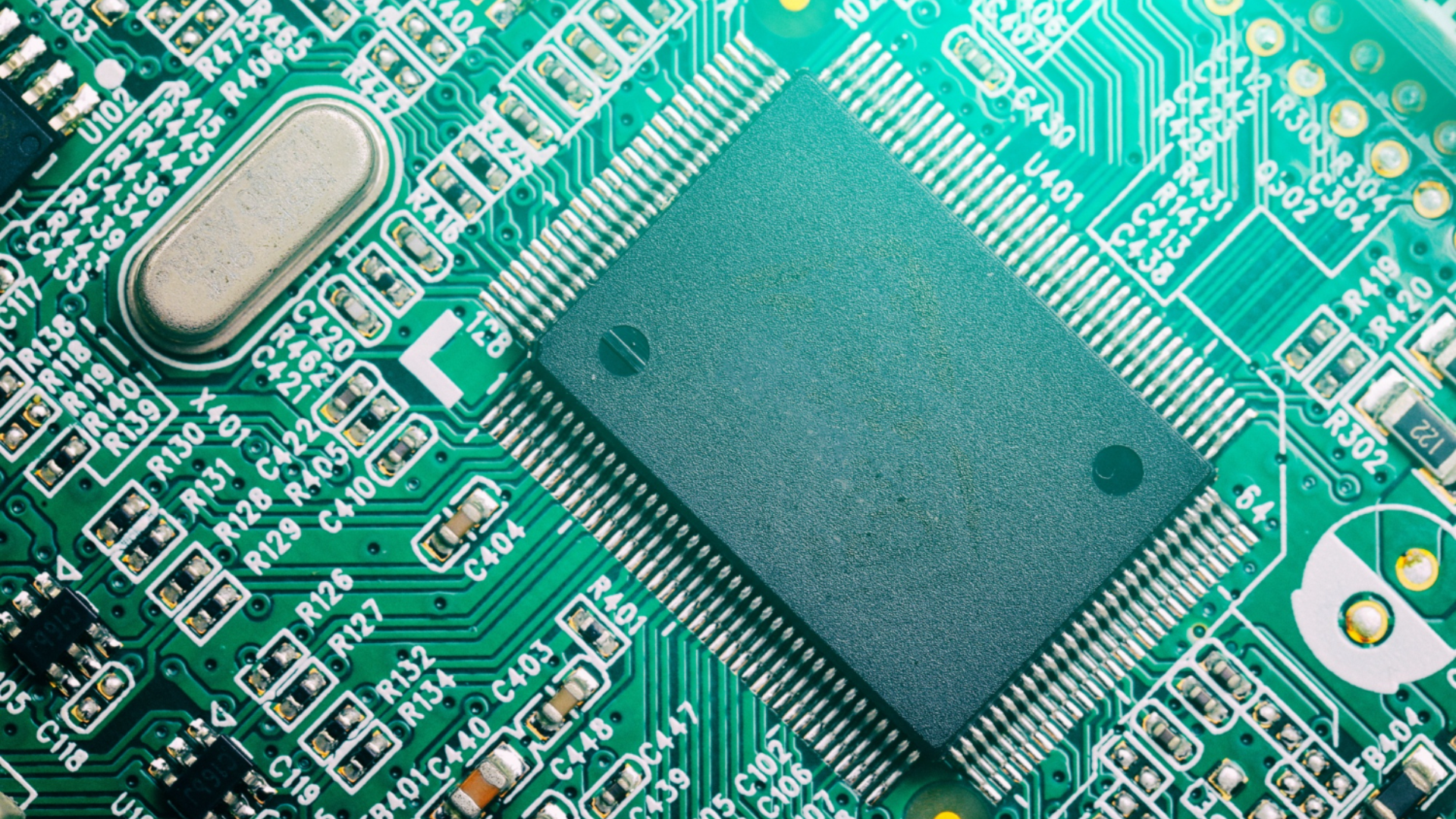
Biren Develops Next-Gen Optical Links for Enhanced AI Chip Connectivity
Biren, a Shanghai-based startup, is pioneering optical technology to connect thousands of AI accelerators into unified computing systems. As AI models grow increasingly complex, the demand for efficient interconnectivity among GPUs has intensified, with traditional copper connections reaching their limits. Biren's innovative near-packaged optics (NPO) architecture aims to support clusters of up to 1,024 AI accelerator cards, significantly enhancing computing capabilities. This advancement is crucial for AI infrastructure companies striving to meet the needs of models with trillions of parameters. Biren's approach addresses the scalability challenges faced by conventional server architectures, which typically cap at around 128 GPUs. By positioning optical fibers closer to chips, the company enhances bandwidth and data transmission efficiency, positioning itself against competitors like MetaX and Alibaba. Looking ahead, Biren is testing its NPO interconnect system while also developing an orthogonal hardware architecture in collaboration with ZTE. Although the semiconductor industry is still in the early stages of optical interconnect technology, widespread adoption is projected for around 2028, contingent on further advancements and real-world validation of these systems.
AI and Robotics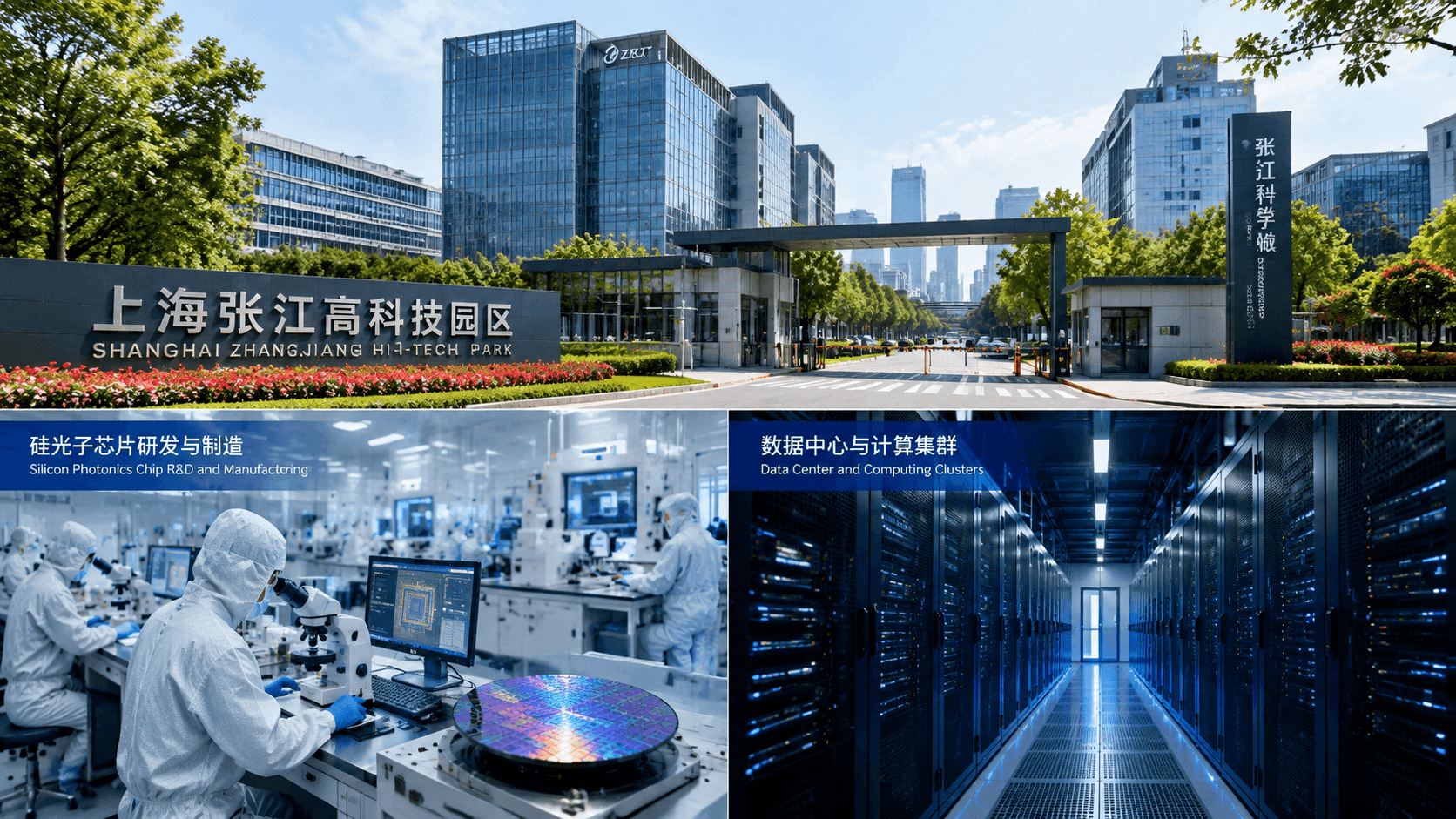
Computing Power Paradox: General-Purpose Chips in Shortage as Shanghai Zhangjiang Builds China Silicon Photonics Hub
In the midst of ongoing discussions regarding China's computing power dynamics, Shanghai Zhangjiang has established itself as a significant national center for silicon photonics. This development comes as over 20 companies have set up operations in the area, covering the entire value chain of the technology. The rise of Zhangjiang as a hub reflects the country's strategic focus on advancing its capabilities in this critical sector, which is essential for enhancing computing power and addressing potential shortages. The concentration of firms in Shanghai is indicative of a broader push to innovate and strengthen China's position in the global technology landscape.
Technology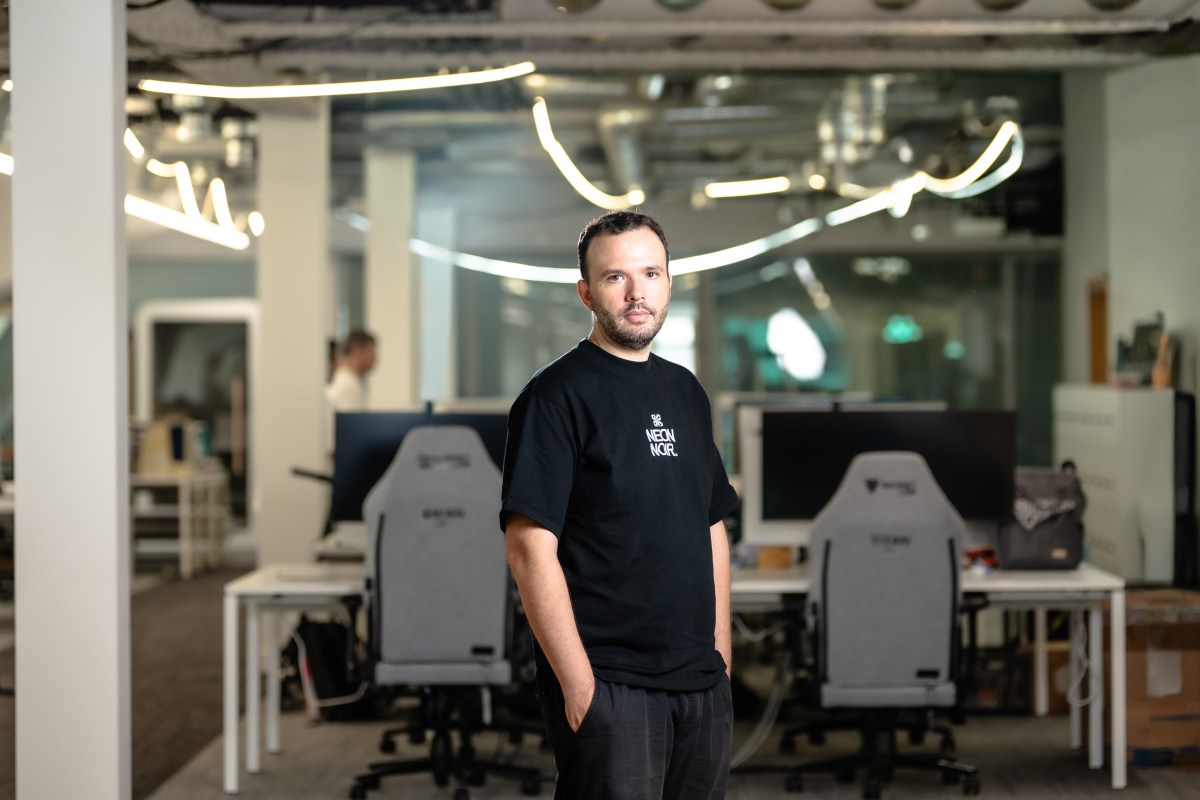
Hot French startup ZML releases free product to speed inference across lots of AI chips
ZML, a hot French AI startup endorsed by Turing Award winner Yann LeCun, has now released ZML/LLMD, software that could make running AI less costly.
AI Fundraising Startups AI inference Exclusive ZML
SpaceX's Starmind Project: Supplier Strategy and Chip Manufacturing Plans for 2026
SpaceX's Starmind project, aimed at deploying up to 1 million AI satellites, was filed with the FCC on January 30, 2026. The initiative is designed to minimize reliance on external suppliers, with CEO Elon Musk stating that current chip production capabilities only meet 2% of the projected needs. The first satellite, AI1, is set for prototype launches in early 2027, featuring a 70-meter wingspan and a modular payload system that allows for interchangeable chips from various suppliers. The significance of Starmind lies in its ambitious supply chain strategy, which seeks to transition from external hardware suppliers to a fully integrated Musk-owned facility by 2028. The Gigasat manufacturing site in Bastrop, Texas, is expected to be operational by the end of 2027, with plans for high-volume production of the D3 chip, specifically designed for space applications. This approach aims to consolidate chip manufacturing processes under the Terafab joint venture, which has an estimated initial investment of $55 billion. Looking ahead, the next milestone for Starmind is the launch of AI1 prototypes in early 2027, while the full-scale chip production at Terafab is projected to ramp up significantly thereafter. However, analysts express skepticism regarding the feasibility of achieving Musk's ambitious compute goals, which may require substantial investment and time to establish the necessary manufacturing capabilities.
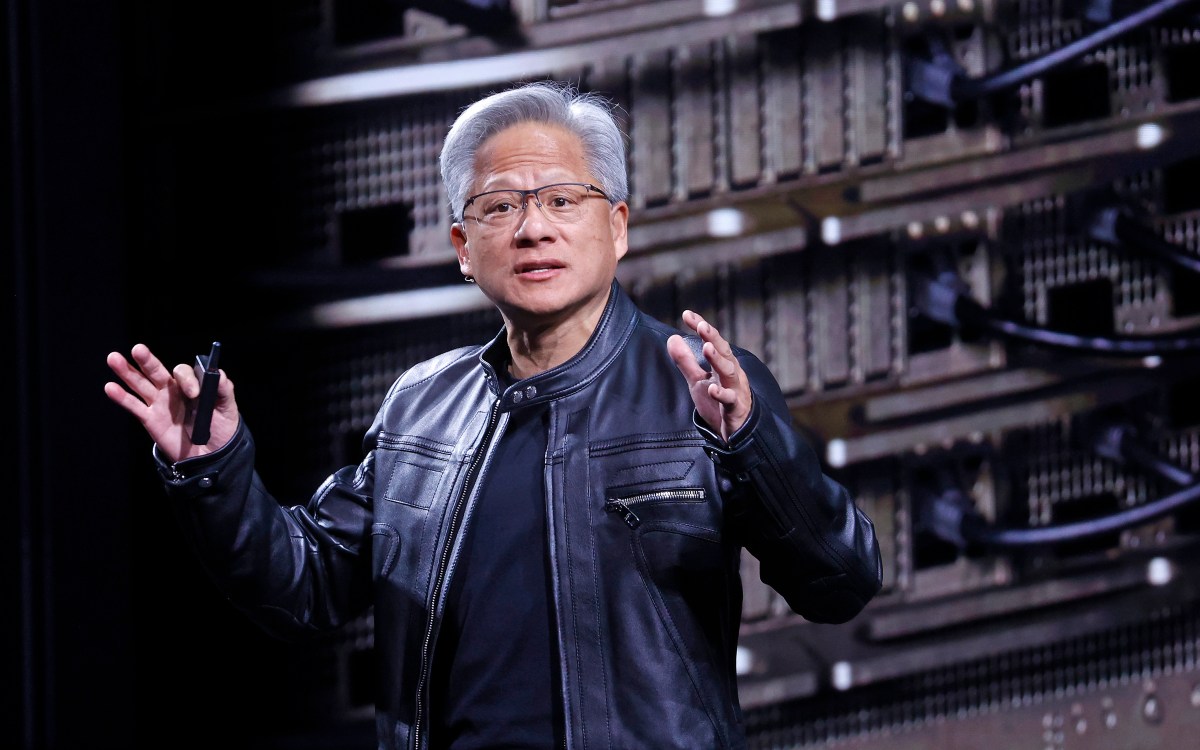
Why everyone from OpenAI to SpaceX is building their own chips (and turning up the heat on Nvidia)
Nvidia, a leader in the AI chip market, may soon face increased competition as OpenAI announces its development of a new custom inference chip named Jalapeño, in collaboration with Broadcom. This strategic move comes as OpenAI joins a growing list of tech giants, including Google, Apple, and SpaceX, who are seeking to reduce their reliance on a single supplier for critical technology. The initiative reflects a broader industry trend aimed at diversifying chip sources to mitigate risks associated with dependence on Nvidia. OpenAI's plans signal a significant shift in the competitive landscape of AI hardware, potentially reshaping the dynamics of the market.
AI a24 agility AI chips AI loops Anthropic
AI Is Designing Radio Chips That Humans Couldn’t Even Imagine
Researchers at Princeton University have made significant strides in the design of radio-frequency integrated circuits (RFICs), a critical component for advancing wireless technologies such as 5G, autonomous vehicles, and satellite communications. Utilizing reinforcement learning and inverse design techniques, the team has developed a method to create RFICs from scratch, drastically reducing design time and achieving record performance levels. This innovative approach leverages AI to navigate the complex design space of RFICs, traditionally seen as an art requiring years of expertise. By employing machine learning algorithms, the researchers can generate novel circuit layouts that outperform existing designs while minimizing the time taken for development. The project, which began after the success of AI in games like Go, aims to overcome the limitations of conventional RFIC design, which has remained largely artisanal. The researchers emphasize the need for large, shared datasets and open ecosystems to further enhance AI's capabilities in understanding electromagnetic and circuit behaviors. As the demand for advanced RFICs grows, the potential for AI-driven design to revolutionize the field is becoming increasingly apparent. The findings have attracted attention within the RF community, sparking discussions about the future of AI in circuit design and the importance of collaboration between AI researchers and chip designers to unlock new possibilities in technology.
Machine-learning Ic-design Chip-design Rf Rfic
Advancements in Domestic ASIC Brain Chips Enhance Intelligent Robotics
ZK Wireless Semiconductor, a domestic leader in semiconductor technology, is transforming the robotics industry with its innovative ASIC brain chips. These advanced chips empower robots to evolve from mere passive instruction receivers to autonomous decision-makers. By leveraging cutting-edge materials such as Gallium Nitride (GaN) and Gallium Antimonide (GaSb), the chips facilitate nanosecond-level multimodal data alignment. This significant advancement addresses key challenges in cognitive intelligence for robots, thereby enhancing their functionality and efficiency. The development is expected to accelerate the adoption of robotic technologies across various sectors, marking a pivotal shift in how robots interact with their environments and perform tasks.
ASIC Chips Cognitive Robotics Multimodal Data Semiconductor Technology
Who could gain from DeepSeek’s V4 with China chips poised for stronger demand?
DeepSeek, a start-up based in Hangzhou, has unveiled its latest artificial intelligence model, the V4 series, which analysts believe could significantly impact the stock market across the tech industry, from chip manufacturers to large language model developers. This launch, described as a major milestone for the company, positions DeepSeek's platform as the most powerful open-source alternative capable of competing with established US rivals. The breakthrough is expected to increase demand for computing power and promote wider commercial adoption of AI technologies. As the industry anticipates the effects of this advancement, investors are likely to reassess their positions in related stocks.
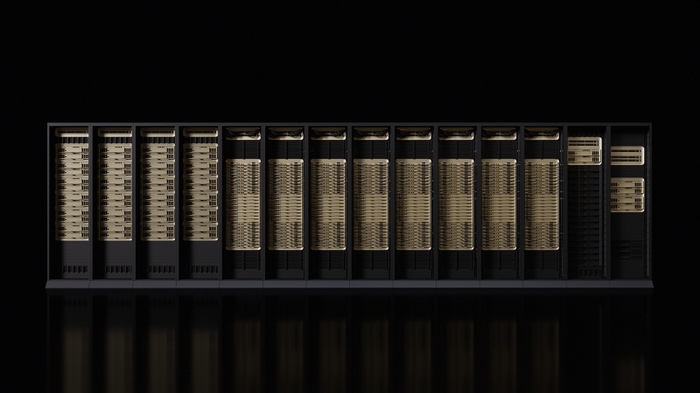
NVIDIA Kicks Off the Next Generation of AI With Rubin — Six New Chips, One Incredible AI Supercomputer
NVIDIA has officially launched the NVIDIA Rubin platform, marking a significant advancement in artificial intelligence technology. This new platform features six innovative chips that aim to create a powerful AI supercomputer capable of handling complex computations and tasks. The announcement was made today, highlighting NVIDIA's commitment to pushing the boundaries of AI capabilities. By integrating these cutting-edge chips, the company seeks to enhance performance and efficiency in AI applications, catering to the growing demand for advanced computing solutions across various industries. The launch of the Rubin platform positions NVIDIA at the forefront of the AI revolution, as it continues to develop technologies that shape the future of computing.
Robotics needs a service framework.
RSF defines a common language for robot service capability, lifecycle operations, certification pathways, and service-provider networks.
Join the RobotToday community on LinkedIn
Daily robotics news, in-depth analysis, conference highlights, and discussions with professionals worldwide.







