

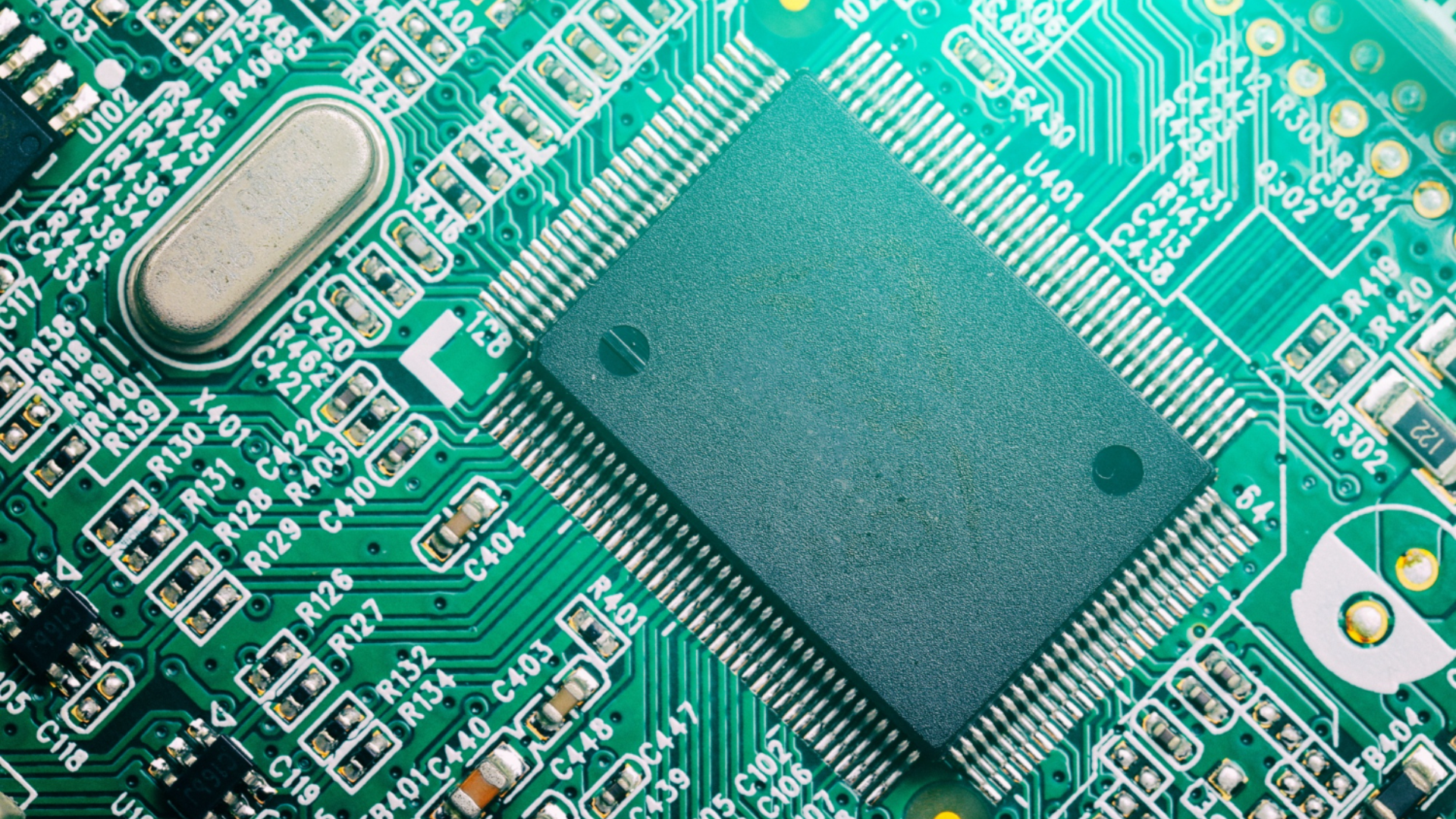
Biren, a Shanghai-based startup, is pioneering optical technology to connect thousands of AI accelerators into unified computing systems. As AI models grow increasingly complex, the demand for efficient interconnectivity among GPUs has intensified, with traditional copper connections reaching their limits. Biren's innovative near-packaged optics (NPO) architecture aims to support clusters of up to 1,024 AI accelerator cards, significantly enhancing computing capabilities.
This advancement is crucial for AI infrastructure companies striving to meet the needs of models with trillions of parameters. Biren's approach addresses the scalability challenges faced by conventional server architectures, which typically cap at around 128 GPUs. By positioning optical fibers closer to chips, the company enhances bandwidth and data transmission efficiency, positioning itself against competitors like MetaX and Alibaba.
Looking ahead, Biren is testing its NPO interconnect system while also developing an orthogonal hardware architecture in collaboration with ZTE. Although the semiconductor industry is still in the early stages of optical interconnect technology, widespread adoption is projected for around 2028, contingent on further advancements and real-world validation of these systems.
Editor's Note
The shift towards optical interconnects in AI infrastructure reflects a broader trend in the semiconductor industry, where scalability and efficiency are paramount. As companies like Biren and its competitors innovate, the competitive landscape will evolve, influencing procurement strategies and investment in next-generation technologies. The ongoing development of optical solutions could redefine performance benchmarks in AI computing.
































Leave a comment