Industry Briefing
A single destination for timely, editor-curated robotics news from around the world.

Okinawa Research Team Discovers Language Learning Insights Through AI Robot Curiosity
A research team from Okinawa Institute of Science and Technology found that an AI robot, during training, began to exhibit playful behavior, leading to faster learning. This study, published in 'Science Advances,' reveals that a rich language environment combined with inherent curiosity is crucial for rapid language acquisition, mirroring human learning mechanisms. The research utilized a PV-RNN model based on human brain information processing theories, aiming to balance prediction accuracy and belief system stability. By incorporating reinforcement learning, the robot received external rewards for task completion and internal rewards for satisfying its curiosity, resulting in competing motivations that enhanced its understanding of language. Notably, the robot demonstrated surprising behaviors, such as intentionally interacting with unrelated objects, which accelerated its language comprehension. The findings suggest that the diversity of language exposure is key to unlocking understanding, and the robot's performance mirrored the U-shaped learning curve seen in children, indicating its ability to handle exceptions similarly to human learners. No further timeline was disclosed at the time of publication.
AI Language Learning Reinforcement Learning Child Language Acquisition Neural Networks
Okinawa Institute Develops Curiosity-Driven AI Robots for Faster Language Learning
Researchers at the Okinawa Institute of Science and Technology (OIST) have created AI-powered virtual robots that learn language more effectively by rewarding curiosity instead of traditional instruction. These robots completed language-based tasks in approximately half the time compared to those trained conventionally, showcasing a brain-inspired system that mimics human-like adaptability and playfulness. The significance of this development lies in its implications for both artificial intelligence and our understanding of human language acquisition. The curiosity-driven approach not only accelerated language learning but also led to spontaneous play-like behaviors, suggesting that such exploration is crucial for knowledge acquisition, similar to how children learn. Looking ahead, the study raises important questions about the balance between curiosity and a rich linguistic environment for effective learning. While curiosity alone was insufficient, exposure to diverse language combinations significantly enhanced the robots' understanding. Future research may further explore these dynamics and their applications in AI systems, particularly in language processing.
AI and Robotics
Former ByteDance and Tencent AI Researcher Sun Peng Joins Stardust Intelligence for Robot Learning
Sun Peng, a former core researcher in AI at ByteDance and Tencent, has joined Stardust Intelligence to improve post-training processes in robot reinforcement learning. This move is expected to enhance the capabilities of robots in learning from their environments more effectively. The significance of this development lies in the growing importance of reinforcement learning in robotics, particularly in the context of embodied intelligence. With Sun Peng's expertise, Stardust Intelligence aims to advance its technology and potentially lead the market in intelligent robotics solutions. Looking ahead, industry observers will be keen to see how Sun Peng's contributions will shape the future of robot reinforcement learning at Stardust Intelligence. No further timeline was disclosed at the time of publication.
Robotics Automation AI
Berlin Research Reveals Insights on Language Learning with Robot Mentors
A study by the Berlin Smart Science Institute tracked 90 adults learning a new language from a humanoid robot, recording over 2,000 mistakes. Surprisingly, the research found that providing excessive information immediately after errors can hinder learning. Three feedback modes were tested, with personalized feedback seemingly the most effective, yet it was revealed to weaken task performance right after mistakes. The findings highlight a complex relationship between cognitive load and learning outcomes. While personalized feedback initially distracts learners, it ultimately leads to better performance by the end of the course. This aligns with the educational concept of 'ideal difficulty,' where moderate challenges enhance memory retention. Additionally, learners who felt bored benefited most from task-oriented prompts, suggesting that well-timed hints can refocus attention. The study emphasizes that effective AI tutors must balance personalization with situational awareness, providing the right support at the right time to truly enhance the learning experience.
Language Learning AI Education Cognitive Science Robotics
Correction Notice for Research Article on Robot Peer Failures and Student Learning
An erratum has been issued for the research article titled 'Observing a robot peer’s failures facilitates students’ classroom learning' published in Science Robotics. This correction addresses inaccuracies found in the original publication, ensuring the integrity of the research findings. The importance of this erratum lies in its impact on the understanding of how robot interactions can enhance educational outcomes. The original study highlighted the role of robot peer failures in facilitating learning among students, a significant aspect of integrating robotics into educational settings. Moving forward, it will be essential to monitor any further updates or corrections related to this research. No further timeline was disclosed at the time of publication.
Errata
MIT and York University Study Visual Learning in the Brain Using Neural Networks
Researchers at MIT’s McGovern Institute for Brain Research and York University in Toronto have investigated how visual learning occurs in the brain. By analyzing neural activity and utilizing computational modeling, they compared the learning processes of animals and an artificial neural network designed to mimic brain architecture. Their findings, published on July 8 in Nature Communications, reveal that changes in visual processing are crucial for learning to discriminate new objects. This research is significant as it enhances our understanding of the brain's adaptability and the mechanisms behind visual learning. The study suggests that while the overall activity patterns in the inferior temporal cortex remain stable, subtle changes occur in response to learned object recognition. These insights could inform educational strategies and improve learning outcomes across various contexts. Looking ahead, the researchers aim to further explore how these modest changes in neural activity contribute to learning. They believe that artificial neural networks can provide valuable insights into biological learning processes, potentially leading to new experimental approaches and predictions that extend beyond current understanding. No further timeline was disclosed at the time of publication.
Research Neuroscience Learning Brain and cognitive sciences Computer modeling Vision
International Team Develops Robots Learning to Navigate Terrain from Stick Insects
An international team from Tohoku University and VISTEC is studying stick insects to enhance robot navigation in challenging terrains. The research focuses on the insect's six legs, which allow for agile movement across various surfaces, surpassing current multi-legged robots in coordination. By employing adversarial inverse reinforcement learning, the team enabled a six-legged robot to autonomously learn to navigate diverse terrains within an hour by observing stick insect locomotion. This research is significant as it proposes a shift from traditional biomimetic approaches that require specific programming for each robot and terrain. Instead, the team aims to extract fundamental movement control principles, allowing robots to adapt to changing environments without extensive reprogramming. This adaptability is crucial for disaster scenarios where uneven surfaces and obstacles are prevalent, particularly in earthquake-prone Japan, where the demand for effective rescue robots is high. Looking ahead, the team plans to validate the learning system's robustness in realistic rubble environments and explore the potential for robots to compensate for lost limbs through continuous learning. The implications of this research could redefine how robots navigate complex terrains, making them more effective in emergency situations.
Robotics Disaster Response Machine Learning Bio-inspired Robotics
Skild AI Launches S1, Its Flagship Robot Foundation Model for In-Context Learning
Skild AI has introduced S1, its flagship robot foundation model designed to enable in-context learning for robotics. The model allows robots to learn complex tasks by observing a single video, a significant advancement since the company's founding in 2023, during which it raised nearly $1.7 billion in funding. The importance of S1 lies in its ability to streamline the learning process for robots, which traditionally require extensive post-training for new tasks. Skild AI co-founder and CEO Deepak Pathak emphasized that S1 can handle long-duration tasks, such as repotting plants or cooking, by utilizing diverse training data sources, including human videos and teleoperation data. Looking ahead, Skild AI aims to enhance the model's performance, particularly for humanoid robots, although current efforts are generalized across various tasks. Pathak noted that the model's adaptability is crucial, as demonstrated by its ability to learn new actions, like flipping pancakes, from observing human behavior. No further timeline was disclosed at the time of publication.
Artificial Intelligence Artificial Intelligence / Cognition Design / Development News Fetch skild ai
Comprehensive Survey on Vision-Language-Action Models for Embodied AI
A comprehensive survey on vision-language-action models for embodied artificial intelligence has been published in the Journal of Field Robotics. This survey explores the integration of visual perception, language understanding, and action execution in AI systems, highlighting the advancements and challenges in this interdisciplinary field. The significance of this survey lies in its potential to enhance the development of more capable and intelligent robotic systems. By examining the interplay between vision, language, and action, researchers can better understand how to create AI that can interact with the world in a more human-like manner, which is crucial for applications in various sectors. Looking ahead, the survey may pave the way for future research initiatives aimed at improving embodied AI systems. No further timeline was disclosed at the time of publication.
SURVEY ARTICLE
The Evolution of Predictive Maintenance Through AI and Machine Learning
Predictive maintenance is transforming asset management by integrating machine learning, AI, and failure analysis. Historically, maintenance relied on scheduled strategies, often leading to unnecessary overhauls. The shift to informed preventive maintenance, utilizing route-based vibration data, has improved insights into asset health. Today, continuous online monitoring represents a significant advancement, allowing teams to intervene early in asset degradation. However, simply collecting more data does not guarantee value; actionable workflows are essential for enhancing performance. The challenge lies in balancing maintenance costs with safety margins to prevent unplanned downtime. Successful reliability teams are adopting machinery health software that employs machine learning and pattern recognition to provide clear asset health scores. This software enables technicians to quickly assess conditions and receive tailored remediation guidance, with advanced systems capable of detecting failure patterns up to 90 days in advance. As these technologies are implemented, predictive maintenance evolves into a vital decision support system.
Factory / Plant Maintenance
The Importance of Adaptation Over Drones in Ukraine's Conflict
The ongoing conflict in Ukraine has drawn significant attention to the use of drones in warfare. However, the real lesson lies in Ukraine's remarkable ability to adapt its strategies and tactics in response to evolving battlefield conditions. This adaptability has proven crucial in countering various challenges faced during the conflict. Understanding Ukraine's adaptive strategies is vital for military analysts and defense planners worldwide. While drones play a role in modern warfare, it is the capacity to innovate and adjust tactics that can determine the outcome of conflicts. This insight emphasizes the need for military forces to prioritize flexibility and responsiveness over reliance on specific technologies. Looking ahead, observers should monitor how Ukraine continues to evolve its military strategies in the face of ongoing challenges. The focus should remain on the broader implications of adaptability in warfare, rather than solely on the technological aspects. No further timeline was disclosed at the time of publication.
Air Warfare Opinion acquisition Air Force autonomy Drones
Current AI Partners with Bhashini to Develop Offline AI Device for 22 Indian Languages
Current AI, a nonprofit organization, is addressing language barriers in AI by developing an offline device called Suno Sutra, which operates in 22 Indian languages. This initiative, launched in collaboration with Bhashini at the India AI Summit, aims to make AI accessible to non-English speakers in India. The significance of this project lies in its potential to democratize AI technology, ensuring that diverse languages and cultures are represented. Current AI's CEO, Ayah Bdeir, emphasizes the need for a public alternative to proprietary AI systems, which often overlook non-English languages and communities. Looking ahead, Current AI has allocated $3.2 million in grants to various projects aimed at building AI datasets and tools that respect community control over data. No further timeline was disclosed at the time of publication.
AI nonprofit large language models current ai
SpaceX Unveils AI1 Satellite Specs for Starmind Constellation with Key Thermal Challenges
SpaceX has introduced the AI1 satellite, the inaugural component of its Starmind constellation, which stands 20 meters tall and has a wingspan of 70 meters. This orbital compute node is designed to deliver computing power equivalent to one NVIDIA GB300 server rack, utilizing a unique cooling system with deployable liquid radiators. The satellite's specifications were revealed during a presentation on June 8, 2026, ahead of SpaceX's IPO. The significance of the AI1 satellite lies in its role as a compute platform rather than a traditional satellite, focusing on running AI inference workloads. The satellite's cooling system, which is critical for its operation in the vacuum of space, is designed to reject heat through infrared radiation. However, independent engineers have raised concerns about the feasibility of the thermal and mass claims made by SpaceX, suggesting that the cooling requirements may exceed practical limits. Looking ahead, SpaceX plans to launch two AI1 prototypes in early 2027, with full-scale production expected to commence later that year at its Gigasat facility in Bastrop, Texas. The ongoing debate regarding the satellite's thermal management capabilities will be crucial to monitor as the project progresses, with no further timeline disclosed at the time of publication.

SpaceX's Starmind Targets AI Labs with $6.3 Billion Compute Contracts
SpaceX's Starmind is designed to provide wholesale AI compute services to businesses, particularly AI labs and cloud customers, rather than individual consumers. The service operates similarly to AWS, where users benefit from applications running on Starmind without direct subscriptions. The compute capacity of a single AI1 satellite is comparable to one NVIDIA GB300 rack, emphasizing its enterprise-grade capabilities. The significance of Starmind lies in its positioning as a potential fourth hyperscaler, joining the ranks of AWS, Microsoft Azure, and Google Cloud. The Reflection AI contract, valued at $150 million per month, exemplifies the enterprise-focused model, with total payments potentially reaching $6.3 billion through 2029. This contract highlights the growing demand for AI compute resources, particularly from AI-native startups and labs. Looking ahead, the focus will remain on securing additional enterprise contracts as Starmind expands its offerings. No consumer-facing products or subscriptions have been announced, and the current strategy is to cater to businesses with substantial AI workloads. No further timeline was disclosed at the time of publication.

Tesla's Optimus Robots to Support Starmind Satellite Production, Not Maintenance
Tesla's Optimus robots will not be used to repair Starmind satellites in orbit, as confirmed by recent statements from Elon Musk. Instead, these robots are intended to assist in the construction and operation of the Terafab chip manufacturing facility in Texas. The AI1 satellites, designed to disintegrate upon reentry, highlight the company's swap-and-replace strategy rather than traditional maintenance practices. This approach is significant as it reflects a broader trend in satellite management, where mass-produced satellites are replaced rather than repaired. The economics of servicing missions are prohibitive, with the cost of launching a replacement satellite being significantly lower than conducting a repair mission. This model aligns with SpaceX's operational history, where rapid replacement of satellites is more efficient than attempting to maintain them in orbit. Looking ahead, the focus will remain on the production capabilities of the Gigasat factory, which is expected to support the continuous replacement of satellites. No further timeline was disclosed at the time of publication, but the demand for rapid satellite turnover suggests a robust future for Optimus robots in terrestrial manufacturing rather than in-space servicing.
SpaceX's Starmind Plans 1 Million AI Satellites Amid Collision Risks
SpaceX has announced its ambitious Starmind project, which aims to deploy 1 million AI satellites in orbits between 500 and 2,000 km. This initiative, confirmed by Elon Musk on June 23, 2026, follows a merger with xAI, valuing the combined entity at $1.25 trillion. The satellites will function as orbital data centers, processing AI workloads powered by solar arrays and linked by optical lasers. The significance of Starmind lies in its potential to add 100 gigawatts of AI compute capacity annually, contingent on the successful operation of the Starship launch system. However, the project raises concerns regarding space debris, as the current orbital environment is already congested, with a 20% increase in collision risk reported since 2024. The European Space Agency has highlighted that the density of debris in low Earth orbit is now comparable to that of active satellites, complicating the operational landscape for new entrants like Starmind. Looking ahead, the first operational orbital AI deployments are targeted for 2028, with test launches expected in early 2027. However, the project faces scrutiny regarding its impact on space debris, as even a 1% failure rate could significantly increase the number of uncontrollable objects in orbit, exacerbating existing risks. No further timeline was disclosed at the time of publication.
SpaceX Proposes 1 Million AI Satellites to Address Ground Data Center Constraints
On January 30, 2026, SpaceX filed with the FCC to launch up to 1 million AI compute satellites, positioning orbital data centers as a solution to the increasing demand for AI computing power. Ground data centers are facing significant challenges, with energy consumption projected to reach approximately 1,050 TWh in 2026, making them the fifth-largest electricity consumer globally. The demand for new data center capacity is outpacing the growth of power generation infrastructure, leading to a critical bottleneck in the grid system. The significance of this initiative lies in the structural constraints faced by ground data centers, including power delivery limitations, high water consumption, and local opposition to new projects. The Uptime Institute's 2026 outlook identifies power as the primary constraint on data center growth, with capacity clearing prices in the PJM grid skyrocketing to $329.17/MW, driven by data center expansion. Additionally, cooling requirements are becoming increasingly unsustainable, with facilities consuming vast amounts of water, further complicating their operational viability. Looking ahead, SpaceX's orbital AI compute initiative aims to circumvent these challenges by leveraging the advantages of space, such as continuous solar power and minimal local opposition. The first AI prototypes are expected to launch in early 2027, with operational deployments planned for 2028. No further timeline was disclosed at the time of publication.
SpaceX Launches Starmind Project for 1 Million AI Satellites by 2028
SpaceX has officially named its orbital AI infrastructure project 'Starmind,' which aims to deploy a constellation of up to 1 million satellites. This initiative, confirmed by Elon Musk on June 22, 2026, will enable AI inference directly in space, utilizing solar energy rather than terrestrial power sources. The first satellite, designated AI1, was unveiled on June 8, 2026, and is designed to operate in sun-synchronous orbits. The significance of Starmind lies in its potential to overcome the limitations faced by ground-based data centers, such as land, power, and water constraints. By running AI computations in orbit, Starmind can provide a more efficient solution to the growing demand for AI computing power. The project leverages the existing Starlink infrastructure for data transmission, distinguishing its function from Starlink's internet relay capabilities. Looking ahead, SpaceX plans to begin hardware deployment with the AI1 satellite, while full-scale production and deployment of the satellite constellation are targeted for 2028. As of now, no Starmind satellites have been launched, and further engineering challenges remain to be addressed, particularly regarding the scalability of the satellite design.

Prox Industries accelerates physical AI research with dual-arm UR3e collaborative robots using VLA and reinforcement learning.
Prox Industries has announced its collaboration with Universal Robots (UR) to enhance the development of physical AI through the utilization of UR's "Physical AI Development Support Program." The initiative will focus on accelerating research and development of physical AI by employing a dual-arm robotic configuration using two UR3e collaborative robots. This partnership aims to leverage advanced robotics technology to innovate in the field of AI, reflecting Prox Industries' commitment to advancing automation solutions.

Feagine Robotics Unveils Fi0: A Learning Model for Diverse Robot Bodies
Feagine Robotics has launched Fi0, a cross-embodiment foundation model that retains task knowledge across various robot structures. This innovation addresses the challenge of adapting AI systems to different physical forms, enhancing their ability to generalize across unfamiliar machines. The introduction of three tendon-driven soft manipulators—A01, A02, and A03—supports this concept by providing varying lengths and degrees of freedom. This approach is crucial as robotics evolves beyond standardized industrial arms, allowing for improved adaptability and efficiency in diverse operational environments. Looking ahead, Feagine aims for Fi0 to minimize retraining when robots face new tasks, enabling them to learn from single human demonstrations. This could revolutionize how robots interact with their environments, suggesting a future where multiple robot embodiments can share intelligence seamlessly, catering to specific applications without being limited by their physical designs. No further timeline was disclosed at the time of publication.
AI and Robotics
X Square Robot Introduces HOST, Enabling 29-Second Learning for Humanoid Robots
X Square Robot has unveiled HOST, an open-sourced inference-time learning framework that allows humanoid robots to learn from a brief 29-second human demonstration. This innovative approach enables the robot to replicate the demonstrated skill with a success rate of 62 percent, marking a significant shift in how embodied AI systems are designed. The introduction of HOST is crucial as it transitions the learning process from traditional offline fine-tuning methods to real-time imitation. This advancement not only enhances the efficiency of skill acquisition for humanoid robots but also opens new avenues for their application in various tasks, making them more adaptable in dynamic environments. Looking ahead, the implications of HOST could reshape the landscape of humanoid robotics and AI learning. As the technology evolves, it will be important to monitor further developments and potential enhancements in the success rate and application scope of humanoid robots utilizing this framework. No further timeline was disclosed at the time of publication.

Reimagine Robotics Launches Innovative Learning Robots for On-the-Job Training
Reimagine Robotics Ltd has emerged from stealth mode, introducing robots capable of learning tasks on the job through direct human interaction. CEO Jonathan Scholz emphasized that these robots can be trained by workers who demonstrate tasks and provide corrections in real-time, a process he describes as 'monkey-see, monkey-do.' This approach aims to integrate robots into workflows without the need for specialized programming. The significance of this technology lies in its potential to enhance productivity by allowing workers to teach robots how to perform tasks, thereby reducing the need for repetitive manual labor. Scholz highlighted that the robots are designed to assist rather than replace human workers, with the goal of optimizing processes and addressing bottlenecks in various industries. Reimagine Robotics has already deployed its robots in advanced manufacturing and electronics disassembly facilities, showcasing their ability to automate tasks such as tending to 3D printers and disassembling hard drives. No further timeline was disclosed at the time of publication.
Artificial Intelligence Artificial Intelligence / Cognition Assembly Collaborative Robots Human Robot Interaction / Haptics Manufacturing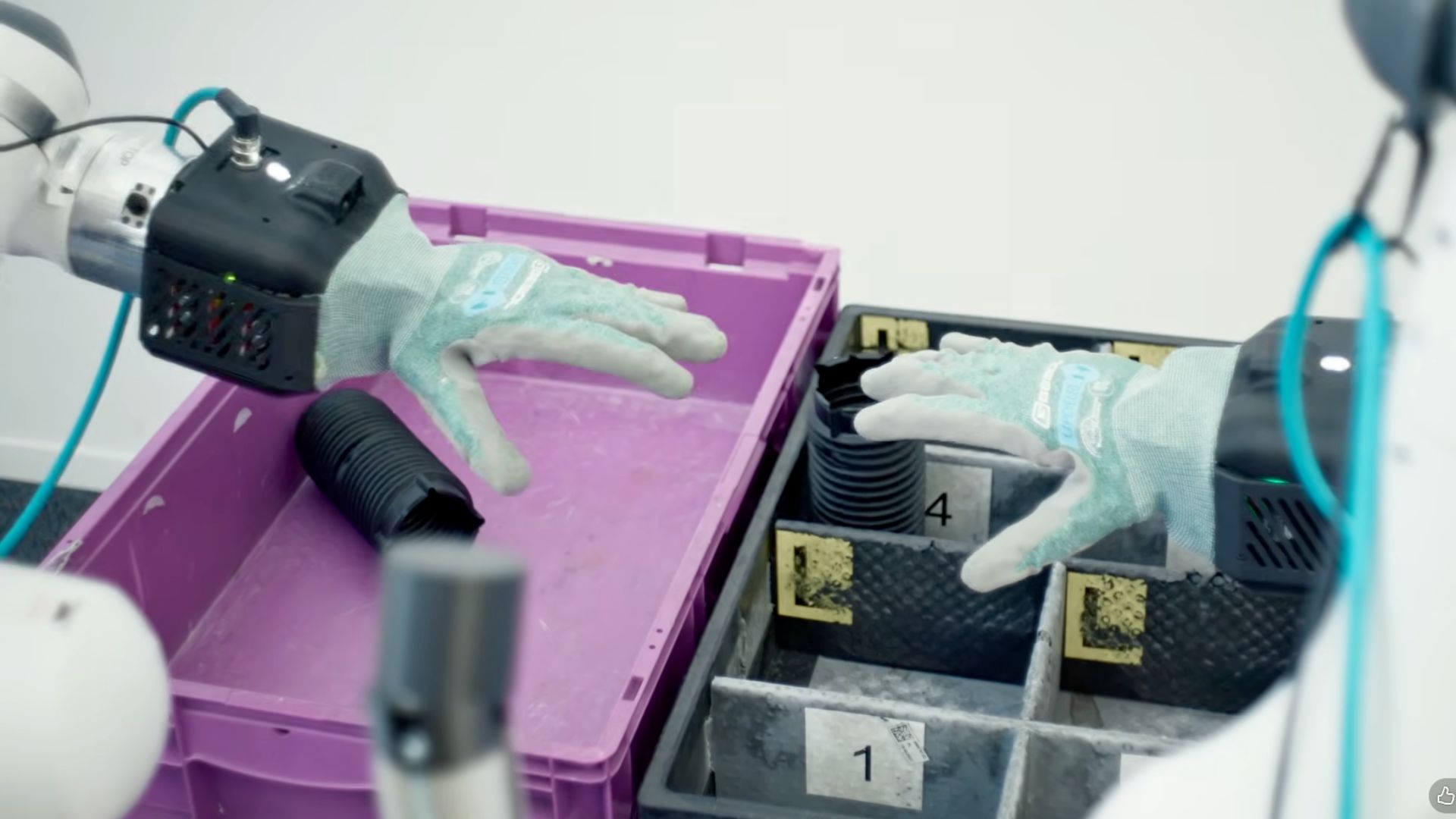
Mimic Robotics Introduces FLUX-mimic for Efficient Robot Learning from Video Demonstrations
Mimic Robotics has launched FLUX-mimic, a cutting-edge Video-Action Model developed with Black Forest Labs, enabling robots to learn intricate industrial tasks from video demonstrations. This innovative system significantly reduces the amount of training data required, allowing for faster and more efficient robot training in factory settings, including deployments at Audi. The importance of FLUX-mimic lies in its ability to streamline robot training processes, which traditionally demand extensive demonstration data. By utilizing a generative video foundation model, FLUX-mimic can fine-tune manipulation tasks with as little as 30 minutes of data, compared to the 30 hours often needed by conventional systems. This advancement is expected to shorten deployment cycles from months to weeks, enhancing operational efficiency. Looking ahead, the collaboration with Audi will test FLUX-mimic's performance in real-world factory environments, particularly for high-dexterity tasks. The focus on automating complex manipulations could lead to broader applications in manufacturing and logistics, making robotic automation more adaptable to evolving production needs. No further timeline was disclosed at the time of publication.
AI and Robotics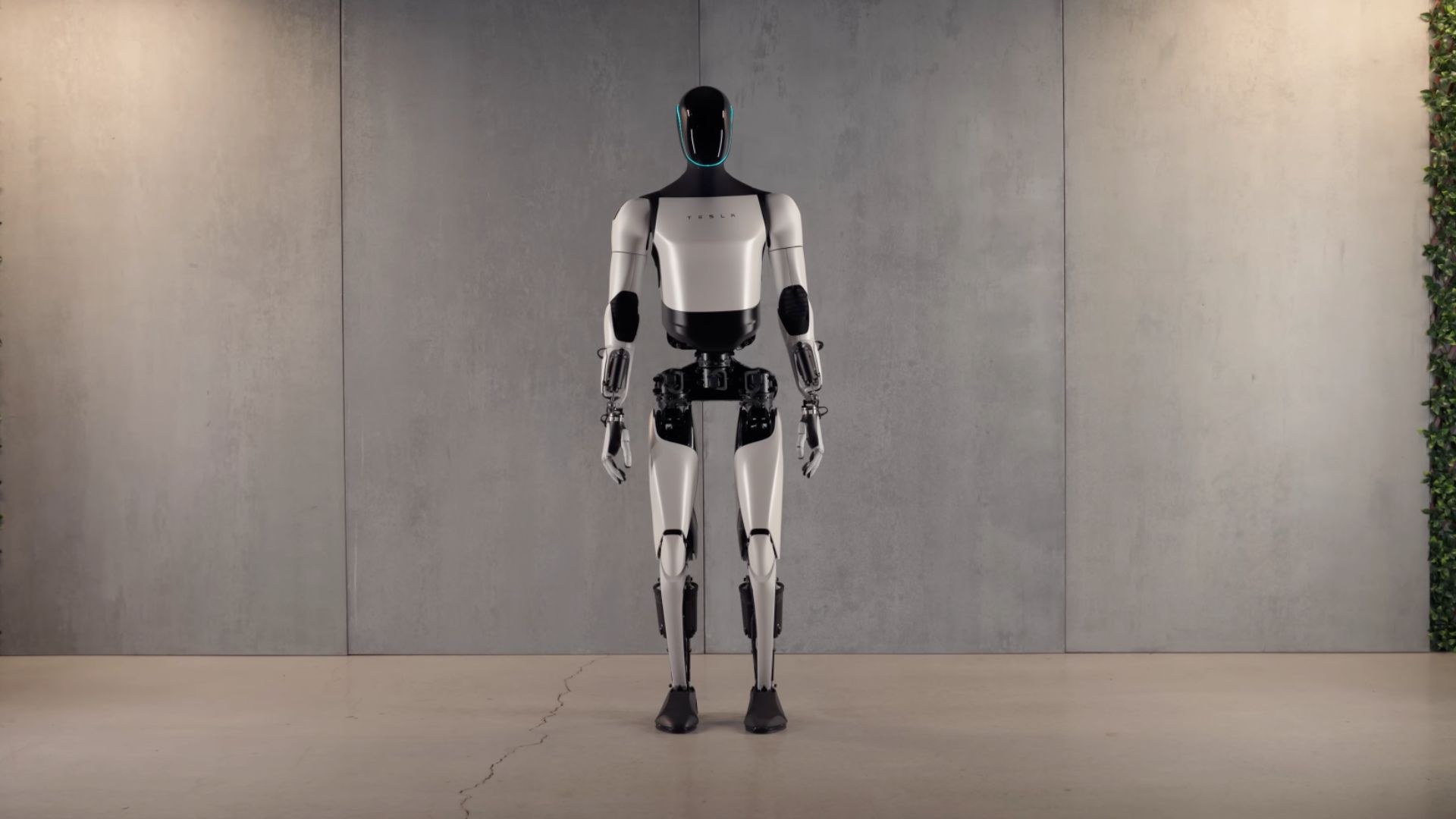
Tesla to Train Optimus Humanoid Robot Using Employee Movements at Gigafactory
Tesla plans to utilize its employees at the Gigafactory in Grünheide, Germany, to train the Optimus humanoid robot by capturing their movements during vehicle assembly. Selected workers will wear backpack-mounted cameras to record their actions, which will help teach Optimus to replicate these tasks autonomously. This initiative is significant as it mirrors Tesla's existing training program in the United States and aims to accelerate the development and production of the humanoid robot. However, the specific role of Optimus at the Grünheide factory and the management of employee participation in data collection remain unclear, especially considering German labor laws regarding monitoring employee behavior. Looking ahead, Tesla is also expanding its robotics operations in Reutlingen, Germany, where it is developing components for Optimus manufacturing. CEO Elon Musk has indicated that scaling production of the humanoid robot will be a major challenge, as it requires building nearly every component from scratch, unlike electric vehicles that benefit from established supply chains. No further timeline was disclosed at the time of publication.
AI and Robotics
SpaceX's $1.75 Trillion Valuation Driven by Starmind's Future Potential
Starmind is a pivotal element in SpaceX's estimated $1.75 trillion IPO valuation, despite currently generating no confirmed revenue. The stock price reflects optimistic projections regarding AI infrastructure growth, which Starmind has yet to substantiate. As of early July 2026, SpaceX's stock has decreased from its 52-week high of $225.64 to around $150, indicating market skepticism about future execution. The significance of Starmind lies in its potential to transform SpaceX's revenue model beyond traditional launch services. Goldman Sachs has shifted its focus from Starlink subscriber growth to the prospects of AI revenue, including orbital computing, as a cornerstone of SpaceX's long-term valuation. This marks a substantial change in how analysts view the company's growth trajectory, necessitating rates exceeding its historical 33% growth. Looking ahead, the credibility of Starmind as a growth narrative will be crucial for maintaining investor confidence. Analysts have noted a considerable divergence in price targets, reflecting uncertainty about the value of the Starmind and xAI initiatives. No further timeline was disclosed at the time of publication regarding specific milestones for these projects.

SpaceX IPO Provides Indirect Investment Opportunity in Starmind Project
Starmind does not have a standalone stock or ticker; investors can gain exposure through SpaceX (ticker: SPCX), which began trading on Nasdaq after its IPO on June 12, 2026. Starmind is integrated within SpaceX, contributing to the company's AI and space initiatives, and its performance directly influences SPCX shares. The significance of Starmind lies in its role as a division of SpaceX, which encompasses other projects like Starlink and Starship. As of early July 2026, SPCX shares are trading between $149 and $150, significantly lower than their 52-week high of $225.64. The project’s milestones, such as AI1 prototype updates, can impact SpaceX's stock performance, making it essential for investors to monitor these developments closely. Looking ahead, the early 2027 launch of AI1 prototype satellites is a critical milestone that could provide verifiable data affecting Starmind's valuation and, consequently, SPCX stock. No further timeline was disclosed at the time of publication, but the upcoming events will be pivotal for investors tracking the relationship between Starmind and SpaceX's stock performance.
SpaceX's Starship V3 Plans for 1 Million Starmind Satellites by 2030
SpaceX's Starship V3 is set to revolutionize satellite deployment, aiming to launch 1 million Starmind satellites by 2030. The spacecraft can carry over 100 tonnes to low Earth orbit (LEO), significantly more than the Falcon 9's capacity. As of May 2026, Starship has completed 12 flights, with the next mission scheduled for late July 2026, focusing on operational payloads including AI1 prototypes in early 2027. This ambitious plan is crucial for expanding orbital compute capacity, targeting an annual addition of 100 GW through a million tonnes of satellite hardware. SpaceX's strategy hinges on achieving a launch cadence of approximately 12,000 flights, equating to about three launches per day. The company has invested over $15 billion in the Starship program, with expectations to begin payload deliveries in the second half of 2026, starting with Starlink V3 satellites. Looking ahead, the successful deployment of the Starmind constellation will depend on Starship's ability to meet its cost targets of $10–20 million per flight. If achieved, this would make launching satellites more economical than building ground data centers. The next significant milestone will be the launch of AI1 prototypes in early 2027, with full-scale deployments commencing in 2028 from the new Gigasat factory in Texas.

SpaceX's Starmind Project: Supplier Strategy and Chip Manufacturing Plans for 2026
SpaceX's Starmind project, aimed at deploying up to 1 million AI satellites, was filed with the FCC on January 30, 2026. The initiative is designed to minimize reliance on external suppliers, with CEO Elon Musk stating that current chip production capabilities only meet 2% of the projected needs. The first satellite, AI1, is set for prototype launches in early 2027, featuring a 70-meter wingspan and a modular payload system that allows for interchangeable chips from various suppliers. The significance of Starmind lies in its ambitious supply chain strategy, which seeks to transition from external hardware suppliers to a fully integrated Musk-owned facility by 2028. The Gigasat manufacturing site in Bastrop, Texas, is expected to be operational by the end of 2027, with plans for high-volume production of the D3 chip, specifically designed for space applications. This approach aims to consolidate chip manufacturing processes under the Terafab joint venture, which has an estimated initial investment of $55 billion. Looking ahead, the next milestone for Starmind is the launch of AI1 prototypes in early 2027, while the full-scale chip production at Terafab is projected to ramp up significantly thereafter. However, analysts express skepticism regarding the feasibility of achieving Musk's ambitious compute goals, which may require substantial investment and time to establish the necessary manufacturing capabilities.

Starmind's Satellite Technology Achieves 880 Billion Liters in Annual Water Savings
Starmind has announced that its satellite technology can save approximately 880 billion liters of cooling water annually at full scale. This figure is equivalent to the annual household water use of around 6.5 million Americans. The technology operates by utilizing a closed-loop liquid cooling system that eliminates the need for water during its operational life, contrasting sharply with traditional ground data centers that consume vast amounts of water for cooling. The significance of this achievement lies in the growing water consumption crisis faced by data centers, particularly as AI expansion drives demand. In 2025, U.S. data centers consumed nearly one trillion liters of water, highlighting the urgent need for sustainable solutions. Starmind's approach not only addresses direct water usage but also avoids indirect water consumption associated with electricity generation, marking a substantial shift in how computing can be conducted in a resource-efficient manner. Looking ahead, Starmind's deployment strategy includes a projected buildout of 100 GW of orbital compute per year, which could displace an additional 735 billion liters of ground water demand annually. The first tranche of 10,000 satellites is already operational, offsetting approximately 8.8 billion liters of water per year. No further timeline was disclosed at the time of publication.

Starmind's Orbital Compute vs. Terrestrial Data Centers: Analyzing Resource Advantages
Starmind's orbital compute technology presents a significant advantage over traditional ground-based data centers by eliminating constraints related to land, water, and grid permitting. While terrestrial data centers are currently cheaper and faster to construct, with U.S. data center spending reaching $85.3 billion in 2026, Starmind's approach focuses on addressing the growing resource limitations faced by hyperscale facilities. The significance of Starmind's technology lies in its ability to sidestep the increasing challenges of land and water usage. For instance, a 100 MW data center can consume approximately 530,000 gallons of water daily for cooling, while Starmind's AI1 utilizes deployable liquid radiators that require no water. This structural advantage could resonate with investors as the demand for AI computing continues to escalate, potentially leading to annual water withdrawals of up to 1.7 trillion gallons by 2027. Looking ahead, Starmind's next milestones include the launch of AI1 prototypes scheduled for early 2027. However, the technology's claims regarding cooling efficiency and operational reliability remain unverified until real flight data is available. As the industry evolves, the competition between orbital and terrestrial solutions will become increasingly relevant, particularly in the context of resource management and sustainability.
SpaceX's Starmind Faces Feasibility Challenges for 1 Million Satellite Deployment
On January 30, 2026, SpaceX submitted a request to the FCC to launch up to 1 million satellites as part of its Starmind orbital compute constellation. This ambitious plan is unprecedented, as the total number of satellites ever launched globally is in the low tens of thousands. The proposal seeks a waiver from standard deployment milestones, citing reliance on the Starship's full reusability for success. The significance of this request lies in the technical and logistical challenges it presents. Experts warn that low Earth orbit may not support the proposed number of active satellites without risking a debris cascade. SpaceX's own IPO prospectus acknowledges unresolved dependencies related to Starship's launch cadence and reusability, which are critical for the orbital AI compute strategy. Looking ahead, the timeline for achieving the necessary launch cadence and manufacturing capacity remains uncertain. SpaceX's Gigasat facility in Texas aims for volume production by late 2027, but this would require unprecedented output levels. No further timeline was disclosed at the time of publication, leaving the feasibility of the Starmind project in question.
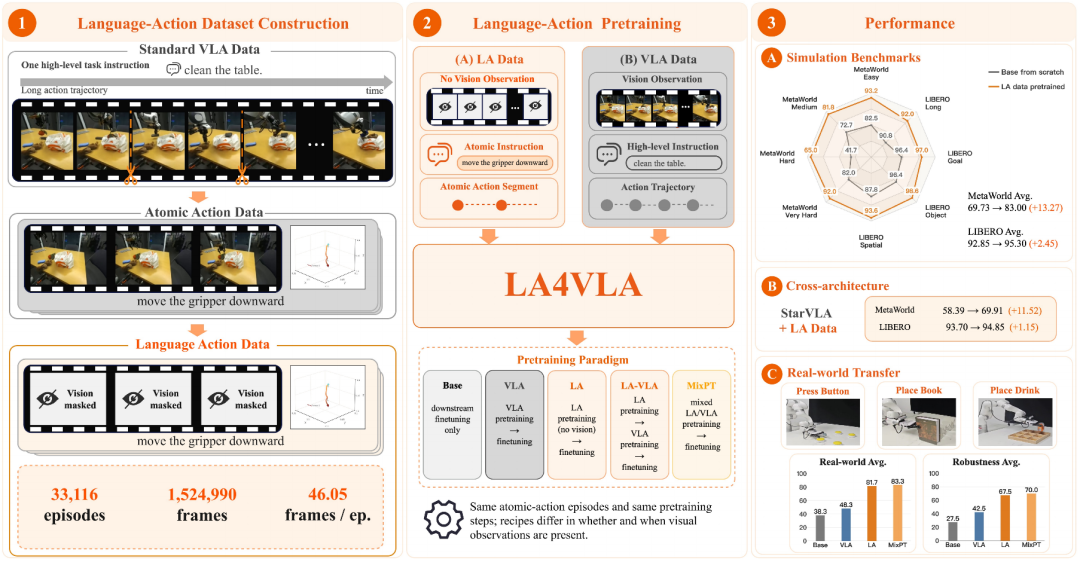
LA4VLA: Redefining VLA Pretraining for Robots to Learn Action Language
Researchers have introduced the LA4VLA framework, a new approach that enhances the capabilities of robots in understanding language commands and executing actions. This framework distinguishes language-action supervision from visual input, enabling robots to learn the relationship between commands and actions independently of visual cues. The study, which highlights the limitations of traditional Vision-Language-Action models, was conducted to address the tendency of these models to rely on visual inputs when confronted with conflicting information. By focusing on a more robust language-action learning process, the LA4VLA framework aims to improve the overall understanding of how language influences robotic actions.
Vision-Language-Action Robotics Machine Learning AI Training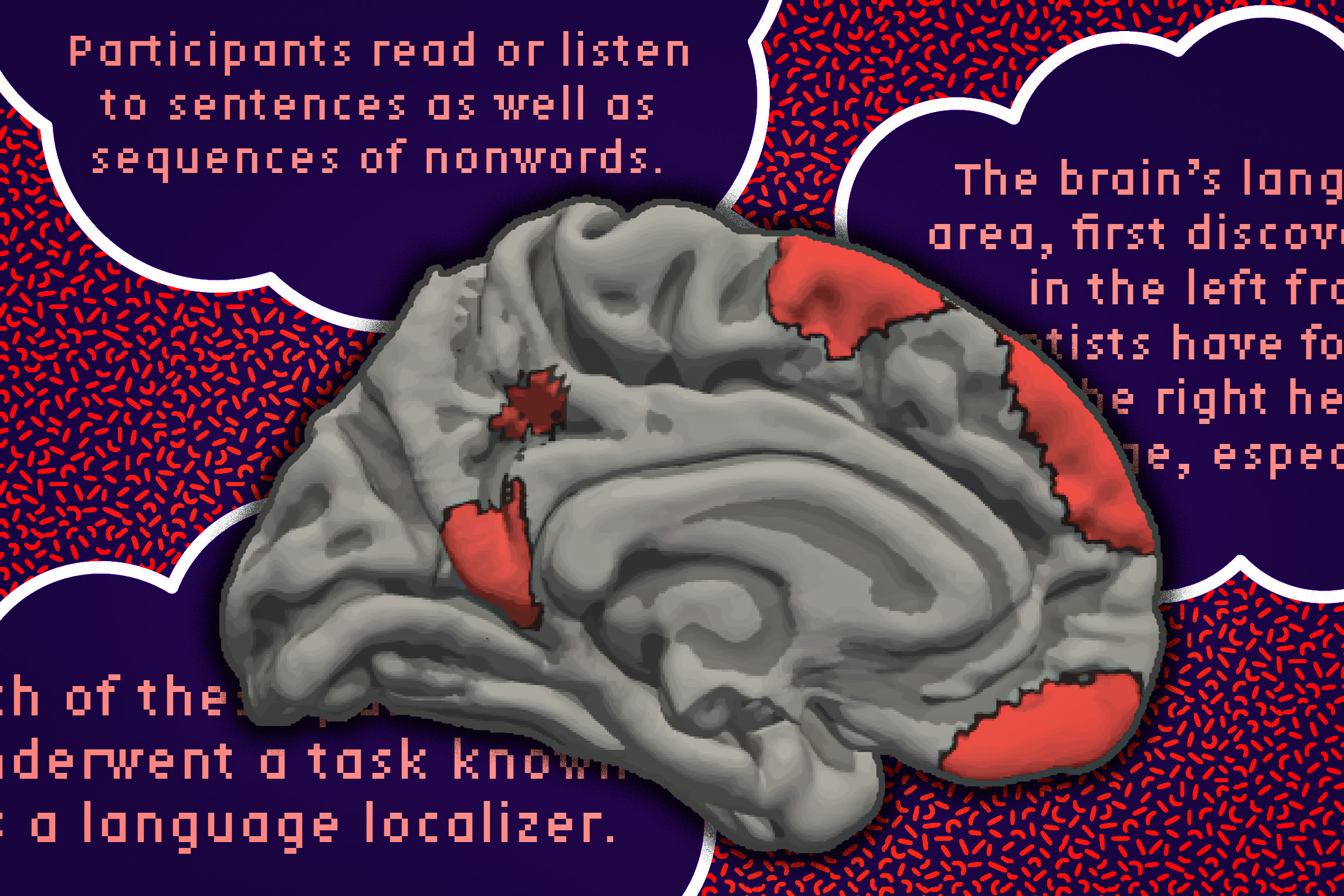
The brain’s language network is more extensive than previously thought
A recent study has uncovered that regions of the brain traditionally not associated with language processing play a significant role in language comprehension. Conducted by a team of researchers, the study highlights the complexity of language understanding and suggests that various brain areas contribute to this cognitive function. The findings, published in October 2023, challenge existing notions about the localization of language processing, emphasizing the brain's interconnectedness. This research could have implications for understanding language disorders and developing new therapeutic approaches. By employing advanced imaging techniques, the researchers were able to identify these previously overlooked brain regions, shedding light on the intricate mechanisms underlying language comprehension.
Research Brain and cognitive sciences Neuroscience Learning McGovern Institute School of Science
ConlangCrafter Turns AI to Imagining Languages
Researchers from the University of California, Berkeley, Carnegie Mellon University, and Tel Aviv University have developed an AI model named ConlangCrafter, capable of generating new languages. The findings, published on June 27 in the Proceedings of the Association of Computer Linguists, highlight ConlangCrafter's ability to create diverse and rule-abiding languages, surpassing traditional human efforts in language construction. Led by linguist Gašper Beguš, the team designed ConlangCrafter to apply various linguistic rules, including phonology and morphosyntax, while incorporating a random number generator to ensure each language is unique. The model can even simulate unconventional communication systems, such as a hypothetical language for cephalopods that utilizes colors and gestures. The researchers evaluated the generated languages for diversity and consistency, finding that ConlangCrafter produced languages that were twice as diverse and 70% more consistent than those created by general-purpose language models. This advancement could aid natural language processing researchers in understanding how language structure impacts model performance. While ConlangCrafter is currently available for free online, it has limitations in more complex linguistic areas like semantics and contextual usage. Beguš envisions future research exploring the Sapir-Whorf hypothesis, which posits that language influences thought and perception, potentially leading to simulations of societies with distinct languages.
Llms Artificial-intelligence Languages
Imitation learning is reshaping the training of physical AI for industrial environments
Imitation learning is revolutionizing the training of industrial robots by moving away from traditional rigid programming methods to a more adaptive approach that emphasizes learning through real-world interactions. This shift is highlighted by Anders Billesø Beck, who underscores the importance of high-quality data, the application of force, and the use of production-grade hardware in this new training paradigm. As industries increasingly adopt these advanced techniques, the focus on enhancing the capabilities and efficiency of robots is becoming paramount, paving the way for more sophisticated automation solutions. The transition is not only expected to improve the performance of robots but also to streamline production processes across various sectors.

AI Is Learning to Read the Room
Recent advancements in emotion AI technology are reshaping how machines interpret human feelings, particularly in professional settings. Companies like Meta and startups such as Hume AI are developing systems that analyze facial expressions, voice tones, and behaviors to gauge emotions during interactions like performance reviews. This technology, which has applications in employee well-being, recruitment, and customer service, aims to enhance communication by providing real-time feedback. Despite its rapid growth, current emotion AI systems often struggle to capture the complexity of human emotions, typically categorizing feelings into simplistic labels like "happy" or "sad." Researchers are now focusing on a new approach called human-context AI, which combines multiple inputs—such as facial dynamics and voice modulation—with situational context to better understand emotional nuances. This shift aims to close the gap between human emotional expression and machine interpretation. The origins of emotion AI trace back to the MIT Media Lab, where Rosalind Picard pioneered the concept of affective computing. Over the years, advancements in data collection and analysis have improved the accuracy of emotion detection. However, ethical concerns remain, particularly regarding privacy and the potential for misuse in workplaces and public spaces. As this technology evolves, it promises to enhance various applications, from professional development platforms to health care, by providing a deeper understanding of human emotions. Yet, experts caution against over-reliance on AI for critical decisions, emphasizing the importance of human insight in interpreting emotional signals.
Emotions Affective-computing Facial-expressions Companion-robots Multimodal-ai Machine-learning
West Lake University Spin-off Secures Millions for Brain-Machine Interface Focused on Chinese Language Decoding
A brain-machine interface company, incubated by West Lake University, has successfully secured tens of millions in funding to advance its development of chips and decoding technology designed to assist individuals with speech impairments in communicating in Chinese. This innovative initiative focuses on translating brain signals into text and speech, specifically accommodating the tonal nuances of the Chinese language. The funding marks a significant milestone in the evolution of assistive communication technology, aiming to enhance the quality of life for those facing communication challenges.
Brain-Machine Interfaces Speech Technology Neural Decoding Assistive Technology
IEEE Rolls Out Large Language Models Virtual Training Course
Large language models (LLMs) have transitioned from research labs to everyday use in engineering, significantly altering how digital infrastructures are developed and maintained. As technical professionals increasingly rely on LLMs for complex tasks—such as identifying vulnerabilities in source code and converting fragmented discussions into detailed specifications—the demand for expertise in this technology is surging. According to MarketsandMarkets, the LLM technology market is projected to grow by approximately 33% annually through 2030. To effectively utilize LLMs, engineers must move beyond basic interactions and understand the underlying transformer architecture that enables these models to process vast datasets simultaneously. This knowledge is crucial to mitigate risks associated with inaccuracies, often referred to as "hallucinations," and to ensure reliable performance in coding and data handling. Key advancements include integrating LLMs with application programming interfaces (APIs) for direct database connections, addressing hallucination issues through retrieval-augmented generation (RAG), and prioritizing data security by establishing private model instances. Additionally, LLMs automate repetitive tasks, allowing engineers to focus on higher-level design and problem-solving. To bridge the growing knowledge gap, IEEE has launched an online program titled "Large Language Models Demystified," designed to equip technical professionals with a deeper understanding of LLMs. The curriculum covers the evolution of AI technology, transformer architectures, and practical model-building exercises. Participants will earn professional development credits and a digital badge upon completion, enhancing their credentials in this rapidly evolving field. Organizations interested in training their teams can consult with IEEE for tailored enrollment options.
Ai Type-ti Education Ieee-educational-activities Large-language-models Ieee-products-and-services
Visual Language Models Train Robots to Read Human Emotions
A recent study led by Seung Chan Hong at the University of Melbourne explores the emotional capabilities of collaborative robots as they increasingly work alongside humans. Published on May 18 in IEEE Robotics and Automation Letters, the research investigates how robots can better understand human emotions through contextual cues, beyond just facial expressions. Involving 40 volunteers, the study trained a vision language model (VLM) to interpret emotions based on video interactions where robots handed objects to humans. The VLM outperformed traditional AI systems, scoring 0.86 in emotional accuracy compared to 0.77 for conventional methods. This improvement is attributed to the VLM's ability to consider the entire context of interactions rather than isolated facial expressions. In a follow-up experiment, participants interacted with a robot that was programmed to make an error, receiving either an emotionally adaptive apology or a standard one. The majority preferred the adaptive response, but trust in the robot diminished after it failed to complete its task, highlighting that emotional responses cannot compensate for a lack of functionality. While the VLM effectively recognized emotions from a third-party perspective, its accuracy dropped when compared to participants' self-reported feelings, indicating that robots still struggle to fully understand human emotions. The findings suggest that while emotional adaptivity is valuable, the primary concern for users remains the robot's competence in performing tasks.
Robotics Journal-watch Ai-models Emotion-recognition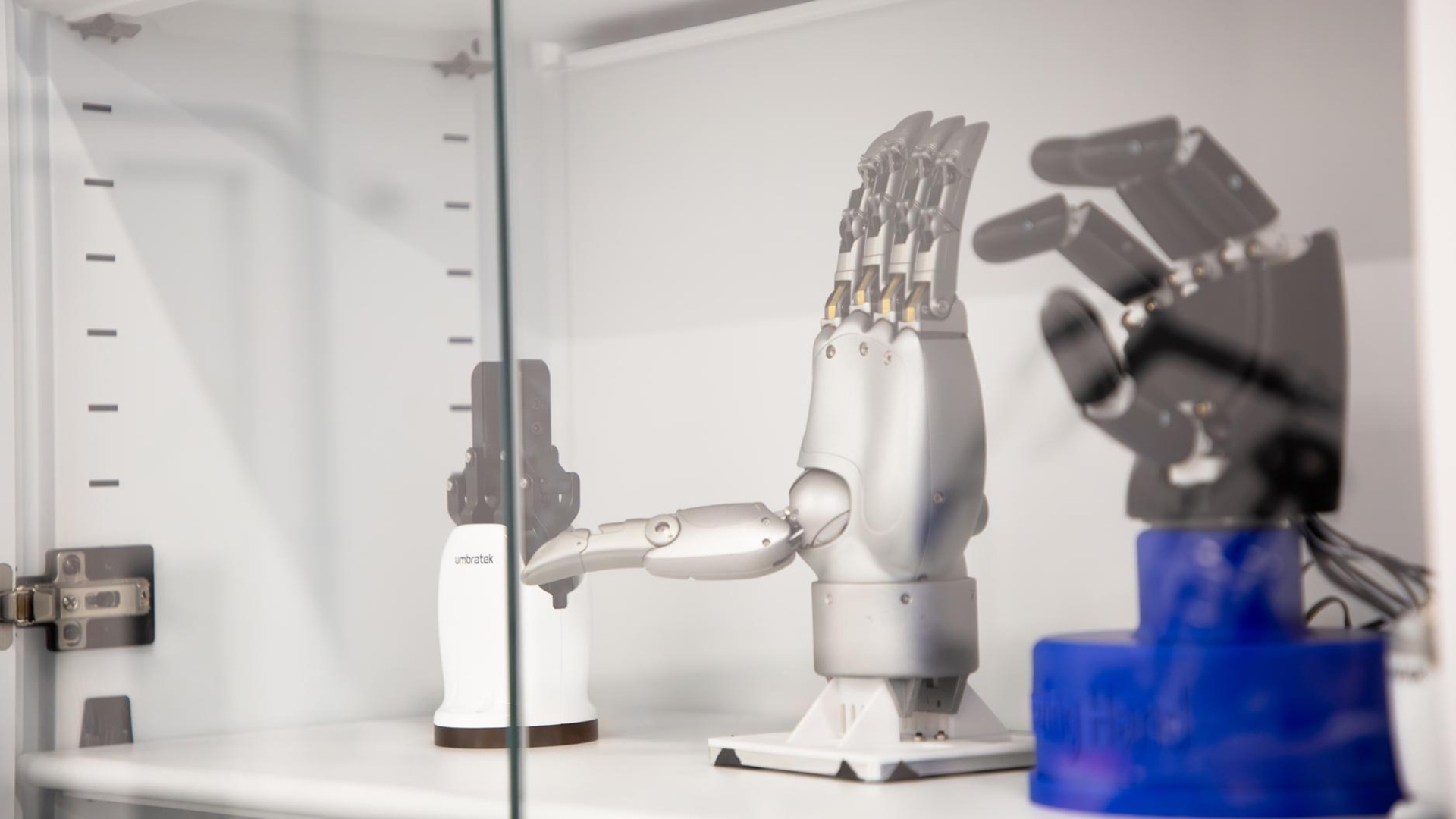
Scientists show predictable training can outperform complex robot learning data
Researchers are making significant strides in developing robots capable of manipulating objects with human-like dexterity, a challenge that has long posed difficulties in the field of robotics. This advancement is crucial as it could enhance the ability of robots to perform complex tasks in various settings, including homes, hospitals, and manufacturing plants. The ongoing work, which has gained momentum in recent months, is taking place in laboratories across the globe, where teams are experimenting with advanced algorithms and machine learning techniques. The motivation behind this research stems from the increasing demand for robots that can assist in everyday tasks, improve efficiency in industrial processes, and provide support in healthcare environments. By mimicking the intricate movements of the human hand, researchers aim to create robots that can handle delicate objects and perform tasks that require precision and adaptability. To achieve this, scientists are employing a combination of innovative hardware designs and sophisticated software programming. They are utilizing sensors and artificial intelligence to enable robots to learn from their interactions with various objects, refining their skills over time. This iterative learning process is essential for developing robots that can operate effectively in unpredictable environments. As the field progresses, the implications of these advancements could revolutionize how robots are integrated into daily life, making them more versatile and capable of performing a wider range of functions. The ongoing research highlights the potential for robots to not only assist but also enhance human capabilities in numerous domains.
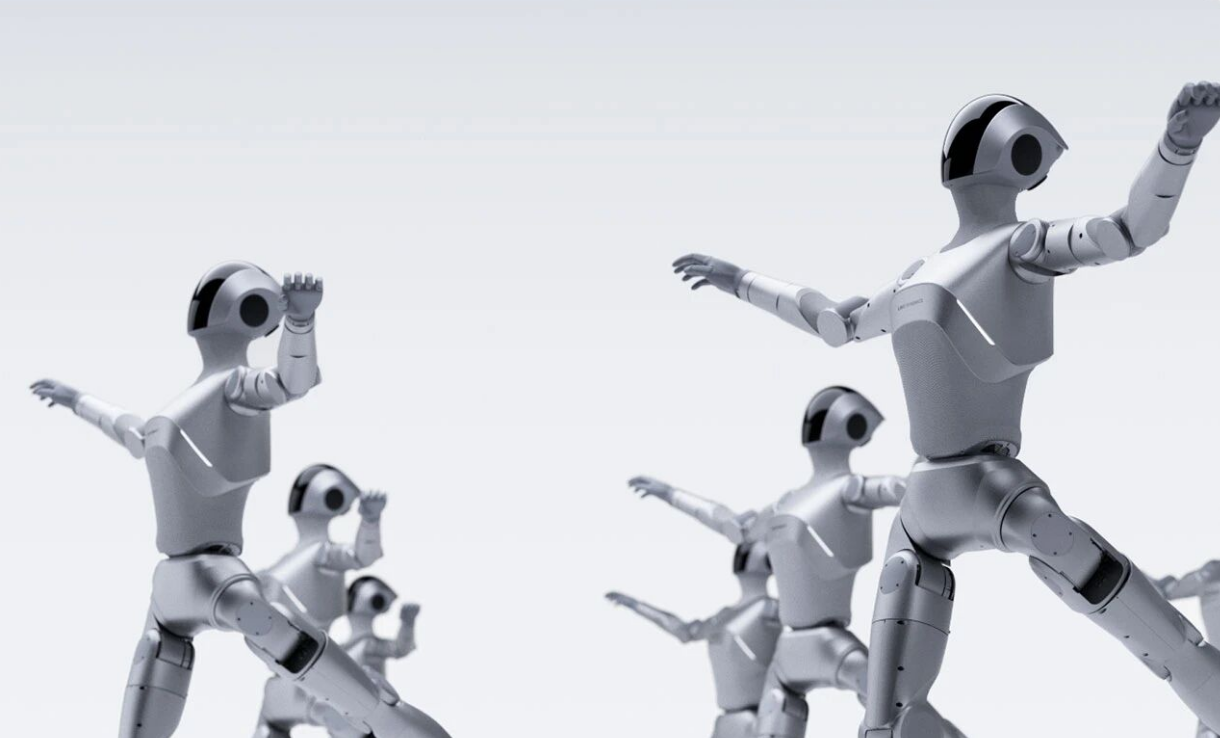
LimX Dynamics unveils Luna humanoid robot with AI dance learning
On Monday, LimX Dynamics introduced the LimX Luna humanoid robot, which is priced at RMB 298,000 (approximately $41,000). The robot, measuring 160 centimeters in height, boasts 27 degrees of freedom, allowing for a wide range of movements. It is equipped with the company’s second-generation SYS 0 motion control engine, enhancing its performance. Additionally, the LimX Luna features improved cooling systems and extended battery life, enabling it to support multimodal interactions. This launch marks a significant advancement in humanoid robotics, reflecting LimX Dynamics' commitment to innovation in the field.
News Feed
Self-refining vision language model for robotic failure detection and reasoning
Reasoning about failures is crucial for building reliable and trustworthy robotic systems. Prior approaches either treat failure reasoning as a closed-set classification problem or assume access to ample human annotations. Failures in the real world are typically subtle, combinatorial, and difficult to enumerate, whereas rich reasoning labels are expensive to acquire. We address this problem by introducing
Automated reasoning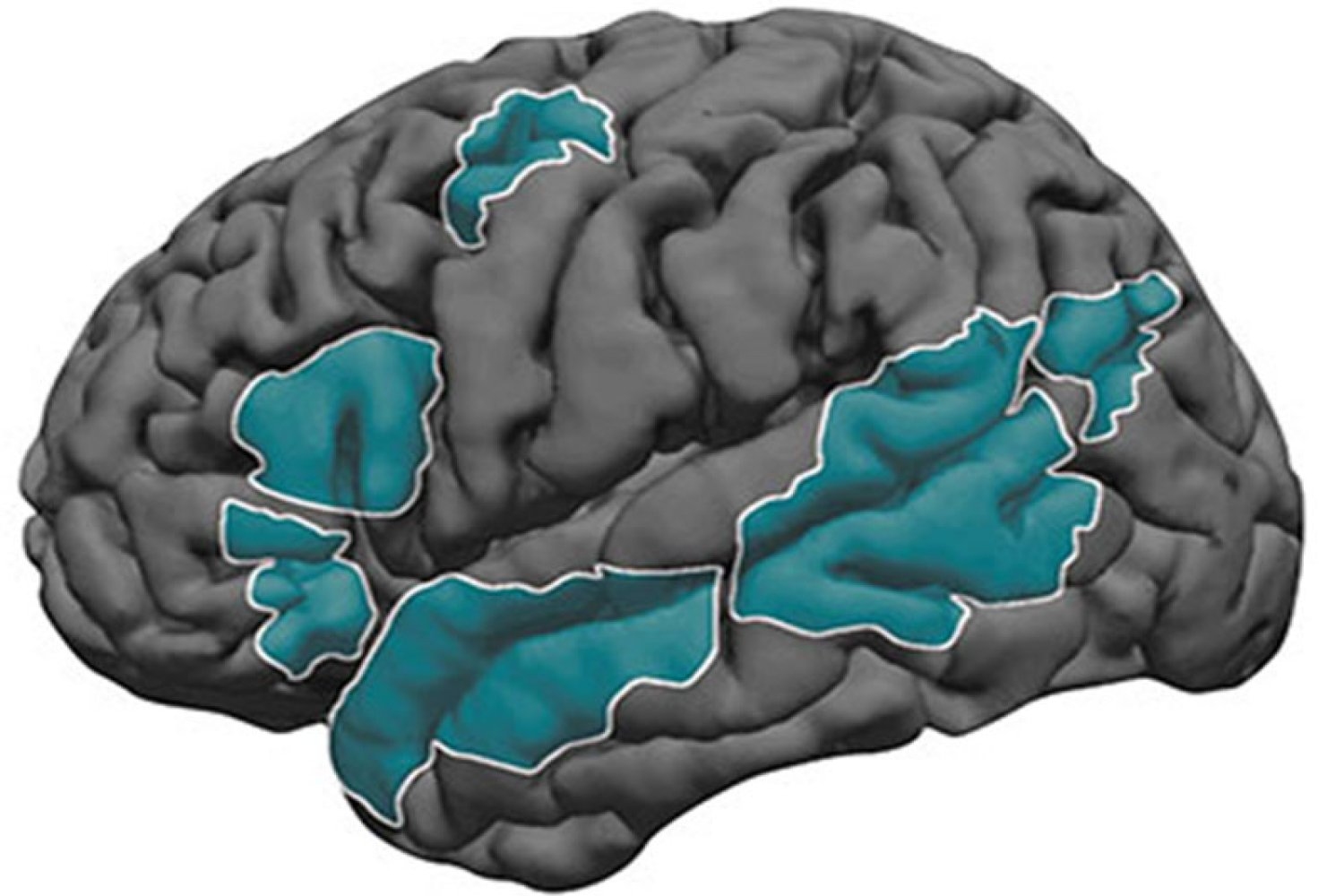
Language development in the brain
Recent research has revealed that the brain's language network continues to develop throughout adolescence, although significant language processing capabilities are established by the age of four. This study highlights the critical role of the left hemisphere in managing language functions early in childhood. Conducted by a team of neuroscientists, the findings underscore the importance of early language exposure and its impact on cognitive development. The research, which utilized advanced imaging techniques to observe brain activity, was published in October 2023, contributing valuable insights into how language skills evolve from early childhood through the teenage years. Understanding this progression can inform educational strategies and interventions aimed at supporting language acquisition in young learners.
Research Language Learning Brain and cognitive sciences Neuroscience McGovern Institute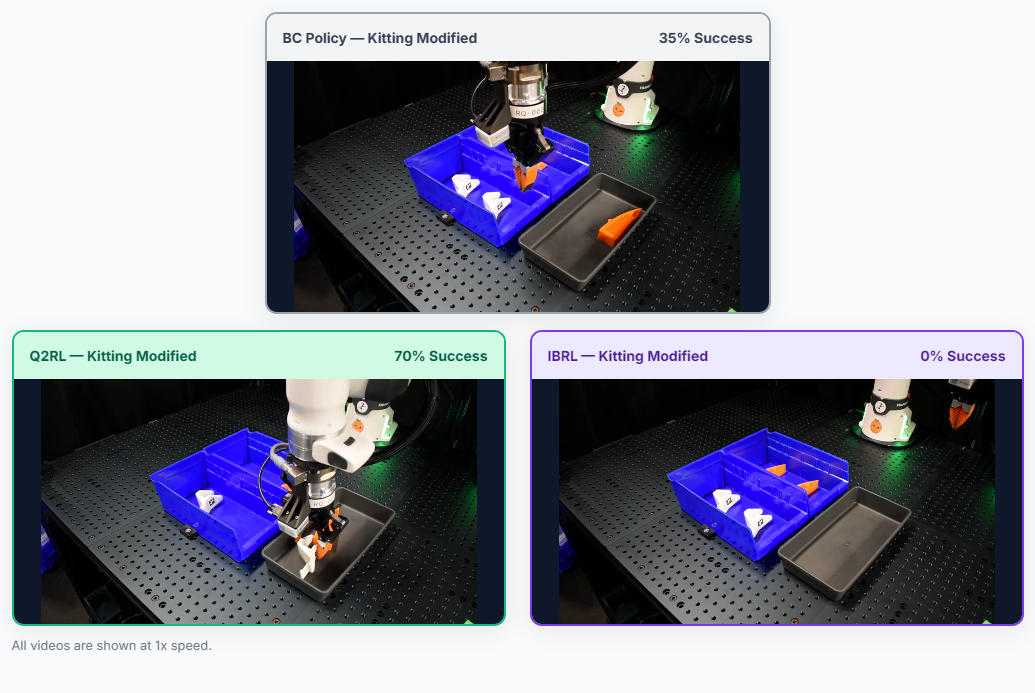
Can Robots Trained Through Behavior Cloning Evolve Themselves in Two Hours Using Reinforcement Learning?
Researchers have identified significant limitations in behavior cloning (BC) methods used in robotics, prompting the development of a new approach known as Q2RL. This innovative technique integrates BC with reinforcement learning (RL) to enhance the performance of robots. By leveraging hidden knowledge embedded in BC strategies, Q2RL seeks to improve the efficiency of learning processes while simultaneously lowering the costs tied to data collection and the need for retraining. This advancement represents a crucial step forward in optimizing robotic capabilities, addressing the challenges faced by traditional BC methods.
Reinforcement Learning Behavior Cloning Robotics AI Machine Learning
AI Framework Improves Learning on Edge Devices
Recent advancements in federated learning technology have made it possible to implement this innovative approach on edge devices, significantly enhancing efficiency in data processing. A new framework, known as FTTE, has been developed to optimize the training process, achieving a remarkable reduction in training memory usage by 80% and a decrease in communication load by 69%. This breakthrough not only streamlines the training process but also ensures rapid convergence, making it a game-changer for organizations looking to leverage edge computing for machine learning applications. The developments were reported in October 2023, highlighting the growing importance of federated learning in managing data privacy and resource constraints in various industries.

Empowering Robotic Arms with Self-Learning Capabilities: RealMan Launches AI Intelligent Teaching Generalization System
RealMan has introduced its groundbreaking AI Intelligent Teaching Generalization System, which empowers robotic arms to learn independently by observing human demonstrations. This innovative technology, unveiled recently, promises to drastically cut down the time required for task deployment while facilitating ongoing skill enhancement. By transforming robotic arms into versatile production partners, RealMan aims to revolutionize automation in various industries. The system's ability to adapt and evolve through continuous learning positions it as a significant advancement in the field of robotics, potentially reshaping workflows and increasing efficiency in production environments.
Robotic Arms AI Technology Automation Machine Learning
NVIDIA Launches Nemotron 3 Nano Omni Model, Unifying Vision, Audio and Language for up to 9x More Efficient AI Agents
NVIDIA has introduced the Nemotron 3 Nano Omni, an innovative open multimodal AI model designed to enhance the efficiency of AI agent systems. Announced today, this model integrates vision, speech, and language capabilities into a single framework, addressing the common issue of time and context loss that occurs when data is transferred between separate models. By streamlining these processes, the Nemotron 3 Nano Omni aims to improve the performance of AI applications across various domains. This advancement is particularly significant as it allows for more cohesive and contextually aware interactions, marking a notable step forward in the development of AI technologies.
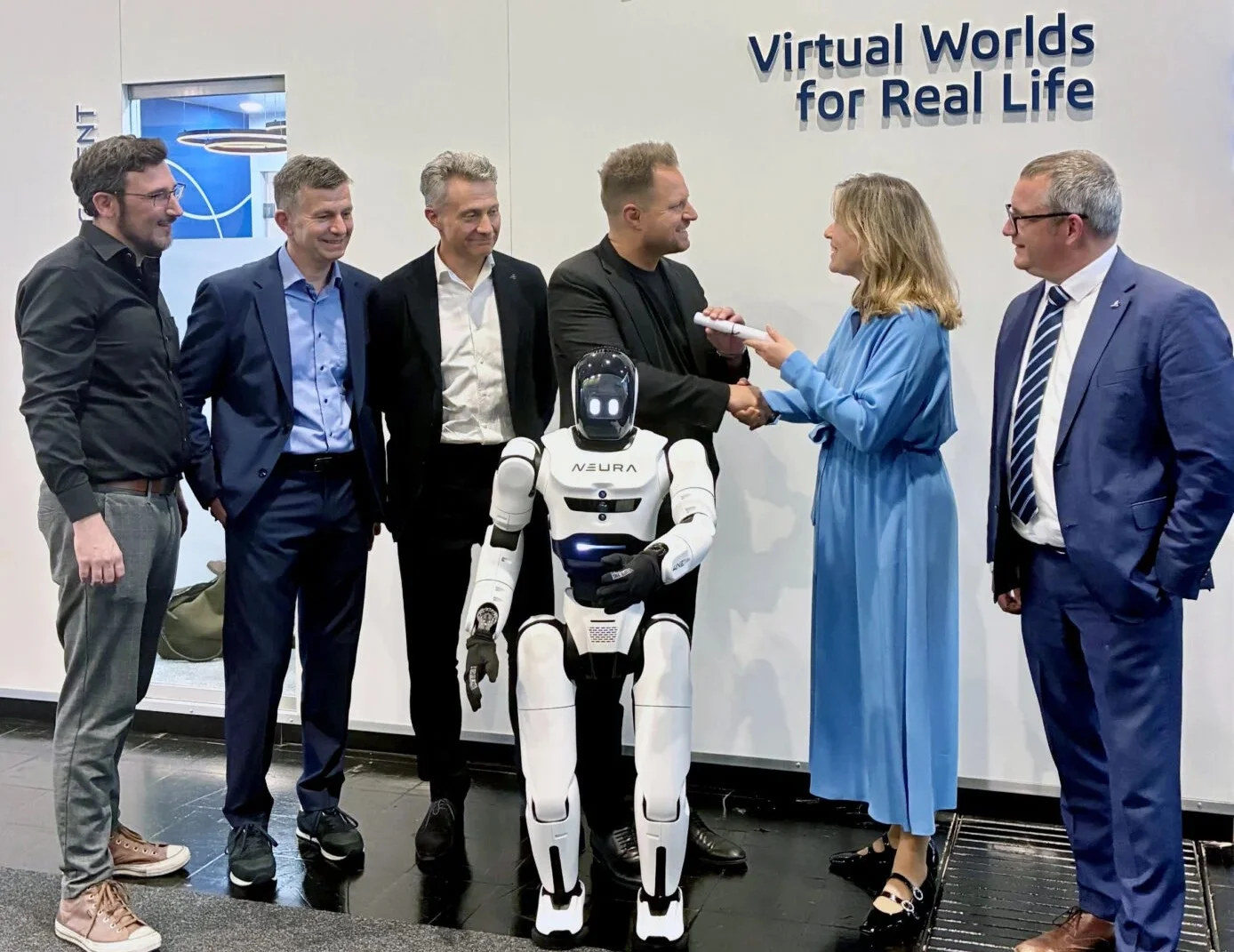
Neura Robotics and Dassault Systèmes Partner to Scale Physical AI Through Virtual Twins and Real World Learning
Neura Robotics has announced a partnership with Dassault Systèmes aimed at enhancing the training and deployment of robots. This collaboration integrates Neura's robotics platform with Dassault's 3DEXPERIENCE virtual twin platform, establishing a closed-loop system that allows robots to learn in simulated environments before operating in real-world settings. The initiative, which was revealed recently, seeks to facilitate continuous improvement of robotic systems by bridging the gap between virtual training and physical application. This innovative approach is expected to advance the efficiency and effectiveness of robotic operations across various industries.
AI AI Use Cases Robotics Dassault Systèmes Europe France
Terrain Classification for Planetary Rovers Using Wireless In‐Wheel Sensor Modules and Machine Learning
In May 2026, researchers published a significant study in the Journal of Field Robotics, focusing on advancements in robotic technology. The study highlights innovative developments in autonomous navigation systems, which have the potential to enhance the efficiency and safety of robotic operations in various environments. Conducted by a team of experts in robotics and artificial intelligence, the research aims to address the challenges faced by robots in dynamic and unpredictable settings. The findings were based on extensive field tests conducted in diverse locations, including urban areas and remote terrains, showcasing the robots' adaptability and reliability. The motivation behind this research stems from the increasing demand for autonomous systems in industries such as agriculture, logistics, and disaster response, where precision and real-time decision-making are crucial. By employing advanced algorithms and machine learning techniques, the researchers demonstrated how these robots can effectively navigate complex environments while avoiding obstacles and optimizing their routes. This breakthrough not only promises to improve operational capabilities but also aims to reduce human intervention, thereby enhancing safety and efficiency in various applications. The study's implications are far-reaching, potentially transforming the landscape of robotic applications and paving the way for more sophisticated autonomous systems in the future.
RESEARCH ARTICLE
Advanced Deep Learning Architecture for Real‐Time Online Train Tread Segmentation and Wear Detection
In May 2026, researchers published a study in the Journal of Field Robotics, exploring advancements in robotic technology for agricultural applications. The study focuses on the development of autonomous robots designed to enhance efficiency in crop management and harvesting processes. Conducted by a team of engineers and agricultural scientists, the research highlights the growing need for innovative solutions in the face of labor shortages and increasing food production demands. The team conducted field trials in various agricultural settings to assess the robots' performance and adaptability to different crop types. Their findings indicate that these autonomous systems can significantly reduce labor costs and improve yield quality, addressing both economic and environmental challenges faced by the agriculture sector. The research underscores the potential for robotics to transform traditional farming practices, making them more sustainable and efficient. This study is part of a broader initiative to integrate advanced technologies into agriculture, aiming to support farmers in meeting the global food supply challenges. By leveraging robotics, the researchers hope to pave the way for smarter farming practices that can respond to the dynamic needs of the industry.
RESEARCH ARTICLERobotics needs a service framework.
RSF defines a common language for robot service capability, lifecycle operations, certification pathways, and service-provider networks.
Join the RobotToday community on LinkedIn
Daily robotics news, in-depth analysis, conference highlights, and discussions with professionals worldwide.