

Industry Briefing
A single destination for timely, editor-curated robotics news from around the world.

Kovrr Introduces AI Interaction Data Fabric to Enhance Enterprise AI Security Workflows
Kovrr has launched the AI Interaction Data Fabric, a new correlation layer designed to enhance its AI Security and Governance Platform. This innovative solution aims to secure enterprise AI workflows by providing a robust framework for managing AI interactions and data security. The introduction of the AI Interaction Data Fabric is significant as it addresses the growing need for effective security measures in AI-driven environments. Kovrr's focus on AI and cyber risk management positions it as a key player in ensuring that enterprises can safely leverage AI technologies without compromising data integrity or security. Looking ahead, industry stakeholders should monitor how the AI Interaction Data Fabric influences enterprise adoption of AI solutions. Kovrr's advancements in AI security could set new standards for governance and risk management in the rapidly evolving landscape of artificial intelligence. No further timeline was disclosed at the time of publication.

Exploring Multilevel Dynamics of Brain, Hormones, Mind, and Behavior in Human-Robot Interaction
A recent study published in Science Robotics investigates the complex interactions between the brain, hormones, mind, and behavior in social human-robot interactions. This research highlights how these multilevel dynamics influence the way humans engage with robots, potentially reshaping our understanding of robotics in social contexts. Understanding these interactions is crucial as it can lead to improved design and functionality of robots, enhancing their effectiveness in various applications. The findings may also inform the development of robots that can better respond to human emotional and psychological states, thereby fostering more natural interactions. As the field of robotics continues to evolve, it will be important to monitor advancements in understanding human-robot dynamics. Future research may explore specific applications of these findings in sectors such as healthcare, education, and entertainment, where social interaction with robots is increasingly prevalent. No further timeline was disclosed at the time of publication.
Research Article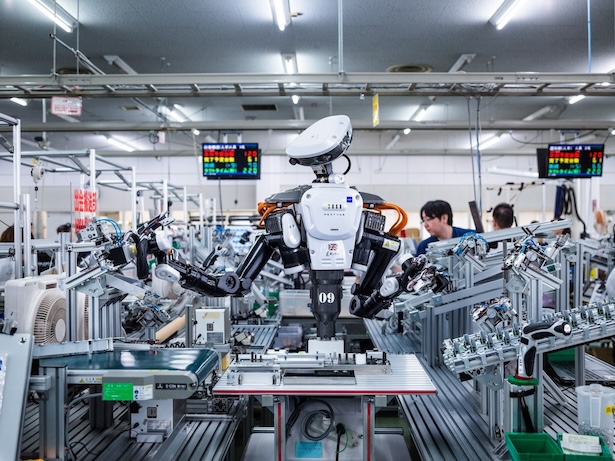
iKairos: An AI Companion and Jewelry Redefining Human-AI Interaction
The iKairos, showcased at the 2026 IFA, aims to redefine human-AI interaction by actively understanding users' lives rather than passively waiting for commands. Developed by Singapore-based startup Lingverse, this circular device, known as the 'Neural Core', can be worn as a pendant or embedded in a desktop robot, addressing common issues faced by AI companions. The modular design of iKairos allows for seamless transitions between different forms, enhancing user experience. Its core functionality, termed 'memory perception', utilizes cameras and microphones to record conversations and preferences, building a comprehensive user profile over time. This enables the device to proactively suggest activities or reminders based on accumulated context, potentially acting as an agent to perform tasks on behalf of the user. Lingverse, co-founded by former Jibo board member and investor Joe Jiawei, aims to continue the legacy of the discontinued social robot Jibo. The company secured $29 million in Pre-A funding in July 2026. While iKairos is still in development with no set pricing or launch date, it represents a shift towards AI that not only responds but also understands and integrates into daily life.
AI Companions Wearable Technology Robotics Privacy-focused Design
ORSO Introduces New Feature for DRONE STAR PARTY Enabling AI Interaction in Programming
ORSO has launched a new feature called 'PC Connection Mode' for its programming drone, DRONE STAR PARTY, allowing users to develop control programs through interaction with generative AI. This feature is now available for free distribution, along with a collection of sample applications showcasing its capabilities. The addition of 'PC Connection Mode' enables users to connect a computer, smartphone, and drone, facilitating real-time dialogue with generative AI models like ChatGPT, Gemini, and Claude. Users can create applications that utilize the drone's camera and voice recognition, with a focus on accessibility for those without programming expertise. A booth demonstrating app development using 'PC Connection Mode' will be featured at Maker Faire Tokyo 2026 on September 5-6. ORSO highlights the growing interest in physical AI, which integrates AI with sensors and motors to enable machines to perceive and act in the real world. The DRONE STAR PARTY is designed for educational use, weighing approximately 50.5g and priced at a special release price until September 30, 2026.
Palm Garden AI Introduces Coherence Guard for Enhanced Human-Robot Interaction
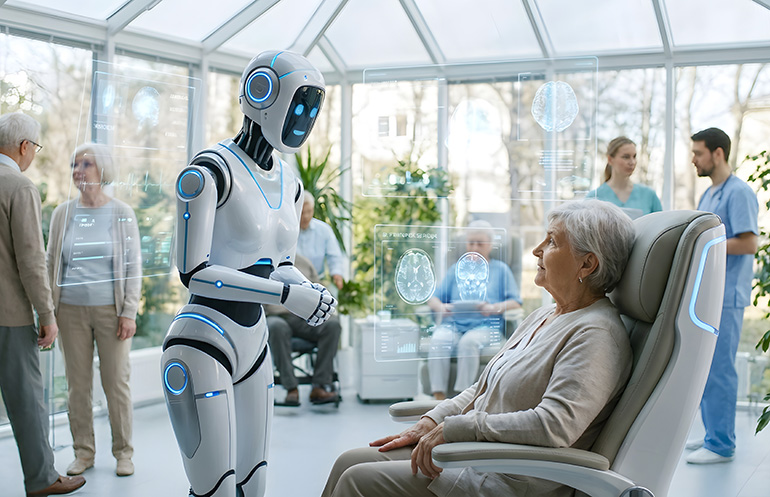
Palm Garden AI has developed Coherence Guard, a relational decision layer aimed at improving the behavior of service robots in human environments. This platform-agnostic technology evaluates actions before execution, ensuring they are relationally coherent by considering factors such as timing, proximity, and emotional tone. The significance of Coherence Guard lies in its potential to enhance the interaction between humanoid robots and humans in various sectors, including hospitality, care, and education. CEO Joachim Scheuerer emphasized that the technology does not replace existing systems but adds a crucial layer for evaluating social appropriateness, which is essential as robots become more integrated into everyday life. Looking ahead, the demand for such relational decision-making capabilities is expected to grow as service robots become more prevalent in human-centric environments. No further timeline was disclosed at the time of publication.
Artificial Intelligence Artificial Intelligence / Cognition Development Tools / SDKs / Libraries Healthcare Robotics Human Robot Interaction / Haptics Humanoids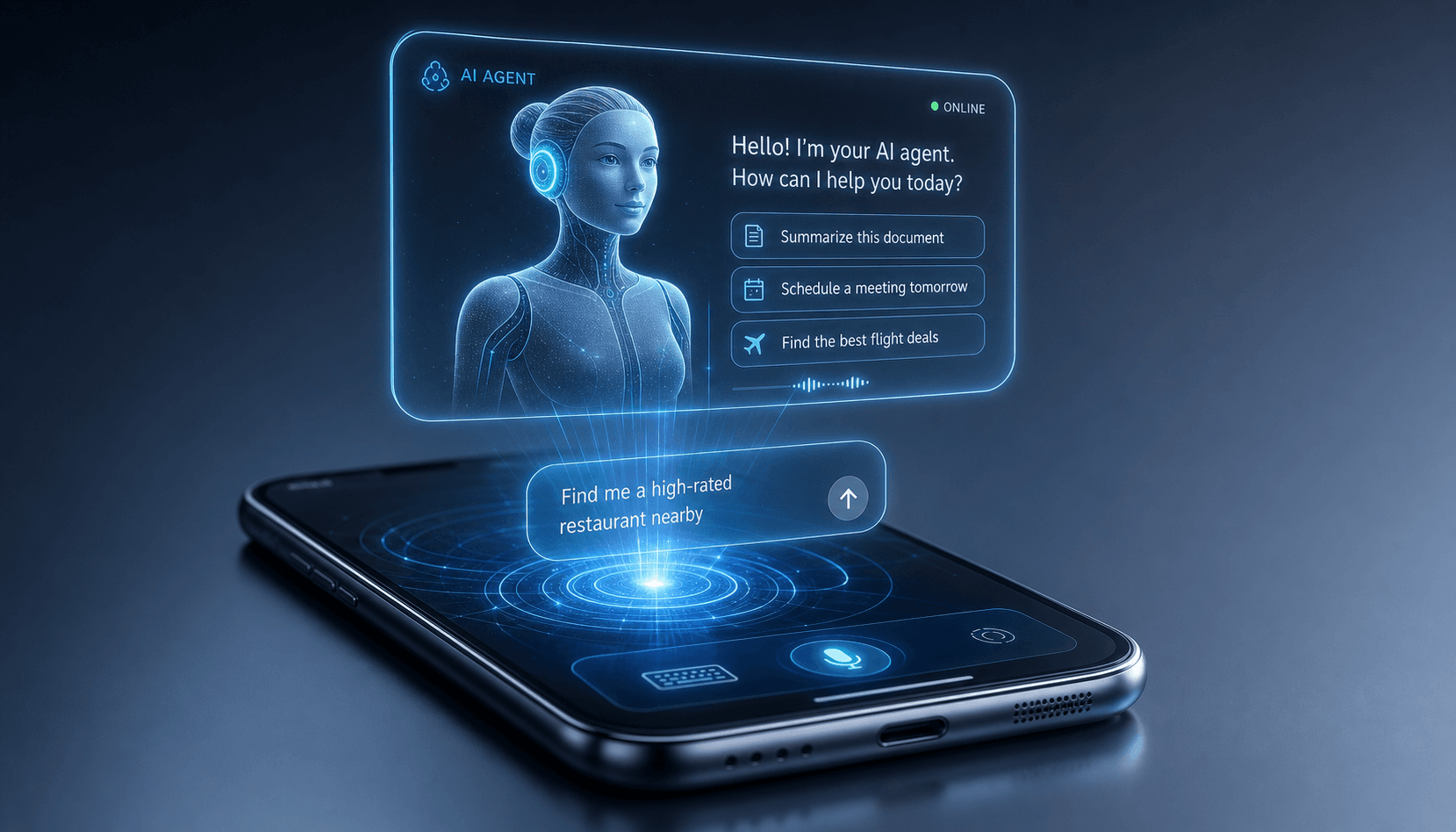
Nubia Launches First Native AI Agent Smartphone at WAIC 2026, Transforming User Interaction
Nubia has introduced the world's first smartphone featuring a native AI agent at the WAIC 2026. This innovation marks a significant shift from traditional AI features to autonomous systems capable of understanding, executing, and remembering user tasks across various applications. The introduction of this native AI agent smartphone is crucial as it represents a new era in mobile technology, where devices can function more intelligently and interactively. This advancement could redefine user experiences and expectations in the smartphone market, setting a new standard for future devices. Looking ahead, it will be important to monitor how Nubia's native AI agent smartphone performs in the market and whether other companies, such as ByteDance, will follow suit with similar innovations. No further timeline was disclosed at the time of publication.
Technology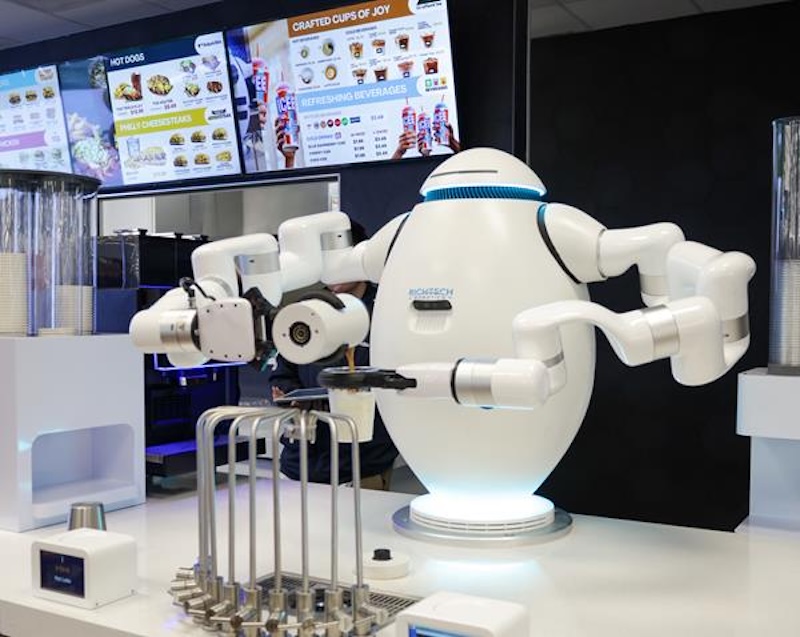
Richtech Robotics Introduces 24/7 Livestream with AI Robot ADAM for Global Interaction
Richtech Robotics, based in Nevada, has launched a 24/7 interactive livestream featuring its AI humanoid robot, ADAM. This initiative allows global audiences to engage with ADAM in real-time, asking questions and observing the robot's responses. The platform utilizes Nvidia Jetson Thor for onboard computing and the Nvidia Isaac open robotics platform, showcasing the capabilities of embodied AI. This livestream initiative is significant as it represents a shift in human-robot interaction, moving beyond traditional pre-recorded content to a dynamic, user-controlled experience. Richtech Robotics aims to demonstrate how AI-powered robots can effectively communicate in real-world settings, enhancing user engagement and showcasing their broader portfolio of automation solutions across various industries, including hospitality and manufacturing. Looking ahead, Richtech Robotics is positioned to lead advancements in intelligent automation and robotics. The company plans to continue evolving the interaction between humans and robots, with no further timeline disclosed for additional features or expansions of the ADAM livestream platform at the time of publication.
Humanoids adam AI-powered robots artificial intelligence automation conversational ai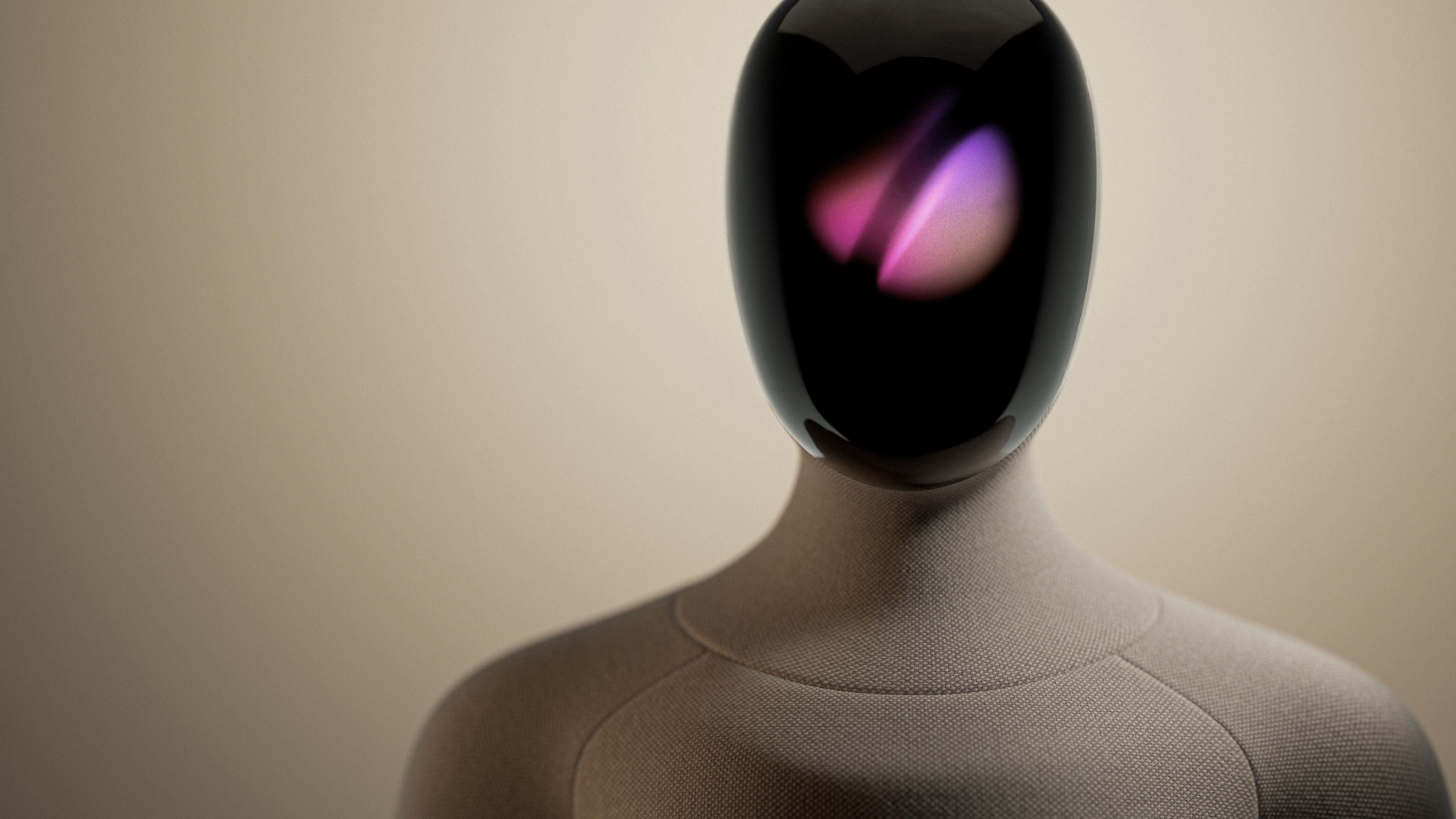
Vesoma Launches With Humanoid Vesoma 1 Aimed at Learning Through Interaction
Vesoma, the startup behind the Kyle humanoid prototype, has publicly emerged with its first product, Vesoma 1. The company, which began operations in December 2025, has over 60 employees and has established more than 3,500 square meters of lab and office space in Munich, Germany, and Limassol, Cyprus. The first units of Vesoma 1 are currently under construction, as announced on September 23. The significance of Vesoma's launch lies in its commitment to developing humanoids that learn through interaction, moving beyond mere demonstrations to achieve reliable performance. CEO Nikolai Ensslen previously described Kyle as an alpha development platform, with a target for unveiling the first-generation product in early 2027. However, the latest announcement does not confirm any changes to this timeline or provide a customer delivery date. Looking ahead, Vesoma aims to extend its learning approach beyond locomotion to include manipulation and coordinated tasks in complex environments. The company emphasizes that its focus on learning through interaction is essential for achieving the reliability that customers require, although it has not yet provided specific metrics to validate its approach against traditional imitation-led methods. No further timeline was disclosed at the time of publication.
Vesoma Europe
Study Reveals Risks of Physical AI in Human-Robot Interactions
A study published in 2025 examined 303 accidents related to human-robot interactions, highlighting unexpected activations and sensor errors. As Physical AI evolves, AI errors are transitioning from digital to physical realms, posing significant risks. Misinterpretations by AI controlling robotic arms or mobile robots can lead to serious physical consequences, unlike typical digital errors. This research, featured in the journal Safety Science, categorizes incidents into seven major types, with a focus on unexpected robot activations and sensor inaccuracies. These findings underscore the critical need for advancements in Physical AI to enhance robots' environmental perception and decision-making capabilities. The study emphasizes that a robot's ability to accurately perceive its surroundings is essential for safe operation. Looking ahead, the development of Physical AI must address these challenges to prevent accidents in human-robot interactions. No further timeline was disclosed at the time of publication.
À la une Humanoide IA Robotique Accidents robotiques Capteurs robotiques
Study Highlights Physical Risks from AI Errors in Human-Robot Interactions
A study published in 2025 examined 303 accidents related to human-robot interactions, revealing unexpected activations and sensor errors. As Physical AI evolves, AI errors are transitioning from digital to physical realms, posing significant risks. Unlike previous AI mistakes, which were largely confined to digital outputs, errors in robotic systems can lead to real-world consequences, where a minor miscalculation can result in serious incidents. This research, featured in the journal Safety Science, categorized incidents into seven major types, with a focus on unexpected robot activations and sensor inaccuracies. These findings underscore the urgent need for advancements in Physical AI to enhance robots' environmental perception and decision-making capabilities. As robots increasingly operate in physical spaces, ensuring their reliability and safety becomes paramount. Looking ahead, the development of Physical AI will be critical in addressing these challenges. The integration of cameras, proximity sensors, vision systems, contextual data, and AI models is essential for enabling robots to accurately perceive their surroundings before taking action. No further timeline was disclosed at the time of publication.
À la une Humanoide IA Robotique Accidents robotiques Capteurs robotiques
Enigma Secures $70 Million to Simplify Human-Robot Interaction Through Innovative Research
Enigma, a robotics research lab, has raised $70 million in a seed funding round led by Index Ventures and Ribbit Capital. The startup aims to revolutionize human-robot interactions by studying how people engage with robots, rather than solely focusing on enhancing model capabilities. Enigma plans to launch a large-scale online experiment allowing global users to interact with over 100 proprietary AI robots performing various tasks, such as drawing and simple chemistry experiments. This funding is significant as it positions Enigma to explore intuitive interfaces for robotic control, potentially transforming how users communicate with machines. Co-founders Jonathan Jacobi and Gal Niv, both with backgrounds in cybersecurity, are leveraging their unique perspectives to tackle challenges in robotics. Their goal is to make controlling robots as effortless as adjusting a car's volume, addressing current frustrations users face with existing robotic models. Looking ahead, Enigma's online experiment will provide valuable data on user preferences for robot communication, which could lead to groundbreaking advancements in robotics interfaces. No further timeline was disclosed at the time of publication.
AI Robotics Startups enigma Exclusive Index Ventures
New Paradigm for Stroke Gait Training: Therapist-Exoskeleton-Patient Interaction
A research team from Northwestern University and Shirley Ryan AbilityLab has unveiled an innovative approach to stroke rehabilitation that integrates a therapist-exoskeleton-patient interaction model. This groundbreaking method enables both therapists and patients to don exoskeletons, facilitating real-time interaction during gait training sessions. The new technique aims to improve the effectiveness of rehabilitation and boost patient engagement, offering a significant advancement over conventional manual training methods. The introduction of this technology marks a promising development in the field of stroke recovery, potentially transforming how therapists assist patients in regaining mobility.
Stroke Rehabilitation Exoskeleton Technology Gait Training Physical Therapy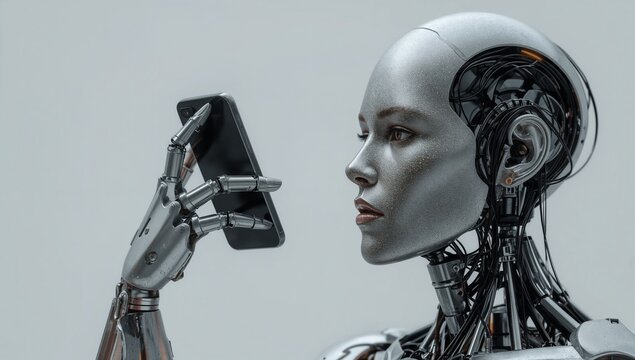
Therapist-exoskeleton-patient interaction for gait therapy
In a groundbreaking study published in the June 2026 issue of Science Robotics, researchers have unveiled a new robotic system designed to enhance surgical precision. This innovative technology, developed by a team of engineers and medical professionals, aims to improve patient outcomes in complex surgical procedures. The study highlights the system's ability to integrate advanced imaging techniques with real-time data analysis, allowing surgeons to navigate intricate anatomical structures with unprecedented accuracy. Conducted at a leading medical research facility, the trials demonstrated a significant reduction in operation time and postoperative complications compared to traditional methods. The motivation behind this development stems from the increasing demand for minimally invasive surgical options, which promise quicker recovery times and less trauma for patients. By leveraging cutting-edge robotics and artificial intelligence, the team has created a tool that not only assists surgeons but also enhances their decision-making capabilities during operations. As the medical community continues to embrace technological advancements, this robotic system represents a significant step forward in the field of surgery, potentially transforming how procedures are performed in the future. The researchers are optimistic that further refinements and clinical trials will lead to widespread adoption in hospitals worldwide, ultimately benefiting countless patients.
Research Article
Taiwan’s new ‘intelligent’ humanoid robot combines sensing and adaptive interaction
A Taiwanese company has introduced its first humanoid robot designed to engage in physical interactions with humans. This groundbreaking development was announced during a technology expo held in Taipei on October 15, 2023. The robot, which features advanced artificial intelligence and motion capabilities, aims to enhance human-robot collaboration in various sectors, including healthcare and customer service. The motivation behind this innovation is to address the growing demand for automation and assistance in daily tasks, particularly in environments where human interaction is essential. By utilizing sophisticated sensors and machine learning algorithms, the robot can understand and respond to human gestures and commands, making it a versatile tool for both personal and professional use. The unveiling of this humanoid robot marks a significant milestone in Taiwan's robotics industry, showcasing the nation's commitment to technological advancement and innovation.
AI and Robotics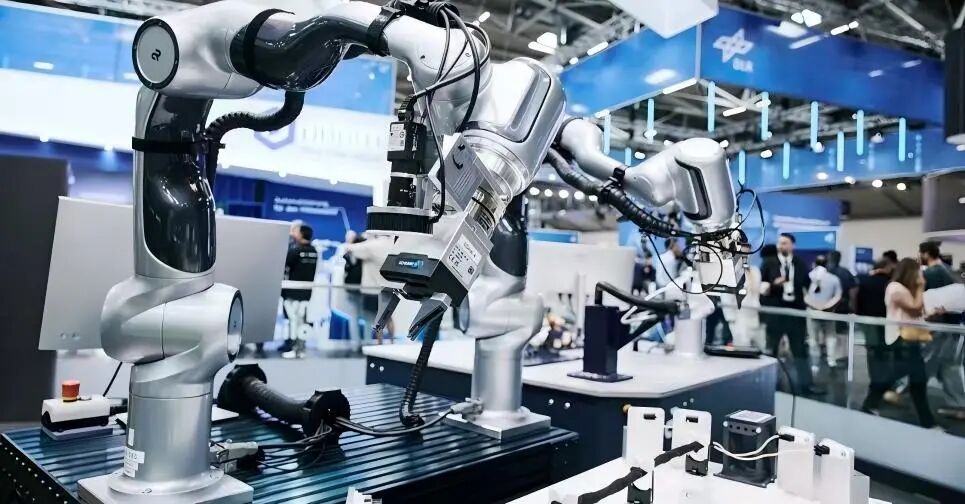
Revolutionizing Robot Interaction in the Era of Physical AI with Agile Robots
Agile Robots has unveiled a groundbreaking force control technology aimed at revolutionizing industrial automation and artificial intelligence. This innovative development, rooted in decades of aerospace research, allows robots to dynamically adapt to their physical environments, effectively addressing the persistent 'last millimeter problem' that has hindered task execution in complex scenarios. By enhancing the reliability of physical interactions, Agile Robots is positioning itself at the forefront of the evolving landscape of automation, enabling more sophisticated and efficient operations in various industries. This advancement marks a significant step forward in the integration of robotics into real-world applications, promising to improve productivity and operational effectiveness.
Force Control Technology Industrial Automation Robotics AI Physical InteractionRobotics needs a service framework.
RSF defines a common language for robot service capability, lifecycle operations, certification pathways, and service-provider networks.
Join the RobotToday community on LinkedIn
Daily robotics news, in-depth analysis, conference highlights, and discussions with professionals worldwide.







