Industry Briefing
A single destination for timely, editor-curated robotics news from around the world.
Digital Huaxia's Chen Junmin Outlines Robotics Development Focus for 2024 to 2026
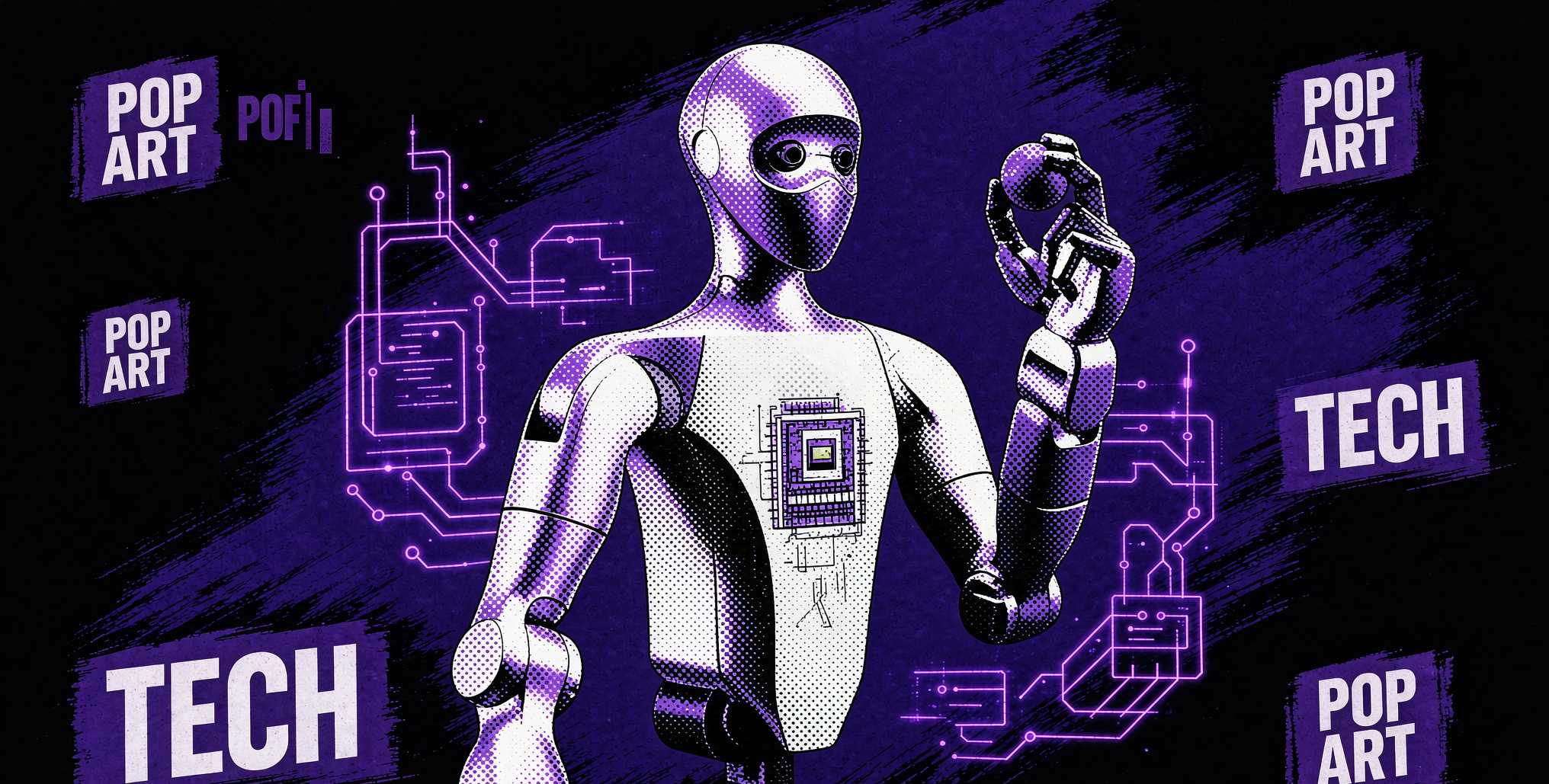
Digital Huaxia co-founder Chen Junmin has outlined a strategic focus for robotics development over the next three years. In 2024, the emphasis will be on enhancing leg mobility, followed by hand functionality in 2025, and cognitive capabilities in 2026. This phased approach aims to ensure that robots can effectively operate in real-world environments such as hospitals and banks. The significance of this strategy lies in addressing the challenges of deploying robots in practical scenarios. While robots have improved in movement and manipulation, achieving stability and reliability in public spaces remains a hurdle. Chen emphasizes the need for a balance between advanced technology and practical application, particularly in environments requiring prolonged mobility and autonomous operation. Looking ahead, the industry must focus on overcoming barriers to commercialization, including reliability, cost reduction, and the ability to operate effectively in real-world settings. Chen notes that while the industry is exploring various applications, the true test will be whether the value created by robots can justify their costs, a question that remains largely unanswered at this stage.
Humanoid Robots Robotics Integration AI Technology Service Robots
Terafab to Create 3,000 Jobs in Grimes County, Texas by 2026
Terafab is set to establish at least 3,000 permanent jobs in Grimes County, Texas, with the site confirmed on August 6, 2026. However, as of now, no specific job postings for Terafab have been made available. Construction hiring precedes fab hiring, indicating that interested candidates should monitor SpaceX's official careers site for updates. The significance of this development lies in the projected timeline for hiring, as semiconductor fabs typically ramp up technical hiring 18–24 months before production starts. With no production date announced and estimates suggesting mid-2028 at the earliest, large-scale hiring for Terafab is unlikely to commence before 2027. The Greater Brazos Partnership has indicated a demand for skilled trades and construction employment in the region, highlighting the need for a prepared workforce. Looking ahead, candidates in construction or skilled trades should seek opportunities now through contractors, while those in engineering roles may need to wait until 2027 to apply directly through SpaceX. No salary figures have been disclosed, and potential applicants are advised to treat any salary information found online as unverified.

Intel Joins Terafab Project as Manufacturing Partner in 2026
On April 7, 2026, Intel became a manufacturing and process-technology partner for the Terafab project, contributing its expertise without taking an equity stake. This partnership allows Tesla and SpaceX to leverage Intel's advanced packaging and manufacturing capabilities, particularly its 14A process, which Musk has designated for the full-scale facility. The collaboration is significant as it enhances the credibility of the Terafab initiative, transforming it from a mere ambition into a project with a feasible technical pathway. Analysts have noted that this partnership provides Intel Foundry with a valuable reference customer list, including Tesla, SpaceX, and xAI, which could help the unit gain traction in the competitive semiconductor market. Looking ahead, the partnership presents both opportunities and risks. While Intel's 14A process is expected to be mature by the time Terafab scales up, the timeline for the full-scale build remains uncertain. The collaboration's success will depend on the synchronization of both companies' schedules and the technical capabilities of the manufacturing processes involved.

UBTECH Shifts Focus to Revenue and Repeat Orders at WRC 2026
At the World Robot Conference in Beijing, UBTECH is changing its narrative from focusing on shipment counts to emphasizing revenue and repeat orders. This strategic pivot comes as China's first humanoid-robot stock expands its presence across various sectors, including industrial, commercial, and consumer markets. This shift is significant as it highlights UBTECH's commitment to building long-term customer relationships and ensuring sustained growth in a competitive landscape. By prioritizing repeat purchases, UBTECH aims to enhance its market position and demonstrate the value of its humanoid robots in diverse applications. Looking ahead, industry observers will be keen to see how UBTECH's new strategy impacts its sales performance and market share. No further timeline was disclosed at the time of publication.

IFDA 2026 Solutions Conference to Address Foodservice Distribution Challenges
The IFDA 2026 Solutions Conference is set to take place from September 13-15 in San Antonio, gathering foodservice distribution professionals, suppliers, and solution providers. The event aims to explore operational challenges within the industry and discuss strategies that can be implemented across various distribution businesses. This conference is significant as it provides a platform for industry stakeholders to collaborate and share insights on pressing issues affecting foodservice distribution. By focusing on operational solutions, participants can enhance their business practices and improve overall efficiency in the sector. Looking ahead, attendees can expect valuable discussions and networking opportunities that may lead to innovative solutions for the foodservice distribution industry. No further timeline was disclosed at the time of publication.

Terafab Advances to Permitting Phase with $16.8 Billion Project Confirmation
On August 6, 2026, Terafab confirmed a significant milestone with Tesla and SpaceX, announcing a $16.8 billion investment for the Grimes County site. This project aims to construct a facility exceeding 100 million square feet, which would make it the largest building in the world by floor area, surpassing the current record held by the AvtoVAZ assembly building in Russia. The importance of this development lies in its scale and the potential impact on the construction and technology sectors. Terafab's facility is expected to utilize Intel's 14A process and incorporate sustainable practices, such as on-site wastewater treatment. However, the project's future remains uncertain, as highlighted by the May IPO filing, which indicated that neither Tesla nor Intel is obligated to continue their involvement. Looking ahead, stakeholders should monitor the project's progress through the permitting and foundations phase, as key dates remain unpublished. The recent validation from ASML's CEO adds credibility to the endeavor, but the financial health of SpaceX, which reported a net loss despite increased sales, raises questions about the project's sustainability and funding in the long term.

Elon Musk Unveils Terafab Semiconductor Project Targeting One Terawatt of AI Compute
On March 21, 2026, Elon Musk announced the Terafab project at the Seaholm Power Plant in Austin, Texas. This ambitious semiconductor initiative aims to achieve one terawatt of AI compute annually, with an estimated investment of $20–25 billion. The project is positioned as a crucial step toward advancing humanity's capabilities in space. The significance of Terafab lies in its potential to address chip supply constraints faced by Tesla and other companies. Musk highlighted the need for in-house fabrication capabilities during a January 2026 earnings call, emphasizing the urgency of the project. The announcement has since evolved, with SpaceX filings indicating a total investment of $119 billion for the prototype phases, underscoring the project's scale and importance. Looking ahead, the first phase of Terafab, valued at $16.8 billion, was confirmed for Grimes County on August 6, 2026. Future developments will likely include advancements in AI chip technology for Tesla vehicles and orbital data centers, as well as the conceptual AI Mini Sat satellite designed to support the terawatt demand. No further timeline was disclosed at the time of publication.
Understanding Terafab: No Stock, Just a Joint Venture Between Tesla and SpaceX
Terafab is not a publicly traded entity; it lacks a stock ticker, IPO, or cryptocurrency listing. This joint venture between Tesla and SpaceX, with Intel as a manufacturing partner, represents a semiconductor facility in Grimes County, Texas, with an initial investment exceeding $16.8 billion. The absence of a separate legal entity for Terafab means that investors cannot directly purchase stock in the project. Instead, exposure to Terafab can be gained through investments in Tesla or SpaceX, both of which reflect the financial commitments associated with the facility in their capital expenditure lines. As of August 2026, Tesla has not disclosed its ownership stake in Terafab, which is crucial for those searching for a stock price. No further timeline was disclosed at the time of publication.
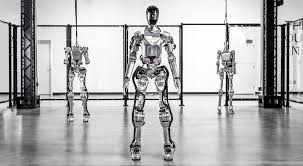
Elon Musk's Terafab: A Semiconductor Megafactory for AI Compute Production
Terafab, a semiconductor megafactory, is being developed collaboratively by Tesla, SpaceX, and Intel, aiming to produce over one terawatt of AI compute annually. Announced by Elon Musk on March 21, 2026, the facility will be located in Grimes County, Texas, with an initial investment exceeding $16.8 billion. The significance of Terafab lies in Musk's vision to control the silicon supply chain, as he believes current global chip production is insufficient for the needs of Tesla, SpaceX, and xAI. Unlike traditional fabs, Terafab will integrate all stages of chip production in one location, allowing for rapid design iterations and testing without the delays of shipping wafers internationally. Looking ahead, Musk's long-term objective for Terafab includes achieving one million wafer starts per month and producing between 100 and 200 billion custom AI and memory chips annually. However, it is important to note that Terafab is not a single legal entity for investment, and the partnership details between Tesla and SpaceX remain to be finalized.

Tesla Energy Faces $240 Million Warranty Charge Amid Supply Chain Challenges in 2026
In Q2 2026, Tesla Energy experienced a significant $240 million warranty charge due to vendor cell issues, highlighting its dependency on external cell suppliers. Despite achieving 13.5 GWh in deployments, the energy gross margin plummeted from 39.5% to 20.4%, attributed to warranty costs, the absence of prior tariff benefits, and competitive pricing pressures. This situation underscores the financial risks associated with cell quality in Tesla Energy's supply chain, which is primarily an assembly business reliant on third-party cells. The company aims to stabilize energy margins in the mid-to-low 20% range long-term, moving away from the inflated margins seen in Q1 2026. Looking ahead, Tesla is set to begin production of Megapack 3 and Megablock at its Megafactory Texas, with a combined annual grid storage capacity of approximately 133 GWh. The introduction of Megablock, which integrates multiple units into a single system, signifies a strategic shift in Tesla's approach to energy storage solutions.
Launch of the 2026 Intelligent Embodiment Forum at WAIC Focuses on Physical AI
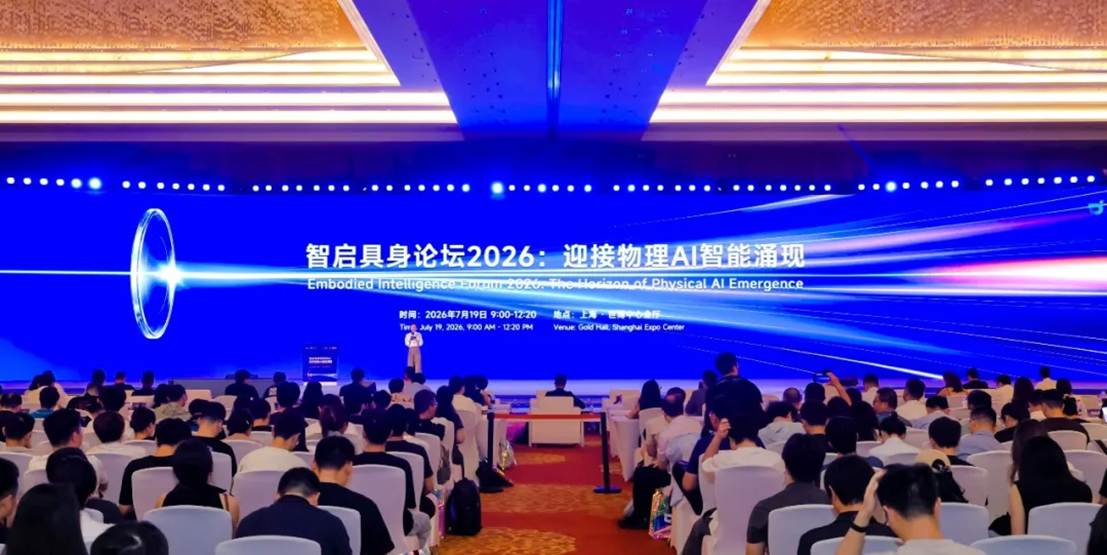
On July 19, 2026, the Intelligent Embodiment Forum was successfully launched at the World Artificial Intelligence Conference (WAIC). This event, co-hosted by Zhiyuan and Mifeng Technology, gathered leading experts from top universities and tech companies to discuss the evolution of physical AI and its challenges, including data scarcity and the need for unified physical representation. The forum highlighted the importance of transitioning from digital AI to physical AI, emphasizing the need for a comprehensive understanding of the environment and task execution. Keynote speaker Yao Maoqing outlined the three critical barriers to scaling physical intelligence: data, representation, and feedback loops. He stressed that overcoming these barriers is essential for the development of general embodied intelligent systems. Looking ahead, the forum set the stage for ongoing collaboration between academia and industry to accelerate the evolution of physical AI. No further timeline was disclosed at the time of publication.
Physical AI Robotics Artificial Intelligence Machine Learning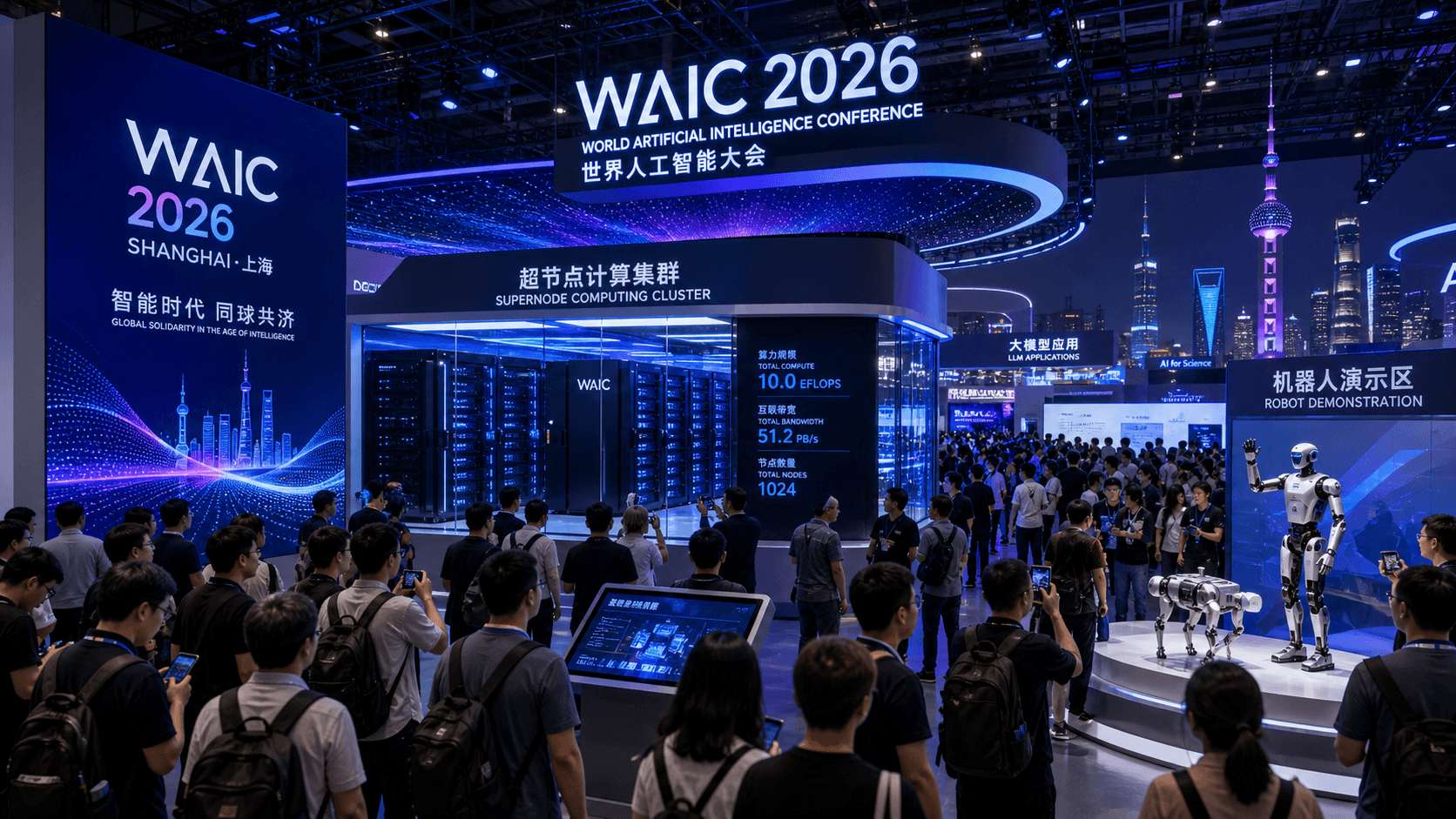
WAIC 2026 Highlights Six Key AI Trends Shifting Focus from Models to Systems
The World AI Conference 2026 (WAIC 2026) showcased six significant trends in artificial intelligence, emphasizing a shift from model competition to system efficiency. Notably, the integration of robots into real factory environments marks a pivotal moment for industrial automation, indicating a growing reliance on intelligent systems. This transition is crucial as it reflects the industry's evolution towards more efficient and effective AI systems, moving beyond traditional model-centric approaches. The emergence of domestic chips reaching a tipping point further underscores the importance of localized technology development in enhancing AI capabilities. Looking ahead, stakeholders should monitor how these trends will influence the deployment of AI systems in various sectors. The increasing presence of robots in factories and advancements in chip technology could reshape operational strategies and drive innovation in the coming years. No further timeline was disclosed at the time of publication.
News
Aoyi Technology Showcases Innovative Products at WAIC 2026 Addressing Real-World Needs
On July 17, 2026, the World Artificial Intelligence Conference (WAIC) opened in Shanghai, attended by President Xi Jinping, who emphasized the importance of global AI cooperation. Aoyi Technology presented its full range of self-developed hardware, including the CeRelax EEG headset, gForce Ultra EMG wristband, and lower limb rehabilitation exoskeleton, focusing on practical applications in real environments. The showcased products aim to address specific pain points in various scenarios, such as the lower limb exoskeleton, which assists users in walking without the need for muscle signal collection. The gForce Ultra wristband captures minute muscle contractions to aid rehabilitation and optimize robotic operations, while the CeRelax headset bridges the gap between high-end research and consumer needs in brain health. Looking ahead, Aoyi Technology's Vice President Zhang Qi highlighted the industry's shift towards functional product development. The company plans to extend its capabilities into the education sector with a new matrix of embodied intelligence educational products designed for vocational schools, aiming to cultivate practical engineering talent. No further timeline was disclosed at the time of publication.
Brain-Machine Interfaces Wearable Technology Rehabilitation Robotics Educational Technology
SpaceX's Starmind Project: Supplier Strategy and Chip Manufacturing Plans for 2026
SpaceX's Starmind project, aimed at deploying up to 1 million AI satellites, was filed with the FCC on January 30, 2026. The initiative is designed to minimize reliance on external suppliers, with CEO Elon Musk stating that current chip production capabilities only meet 2% of the projected needs. The first satellite, AI1, is set for prototype launches in early 2027, featuring a 70-meter wingspan and a modular payload system that allows for interchangeable chips from various suppliers. The significance of Starmind lies in its ambitious supply chain strategy, which seeks to transition from external hardware suppliers to a fully integrated Musk-owned facility by 2028. The Gigasat manufacturing site in Bastrop, Texas, is expected to be operational by the end of 2027, with plans for high-volume production of the D3 chip, specifically designed for space applications. This approach aims to consolidate chip manufacturing processes under the Terafab joint venture, which has an estimated initial investment of $55 billion. Looking ahead, the next milestone for Starmind is the launch of AI1 prototypes in early 2027, while the full-scale chip production at Terafab is projected to ramp up significantly thereafter. However, analysts express skepticism regarding the feasibility of achieving Musk's ambitious compute goals, which may require substantial investment and time to establish the necessary manufacturing capabilities.
Shift in Embodied Intelligence Focus from Body to Brain by 2026
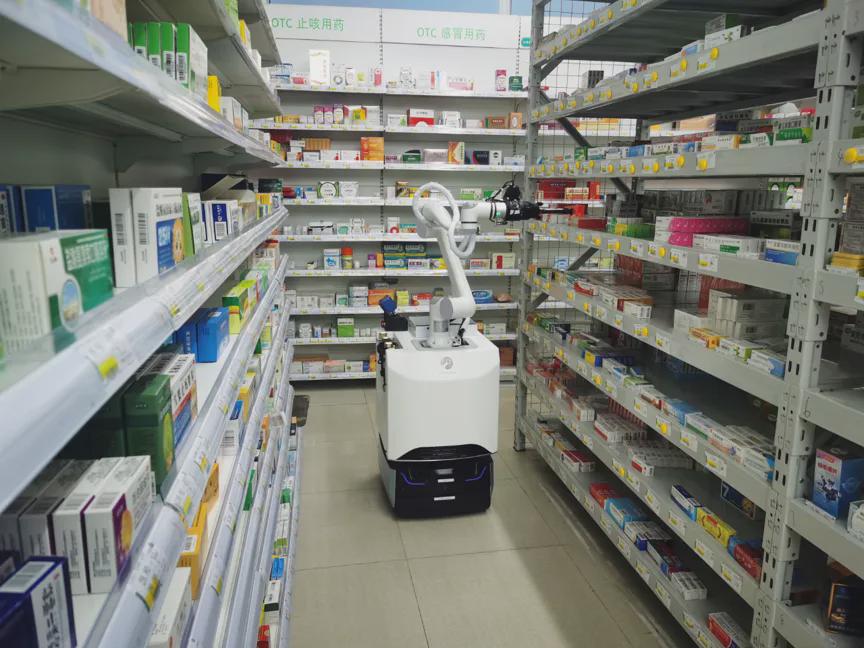
By 2026, the embodied intelligence sector is witnessing a significant shift in focus from 'body' to 'brain'. Data indicates that over half of the funding in the first half of this year has gone to companies emphasizing cognitive systems. Investors are prioritizing the ability of agents to perform in complex scenarios rather than merely their humanoid appearance. This shift is crucial as traditional automation devices are insufficient for real-world applications in pharmacies, supermarkets, hotels, and homes, which are filled with uncertainties. Robots require a cognitive system capable of understanding environments, predicting outcomes, and making autonomous decisions to thrive in these settings. The concept of an embodied brain is essential for advanced cognitive decision-making, enabling robots to evolve from simple actions to understanding natural language tasks and generating action sequences. Companies like Figure and Google are leading this transformation, demonstrating that robots can perform complex tasks effectively, although challenges remain in predictive capabilities and dynamic responses.
Embodied Intelligence Cognitive Robotics AI Machine Learning
Hanwei Technology Showcases Advanced Perception Solutions During 2026 World Robot Conference
During the 2026 World Robot Conference, Hanwei Technology Group Co., Ltd. showcased five types of embodied perception products, including tactile and olfactory sensors. The company also launched the HAU925, a nine-axis inertial sensor chip aimed at embodied intelligence, and demonstrated various advanced sensing technologies. Chairman Ren Hongjun discussed production rhythms and industry strategies, highlighting the growing importance of perception in robotics. The significance of these developments lies in Hanwei's focus on perception as a foundation for intelligent robotics. The company’s electronic skin technology, which has already reached over 30 clients, is poised to enter mass production, marking a critical point in its commercialization. Meanwhile, other sensory products are expected to scale up within two to three years, although significant profits may take longer to materialize. Looking ahead, Hanwei anticipates a shift in the robotics industry towards greater emphasis on embodied perception. However, challenges remain in integrating perception technologies into practical applications. The company aims to address these gaps by providing essential data collection infrastructure, including motion capture suits and data gloves, to support the industry's evolving needs.
Embodied Intelligence Sensor Technology Robotics AI Wearable Technology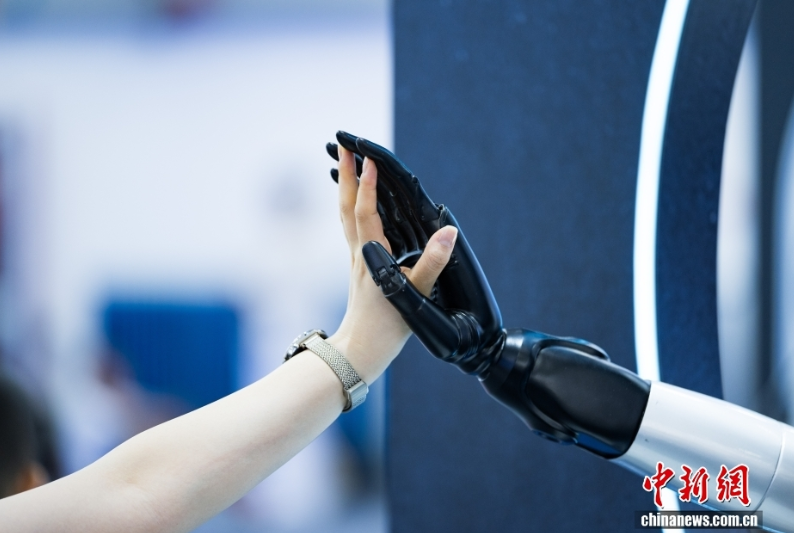
Beijing-Tianjin-Hebei Region Emphasizes Talent Development at World Robot Conference 2026
The 2026 World Robot Conference in Beijing showcased over 300 companies and 3,000 exhibits, including humanoid robots and industrial arms. Behind these technological displays, a unique exhibition area focused on talent development in the Beijing-Tianjin-Hebei region emerged, addressing the critical question of who will maintain and innovate these robots. This exhibition area, dedicated to the integration of industry and education, featured initiatives from various institutions aimed at cultivating on-site engineers and practical skills. Notable collaborations included Beijing University of Science and Technology's partnership with Soft Robotics to create a standardized workstation, and Tianjin Vocational University establishing an urban-level intelligent robot service center with leading companies. During the conference, the Yizhuang Talent Group plans to release a research report on robotics talent in the region and establish several collaborative centers. The focus remains on addressing real industry needs through education, ensuring a sustainable workforce capable of operating and maintaining advanced robotics technologies. No further timeline was disclosed at the time of publication.
Robotics Education Talent Development Industry-Academia Collaboration AI in Robotics
July 2026 Sees Significant Investment in Robotics Component Sales
In July 2026, the domestic robotics industry recorded 52 financing events, with seed and angel rounds accounting for 44%. Shanghai led with 14 events, followed by Guangdong and Beijing. Notably, the core components sector saw 13 financing events, a 5.5% increase from June, indicating a growing focus on this area. The rise in investment in core components is significant as it reflects a shift in capital allocation within the robotics industry. With 46% of the 13 component firms in later funding rounds, this suggests that some companies are entering a growth phase, positioning themselves for the next stage of productization and scale delivery. Looking ahead, the demand for upstream components such as sensors and specialized chips is expected to increase as humanoid robot manufacturers continue to secure funding. The financing events in July highlight a robust interest in tactile perception and joint execution technologies, indicating a strategic pivot towards core component autonomy in the robotics supply chain.
Robotics Investment Core Components Humanoid Robots AI Technology
Tesla's Optimus Robots to Support Starmind Satellite Production, Not Maintenance
Tesla's Optimus robots will not be used to repair Starmind satellites in orbit, as confirmed by recent statements from Elon Musk. Instead, these robots are intended to assist in the construction and operation of the Terafab chip manufacturing facility in Texas. The AI1 satellites, designed to disintegrate upon reentry, highlight the company's swap-and-replace strategy rather than traditional maintenance practices. This approach is significant as it reflects a broader trend in satellite management, where mass-produced satellites are replaced rather than repaired. The economics of servicing missions are prohibitive, with the cost of launching a replacement satellite being significantly lower than conducting a repair mission. This model aligns with SpaceX's operational history, where rapid replacement of satellites is more efficient than attempting to maintain them in orbit. Looking ahead, the focus will remain on the production capabilities of the Gigasat factory, which is expected to support the continuous replacement of satellites. No further timeline was disclosed at the time of publication, but the demand for rapid satellite turnover suggests a robust future for Optimus robots in terrestrial manufacturing rather than in-space servicing.

Chinese Supply Chains Focus on Flexibility in 2026
The report suggests that Chinese companies are looking to spread risk across more suppliers and markets, while using technology to help manage that added complexity.
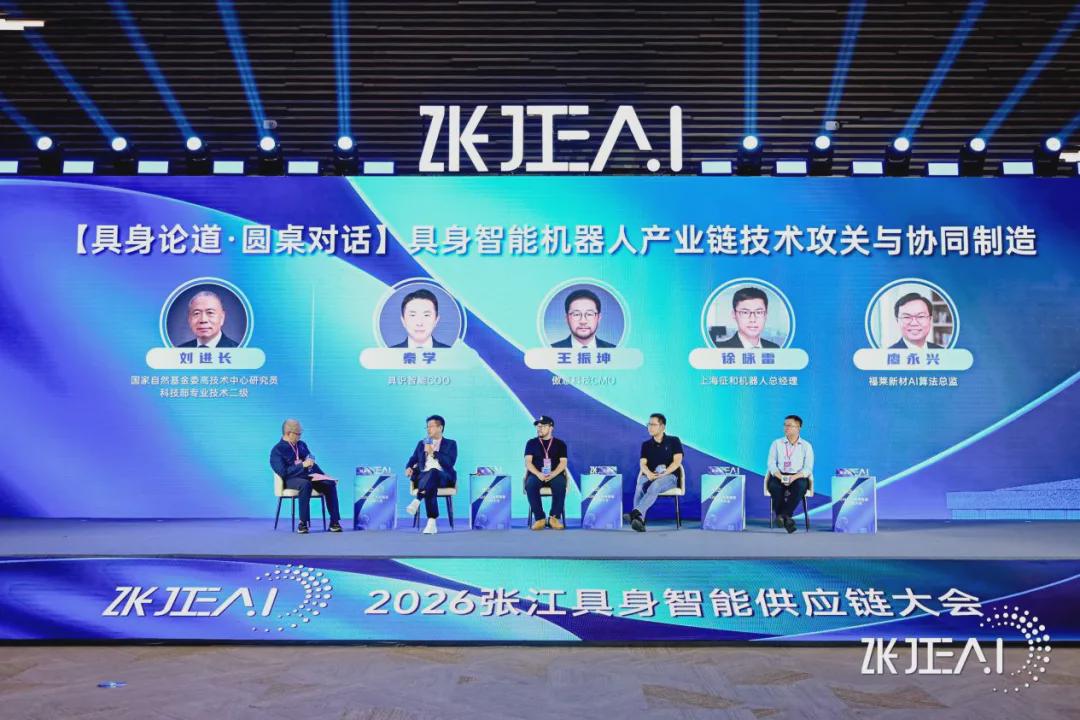
Focusing on 2026: Industry Chain Collaboration and Challenges in Humanoid Robot Mass Production
In 2026, the mass commercialization of humanoid robots and embodied intelligence is expected to take center stage, particularly in China, where the industry is experiencing rapid growth. Experts from various sectors are convening to tackle the challenges associated with large-scale production and to improve the performance of these advanced robots. The discussions underscore the critical role of supply chain capabilities and the necessity for industry collaboration to navigate the complexities of this emerging market. As the demand for humanoid robots increases, stakeholders are focused on ensuring that production processes are efficient and that the technology meets consumer expectations.
Humanoid Robots Embodied Intelligence Supply Chain Management Industrial Automation
Commercial UAV Expo Releases 2026 Conference Program Focused on “Actionable Insights”
The Commercial UAV Expo has unveiled its 2026 conference program, emphasizing practical education and hands-on experience for professionals in the commercial drone sector. Scheduled for September 1-3, the event will be held at Caesars Forum in Las Vegas, Nevada. Organizers have tailored the agenda based on community feedback, aiming to provide actionable insights that address the real-world challenges faced by drone operators. This initiative reflects a commitment to enhancing operational knowledge and skills within the industry, ensuring attendees leave with valuable takeaways that can be applied in their work.
Drone News Drone News Feeds Drone Shows drone technology News BVLOS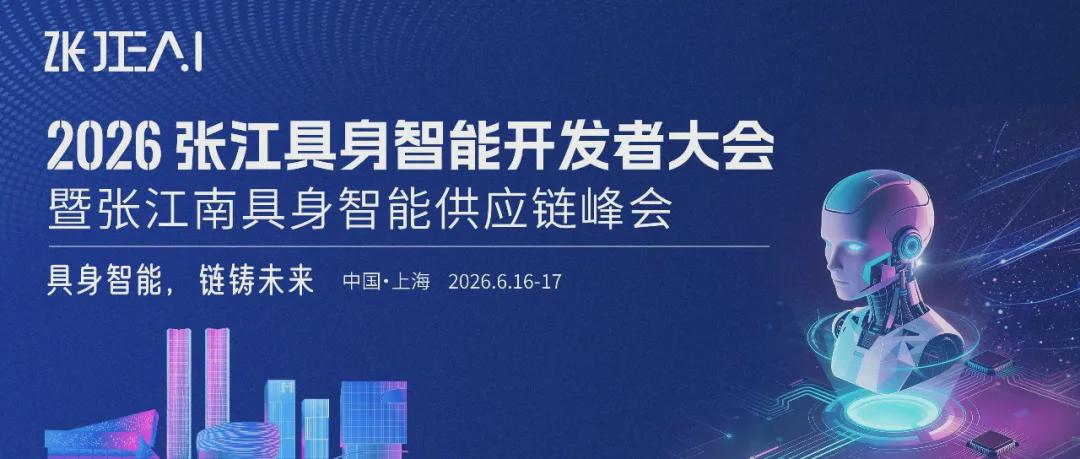
Focusing on Technological Breakthroughs and Supply Chain Collaboration: Invitation to the 2026 Zhangjiang Embodied Intelligence Developer Conference
The 2026 Zhangjiang Embodied Intelligence Developer Conference is set to occur on June 16-17, focusing on the latest advancements in embodied intelligence technologies. This conference aims to bring together enterprises, developers, and investors to promote collaboration within the rapidly evolving fields of robotics and artificial intelligence. By facilitating discussions and networking opportunities, the event seeks to drive innovation and development in these cutting-edge sectors.
Embodied Intelligence Robotics AI Supply Chain Collaboration Industry Conference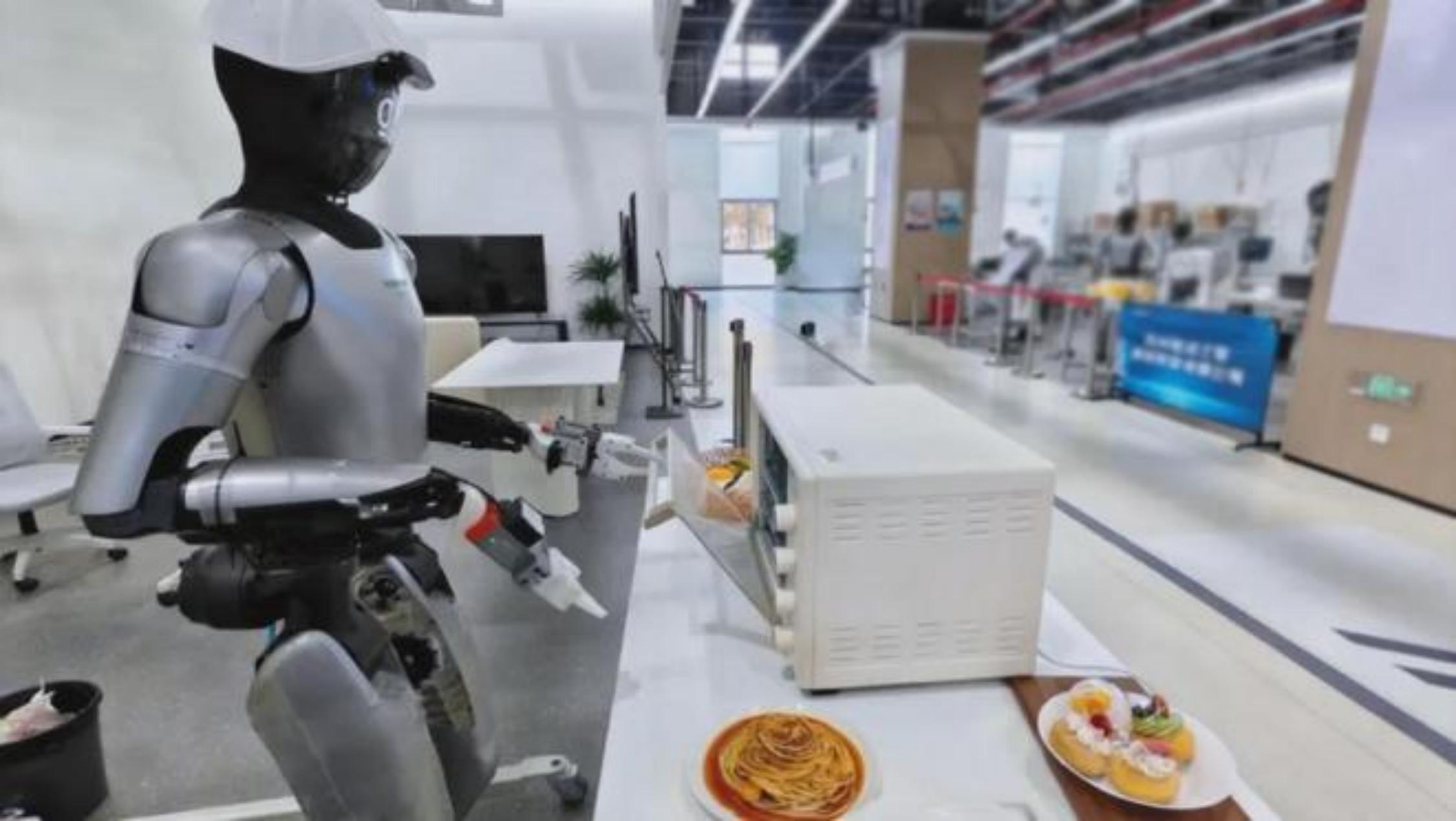
Robotics Sector Raises Over 10 Billion Yuan in Q1 2026: Humanoid and Embodied Intelligence as Key Focus
In the first quarter of 2026, China's robotics industry experienced a surge in investment, highlighted by 173 financing events that collectively raised between 28.27 billion and 34.57 billion yuan. This influx of capital predominantly flowed into the sectors of humanoid robots and embodied intelligence, reflecting a significant shift in the industry toward product commercialization and technological advancements. The growing interest in these areas underscores the potential for innovation and market growth within China's rapidly evolving robotics landscape.
Humanoid Robots Embodied Intelligence Robotics Investment Industrial Automation
MAST Focus Forum: ”Building Resilient Societies” - Glasgow, 15–17 September 2026
Glasgow is set to host the inaugural two-day “Focus Forum,” a significant event aimed at addressing evolving international perspectives on defense and security. Scheduled to take place soon, this forum will feature a range of expert opinions and strategic plans designed to navigate the complexities of global security challenges. The initiative underscores Glasgow's reputation as a leader in defense and security innovation, highlighting the city's commitment to fostering dialogue and collaboration among key stakeholders in the field. Attendees will engage in discussions that seek to identify actionable steps necessary for adapting to the changing landscape of international security.
mast focus forum events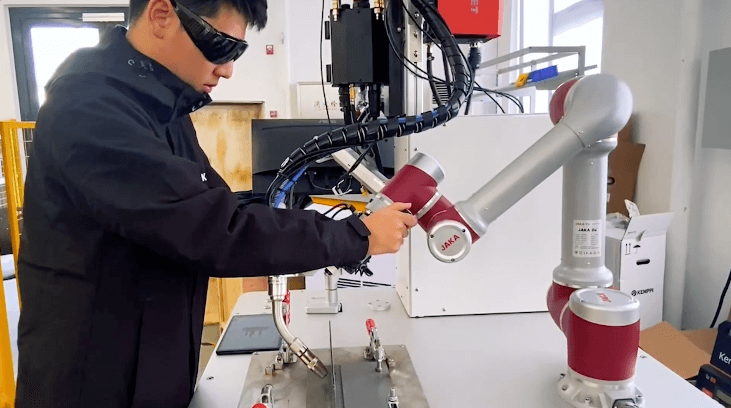
Top 5 Trends of the Industrial Robotics Solutions Industry in 2026 (Focus on AI & Cloud)
The automation sector is witnessing significant advancements, particularly in industrial robotics, as companies like JAKA adapt to evolving demands for flexibility, intelligence, and connectivity. As the industry heads toward 2026, five key trends are shaping the future of robotic solutions. Manufacturers are increasingly focusing on adaptive and accessible automation, enabling easier deployment and reconfiguration of sophisticated systems. JAKA is leading this shift with user-friendly interfaces that allow shop-floor personnel to quickly set up industrial welding robots, minimizing downtime and skill barriers. Another trend is the growth of cloud-connected system management, which facilitates centralized monitoring and data analytics across multiple robotic arms. This connectivity allows manufacturers to optimize maintenance and streamline operations, particularly in welding applications where real-time tracking of consumable usage is crucial. Artificial intelligence is also playing a pivotal role, moving beyond vision inspection to enhance real-time process control. JAKA's AI-enhanced welding robots can make instantaneous adjustments, improving efficiency and reducing rework by compensating for material variations. The expansion of human-robot collaboration is evident as collaborative robots (cobots) become smarter and more integrated into workflows. JAKA's cobots assist operators in welding tasks, allowing humans to focus on quality inspection and decision-making, thereby boosting productivity. Lastly, the integration of digital twin technology is gaining traction, enabling manufacturers to simulate robotic processes without disrupting production. JAKA's compatibility with simulation platforms allows for pre-validation of welding paths, reducing debugging time and accelerating return on investment. These trends underscore a shift toward more connected and intelligent automation, with JAKA committed to developing user-centric solutions that meet the demands of the smart factory era.

Workboats and Live Technology Demonstrations in Focus at Oceanology International 2026
Oceanology International (Oi26) is set to showcase an impressive array of specialist workboats, autonomous vessels, and advanced software during its Dockside Demonstrations, taking place from March 10 to March 12. This event aims to engage thousands of attendees by providing a hands-on experience with the latest innovations in ocean technology. The demonstrations will highlight the capabilities and applications of these technologies, emphasizing their significance in marine exploration and environmental monitoring. By bringing together industry experts and cutting-edge solutions, Oi26 seeks to foster collaboration and knowledge sharing within the ocean technology sector.
workboats live technology demonstrations oceanology international 2026 eventsRobotics needs a service framework.
RSF defines a common language for robot service capability, lifecycle operations, certification pathways, and service-provider networks.
Join the RobotToday community on LinkedIn
Daily robotics news, in-depth analysis, conference highlights, and discussions with professionals worldwide.