


By 2026, the embodied intelligence sector is witnessing a significant shift in focus from 'body' to 'brain'. Data indicates that over half of the funding in the first half of this year has gone to companies emphasizing cognitive systems. Investors are prioritizing the ability of agents to perform in complex scenarios rather than merely their humanoid appearance.
This shift is crucial as traditional automation devices are insufficient for real-world applications in pharmacies, supermarkets, hotels, and homes, which are filled with uncertainties. Robots require a cognitive system capable of understanding environments, predicting outcomes, and making autonomous decisions to thrive in these settings.
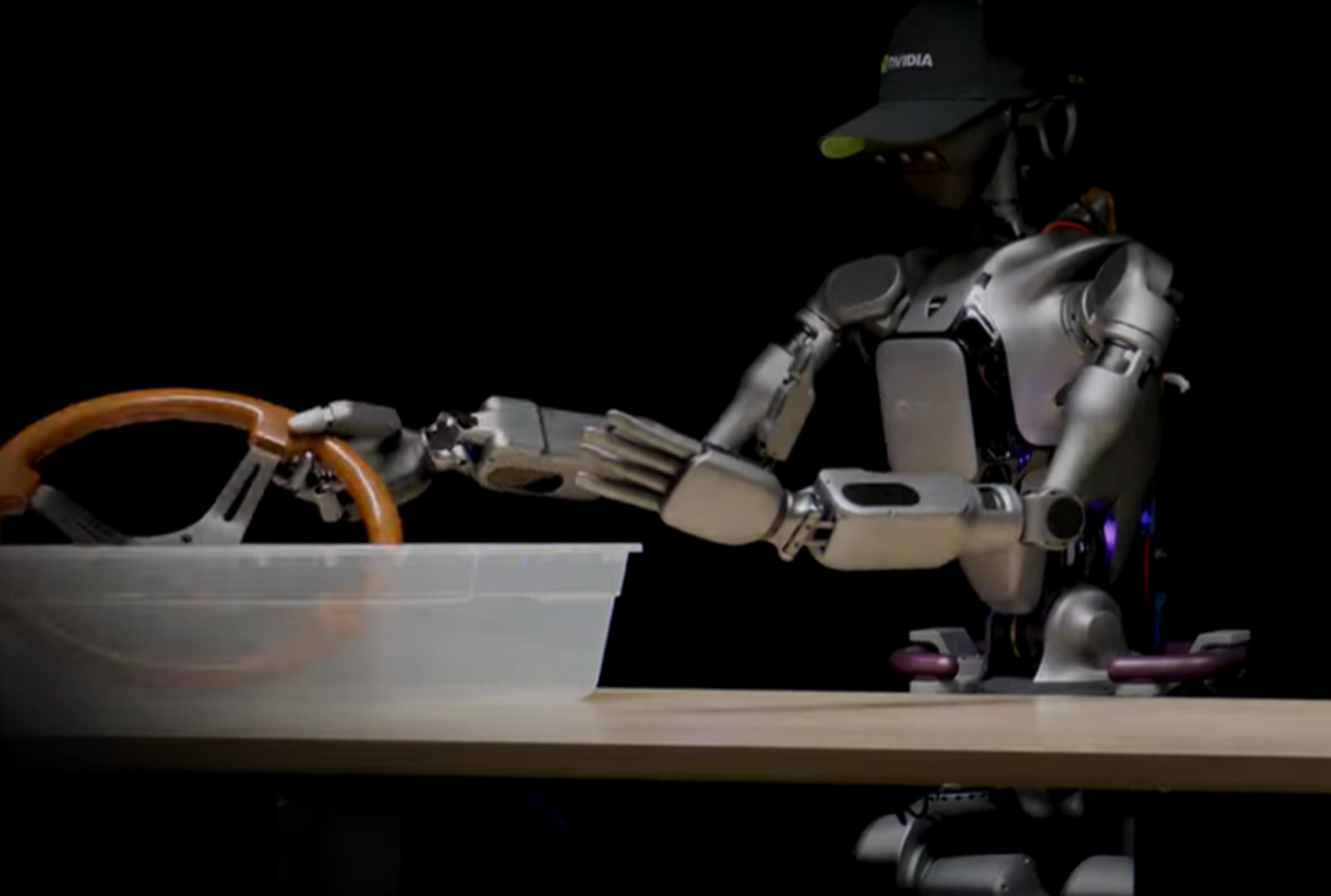
The concept of an embodied brain is essential for advanced cognitive decision-making, enabling robots to evolve from simple actions to understanding natural language tasks and generating action sequences. Companies like Figure and Google are leading this transformation, demonstrating that robots can perform complex tasks effectively, although challenges remain in predictive capabilities and dynamic responses.
Editor's Note
The transition from physical capabilities to cognitive systems in robotics reflects a broader trend in automation where understanding and decision-making are prioritized. This evolution is critical for industries looking to integrate robots into unpredictable environments, enhancing their operational efficiency and adaptability. Stakeholders should monitor advancements in cognitive technologies and their implications for automation strategies.































Leave a comment