

Industry Briefing
A single destination for timely, editor-curated robotics news from around the world.

German Scientists Develop 3D-Printed Gas Turbine Injector for Diverse Fuels
Researchers at the University of Stuttgart have developed a new 3D-printed gas turbine injector capable of burning hydrogen, kerosene, and various e-fuels. This innovative injection system, created by Fabian Hampp and his team, aims to reduce emissions while maintaining manufacturing efficiency. The significance of this development lies in its potential to enhance the versatility of gas turbines, which are crucial for stabilizing energy grids, especially when renewable sources fluctuate. The injector's design addresses the challenge of achieving optimal fuel-air mixing for clean combustion, accommodating fuels with varying physical properties. Looking ahead, the team plans to prototype the injector for real-world testing, which could lead to retrofitting existing gas turbines for cleaner energy sources. No further timeline was disclosed at the time of publication.
Energy
Innovative Quadcopter Replaces Propellers with 3D Printed Radial Impellers
A new quadcopter design has emerged that replaces traditional propellers with 3D printed radial impellers, showcasing a novel approach to drone technology. This innovation is significant as it highlights the potential for advanced manufacturing techniques, such as 3D printing, to enhance drone performance and efficiency. As the industry evolves, the implications of such technologies could lead to more versatile and capable aerial vehicles, making it essential to monitor further developments in this area.
AI and Robotics
3D Printed Robot Prime Lite Aims to Inspire Future Engineers in Classrooms
In the past year, job openings in the robotics sector have surged by 75.26%, with humanoid robot positions increasing by 215.8%. However, the supply-demand ratio for technical talent in the industry stands at 1:5.2, indicating a significant gap in practical skills. The newly launched Prime Lite, a 3D printed educational robot, aims to address this gap by allowing students to engage in the entire process of design, assembly, and troubleshooting. Prime Lite, developed through a collaboration between Beijing Zhongguancun Academy and the Zhongguancun Artificial Intelligence Research Institute, features a modular design that encourages hands-on learning. It is equipped with a self-developed AI model, PhysBrain, enabling students to understand the complete cycle of perception, decision-making, control, and execution. This initiative is not just about education; it is a long-term investment in cultivating engineers who can work with embodied intelligent robots in the future. As Prime Lite is integrated into educational institutions like Beijing No. 11 School, the focus will be on tracking the long-term impact of this initiative. The real measure of success will be the number of students who pursue careers in robotics and automation after their experience with Prime Lite, highlighting the importance of practical, hands-on education in shaping the future workforce.
Educational Robotics 3D Printing Embodied Intelligence STEM Education
Berkeley Humanoid Lite: A Cost-Effective 3D-Printed Humanoid Robot for Research
Researchers at the University of California, Berkeley, have unveiled the Berkeley Humanoid Lite, a low-cost humanoid robot designed to enhance accessibility in robotics. This open-source platform utilizes 3D-printed components, allowing enthusiasts and developers to build and customize their own humanoid robots for under $5,000, significantly lowering the barrier to entry in robotics research. The Berkeley Humanoid Lite stands at 0.8 meters tall and weighs approximately 35 pounds (16 kilograms). It features modular actuators that convert electrical power into movement, utilizing a combination of brushless DC motors and 3D-printed cycloidal gearboxes. This innovative design not only reduces costs but also improves the robot's performance, making it a practical option for those interested in humanoid robotics. Looking ahead, the modular nature of the actuators allows for various configurations, enabling users to adapt the robot for different applications, including bipedal and quadruped designs. No further timeline was disclosed at the time of publication.
AI and Robotics
Korean Researchers Develop Soft 3D-Printed Robotic Hand for Delicate Gripping Tasks
A team of researchers from Korea has developed a soft 3D-printed robotic hand capable of gently gripping various objects, including fragile items like eggs and heavier ones like a 1 kg water bottle. This advancement utilizes a newly identified material that can stretch over six times its original length, enabling the creation of complex shapes. The significance of this development lies in its potential to broaden the applications of 3D printing technology. The soft material can be used not only in robotic hands but also in wearable devices that conform to the body and in custom medical devices, enhancing their functionality and user comfort. Looking ahead, the expansion of soft robotics and 3D printing technologies could lead to innovative solutions in various fields. No further timeline was disclosed at the time of publication.
Robotics
Japan Accelerates Production of 3D-Printed Interceptor Drones to Mitigate Supply Chain Risks
Japan is fast-tracking the production of 3D-printed interceptor drones to enhance its defense capabilities against potential supply chain attacks. This initiative underscores the importance of advanced manufacturing technologies in military applications, particularly in ensuring rapid availability of critical components. The move is significant as it reflects Japan's commitment to strengthening its defense infrastructure amid rising global tensions. By leveraging 3D printing, Japan aims to create a more resilient supply chain for military hardware, which is crucial for maintaining operational readiness in the face of evolving threats. Looking ahead, the focus will be on the successful implementation of these 3D-printed drones within Japan's defense strategy. No further timeline was disclosed at the time of publication.
Military
3D-Printed Auxetic Metamaterial Robot Developed for Navigating Complex Pipeline Geometries
A new 3D-printed auxetic metamaterial robot has been developed to enhance adaptive navigation in pipelines featuring complex geometries. This innovative design allows the robot to deform and adapt its shape, enabling it to maneuver through challenging environments effectively. The significance of this development lies in its potential applications across various industries, particularly in maintenance and inspection tasks within intricate pipeline systems. By utilizing auxetic materials, the robot can achieve greater flexibility and resilience, which is crucial for navigating tight spaces and avoiding obstacles. Looking ahead, the focus will be on further testing and refinement of the robot's capabilities in real-world scenarios. No further timeline was disclosed at the time of publication.
RESEARCH ARTICLE
SEOULTECH Develops Porous 3D-Printed Feet to Enhance Quadruped Robot Efficiency
Researchers at Seoul National University of Science and Technology (SEOULTECH) have created porous 3D-printed feet that enable quadruped robots to walk more efficiently, reducing battery power consumption by up to 6.2 percent. These lightweight feet, made from triply periodic minimal surface (TPMS) structures, absorb and release impact energy, easing the burden on the robot's motors. This innovation is significant as quadruped robots are increasingly utilized in various sectors, including inspection, logistics, and search and rescue. Traditional quadruped designs consume more energy than wheeled robots due to the constant motor-driven leg movements required for walking. The new TPMS feet design addresses this issue, enhancing efficiency while maintaining stable locomotion. Looking ahead, the integration of deep reinforcement learning with the TPMS feet presents a promising avenue for further advancements in robotic mobility. The AI controller optimizes the robot's gait to synchronize motor movements with the energy stored in the feet, minimizing unnecessary motor effort. No further timeline was disclosed at the time of publication.
AI and Robotics
Seoul Tech Develops 3D-Printed Footpad for Energy-Efficient Four-Legged Robots
A research team from Seoul Tech has created a flexible, 3D-printed footpad for four-legged robots that can absorb and release energy, enhancing efficiency. This design enables robots to save between 1.4% to 6.2% of energy during movement, presenting a viable alternative to conventional energy recovery techniques. The significance of this development lies in its potential to improve the operational efficiency of robotic systems, particularly in applications such as inspection and logistics. The integration of an AI controller further optimizes the robot's gait, expanding its operational range and effectiveness in various tasks. Looking ahead, the focus will be on the practical applications of this technology in real-world scenarios. No further timeline was disclosed at the time of publication.
Robotics Energy Efficiency 3D Printing AI Control Automation
U.S. Army Constructs 78,000 Sq Ft of 3D-Printed Barracks in Just 58 Days
The U.S. Army has successfully completed the construction of ten 3D-printed military barracks at Fort Bliss in just 58 days. This project, which encompasses a total of 78,000 square feet, marks the largest deployment of automated construction technology by the military to date, officially entering the era of 3D-printed military housing. This innovative approach to construction not only enhances soldier well-being and operational readiness but also significantly reduces costs and construction time. According to Maj. Gen. Curtis Taylor, the project emphasizes the Army's commitment to valuing its personnel and improving their living conditions, particularly for those serving in demanding roles such as Task Force Bastogne under Operation Ardent Vanguard. Looking ahead, the rapid deployment of these energy-efficient barracks sets a new standard for military logistics and construction practices. The U.S. Army's use of 3D printing technology has demonstrated a 9.3% cost reduction compared to traditional methods, achieving construction speeds four times faster than conventional techniques. No further timeline was disclosed at the time of publication.
Innovation
Porous 3D-Printed Feet Enhance Energy Efficiency in Quadruped Robots
Quadruped robots, designed to walk on four legs, are gaining traction in various applications including inspection, transportation, and search-and-rescue missions. Despite their versatility, these robots face significant energy consumption challenges due to the repetitive leg movements, which are less efficient compared to the rolling motion of wheeled robots. The development of porous 3D-printed feet aims to address this energy efficiency issue. By optimizing the design of the feet, engineers are working to reduce the overall power usage of quadruped robots, making them more viable for extended operations in demanding environments. Looking ahead, advancements in 3D printing technology and materials could further enhance the performance of quadruped robots. Continued research and development in this area will be crucial for improving energy efficiency and expanding the operational capabilities of these robots in various sectors.
Robotics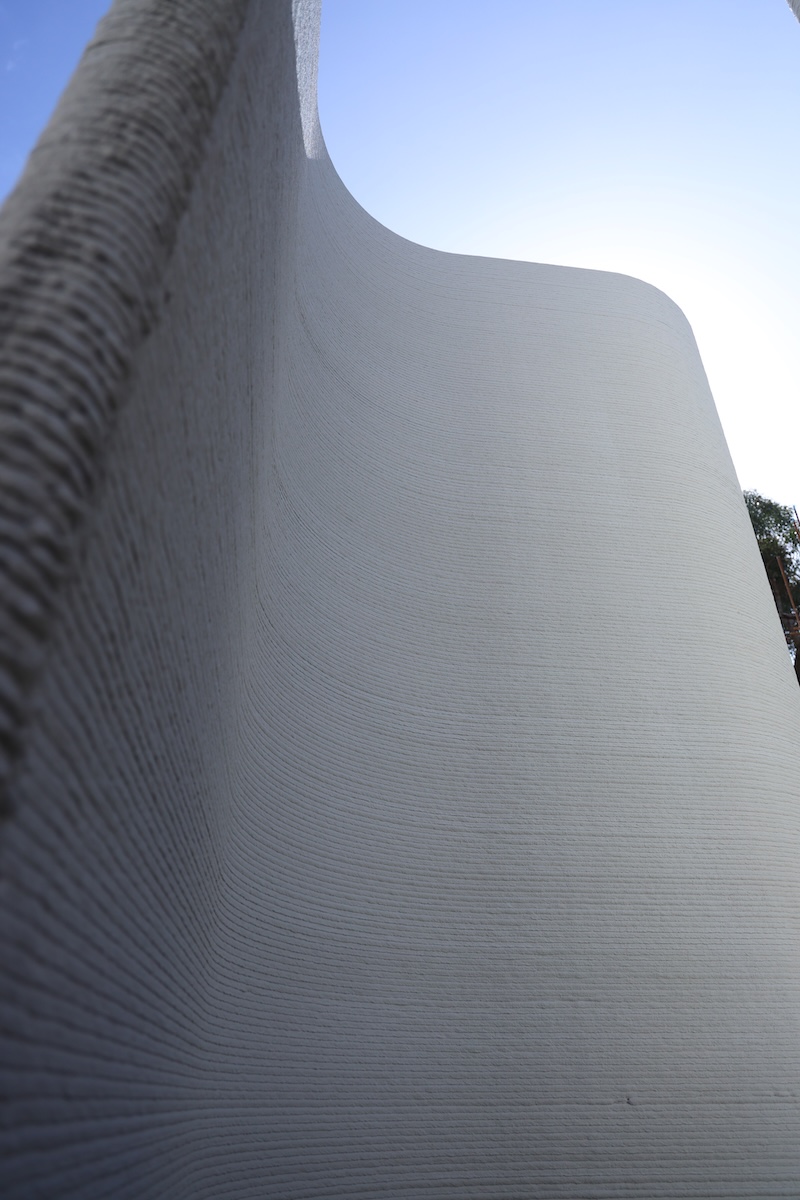
Contec Australia Completes First 3D Concrete Printed Swimming Pool Structure
Contec Australia has announced the completion of what it claims to be Australia’s first swimming pool structure built using large-scale 3D concrete printing. This innovative project includes a swimming pool, spa, and structural elements for a three-storey residence, showcasing the capability to create complex geometries directly from digital designs without the need for traditional formwork. This development is significant as it highlights the potential of 3D concrete printing to expedite construction timelines, especially amid ongoing labor shortages in the Australian construction industry. Contec Australia completed the ground floor walls in seven days, the upper level in six days, and the pool and spa in just two days, demonstrating a remarkable reduction in construction time compared to conventional methods. Looking ahead, Contec Australia is poised to expand its 3D concrete printing applications across various structural and infrastructure projects. The company has a growing pipeline of works and aims to leverage this technology to enhance efficiency and maintain design integrity in future developments. No further timeline was disclosed at the time of publication.
Construction Design News 3D concrete printed swimming pool 3d concrete printing additive construction
CRAFT: A Modular 3D-Printed Design Library for Continuum Robots
The University of Toronto's Robotics Institute has introduced CRAFT, a modular design library for continuum robots, featuring six types of 3D-printed modules based on flexible hinges. This library aims to enhance the versatility of continuum robots, which can bend continuously without rigid joints, making them ideal for navigating tight spaces such as inside the human body or aircraft wings. Continuum robots face challenges related to their length and weight, which can lead to difficulties in positioning and control. CRAFT addresses these issues by allowing for mechanical reconfiguration before tasks, enabling users to select and combine modules based on required performance characteristics. This approach simplifies the design process compared to traditional methods that require complete redesigns for different tasks. CRAFT currently includes six module types: low stiffness, medium stiffness, high stiffness, directional stiffness, unidirectional stiffness, and a scalable module. Each module is designed to provide specific mechanical properties, allowing for tailored solutions to various applications. No further timeline was disclosed at the time of publication.
Modular Robotics 3D Printing Continuum Robots Robotic Design Soft Robotics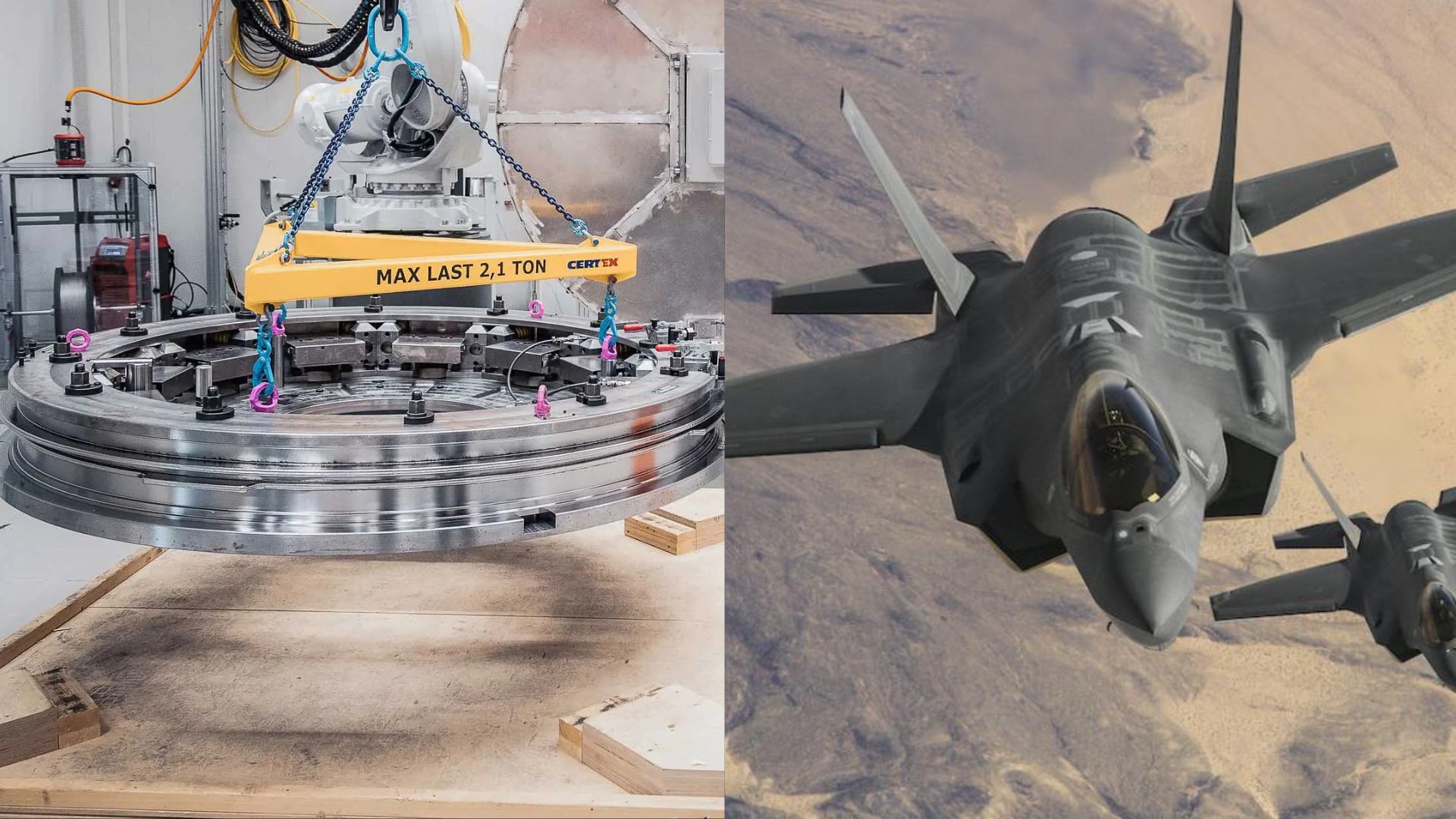
Pratt & Whitney and GKN Aerospace to Test 3D-Printed Engine Case for F-35 by 2028
RTX’s Pratt & Whitney has partnered with GKN Aerospace to develop a large additively manufactured structural component for the F135 fighter engine. The collaboration aims to certify this component by the end of 2028, following the production of a full-scale demonstrator in 2027. This initiative is significant as it represents a move towards integrating industrial-scale 3D printing into military propulsion systems. The focus is on creating a structural engine case that meets the performance standards of traditionally manufactured parts, which is crucial for the F-35 Lightning II's operational capabilities. Looking ahead, the project will provide valuable data on manufacturing quality and certification requirements, potentially transforming how larger structural components are produced in aerospace. No further timeline was disclosed at the time of publication.
Military
Florida Firm Haddy Utilizes Robotic Arms for 3D Printed TF-179 Drone Boat Production
Haddy, a Florida-based manufacturing company, has successfully produced the TF-179 Drone Boat using large-format robotic 3D printing. This innovative approach highlights the integration of additive manufacturing into maritime and defense sectors, allowing for faster production and more complex designs compared to traditional methods. The significance of this development lies in the evolving landscape of maritime manufacturing, where digital production technologies enable the rapid creation and modification of specialized vessels. Haddy's use of industrial robotic arms not only enhances production efficiency but also shortens development cycles, which is crucial for adapting to the dynamic requirements of unmanned maritime systems. Looking ahead, Haddy's advancements in robotic manufacturing indicate a growing demand for specialized maritime platforms within the US defense sector. As the company continues to refine its capabilities, the focus will likely remain on producing unmanned vessels that meet the changing operational needs of defense applications. No further timeline was disclosed at the time of publication.
Innovation
University of Texas Develops 3D-Printable Bio-Material for Diverse Applications
Engineers at The University of Texas at Austin have created a 3D-printable bio-material called JIBEs (Jammed Interconnected Bilayer Emulsions) that mimics the selective filtering capabilities of biological tissue. This innovative material can be produced rapidly and at scale, overcoming previous limitations in manufacturing tissue-like structures. The significance of this development lies in its wide-ranging applications across various fields, including medicine, robotics, computing, and environmental science. The bio-material's ability to replicate the organization of human cells allows for precise tissue growth, which could revolutionize organ grafting and enhance the functionality of soft robotics in complex environments. Looking ahead, the adaptability of this bio-material suggests potential breakthroughs in multiple industries. Its biocompatibility and structural flexibility position it as a promising platform for future innovations in healthcare and robotics. No further timeline was disclosed at the time of publication.
Innovation
KAIST Develops AI-Driven Soft Robotic Hand Capable of Gripping Various Objects
Researchers at KAIST have developed a soft, 3D-printed robotic hand using machine learning to create a highly stretchable elastomer. This material can stretch over six times its original length and has been successfully demonstrated in gripping a 1-kilogram water bottle and fragile items like eggs. The significance of this research lies in its potential applications across various fields, including soft robotics, wearables, and custom medical devices. By combining experimental data with AI, the team has shown that optimal material combinations can be identified more efficiently, overcoming challenges in traditional 3D printing methods. Looking ahead, the machine-learning approach used in this study could pave the way for rapid development of new 3D-printing materials with desirable properties. No further timeline was disclosed at the time of publication.
AI AI Funding & Investment Robotics 3D Printing DLP KAIST
Cleora Project in Salida, Colorado, Features 65 Robotically Built Homes
A 55-acre residential community named Cleora is emerging in Salida, Colorado, featuring over 65 homes constructed using robotic technology. This initiative, developed by Cleora in collaboration with True North and RIC Robotics, aims to showcase the potential of robotic construction for entire neighborhoods rather than just prototypes. The significance of Cleora lies in its ambition to transform community design and delivery through advanced construction technology. With nearly seven years of research backing the project, the developers have chosen RIC Robotics to implement two autonomous printing systems, marking a substantial deployment of robotic construction in a single residential area. As the first model home by True North is under construction, the project will gradually expand production based on system performance. Observers should watch for how Cleora integrates autonomous construction into a cohesive community while maintaining architectural diversity and cost control, a notable shift from typical standalone 3D-printed homes.
AI and Robotics
3D-printed autonomous interceptor aircraft targets hostile drone swarms at 350 mph
Colorado-based SkyDefense has introduced CobraJet, an autonomous interceptor aircraft designed to stop hostile drones before...
Military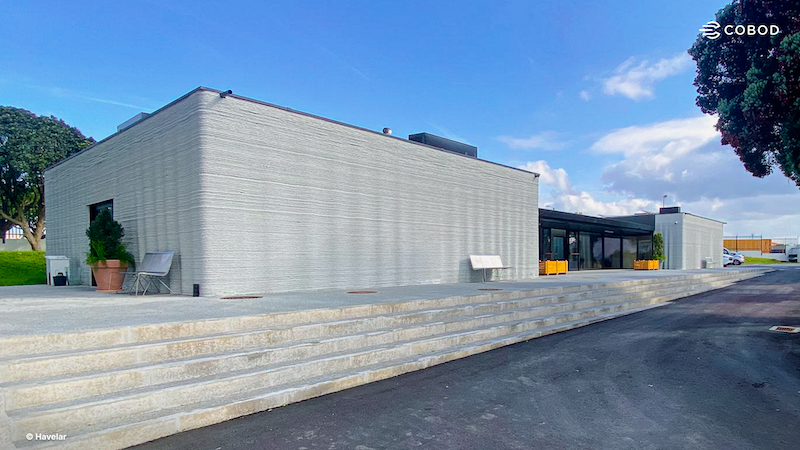
Large Portuguese building 3D printed in record 9 Days
Havelar, a Portuguese construction company specializing in 3D printing technology, has successfully completed a public building for the municipality of Matosinhos. The project involved the construction of a 500 square meter recycling center office located at the Ecocentro de Perafita in Porto. Remarkably, the building was printed in just nine days and completed within budget, utilizing a COBOD BOD2 construction 3D printer. This innovative approach not only showcases the efficiency of 3D printing in construction but also highlights the growing trend of sustainable building practices in the region.
Construction Features 3D printed buildings additive manufacturing automated construction automation news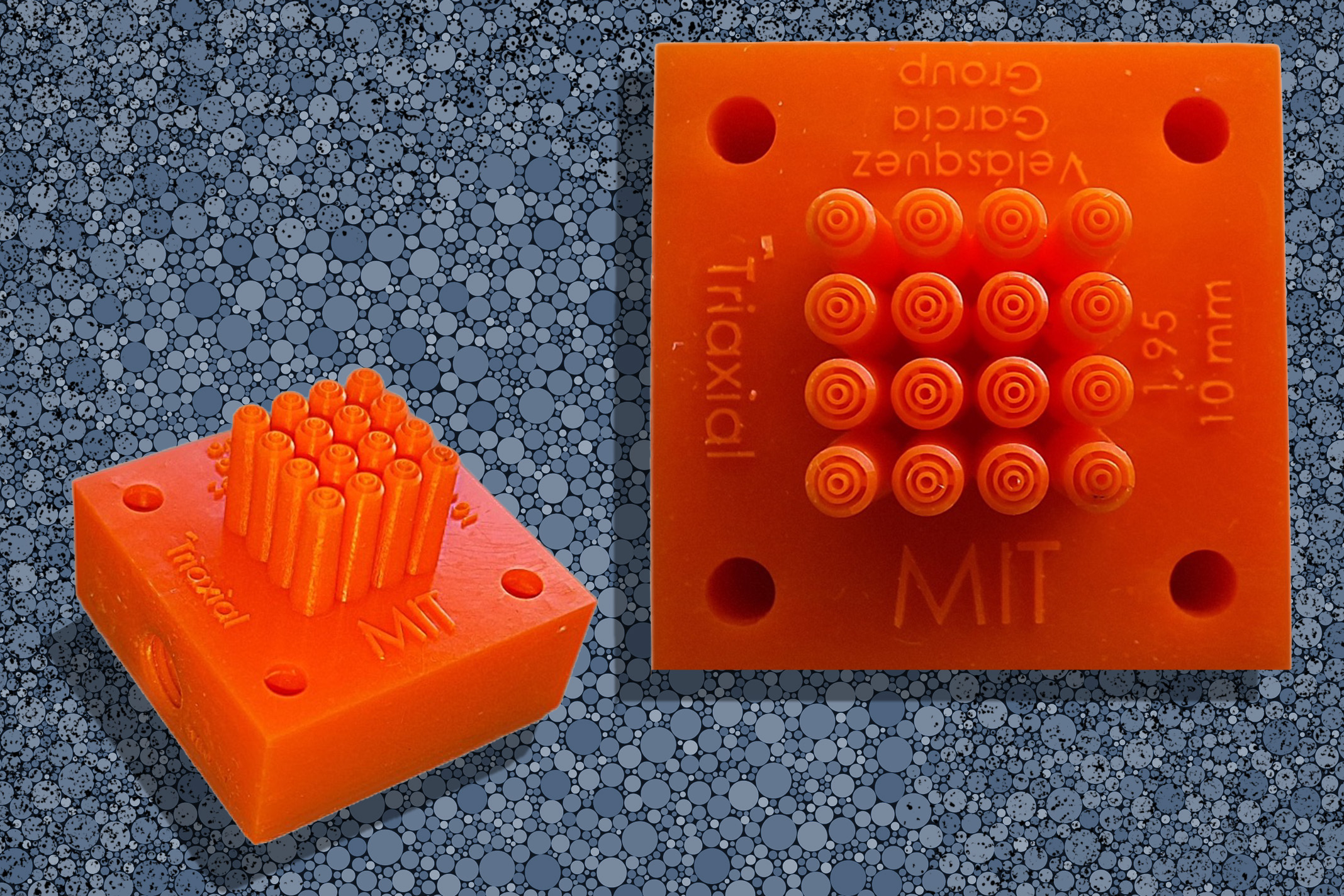
3D-printed devices could streamline the production of drug-delivery microparticles
A new development in particle production technology has emerged, utilizing cost-effective devices that can be constructed in just a few hours. These innovative devices employ electrospray emitter technology to efficiently generate three-layered particles on a large scale. This advancement is poised to enhance manufacturing processes across various industries by providing a faster and more economical method of particle creation. The introduction of these devices marks a significant step forward in the field, potentially leading to improved applications in pharmaceuticals, materials science, and other sectors that rely on precise particle engineering.
Research 3-D printing Additive manufacturing Electronics Medical devices Drug delivery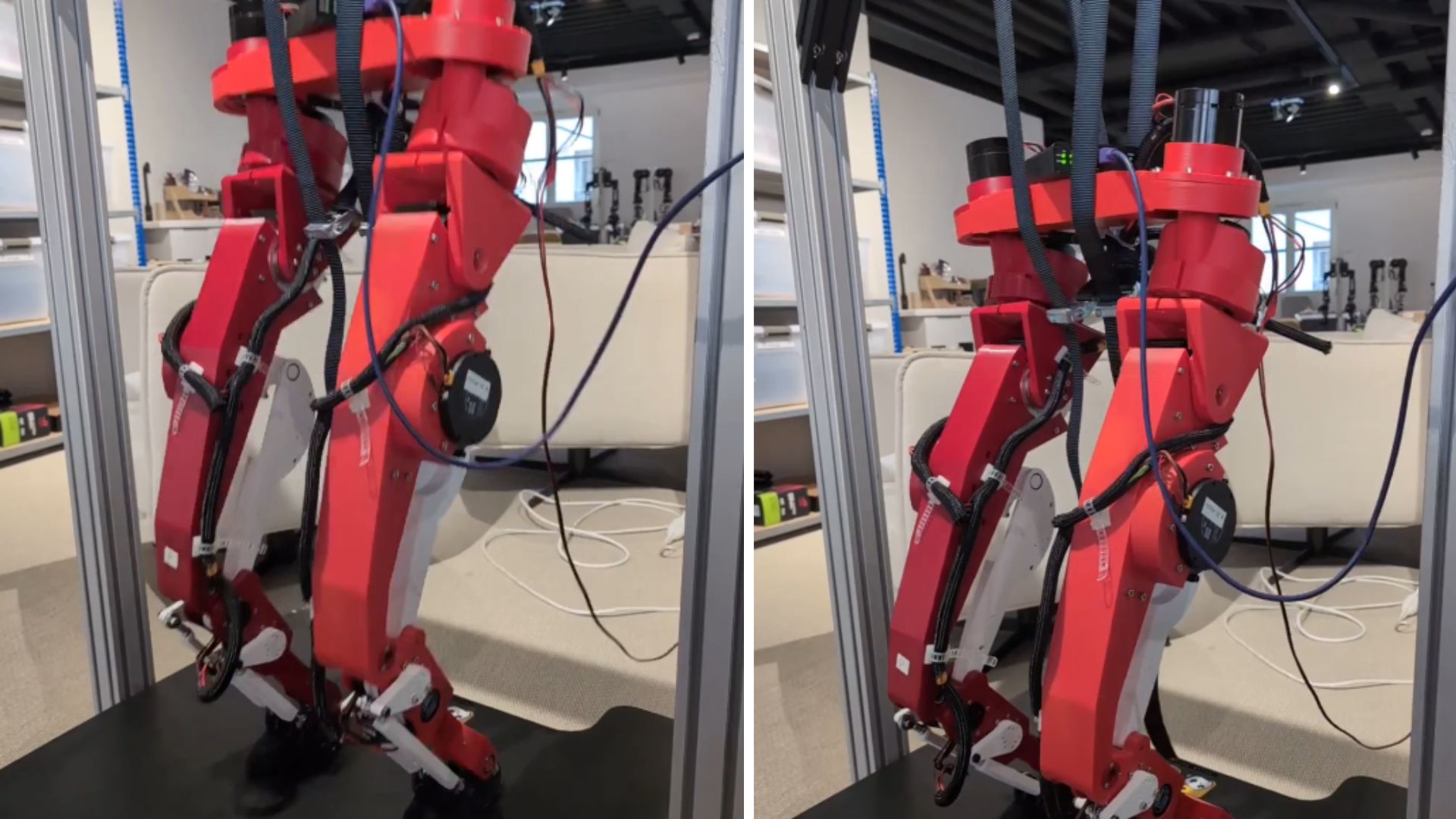
Hugging Face’s new $2.5k LeRobot Humanoid brings 3D-printed robotics within reach
Humanoid robots continue to be largely inaccessible to the general public due to their prohibitively high costs. As of October 2023, advancements in robotics have not yet translated into affordable options for consumers, leaving many interested in the technology unable to purchase or utilize these sophisticated machines. The ongoing research and development in the field aim to enhance the capabilities of humanoid robots, but the financial barriers remain a significant hurdle. Experts suggest that until production costs decrease and more efficient manufacturing processes are developed, widespread adoption of humanoid robots will remain unlikely. The situation highlights the need for innovation in both technology and economic models to make these advanced robots available to a broader audience.

Australia launches first 3D-printed unmanned drone boat in Southern Hemisphere
Australia has introduced the southern hemisphere's first 3D-printed uncrewed surface vessel, marking a significant advancement in maritime technology. The vessel was unveiled recently as part of the country's efforts to enhance its naval capabilities and promote innovation in defense. This groundbreaking project took place at a facility in Australia, showcasing the nation's commitment to integrating modern technology into its maritime operations. The initiative aims to improve surveillance and reconnaissance missions while reducing costs associated with traditional shipbuilding methods. By leveraging 3D printing technology, Australia hopes to streamline the production process, allowing for quicker deployment of advanced vessels in response to emerging maritime challenges.
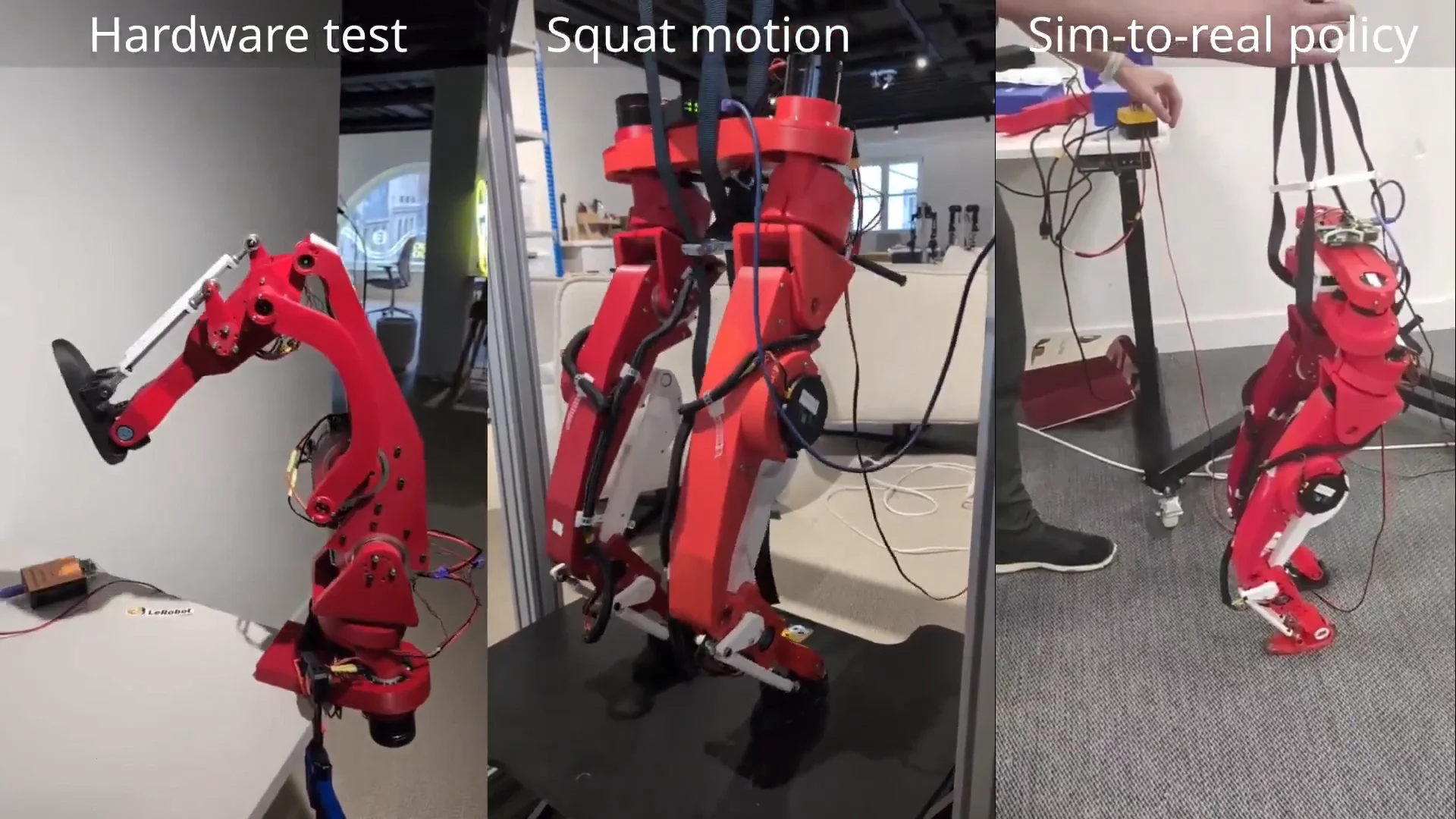
Hugging Face Launches $2,500 LeRobot Humanoid for Open-Source Robot Learning
Hugging Face has introduced the LeRobot Humanoid, an open-source bipedal robot designed for robot learning, with a build cost of approximately $2,500. This initiative aims to address the significant barrier in open-source robotics, which is the limited availability of accessible physical platforms for testing software. By prioritizing reproducibility and repairability, the LeRobot Humanoid offers a practical alternative to expensive proprietary hardware. The significance of the LeRobot Humanoid lies in its potential to democratize physical AI and facilitate research in reinforcement learning. Researchers can now conduct real-world tests without the constraints of costly and fragile equipment. The robot's design allows for easy repairs and modifications, enabling users to focus on learning experiments rather than hardware limitations. Looking ahead, Hugging Face's strategy in the open-robotics sector is becoming increasingly clear. The company is building a comprehensive ecosystem that includes the LeRobot software library and partnerships with other robotics firms. As the LeRobot Humanoid remains an experimental platform, future developments will likely focus on refining its capabilities and expanding its applications in the field of robotics.
LeRobot Europe open-source hugging-face
New 3D-printed battery electrodes double storage capacity across 7,500 charge cycles
Researchers at Lawrence Livermore National Laboratory (LLNL) have unveiled an innovative 3D-printed electrode design aimed at enhancing electrochemical processes. This breakthrough, announced recently, promises to improve the efficiency and performance of energy storage systems, such as batteries and fuel cells. The development comes in response to the growing demand for advanced energy solutions that can support sustainable technologies and reduce reliance on fossil fuels. By leveraging 3D printing techniques, the team has created a more intricate and optimized electrode structure that allows for better ion flow and increased surface area, ultimately leading to higher energy density and faster charging times. This advancement could play a crucial role in the transition to cleaner energy sources, addressing both environmental concerns and the need for more efficient energy storage solutions in various applications.
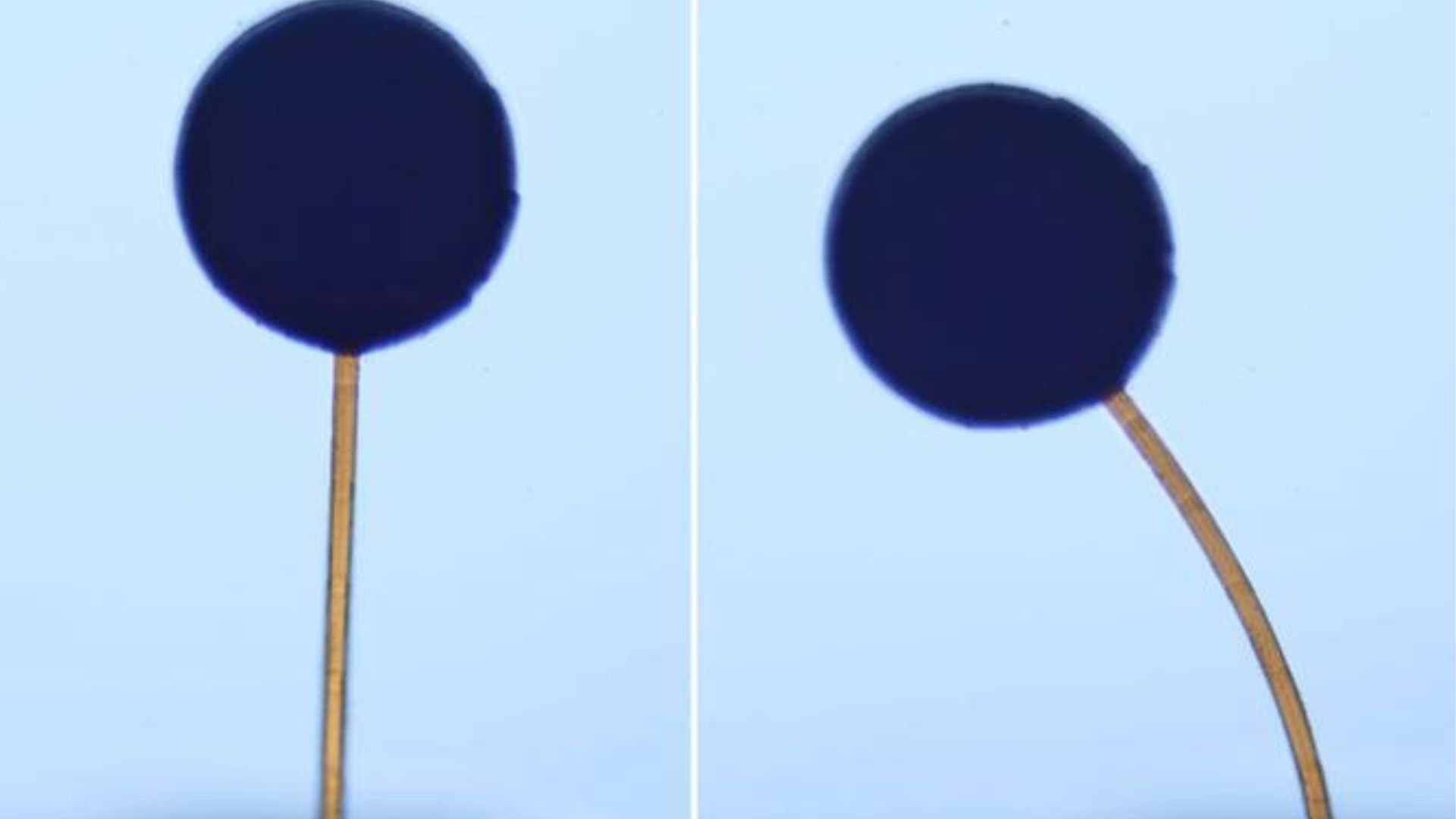
MIT engineers develop 3D-printed micro-robots that can be controlled by magnets
A team of engineers has successfully developed an innovative soft magnetic hydrogel that can be 3D-printed into intricate microscopic structures. This breakthrough, announced in October 2023, opens new avenues for applications in various fields, including biomedical engineering and robotics. The hydrogel's unique properties allow it to respond to magnetic fields, making it particularly useful for creating responsive materials and devices. By utilizing advanced 3D printing techniques, the engineers demonstrated the ability to fabricate complex shapes that were previously difficult to achieve with traditional materials. This advancement not only enhances the versatility of hydrogels but also paves the way for future research and development in smart materials.

Alive or not? Tiny 3D-printed robots that swim and navigate just like animals
Researchers at Leiden University, led by Professor Daniela Kraft and Mengshi Wei, have developed innovative microscopic robots that operate independently of sensors, software, or external control. These tiny robots, measuring just a few tens of micrometers—significantly smaller than a human hair—exhibit remarkable capabilities such as swimming, sensing, navigating, and adapting to their surroundings in a manner reminiscent of living organisms. Their unique behavior is a result of their design and interactions with the environment, rather than any form of centralized control or intelligence. This groundbreaking work, which showcases the potential for autonomous micro-robots, could have significant implications for various fields, including medicine and environmental monitoring.
Robotics
SeaRush Takes a Step Towards Scalable 3D-Printed USVs
MARIN has successfully completed the initial on-water tests of its prototype SeaRush Uncrewed Surface Vessel (USV) in the Rijnhaven area of Wageningen. This significant milestone marks the evolution of the design into a functional floating test platform for uncrewed maritime systems, achieved within a span of five months. The tests aim to advance the development of autonomous vessels, which are expected to enhance efficiency and safety in maritime operations. By conducting these trials in a controlled environment, MARIN is exploring the vessel's capabilities and performance, paving the way for future innovations in the field of uncrewed maritime technology.
searush 3d-printing usvRobotics needs a service framework.
RSF defines a common language for robot service capability, lifecycle operations, certification pathways, and service-provider networks.
Join the RobotToday community on LinkedIn
Daily robotics news, in-depth analysis, conference highlights, and discussions with professionals worldwide.







