

Industry Briefing
A single destination for timely, editor-curated robotics news from around the world.

Nammo CEO Morten Brandtzæg Warns of 10-Year Capability Gap Due to US-EU Rift
Morten Brandtzæg, CEO of Nammo, has expressed concerns that a potential rupture between Europe and the United States could lead to a significant 10-year capability gap in defense. He emphasized the importance of maintaining the interconnected industrial base among allies to avoid fragmentation. The warning highlights the critical nature of collaboration in defense sectors, where shared technologies and resources are essential for maintaining competitive capabilities. Brandtzæg's remarks underscore the risks associated with geopolitical tensions that could disrupt established partnerships and technological advancements. Looking ahead, stakeholders in the defense industry should monitor developments in transatlantic relations and their implications for defense capabilities. The potential for a capability gap could influence procurement strategies and investment decisions in the coming years. No further timeline was disclosed at the time of publication.
Air Warfare Global Land Warfare Air Force AMRAAM Army
NVIDIA and LG Set Ambitious Goal of 100,000 Hours of Robot Training Data by Year-End
NVIDIA and LG Electronics have set a new benchmark in robot training data, aiming for 100,000 hours by year-end. This initiative was announced during a visit by NVIDIA's Senior Director of Omniverse and Robotics Marketing, Min-San Huang, to LG's Yangjae R&D Center in Seoul, following a strategic partnership agreement signed just days earlier. This ambitious target is significant as it surpasses the training data of other companies, such as Ant Group's LingBot-VLA 2.0 model, which has 60,000 hours. The training data will be sourced from a mix of real and synthetic data, leveraging decades of LG's operational data in manufacturing and logistics, enhanced through NVIDIA's Omniverse and Isaac robotics development platform. Looking ahead, LG plans to deploy hundreds of CLOiD robots at the Yangjae data factory, which features various training environments. The company aims to launch a next-generation bipedal robot based on NVIDIA's Isaac GR00T model by Q1 2027. No further timeline was disclosed at the time of publication.
Robot Training AI Robotics Manufacturing Data Analytics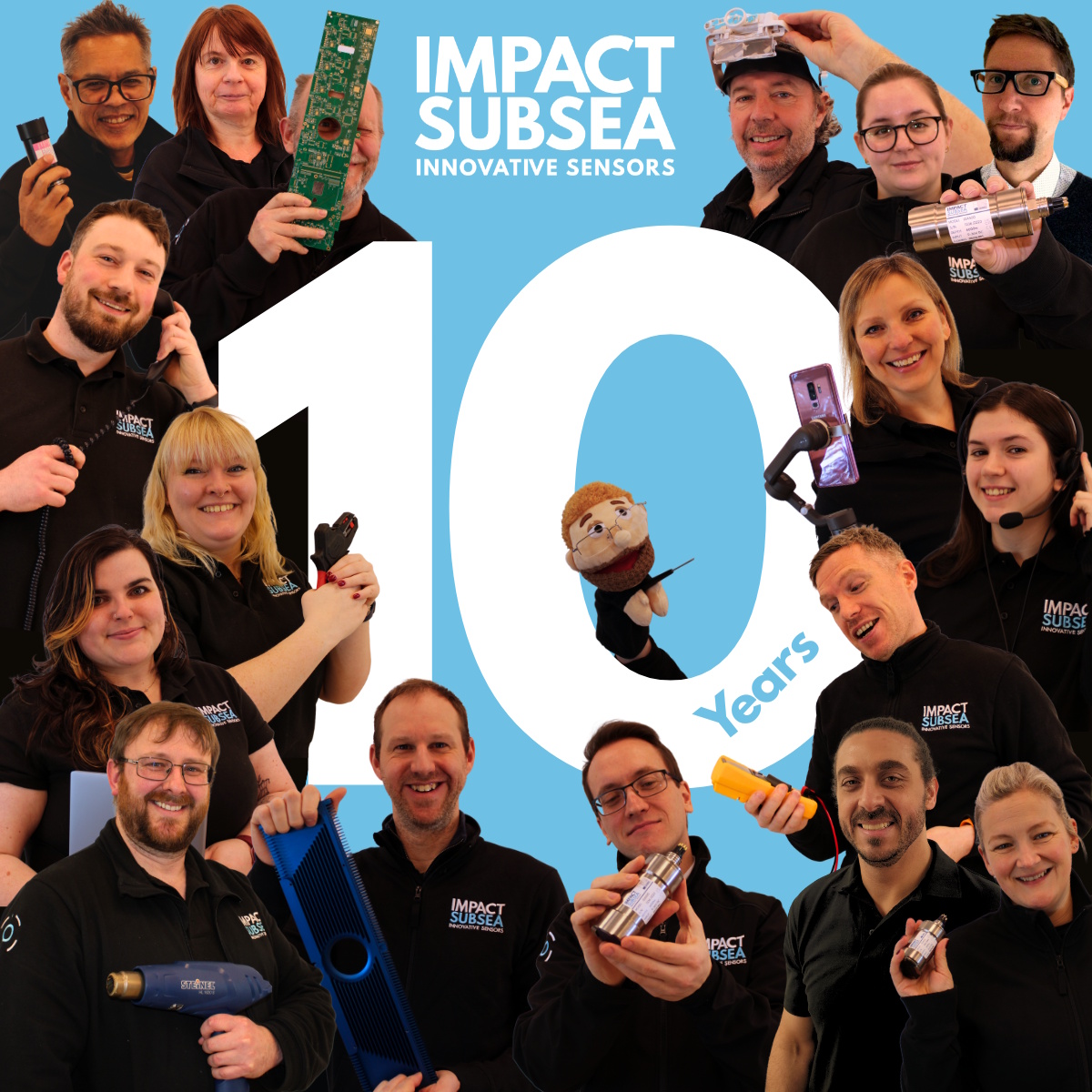
Impact Subsea Rides Wave of Growth, Announces Expansion, Hiring Spree and 10-year Anniversary Celebration
Impact Subsea, a prominent provider of underwater sensor technology, is currently undergoing significant expansion due to a surge in demand for its innovative products. The company has recently relocated to larger facilities to accommodate its growth and is set to unveil new cutting-edge technologies. Additionally, Impact Subsea is preparing to celebrate its 10th anniversary, which is expected to further enhance its visibility in the industry. This period of growth is also creating new career opportunities for skilled professionals looking to join the team.
impact subsea growth 10-year anniversary celebration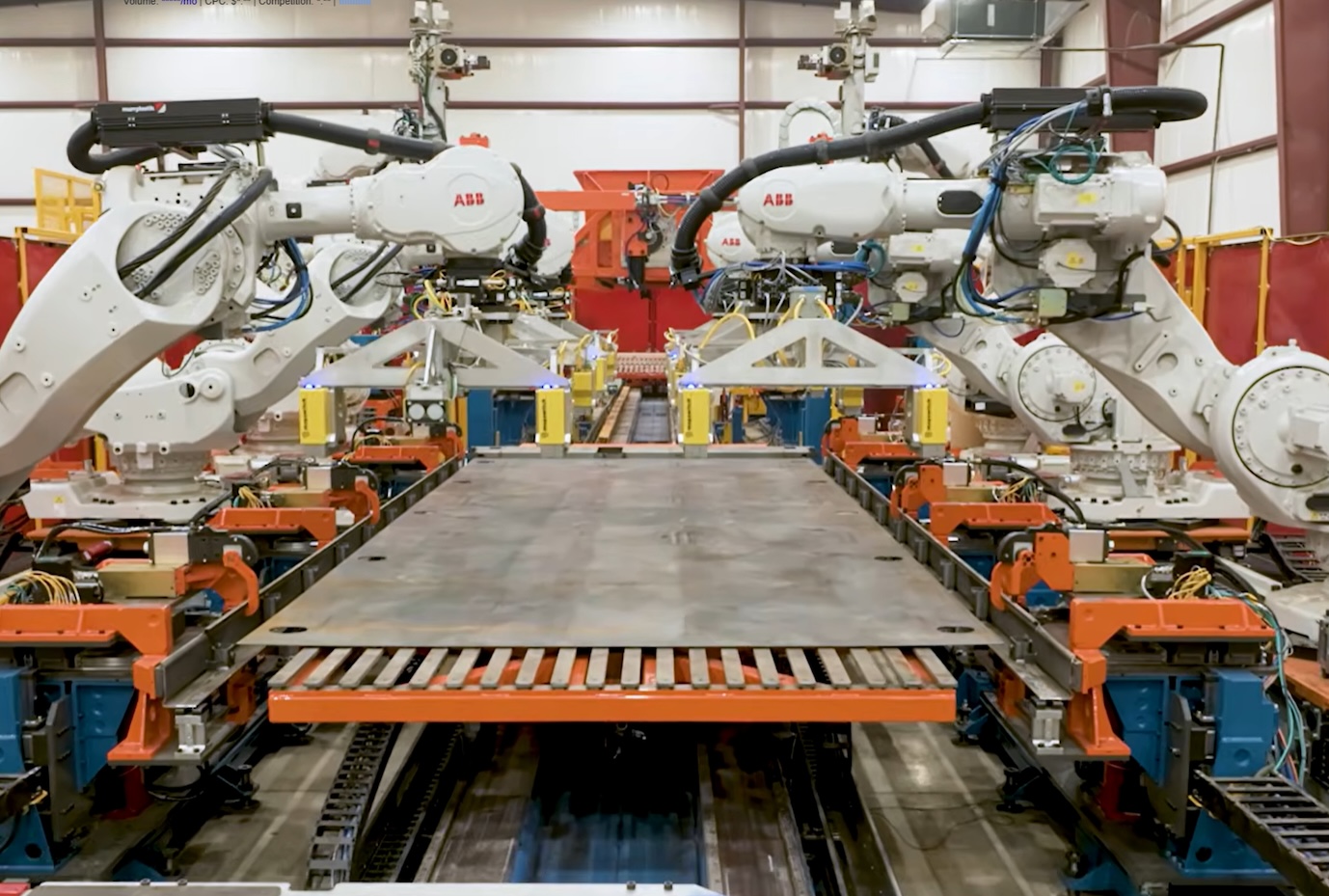
Celebrating 10 Years of ROBOTIK UND PRODUKTION Since Its Launch in 2016
In April 2016, the first print edition of ROBOTIK UND PRODUKTION was launched at the Hannover Messe. Since its inception, the magazine has evolved into a significant media brand within the robotics and production sectors. The growth of ROBOTIK UND PRODUKTION over the past decade highlights its impact on the industry, providing valuable insights and information to professionals in robotics and automation. Its establishment at a major event like Hannover Messe underscores its relevance and commitment to the field. Looking ahead, the continued evolution of ROBOTIK UND PRODUKTION will be crucial as it adapts to the changing landscape of robotics and production technologies. No further timeline was disclosed at the time of publication.
Allgemein
MARTAC Increases Devil Ray Drone Boat Production by 100 Units Annually
MARTAC has partnered with SŌLACE Boats to boost production of its Devil Ray autonomous vessels by 100 units per year, responding to rising demand from U.S. and allied governments. This partnership, announced on September 15, will leverage SŌLACE's 200,000-square-foot production facility in Edgewater, Florida, enhancing MARTAC's manufacturing capabilities. The collaboration is significant as it allows MARTAC to scale production without the need for additional manufacturing facilities, utilizing SŌLACE's expertise in high-performance boat construction. The Devil Ray T24, launched in 2023, is designed for multi-role missions and can deploy smaller MANTAS T12 USVs, showcasing its versatility in various maritime environments. Looking ahead, MARTAC's agreement with SŌLACE is part of a broader strategy to expand its production through partnerships with established marine manufacturers. The company had previously announced a co-production agreement with Mystic Powerboats, indicating a commitment to increasing domestic production capacity for its autonomous vessels. No further timeline was disclosed at the time of publication.
Military
OpenAI Agents Solve 90-Year-Old Navier-Stokes Problem in Just 88 Hours
OpenAI has announced that its internal system has identified a finite-time singularity in the three-dimensional Navier–Stokes equations. This breakthrough could potentially resolve one of the seven Millennium Prize Problems in mathematics. The solution describes a fluid that begins smooth and at rest, but experiences a vortex collapse that leads to unbounded velocity while maintaining finite total energy. This discovery is significant as it challenges long-standing mathematical theories regarding fluid dynamics. The Navier-Stokes equations have historically resisted proof of whether smooth solutions must remain smooth. OpenAI's approach involved a network of agents working on various versions of the problem, demonstrating the potential of advanced AI systems in tackling complex mathematical challenges. Looking ahead, the implications of this solution could extend beyond mathematics into fields such as physics and engineering, where understanding fluid dynamics is crucial. No further timeline was disclosed at the time of publication.
AI and Robotics
Windows 10 free support extension program extended for one more year until October 12, 2027.
Microsoft has quietly updated its support page to announce a one-year extension of the Extended Security Update (ESU) program for Windows 10. Originally set to end in October 2026, general user support will now automatically continue until October 2027. Devices that are already registered will continue to receive security updates until the new deadline of October 12, 2027. This decision aims to provide users with continued protection and support as they transition to newer operating systems.

Ministry of Health loses 2 years and 10 months of Teams chat due to Toshiba's error, some data irretrievable.
The Ministry of Health, Labour and Welfare announced that chat messages from Microsoft Teams, sent between January 4, 2023, and October 29, 2025, have been lost due to an operational error by Toshiba, the company responsible for managing the system. Among the missing data, some administrative documents included in the chats are reportedly difficult to recover.

Canada and Ukraine Forge Long-Term Defense Partnership for Uncrewed Technologies
Canada and Ukraine have entered a significant defense agreement to collaboratively produce uncrewed technologies, counter-drone systems, and munitions. This partnership, announced by Canadian Prime Minister Mark Carney during Ukrainian President Volodymyr Zelenskyy's visit to Calgary, aims to enhance Ukraine's defense capabilities amid ongoing Russian aggression. The agreement is part of a broader commitment to a '100-year partnership' between the two nations, combining Ukraine's battlefield experience with Canada's manufacturing and technological expertise. Notably, General Dynamics Mission Systems of Canada and Ukraine's Green Tech Harvest will explore co-producing Ukrainian-designed drones, while Canada plans to invest approximately $350 million in air defense interceptors through the Joint Ukraine Multinational Program. Looking ahead, the partnership is expected to bolster Ukraine's air defense capabilities significantly, with Zelenskyy highlighting the training of 21 Ukrainian pilots in Canada. However, specific operational details regarding the drone cooperation remain limited. No further timeline was disclosed at the time of publication.
Air Warfare Allies Air Force canada Drones Europe
Canada and Ukraine Sign Long-Term Pact to Boost Drone Production and Security Collaboration
Canada has launched a new national Defence Drone Initiative Marketplace (DDIM) to enhance its security partnership with Ukraine. This initiative aims to increase drone production, reflecting a commitment to strengthen defense capabilities between the two nations. The establishment of the DDIM is significant as it underscores Canada's dedication to supporting Ukraine amid ongoing security challenges. By fostering collaboration in drone technology, both countries aim to bolster their defense strategies and enhance operational effectiveness in addressing threats. Looking ahead, the focus will be on the outcomes of this initiative and how it influences defense production capabilities. No further timeline was disclosed at the time of publication.
News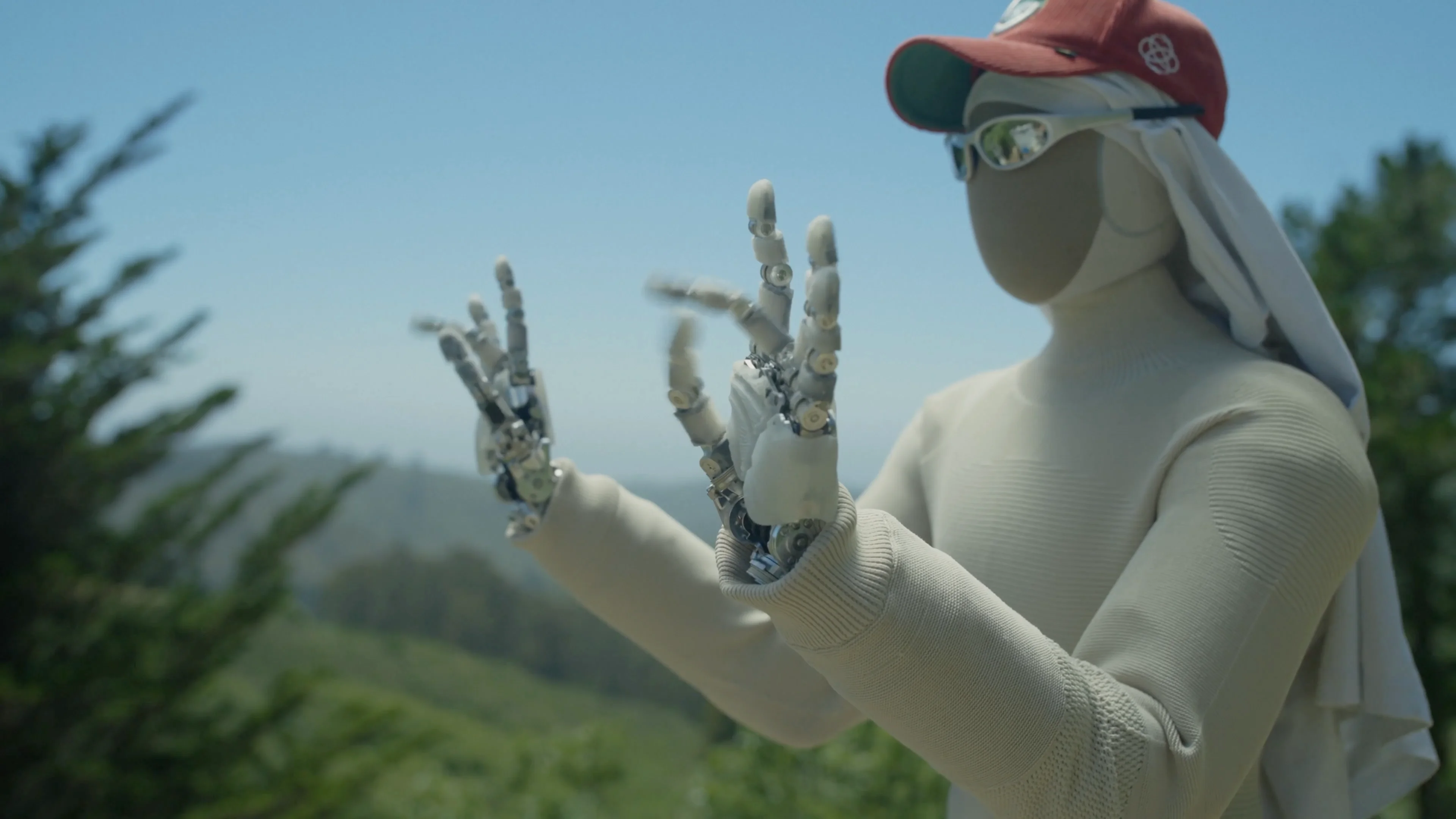
SoftBank Negotiates for Majority Stake in 1X Technologies Valued at $6 Billion
SoftBank Group is in discussions to acquire a majority stake in 1X Technologies, valuing the Norwegian-American startup at approximately $6 billion. This potential deal would provide SoftBank founder Masayoshi Son with controlling interest in a leading bipedal robotics platform, marking a significant financial milestone for 1X as it shifts from research prototypes to consumer hardware. The acquisition is noteworthy as it reflects a reduction from 1X's previous valuation of $10 billion, which it sought last year. While the $6 billion valuation indicates a markdown, it also represents a substantial increase from earlier institutional valuations. Surrendering a controlling interest could offer 1X long-term financial stability, crucial for scaling its capital-intensive hardware development. As discussions continue, key terms remain unaddressed, including the final structure of the deal. Additionally, 1X's recent activities, such as collaborations with renowned designer Naoto Fukasawa, highlight its commitment to innovative design in humanoid robotics, although there is no direct link to the SoftBank negotiations. No further timeline was disclosed at the time of publication.
1X Technologies US Europe Market softbank Japan
Paxini AI Secures 1 Billion Yuan in Strategic Financing, Totaling 3.5 Billion Yuan
Paxini AI Technology (Beijing) Co., Ltd. has confirmed the completion of a strategic financing round amounting to 1 billion yuan. This round was led by a global consumer electronics and semiconductor giant, along with other investors, bringing the company's total funding to approximately 3.5 billion yuan and a post-financing valuation exceeding 10 billion yuan. This funding round is significant not only for its amount but also for its structure and timing. Over the past five years, Paxini has successfully raised funds through multiple rounds, demonstrating sustained recognition from industry capital. The involvement of various industry players as shareholders indicates a shift from mere customers to investors, validating the company's tactile sensing solutions in real-world applications. Looking ahead, Paxini's core business revolves around 6D Hall array multi-dimensional tactile sensing technology, with products including high-precision tactile sensors and humanoid robots. The company has notably reduced the price of its basic sensors from over 100,000 yuan to 199 yuan, maintaining high precision. This cost innovation is expected to transform tactile sensors from optional to standard configurations in robotics, paving the way for large-scale deployment and continuous data flow.
Tactile Sensors AI Technology Humanoid Robots Funding Market Innovation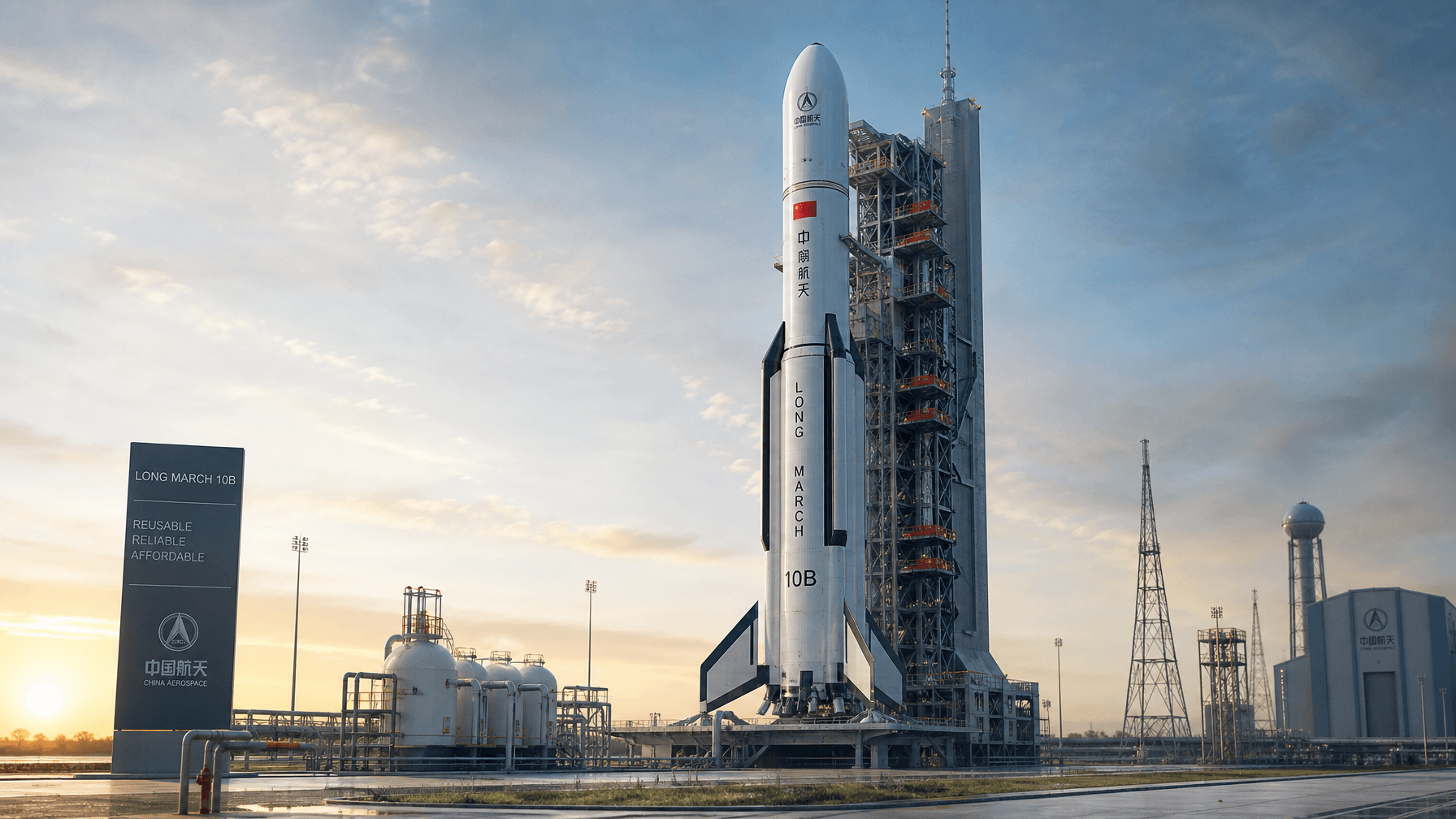
Long March 10B Achieves Successful Recovery, Boosting China's Commercial Space Efforts
China's Long March 10B rocket successfully completed its first flight recovery, marking a significant milestone in the country's commercial space sector. This achievement is expected to accelerate competition among companies like LandSpace and JianYuan, which are also aiming for reflight milestones by the end of 2023. The successful recovery of the Long March 10B is crucial as it demonstrates China's growing capabilities in reusable rocket technology, which is essential for reducing launch costs and increasing launch frequency. This development positions China as a formidable player in the global commercial space race, potentially attracting more investments and partnerships in the sector. Looking ahead, both LandSpace's Zhuque-3 and JianYuan's YX-1 are targeting their own reflight milestones within the same timeframe. No further timeline was disclosed at the time of publication, but the ongoing advancements suggest a rapidly evolving landscape in China's commercial space endeavors.
Technology
Tesla's Optimus Robots to Support Starmind Satellite Production, Not Maintenance
Tesla's Optimus robots will not be used to repair Starmind satellites in orbit, as confirmed by recent statements from Elon Musk. Instead, these robots are intended to assist in the construction and operation of the Terafab chip manufacturing facility in Texas. The AI1 satellites, designed to disintegrate upon reentry, highlight the company's swap-and-replace strategy rather than traditional maintenance practices. This approach is significant as it reflects a broader trend in satellite management, where mass-produced satellites are replaced rather than repaired. The economics of servicing missions are prohibitive, with the cost of launching a replacement satellite being significantly lower than conducting a repair mission. This model aligns with SpaceX's operational history, where rapid replacement of satellites is more efficient than attempting to maintain them in orbit. Looking ahead, the focus will remain on the production capabilities of the Gigasat factory, which is expected to support the continuous replacement of satellites. No further timeline was disclosed at the time of publication, but the demand for rapid satellite turnover suggests a robust future for Optimus robots in terrestrial manufacturing rather than in-space servicing.

SpaceX's Starmind Project: Supplier Strategy and Chip Manufacturing Plans for 2026
SpaceX's Starmind project, aimed at deploying up to 1 million AI satellites, was filed with the FCC on January 30, 2026. The initiative is designed to minimize reliance on external suppliers, with CEO Elon Musk stating that current chip production capabilities only meet 2% of the projected needs. The first satellite, AI1, is set for prototype launches in early 2027, featuring a 70-meter wingspan and a modular payload system that allows for interchangeable chips from various suppliers. The significance of Starmind lies in its ambitious supply chain strategy, which seeks to transition from external hardware suppliers to a fully integrated Musk-owned facility by 2028. The Gigasat manufacturing site in Bastrop, Texas, is expected to be operational by the end of 2027, with plans for high-volume production of the D3 chip, specifically designed for space applications. This approach aims to consolidate chip manufacturing processes under the Terafab joint venture, which has an estimated initial investment of $55 billion. Looking ahead, the next milestone for Starmind is the launch of AI1 prototypes in early 2027, while the full-scale chip production at Terafab is projected to ramp up significantly thereafter. However, analysts express skepticism regarding the feasibility of achieving Musk's ambitious compute goals, which may require substantial investment and time to establish the necessary manufacturing capabilities.

Starmind's Satellite Technology Achieves 880 Billion Liters in Annual Water Savings
Starmind has announced that its satellite technology can save approximately 880 billion liters of cooling water annually at full scale. This figure is equivalent to the annual household water use of around 6.5 million Americans. The technology operates by utilizing a closed-loop liquid cooling system that eliminates the need for water during its operational life, contrasting sharply with traditional ground data centers that consume vast amounts of water for cooling. The significance of this achievement lies in the growing water consumption crisis faced by data centers, particularly as AI expansion drives demand. In 2025, U.S. data centers consumed nearly one trillion liters of water, highlighting the urgent need for sustainable solutions. Starmind's approach not only addresses direct water usage but also avoids indirect water consumption associated with electricity generation, marking a substantial shift in how computing can be conducted in a resource-efficient manner. Looking ahead, Starmind's deployment strategy includes a projected buildout of 100 GW of orbital compute per year, which could displace an additional 735 billion liters of ground water demand annually. The first tranche of 10,000 satellites is already operational, offsetting approximately 8.8 billion liters of water per year. No further timeline was disclosed at the time of publication.
SpaceX's Starmind Faces Feasibility Challenges for 1 Million Satellite Deployment
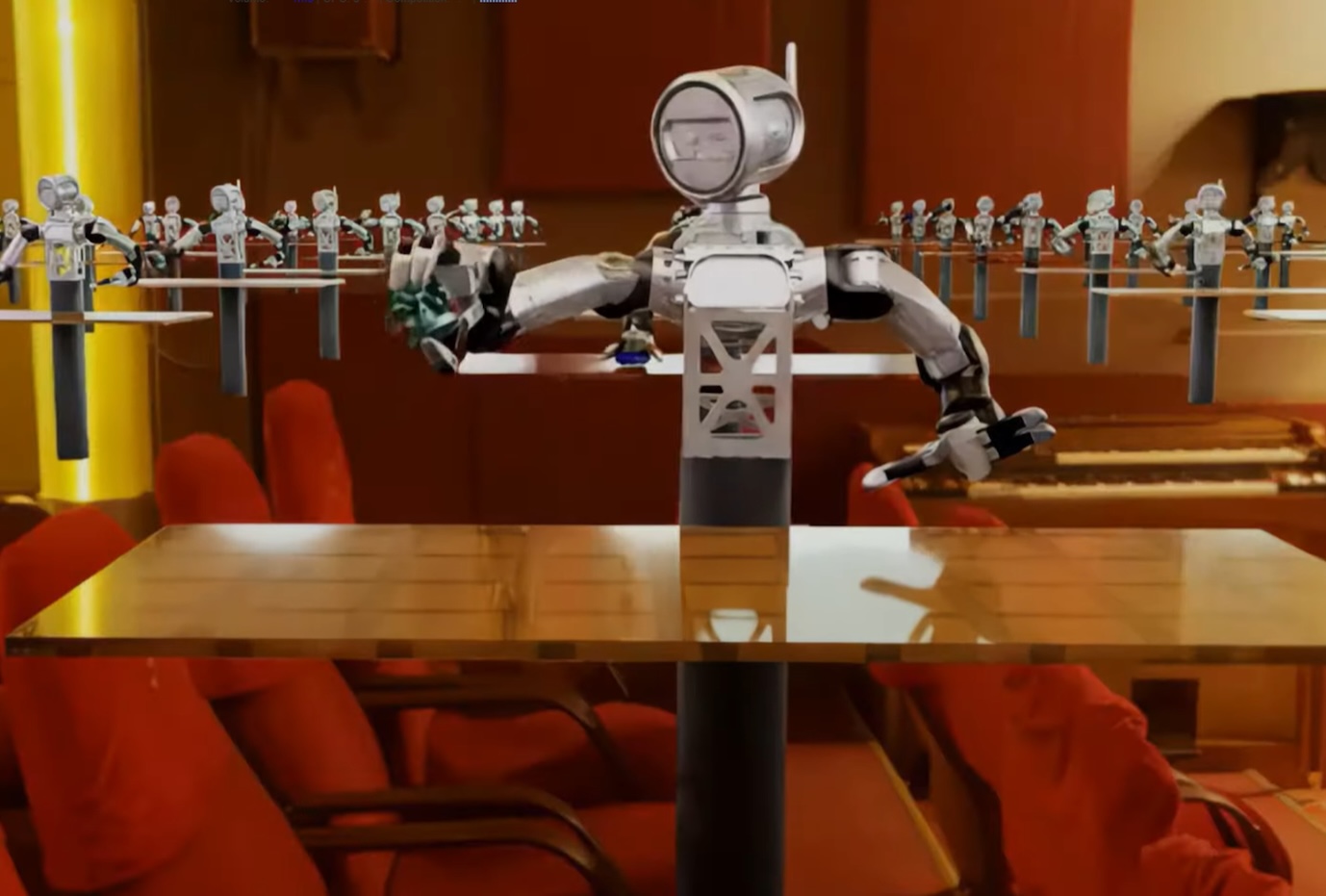
On January 30, 2026, SpaceX submitted a request to the FCC to launch up to 1 million satellites as part of its Starmind orbital compute constellation. This ambitious plan is unprecedented, as the total number of satellites ever launched globally is in the low tens of thousands. The proposal seeks a waiver from standard deployment milestones, citing reliance on the Starship's full reusability for success. The significance of this request lies in the technical and logistical challenges it presents. Experts warn that low Earth orbit may not support the proposed number of active satellites without risking a debris cascade. SpaceX's own IPO prospectus acknowledges unresolved dependencies related to Starship's launch cadence and reusability, which are critical for the orbital AI compute strategy. Looking ahead, the timeline for achieving the necessary launch cadence and manufacturing capacity remains uncertain. SpaceX's Gigasat facility in Texas aims for volume production by late 2027, but this would require unprecedented output levels. No further timeline was disclosed at the time of publication, leaving the feasibility of the Starmind project in question.

Starmind's Orbital Compute vs. Terrestrial Data Centers: Analyzing Resource Advantages
Starmind's orbital compute technology presents a significant advantage over traditional ground-based data centers by eliminating constraints related to land, water, and grid permitting. While terrestrial data centers are currently cheaper and faster to construct, with U.S. data center spending reaching $85.3 billion in 2026, Starmind's approach focuses on addressing the growing resource limitations faced by hyperscale facilities. The significance of Starmind's technology lies in its ability to sidestep the increasing challenges of land and water usage. For instance, a 100 MW data center can consume approximately 530,000 gallons of water daily for cooling, while Starmind's AI1 utilizes deployable liquid radiators that require no water. This structural advantage could resonate with investors as the demand for AI computing continues to escalate, potentially leading to annual water withdrawals of up to 1.7 trillion gallons by 2027. Looking ahead, Starmind's next milestones include the launch of AI1 prototypes scheduled for early 2027. However, the technology's claims regarding cooling efficiency and operational reliability remain unverified until real flight data is available. As the industry evolves, the competition between orbital and terrestrial solutions will become increasingly relevant, particularly in the context of resource management and sustainability.
SpaceX Proposes 1 Million AI Satellites to Address Ground Data Center Constraints
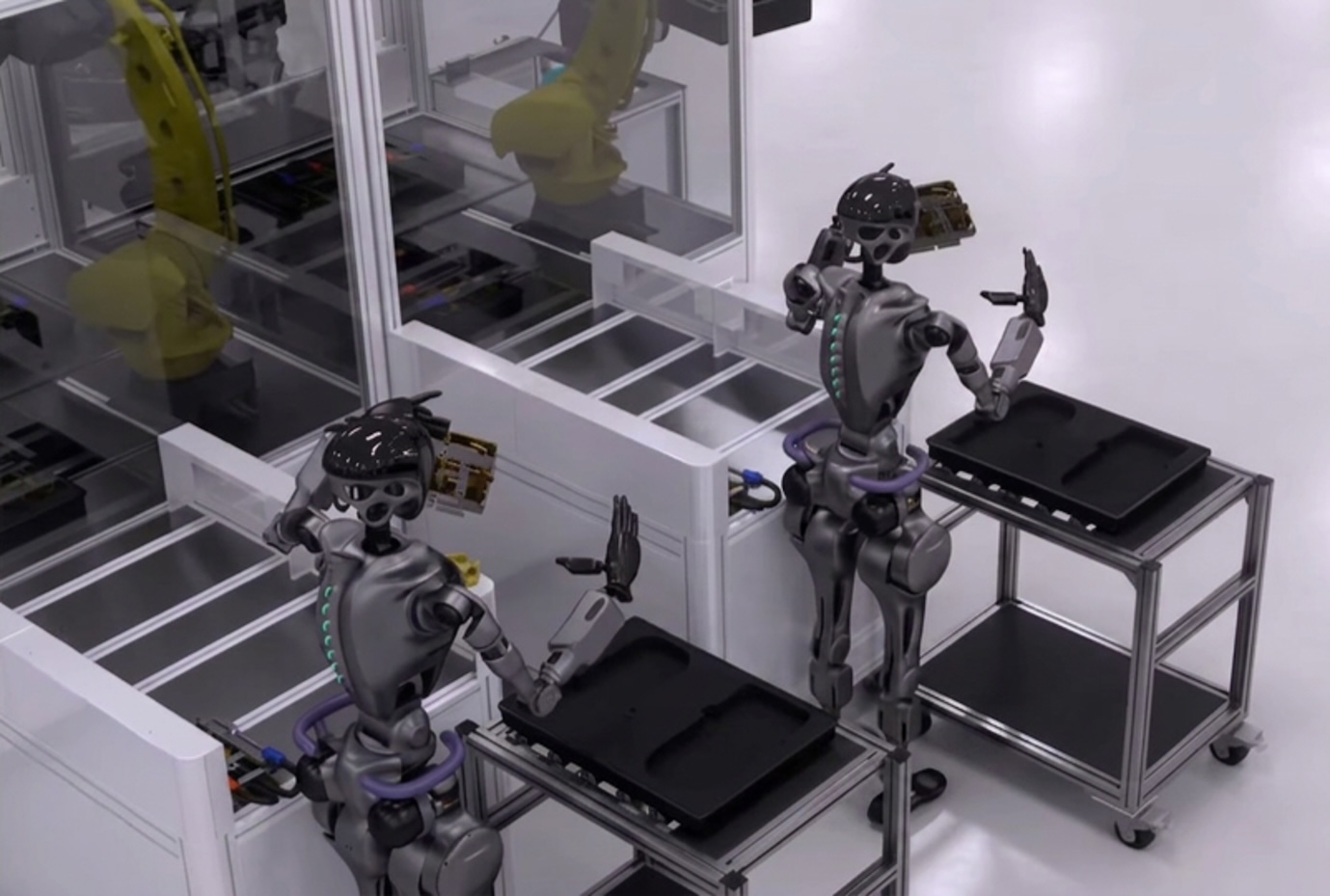
On January 30, 2026, SpaceX filed with the FCC to launch up to 1 million AI compute satellites, positioning orbital data centers as a solution to the increasing demand for AI computing power. Ground data centers are facing significant challenges, with energy consumption projected to reach approximately 1,050 TWh in 2026, making them the fifth-largest electricity consumer globally. The demand for new data center capacity is outpacing the growth of power generation infrastructure, leading to a critical bottleneck in the grid system. The significance of this initiative lies in the structural constraints faced by ground data centers, including power delivery limitations, high water consumption, and local opposition to new projects. The Uptime Institute's 2026 outlook identifies power as the primary constraint on data center growth, with capacity clearing prices in the PJM grid skyrocketing to $329.17/MW, driven by data center expansion. Additionally, cooling requirements are becoming increasingly unsustainable, with facilities consuming vast amounts of water, further complicating their operational viability. Looking ahead, SpaceX's orbital AI compute initiative aims to circumvent these challenges by leveraging the advantages of space, such as continuous solar power and minimal local opposition. The first AI prototypes are expected to launch in early 2027, with operational deployments planned for 2028. No further timeline was disclosed at the time of publication.
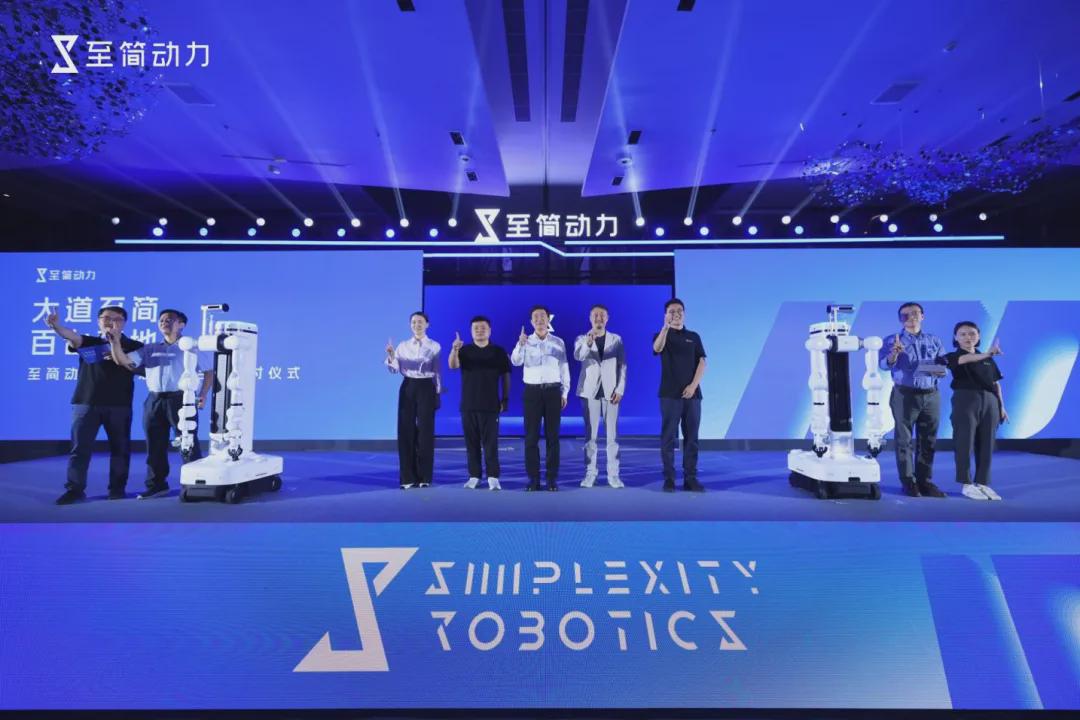
Within a Year, ZhiJian Power Delivers 100 Robots to Production Lines at Record Speed
ZhiJian Power has made headlines by delivering its inaugural batch of 100 i7 Pro robots to a production line in Suzhou, marking a significant milestone as the fastest delivery in the robotics industry. The company, which was established in July 2025, has impressively moved from the technology validation phase to actual deployment in less than a year. This rapid transition highlights ZhiJian Power's innovative strategies and expertise in mass production, particularly within the realm of embodied intelligence. The successful delivery not only underscores the company's commitment to advancing automation but also positions it as a key player in the evolving landscape of robotics.
Embodied Intelligence Robotics Automation Mass Production CNC Systems
MQ-25 Stingray Demonstrator Goes Aboard USS Nimitz For 250th U.S. Anniversary Celebrations
The Navy's T-1 tanker drone demonstrator made a notable appearance on the deck of the USS Nimitz, coinciding with the 250th anniversary celebrations of the United States. This event highlighted the drone's significant size in comparison to its crewed counterparts, showcasing advancements in naval aviation technology. The demonstration underscores the Navy's commitment to integrating unmanned systems into its operations, reflecting a shift towards modernizing its fleet. The USS Nimitz, a key asset in the Navy's carrier strike group, served as the backdrop for this milestone, emphasizing the importance of innovation in maintaining maritime superiority.
Air Carriers MQ-25 Navies Nimitz Class Sea
A surprisingly strong summer box office could mean Hollywood's first $10 billion year since the pandemic
Hollywood is experiencing a remarkable resurgence this summer, with the annual box office projected to exceed $10 billion for the first time in seven years. This significant milestone comes as the film industry rebounds from the challenges posed by the pandemic, showcasing a renewed interest in cinema among audiences. The surge in ticket sales is attributed to a diverse lineup of blockbuster releases and a growing number of moviegoers returning to theaters. As the summer season progresses, industry analysts are optimistic about maintaining this momentum, which could signal a lasting recovery for Hollywood.

Europe’s most important industrial lubrication conference celebrates its 10th anniversary in Bilbao
The Euskalduna Convention Centre in Bilbao is set to host the 10th anniversary of LUBMAT, Europe’s premier conference on industrial lubricants, this Wednesday and Thursday. The event will bring together 200 professionals from Europe, Asia, and America, highlighting its significance as a leading international biennial gathering focused on lubricants, tribology, and production equipment monitoring. This milestone edition aims to foster collaboration and knowledge sharing among industry experts, reflecting the growing importance of innovation and sustainability in the lubricants sector.
Events advanced lubricants advanced manufacturing aerospace engineering AI in maintenance asset management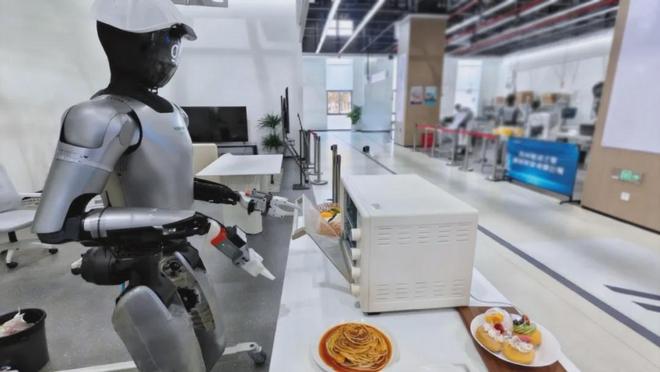
In Two Years, Magic Atom Attracts Over 10 Billion in Funding: What Makes It a 'Capital Darling'?
Magic Atom, a relatively new player in the tech industry, has achieved a significant milestone by securing 5 billion in its latest funding round, which elevates its total funding to over 10.5 billion. Founded just two years ago, the company has distinguished itself by developing a comprehensive commercial ecosystem prior to seeking external capital. This strategic approach has enabled Magic Atom to foster innovative partnerships within the robotics sector, positioning it as a leader in technological advancements. The recent funding success underscores investor confidence in the company's vision and its potential to reshape the industry landscape.
Robotics Funding Commercial Ecosystem AI Technology
Will 100,000 Units Be Delivered This Year? The 'Joint Lock' of Humanoid Robots Becomes a Capital Battleground
As competition in the smart terminal market escalates, attention is turning towards advancements in humanoid robotics. Jipai Electromagnetics has recently obtained substantial funding aimed at developing specialized permanent magnet brakes, which are crucial for the functionality of robot joints. This investment underscores the increasing demand for sophisticated components in the robotics sector, reflecting a broader trend of innovation and technological progress in the field. The funding will enable Jipai to enhance its production capabilities and contribute to the evolving landscape of robotics, positioning the company to play a significant role in this emerging frontier.
Humanoid Robots Robotics Components Permanent Magnet Brakes Automation Technology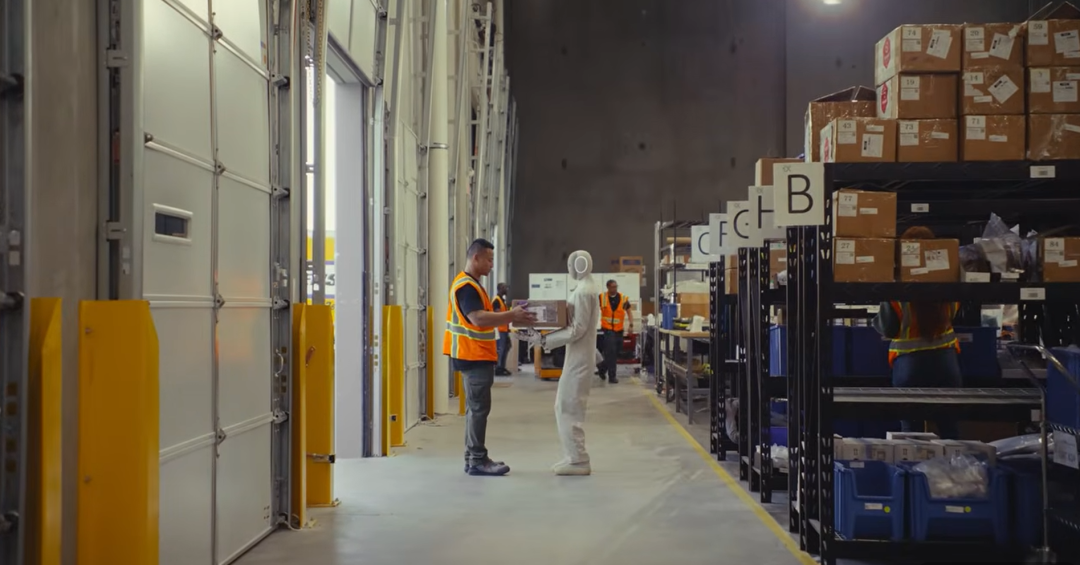
1X Technologies Launches Neo Factory in California: Annual Production Capacity of 10,000 NEO Robots, Set to Increase to 100,000 in a Year
1X Technologies has inaugurated its Neo Factory in Hayward, California, establishing the first vertically integrated, high-volume humanoid robot manufacturing facility in the United States. The factory is set to produce 10,000 NEO robots each year, with ambitious plans to increase production to 100,000 units by the end of 2027. This initiative reflects the company's commitment to advancing robotics technology and meeting the growing demand for humanoid robots in various sectors.
Humanoid Robots Robot Manufacturing AI Technology Vertical Integration
Cellula Robotics and Metron Sign 10-Year Agreement to Deliver Next-Generation Undersea Capability for the US Defense Market
Cellula Robotics US Inc. and Metron, Inc. have entered into a decade-long partnership aimed at enhancing the United States defense sector. This collaboration will integrate Cellula's advanced commercial off-the-shelf long-endurance autonomous underwater vehicle platforms with Metron's expertise in adaptive mission autonomy and extensive experience in undersea warfare and maritime operations. The agreement, which underscores a commitment to innovation in defense technology, is expected to bolster the capabilities of the U.S. military in underwater missions, ensuring improved operational efficiency and effectiveness.
cellula robotics metron agreement defense
PARIS’ VIVATECH ENTERS A NEW DIMENSION FOR ITS 10TH ANNIVERSARY
From June 17 to 20, 2026, Porte de Versailles in Paris will be the venue for the 10th edition of VivaTech, Europe’s premier event focused on startups and technology. This annual gathering has become an essential platform for industry leaders, innovators, and entrepreneurs to engage in discussions about the latest advancements in technology, particularly artificial intelligence. The event aims to foster collaboration and spark important conversations about the future of tech, making it a key date on the calendar for anyone involved in the tech sector.
Events News CHINA Highlight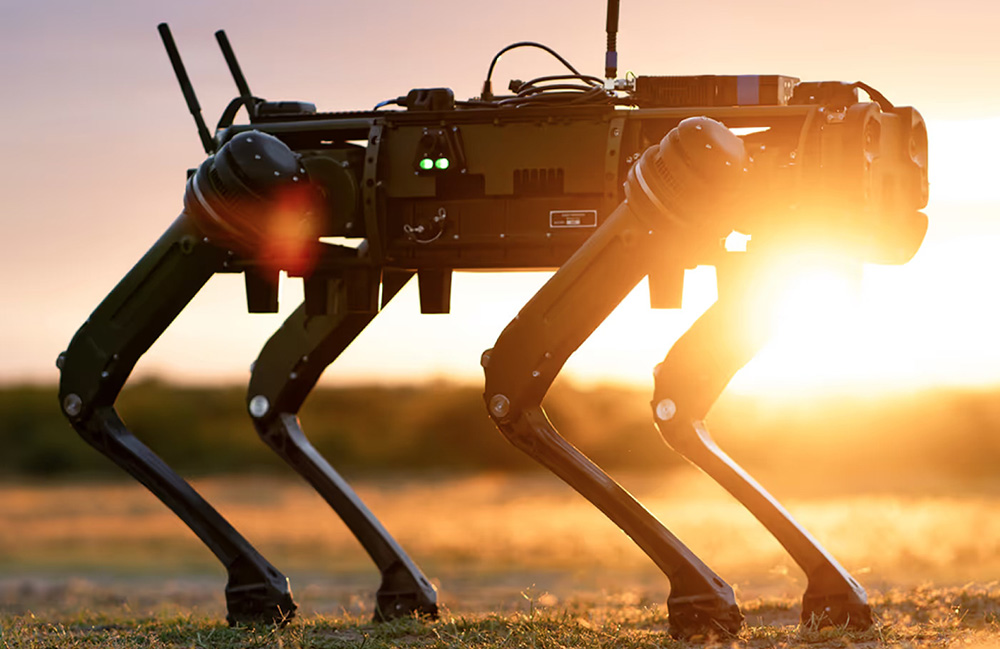
Look back on 10 years of legged robots with Ghost Robotics at the Robotics Summit
At the upcoming Robotics Summit, Gavin Kenneally, the CEO and co-founder of Ghost Robotics, will reflect on a decade of experience in deploying quadruped robots. This presentation aims to share valuable insights and lessons learned from the company's journey in the field of legged robotics. The event will take place in the near future, providing an opportunity for industry professionals and enthusiasts to engage with advancements in robotic technology and explore the impact of these innovations. Kenneally's talk will highlight the evolution of quadruped robots and their applications, emphasizing the significance of this technology in various sectors.
Autonomous Mobile Robots (AMRs) Events News Robots / Platforms Ghost Robotics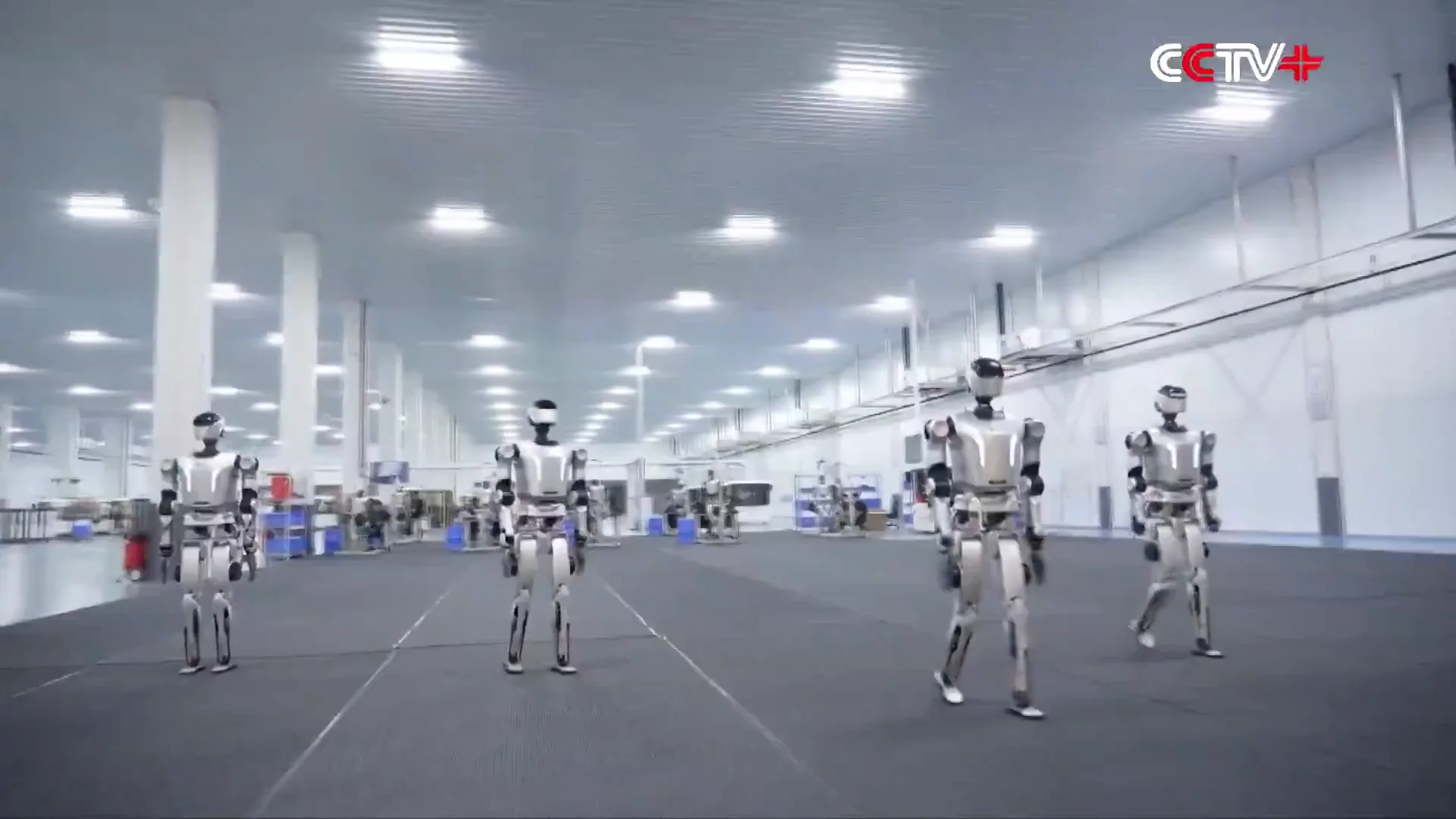
10,000 Units a Year: Inside China’s First Automated Humanoid Production Line
Leju Robotics and Dongfang Precision have inaugurated a new high-capacity manufacturing facility in Guangdong, marking a significant transition from small-scale assembly to large-scale production of humanoid robots. This joint venture aims to meet the growing demand for advanced robotics in various industries, reflecting a broader trend towards automation and technological innovation. The facility is expected to enhance production efficiency and expand the companies' capabilities in the competitive robotics market.
Leju Robot Market China
Unitree CEO says robots could surpass Usain Bolt’s 100m speed this year
At the Yabuli China Entrepreneurs Forum held on Tuesday, Wang Xingxing, the founder of Unitree Robotics, made a bold prediction regarding the future of humanoid robots. He stated that by mid-2024, these robots, particularly in China, are expected to surpass human speed limits, with the potential for 100-meter sprints to be completed in under 10 seconds. This would exceed the current world record of 9.58 seconds set by Usain Bolt. Wang's remarks highlight the rapid advancements in robotics technology and the competitive landscape in China, where innovation in this field is accelerating. The discussion at the forum underscores the growing interest and investment in robotics, as developers strive to push the boundaries of what machines can achieve.
News Feed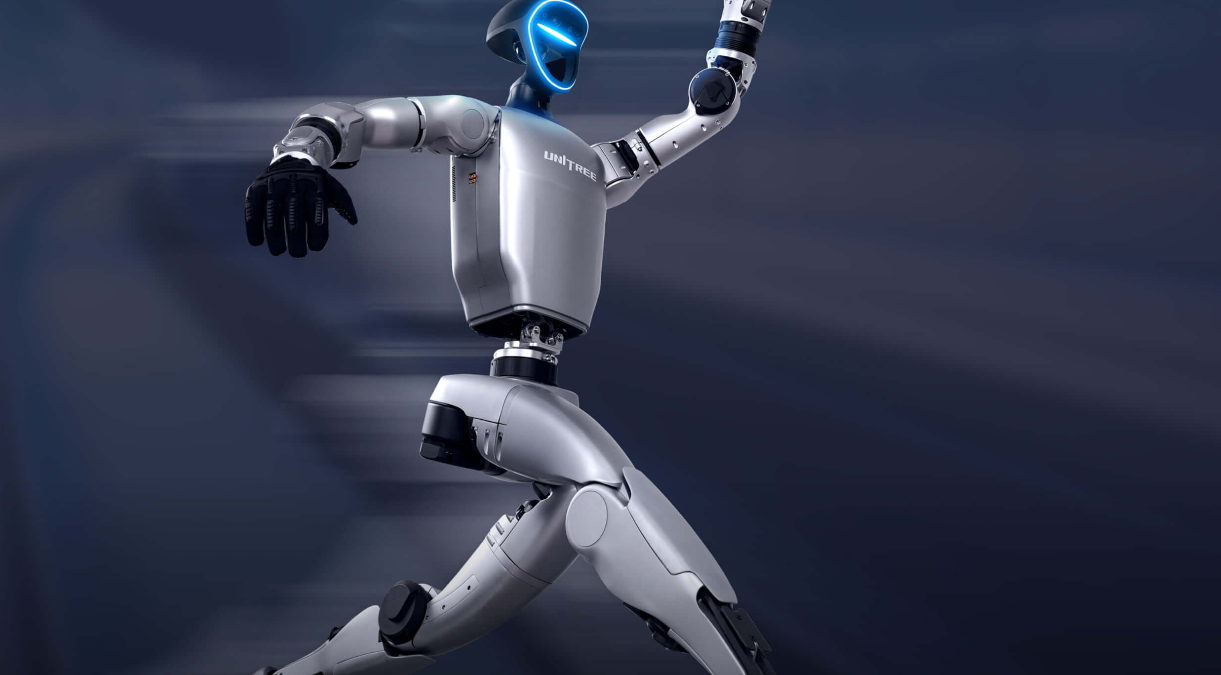
Unitree CEO says robot capability comparable to 10-year-old, large-scale use 3–5 years away
Wang Xingxing, the founder of Unitree Robotics, recently shared insights on the state of robotics technology, likening its current capabilities to that of a 10-year-old child. Speaking at a technology conference, he projected that widespread commercial adoption of advanced robotics is still three to five years away, with a maximum timeline of ten years. Despite ongoing annual advancements in the field, Wang highlighted significant challenges that hinder progress, particularly the limited generalization capabilities of existing robotic systems. These bottlenecks must be addressed to facilitate the transition from development to practical, large-scale implementation in various industries.
News Feed
China’s humanoid robot sales to exceed 10,000 units in 2025, up 125% year-on-year
Sales of humanoid robots in China are projected to exceed 10,000 units by 2025, representing a significant 125% increase from the previous year. This surge indicates that the industry is entering a phase of large-scale commercial adoption. Humanoid robots, which have traditionally been confined to laboratory settings, are now being deployed in various real-world applications, including parcel sorting, handling, and educational environments. This shift marks a pivotal moment for the robotics sector in China as it moves towards integrating advanced technology into everyday operations.
News FeedRobotics needs a service framework.
RSF defines a common language for robot service capability, lifecycle operations, certification pathways, and service-provider networks.
Join the RobotToday community on LinkedIn
Daily robotics news, in-depth analysis, conference highlights, and discussions with professionals worldwide.







