


In the high-end electronics and automotive manufacturing sectors, the introduction of collaborative robots, or cobots, is revolutionizing the surface finishing process. Traditionally reliant on manual labor, which often resulted in inconsistencies and human error, these industries are now leveraging advanced technology to enhance quality and efficiency.
The challenge of polishing complex geometries—such as intricate smartphone frames and engine components—has been addressed through the implementation of force-controlled cobots. Unlike conventional robots, these cobots can adjust their pressure in real-time, ensuring uniform contact with varying surface shapes. This capability is crucial for maintaining the integrity of delicate materials and achieving high-quality finishes.
The benefits of adopting cobot polishing are significant. They provide consistent pressure across multiple parts, reducing batch variance and ensuring compliance with strict OEM standards. Additionally, the precision of these robots minimizes scrap rates, translating to substantial cost savings in industries where material expenses are critical. Furthermore, by automating the polishing process, human workers can avoid exposure to hazardous dust, allowing them to focus on higher-level tasks.
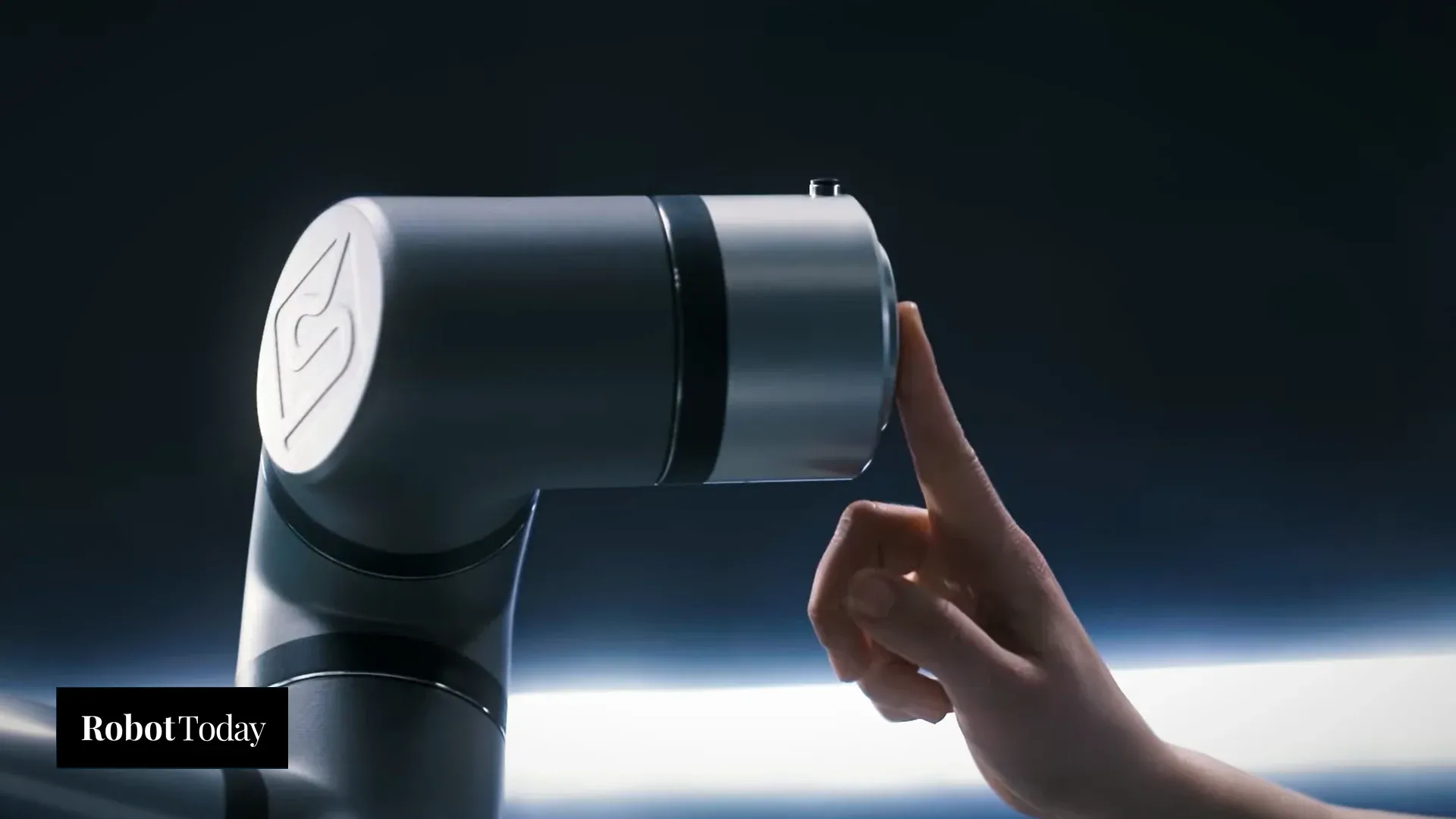
JAKA has developed the S series of collaborative robots, specifically designed for force-sensitive applications. The JAKA S5 model, with its advanced force sensors and agile design, is particularly suited for the electronics and automotive industries. It offers features such as constant force tracking and wireless management through the JAKA App, enhancing the precision and adaptability of the polishing process.
By integrating these intelligent robots into their operations, manufacturers are moving towards achieving near-zero defect rates, setting a new standard for quality in surface finishing.































Leave a comment