


Tacta Systems
Tacta Systems is a Palo Alto robotics startup building tactile-sensing robotic hands for manufacturing, backed by $75 million in Series A funding.
Contact Tacta Systems
WEBSITE
https://www.tactasystems.comHEADQUARTERS
United States


Company Facts
Founded
-
Primary Role
Manufacturer
Company Size
employees 10-50
Primary Region
North America
Annual Sales
-
Funding Stage
Early-Stage VC
Funding Total
-
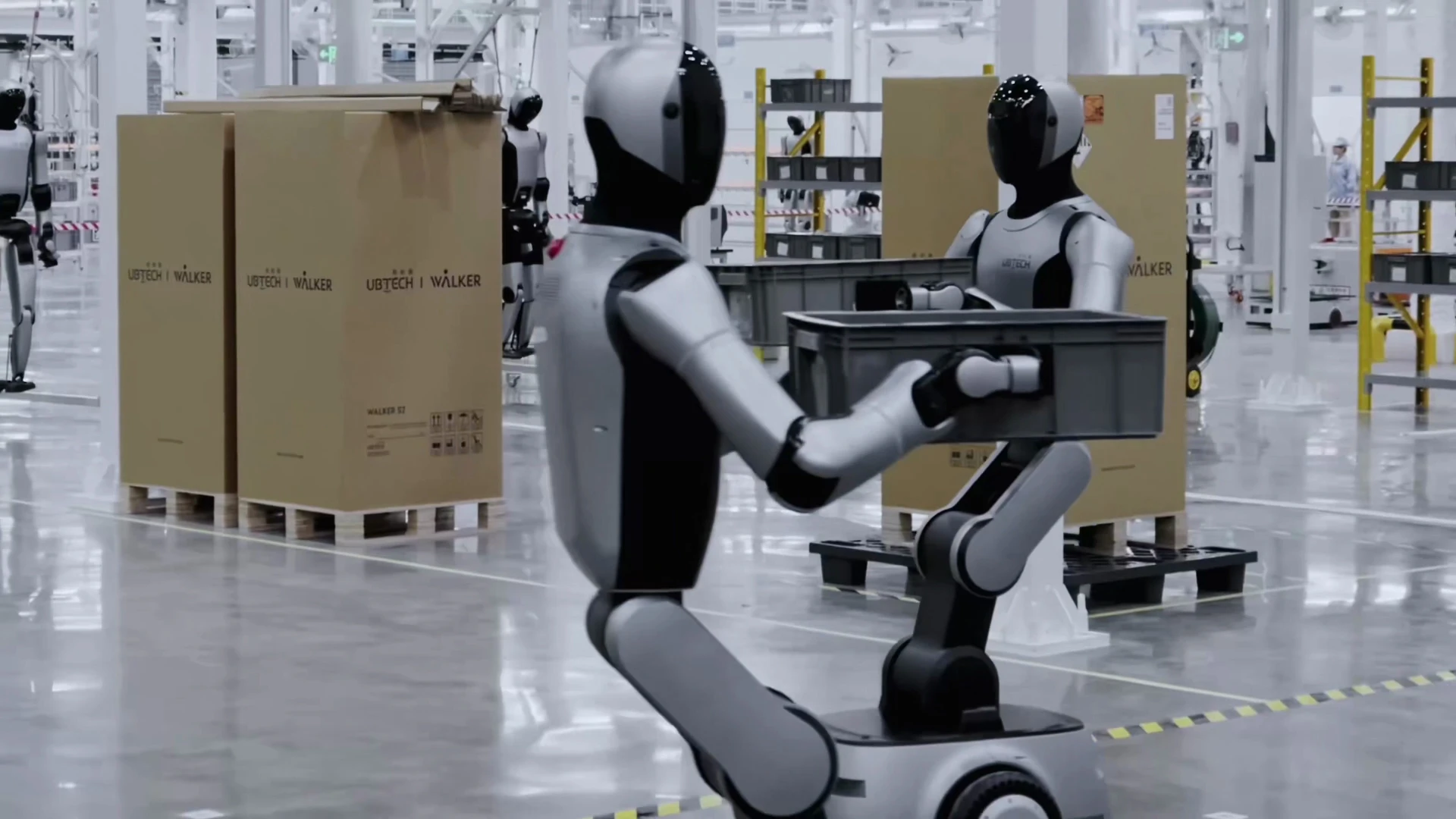
UBTECH and FAW-Volkswagen Enhance Partnership to Develop Humanoid Robots for Logistics
UBTECH and FAW-Volkswagen have announced a partnership to develop and test humanoid robot applications for logistics, building on their existing collaboration in manufacturing. This strategic cooperation, revealed on October 8, aims to create demonstration applications that promote humanoid solutions for smart manufacturing, addressing the increasing demand for personalized vehicles. The significance of this partnership lies in its potential to enhance flexibility in manufacturing processes. As automakers like FAW-Volkswagen adapt to changing consumer preferences, the integration of humanoid robots could streamline logistics operations, thereby improving efficiency and productivity on the factory floor. UBTECH's previous work with FAW-Volkswagen at the Qingdao plant, where the Walker S Lite was used for quality inspections, showcases the practical applications of their technology. Looking ahead, the partnership raises questions about the specific logistics tasks that humanoid robots will be able to perform reliably. While the agreement focuses on joint development and testing, it does not disclose details about the robot models or the facilities involved. No further timeline was disclosed at the time of publication.
China UBTECH Robotics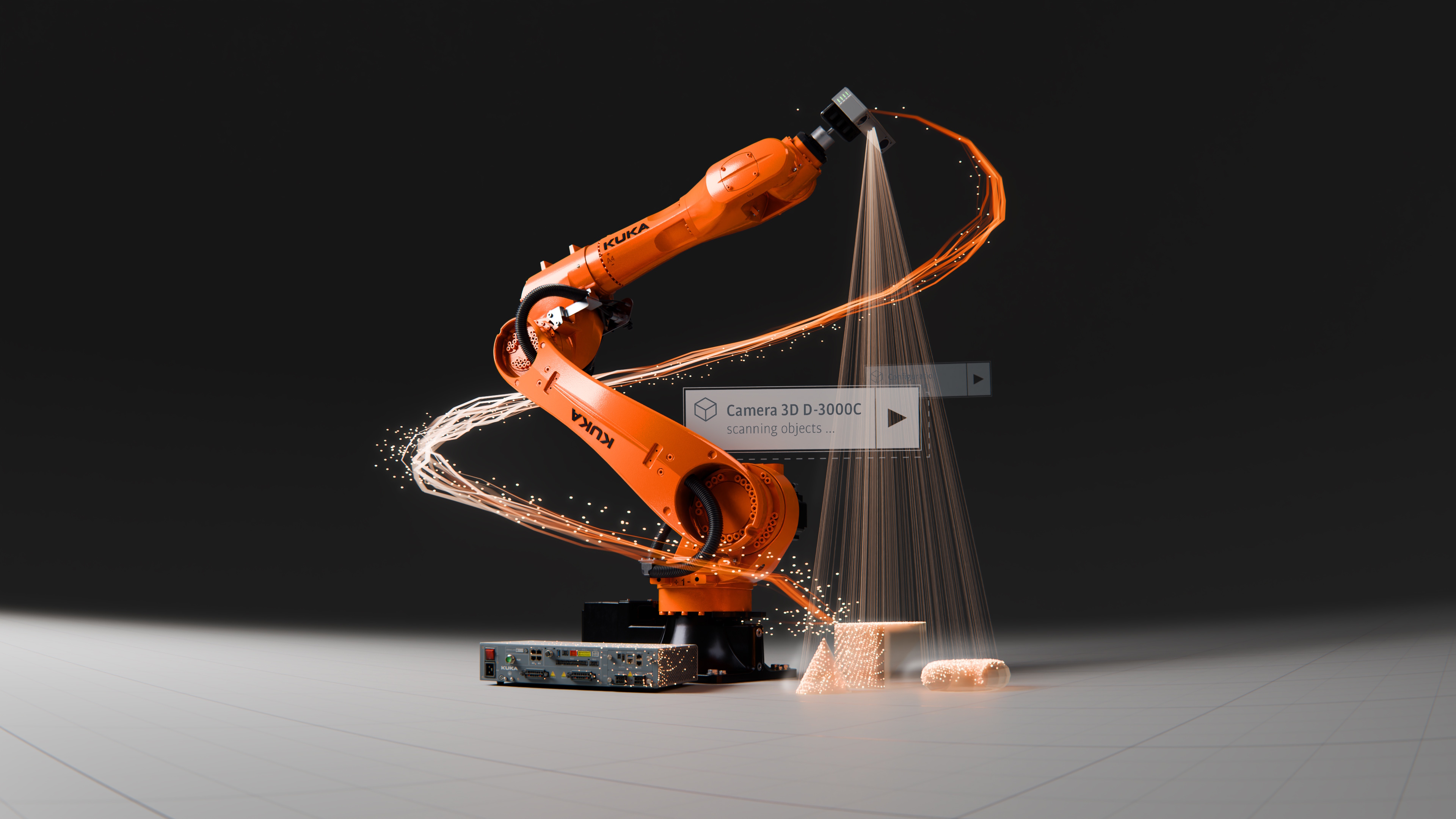
iiQKA.AI Vision Enhances Industrial Image Processing with User-Friendly Interface
iiQKA.AI Vision has introduced a standalone vision application within iiQWorks, designed to simplify industrial image processing. This application features a graphical user interface that allows users to implement vision applications efficiently, utilizing drag-and-drop functionality, pre-built templates, and guided workflows from setup to commissioning. The significance of this development lies in its ability to ensure process reliability through robust image processing capabilities, including precise 2D and 3D object recognition, automatic position determination, and gripper point calculation. The system is designed to perform reliably under varying component conditions and changing lighting, making it suitable for diverse industrial applications. Looking ahead, the seamless integration of iiQKA.AI Vision with iiQWorks and the robot controller facilitates a unified system from engineering to operation. This integration supports a consistent workflow from configuration to deployment, along with centralized management and monitoring via a web interface. No further timeline was disclosed at the time of publication.
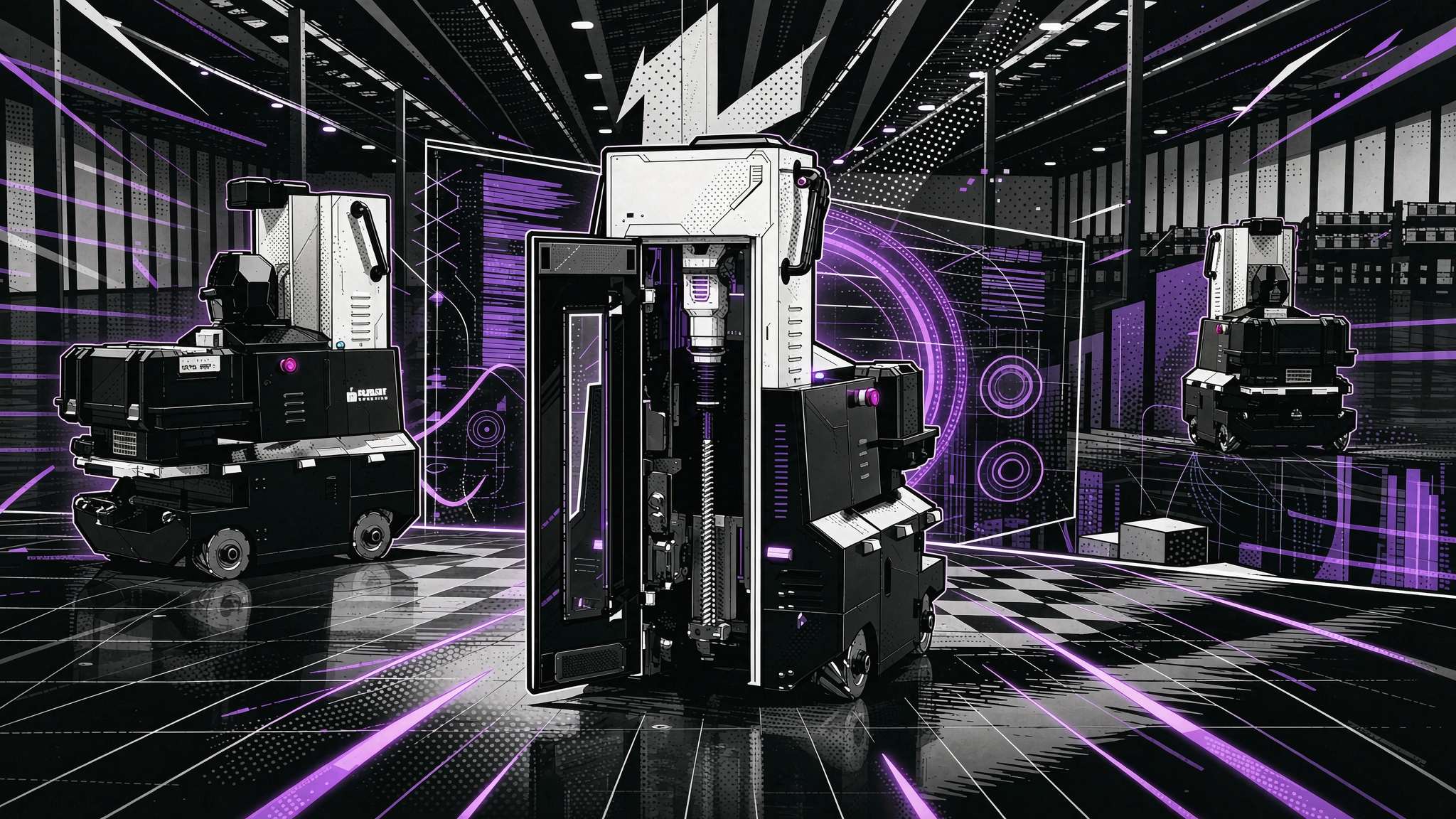
First Coordinated Drilling Robot Achieves 10x Speed and 99% Accuracy
A groundbreaking drilling robot has been developed, showcasing the ability to perform coordinated operations with a speed ten times greater than traditional methods and an accuracy rate exceeding 99%. This innovation marks a significant advancement in drilling technology, potentially transforming various industrial applications. The introduction of this robot is crucial as it addresses the limitations of conventional drilling techniques, which often suffer from slower speeds and lower precision. By enhancing operational efficiency, this technology could lead to cost savings and improved outcomes in sectors that rely on drilling processes. Looking ahead, industry stakeholders should monitor the deployment and performance of this drilling robot in real-world scenarios. No further timeline was disclosed at the time of publication.
Robotics Automation AI
Israeli Company Develops Flexible Picking Robots Targeting 95% Fruit Coverage on Trees
An Israeli company has developed innovative flexible picking robots designed to harvest up to 95% of the fruit from trees. This advancement in agricultural robotics aims to enhance efficiency in fruit picking, addressing labor shortages and increasing productivity in the sector. The significance of this technology lies in its potential to transform the fruit harvesting process, making it more efficient and less reliant on human labor. As the agricultural industry faces challenges such as labor shortages, these robots could provide a viable solution, ensuring that fruit is harvested at optimal times and reducing waste. Looking ahead, the adoption of these flexible picking robots could reshape agricultural practices, particularly in fruit production. Stakeholders in the agriculture sector should monitor developments in this technology and its implementation in various regions. No further timeline was disclosed at the time of publication.
Robotics Automation AI
OpenAI's 377 Mathematical Results Spark Demand for Expert Input in Robotics
OpenAI's recent mathematical findings, spanning number theory, complexity theory, and physics, have prompted calls for expert engagement in the robotics field. These results are part of a broader initiative that includes advancements in industrial robots, cobots, and autonomous systems, such as the DALE robot, which automates high-volume concrete drilling in data centers. The significance of these developments lies in their potential to enhance robotic capabilities, particularly through mechanical intelligence that enables 3D movement with fewer actuators. The initiative, valued at nearly $1.8 billion, aims to create predictive 'virtual cells' and improve operational efficiency in various applications, including construction and service robots. Looking ahead, the industry is poised for a shift towards greater AI autonomy, as seen in projects like Kaleido, which aims to transition from remote control to fully autonomous operations. No further timeline was disclosed at the time of publication.
AI and Robotics
The Impact of Automation on the Future of Manufacturing in the U.S.
Labor shortages and supply chain volatility are driving a significant transformation in U.S. manufacturing. Companies are now compelled to rethink their operational strategies to remain competitive in a landscape characterized by increasing demand for customized products. This shift necessitates the production of complex parts with fewer workers, shorter lead times, and enhanced flexibility. The importance of automation in this context cannot be overstated. As manufacturers face these challenges, the integration of advanced automation technologies becomes essential for achieving efficiency and meeting customer expectations. The ability to adapt to changing market demands while maintaining productivity is crucial for the survival of manufacturing enterprises in the U.S. Looking ahead, the continued evolution of automation technologies will be pivotal for manufacturers. Companies must stay abreast of advancements and consider how these innovations can be leveraged to optimize their operations. No further timeline was disclosed at the time of publication.
Robotics
Jiangxi's First Independent Humanoid Robot Brand 'Luyou' Emerges from OEM Roots
The first independent humanoid robot brand, 'Luyou,' has been established in Jiangxi, marking a significant shift from OEM production to brand creation. This development highlights the growing trend of companies in the robotics sector moving towards creating their own identities and products. The emergence of 'Luyou' is significant as it reflects the evolving landscape of the robotics industry in China, where companies are increasingly focusing on brand development rather than solely relying on original equipment manufacturing. This shift could lead to more innovation and competition in the humanoid robot market. Looking ahead, it will be important to monitor how 'Luyou' positions itself in the market and the potential impact it may have on other companies in the robotics sector. No further timeline was disclosed at the time of publication.
Robotics Automation AI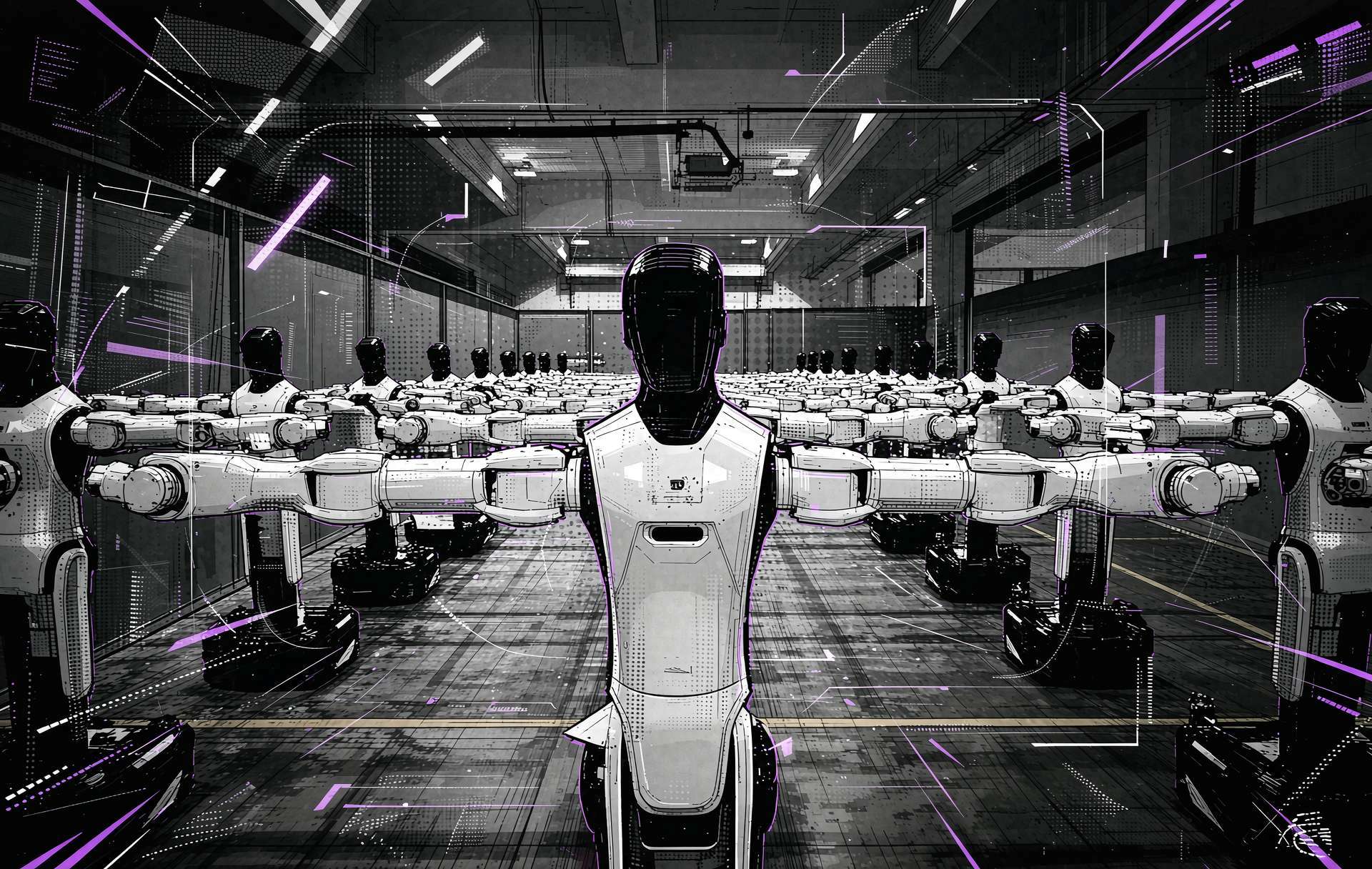
Chinese Academy of Sciences' Automation Institute Cuts Humanoid Robot Development Time to Two Weeks
The Institute of Automation of the Chinese Academy of Sciences has established a new facility designed to significantly shorten the development cycle of humanoid robots. This innovative 'big factory' has successfully reduced the time required to develop these robots from six months to just two weeks. This advancement is crucial as it enhances the efficiency of humanoid robot production, allowing for faster iterations and improvements in design and functionality. The ability to develop robots in a fraction of the time could lead to increased competitiveness in the robotics market and accelerate the adoption of humanoid robots across various sectors. Looking ahead, the impact of this facility on the robotics industry will be significant, particularly in how quickly companies can bring new humanoid robots to market. No further timeline was disclosed at the time of publication.
Robotics Automation AI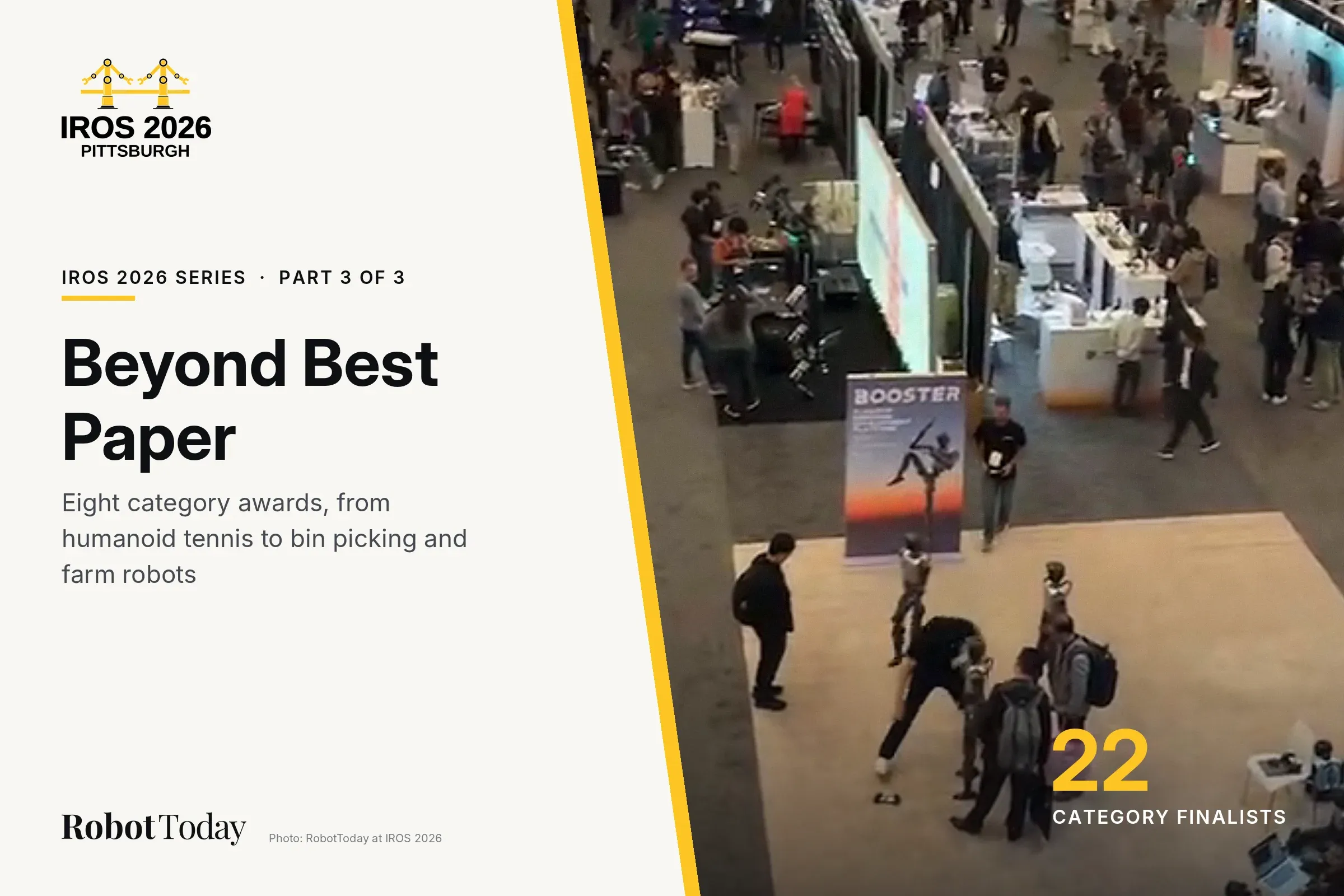
IROS 2026 Category Award Finalists: All 22 Papers
From humanoid tennis to bin picking and farm robots: the 22 finalists for IROS 2026's eight category awards, and what each one means for industry.

China’s Dexterous Hand Industry, 2026 Part 3 — The Players
Five vendor archetypes, MIR’s composite top ten, eight company profiles and six field deployments — every firm linked to the RobotToday supplier directory.

China’s Dexterous Hand Industry, 2026 Part 2 — The Technology
Linkage, tendon, direct drive or hybrid — and why hardware is converging while the DL1–DL5 manipulation scale decides who wins. Part 2 of 3.
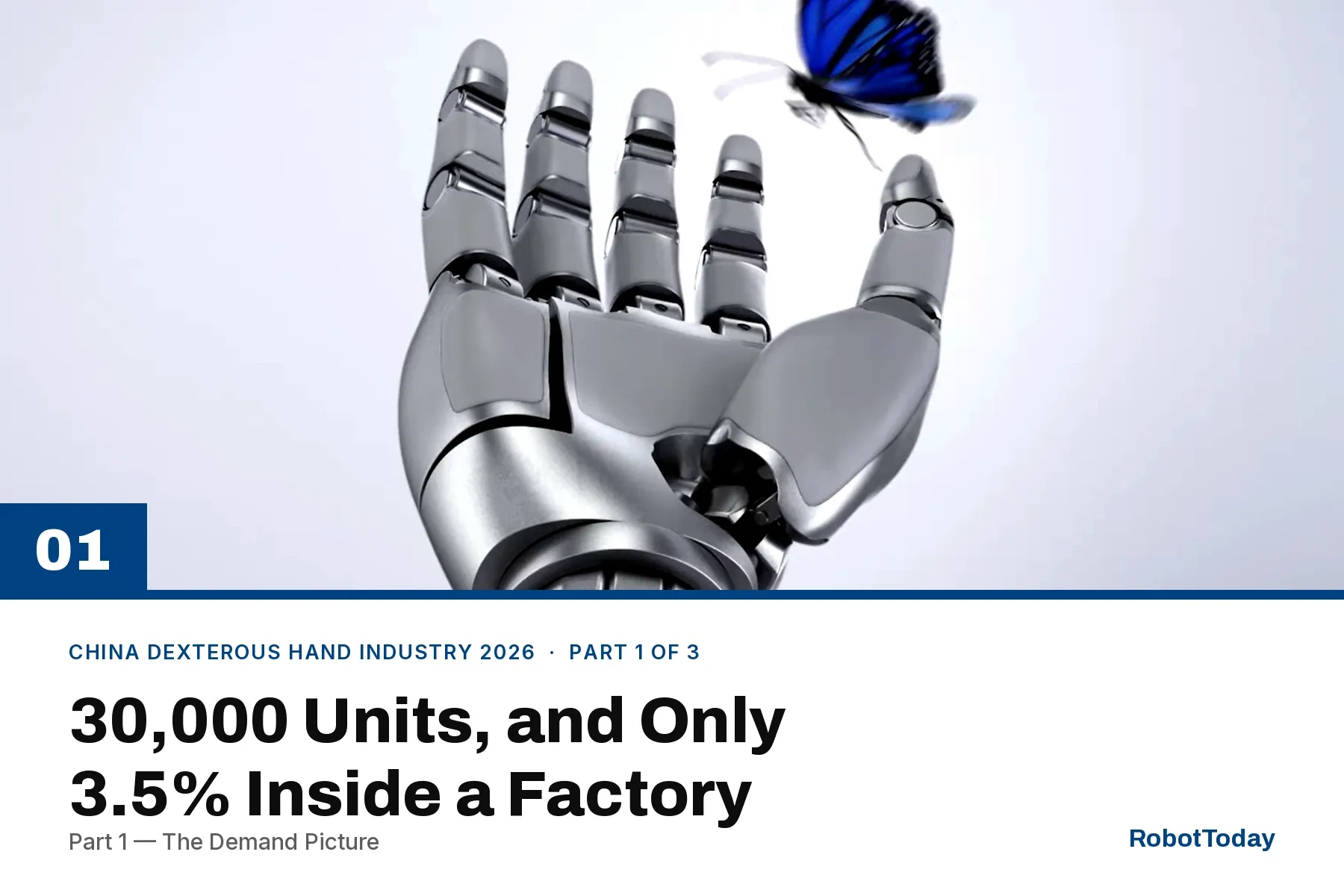
China’s Dexterous Hand Industry, 2026 Part 1 — The Demand Picture
MIR Databank puts China dexterous hand shipments above 30,000 units in 2026, yet only 3.5% of 2025 demand came from factory production. Part 1 of 3.
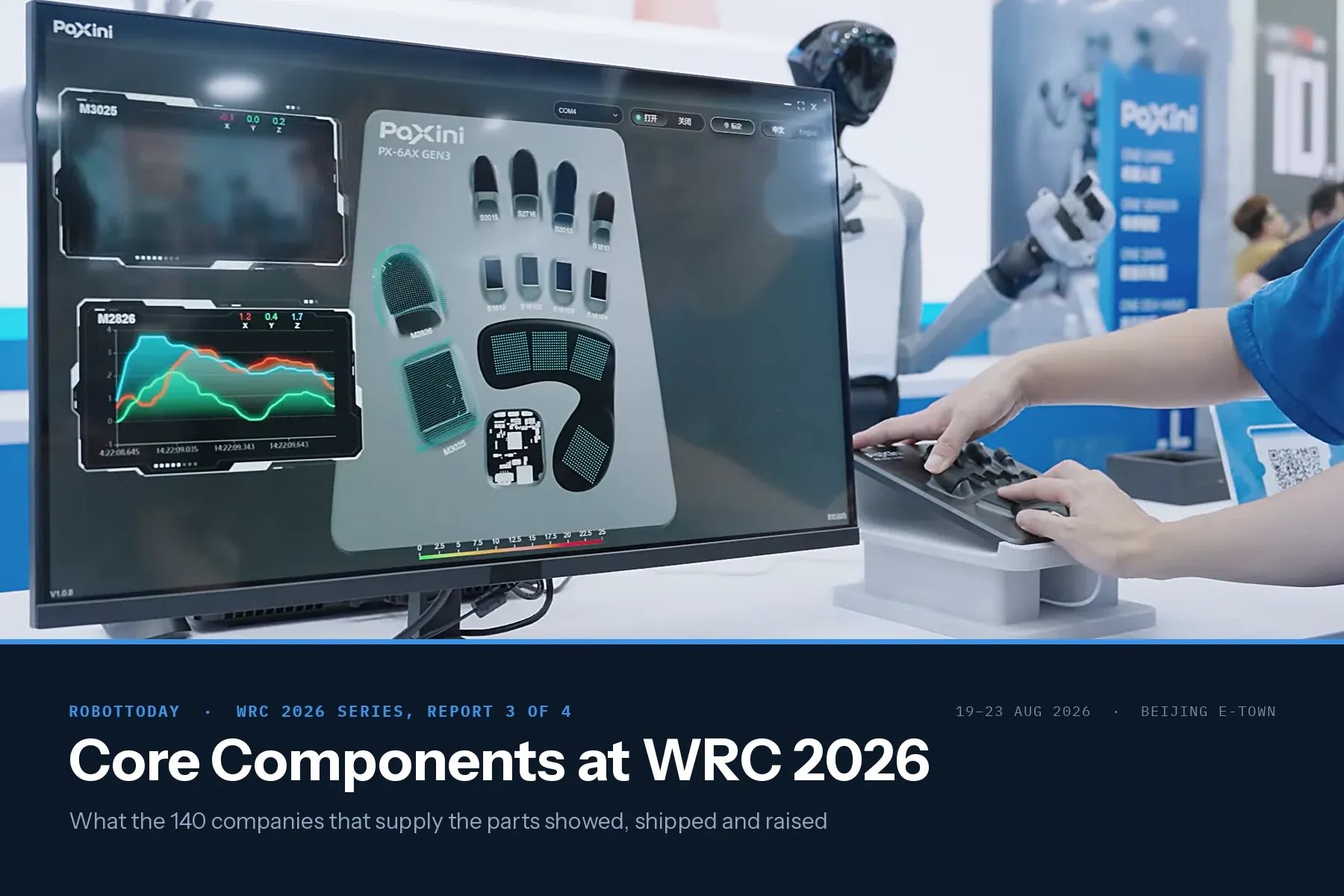
WRC 2026 Core Components: 137 Robot Parts Suppliers
The third report in the WRC 2026 series. Report 1 mapped all 248 exhibitors by category and Report 2 covered the 139 that build finished robots. This one covers the 137 that build what goes inside them.

Tacta Systems Launches TactaBot to Enhance High-Skilled Manufacturing with Advanced Robotics
Tacta Systems recently introduced the TactaBot, integrating the Tacta Hand, Skill Capture system, and Dexterous Intelligence AI model. This innovative combination aims to create adaptable robotic hands capable of performing high-value tasks in manufacturing, addressing the global shortage of skilled labor. CEO Vikram Pavate emphasized the need for robots to replicate human-like touch and feel, which is essential for complex manufacturing processes. The Tacta Hand features a dexterous design with three and five-finger configurations, offering 15 degrees of freedom and the ability to lift up to 25 newtons per fingertip. Utilizing Tacta's Fluidic Tendon actuation technology, the robotic hand maintains stability and precision while minimizing heat generation. This technology enhances reliability compared to traditional cable-driven systems, with a lifespan of up to 30 million cycles. As Tacta Systems continues to innovate, the focus will be on further developing the capabilities of the TactaBot and its components. The integration of advanced tactile sensors, capable of measuring a wide range of forces and temperatures, positions Tacta to play a significant role in the future of high-skilled manufacturing automation. No further timeline was disclosed at the time of publication.
Actuators / Motors / Servos Arms / Manipulators Artificial Intelligence Artificial Intelligence / Cognition Collaborative Robots Design / Development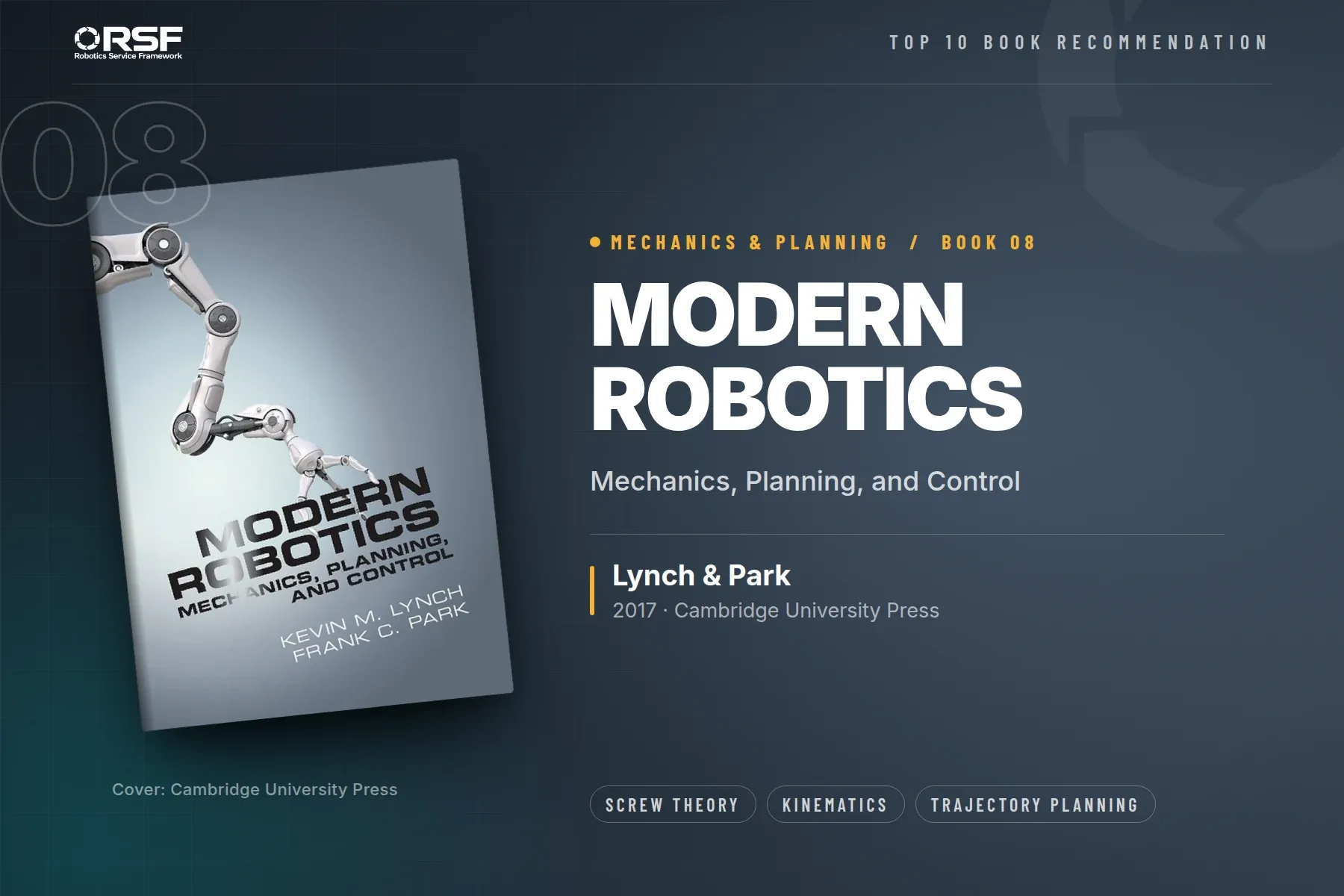
Modern Robotics K. M. Lynch & F. C. Park — RSF Top 10 Robot Education Textbooks · No. 8
The book the field agreed to make free: full preprint PDF, video lectures and open code from the authors. Screw theory and kinematics, taught rigorously.

Robotics, Vision and Control Peter Corke — RSF Top 10 Robot Education Textbooks · No. 5
Most books you read; Corke's you run. Every concept ships as executable Python via the open Robotics Toolbox. The code softens the maths.

Tacta Systems Launches AI-Driven Robotic Hand for Advanced Manufacturing Applications
Tacta Systems has introduced a new robotics platform aimed at enhancing industrial automation with human-like dexterity. The TactaBot, the company's inaugural product, integrates a robotic hand, a wearable skill capture system, and an AI engine to perform intricate manufacturing tasks that demand precision and tactile feedback. This innovation is significant as it addresses critical challenges in robotics, such as creating a robotic hand for industrial performance and enabling robots to possess a sense of touch. Tacta's platform, featuring the proprietary Fluidic Tendon actuation technology, is designed to automate complex tasks in sectors like electronics and automotive manufacturing, with initial deployments expected in early 2027. Looking ahead, Tacta plans to expand its technology into additional industries, including medical devices and aerospace. The company aims to revolutionize the way robots interact with their environment, potentially transforming manufacturing processes across various sectors. No further timeline was disclosed at the time of publication.
Components News ai robotics Dexterous Intelligence dexterous robotics industrial robotics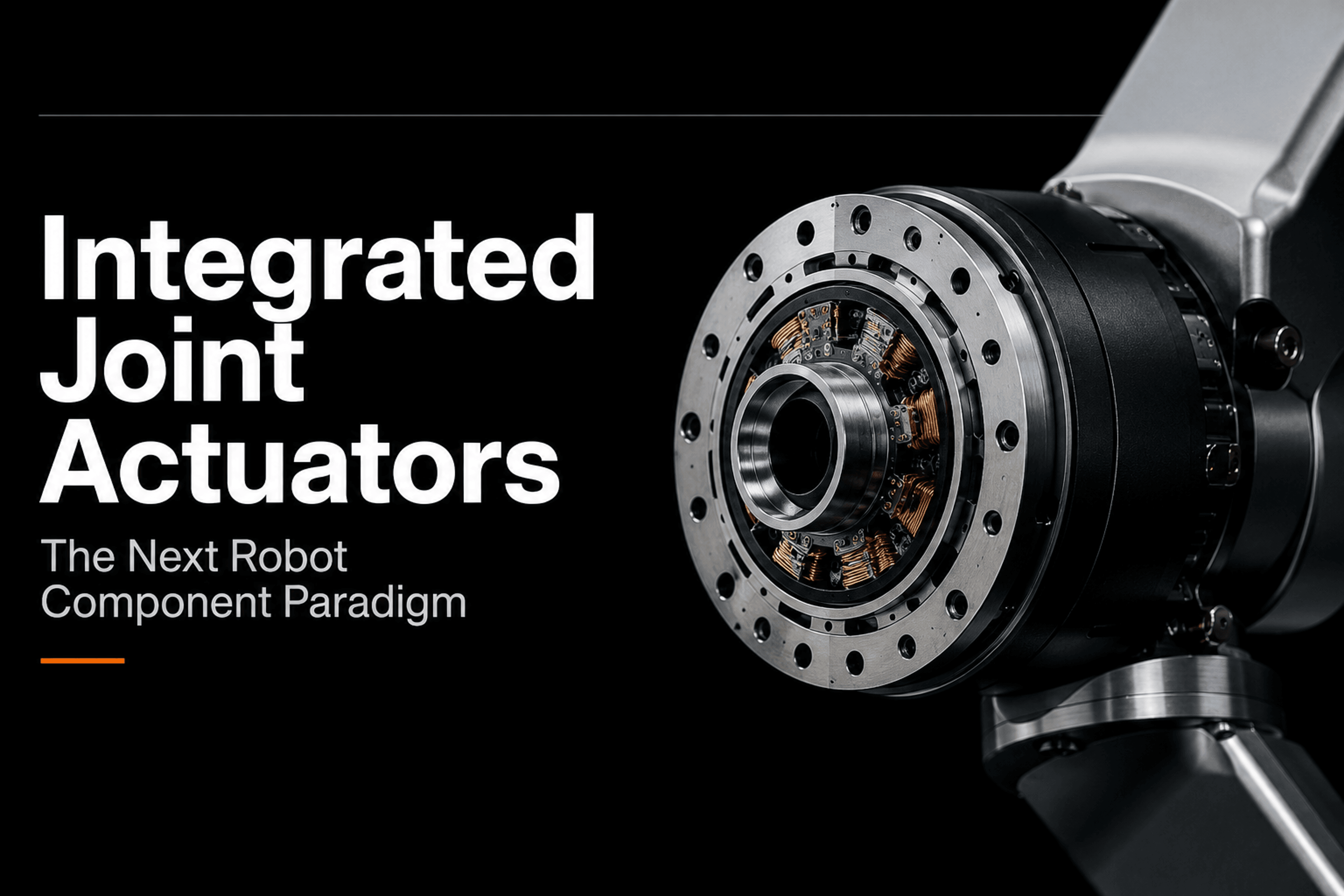
Integrated Joint Actuators 2026: Technology, Global Suppliers & China's Leap Forward
From rotary joints hitting 530 N·m+ to linear joints with planetary roller screws, integrated actuators are replacing the three-part drivetrain. Full supplier map: Tihu, PhyArc, RobStride, Schaeffler, maxon — and China's path from 1,000-RMB modules to global standard-setter.
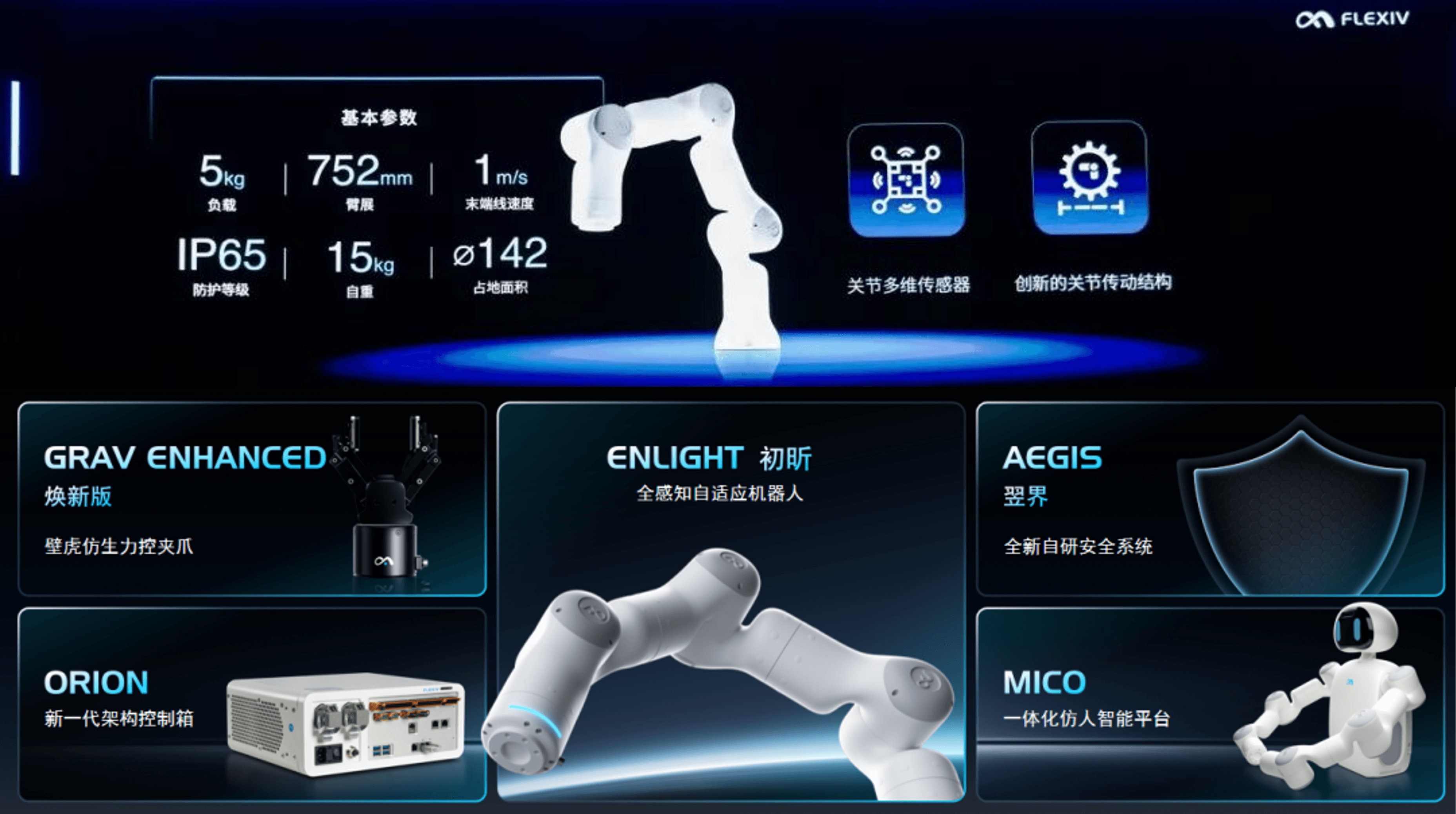
Flexiv Launches “Enlight” Platform to Expand General-Purpose Robotics Capabilities
Flexiv unveils the Enlight robotics platform, Orion controller, and MICO system—advancing force-centric, general-purpose robots for real-world applications.
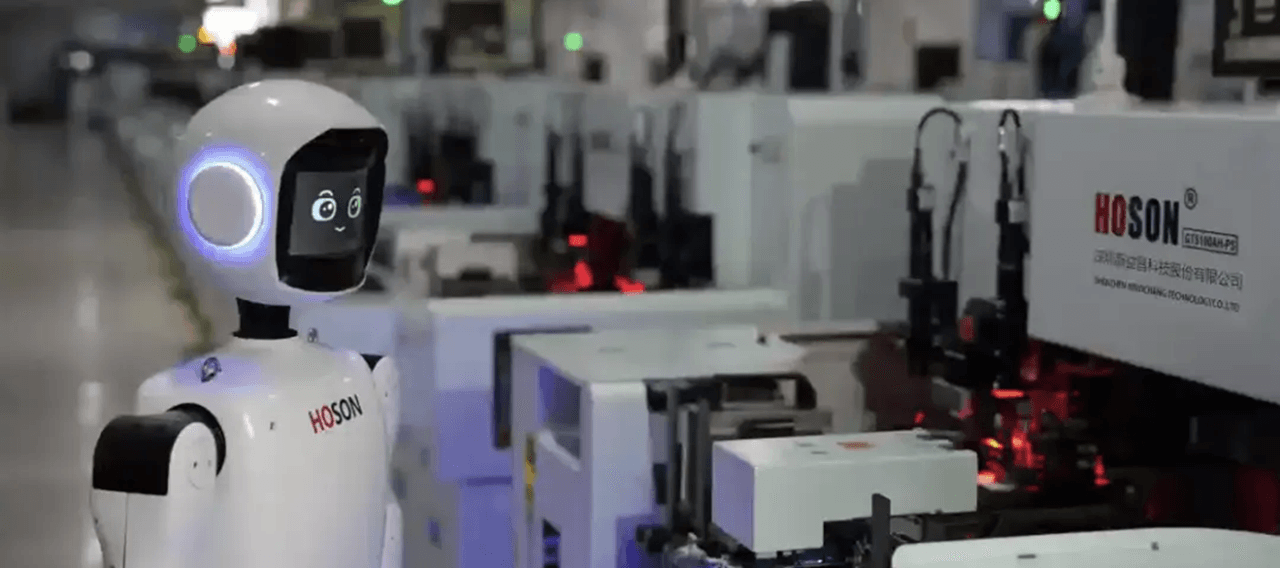
Hoson Tech Enters Humanoid Robotics with Hoson Robot
Hoson Tech expands into humanoid robotics with the Hoson Robot, bringing semiconductor-grade precision and embodied intelligence to real-world automation.


