


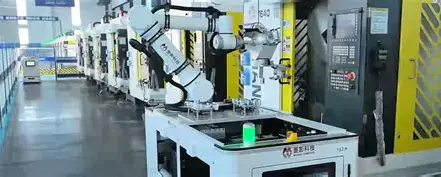
In Germany, only one in four defective electronic devices is repaired today. The challenges often stem from labor costs, a shortage of skilled workers, and expensive replacement parts rather than technical issues. The NewEra project aims to address these challenges by utilizing two robotic arms that identify devices, open casings, diagnose damages, and replace defective components using sensor technology and machine learning techniques.
This initiative is significant as it seeks to enhance the repair rate of electronic devices, which is crucial for sustainability and reducing electronic waste. By automating the repair process, the NewEra project could alleviate the burden of high labor costs and the skills gap in the workforce, making repairs more accessible and efficient.
Looking ahead, the success of the NewEra project could pave the way for broader adoption of robotic solutions in the repair industry. No further timeline was disclosed at the time of publication.
Editor's Note
The NewEra project highlights the growing trend of integrating robotics into repair processes, addressing labor shortages and cost challenges. As automation becomes more prevalent, companies may need to adapt their strategies to leverage these technologies effectively, ensuring competitive advantages in the evolving landscape of electronic device maintenance.




























Leave a comment