


PSYONIC
"The World's Most Advanced Bionic Hand"
US bionic prosthetic company making the Ability Hand — the world's first touch-sensing bionic hand with haptic feedback.
Contact PSYONIC
WEBSITE
https://psyonic.ioPHONE
(888) 779-6642 / 1-888-PSYONICHEADQUARTERS
United States

Company Facts
Founded
2015
Primary Role
Manufacturer
Company Size
-
Primary Region
North America
Annual Sales
-
Funding Stage
-
Funding Total
-
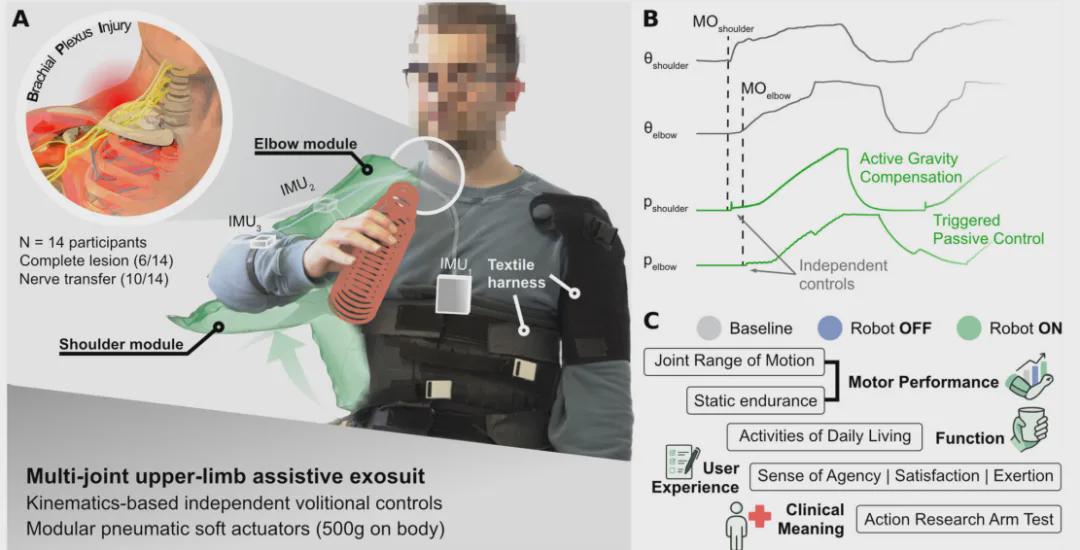
Soft Exosuit Increases Arm Mobility by 80-180% for Patients with Brachial Plexus Injuries
A team from the BioRobotics Institute of Scuola Superiore Sant'Anna, University of Turin, and CTO Hospital in Turin has developed a soft exosuit that significantly enhances arm mobility for patients with chronic brachial plexus injuries (BPI). The exosuit, weighing approximately 0.6 kg, was tested on 14 patients, resulting in an 80% to 180% increase in active range of motion and a 160% improvement in static endurance. This advancement is crucial as BPI often leads to severe loss of sensation and motor control in the upper limb, primarily affecting young males under 30, with motorcycle accidents being the leading cause. The exosuit employs soft pneumatic actuators to assist shoulder and elbow movements, providing a novel solution that addresses the critical joint often overlooked in previous wearable robotics. Future developments in this technology could further enhance rehabilitation for BPI patients. The study's findings indicate that the exosuit not only improves mobility but also reduces the effort required for movement, as evidenced by a significant decrease in muscle activity during use. No further timeline was disclosed at the time of publication.
Soft Robotics Wearable Technology Rehabilitation Devices Medical Innovation
Nanyang Technological University Develops MMG-Driven Variable Stiffness Glove for Tremor Control
Nanyang Technological University (NTU) has unveiled a variable stiffness glove driven by mechanomyography (MMG) to suppress tremors associated with conditions like Parkinson's disease. This innovative wearable device utilizes a 3D-printed exoskeleton structure that adjusts its stiffness in response to detected muscle vibrations, providing support only when tremors occur. The significance of this development lies in its ability to enhance daily activities for individuals suffering from tremors without compromising joint flexibility. The glove's design incorporates a lightweight, high-strength nylon structure that can quickly transition from soft to rigid, ensuring optimal performance during tremor episodes. The research findings have been accepted for publication in IEEE Robotics and Automation Letters. Looking ahead, the team aims to further validate the glove's effectiveness in real-world applications. The rapid response time of the device, achieving 90% of maximum stiffness in approximately 0.63 seconds, positions it as a promising solution for tremor suppression. No further timeline was disclosed at the time of publication.
Wearable Technology Tremor Suppression Assistive Devices Healthcare Innovation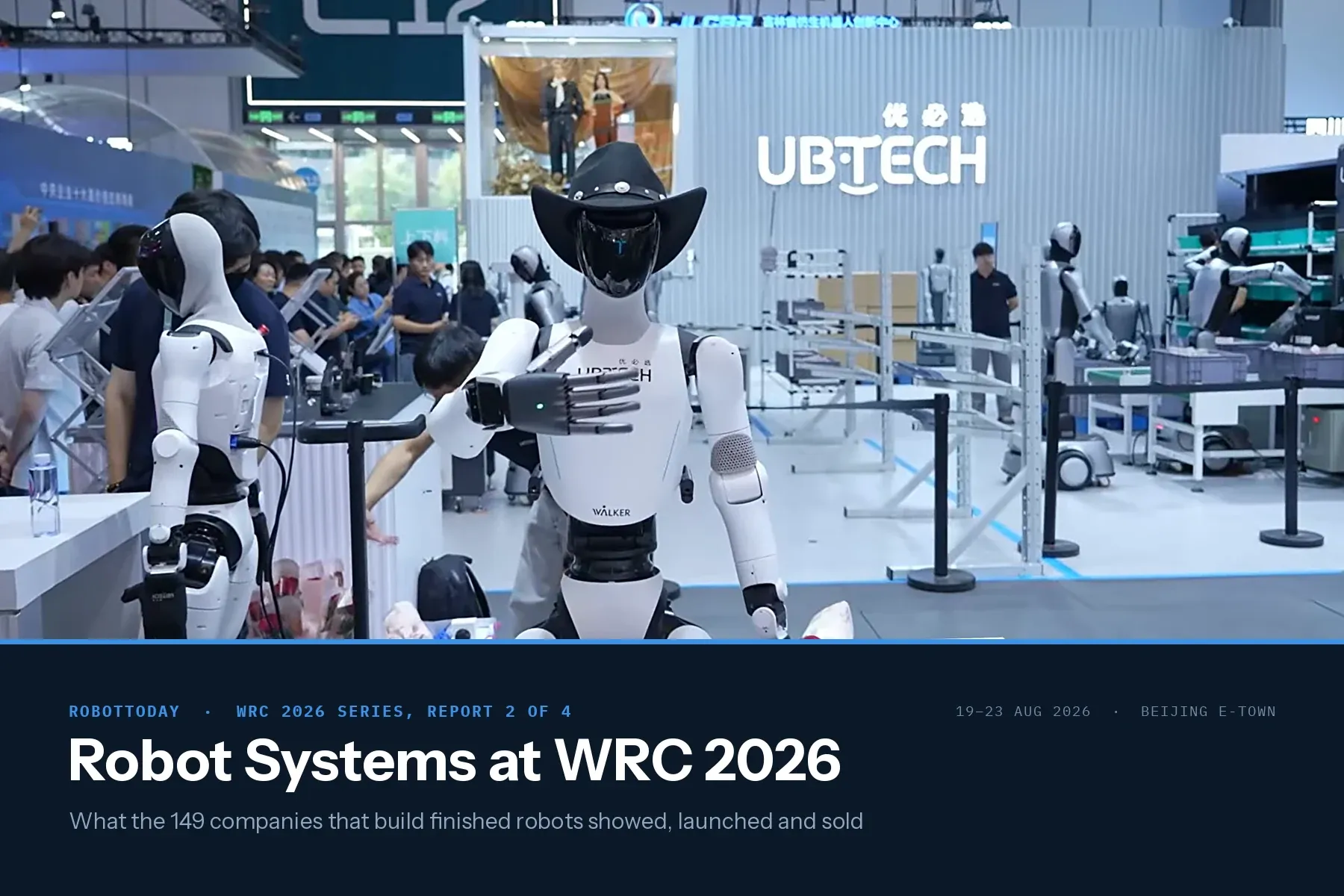
WRC 2026 Robot Systems: 149 Companies That Build Robots
149 of the 248 classified WRC 2026 exhibitors build finished robots. 93 build humanoid or legged machines. The audited humanoid sales number is one unit.
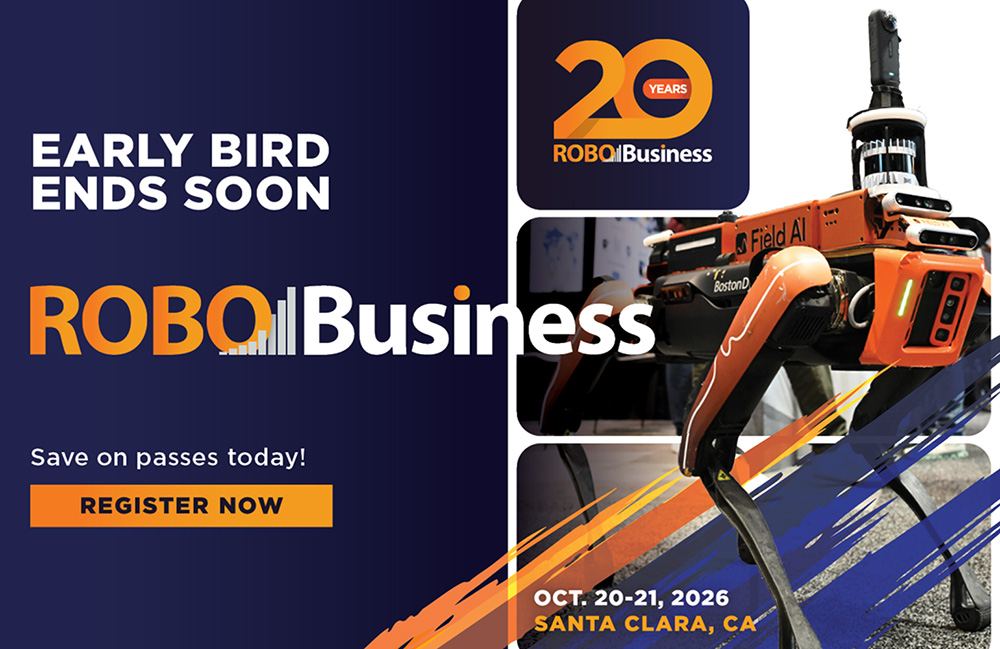
RoboBusiness 2026 Early Bird Pricing Ends August 31 for Discounted Passes
Early bird pricing for RoboBusiness 2026, a premier event for commercial robotics developers, will conclude on August 31, 2026. Attendees can save $200 on full conference passes and $40 on expo-only passes. The event will take place at the Santa Clara Convention Center on October 20 and 21, celebrating 20 years of RoboBusiness. This event is significant as it offers insights from experts in robotics and AI, covering cutting-edge research and industry trends across various sectors, including manufacturing, healthcare, and logistics. With over 100 exhibitors showcasing the latest technologies and products, attendees will gain valuable knowledge to enhance their development processes. Looking ahead, RoboBusiness 2026 will feature four keynote sessions and five conference tracks, including physical AI and field robotics. The Engineering Theater will host presentations from industry leaders. No further timeline was disclosed at the time of publication.
Artificial Intelligence Events Human Robot Interaction / Haptics Humanoids News Agility Robotics
Five Key Trends Emerging from WRC 2026: Shift to Product Validation in Robotics
The World Robot Conference 2026 showcased a unique robot 'wedding' on Qixi and highlighted five significant trends in the robotics industry. Notably, robots are transitioning from technology validation to product validation, indicating a maturation in the field. This shift is crucial as it reflects the industry's movement towards practical applications and market readiness, rather than just experimental technologies. Additionally, while world models are still relevant, they did not generate as much excitement as anticipated, suggesting a need for further innovation. Looking ahead, tactile sensing is emerging as a key focus for dexterous robotic hands, while exoskeletons are beginning to show promise. Furthermore, the competition among component suppliers is intensifying, particularly concerning joints. No further timeline was disclosed at the time of publication.

Humanoid Robot Experts to Analyze Current Technology at RoboBusiness Event
At the upcoming RoboBusiness event on October 20-21 in Santa Clara, California, experts will discuss the state of humanoid robots. The 'State of Humanoids' panel will feature leaders from Agility Robotics, Apptronik, Persona AI, and PSYONIC, moderated by Mike Oitzman. The panel aims to provide insights into the real-world deployment of humanoid robots, addressing their current capabilities, operational challenges, and lessons from early implementations. Key topics will include safety, standards, and the economic factors influencing adoption in sectors like manufacturing and logistics. Attendees can expect to gain a practical understanding of the value humanoid robots offer today and the milestones necessary for their broader adoption. No further timeline was disclosed at the time of publication.
Events Humanoids News Robots / Platforms Agility Robotics Apptronik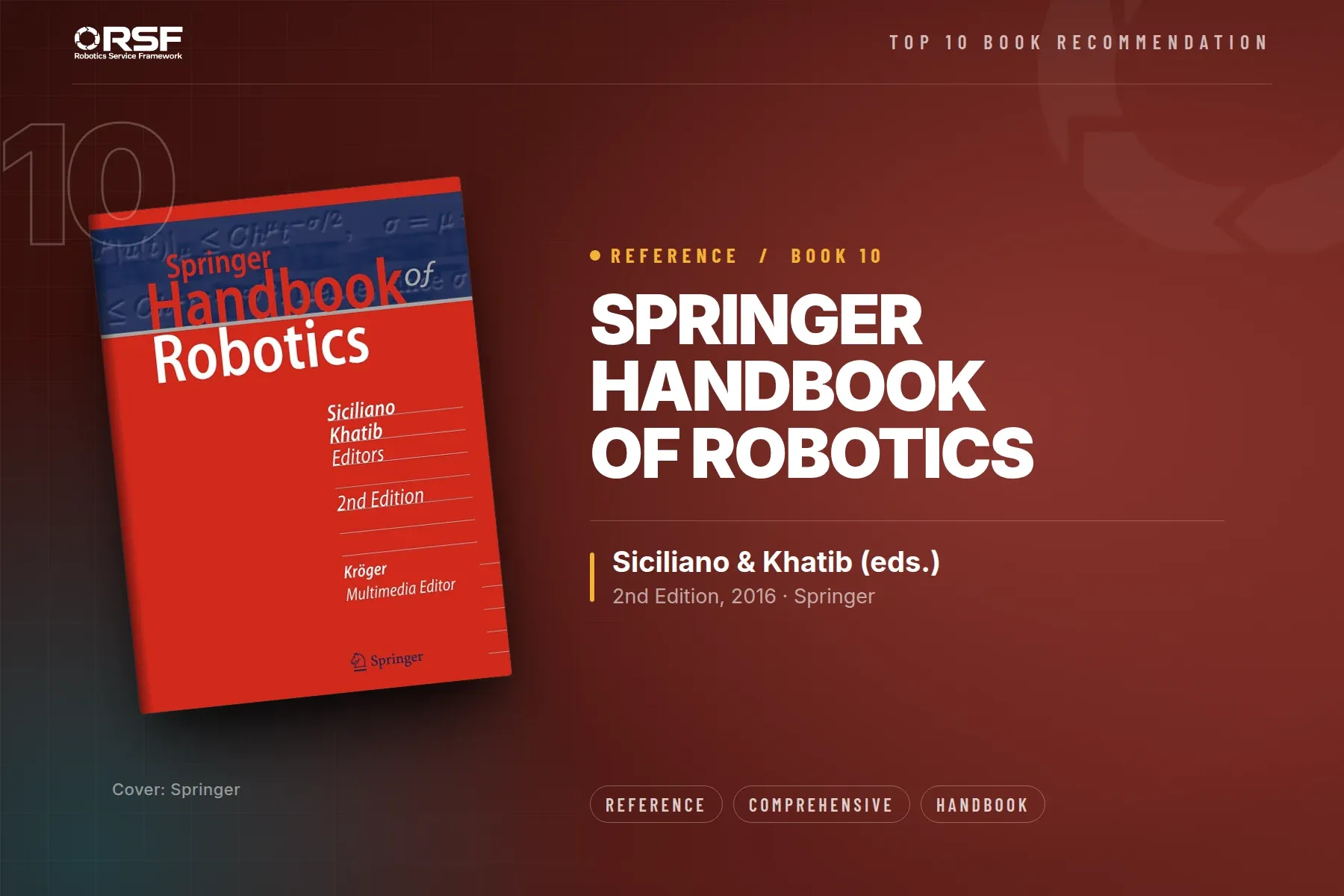
Springer Handbook of Robotics B. Siciliano & O. Khatib (eds.) — RSF Top 10 Robot Education Textbooks · No. 10
Eighty-plus chapters, 2,300 pages, nobody reads it cover to cover. It ranks for one reason: when a fault crosses domains, this is the reference of record.
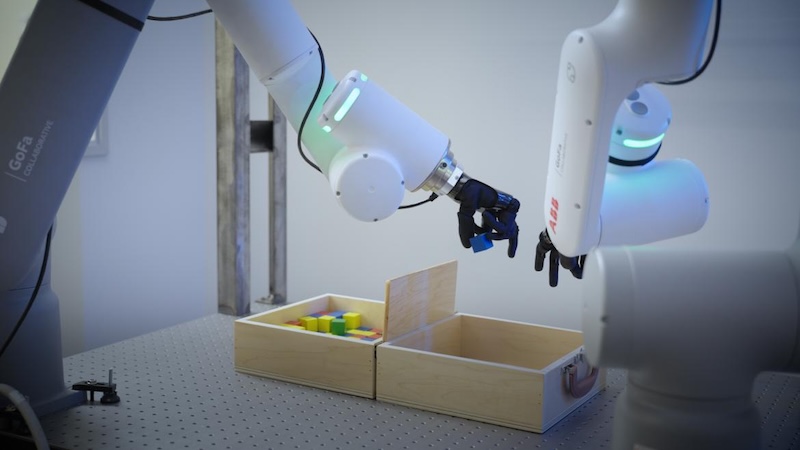
ABB Robotics and Psyonic use human-generated data to advance robotic dexterity
ABB Robotics is partnering with California-based bionics firm Psyonic to enhance robotic gripping and dexterity, addressing a significant challenge in the industry. This collaboration aims to leverage real-world manipulation data derived from human prosthetic use, which could lead to a reduction in engineering time by as much as 30%. The initiative involves integrating the Psyonic Ability Hand with ABB's GoFa robotic arm, creating a more efficient and adaptable solution for various applications. This innovative approach seeks to improve the functionality of robotic systems, making them more effective in handling tasks that require precision and flexibility.
Components Design Engineering abb robotics ai robotics automation news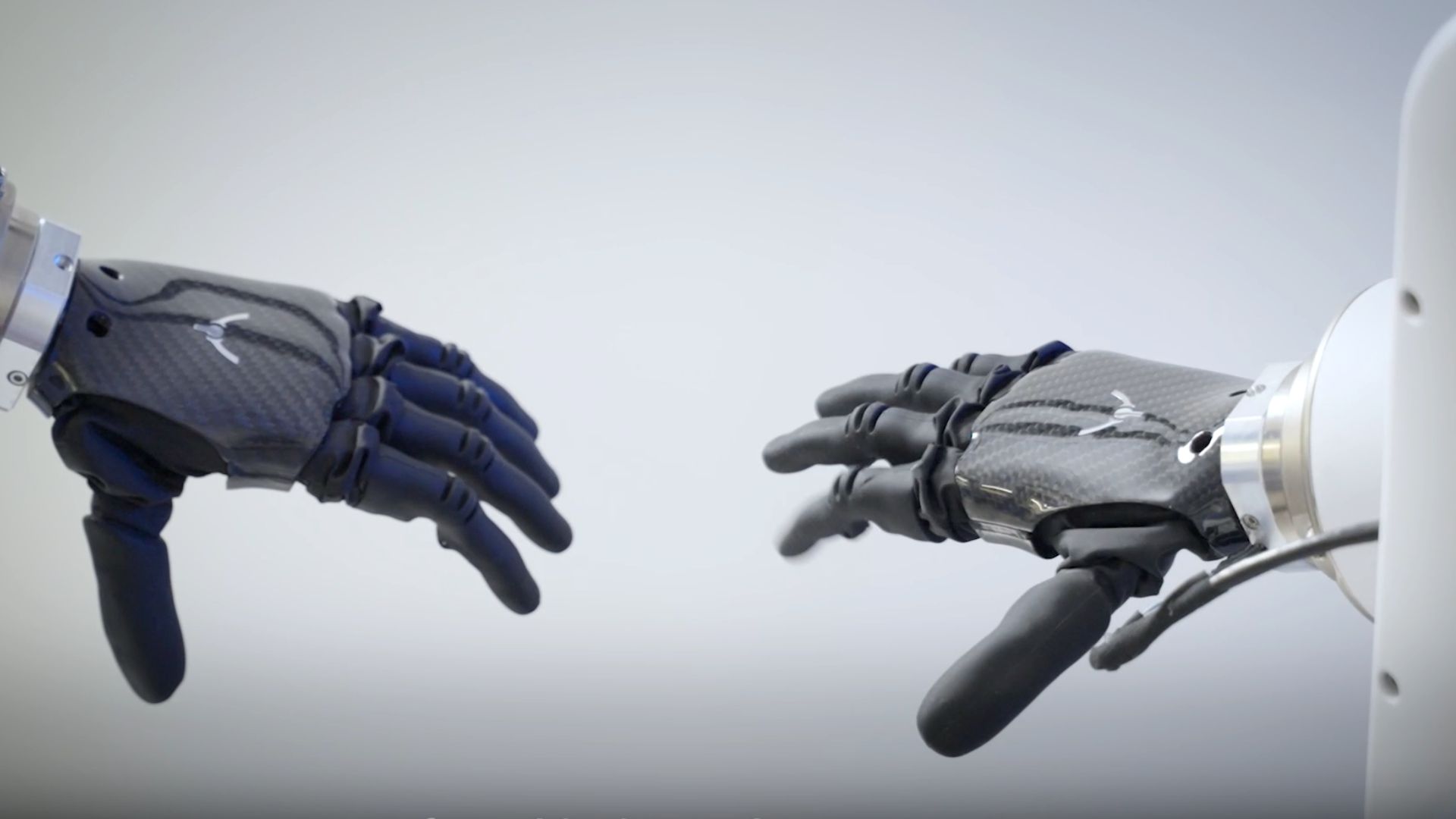
Prosthetic hands’ data helps robots get finer control for precise manipulation
ABB Robotics has announced a collaboration with California-based bionic company PSYONIC to enhance the development of more dexterous robotic systems. This partnership aims to leverage PSYONIC's expertise in bionic technology to create advanced robotic solutions that can perform intricate tasks with greater precision and adaptability. The initiative is part of ABB's ongoing commitment to innovation in robotics, seeking to address the growing demand for versatile robotic applications across various industries. The collaboration was officially unveiled in October 2023, marking a significant step forward in the integration of bionic technology into robotic systems. By combining their strengths, both companies hope to push the boundaries of what is possible in robotic dexterity, ultimately improving efficiency and productivity in sectors such as manufacturing, healthcare, and beyond.
AI and Robotics
ABB Robotics and PSYONIC Use Human-Generated Data to Advance Robotic Dexterity
ABB Robotics has partnered with California-based bionics company PSYONIC to enhance robotic dexterity and grasping capabilities by utilizing human-generated data from prosthetic use. Announced on June 16, 2026, this collaboration aims to address the significant challenge of replicating human-like dexterity in industrial robotics, which is essential for the development of Autonomous Versatile Robotics (AVR™). By integrating the PSYONIC Ability Hand with ABB's GoFa™ collaborative robot, the two companies will explore how real-world manipulation data can train robots to perform delicate tasks that are typically difficult to automate. This initiative is expected to reduce engineering time by up to 30% and improve productivity, flexibility, and workplace safety across various industries, including automotive, aerospace, packaging, logistics, and life sciences. Marc Segura, President of ABB Robotics, emphasized the importance of bridging the gap between human and robotic dexterity to enable robots to learn and interact with their environments more intuitively. Dr. Aadeel Akhtar, Founder and CEO of PSYONIC, highlighted that the collaboration will leverage high-fidelity data on movement and grip force to enhance robotic performance in complex tasks. The GoFa™ robot will provide the precision necessary for industrial applications, ensuring consistent execution of intricate movements, which is crucial for handling fragile or irregular objects. This partnership represents a significant step towards advancing physical AI in robotics, allowing for more effective collaboration between humans and machines.
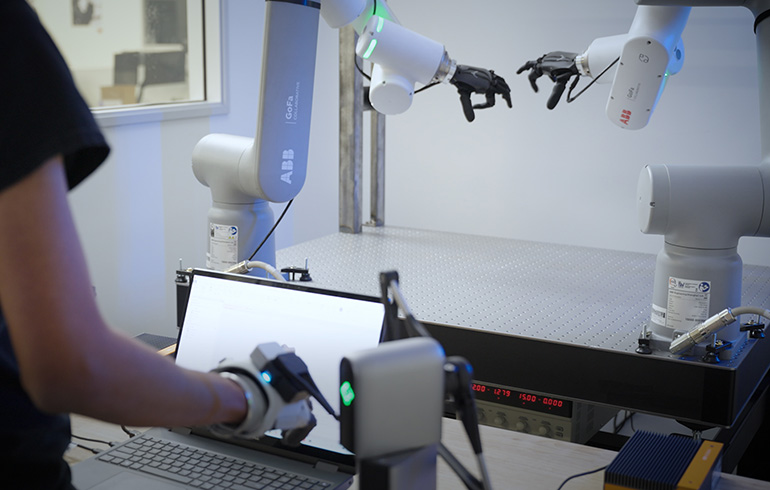
PSYONIC partners with ABB Robotics to apply human touch to robot dexterity
PSYONIC has announced a collaboration with ABB Robotics to enhance robotic dexterity by integrating its Ability Hand prosthetic with ABB's GoFa collaborative robot arm. This partnership aims to leverage data collected from prosthetic users to improve the robot's grasping capabilities, effectively mimicking human touch. The initiative underscores the growing intersection of robotics and prosthetics, with the goal of creating more intuitive and responsive robotic systems. The collaboration reflects a commitment to advancing technology that not only aids individuals with disabilities but also enhances the functionality of robotic devices in various applications.
Arms / Manipulators Artificial Intelligence Automotive Cobot Arms Collaborative Robots End Effectors / Grippers
CONSTRUCTION ROBOTICS | FUTURE HORIZONS: 2025–2030 & BEYOND
Construction robotics is entering its decisive decade. Autonomous jobsites, swarm coordination, humanoid integration, and a potential $60 billion market reshape every strategic decision in the industry.

ROBOTTODAY WEEKLY May 11 - 15, 2026
This week in robotics: Figure AI's humanoids hit a 24/7 nonstop autonomous work milestone, Mind Robotics raises $400M to top $1B, Waymo recalls 3,800 robotaxis over flooding, Unitree debuts the world's first mass-produced human-carrying mecha, and WIRobotics closes a $68M Series B. May 11–15, 2026.

CONSTRUCTION ROBOTICS | BUSINESS MODELS & INVESTMENT LANDSCAPE
Construction robotics attracted $4.4 billion in built environment tech funding through Q3 2025. SoftBank acquired ABB Robotics for $5.375 billion. RaaS is displacing capex models. AI-native platforms command 39x revenue multiples. This is where money meets machines.

CONSTRUCTION ROBOTICS | EXOSKELETONS & HUMAN AUGMENTATION
Construction musculoskeletal injuries cost US employers over $2 billion annually. Exoskeletons are moving from pilots to standard practice. Ottobock, German Bionic, Hyundai, and Innophys launched major products in 2024–2025. Korea and Japan lead adoption. AI is turning passive suits into connected safety platforms.
GLOBAL ROBOTICS INDUSTRY Comprehensive Sector Overview
A comprehensive global robotics industry overview for 2025, analyzing 14 key market segments — from industrial and humanoid robots to logistics AMRs, military systems, and service robots — with expert market sizing, US case studies, five-year forecasts, and bilingual English-Chinese analysis for executives and investors.

EU Bets €1.5B on Drones and AI: Inside EDIP's 2026–2027 Defence Industry Programme
The EU's €1.47 billion European Defence Industry Programme (EDIP) 2026–2027 targets drones, counter-UxS systems, AI-enabled autonomy, and loitering munitions across six major funding calls — allocating over €232 million directly to unmanned systems and related electronics supply chains.
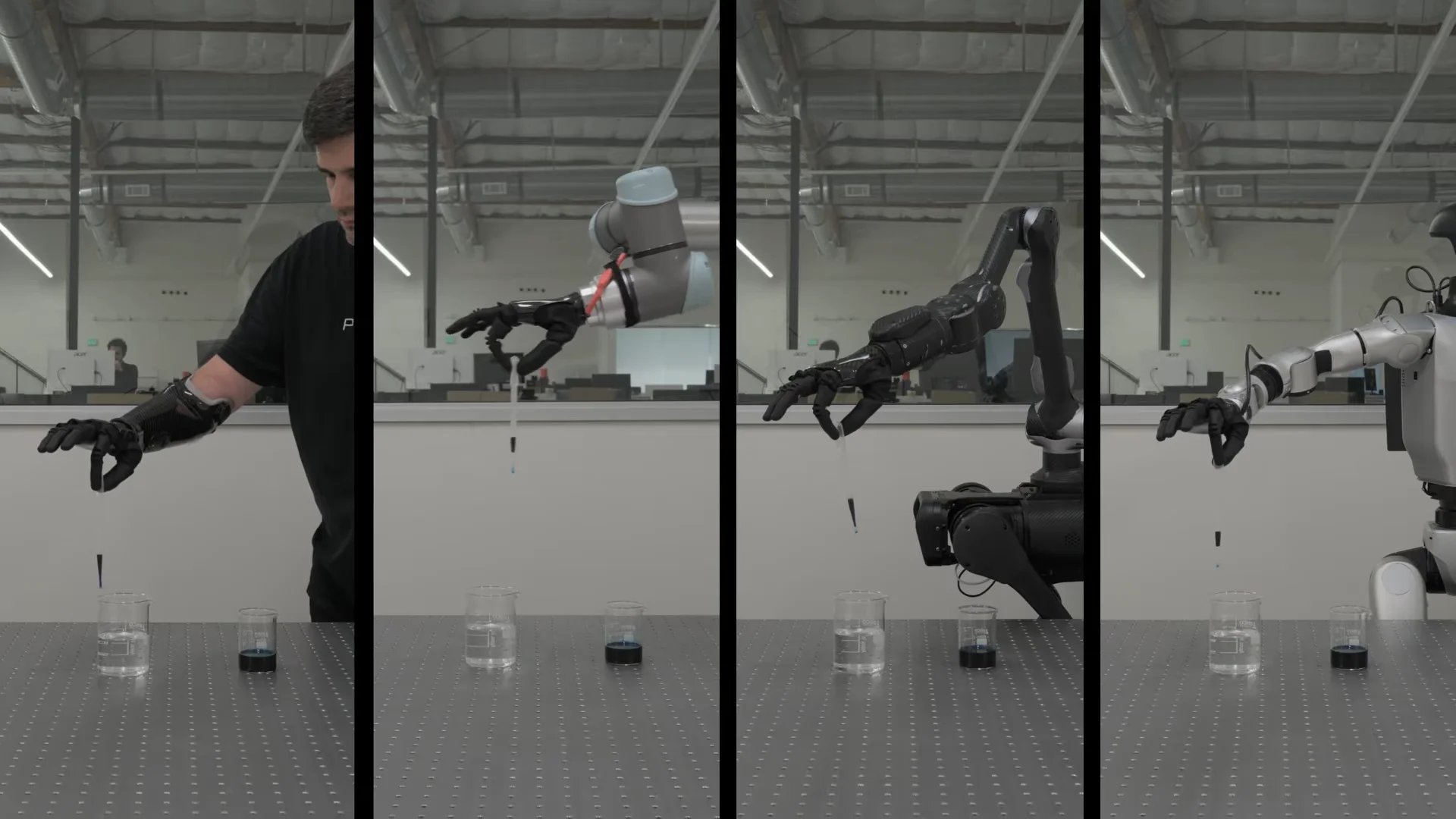
From Prosthetics to Pixels: PSYONIC and NVIDIA Bridge the Robotics "Data Gap" with Real-to-Real Transfer
PSYONIC has integrated its Ability Hand into NVIDIA's Isaac Lab, marking a significant advancement in robotic manipulation technology. This collaboration introduces a "real-to-real" transfer pipeline that leverages human-driven data to enhance the training of dexterous robots. By utilizing data collected up to October 2023, the initiative aims to improve the precision and effectiveness of robotic tasks, ultimately bridging the gap between human and robotic capabilities. This innovative approach is expected to accelerate the development of more sophisticated and adaptable robotic systems, paving the way for broader applications in various industries.
NVIDIA US hand PSYONIC Ability Hand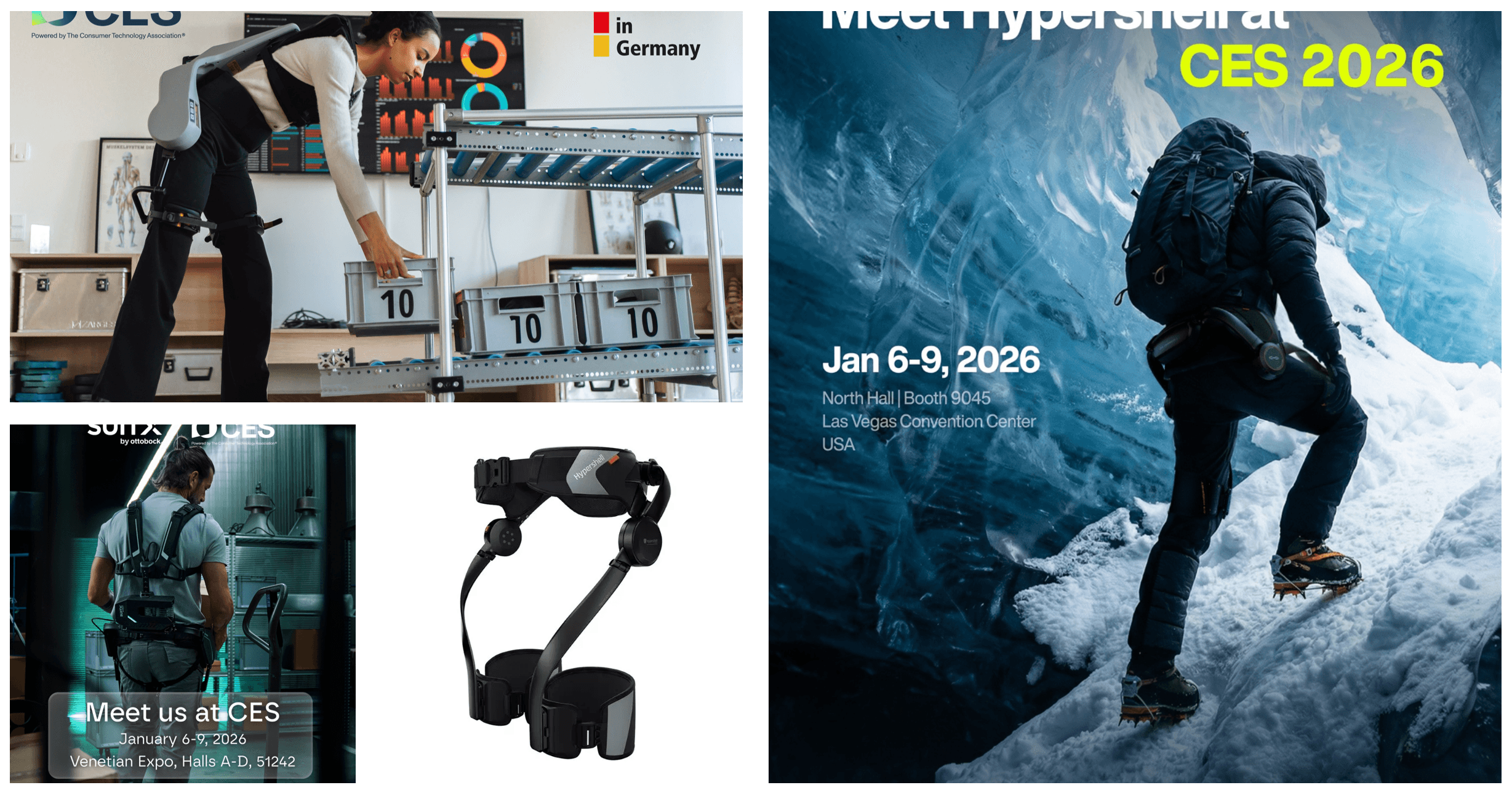
Exoskeletons: The First Scalable Motion Platform for Humanoid Robots
Exoskeletons may scale before humanoid robots. A deep technical analysis of CES 2026 trends, motion systems, actuators, AI control, power constraints, and why exoskeletons are shaping humanoid robotics first.
Robotics Market Set For Explosive Growth By 2025 Amid Intensifying Competition
Robotics industries are poised for rapid expansion by 2025, driven by competitive innovation, investment influxes, and broader commercial adoption worldwide.


