


Axilum Robotics
French medical robot manufacturer producing TMS-Robot and TMS-Cobot, the first CE and FDA-cleared robotic devices for transcranial magnetic stimulation therapy.
Contact Axilum Robotics
WEBSITE
https://www.axilumrobotics.comPHONE
+33 3 88 55 62 07HEADQUARTERS
France

Company Facts
Founded
2011
Primary Role
Manufacturer
Company Size
-
Primary Region
Europe
Annual Sales
-
Funding Stage
-
Funding Total
-
Certifications & Memberships

AI Ultrasound Robots Revolutionize Congenital Heart Defect Surgery with Intelligent Imaging
Recently, a medical team in China successfully performed a congenital heart defect closure surgery using an AI-assisted ultrasound robot. This operation, conducted by the Sixth Medical Center of the PLA General Hospital, involved a 48-year-old male patient and marks the first global use of an AI ultrasound robot with intelligent imaging capabilities for such minimally invasive treatment. This breakthrough signifies a shift in medical robotics from traditional execution tools to intelligent assistance systems. Previously, interventional surgical robots primarily handled mechanical tasks, while physicians relied on their experience to interpret ultrasound images. The AI ultrasound robot enhances this process by integrating image recognition, real-time analysis, and operational guidance, enabling automatic image acquisition and abnormal structure identification, which is crucial for precise placement of occluders in complex cardiac structures. As the field of medical robotics rapidly evolves, the cardiovascular sector is a key area for AI exploration due to the high precision and risk involved in heart interventions. The successful application of AI ultrasound robots in China reflects a significant trend towards redistributing medical resources, potentially improving access to high-quality healthcare in underserved regions. No further timeline was disclosed at the time of publication.
AI in Healthcare Surgical Robotics Cardiovascular Technology Medical Imaging Precision Medicine
China Achieves First AI-Guided Surgery for Congenital Heart Disease Using Intelligent Robotics
Recently, a medical team in China completed the world's first AI ultrasound robot-assisted interventional procedure for congenital heart disease. Conducted by the Cardiovascular Medicine Department of the Sixth Medical Center of the PLA General Hospital, this surgery marks a significant milestone in the clinical application of intelligent technology in healthcare. This breakthrough is crucial as it signifies the integration of artificial intelligence into one of the most critical aspects of surgical procedures: interpreting images, assessing positions, and aiding doctors in formulating operational plans. Traditionally, cardiovascular interventions heavily relied on physician experience, particularly in complex cases where accurate understanding of heart structure changes is essential. Looking ahead, the focus may shift from merely achieving higher precision with robotic arms to whether robots can comprehend medical images, analyze patient conditions, and adapt strategies in real-time. The integration of AI models, medical imaging, and robotic control systems will be vital for advancing surgical capabilities, especially in areas lacking experienced specialists.
AI in Healthcare Surgical Robotics Medical Imaging Cardiovascular Surgery
China Achieves World-First with AI-Driven Ultrasound Robot for Heart Surgery
A groundbreaking achievement in cardiology occurred when a Chinese medical team successfully utilized an AI-driven, ultrasound-guided robot to perform a transcatheter closure for congenital heart disease in a 48-year-old patient. This milestone was reached at the Sixth Medical Center of the Chinese PLA General Hospital, also known as 301 Hospital, marking a significant advancement in surgical techniques. The importance of this development lies in its potential to enhance surgical precision and transform cardiovascular care. Unlike existing surgical robots that require direct human control, this innovative system employs deep learning algorithms to autonomously navigate and perform the procedure, significantly reducing radiation exposure for both patients and medical staff. Looking ahead, the implications of this technology are profound, as it could facilitate the expansion of specialized healthcare access globally. The intelligent automation of complex ultrasound-guided procedures may streamline workflows, reduce human error, and ultimately improve patient outcomes in cardiovascular interventions. No further timeline was disclosed at the time of publication.
Science
RobotToday Weekly Briefing August 31 – September 4, 2026
This week in robotics: NVIDIA agrees to buy Hugging Face for $12.93 billion, Figure signs a $3.5 billion compute deal with Nscale for up to 100,000 GPUs, Tesla launches steering-wheel-free Cybercabs in Austin under NHTSA scrutiny, and Uber and Wayve bring the UK its first autonomous rides. August 31 – September 4, 2026.
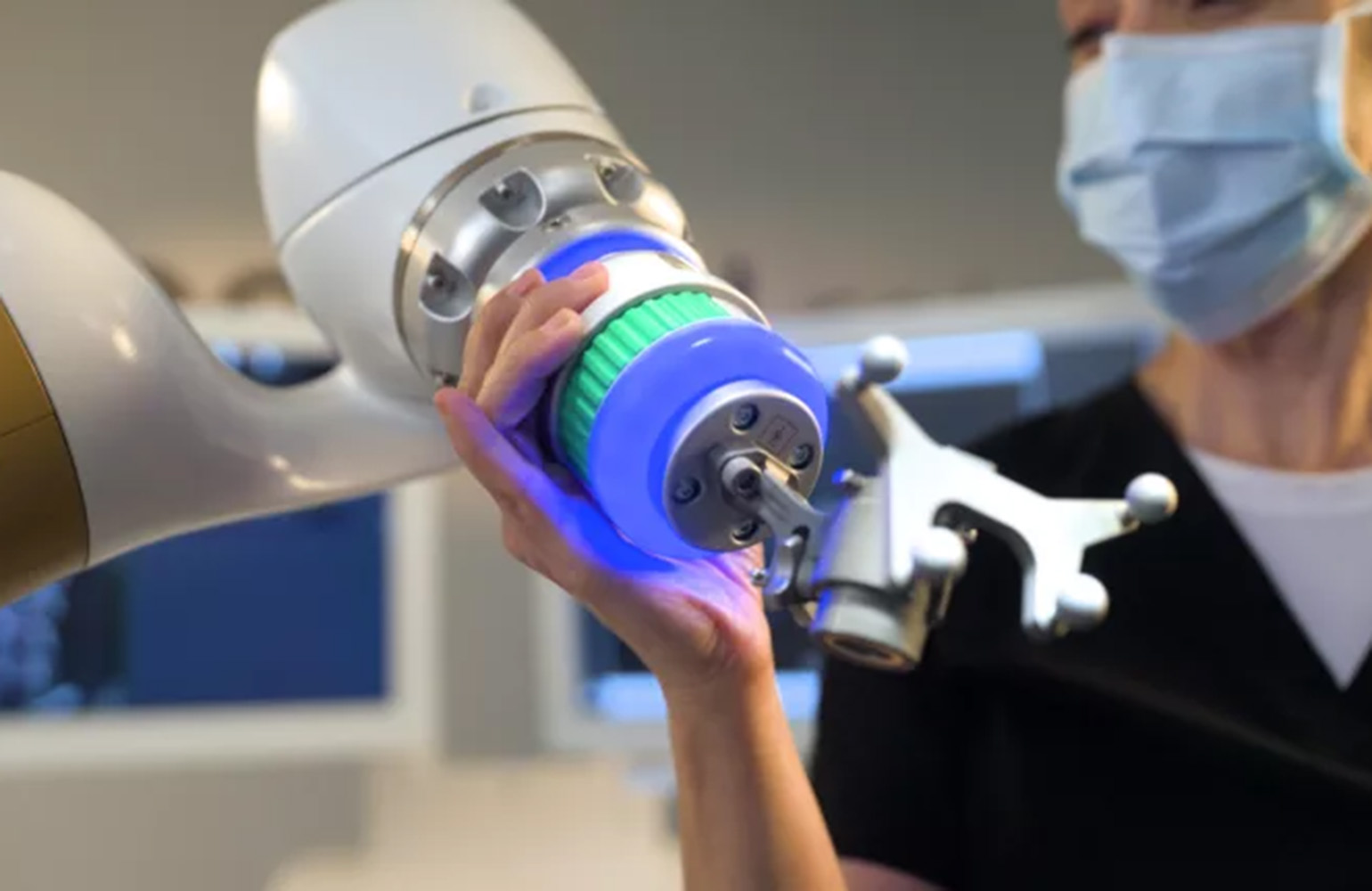
Enovis to Acquire eCential Robotics for Over $180 Million to Enhance Surgical Technology
Enovis Corp. has announced a binding offer to acquire eCential Robotics for approximately €155 million, exceeding $180 million. This acquisition aims to integrate eCential's modular surgical robotics platform into Enovis' ASTRA technology platform, enhancing its capabilities in orthopedic surgery. The addition of eCential's robotic technology is significant as it aligns with Enovis' strategy to provide surgeons with diverse technological options. CEO Damien McDonald emphasized that this move will strengthen their market position and expand strategic opportunities in robotic-assisted surgery, addressing evolving market demands. Looking ahead, Enovis plans to finalize the acquisition by the end of 2026, with an initial payment of €176 million and potential additional payments based on performance milestones. The integration of eCential's expertise is expected to accelerate the development of next-generation robotic solutions, particularly in knee and shoulder surgeries, within the next two years.
Financial Healthcare Robotics Markets / Industries Mergers & Acquisitions News Robots / Platforms
China Establishes Reimbursement Group for Robot-Assisted Surgery in DRG/DIP 3.0 Plan
China's National Healthcare Security Administration has officially created a distinct reimbursement group for robot-assisted surgery within the DRG/DIP 3.0 plan. This significant move addresses a pricing gap that could have adversely affected hospitals that choose to adopt surgical robots. The establishment of this reimbursement group is crucial as it encourages the integration of advanced robotic technologies in surgical procedures. By providing a clear reimbursement framework, hospitals may be more inclined to invest in surgical robots, ultimately enhancing patient care and operational efficiency. Looking ahead, stakeholders in the healthcare sector should monitor the impact of this new reimbursement structure on the adoption rates of robotic surgical systems. No further timeline was disclosed at the time of publication.

Enovis Acquires eCential Robotics for €155 Million to Enhance Surgical Orthopedic Robots
Enovis announced its acquisition of eCential Robotics for €155 million (approximately $180 million) to advance the development of surgical robots for orthopedic procedures. This strategic move aims to close a competitive gap and formalize an existing collaboration with eCential, which previously developed Johnson & Johnson's Velys Spine surgical robot. Enovis plans to launch a knee robot in late 2028 and a shoulder robot in 2029, enhancing its Astra enabling technology system with robotics capabilities. The acquisition is significant as it positions Enovis to compete more effectively in the orthopedic surgical robot market, where rivals like Johnson & Johnson and Stryker are already active. Enovis CEO Damien McDonald emphasized that integrating robotics technology is crucial for the company's long-term growth strategy. The planned knee and shoulder robots are expected to feature unique capabilities, including a robotic arm with seven degrees of freedom, setting them apart from existing offerings in the market. Looking ahead, Enovis aims to leverage eCential's expertise to accelerate product development and respond more effectively to clinician needs. The acquisition includes an upfront payment and potential milestone payments totaling up to €35 million, contingent on the successful development of the new devices. No further timeline was disclosed at the time of publication.
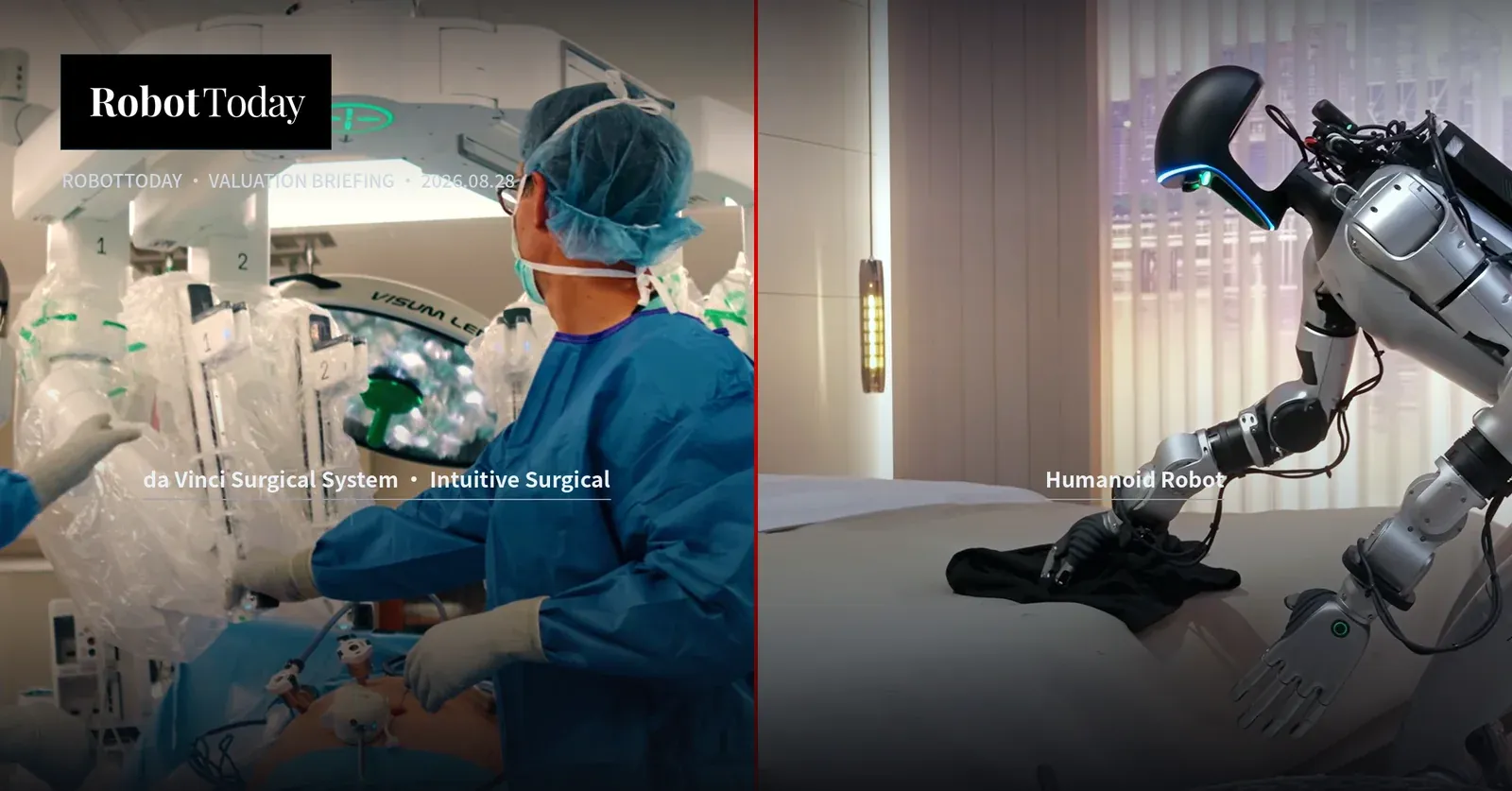
Robotics Investing: Intuitive Surgical or Unitree?
Unitree (STAR 688836) trades near 410x earnings after a 46% drawdown; Intuitive Surgical sits at 42.5x. A definition-aligned comparison of both companies.

Five Innovative Robots Transforming Modern Medicine and Patient Care
The integration of robots in healthcare has evolved from a futuristic concept to a reality, with machines now playing vital roles in operating rooms and rehabilitation centers worldwide. These robots enhance surgical precision, disinfect hospital environments, and assist in patient recovery, showcasing their diverse applications in modern medicine. The da Vinci Surgical System, developed by Intuitive Surgical, stands out as the most widely adopted surgical robot globally, approved by the FDA since 2000. It enables surgeons to perform complex procedures with enhanced dexterity and reduced tremors, impacting various specialties such as urology and gynecology. Meanwhile, the Xenex LightStrike robot addresses the critical issue of hospital-acquired infections by using ultraviolet light to disinfect rooms quickly and effectively, contributing to patient safety and infection control. As the healthcare landscape continues to embrace robotic technology, stakeholders should monitor advancements in robotic applications and their implications for patient care. The ongoing development of robots like the da Vinci and LightStrike highlights the potential for improved outcomes in surgery and infection management. No further timeline was disclosed at the time of publication.
Lists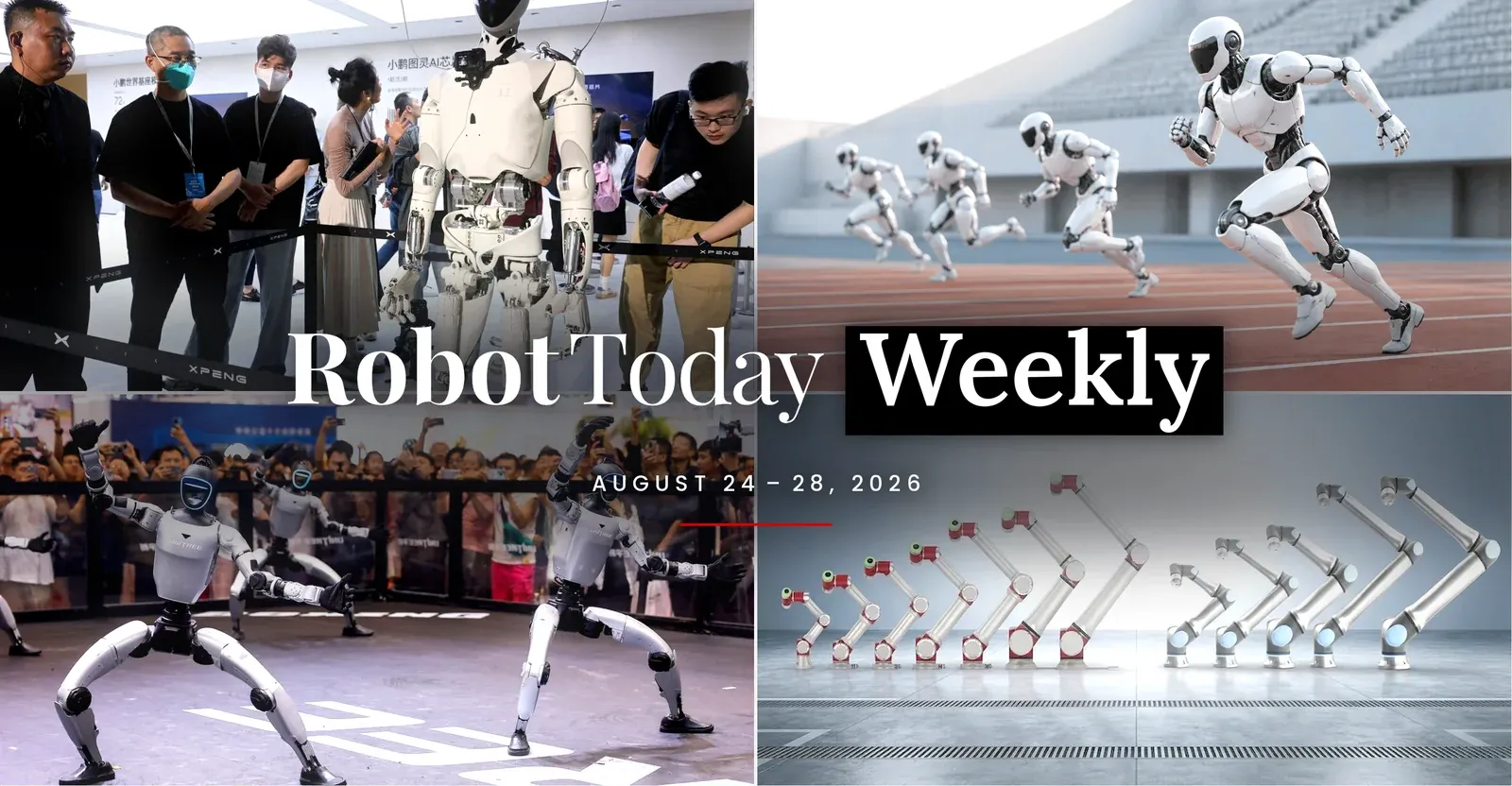
ROBOTTODAY WEEKLY BRIEFING August 24 – 28, 2026
This week in robotics: XPeng's Dogotix raises over $900 million at a $6.3 billion valuation, Unitree's post-IPO slump revives bubble talk, Beijing's World Humanoid Robot Games close with a shift to real-world tasks, and Teradyne sues JAKA at Europe's Unified Patent Court. August 24–28, 2026.

Noah Medical Plans Hong Kong IPO to Support Expansion in Mainland China
Noah Medical, a surgical robotics firm backed by SoftBank, is preparing to file for a Hong Kong listing as early as next year. The company aims to raise over $100 million to bolster its expansion efforts in mainland China. Founder Zhang Jian emphasized that Hong Kong's status as an international financial center makes it an ideal location for their listing. The move is significant as Noah Medical seeks to tap into the growing demand for surgical robotics in China. With regulatory approval from China's drug regulator obtained in November, the company is targeting hospitals such as Sir Run Run Shaw Hospital for its products. Currently, 90% of Noah Medical's revenue comes from the U.S., where its surgical robots have successfully treated around 15,000 patients. Looking ahead, the company’s listing could provide the necessary capital to enhance its market presence in China. No further timeline was disclosed at the time of publication.
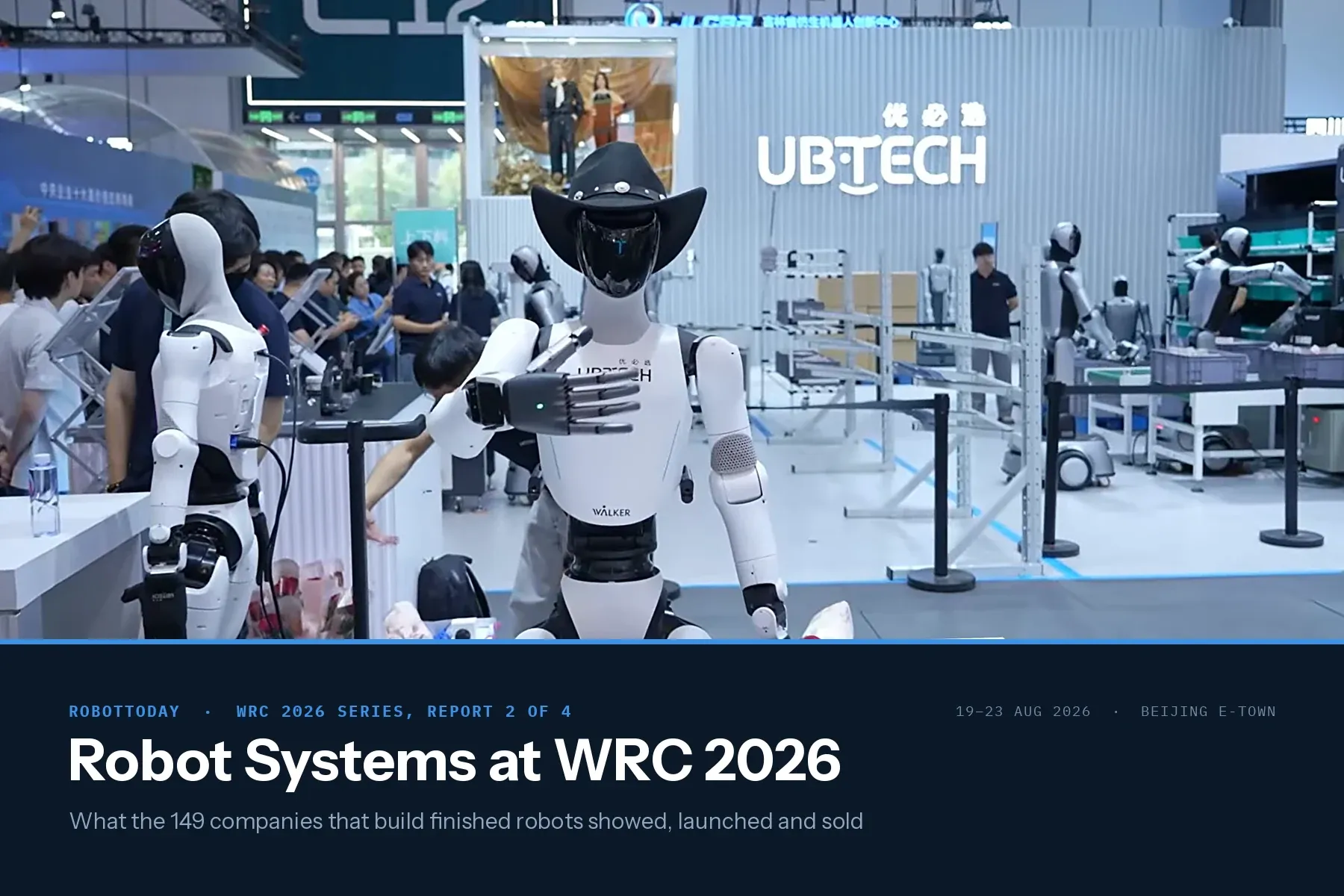
WRC 2026 Robot Systems: 149 Companies That Build Robots
149 of the 248 classified WRC 2026 exhibitors build finished robots. 93 build humanoid or legged machines. The audited humanoid sales number is one unit.
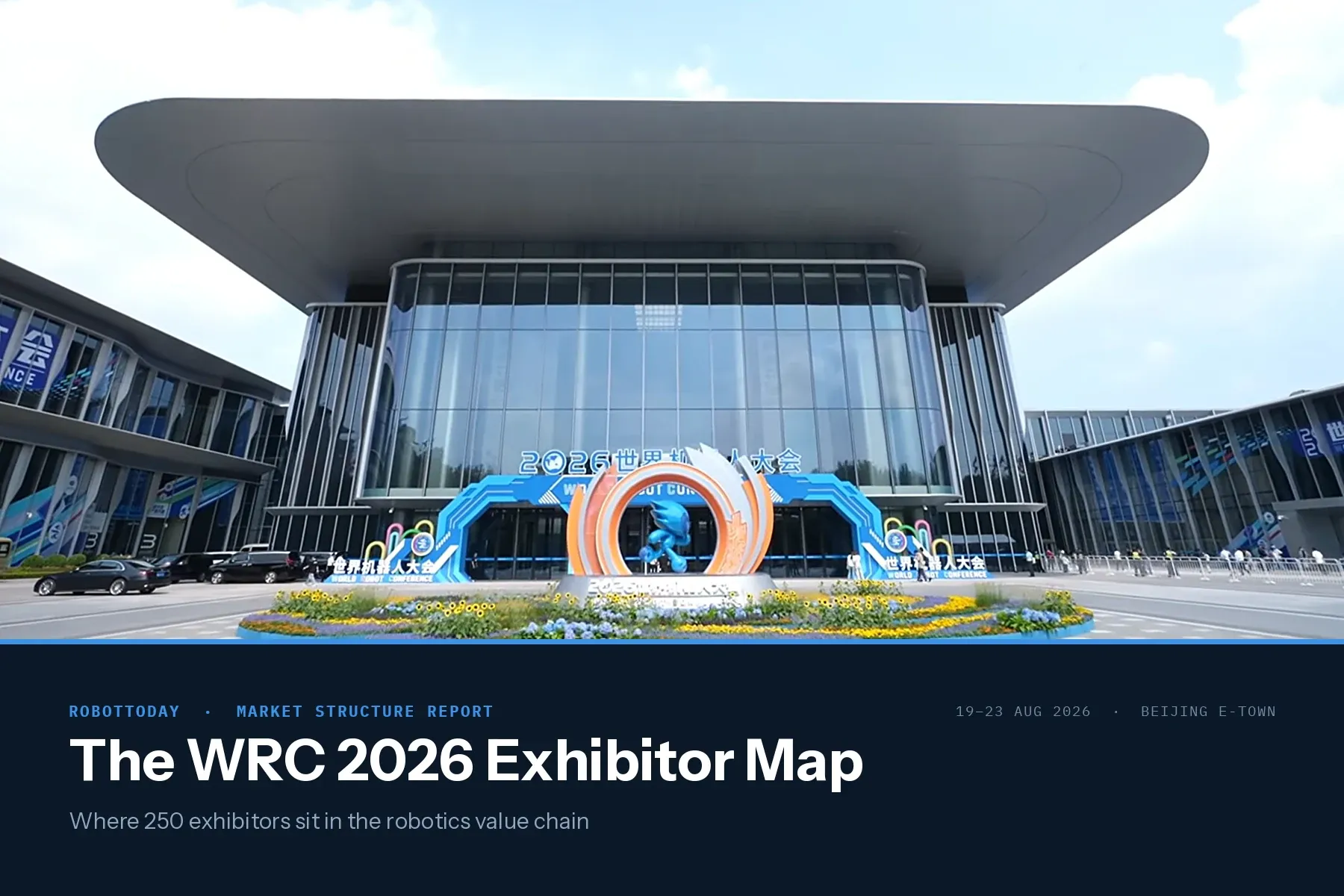
WRC 2026 Exhibitor Map: 248 Robotics Companies Mapped
We classified 248 WRC 2026 exhibitors with the RobotToday taxonomy. Motion & Actuation leads at 75 companies, Humanoid at 72, and compute stays thin at 12. (Modified 2026-08-27)

Surgical Robots Shine at International Medical Expo: Domestic Innovations Reshape Operating Rooms
From August 14 to 16, the 32nd China International Medical Instrument and Equipment Exhibition took place at the National Convention Center. Surgical robots became the highlight of the event, which focused on showcasing innovative medical devices and digital healthcare technologies. Attendees observed demonstrations of various surgical robots, including both international models like the da Vinci and domestic innovations, highlighting their evolution from auxiliary tools to primary surgical instruments. The significance of this event lies in the emergence of domestic surgical robot companies, whose products span laparoscopic, orthopedic, and neurosurgical applications. Some of these robots have already completed thousands of surgeries in top-tier hospitals, and their competitive pricing compared to imported devices is expected to accelerate their adoption in grassroots healthcare facilities. The exhibition also featured China's medical equipment applications in Africa, reflecting the growing export of Chinese medical devices, with a notable increase in high-value products like surgical robots. Looking ahead, industry experts noted that as the costs of surgical robots decrease and demand from grassroots hospitals rises, the Chinese medical robot market is entering a growth phase. According to Frost & Sullivan, the market size for surgical robots in China is projected to exceed 50 billion yuan by 2030, with domestic production rates expected to surpass 50%. No further timeline was disclosed at the time of publication.
Surgical Robots Medical Devices Healthcare Technology AI in Medicine
Joint Robot Training in Guiyang Achieves Success with Over 2.04 Million Views
On August 7, 2026, a training program on the safety and effectiveness of domestic joint surgery robots was successfully held at Guizhou Provincial People's Hospital. This event was organized by the Sichuan International Medical Exchange Promotion Association and featured experts from various prestigious hospitals, including Sichuan University West China Hospital and the PLA General Hospital. The training included surgical demonstrations and academic discussions, showcasing the capabilities of Yuanhua Intelligent Technology's surgical robots. The significance of this training lies in its demonstration of advanced robotic technology in orthopedic surgeries, particularly in total knee arthroplasty (TKA) and total hip arthroplasty (THA). Yuanhua Intelligent's robots, equipped with precise navigation capabilities, received high praise from attending experts. The event highlighted the importance of integrating robotics into surgical practices, which can enhance surgical precision and improve patient outcomes. Looking ahead, the continued development and application of robotic-assisted surgeries will be crucial in the orthopedic field. Experts shared insights on the future of robotic surgery, emphasizing the need for ongoing training and knowledge sharing among medical professionals. No further timeline was disclosed at the time of publication.
Orthopedic Robotics Surgical Training Medical Technology Healthcare Innovation
WAIC Review 4/4: From Port AGVs to Hospital Night Shifts: What WAIC 2026 Reveals About Real Robot Deployments
From 530+ AGVs at a Singapore port to robots on Apple's line, WAIC 2026 speakers shared concrete data on where embodied AI robots are actually working today.

ROBOTTODAY Weekly July 13 – 17, 2026
This week in robotics: Hyundai takes full ownership of Boston Dynamics, Xpeng targets 1,000 Iron humanoids a month, LimX Dynamics raises $200M pre-IPO, and Agility opens a Silicon Valley physical-AI hub. July 13–17, 2026.
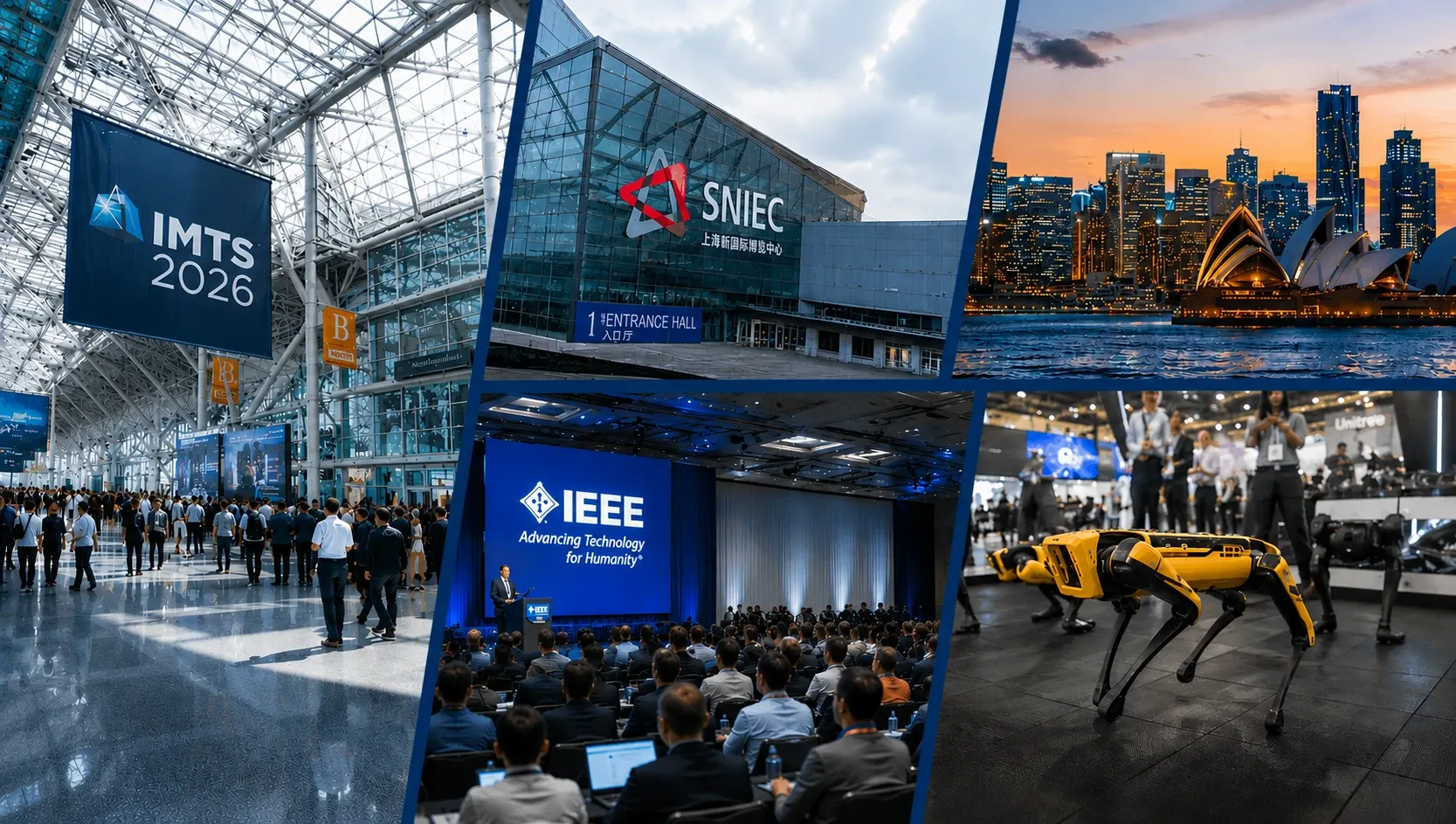
2026H2 Robotics Events Briefing: Tailored Recommendations for Robotics Readers
Discover the ultimate directory of global robotics events in 2026. Tailored briefings for engineers, investors, and founders on humanoid robots, AI, and industrial automation by RobotToday.

ROBOTTODAY Weekly June 23 – 27, 2026
This week in robotics: Agility Robotics $2.5B SPAC deal for first humanoid IPO, BMW Figure 03 logistics deployment, Morgan Stanley doubles China humanoid forecast, ON Semiconductor acquires Synaptics for $7B, Sony halts aibo in Japan. June 23–27, 2026.

ROBOTTODAY Weekly May 23 – 29, 2026
This week in robotics: the Humanoids Summit debuts in Tokyo, China assigns every humanoid robot a digital ID, Figure signs a Catalyst Brands deployment deal, and Unitree heads to a June 1 IPO hearing. May 23–29, 2026.

