

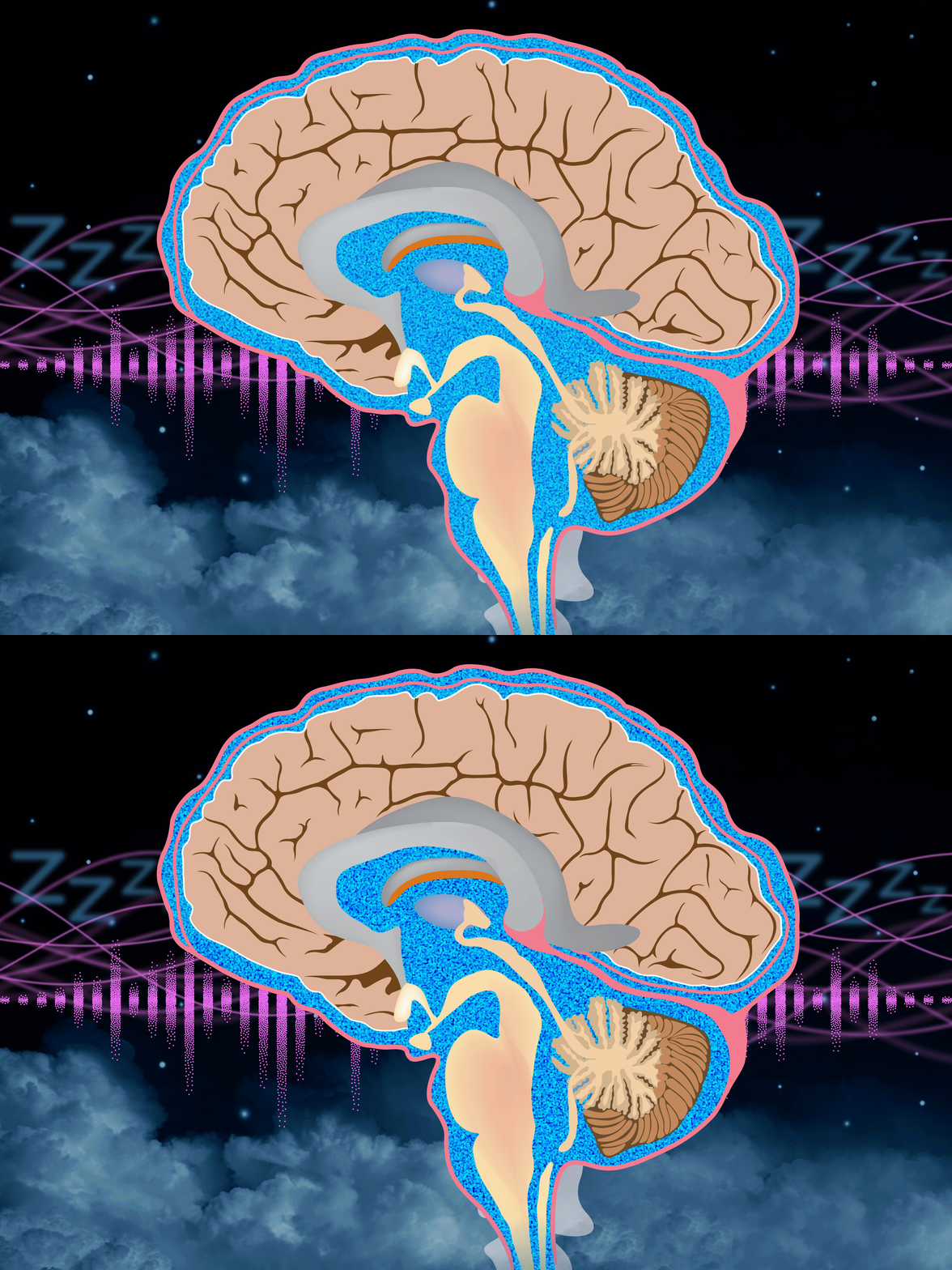
MIT researchers have demonstrated that short bursts of pink noise can enhance cerebrospinal fluid (CSF) waves during sleep. This enhancement may help in clearing waste products from the brain, potentially improving cognitive function and memory while slowing neurodegenerative disease progression.
The significance of this study lies in its potential to improve brain health by increasing CSF flow, which is crucial for removing harmful proteins like amyloid beta. Laura Lewis, the senior author, expressed excitement about applying this technology to clinical populations to observe its effects on cognitive health.
Future research will focus on the implications of enhanced CSF flow on cognitive function and memory. The study opens avenues for exploring therapeutic applications in neurodegenerative diseases, although no further timeline was disclosed at the time of publication.
Editor's Note
The intersection of neuroscience and sound technology presents a promising frontier in enhancing sleep quality and brain health. As researchers explore the implications of auditory stimuli on cerebrospinal fluid dynamics, the potential for innovative treatments in cognitive decline and neurodegenerative conditions becomes increasingly relevant. This study could pave the way for new therapeutic strategies in clinical settings.































Leave a comment