


Mitsubishi Electric Europe B.V. NL Deutschland
"Automating the World"
Ratingen Germany branch (est. 1978) of Mitsubishi Electric Europe; distributes MELFA robots, MELSEC PLCs, and inverters across the DACH region.
Contact Mitsubishi Electric Europe B.V. NL Deutschland
WEBSITE
https://de.mitsubishielectric.com/fa/PHONE
+49 2102 4860HEADQUARTERS
Germany

Company Facts
Founded
1978
Primary Role
Manufacturer
Company Size
-
Primary Region
Europe
Annual Sales
-
Funding Stage
-
Funding Total
-
Keywords
- Mitsubishi Electric Europe B.V. NL Deutschland
- EMEA
- MELFA
- MELSEC
- Mitsubishi Electric
- Industrial Manufacturing
- Robot Manufacturer
- System Integrator
- Manufacturer
- Component Supplier
- Service Company
- Industrial Robot
- Collaborative Robot
- Control & Software
- Motion & Actuation
- Navigation & Positioning
- Human-Machine Interaction
- Manufacturing
- Logistics & Supply Chain
- Education & Research
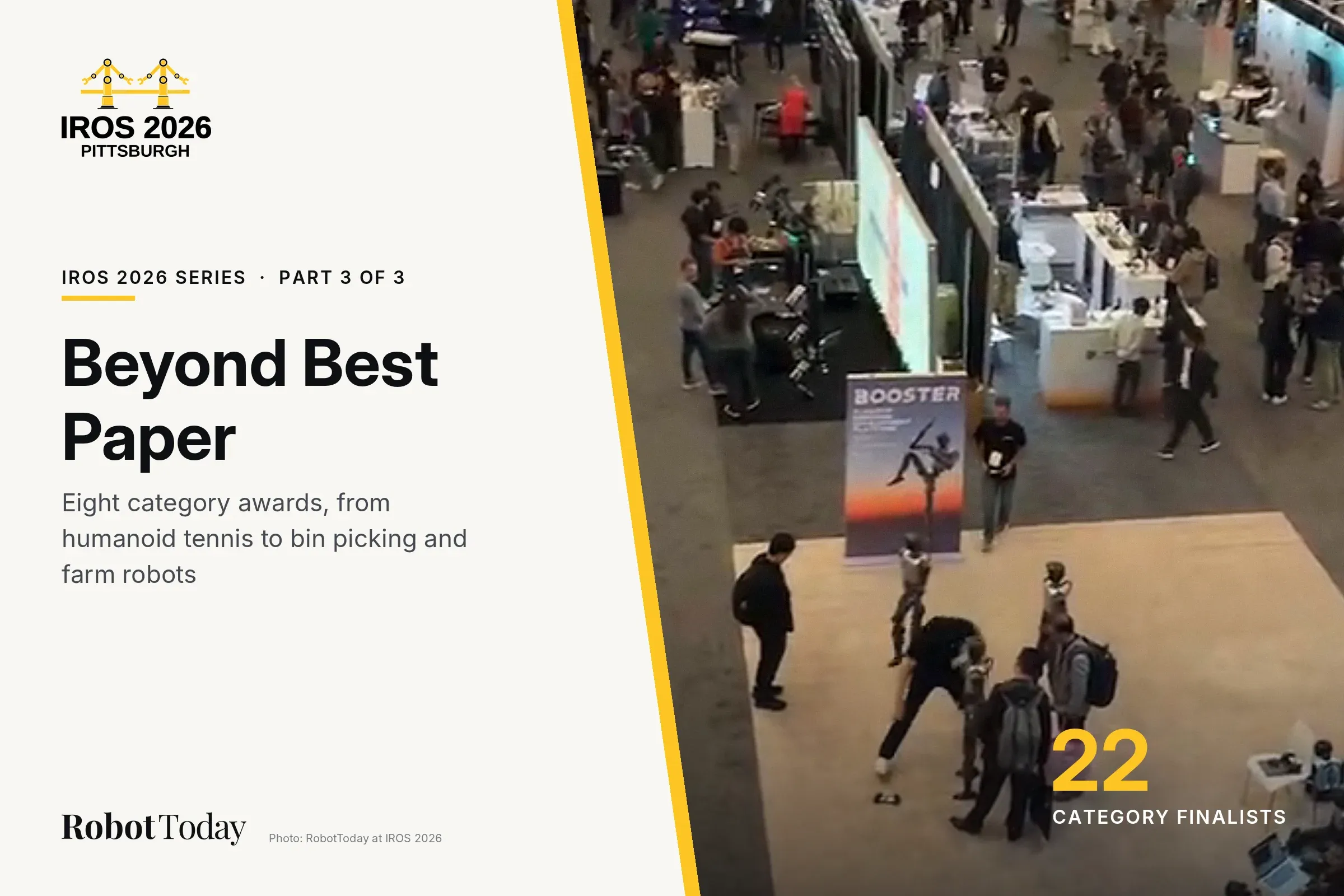
IROS 2026 Category Award Finalists: All 22 Papers
From humanoid tennis to bin picking and farm robots: the 22 finalists for IROS 2026's eight category awards, and what each one means for industry.
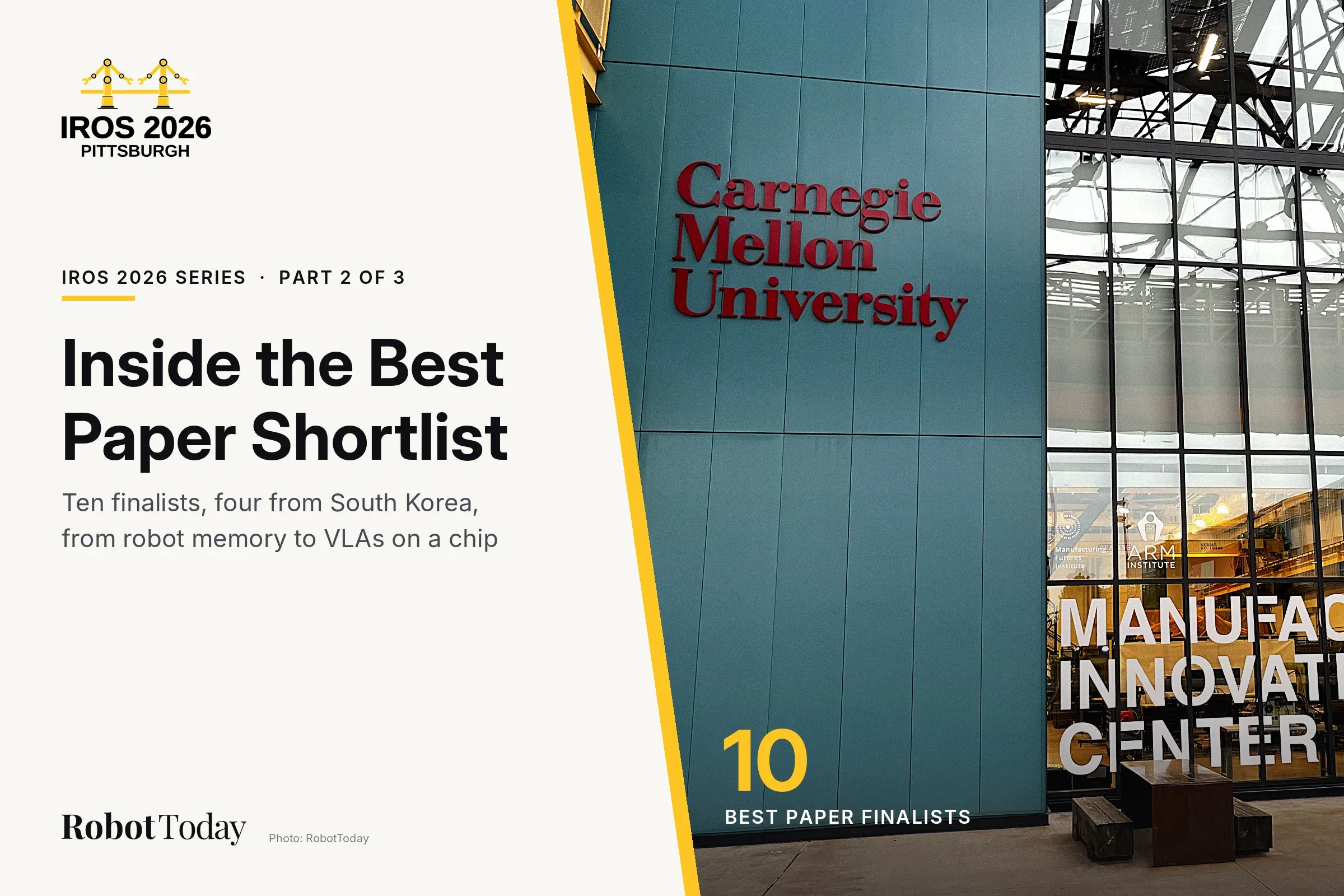
IROS 2026 Best Paper Finalists: South Korea Leads
Ten papers made the IROS 2026 Best Paper and Best Student Paper shortlist, four from South Korea. What each one does and what it means for industry.
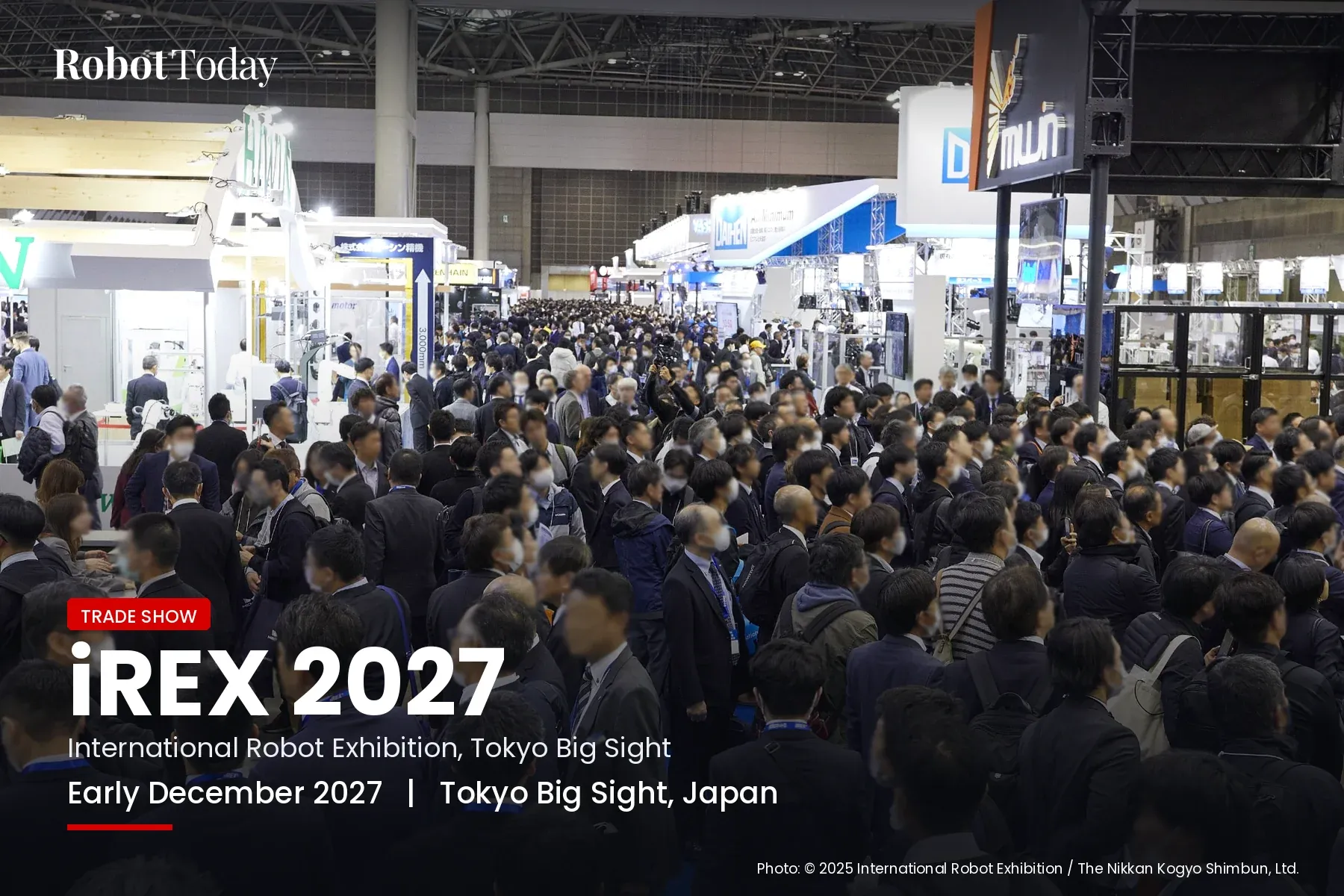
iREX 2027: International Robot Exhibition, Tokyo, Dec 2027
iREX 2027 returns to Tokyo Big Sight in early December 2027. The 2025 edition drew a record 673 exhibitors and 156,110 visitors.
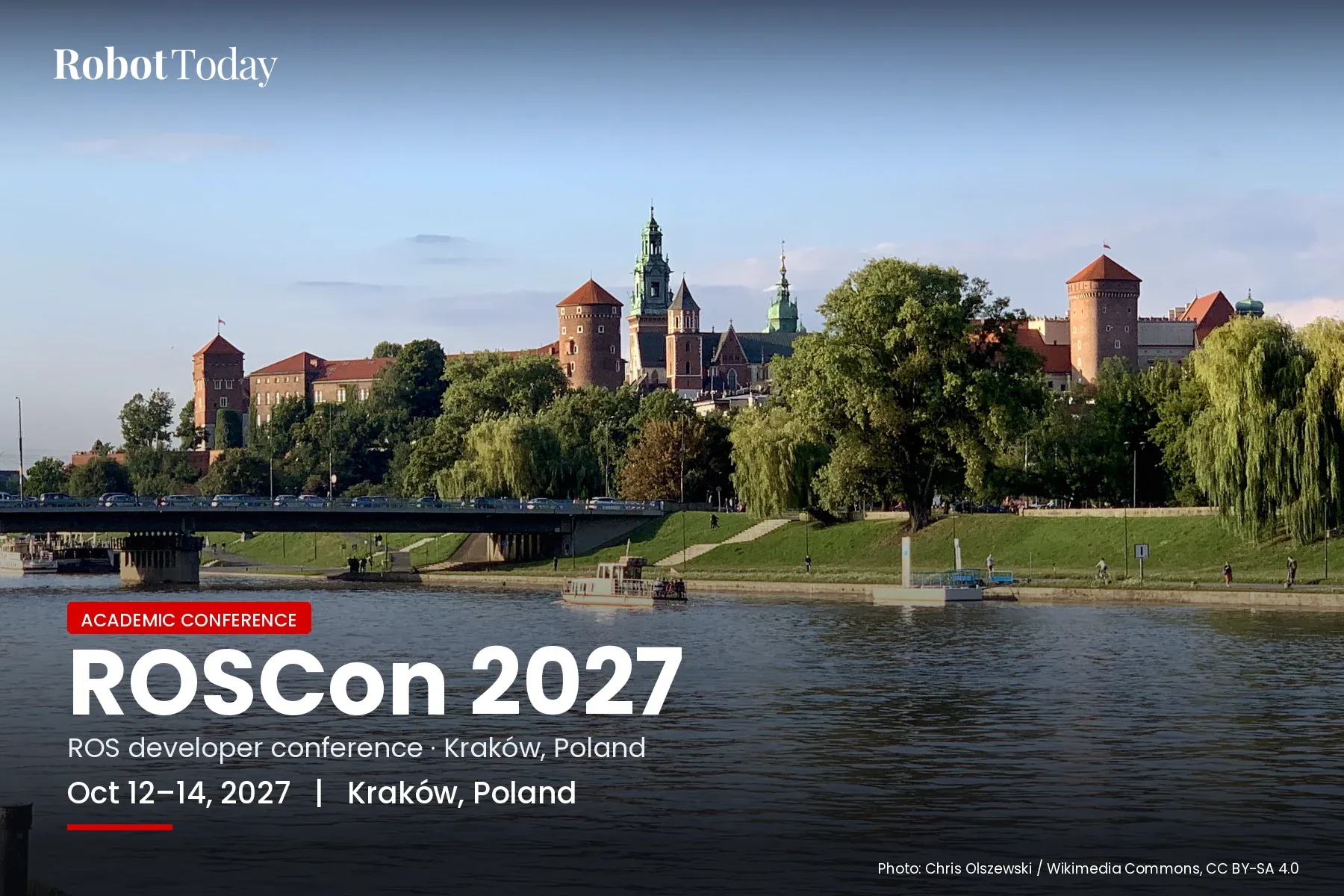
ROSCon Global 2027, Kraków, Oct 12–14
ROSCon Global 2027, Open Robotics' annual ROS developer conference, runs Oct 12–14, 2027 in Kraków, Poland. Venue, CFP and registration to be announced.
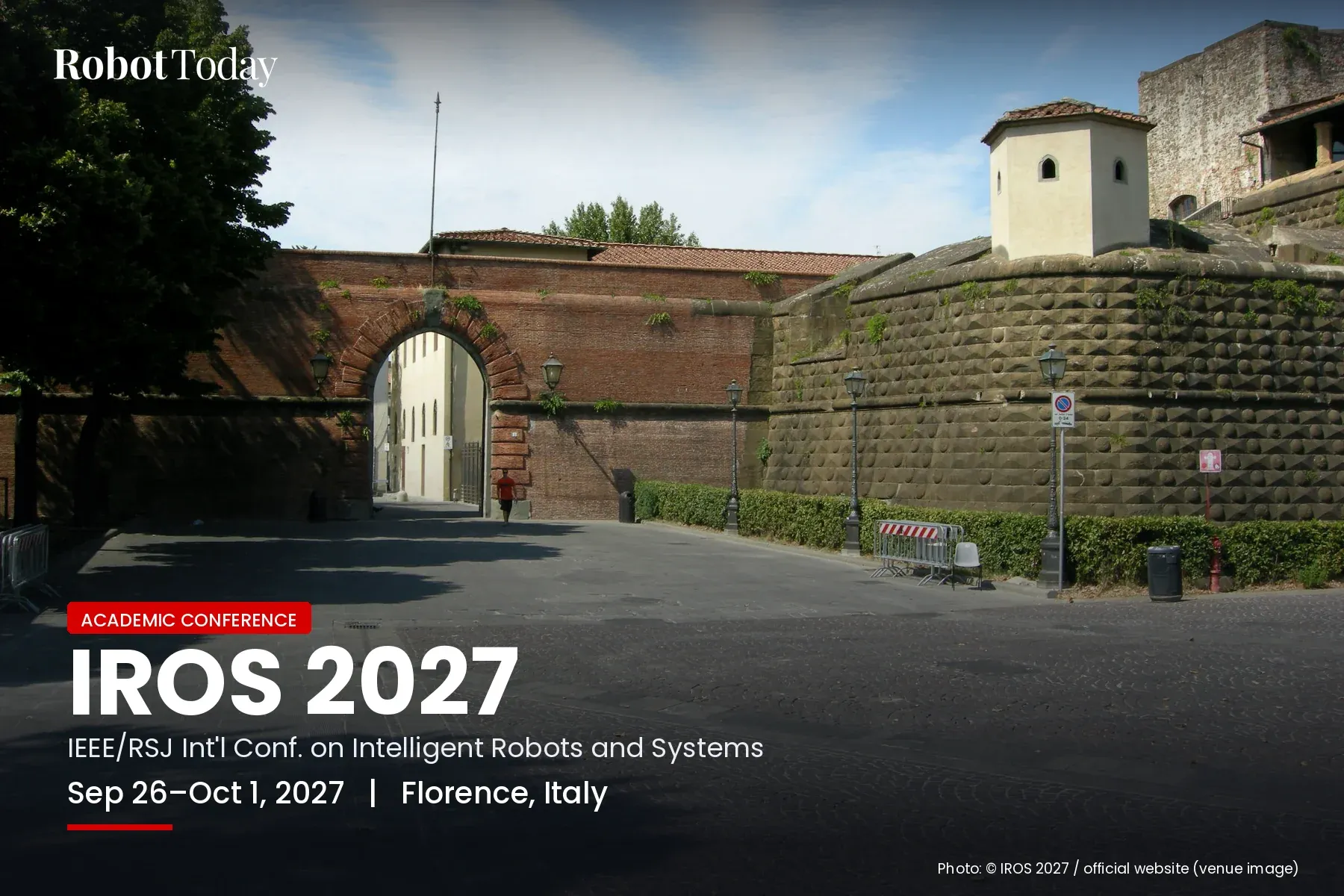
IROS 2027 Florence: Sep 26–Oct 1 | Intelligent Robots
IROS 2027, the IEEE/RSJ robotics conference, runs Sep 26–Oct 1, 2027 at Fortezza da Basso in Florence, Italy. Theme, deadlines and what to expect.
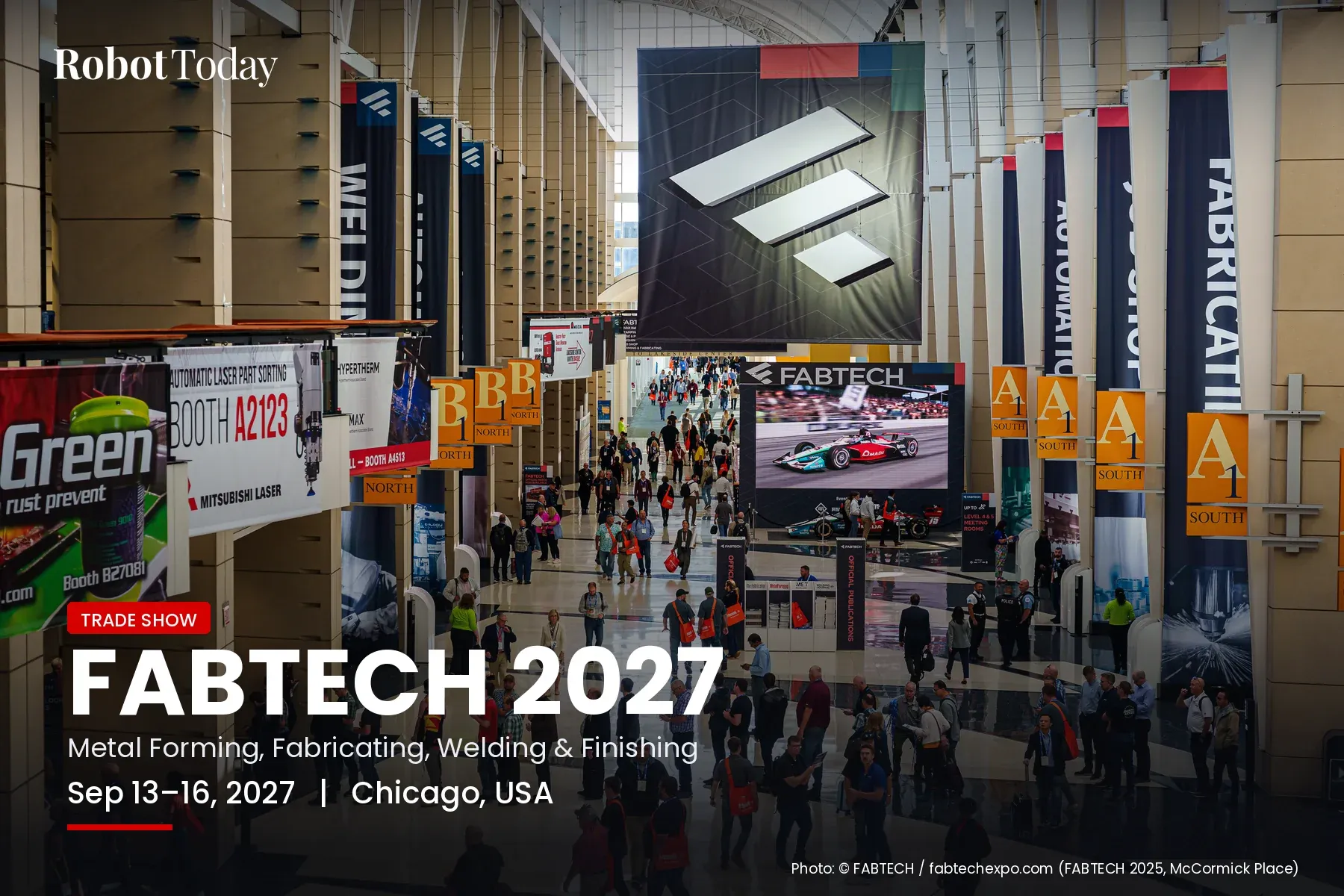
FABTECH 2027 | Sep 13–16, McCormick Place, Chicago
FABTECH 2027, Sep 13–16 at McCormick Place, Chicago: metal fabrication, welding and automation expo with robotic welding cells, AI pavilion.

IEEE CASE 2027 Linz: Aug 23–27 | Automation Science
IEEE CASE 2027, the 23rd Conference on Automation Science and Engineering, runs Aug 23–27, 2027 in Linz, Austria. Chairs, deadline and scope.

RobCo Achieves Over $1 Billion Valuation as CEO Relocates to U.S. for Expansion
RobCo has surpassed a valuation of $1 billion following new investments and employee share sales, marking a significant milestone for the industrial robotics startup. This achievement, which doubles the company's valuation in just nine months, involved participation from existing investors like Sequoia and new investors such as Cherry Ventures. The importance of this valuation lies in RobCo's plans to launch its Alfie autonomous industrial robot in March 2027, aimed at automating complex manufacturing tasks. The company is expanding its operations in the U.S., which has become its fastest-growing market, with customer operations now covering over a dozen states. Looking ahead, RobCo is set to unveil Alfie at its inaugural summit in Munich. The relocation of CEO Roman Hölzl to the U.S. underscores the company's commitment to growth in this key market. No further timeline was disclosed at the time of publication.
AI Funding & Investment Business & Markets Physical AI AI autonomous industrial robots Cherry Ventures
Recent Developments in South Korea's Physical AI Sector Highlight Key Innovations
This week, South Korea's physical AI sector saw significant advancements, including a collaboration between Semifive and Mobilint on outdoor robotics AI chips. Aidin Robotics joined a Doosan-led cobot initiative, while Hanwha Ocean and Korea Expressway Corp. signed agreements for shipbuilding robots and highway automation. These developments are crucial as they reflect South Korea's commitment to enhancing automation in various industries. The $7.2 million multi-agent autonomous-manufacturing project led by SKPack and the successful KOSDAQ IPO of Brills, which raised approximately $17 million, further underscore the growing investment in physical AI technologies. Looking ahead, stakeholders should monitor the progress of these projects, particularly the ongoing work on AI chips and the integration of robotics in manufacturing and infrastructure. No further timeline was disclosed at the time of publication.
AI Funding & Investment Humanoids Physical AI AI Aidin Robotics Brills
Exploring OMRON's Advanced LD Mobile Robots and Their Impact on Automation
In Episode 264 of The Robot Report Podcast, Miguel Garcés Moreno, the product marketing manager for OMRON Industrial Automation Europe, discusses the company's next-generation LD mobile robots. He emphasizes the importance of autonomous mobile robots (AMRs) in transforming modern factory floors with flexible and fully automated intralogistics systems. Garces Moreno's expertise in industrial automation, AI vision, and motion control highlights the significance of integrating advanced technologies to enhance operational efficiency. The collaboration with WiBotic for wireless charging solutions further underscores OMRON's commitment to increasing the uptime and safety of robotic fleets, which is crucial for manufacturers aiming to optimize their production processes. Listeners should keep an eye on OMRON's developments in AMRs and their partnerships, particularly with WiBotic, as these innovations could redefine intralogistics and factory automation. No further timeline was disclosed at the time of publication.
Artificial Intelligence Autonomous Mobile Robots (AMRs) Industrial Robots Markets / Industries News Opinion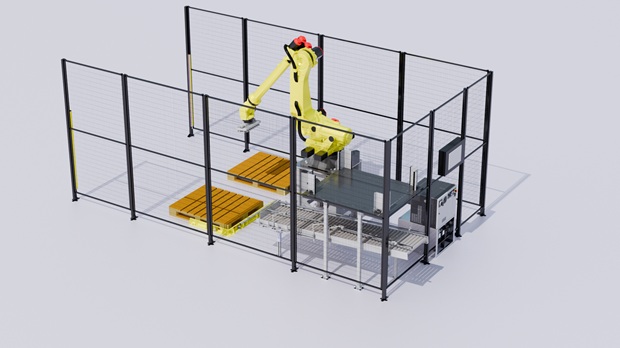
CSi Palletising Introduces Affordable s-Pal Robotic Palletiser for Medium-Sized Businesses
CSi Palletising has launched the s-Pal robotic palletiser, an entry-level solution priced at €95,000. This system features a FANUC industrial robot and is designed for medium-sized businesses in the FMCG and CPG sectors. Pre-orders began on October 1st, with initial deliveries expected in early 2027. The s-Pal offers three variations with options for left-hand, right-hand, or dual infeed, making it a flexible choice for users. Its lean design focuses on essential features for efficient palletising while maintaining high quality and reliability, backed by a standard 3-year warranty. The system is user-friendly, allowing a single operator to manage it effectively. Looking ahead, CSi plans to offer the s-Pal for lease starting mid-2027. As a predefined solution, it promises quick processing of quotations and orders, with guided installation instructions for self-installation. Customers can also opt for professional installation by CSi’s team, ensuring support throughout the process. No further timeline was disclosed at the time of publication.
Industry News
Hitachi and Fanuc Collaborate to Launch Physical AI Solutions for Manufacturing
Hitachi and Fanuc have established a strategic partnership aimed at developing and commercializing physical AI systems tailored for manufacturing. Initial testing will occur at Hitachi's factories in Japan's Ibaraki region, with broader deployment anticipated to commence in fiscal 2027. The collaboration seeks to automate tasks that currently rely on skilled labor, enhancing productivity and addressing labor shortages. This partnership is significant as it combines Hitachi's expertise in physical AI and operational technology with Fanuc's advanced industrial robots and AI capabilities. The goal is to create systems that can adapt to varying production conditions and tasks requiring human judgment. The initial applications will focus on parts picking and production changeovers, with plans to expand across multiple industries, including semiconductors and automotive. Looking ahead, Hitachi and Fanuc will leverage their global customer bases to implement these technologies across diverse sectors starting in fiscal 2027. The companies aim to continuously improve their systems by learning from real production data, which could lead to more efficient and adaptable manufacturing processes. No further timeline was disclosed at the time of publication.
Business & Markets Physical AI Fanuc Hitachi Industrial Robots Japan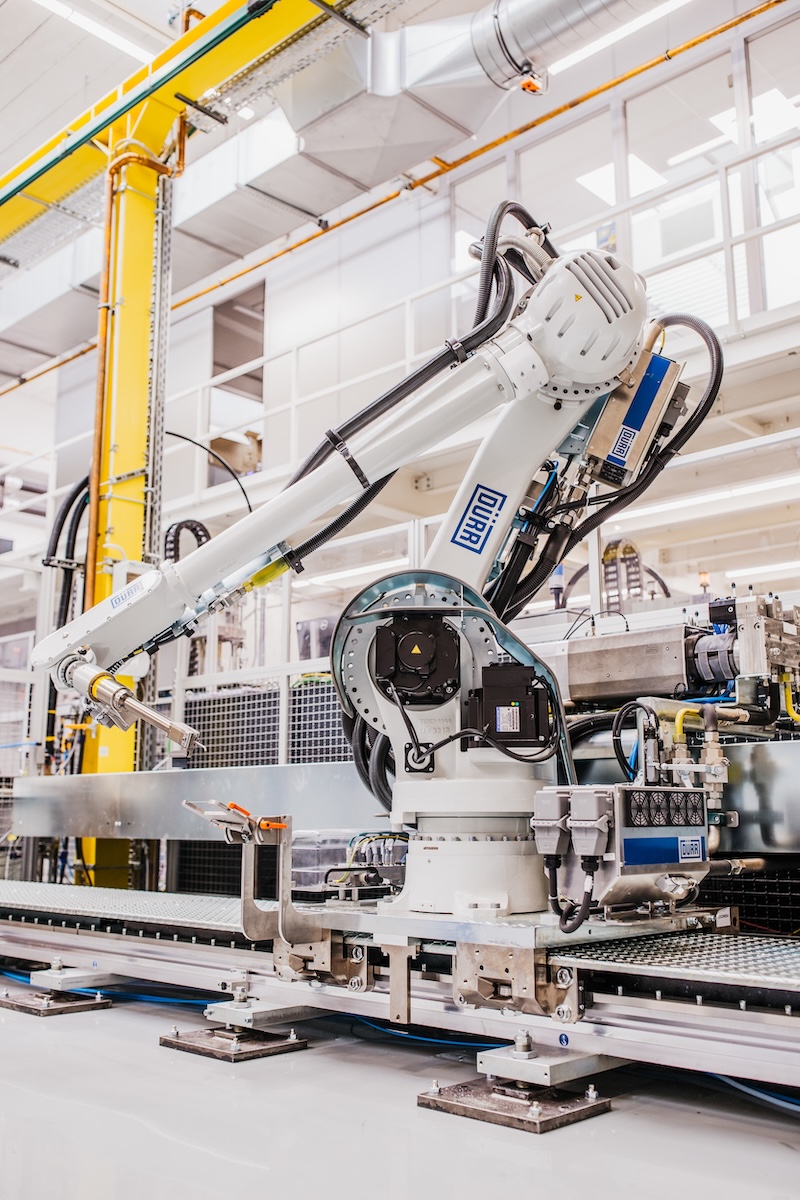
Dürr Introduces Four New EcoRS Generation 2 Robots for Automotive Paint Shops
Dürr has unveiled four new industrial robots tailored for automotive paint shops, with payload capacities ranging from 20 kg to 150 kg. The EcoRS Generation 2 series is designed for various applications, including sealing, cleaning, and material handling, and features a reach of up to 3,100 mm. This standardized platform aims to streamline paint-shop automation planning and maintenance. The introduction of the EcoRS Generation 2 robots is significant as it establishes a standardized solution for sealing applications, enhancing process quality and availability while reducing complexity throughout the equipment's lifecycle. Martin Wurst, product manager at Dürr, emphasized the benefits of this new platform for customers, particularly in achieving consistent seams across vehicle bodies. Looking ahead, Dürr's focus on integrating robot mechanics, control systems, and application technology is expected to improve path accuracy and operational flexibility. The redesigned EcoRS platform, with its internal component relocation, not only minimizes interference but also simplifies cleaning and reduces space requirements. No further timeline was disclosed at the time of publication.
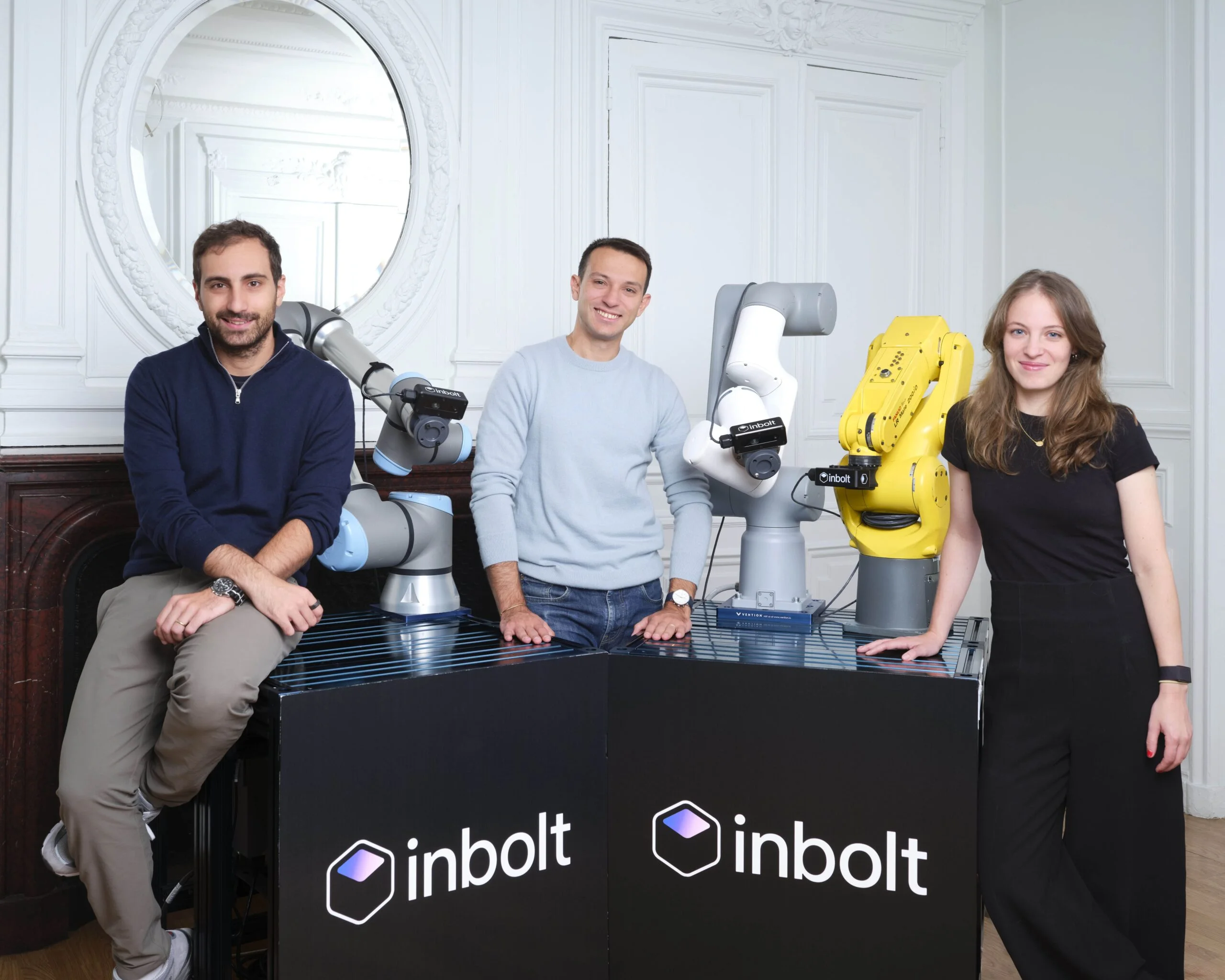
Inbolt Secures $12.5M Funding to Enhance AI Vision for Industrial Robotics
Inbolt has successfully raised $12.5 million to advance its AI-driven 3D vision software tailored for industrial robots. This funding will support the company's expansion into the U.S. and Asia-Pacific markets, as well as its entry into data centers and electronics manufacturing. The significance of this funding round, led by Shift4Good with contributions from Bridges Climate Transition Partners, BNP Paribas Développement, and Ora Global, brings Inbolt's total funding to $34 million. The company aims to enhance its operations in the U.S. following the establishment of a Detroit office in 2026, targeting sectors such as automotive and electronics manufacturing. Inbolt's software enables robots to adapt in real-time to changes in their environment, addressing issues like part misalignment and tooling wear. As the demand for more intelligent robotic solutions grows, Inbolt's hardware-agnostic approach positions it well for future developments in industrial automation. No further timeline was disclosed at the time of publication.
AI AI Funding & Investment Physical AI 3D vision BNP Paribas Développement Bridges Climate Transition Partners
Inbolt Secures $12.5M Funding to Enhance Industrial Robots' Vision and Intelligence
Inbolt has announced a successful funding round of $12.5 million, aimed at enhancing the capabilities of industrial robots. This funding will support the company's expansion into the US and APAC markets, as well as its entry into data centers and electronics manufacturing. The significance of this funding lies in Inbolt's innovative technology that enables industrial robots to see, think, and adapt in real time. This advancement allows robots to master various processes, parts, or stations, thereby increasing efficiency and versatility in manufacturing environments. Looking ahead, Inbolt's total funding has now reached $34 million, with participation from notable investors including Shift4Good, Bridges Climate Transition Partners, BNP Paribas Développement, and Ora Global. No further timeline was disclosed at the time of publication.
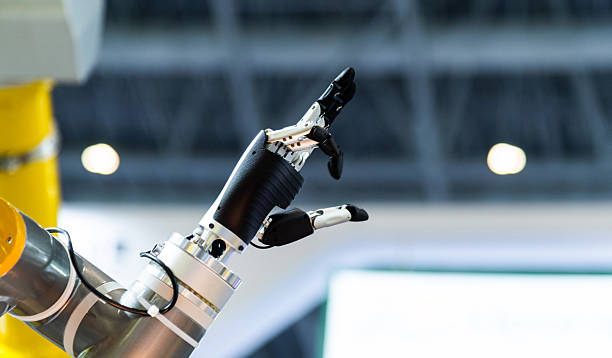
Inbolt Secures $12.5 Million to Enhance Industrial Robots with Vision and Intelligence
Inbolt has successfully raised $12.5 million in funding to enhance industrial robots with real-time vision and intelligence capabilities. The funding round was led by Shift4Good, with participation from Bridges Climate Transition Partners, BNP Paribas Développement, and Ora Global, bringing Inbolt's total funding to $34 million. This funding is crucial as it will support Inbolt's expansion into the US, particularly following the opening of its Detroit office in 2026, and its entry into new sectors such as data centers and electronics manufacturing. Inbolt's technology addresses the limitations of traditional industrial robots, which often struggle with part misalignment and tooling wear, leading to costly downtime. Looking ahead, Inbolt's innovative combination of 3D vision and AI software positions it to significantly improve automation across various industries, including automotive and electronics. The company is already deployed in over 100 factories worldwide, and its recognition as a rapidly growing startup highlights its potential impact on the future of industrial automation. No further timeline was disclosed at the time of publication.

Focus on Task Efficiency Over Human-Like Design in Industrial Robotics
The industrial sector is witnessing a growing interest in humanoid robots, primarily due to their ability to navigate human-designed environments and perform various tasks. However, experts argue that the focus should shift from replicating human forms to optimizing for specific tasks, such as moving heavy cases or sorting goods, where specialized robots can excel. This perspective emphasizes the importance of safety, reliability, and scalability in automation systems. Advances in artificial intelligence should enhance the capabilities of machines without necessitating a one-size-fits-all approach. Instead, the goal should be to develop generalizable intelligence that allows machines to perceive their surroundings and adapt to changing conditions, thereby improving overall system performance. Looking ahead, the future of automation lies in creating tailored machines for distinct tasks, supported by intelligent software that coordinates their operations. As noted by James Kuffner, CTO of Symbotic, the evolution of industrial robotics will prioritize task-specific designs over human-like silhouettes, leading to faster and safer operational systems.
Factory / Robotics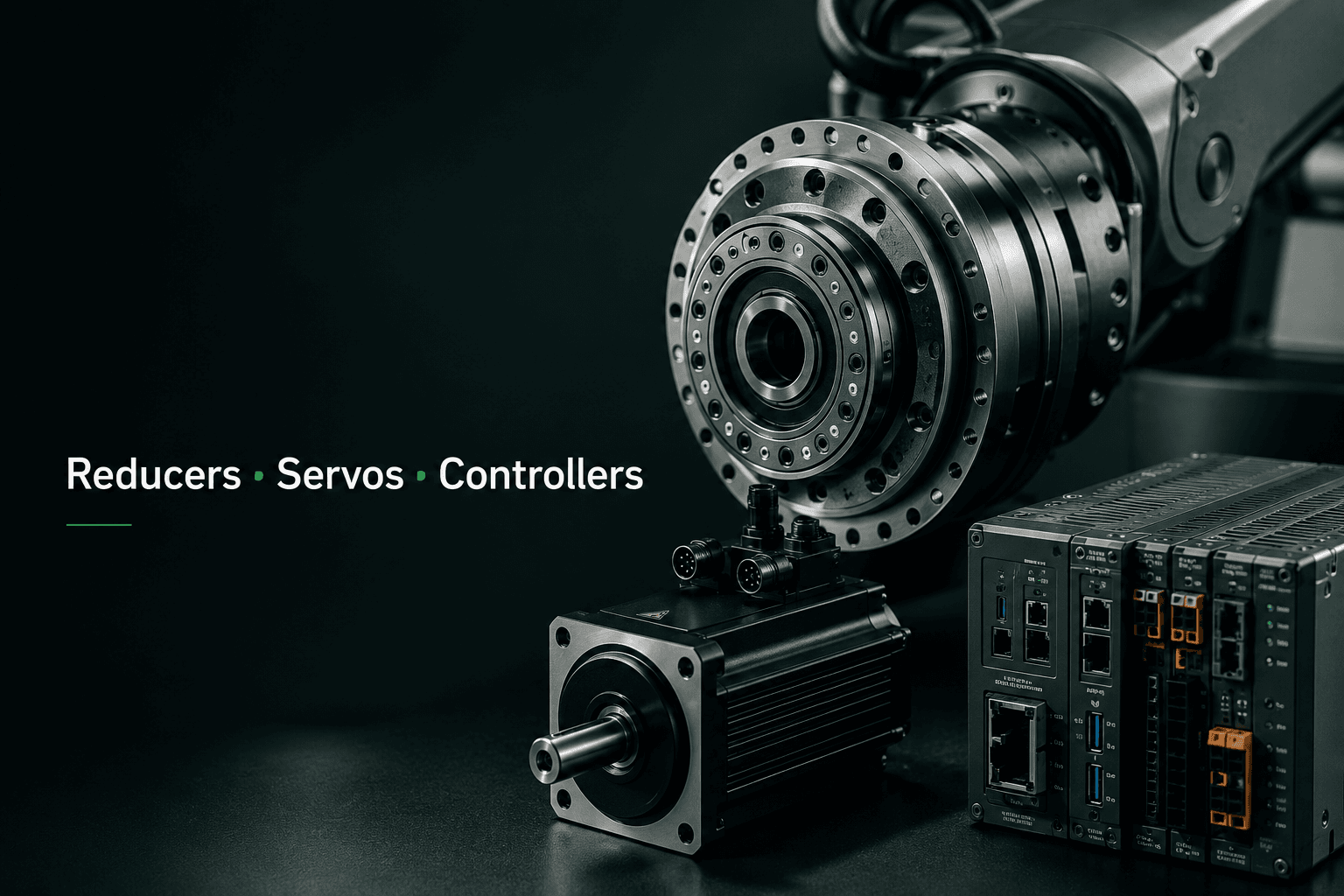
The Core Components Battle of Indutrial Robot, Reducers, Servo Systems & Controllers
A technology-first analysis of the three pillars driving industrial robot capability: precision reducers, servo systems, and motion controllers. Maps the full global supplier ecosystem — Japan, Europe, and China — from component specs to product generations and integration architectures.
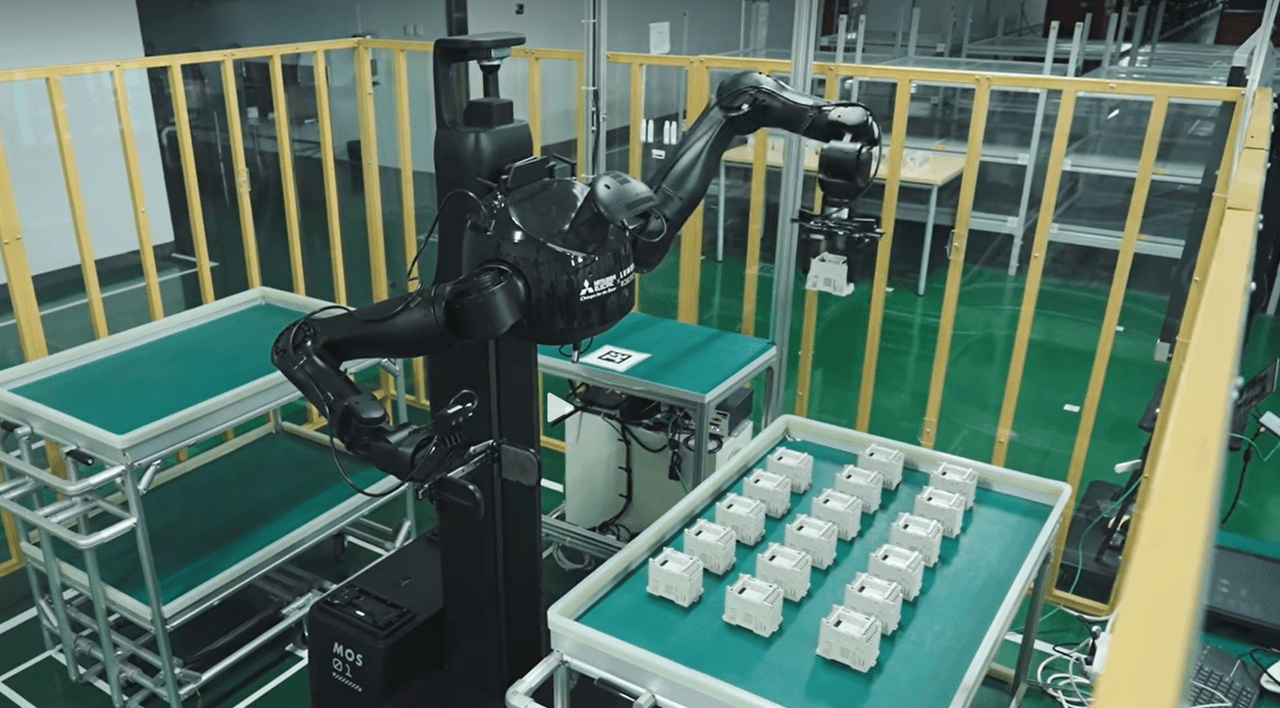
Mitsubishi Electric's Double-Bet on Lumos Robotics Signals Industrial AI's Turning Point
Mitsubishi Electric leads $140M in Lumos Robotics funding. Industrial automation giant's dual investment signals embodied AI is entering real manufacturing infrastructure.
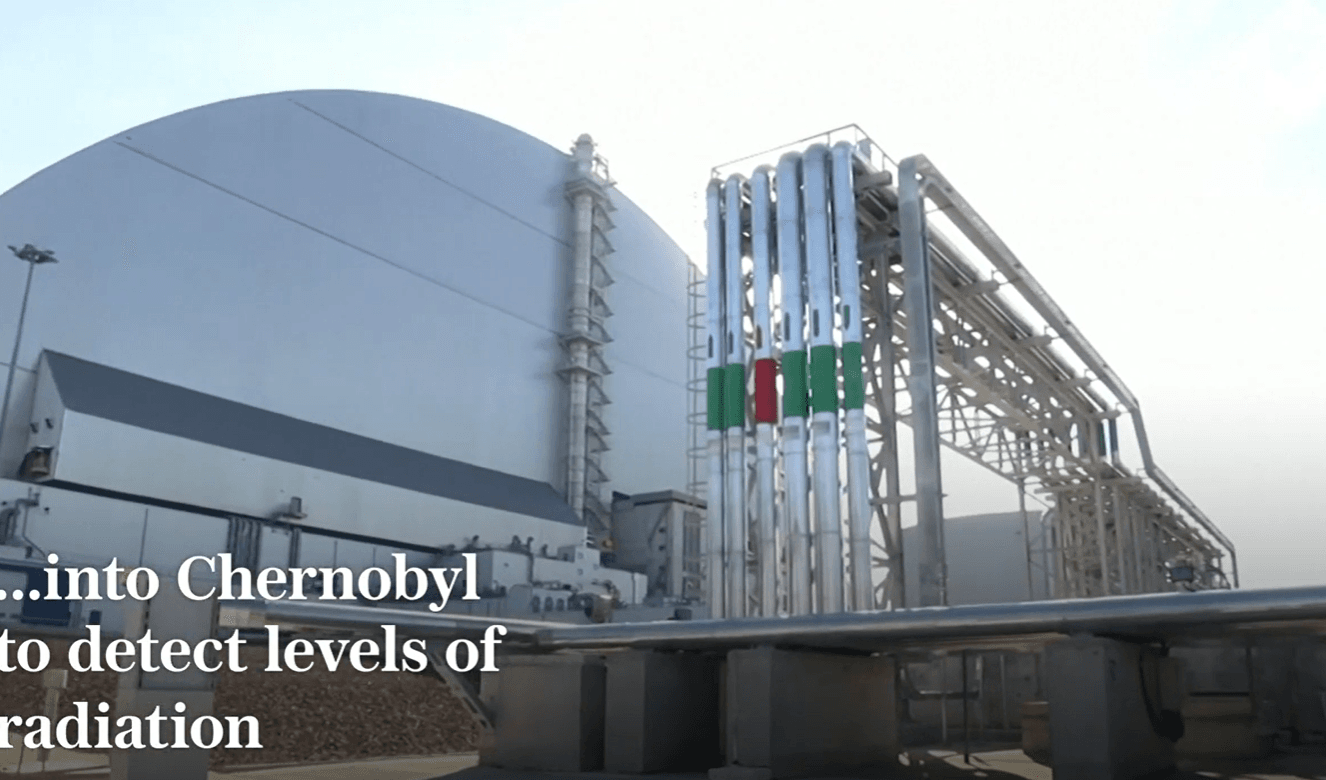
Nuclear Robotics Task Specific Machines Vs Humanoid Hype
Compare task-specific nuclear robots with humanoid designs: what works best for real-world radiation tasks, safety trade-offs, and deployment readiness.


