Industry Briefing
A single destination for timely, editor-curated robotics news from around the world.
Addressing the Human Bottleneck in Healthcare Automation: Aligning Physicians with Patient Demand
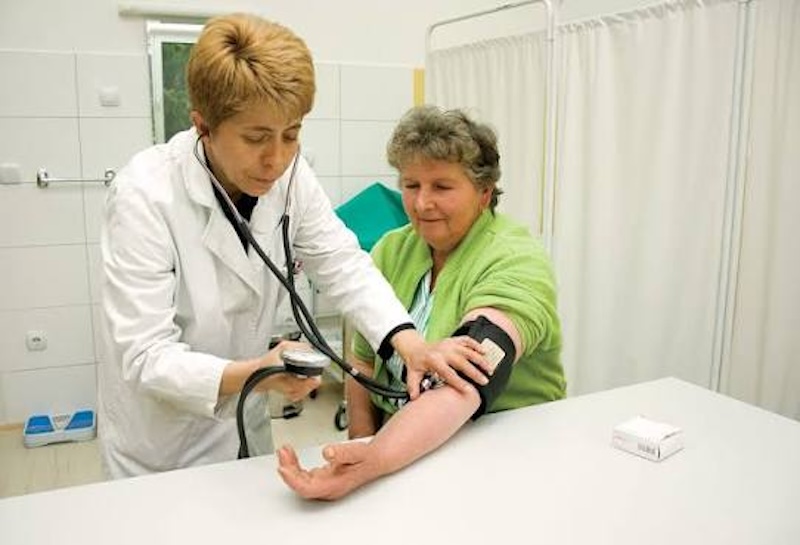
Hospitals are increasingly adopting automation to enhance care delivery by integrating software for administrative tasks, utilizing robots for logistics, and deploying AI for documentation and scheduling. These advancements aim to reduce waiting times and streamline workflows, allowing clinical teams to focus more on patient care. However, despite these technological improvements, healthcare automation faces a significant limitation: the availability of physicians. Even with optimized back-office operations and improved information flow, the system can falter if the right doctors are not present in necessary specialties and locations, leading to delays in patient care. As automation becomes a standard part of hospital operations, the challenge of matching physician availability with patient demand intensifies. The reliance on robotic process automation (RPA) to alleviate administrative burdens highlights the need for a balanced approach that addresses both technological and human resource constraints in healthcare delivery. No further timeline was disclosed at the time of publication.
Automation Health artificial intelligence automation digital health healthcare automation
Why EHR Integration is the Make-or-Break Factor in Healthcare AI Deployments
Healthcare organizations are rapidly adopting artificial intelligence tools, but many are facing significant challenges in integrating these systems with existing Electronic Health Record (EHR) platforms. Practitioners often initiate the use of automation platforms and conduct pilot programs, only to encounter a critical barrier: the inability of new AI systems to communicate with EHRs. This lack of interoperability leads to increased manual workloads, undermining the intended efficiency gains of automation. As healthcare providers strive to enhance operational efficiency through technology, the disconnect between AI tools and EHR systems poses a substantial hurdle that must be addressed to realize the full potential of these innovations.
Digital Automation Health ai in healthcare AI scheduling automation news bidirectional integration
Elemeno Health agrees strategic partnership with Swisslog Healthcare to drive efficiency in healthcare automation
Elemeno Health has formed a strategic partnership with Swisslog Healthcare to enhance automation solutions in hospitals throughout North America. This collaboration aims to integrate Elemeno's just-in-time microlearning platform with Swisslog's robotics and pharmacy automation systems, facilitating streamlined training for frontline staff. By enabling customer self-service capabilities, the partnership seeks to improve operational efficiency and support healthcare providers in delivering better patient care. The initiative underscores the growing importance of pharmacy automation in modern healthcare settings, as hospitals increasingly rely on advanced technology to optimize their services.
Health Logistics News allegro automated pharmacy systems automation news
CVS, SkyfireAI, and Thales Outline Drone-Based Healthcare Response Network at XPONENTIAL 2026
At the XPONENTIAL 2026 conference held in Detroit this week, CVS Health unveiled plans for “CVS Air Response,” a pioneering drone-enabled network aimed at enhancing healthcare logistics and emergency response. Collaborating with SkyfireAI and Thales Aerospace, CVS Health highlighted the potential of drones in improving disaster resilience and healthcare delivery. The panel discussion emphasized the innovative use of drone technology to address urgent medical needs, showcasing how these advancements could transform emergency response efforts in healthcare settings.
Applications Delivery DL Exclusive Drone News Drone News Feeds News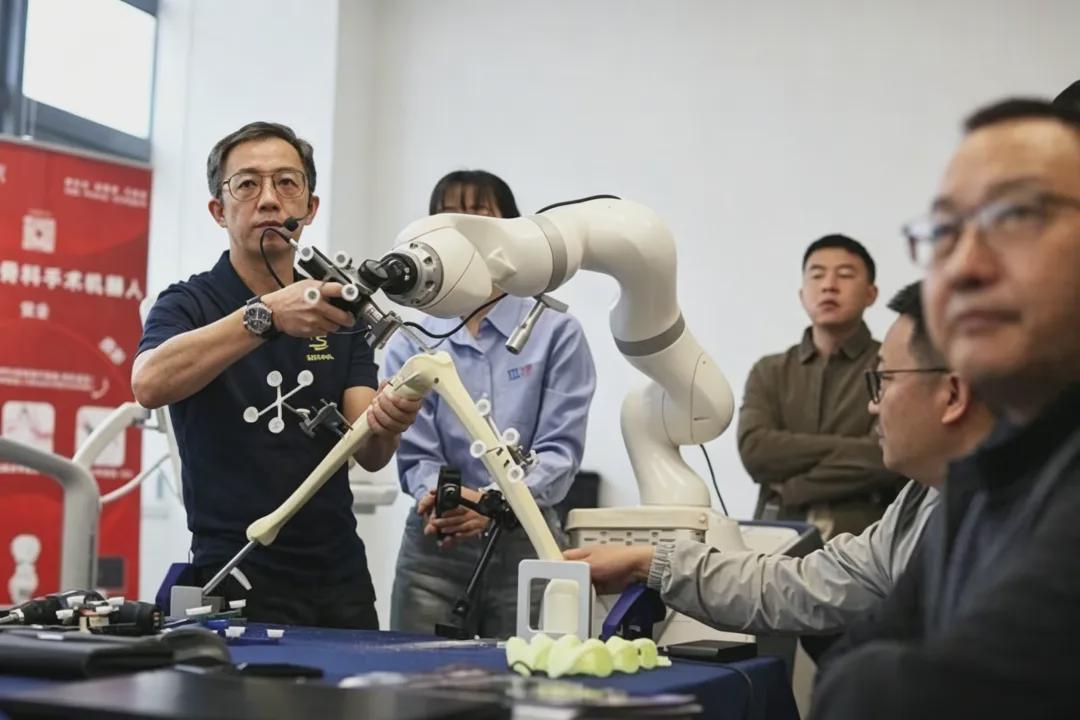
Domestic Orthopedic Robots Enhance Healthcare Access for Remote Patients
On National Science Workers Day, China's orthopedic and sports medicine center showcased the transformative role of domestic surgical robots in enhancing healthcare access in remote areas. The Kunlun® orthopedic surgical robot, developed by Yuanhua Intelligent Technology, is at the forefront of this innovation, enabling high-precision surgeries that are crucial for patients in underserved regions. This advancement not only improves recovery times but also elevates the overall medical experience for those who previously faced significant barriers to quality surgical care.
Orthopedic Robots Healthcare Technology Surgical Innovation Telemedicine
Yiji Mountain Hospital Welcomes a 'Non-Staff Officer': How Qizhi Uses Embodied Intelligent Robots to Enhance Healthcare
Yiji Mountain Hospital has partnered with Qizhi Robotics to integrate embodied intelligent robots into clinical environments, a move aimed at tackling real-world medical challenges. This collaboration, announced recently, seeks to enhance patient care by leveraging advanced technology while also prioritizing emotional interaction in healthcare settings. The initiative reflects a growing trend in the medical field to incorporate innovative solutions that not only improve operational efficiency but also foster a more compassionate approach to patient treatment.
Embodied Intelligence Healthcare Robotics Medical Technology AI in Healthcare
Engineering Collisions: How NYU Is Remaking Health Research
New York University (NYU) is revolutionizing academic research through its newly established Institute for Engineering Health, which focuses on addressing disease states rather than adhering to traditional academic disciplines. This innovative approach encourages collaboration among experts in various fields, including immunology, engineering, and artificial intelligence, to tackle specific health challenges, such as allergic asthma. Under the leadership of Jeffrey Hubbell, NYU's vice president for bioengineering strategy, the institute has already seen promising outcomes, such as the development of a startup that creates devices for detecting airborne pathogens and navigation technology for visually impaired subway riders. Hubbell advocates for a shift from a conventional drug-inhibition model to one that promotes beneficial biological pathways, necessitating a new breed of researchers who possess interdisciplinary skills. To foster this environment, NYU is constructing a science and technology hub in Manhattan, designed to facilitate collaboration among diverse disciplines. This initiative aligns with the university's strategy of organizing around "grand challenges" rather than traditional academic silos, as emphasized by Juan de Pablo, the executive dean of the Tandon School of Engineering. The institute also emphasizes a proactive approach to translating research into practical applications, conducting "translational exercises" to map potential pathways from discovery to deployment. This comprehensive strategy aims to accelerate innovation in science and technology, positioning NYU as a leader in addressing complex health issues through collaborative, cross-disciplinary research.
Type-sponsored Nyu-tandon Health Clinical-trials Data-science Nyu
Learn about the latest advancements in healthcare robotics at the Robotics Summit & Expo
Experts in healthcare robotics from leading organizations, including Harvard, ForceN, Rovex Technologies, SKA Robotics, Aethon, and MassRobotics, will gather to discuss the latest advancements in the field at the upcoming Robotics Summit & Expo. This event aims to showcase innovative technologies and solutions that are transforming healthcare delivery. Scheduled to take place soon, the summit will provide a platform for industry leaders to share insights and explore the future of robotics in healthcare. Attendees can expect to learn about cutting-edge developments and their potential impact on patient care and operational efficiency.
Events Healthcare Robotics Markets / Industries News MassRobotics Robotics Summit
AI Health Startup Wants to Assist Half of Latin American Doctors
A healthcare startup supported by Andreessen Horowitz is aiming to deploy its AI assistant to reach 950,000 of Latin America's 1.9 million doctors by the end of 2027. This initiative seeks to address the significant shortage of medical professionals in the region's overburdened health systems. By leveraging advanced technology, the company hopes to enhance healthcare delivery and improve patient outcomes across various countries in Latin America. The ambitious plan reflects a growing trend of integrating artificial intelligence into healthcare to alleviate systemic challenges and optimize resources in a region facing increasing demand for medical services.

Storage Capacity for Healthcare Logistics
Movianto, a division of Yusen Logistics that focuses on pharmaceutical and healthcare logistics, has completed a significant expansion of its facility in Aalst, Belgium. The enhancement has nearly doubled the temperature-controlled pallet storage capacity from 14,000 to 25,000. This newly extended site is now fully operational, providing increased storage space for a variety of pharmaceutical and medical products across different temperature ranges, including ambient (15–25°C), refrigerated (2–8°C), and frozen (–20°C). The expansion aims to better meet the growing demands of the healthcare sector and improve the efficiency of logistics services in the region.
Cold Chain Logistics Storage & Racking Warehousing bonded hub Movianto pallet storage
Stepful Announces $55M Series C to Scale Its AI-Powered Training Platform Across the Healthcare Workforce
Stepful, a training platform aimed at transforming workforce development in major U.S. health systems, has secured $55 million in Series C funding. This funding round, which was led by Oak HC/FT, also saw participation from new investors including Foresite Capital, Hearst Ventures, and the Citi Impact Fund, as well as contributions from existing investors such as SemperVirens. The investment will enable Stepful to enhance its training programs and support the growing demand for skilled healthcare professionals. This financial boost comes at a critical time as the healthcare sector faces significant challenges in workforce retention and training, underscoring the importance of innovative solutions in addressing these issues.
Uncategorized
NVIDIA, Foxconn and Taiwan Medical Centers Bring Agentic and Physical AI to ‘Healthy Taiwan’
NVIDIA has announced a collaboration with Foxconn and prominent medical centers in Taiwan to implement AI-driven health systems in the region. This initiative aims to enhance healthcare services by deploying NVIDIA-powered special agent workforces. The partnership reflects a growing trend towards integrating advanced technology in medical practices, responding to the increasing demand for efficient and innovative healthcare solutions. The deployment is expected to take place in the coming months, marking a significant step in Taiwan's transition to modernized health systems that leverage artificial intelligence for improved patient care and operational efficiency.

Airdoc at 10: From Beijing Startup to Global AI Health Platform Serving 50+ Countries
Airdoc, a health technology company founded a decade ago in Beijing's Haidian Science and Technology Park, has evolved from a pioneer in AI eye disease screening to a comprehensive global health entity. Over the past ten years, the company has utilized artificial intelligence to conduct retinal screenings for 30 million individuals in more than 50 countries. This expansion reflects Airdoc's commitment to enhancing global health through innovative technology, addressing the growing need for efficient and accessible eye care solutions worldwide.
AI
Co-designed robots reveal what health care staff and patients actually need
A recent study led by Cornell Tech is exploring the integration of robots in hospitals and care facilities, focusing on their impact on both caregivers and patients. The research involves collaboration with health care workers, long-term care residents, and community members to actively participate in the design process of these robots. This initiative aims to address ongoing concerns about the effectiveness of robotic assistance in improving care quality. By involving stakeholders directly, the study seeks to ensure that the robots meet the actual needs of those who will use them, ultimately enhancing the caregiving experience. The findings could provide valuable insights into the future role of robotics in health care settings.
Robotics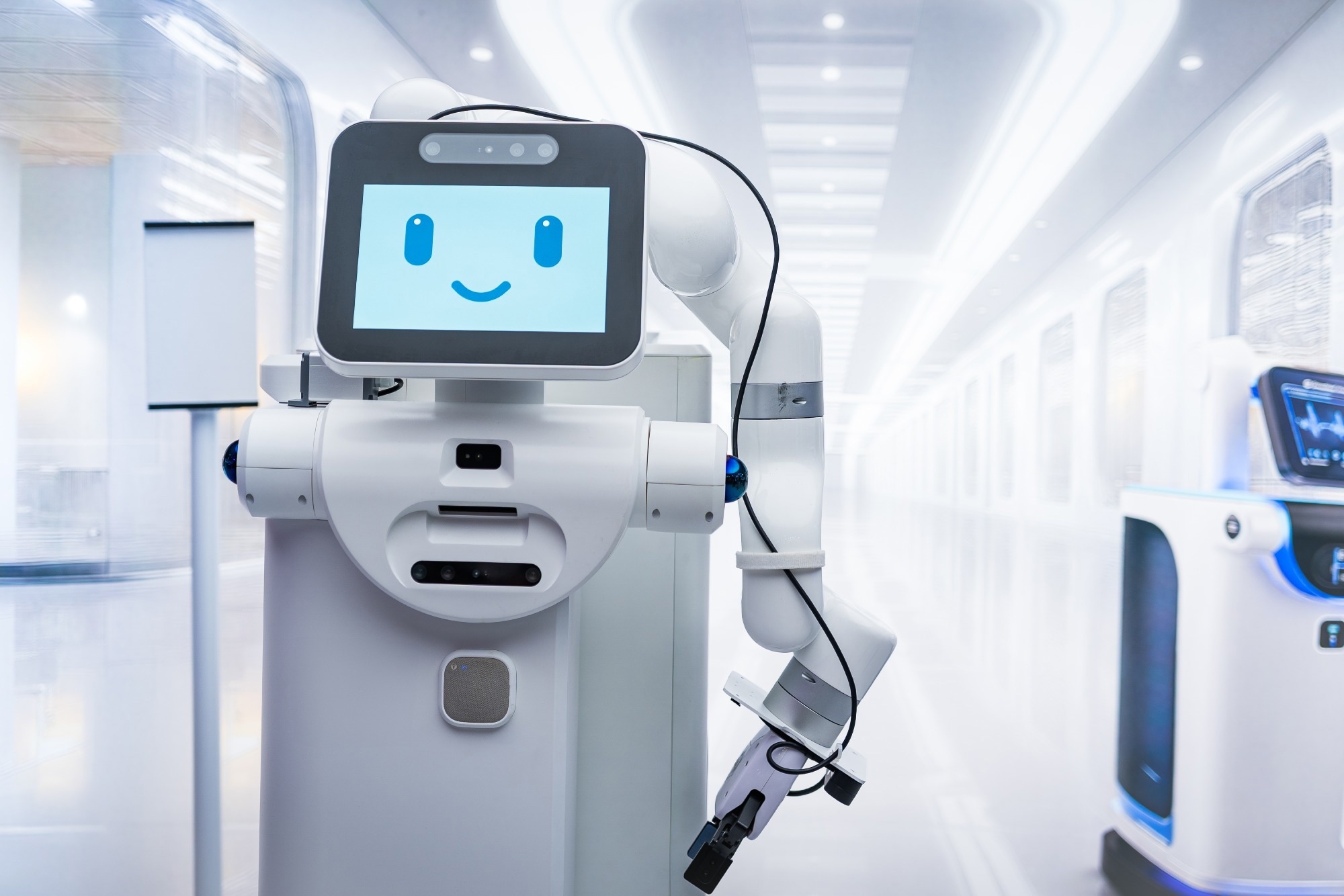
Care Robot Analysis Reveals Social Value in Healthcare Systems
Recent text mining research has unveiled the significant impact of care robots on various sectors, including health, labor, economics, and innovation. This study emphasizes that care robots are not merely supportive tools but are actively transforming the healthcare landscape. By enhancing efficiency and effectiveness in patient care, these robots are reshaping traditional roles within the healthcare system. The findings, which emerged from an extensive analysis of data up to October 2023, suggest that the integration of care robots can lead to improved health outcomes and economic benefits. As healthcare systems worldwide continue to evolve, the adoption of robotic technology appears to be a crucial step toward addressing the growing demands of patient care and the challenges faced by healthcare professionals.

Micro-Scale Robotics in the Medical Field: Precision Automation Meets Health Care Innovation
Recent advancements in micro-scale robotics are transforming the healthcare sector, showcasing significant progress in precision and data analytics. Unlike traditional medical machinery, which often occupies large spaces, these innovative micro-robots are designed to operate at a much smaller scale, offering new possibilities for patient care and treatment. This evolution in medical technology is driven by the need for more efficient and effective healthcare solutions, allowing for minimally invasive procedures and improved patient outcomes. As the field continues to evolve, the integration of these micro-robots into clinical practice is expected to enhance diagnostic capabilities and treatment options, ultimately reshaping the future of medical interventions.

NVIDIA Expands Open Model Families to Power the Next Wave of Agentic, Physical and Healthcare AI
NVIDIA has unveiled an expansion of its open model families aimed at advancing artificial intelligence in physical and healthcare applications. This announcement, made today, highlights the introduction of new models designed to empower developers and scientists to create intelligent systems capable of reasoning and taking action in complex environments. The initiative reflects NVIDIA's commitment to driving innovation in AI technology, enabling more sophisticated and responsive solutions in various sectors. By providing these advanced tools, the company aims to facilitate the development of AI systems that can effectively address real-world challenges.
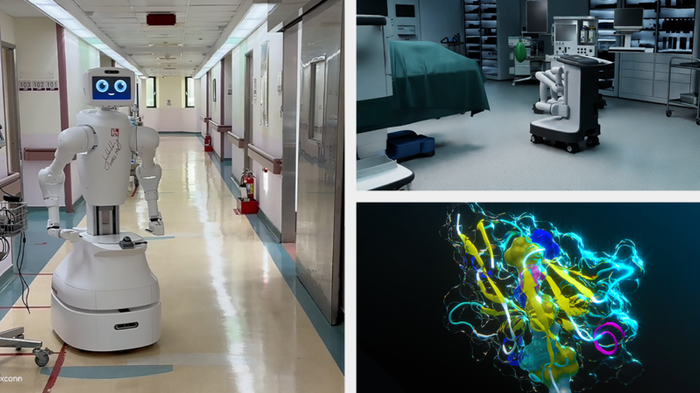
From Radiology to Drug Discovery, Survey Reveals AI Is Delivering Clear Return on Investment in Healthcare
NVIDIA has released its second annual report on the impact of artificial intelligence in healthcare, highlighting the rapid advancements across various sectors, including radiology, drug discovery, and medical device manufacturing. The report emphasizes how AI technologies are transforming treatment methods through the use of digital twins, which create virtual representations of patients to enhance personalized care. This development comes at a time when the healthcare industry is increasingly seeking innovative solutions to improve patient outcomes and streamline operations. By leveraging AI, healthcare providers can analyze vast amounts of data more efficiently, leading to faster diagnoses and more effective treatments. The findings underscore the growing importance of AI as a catalyst for change in the healthcare landscape, aiming to address challenges such as rising costs and the need for improved healthcare delivery.
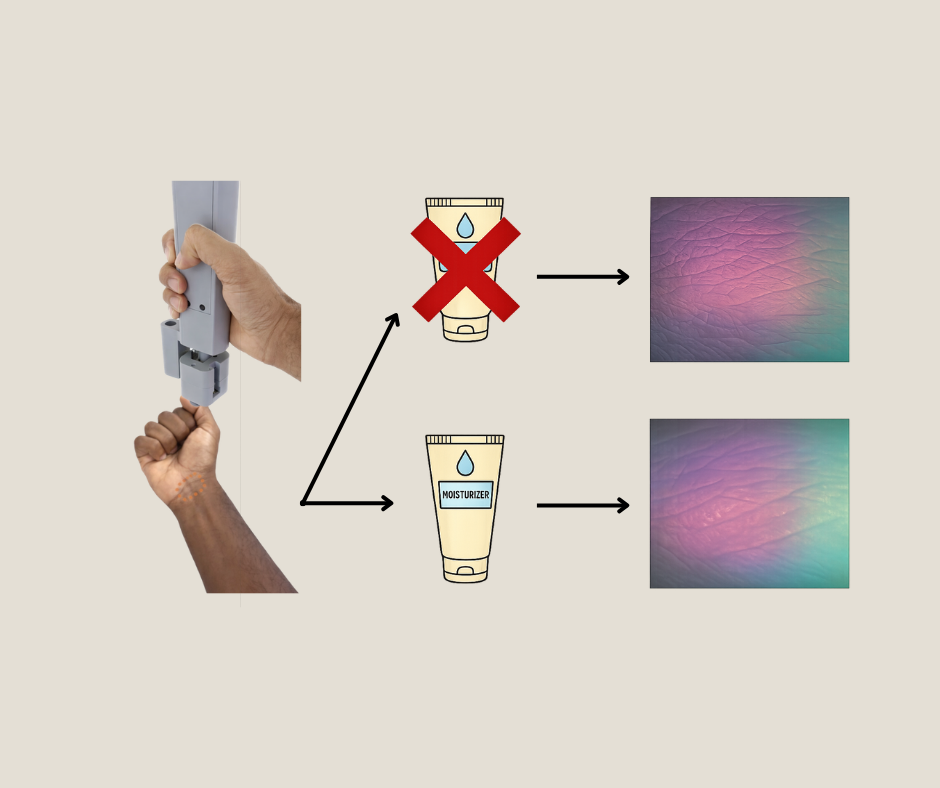
A New Way to Track Skin Health
Researchers at Carnegie Mellon University have developed innovative software that integrates with a handheld imaging tool to create three-dimensional maps of skin texture. This cutting-edge technology transforms subtle changes in the skin's surface into quantifiable data, offering a new method for clinicians to monitor various skin conditions, including eczema and psoriasis. The software aims to enhance the tracking of treatment progress and assess the effectiveness of skincare products. This advancement in skin health monitoring could significantly improve patient care and outcomes in dermatology.
Research
INCLUSION 2025: From AI Healthcare to AI-powered humanoid robots, a Glimpse Into Tomorrow
The Inclusion Conference held on the Bund in Shanghai showcased cutting-edge technology and innovative discussions, drawing attention from industry leaders and tech enthusiasts alike. Taking place recently, the event transformed exhibition halls into a vibrant display of advanced robotics, AI interfaces, and forward-thinking ideas that explored the future of finance, healthcare, and robotics. Attendees engaged in insightful conversations, envisioning the technological landscape of 2030. The conference aimed to highlight the importance of inclusivity in technology development, fostering collaboration and dialogue among diverse stakeholders to ensure that advancements benefit all sectors of society. Through interactive demonstrations and expert panels, participants experienced firsthand the potential of emerging technologies and their implications for various industries.
TechNode Insider Views AI INCLUSION 2025 Robot Robotics
Ant Group launches AI healthcare app AQ amid aging population pressures
Ant Group has unveiled AQ, an innovative AI-powered healthcare application, in a bid to strengthen its presence in the medical sector. The app, launched on Thursday, offers a comprehensive suite of over 100 digital services, which include personalized doctor recommendations and medical report analysis. It connects users to a vast network of resources, featuring more than 5,000 hospitals and 1 million doctors throughout China. This strategic move aims to enhance access to healthcare services and streamline the patient experience in an increasingly digital world.
News Feed Ant Group
Two RI Ph.D. Students Receive Generative AI in Healthcare Fellowship
Carnegie Mellon University's Center for Machine Learning and Health has announced the recipients of the 2024 Generative AI in Healthcare Fellowship, recognizing seven individuals for their innovative contributions to the field. Among the awardees are Angela Chen and Bardienus (Bart) Duisterhof, both Ph.D. students from the Robotics Institute. Their research focuses on leveraging artificial intelligence to enhance healthcare solutions. This fellowship aims to support and promote the integration of generative AI technologies in healthcare, fostering advancements that could significantly improve patient outcomes.
Awards Uncategorized
Ministry of Health loses 2 years and 10 months of Teams chat due to Toshiba's error, some data irretrievable.
The Ministry of Health, Labour and Welfare announced that chat messages from Microsoft Teams, sent between January 4, 2023, and October 29, 2025, have been lost due to an operational error by Toshiba, the company responsible for managing the system. Among the missing data, some administrative documents included in the chats are reportedly difficult to recover.
Automated Lawn Maintenance: An Agronomic and Operational Review of Turf Health, Biodiversity, and Field Performance
A recent study published in the Journal of Field Robotics highlights advancements in autonomous robotic systems designed for agricultural applications. Researchers from a leading university conducted the study to explore how these robots can enhance efficiency in farming practices. The research was carried out over the summer of 2023 at various agricultural sites across the Midwest. The motivation behind this initiative stems from the increasing demand for sustainable farming solutions that can address labor shortages and improve crop yields. By integrating advanced sensors and machine learning algorithms, the robots are capable of performing tasks such as planting, monitoring crop health, and harvesting with minimal human intervention. The study involved extensive field tests, where the robots demonstrated their ability to navigate complex terrains and adapt to changing environmental conditions. Results showed a significant increase in productivity compared to traditional farming methods, suggesting that the implementation of these technologies could revolutionize the agricultural sector. As the agricultural industry faces challenges related to climate change and population growth, this research underscores the potential of robotics to provide innovative solutions that promote sustainability and efficiency in food production. The findings are expected to pave the way for further developments in agricultural robotics, ultimately benefiting farmers and consumers alike.
SURVEY ARTICLE
Rajant Health (RHI) and Chord Robotics Expand Cowbell Platform to Enable Scalable, Multi-Domain Collaborative Autonomy
Rajant Health (RHI) and Chord Robotics have announced an expanded partnership to enhance their Cowbell platform, introducing advanced "Flying Cowbell" capabilities aimed at enabling scalable, multi-domain collaborative autonomy. This collaboration, revealed on May 22, 2026, integrates RHI's Kinetic Mesh® networking with Chord Robotics' TEMPO™ software, facilitating real-time control of mixed fleets operating across air, land, and sea. The "Flying Cowbell" system transforms mobile nodes, including unmanned aerial systems (UAS) and unmanned surface vehicles (USVs), into active participants in a distributed compute and autonomy framework. This architecture allows for distributed workload execution, dynamic cluster formation, and transport-agnostic operations, even in connectivity-constrained environments. The partnership aims to address the need for persistent coverage and dynamic mission adaptation in complex scenarios where traditional infrastructure may be lacking. By leveraging Rajant's InstaMesh® networking capabilities alongside TEMPO, operators can manage heterogeneous fleets effectively, ensuring that each vehicle can make independent decisions while collaborating seamlessly. RHI's CEO, Robert J. Schena, emphasized that the initiative represents a shift from static infrastructure to a mobility-native system, while Chord Robotics' CEO, James Cooney, highlighted the potential for scaling autonomous fleets in challenging environments. Together, the companies are poised to redefine collaborative autonomy in unmanned systems, enhancing operational efficiency and adaptability.

Smart Sensing: CMU Researchers Develop Robotic Platform to Boost Corn Crop Health
Researchers at Carnegie Mellon University have developed an advanced robotic platform designed to enhance corn crop health. This innovative robot arm autonomously identifies the optimal stalks and executes a precise motion sequence to position the stalks within its gripper. The initiative, announced recently, aims to address the critical role corn plays in global industry and agriculture, serving as a key ingredient in products ranging from tortillas to ethanol and starch. By improving the efficiency and effectiveness of corn cultivation, the researchers hope to contribute to the sustainability and productivity of this vital crop.
Uncategorized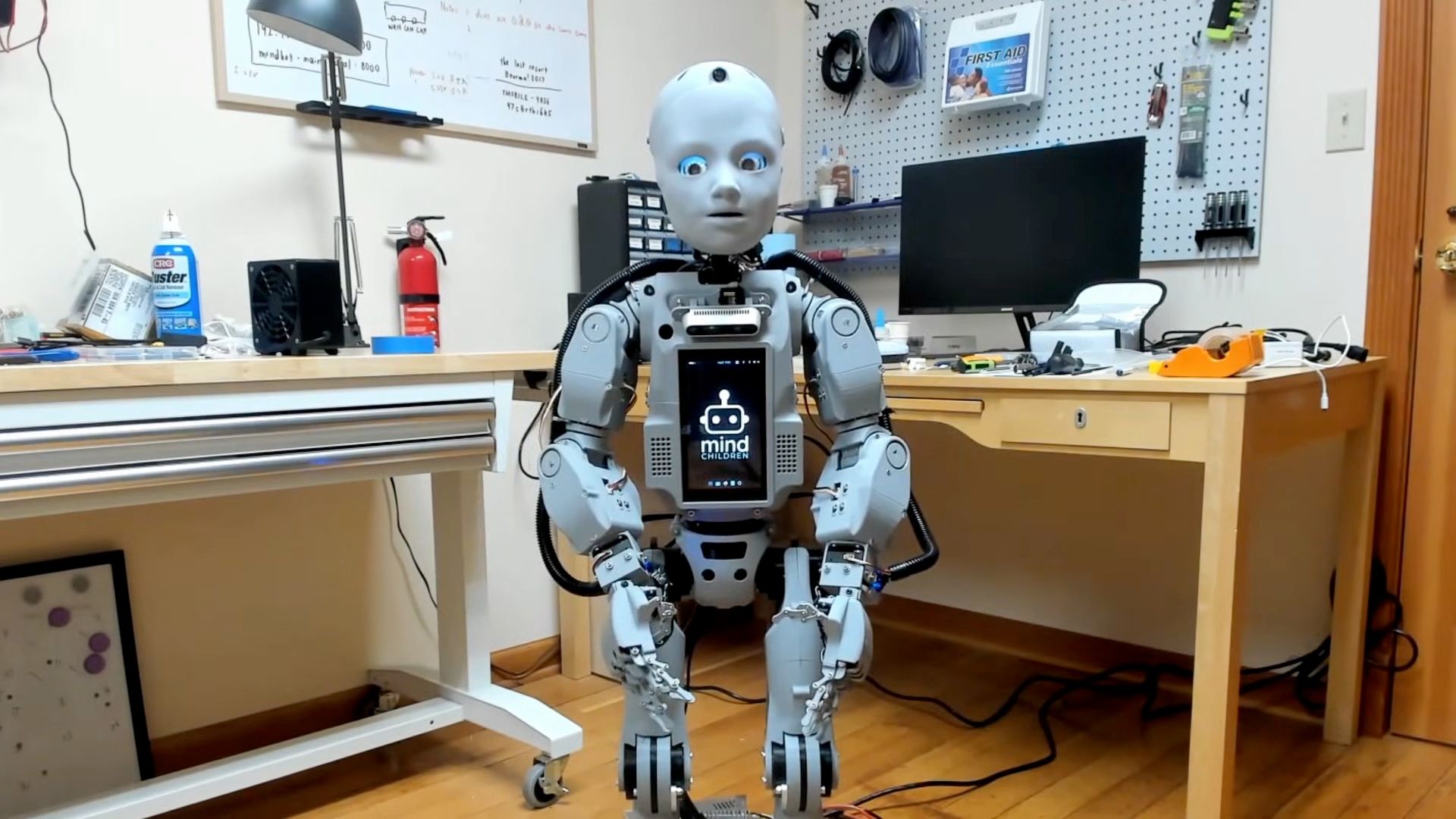
Video: Child-friendly Codey robot showcases embodied AGI future in education, healthcare
A Seattle-based robotics company has unveiled a three-foot-tall humanoid robot intended for public use, showcasing its potential to assist in various environments. The robot, which features advanced interaction capabilities, aims to enhance customer service and provide support in settings such as retail and hospitality. This development comes as part of a broader trend in the robotics industry, where companies are increasingly focusing on creating machines that can engage with people in everyday situations. The prototype was revealed during a technology expo held in Seattle last week, attracting attention from industry experts and potential investors. The creators believe that this humanoid robot could revolutionize the way businesses interact with customers, addressing labor shortages and improving efficiency. By integrating artificial intelligence and user-friendly interfaces, the robot is designed to learn from its interactions, adapting to the needs of its environment.
AI and Robotics
BayCare Partners with Zipline for Drone Delivery Network in Tampa Bay by 2027
BayCare, the largest not-for-profit academic health-care system in West-Central Florida, has announced a partnership with Zipline to establish a drone delivery network. This system is expected to be operational by late 2027, initially focusing on high-volume hospital and laboratory locations in the St. Petersburg/Clearwater area. The network will facilitate the delivery of medical supplies and equipment between BayCare facilities, with plans to expand to patient homes in the future. The collaboration aims to enhance the speed and efficiency of transporting critical health-care items, addressing the needs of BayCare's extensive network of 16 hospitals and numerous other facilities. Zipline's drones are designed to operate autonomously, making precise deliveries even in adverse weather conditions. This initiative is expected to reduce delivery-related emissions and traffic congestion while providing a reliable service for time-sensitive items. Looking ahead, the project will begin with select BayCare facilities in Pinellas County, where the concentration of patient activity is highest. Future expansions across the entire Tampa Bay area are planned, although no further timeline was disclosed at the time of publication. The partnership leverages Zipline's FAA Part 135 air carrier certification, enabling BVLOS flights for commercial deliveries.
Applications Delivery Drone News Drone News Feeds News autonomous delivery
Is Robotic Surgery Worth Traveling Abroad for? – Patient Guide
As patients face lengthy wait times and limited availability of specialized surgeons for robotic surgery, many are considering traveling abroad for their procedures. This trend has emerged as individuals seek more accessible options for advanced medical technology that may not be offered locally. The growing interest in international medical travel highlights the challenges within the healthcare system, prompting patients to explore alternatives that could expedite their treatment. By opting for overseas surgery, patients hope to receive timely care and benefit from cutting-edge techniques that may not be available in their home countries.
Health Technology automation news da Vinci surgical system healthcare innovation Healthcare Technology
Beacon Biosignals is mapping the brain during sleep
Jake Donoghue, a PhD graduate from MIT, and former MIT researcher Jarrett Revels have launched a company focused on developing an AI-driven platform aimed at diagnosing and treating diseases. This innovative initiative seeks to leverage advanced artificial intelligence technologies to enhance medical decision-making and improve patient outcomes. The platform is currently in development, with the founders drawing on their extensive research backgrounds to create a solution that addresses critical challenges in healthcare. By integrating AI into the diagnostic process, the company aims to streamline the identification of diseases and facilitate more effective treatment plans. The project reflects a growing trend in the medical field, where technology is increasingly being utilized to augment traditional healthcare practices.
Startups Alumni/ae Alzheimer's Parkinson's Disease Neuroscience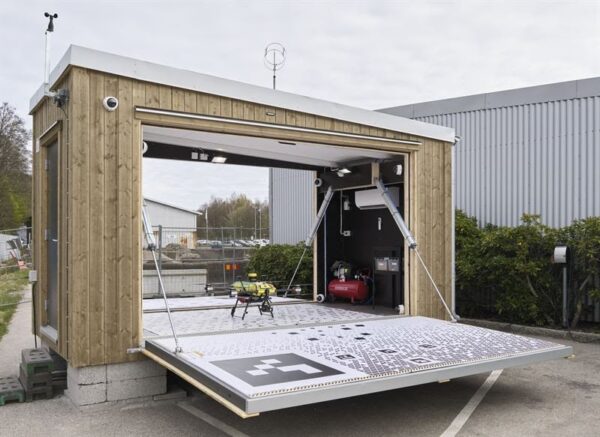
Sweden’s Everdrone Opens Borås Base for Defibrillator Drone Deliveries
Sweden’s Västra Götaland Region has launched a new Everdrone medical drone base in Borås, marking the fourth E3 base in the region and enhancing emergency healthcare services for approximately 300,000 residents. This initiative aims to improve response times for cardiac emergencies by allowing drones to deliver defibrillators to the scene while ambulances are still en route. The addition of this base is part of a broader effort to strengthen emergency medical services across the region, ensuring timely access to life-saving equipment.
Delivery Drone News Drone News Feeds Europe Drone Industry European Union First Responder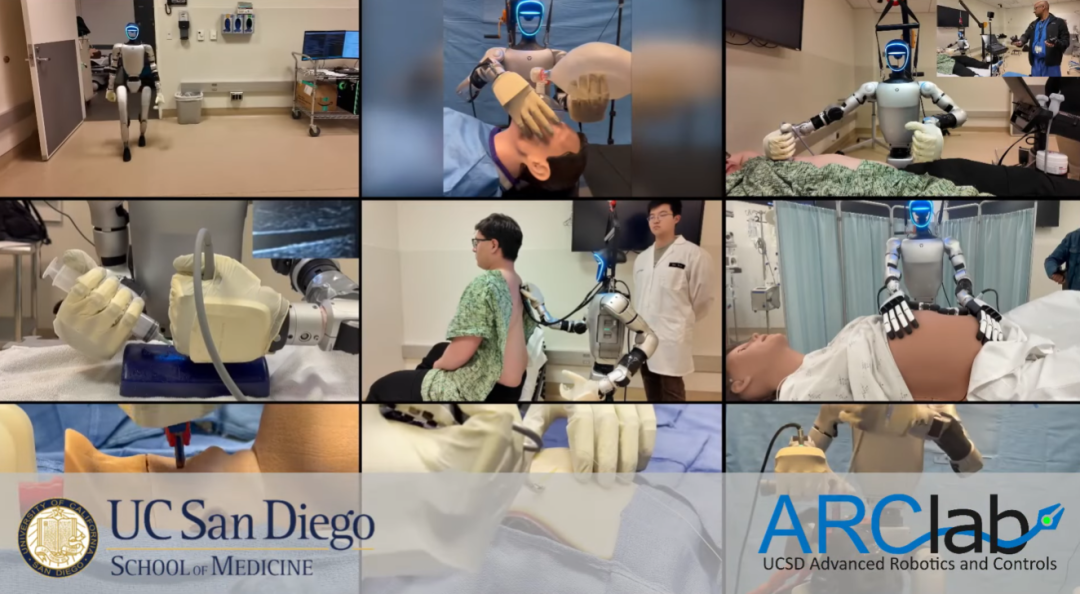
Humanoid Robots Excel in Medical Procedures Ahead of Nature Publication
A humanoid robot developed by the Advanced Robotics and Controls Lab at UC San Diego has successfully performed various medical procedures, including the first-ever live minimally invasive surgery, as reported in Nature. This robot, named Yush, demonstrated capabilities in physical examinations, emergency interventions, and fine-needle surgeries, showcasing its potential in clinical settings. The significance of this development lies in the robot's ability to replicate core human medical operations, which could revolutionize healthcare delivery. The lab's focus on humanoid robots aims to create systems that can autonomously operate in hospital environments, utilizing multi-fingered and multi-armed tools to perform a wide range of tasks without the need for specialized equipment. Looking ahead, the lab is exploring the challenges of maintaining stability while the humanoid robot is in motion, which is crucial for its effectiveness in real-world medical scenarios. The ongoing research indicates that humanoid robots could eventually handle nearly all medical tasks independently, enhancing operational efficiency in healthcare facilities. No further timeline was disclosed at the time of publication.
Humanoid Robots Surgical Robotics Medical Automation AI in Healthcare
Agile Robots Unveils Advanced Physical AI Solutions at WAIC 2026 in Shanghai
On July 17, 2026, the World Artificial Intelligence Conference (WAIC 2026) commenced in Shanghai, featuring Agile Robots, a leading intelligent robotics company. Agile Robots showcased its H20 lightweight humanoid robot, H10-W assistant robot, AI therapy robot, and high-precision teleoperation data collection system, emphasizing its vision of linking AI with the physical world. The significance of this event lies in the anticipated growth of the humanoid robot market, with projections indicating that China's production could exceed 100,000 units by the end of 2026. This marks a pivotal moment for the global AI industry, transitioning humanoid robots from experimental stages to large-scale production and real-world applications. Looking ahead, Agile Robots is positioned to capitalize on this industry opportunity, having established a strong technological foundation and extensive commercialization experience. The company aims to enhance its AI algorithms and data ecosystems to support the deployment of humanoid robots across various sectors, including healthcare, logistics, and smart agriculture. No further timeline was disclosed at the time of publication.
Humanoid Robots AI Robotics Technology Healthcare Robotics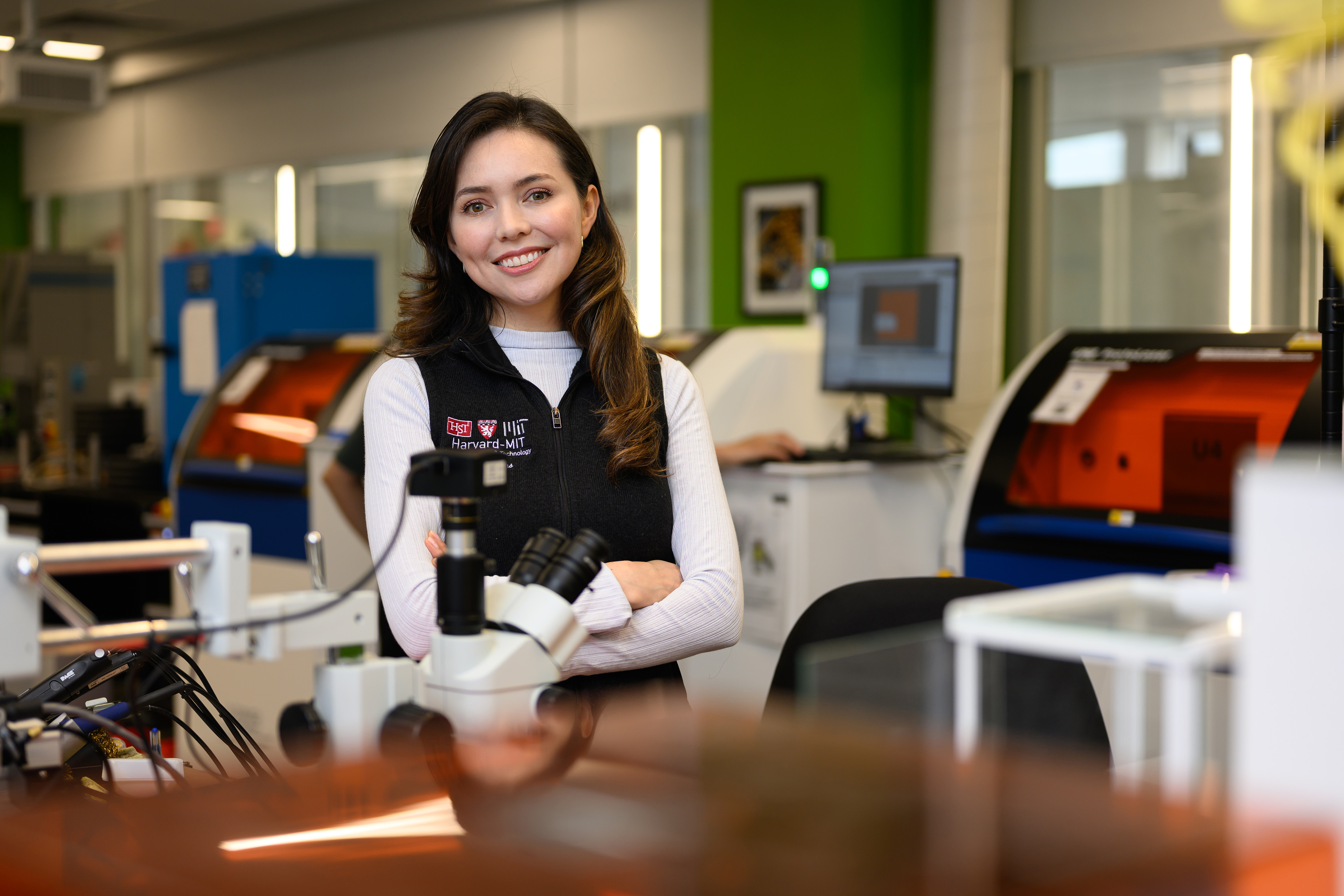
Diana Grass Explores Body Communication Through Soft Bioelectronic Devices
Diana Grass, a PhD candidate in the Harvard-MIT Program in Health Sciences and Technology, is developing soft bioelectronic devices to study physiological signals that facilitate communication between the brain and body. Her journey from studying philology and education to neuroscience was sparked by her experiences as a medical interpreter, where she observed the interactions between physicians and patients with neurological disorders. Grass's work aims to bridge the gap in understanding how the body communicates continuously, despite the reliance on isolated biological snapshots in current medical practices. Her research emphasizes the interconnectedness of the nervous system with the immune system and other peripheral organs, highlighting the importance of these interactions in maintaining physiological balance. As she pursues her PhD in medical engineering and medical physics, Grass is part of the Bioelectronics Group at MIT, where she collaborates on innovative projects that could revolutionize our understanding of health and disease. No further timeline was disclosed at the time of publication.
Profile Students Graduate, postdoctoral Materials science and engineering Medicine Electronics
Chinese Company Wins Red Dot Award for Panda-Inspired Delivery Robot Design
The Shenzhen-based company, Wandachang Innovation Intelligent Co., has won the prestigious Red Dot Award for its Panda-inspired meal delivery robot, known as Xiong Da. This recognition highlights the robot's unique design that embodies Eastern aesthetics, setting it apart in a market often dominated by minimalist technology. The significance of this award lies in its affirmation of Wandachang's commitment to blending cultural heritage with advanced robotics. The Xiong Da robot features a bionic design inspired by the giant panda, integrating a SLAM positioning system and multi-sensor technology for efficient navigation in narrow spaces. This innovative approach positions the robot as not just a tool, but a companion that resonates emotionally with users. Looking ahead, Wandachang aims to expand its intelligent service system for healthcare and wellness, leveraging its award-winning design to tell the story of Chinese manufacturing on a global stage. No further timeline was disclosed at the time of publication.
Robotics Product Design Cultural Aesthetics Healthcare Technology
Humanoid Robot H1 Completes First Live Gallbladder Surgery Under Surgeon Control
In July 2026, a humanoid robot successfully performed the world's first live gallbladder surgery on a pig under the control of a surgeon. This groundbreaking procedure, documented by Nature and featured on the front page of the New York Post, has sparked significant discussions in the tech community about the implications of humanoid robots in surgical settings, particularly regarding remote control and AI capabilities. The significance of this achievement lies in its potential to disrupt the surgical robotics market, which has been dominated by the Da Vinci surgical system for nearly two decades. The Da Vinci system, known for its high costs exceeding $2 million, relies on specialized robotic arms and instruments. In contrast, the humanoid robot's design allows it to utilize standard surgical tools, which could lead to reduced costs and increased accessibility for hospitals. Looking ahead, the successful completion of this surgery marks a pivotal moment for humanoid robots in healthcare. While regulatory hurdles and clinical validation processes remain, the experiment demonstrates that humanoid robots can perform complex surgical tasks. The next challenge will be determining when the costs associated with these robots can be lowered enough for broader adoption by hospitals beyond top-tier institutions. No further timeline was disclosed at the time of publication.
Humanoid Robots Surgical Robotics AI in Healthcare Remote Surgery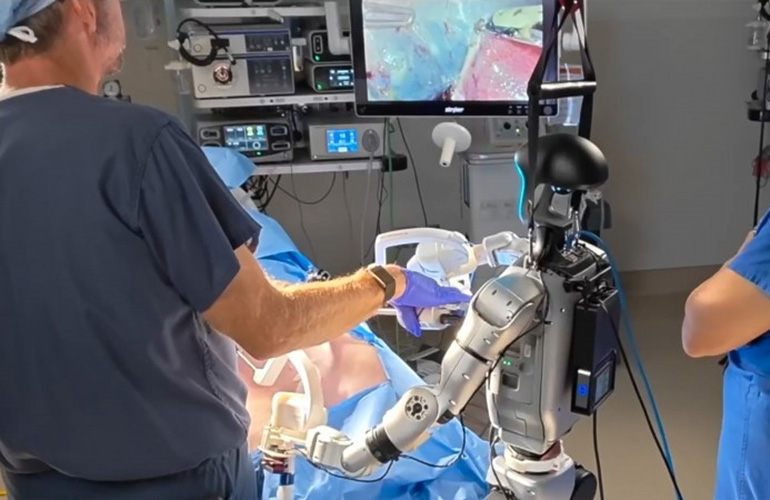
UC San Diego Trials Teleoperated Humanoid Robots for Surgical Procedures
In a groundbreaking preclinical trial at UC San Diego, teleoperated humanoid robots successfully conducted surgeries, marking a significant advancement in surgical technology. This trial represents the first instance of humanoid robots being utilized in a surgical context, showcasing their potential to enhance precision and efficiency in medical procedures. The significance of this development lies in the versatility of humanoid robots, which may offer improved capabilities over traditional robotic systems like the da Vinci Surgical System. By integrating advanced teleoperation techniques, these robots could potentially reduce the need for human intervention, thereby minimizing risks and improving patient outcomes in complex surgeries. Looking ahead, the next steps involve further trials to assess the long-term effectiveness and safety of these humanoid robots in surgical environments. No further timeline was disclosed at the time of publication, but the results of this trial could pave the way for broader applications in healthcare robotics.
Healthcare Robotics Human Robot Interaction / Haptics Humanoids News Surgical / Interventional Systems Surgical Systems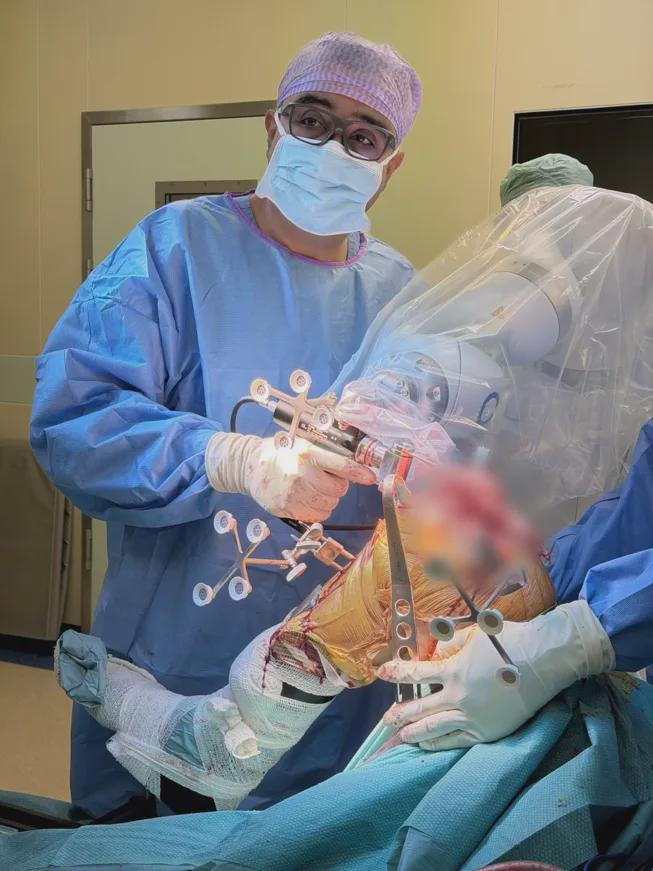
Kunlu® Orthopedic Surgery Robot Completes First Surgery in Malaysia
The Kunlu® orthopedic surgery robot successfully conducted its inaugural surgeries in Malaysia, led by Dr. Rajiv Rampal. The procedures involved complex knee replacements for two patients with severe deformities, demonstrating the robot's precision and adaptability in a clinical setting. This event marks a pivotal moment in the robot's international rollout, following its earlier success in Brazil, where it showcased compatibility with local implants. The significance of this achievement lies in the robot's advanced capabilities, which enhance surgical outcomes and improve patient care in orthopedic procedures. The successful surgeries in Malaysia indicate a growing acceptance of robotic assistance in healthcare, particularly in regions looking to adopt innovative medical technologies. The ability to perform complex surgeries with high precision positions Kunlu® as a competitive player in the global orthopedic market. Looking ahead, the next steps for Kunlu® include further international deployments and potential collaborations with local healthcare providers. No further timeline was disclosed at the time of publication, but the successful debut in Malaysia may pave the way for additional surgeries and expanded market presence in Southeast Asia.
Orthopedic Surgery Robots Medical Robotics Surgical Technology Healthcare Innovation
Japan Unveils National Robot Strategy: 10 Million Robots by 2040 for Care and Food Manufacturing
The Japanese government has unveiled an ambitious national robot strategy, targeting the deployment of around 10 million robots across 18 sectors, such as healthcare and food manufacturing, by the year 2040. This initiative, announced recently, aims to tackle labor shortages and boost productivity through the integration of advanced AI technology. The strategy also emphasizes the importance of international collaborations to facilitate both the development and deployment of these robotic systems.
Robotics Healthcare Automation Food Manufacturing AI Technology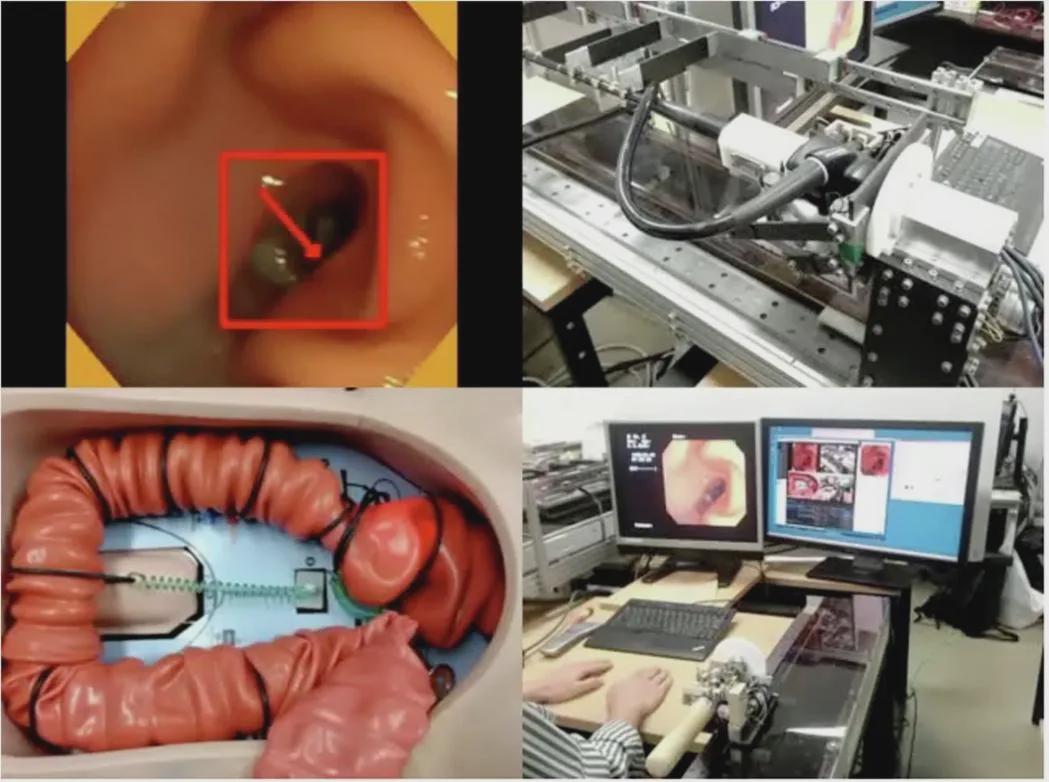
Autonomous Colonoscopy Robot Achieves 86.1% Success in Automated Insertion
Recent advancements in the field of medical robotics have been showcased through research on the ACRS autonomous colonoscopy robot, which has demonstrated a remarkable ability to learn from expert physician data. This innovative system has achieved an impressive 86.1% success rate in fully automated colonoscope insertions, indicating a significant leap forward in the capabilities of robotic technology in medical procedures. The research underscores the potential for robotics to enhance the precision and efficiency of complex tasks in healthcare, paving the way for improved patient outcomes and streamlined medical practices.
Medical Robotics AI in Healthcare Colonoscopy Technology Autonomous Systems
Queue raises funding to build fully autonomous pharmacy
Queue is advancing its initiative to enhance prescription access by developing fully automated pharmacies. This effort aims to serve hospitals, retail locations, and underserved communities, addressing the growing demand for efficient pharmaceutical services. Recently, the company secured funding to support the construction of these autonomous pharmacies, which are designed to streamline the dispensing process and improve patient care. By leveraging automation, Queue intends to reduce wait times and increase the availability of medications, particularly in areas where access to traditional pharmacy services is limited. The project represents a significant step towards modernizing healthcare delivery and ensuring that essential prescriptions are readily available to those in need.
Healthcare Robotics Investments News AlleyCorp pharmaceutical Queue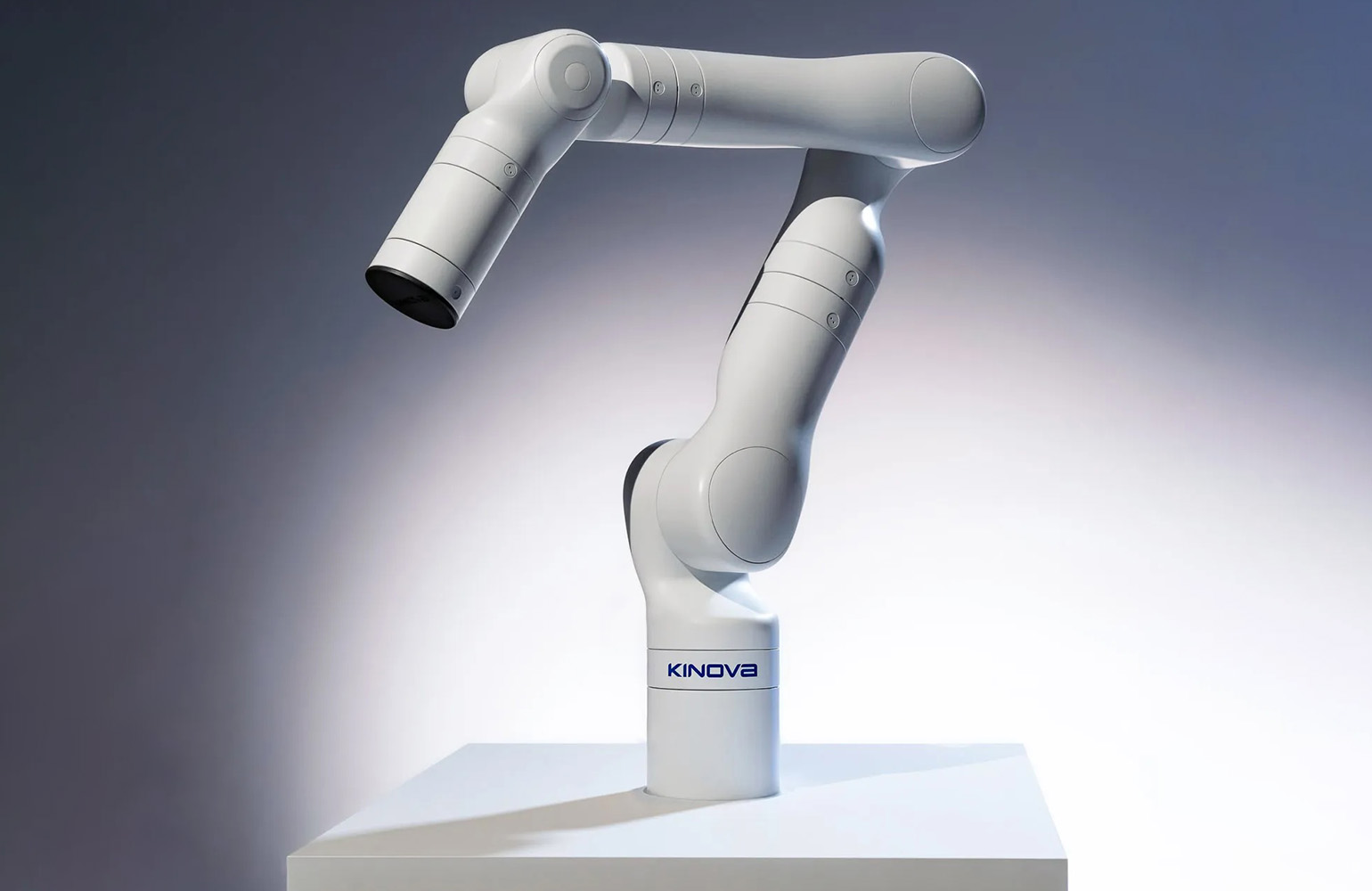
Kinova launches KIMA medical robotic arm
Kinova has introduced KIMA, a medical robotic arm specifically designed for clinical applications, marking a significant departure from traditional industrial robotics. This innovative device was developed entirely from the ground up, emphasizing its tailored functionality for healthcare settings. The launch of KIMA reflects Kinova's commitment to advancing medical technology and enhancing patient care through robotics.
Actuators / Motors / Servos Collaborative Robots Healthcare Robotics Markets / Industries Motion Control News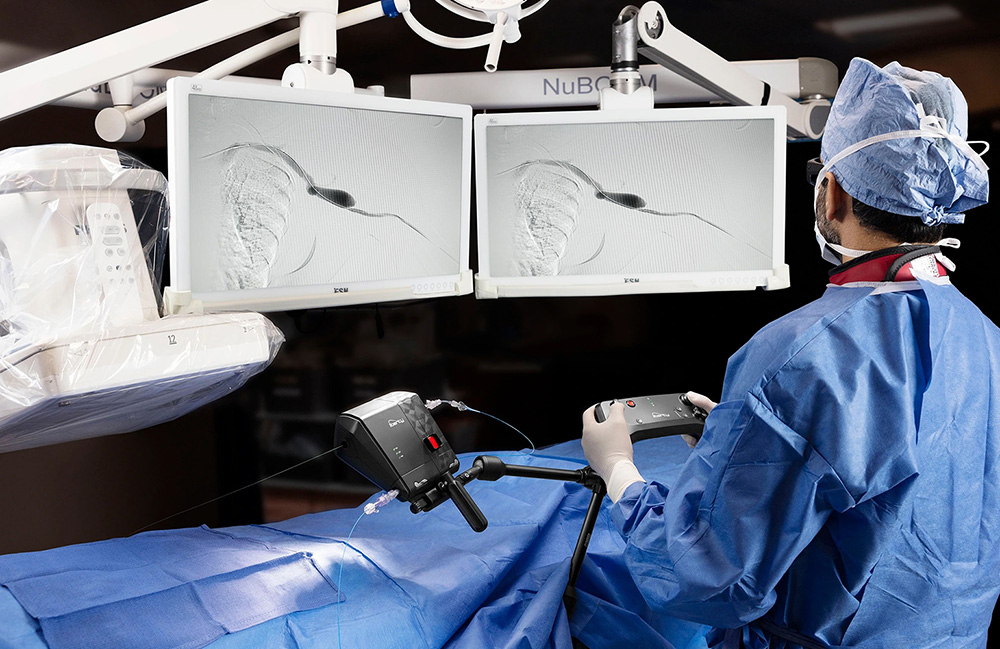
Microbot Medical to expand veteran access to robotic surgery with LIBERTY
Microbot Medical has announced a partnership with Lovell Government Services, which will serve as its service-disabled veteran-owned small business vendor. This collaboration aims to enhance access to robotic surgery for veterans through federal programs. The initiative underscores Microbot's commitment to expanding healthcare options for those who have served in the military. The partnership is set to facilitate the integration of innovative robotic surgical technologies into veteran healthcare services, thereby improving treatment outcomes and accessibility.
Healthcare Robotics Markets / Industries News Robots / Platforms Surgical / Interventional Systems government
Pegasus Tech Ventures launches $60M fund for physical AI startups
Pegasus Tech Ventures, in collaboration with CYBERDYNE, has announced the launch of a $60 million fund aimed at supporting startups focused on robotics, physical AI, healthcare, automation, and intelligent systems. This initiative, unveiled recently, seeks to foster innovation in these rapidly evolving sectors, driven by the growing demand for advanced technological solutions in various industries. By investing in early-stage companies, Pegasus and CYBERDYNE aim to accelerate the development of cutting-edge technologies that can enhance efficiency and improve quality of life. The fund is expected to play a significant role in shaping the future of physical AI and related fields.
Artificial Intelligence Artificial Intelligence / Cognition Design / Development Financial Healthcare Robotics Investments
Tsinghua PhD Team Secures Exclusive Investment from Lei Jun for Innovative rPPG Technology
Microface Technology, a startup established by PhD graduates from Tsinghua University, has received exclusive investment from Shunwei Capital, led by prominent entrepreneur Lei Jun. The company has developed a groundbreaking remote photoplethysmography (rPPG) technology that allows for non-contact monitoring of physiological and emotional states using standard RGB cameras. This innovative approach has demonstrated high accuracy in detecting heart rates and emotional responses. After facing initial challenges, the team strategically shifted its focus to physiological emotion sensing, which has led to successful applications across various sectors, including healthcare and the automotive industry. This investment is expected to bolster Microface Technology's efforts in expanding its capabilities and market reach, further enhancing its contributions to the fields of health monitoring and emotional analytics.
Health Monitoring Emotion Recognition Wearable Technology AI Computer Vision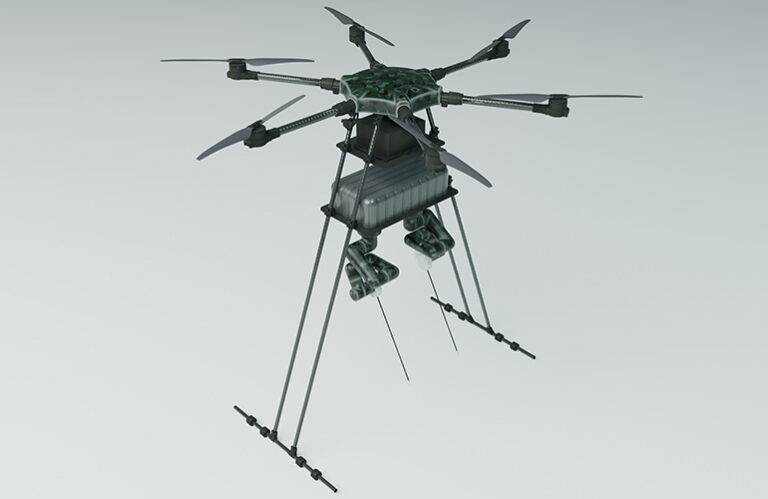
Can surgical robots fly? SS Innovations discusses challenges, solutions
SS Innovations, a robotics developer, is concentrating its efforts on enhancing emergency medical care in active war zones and other challenging environments. The company is exploring the feasibility of deploying surgical robots in these high-stress situations, addressing the unique challenges posed by such settings. This initiative aims to improve the speed and effectiveness of medical interventions in areas where traditional healthcare access is limited or compromised. By leveraging advanced robotics technology, SS Innovations seeks to provide critical support to medical personnel and improve patient outcomes in emergencies. The ongoing discussions around this innovative approach highlight the potential for surgical robots to revolutionize emergency care in some of the most dangerous locations worldwide.
Defense / Security Drones Healthcare Robotics Markets / Industries News Robots / Platforms
Boston University team wins MassRobotics Form & Function Challenge at Robotics Summit
MassRobotics recently recognized outstanding university teams and highlighted innovations in healthcare and physical AI at the Robotics Summit. Notably, a team from Boston University emerged victorious in the MassRobotics Form & Function Challenge, showcasing their exceptional skills and creativity in robotics. The event, which took place in Boston, served as a platform for startups and innovators to present their cutting-edge technologies, emphasizing the growing importance of robotics in various sectors. The initiative aims to foster collaboration and inspire future advancements in robotics, particularly in addressing healthcare challenges. Through competitions and showcases, MassRobotics continues to support and promote the development of innovative solutions in the field.
Academia / Research Agriculture Artificial Intelligence Artificial Intelligence / Cognition Business Resources Design / Development
Surgical Robots Begin Leasing in Hospitals: What's Next?
Beijing hospitals are increasingly opting to lease surgical robots rather than purchasing them outright, a strategic move aimed at improving access to cutting-edge medical technology. This shift allows healthcare facilities to assess the robots' performance in real clinical environments before making significant financial commitments. Additionally, leasing arrangements come with ongoing support and training from suppliers, ensuring that medical staff are well-equipped to utilize the advanced equipment effectively. This innovative approach reflects a growing trend within the healthcare sector to enhance operational efficiency and patient care through the adoption of new technologies.
Surgical Robots Healthcare Innovation Medical Equipment Leasing Clinical Services
Chinese Orthopedic Surgery Robot Successfully Operates in Brazilian Hospital
The Kuntuo® orthopedic surgery robot, developed in China, has made its debut in Brazil by assisting a local physician in performing a knee replacement surgery. This significant achievement showcases the robot's ability to adapt to local prosthetic systems and underscores the critical role of advanced technology in enhancing medical practices worldwide. The successful operation marks a pivotal step in the international deployment of innovative healthcare solutions, emphasizing the integration of cutting-edge technology within established medical frameworks.
Surgical Robots Orthopedic Surgery Medical Technology Healthcare Innovation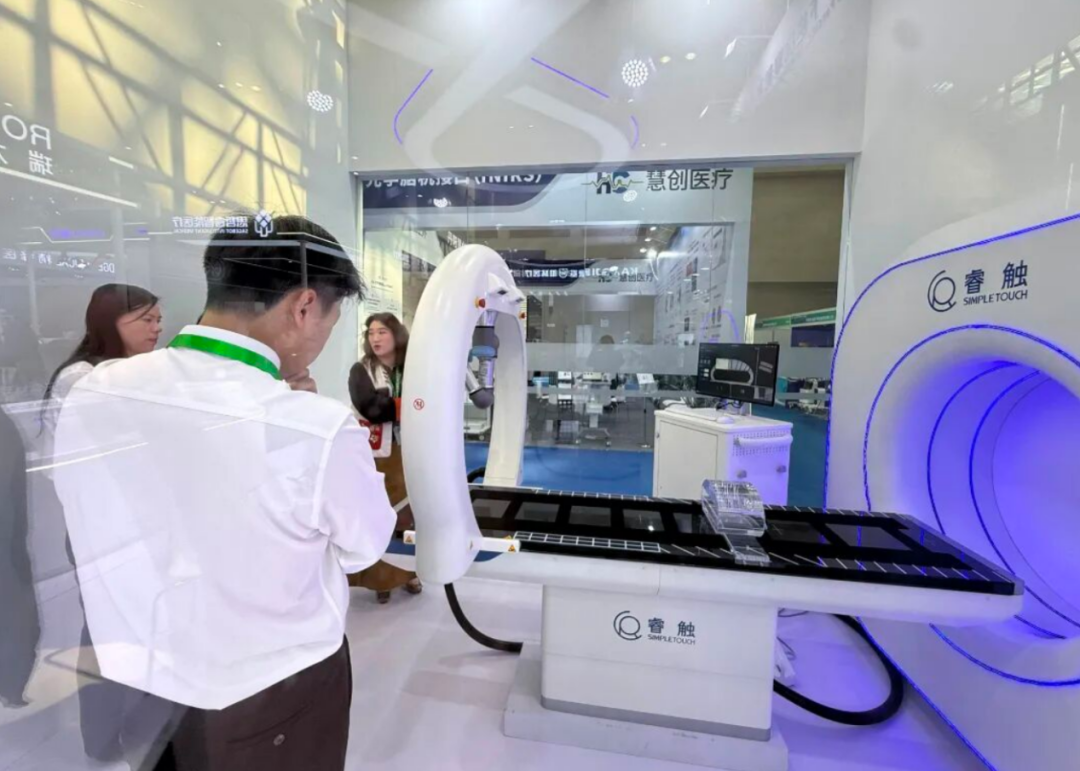
Domestic Surgical Robot RuiTouch Files for IPO on Hong Kong Stock Exchange
Shanghai RuiTouch Robotics has taken a significant step towards becoming a publicly traded entity by submitting its initial public offering (IPO) application to the Hong Kong Stock Exchange. The company aspires to be the first in the market to offer percutaneous surgical robots, leveraging its advanced CT imaging and intelligent sensing technologies. However, the IPO comes amid concerns regarding the company’s financial health, as it currently reports no revenue and has incurred substantial financial losses. The move is seen as a pivotal moment for the company, which aims to capitalize on the growing demand for innovative surgical solutions while navigating the challenges posed by its financial status.
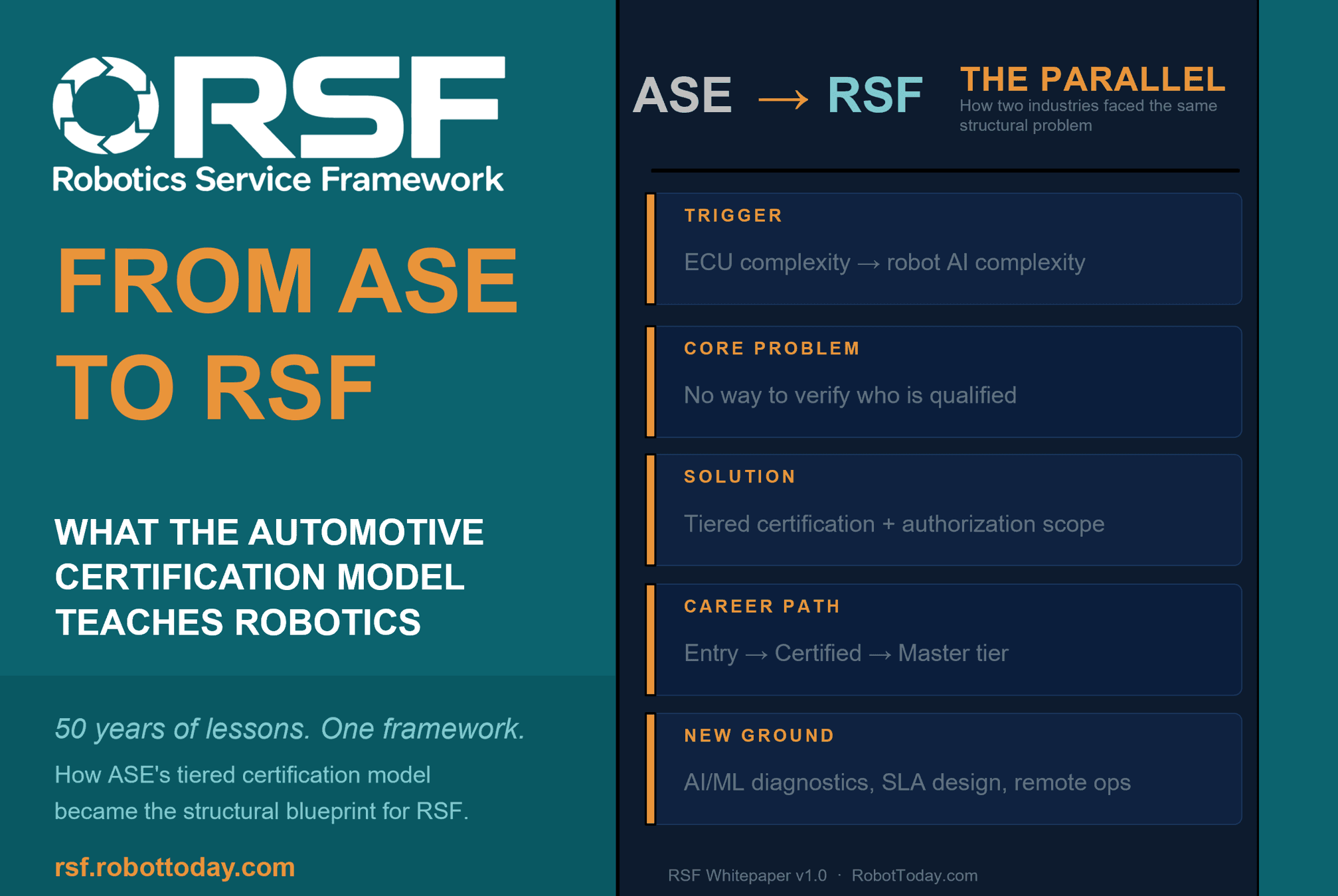
Surgical Robots Medical Technology Healthcare Innovation IPO RoboticsRobotics needs a service framework.
RSF defines a common language for robot service capability, lifecycle operations, certification pathways, and service-provider networks.