Industry Briefing
A single destination for timely, editor-curated robotics news from around the world.

MIT Develops FloatForm Swarm of Modular Aquatic Robots for Dynamic Structures
MIT researchers have unveiled FloatForm, a swarm of small square robotic boats capable of self-assembly into larger structures on water. This innovative system allows the robots to break apart and reconfigure with minimal human intervention, showcasing a new approach to aquatic construction. The project emphasizes the potential for dynamic, adaptable structures in marine environments, with applications in environmental monitoring and infrastructure development. The significance of FloatForm lies in its ability to create modular and reconfigurable structures, which can respond to changing environmental conditions. This technology could revolutionize how we think about construction and deployment in aquatic settings, offering flexibility and efficiency in design. The robots' self-assembly capabilities could lead to advancements in marine architecture and environmental sustainability. Looking ahead, the next steps for the FloatForm project include further testing and potential applications in real-world scenarios. No further timeline was disclosed at the time of publication, but the implications of this technology could influence future developments in robotics and marine engineering.
Robotics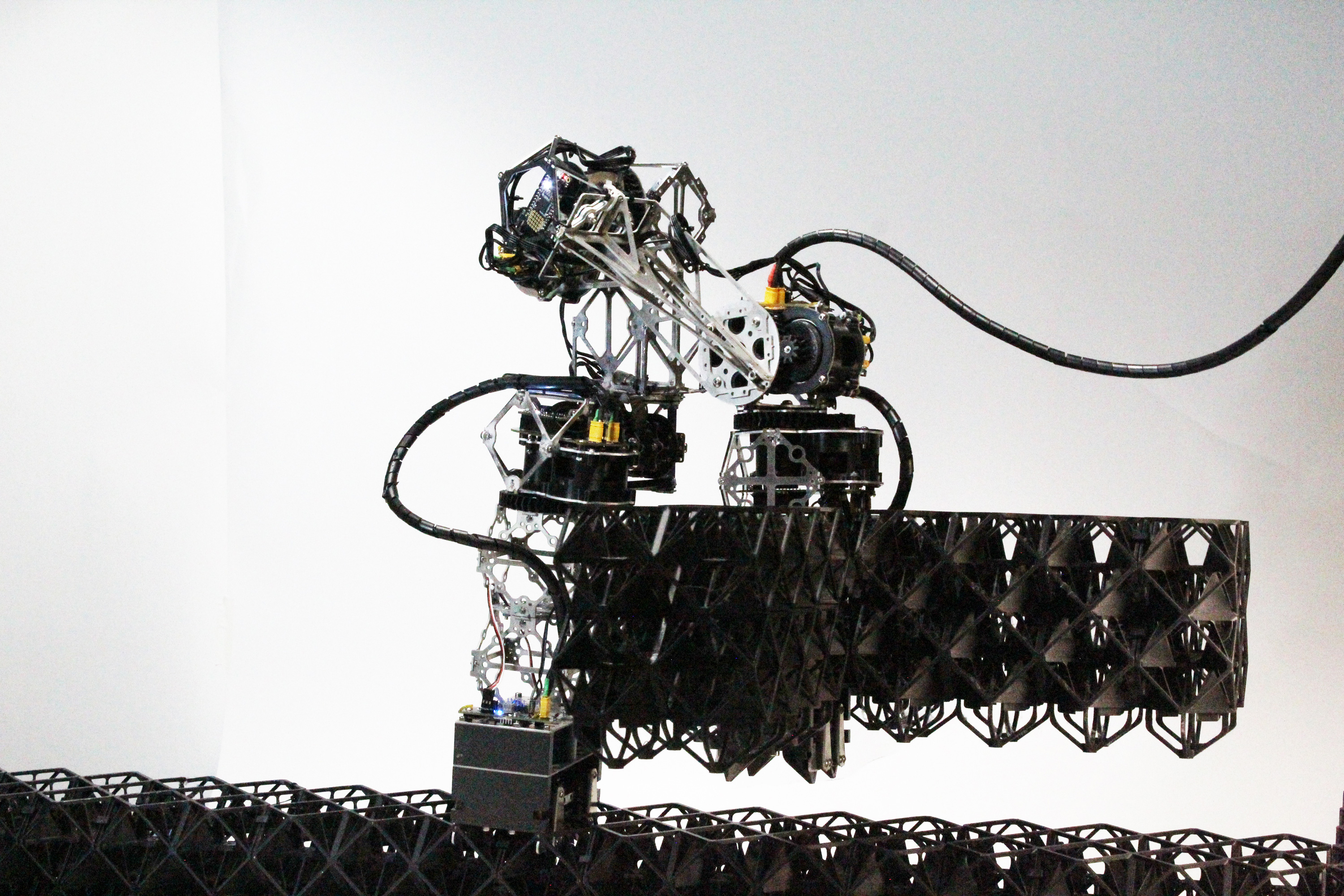
Robotically assembled building blocks could make construction more efficient and sustainable
Recent research indicates that the construction of simple buildings using interlocking subunits is not only mechanically viable but also significantly reduces carbon emissions. This innovative approach to building design could transform the construction industry by offering a sustainable alternative to traditional methods. The findings, which emerged from a study conducted by a team of engineers and architects, highlight the potential for these modular structures to minimize environmental impact while maintaining structural integrity. The research underscores the urgent need for more eco-friendly construction practices in response to growing concerns about climate change and resource depletion. By utilizing interlocking components, builders can streamline the construction process, reduce waste, and enhance energy efficiency, ultimately contributing to a greener future for urban development.
Research Construction Robotics Self-assembly Concrete Additive manufacturing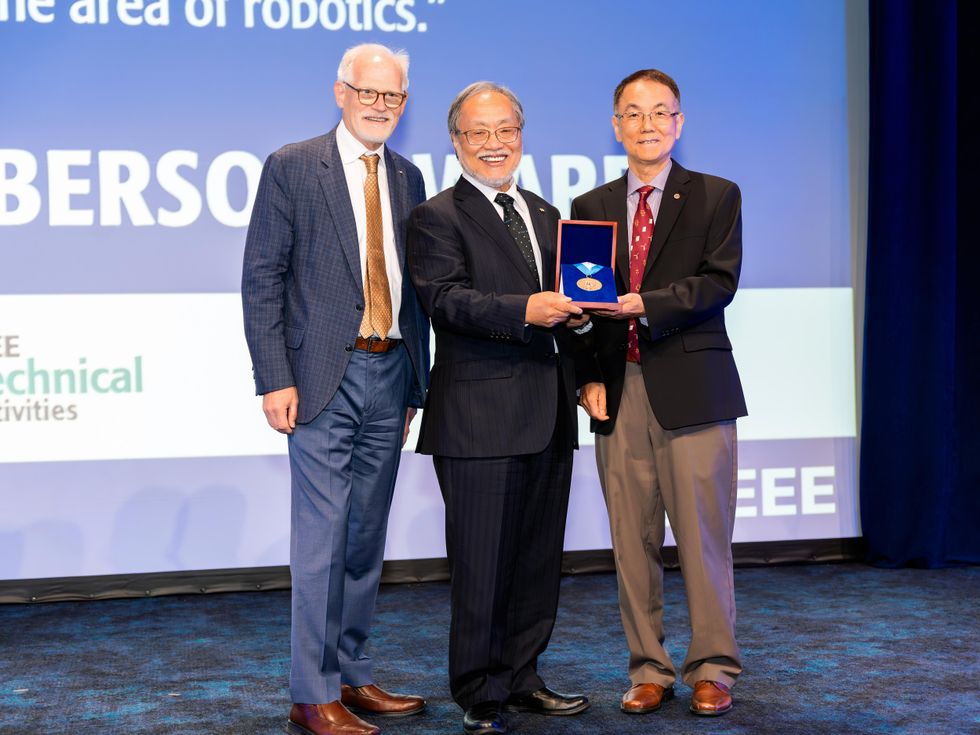
IEEE Honors Robotics Pioneer Toshio Fukuda
Toshio Fukuda has been blazing trails for most of his career. He is considered to be one of the most prolific scholars in robotics, writing more than 2,000 research papers and authoring several books on the field. He’s an influential figure thanks to his pioneering work developing biomedical robotic systems, industrial robots, micro-nano robotics, mechatronics, and AI-driven automation.Fukuda launched one of the first robotics conferences, the IEEE/RSJ International Conference on Intelligent Robots and Systems (IROS). It is still popular almost 40 years later.Toshio FukudaEmployerEgypt-Japan University of Science and Technology, in Alexandria TitleProfessor and vice president of research Member gradeLife Fellow Alma matersWaseda University, in Tokyo; University of Tokyo An IEEE Life Fellow, he is a professor emeritus in the department of micro-nano systems engineering and a visiting professor at Nagoya University, in Japan, where he taught for nearly 25 years. Currently, he is a vice president of research at the Egypt-Japan University of Science and Technology, in Alexandria, Egypt.Within IEEE, Fukuda has held top volunteer positions including the organization’s highest office: He served as IEEE president in 2020, becoming the first person of Asian descent to hold the role.He’s a former program director of Japan’s Moonshot program, which by 2050 intends to develop advanced AI robots.Born in Japan, Fukuda has been recognized by the country for his contributions to science with two of its highest awards: the Medal of Honor with a purple ribbon in 2015 and the Order of the Sacred Treasure in 2022.IEEE honored him with this year’s Richard M. Emberson Award for “distinguished service advancing the technical objectives of IEEE, especially in the area of robotics.” The IEEE Board-level award is sponsored by the IEEE Technical Activities Board. Fukuda received the award on 24 April at a ceremony in New York City.As a former IEEE president who has served as a master of ceremonies at several of the organization’s major award events, Fukuda noted that he is more accustomed to bestowing awards than receiving them.“It’s very interesting to be on the receiving end,” he says.The journey into robotics researchAs a teenager, Fukuda spent his summer breaks teaching himself how to build things including transistor radios and steam engines.“It was very nice to have a hands-on hobby and make these kinds of things myself,” he says. His experimentation led him to study engineering.He earned a bachelor’s degree in engineering in 1971 from Waseda University, in Tokyo. He says one of his professors there—Ichiro Kato, regarded as the father of Japanese robotics research—was a good mentor who made a positive impact.Fukuda’s research interests were robotics and mechatronics, a field that combines robotics, electronics, computer science, and control systems.He went on to earn a master’s degree and a doctorate in science from the University of Tokyo, in 1971 and 1977. During those years, he also attended Yale, where he conducted research on advanced control theory in 1973.He reflects fondly on his time at Yale: “It was a very nice environment and a kind of free-thinking atmosphere. It motivated me to study more.”“IEEE doesn’t care who you are, what you do, what country you are from, or whether you are male or female. IEEE accepts people who have energy and passion.”While at Yale, Fukuda served as an assistant to his advisor—which led him to consider a career in academia, he says, because he enjoyed the freedom that research work afforded him.But he realized that such freedom comes with a price. University researchers are expected to raise the money that funds their work. He compares researchers to small-business owners who have to bring in money to keep their enterprise afloat.That realization led him to select robotics as his field because he intended to develop technologies useful to industry, he says.After earning his doctorate, he returned to Japan in 1977 to work as a research scientist at the government’s Mechanical Engineering Laboratory, later renamed the National Institute of Advanced Industrial Science and Technology, in Tsukuba.“There was a lot of research going on at the lab, including practical robotics and theory,” he says.He left Japan in 1979 to become a visiting research fellow at the University of Stuttgart, in Germany. During his year there, he studied systems, software problems, and related topics.He returned to Japan and was hired as an associate professor of mechanical engineering at the Tokyo University of Science. He conducted research into practical uses for robots by visiting industrial plants. He decided to develop robots that inspect industrial equipment such as those used in assembly plants, oil refineries, and power stations—places that “can be hostile environments for humans,” he says.His work drew interest from chemical, oil, and utility companies.“I got a lot of money from them for this very practical application, which funded my research,” he says, laughing.Developing popular robotic systemsFukuda grew tired of making those robots, he says, so he switched to creating ones for scientific applications. He developed many techniques, but he probably is best known for his modular, cellular robotic systems (CEBOTs), which he introduced in 1985.He has described how CEBOTs work in numerous papers published in the IEEE Xplore Digital Library.The CEBOT system is composed of a number of autonomous robotic cells that stick together like interlocking Lego plastic bricks, he says.Each cell is a fundamental modular unit that has a function. When a simple task is given, the system can analyze it and generate the structure of the cellular manipulator. The cells connect to and detach from each other through connection mechanisms and cooperate mutually, creating complex structures and configurations.“You start developing from the component-wise to the cell-wise to a small functional unit—and then you come up with clusters that make bigger systems. We can make a society of robot beings like that,” he explained in his oral history published on the Engineering and Technology History Wiki. “It’s a distributed robotic system, a self-organized robotic system, and also an evolutionary robotic system.“It’s also a fault-tolerant robot system because if something is wrong, you just remove those things and make a new one. You keep the system working. That’s a great thing.”Today CEBOTs are used for a variety of tasks such as delivering medication in hospitals, assisting with planting crops, and transporting products in distribution centers. Check out IEEE Spectrum’s Robots Guide for news from the world of robotics.In 1989 Fukuda joined Nagoya University as a professor of mechanical engineering and micro-nano systems engineering. During his 24-year career there, he was director of the university’s Center for Micro-Nano Mechatronics. He developed a long list of technologies at the university, including many for medical applications. He also conducted groundbreaking research into intelligent robotic systems and micro- and nano-robotics.Another technology he is known for is brachiation robots, which he helped develop in 1988. He calls them monkey robots because they’re based on the pendulum-like movement of monkeys swinging from tree to tree. The gravity-based locomotion enables continuous movement.Brachiation robots now are inspecting high-voltage transmission towers and bridges, searching damaged buildings for survivors, and performing maintenance on pipelines and cables.Fukuda retired from the university in 2013 and was named professor emeritus.He didn’t stay retired for long, though. He next held a teaching appointment at Meijo University, in Nagoya, until he left in 2022 to join the Egypt-Japan University.A prominent volunteerHe joined IEEE in 1980 at the encouragement of one of his research advisors, Professor Fumio Harashima, now an IEEE Life Fellow. After attending conferences and reading the organization’s publications, Fukuda says, he looked forward to becoming more involved.“I wanted to know how to organize a conference and how to edit a paper for one of its Transactions,” he says. “I wanted to know what was going on from inside the organization, not just the outside.”In 1988 he was the founding chair and organizer of IROS, in Tokyo. The conference had 330 attendees that year, and was supported by Harashima. Today it is one of the largest and most prestigious conferences on the topic, attracting more than 9,000 people annually. Out of 120,000 conferences, it was the only conference in the Nature Index database for this year, Fukuda says.In 1996 he and other members launched IEEE Transactions on Mechatronics.He was the founding president of the IEEE Nanotechnology Council, which was established in 2002. He is considered a pioneer in nanotechnology research, particularly regarding how it relates to robotics.Over the years, he has held numerous volunteer positions on IEEE editorial boards and committees.He was the 1998–1999 president of the IEEE Robotics and Automation Society, becoming the first non-U.S. member to hold the title.He was director of IEEE Division X (2001–2002 and 2017–2018), which covers intelligent systems, biological engineering, robotics, control systems, and photonic technologies. He served as the 2013–2014 director of IEEE Region 10 (Asia-Pacific).As the 2020 IEEE president, Fukuda saw the organization through the early part of the COVID-19 pandemic. Because of travel restrictions, he realized IEEE should change how it offered its in-person services, specifically educational programs. He encouraged IEEE Educational Activities to develop an online learning platform. The IEEE Learning Network started with just three courses and now offers nearly 2,000 courses, webinars, and learning materials.An award-winning memberThe Emberson Award joins a slew of other recognitions Fukuda has received from IEEE. They include several from the IEEE Robotics and Automation Society: a 2004 Pioneer Award, a 2009 Saridis Leadership Award, and the 2011 Harashima Award for Innovative Technologies. He is also a recipient of the Board-level 2010 IEEE Robotics and Automation Technical Field Award.He says he feels strongly that IEEE should be a diverse organization that is welcoming to all. As IEEE president, he led efforts to devise a diversity, equity, and inclusion program. Several policies, procedures, and bylaws were revised to give members a safe, inclusive place for discourse.“It’s important for IEEE to make everyone feel comfortable,” he says. “DEI programs are important. All people should be equal. IEEE doesn’t care who you are, what you do, what country you are from, or whether you are male or female. IEEE accepts people who have energy and passion.“It accepted me, from the Far East. That’s why I like it.”You can learn more about Fukuda and his career from the oral history conducted by the IEEE History Center.
Robotics Robots Ieee-member-news Type-ti Ieee-awards Toshio-fukuda
RoboScience launches Visics, a versatile embodied model for cross-ontology, cross-object, and cross-task applications.
On June 24, RoboScience, a company specializing in embodied intelligence, unveiled its self-developed Visics large model, introducing the innovative VLOA (Vision-Language-Object-Action) architecture. This announcement marks a significant advancement in the field, demonstrating the model's applications in real-world scenarios such as furniture assembly, dexterous grasping, and dynamic assembly lines. The current landscape of embodied intelligence lacks a universally accepted foundational representation unit, which hampers data collection, model learning, and the transfer of knowledge to new contexts. Traditionally, models have focused on replicating specific robotic movements tied to particular tasks, limiting their adaptability to new robots, objects, or environments. Founder and CEO Tian Ye highlighted three major challenges in robotic operations: poor generalization, difficulty in precise manipulation, and cumulative errors in long-range tasks. To address these issues, RoboScience has developed a new foundational representation unit from the ground up. The Visics model employs a dual-engine architecture, consisting of an embodied world model and a universal operation model, each operating independently. The embodied world model utilizes vast amounts of internet video data to learn the physical dynamics of objects, while the operation model translates object trajectories into actionable commands for robots. This layered design enhances the model's generalization capabilities across various robotic platforms and tasks. RoboScience's innovative approach also includes a high-precision simulation engine, RoboMirage, which, combined with automated video data annotation, significantly reduces data acquisition costs. The company aims to build a comprehensive dataset of over 1 terabyte of high-quality manipulation trajectories by 2026. Since its inception, RoboScience has garnered support from multiple investors and established research and production centers in major Chinese cities. The company plans to collaborate with various sectors, including retail and logistics, to standardize robotic products for industrial and commercial applications by the end of this year.
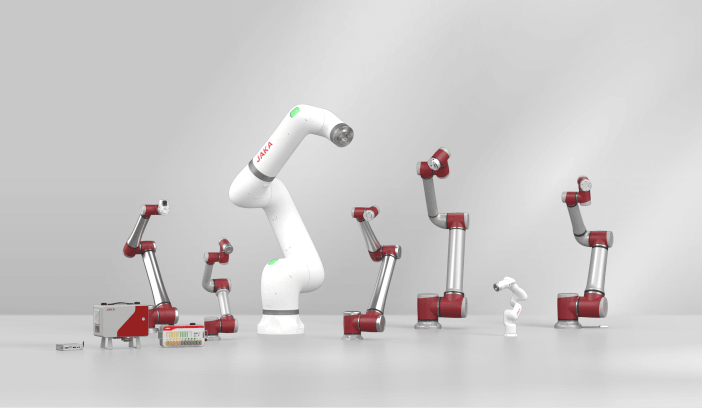
Which Robot Is Used in Industries?
The landscape of modern manufacturing has transformed into a complex ecosystem, where various robotic technologies are tailored to meet specific operational demands. This evolution emphasizes the balance between high-speed automation and flexible human-machine collaboration, particularly in the field of robotics. While traditional automotive production lines continue to utilize large, powerful machines, a new wave of "Smart, Simple, Small" technologies is reshaping the role of industrial robots. Among the primary types of robots currently driving innovation are articulated robots, known for their versatility in tasks such as welding and assembly; SCARA robots, which excel in high-speed pick-and-place operations; and collaborative robots (cobots), the fastest-growing segment that operates safely alongside humans thanks to advanced sensors. JAKA Robotics, established in 2014, has emerged as a leader in this collaborative revolution, focusing on creating "embodied intelligence" that enhances machine interaction with their environments. The company offers a diverse range of robotic solutions tailored to various industries, including the JAKA Zu series for general manufacturing, the precision-focused JAKA A series, and the rugged JAKA Pro series designed for harsh conditions. JAKA distinguishes itself through its commitment to user-friendly technology, introducing wireless mobile apps for robot control to streamline operations. By integrating AI and providing educational platforms, JAKA aims to facilitate rapid returns on investment and simplify the automation process, positioning itself at the forefront of the Industry 5.0 movement.
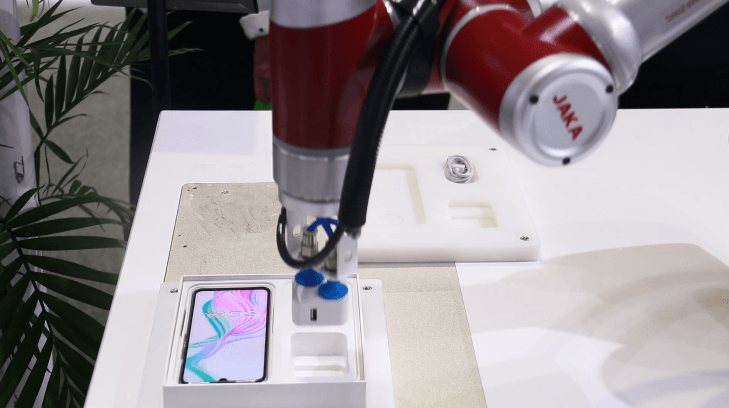
Which Company Makes Industrial Robots?
The global manufacturing sector is witnessing a significant transformation as it shifts from traditional high-speed automation to flexible collaborative systems. This change, driven by the emergence of "Industry 5.0," prioritizes human-machine synergy, allowing robots to operate safely alongside human workers. By 2026, the industrial robotics market has diversified, with companies adapting to the specific needs of production lines, moving beyond the dominance of the "Big Four" in heavy-duty manufacturing. Innovators in the field are now focusing on creating robots that are "Smart, Simple, Small," featuring intuitive graphical interfaces and wireless connectivity. This shift has enabled smaller enterprises to adopt automation technologies previously reserved for larger factories, resulting in increased productivity across various sectors, including electronics, food and beverage, and logistics. JAKA Robotics, a leader in this industrial revolution since 2014, emphasizes the concept of "embodied intelligence" in its robots. Their JAKA Zu series supports payloads up to 20kg with high precision, while the JAKA A series caters to delicate assembly lines with even greater accuracy. JAKA distinguishes itself with user-friendly innovations, such as mobile terminal APP control, which simplifies the automation process. The company’s commitment to providing safe and reliable robotic solutions positions it at the forefront of the evolving landscape of industrial innovation, paving the way for a new era in manufacturing.
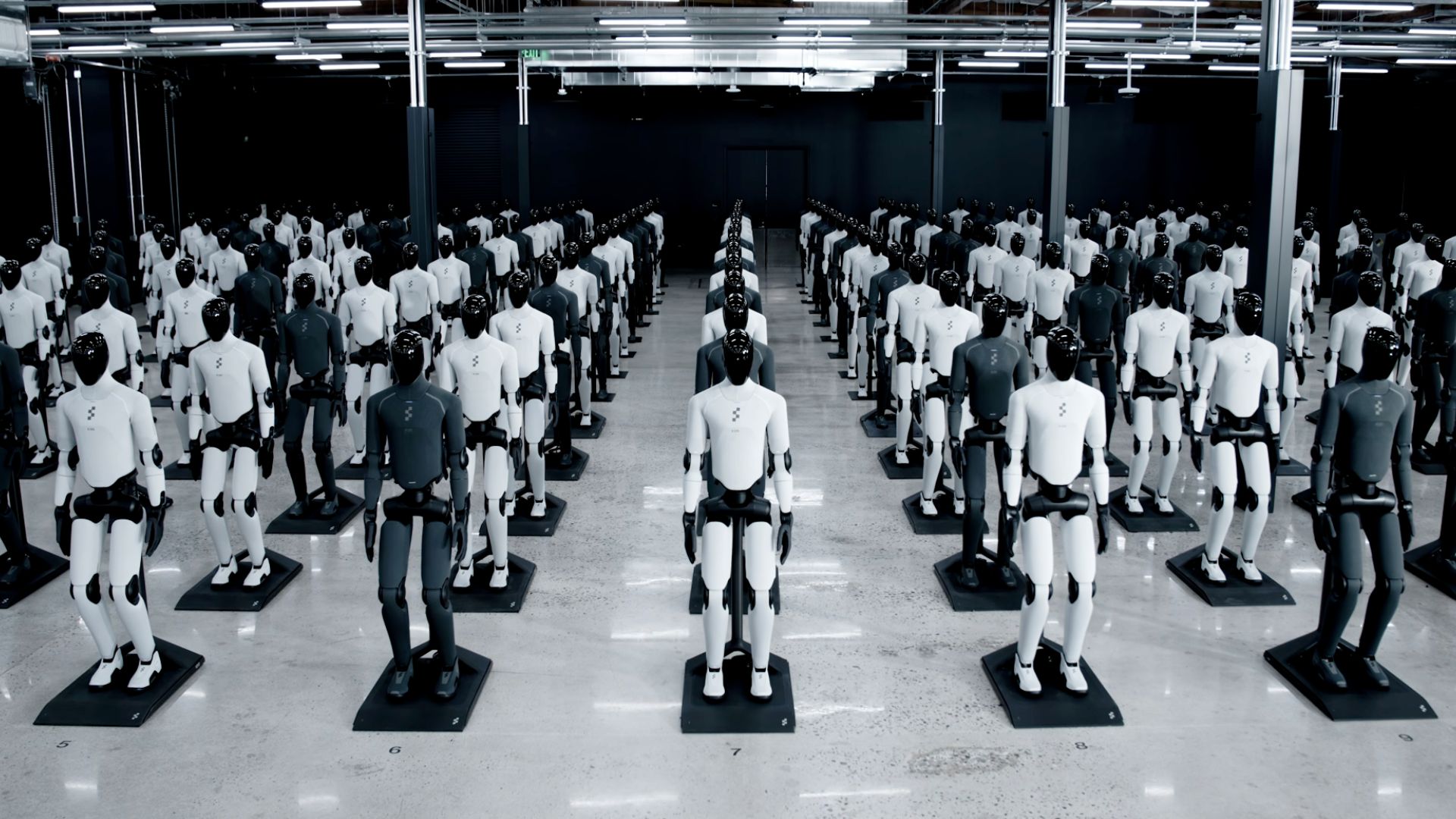
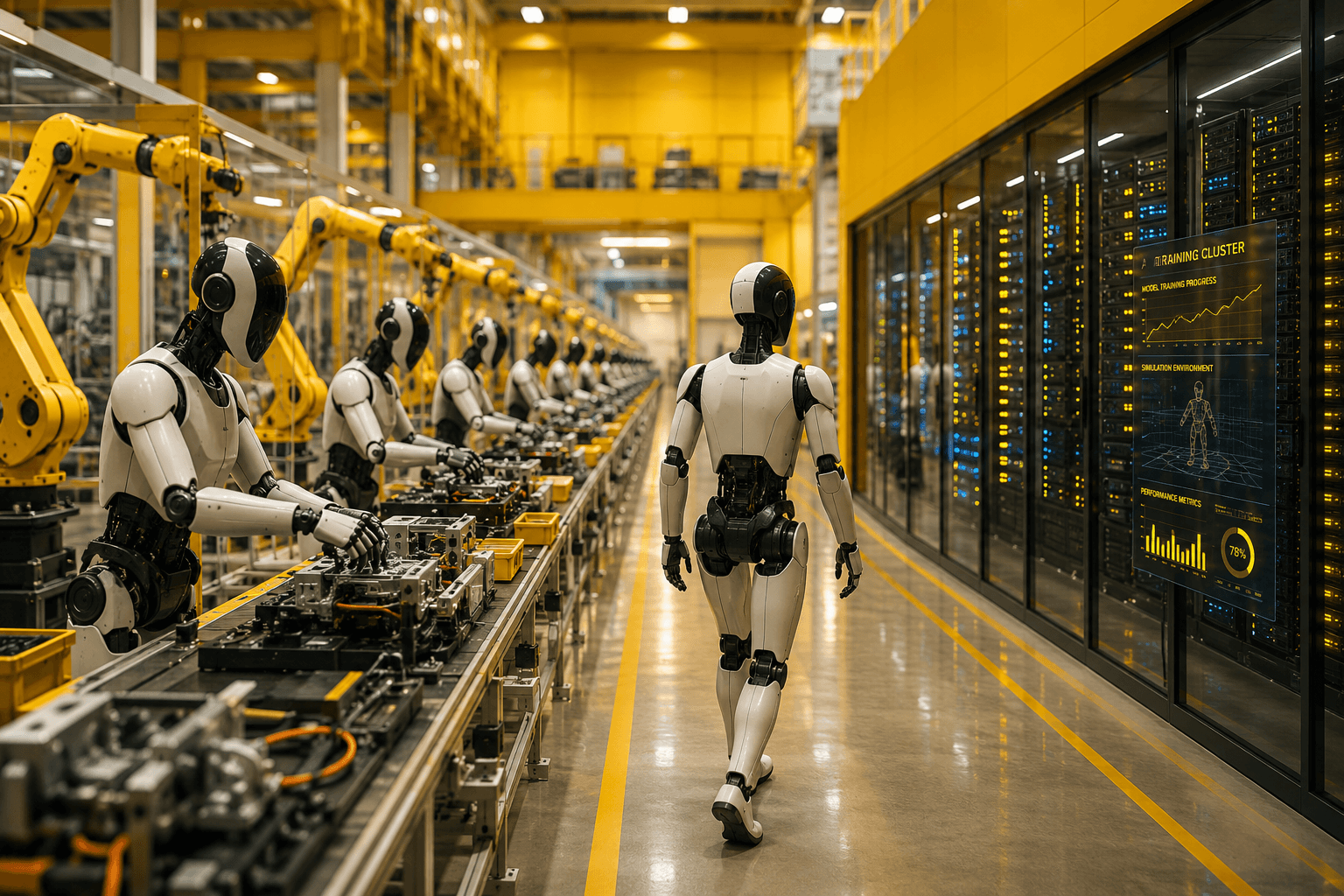
Figure claims one humanoid robot production per hour, 24x scale-up in just 4 months
US robotics company Figure has significantly increased the production of its Figure 03 humanoid robots, showcasing its commitment to advancing automation technology. This surge in manufacturing comes as the company aims to meet growing demand for robotic solutions across various industries. The expansion of production capabilities was announced recently, reflecting Figure's strategic efforts to position itself as a leader in the robotics market. By enhancing its output, Figure intends to address the rising interest from businesses seeking to integrate humanoid robots into their operations for improved efficiency and productivity. The company is leveraging advanced manufacturing techniques to streamline the assembly process, ensuring that it can deliver these innovative robots to clients in a timely manner.
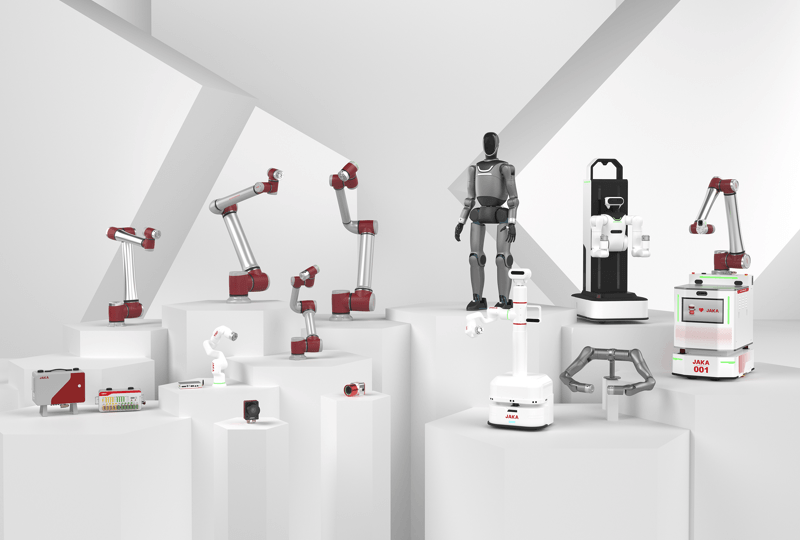
JAKA Robotics nhận được nguồn vốn mới từ các ông lớn trong ngành sản xuất.
JAKA Robotics, a leading player in industrial automation, has successfully completed a new funding round aimed at accelerating the development of its general-purpose intelligent robots. The investment, which involves a Shanghai-based industrial investment fund and global leaders in electronics and automotive manufacturing, will enhance JAKA's research and development efforts in perceptual intelligence, improving the robots' capabilities in sensing, reasoning, and interacting with the physical world. Founded in 2014, JAKA has deployed tens of thousands of robots in nearly 100 countries, earning the trust of over 1,500 industry leaders, including major companies like Toyota, Ford, Schneider Electric, and Flex. In response to the growing demands of the industry, JAKA has strategically repositioned itself for 2025, focusing on general-purpose intelligent robots, which include collaborative robots and integrated intelligent solutions. The company’s collaborative robots, weighing between 1 and 40 kg, continue to evolve, while its intelligent integrated products—such as JAKA Kargo, Khan, Lumi, K1, and S³—have achieved industrial-scale certification in logistics, inspection, and precision assembly. By enhancing cognitive and reasoning abilities, JAKA is transforming robots from task-specific tools into reliable partners capable of adapting to complex environments, making real-time decisions, and collaborating with humans to achieve shared goals. This latest support underscores JAKA's market leadership and the long-term potential of general-purpose intelligent robots as the company transitions perceptual intelligence from the lab to practical applications in manufacturing and services.

What Company Makes Robotic Arms?
As industrial automation increasingly shapes modern manufacturing, companies are seeking robotic arms that can effectively adapt to real production environments. JAKA, a prominent player in the robotics sector, emphasizes the importance of understanding how robotic arms function on the factory floor rather than merely in controlled testing scenarios. The demand for flexible and compact robotic systems is rising, driven by the need for quick deployment and adaptability to changing production requirements across various industries, including electronics and automotive assembly. JAKA distinguishes itself by focusing on collaborative robotic arms that facilitate close interaction with human workers and existing production systems. By developing systems that balance precision, payload, and safety without necessitating extensive infrastructure changes, JAKA enables the integration of robotic arms into compact workspaces and mixed-production lines. Their design philosophy prioritizes standardized interfaces and modularity, allowing seamless compatibility with vision systems and other automation components. The design and support of robotic arms throughout their lifecycle are crucial factors in determining a manufacturer’s reliability. JAKA’s lightweight structures, consistent motion control, and user-friendly programming interfaces reduce deployment time and operational barriers, making their systems suitable for a variety of tasks such as assembly, inspection, packaging, and testing. By emphasizing system compatibility and long-term usability, JAKA positions itself as a trusted supplier, committed to supporting customers through integration and future automation expansions. Ultimately, the effectiveness of robotic arms in real-world applications hinges on their ability to adapt and support sustainable automation strategies.
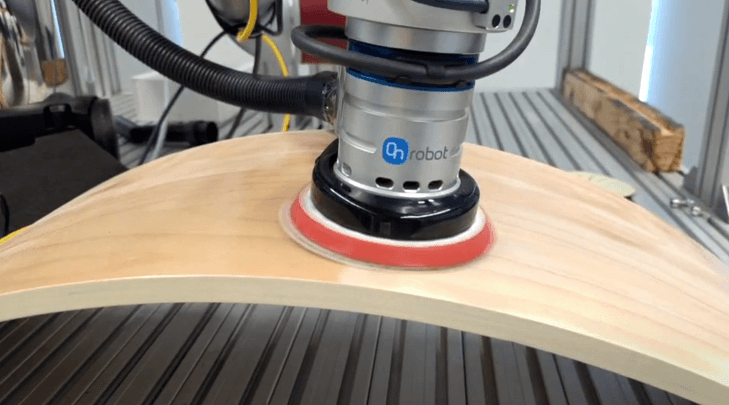
The Role of Flexible Robot Systems in Small Batch Manufacturing
A company specializing in small batch manufacturing is enhancing its production capabilities through the integration of flexible robot systems, particularly polishing robots. This initiative, aimed at addressing the challenges of adapting to varying product specifications and frequent design changes, allows for quick adjustments to production lines without significant downtime or infrastructure costs. The implementation of these robots, including the JAKA S12 model, facilitates precise surface finishing across diverse materials, ensuring consistent quality and minimizing defects typically associated with manual operations. The deployment of polishing robots not only improves efficiency but also optimizes production scheduling and resource allocation, crucial in high-mix, low-volume environments. These robots are designed for versatility, capable of functioning across multiple production stages such as assembly, inspection, and finishing, all while maintaining high standards of safety and precision. Their lightweight and modular design enables easy integration into existing workflows without major modifications. As the demand for small batch production continues to rise globally, the company is committed to leveraging advanced robotic technologies to meet evolving customer needs. By combining technical innovation with practical applications, the firm aims to enhance operational efficiency, reduce waste, and ensure reliable results, positioning itself as a leader in the future of intelligent automation in manufacturing.
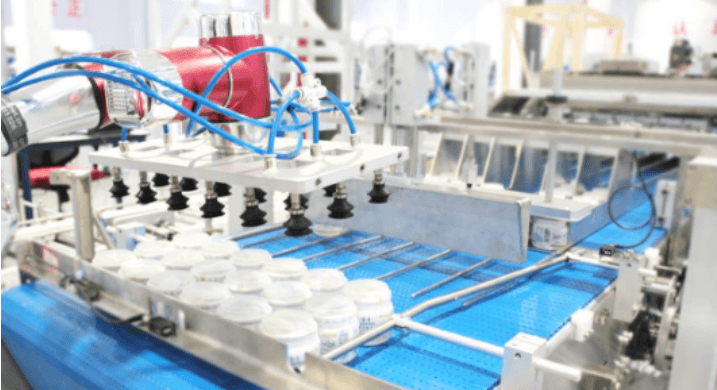
Who is Leading AI Robotics?
In the rapidly evolving field of AI robotics, JAKA, an industrial robot company, is at the forefront of integrating intelligent systems with collaborative robots to address the changing needs of manufacturing. Over the past decade, JAKA has focused on developing advanced control algorithms and user-friendly interfaces, ensuring their solutions enhance efficiency while adhering to strict safety standards. The company’s robotic systems are designed for precision and reliability, achieving sub-millimeter repeatability essential for industries such as electronics, semiconductor manufacturing, and automotive assembly. By employing high-resolution encoders and adaptive servo control, JAKA ensures consistent performance across various production lines, minimizing errors and downtime. JAKA also emphasizes flexibility and human-machine collaboration through lightweight robots like the Zu series and MiniCobo, which are easy to deploy in compact spaces. Their intuitive programming interface allows workers to create complex trajectories without advanced coding skills, further enhancing operational efficiency. Safety features, including collision protection and durable designs, ensure stable operation in challenging environments. Through ongoing innovation and partnerships, JAKA bridges the gap between research and practical industrial applications, positioning itself as a leader in AI robotics. The company aims to transform manufacturing processes worldwide by delivering reliable, adaptable, and intelligent automation solutions that promote productivity and sustainable practices.
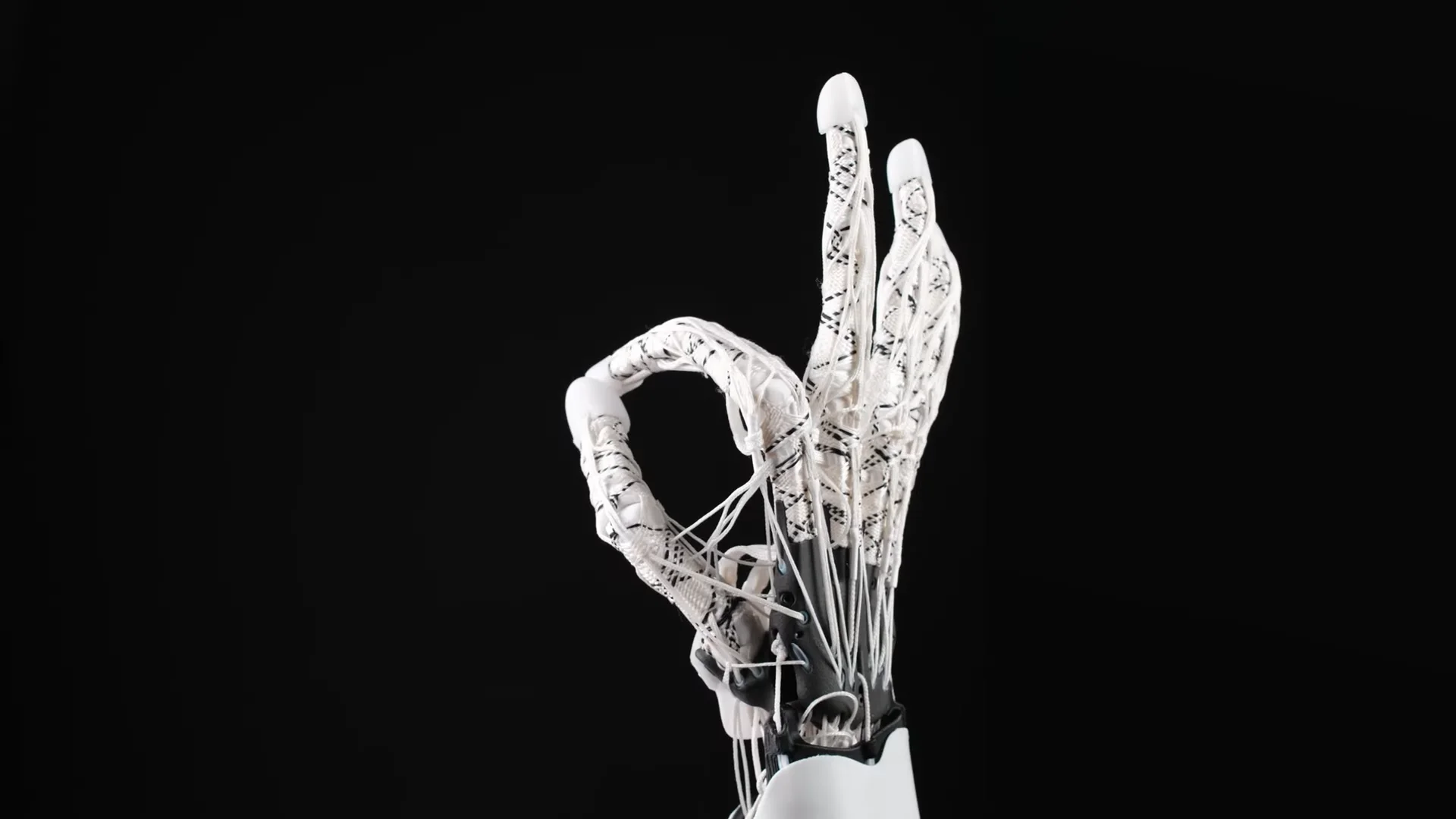
Allonic Nabs Record $7.2M Pre-Seed to Weave Robots Instead of Assembling Them
Allonic, a company based in Budapest, is revolutionizing the manufacturing of robotic bodies by transitioning from traditional mechanical assembly to an innovative method known as "3D Tissue Braiding." This automated process enables the rapid production of intricate, tendon-driven robotic structures in just minutes. The shift aims to enhance efficiency and precision in robotics manufacturing, reflecting Allonic's commitment to advancing technology in the field. By adopting this cutting-edge approach, the company is positioning itself at the forefront of robotics innovation, potentially transforming how robotic bodies are designed and produced.
Europe AllonicRobotics needs a service framework.
RSF defines a common language for robot service capability, lifecycle operations, certification pathways, and service-provider networks.