Top News

Industry Briefing

A single destination for timely, editor-curated robotics news from around the world.

NVIDIA Launches Open Source GPU-Accelerated Medical Physics Simulation Framework for Healthcare Robotics

NVIDIA Launches Open Source GPU-Accelerated Medical Physics Simulation Framework for Healthcare Robotics

NVIDIA has introduced the Medical Physics Simulation framework, an open-source, GPU-accelerated tool designed to aid healthcare robotics developers. This framework allows for the modeling of anatomy-device interactions and the generation of complex scenarios that are difficult to capture in real-world settings. By facilitating in silico testing and training, it aims to streamline the development process and enhance robot behavior. The significance of this framework lies in its ability to provide healthcare robotics developers with a reusable simulation environment, reducing the time needed for custom scene creation. With the integration of anatomy and medical device behavior, along with sensor simulation, developers can more efficiently train and evaluate robot policies. The open-source nature of the framework ensures transparency, enabling teams to adapt it to their specific needs and contribute to its evolution. Looking ahead, the Medical Physics Simulation framework is expected to extend its capabilities to various devices and healthcare robotics domains. The framework's ability to run hundreds of parallel simulations significantly accelerates training times, allowing developers to explore a wider range of scenarios and identify potential failure modes earlier in the development cycle. No further timeline was disclosed at the time of publication.

Jiying Technology Launches First Zero-Shot Generalizable Physics Model for Engineering Simulations

Jiying Technology Launches First Zero-Shot Generalizable Physics Model for Engineering Simulations

Jiying Technology has unveiled its Jiying 2.0 physics foundation model, which is capable of zero-shot generalization across various geometries, materials, and boundary conditions. This model represents a significant advancement in physics AI, particularly for engineering simulations, and was announced in October 2023. The introduction of the Jiying 2.0 model is crucial as it allows engineers to simulate complex physical scenarios without the need for extensive retraining on specific datasets. This capability can enhance efficiency and reduce the time required for simulations, making it a valuable tool in engineering design and analysis. Looking ahead, industry professionals will be keen to observe how the adoption of the Jiying 2.0 model influences engineering practices and simulation accuracy. No further timeline was disclosed at the time of publication regarding additional features or updates to the model.

Technology
Tsinghua Professor Launches Startup in Physics AI After Publishing Cover Paper in Nature

Tsinghua Professor Launches Startup in Physics AI After Publishing Cover Paper in Nature

Feng Shuo, an associate professor at Tsinghua University and a notable figure in the field of artificial intelligence, has launched a new venture called Dense AI. This company aims to create a subscription-based world model specifically designed for the physics AI sector. Feng's academic credentials, highlighted by a cover paper published in the prestigious journal Nature, have garnered considerable attention for this initiative. The launch of Dense AI comes at a time when the AI industry is experiencing rapid growth, positioning the company to potentially make significant contributions to the field.

Physics AI World Models Machine Learning Artificial Intelligence
OceanSight Expands Global Dealer Network for Ocean Floor Geophysics

OceanSight Expands Global Dealer Network for Ocean Floor Geophysics

OceanSight has expanded its global dealer network by appointing six new regional channel partners for its subsidiary, Ocean Floor Geophysics (OFG). This strategic move, announced today, aims to enhance the company's market presence and improve access to its innovative geophysical solutions. The addition of these partners is expected to facilitate better service delivery and support for clients in various regions. The expansion reflects OceanSight's commitment to strengthening its distribution capabilities and meeting the growing demand for advanced oceanographic technologies.

oceansight expansion global dealer network ocean floor geophysics
SEAVORIAN Group Announces the Acquisition of MAPPEM Geophysics to Consolidate its Expertise in Underwater Detection Technologies

SEAVORIAN Group Announces the Acquisition of MAPPEM Geophysics to Consolidate its Expertise in Underwater Detection Technologies

The SEAVORIAN group, along with its subsidiaries RTSYS and NEOTEK, has announced the acquisition of MAPPEM Geophysics, a French firm renowned for its expertise in marine and underwater geophysical studies and services. This strategic move, revealed recently, aims to enhance SEAVORIAN's capabilities in the geophysical sector and expand its service offerings. The acquisition reflects SEAVORIAN's commitment to strengthening its position in the market and leveraging MAPPEM's specialized knowledge to meet growing demands in marine geophysical research. The integration of MAPPEM's advanced technologies and skilled workforce is expected to facilitate innovative solutions and improve operational efficiencies in underwater exploration and analysis.

seavorian group acquisition mappem geophysics underwater detection technologies rtsys neotek
Yuanluo Technology Unveils First Autonomous Laboratory Utilizing Object-Centric Physics Model

Yuanluo Technology Unveils First Autonomous Laboratory Utilizing Object-Centric Physics Model

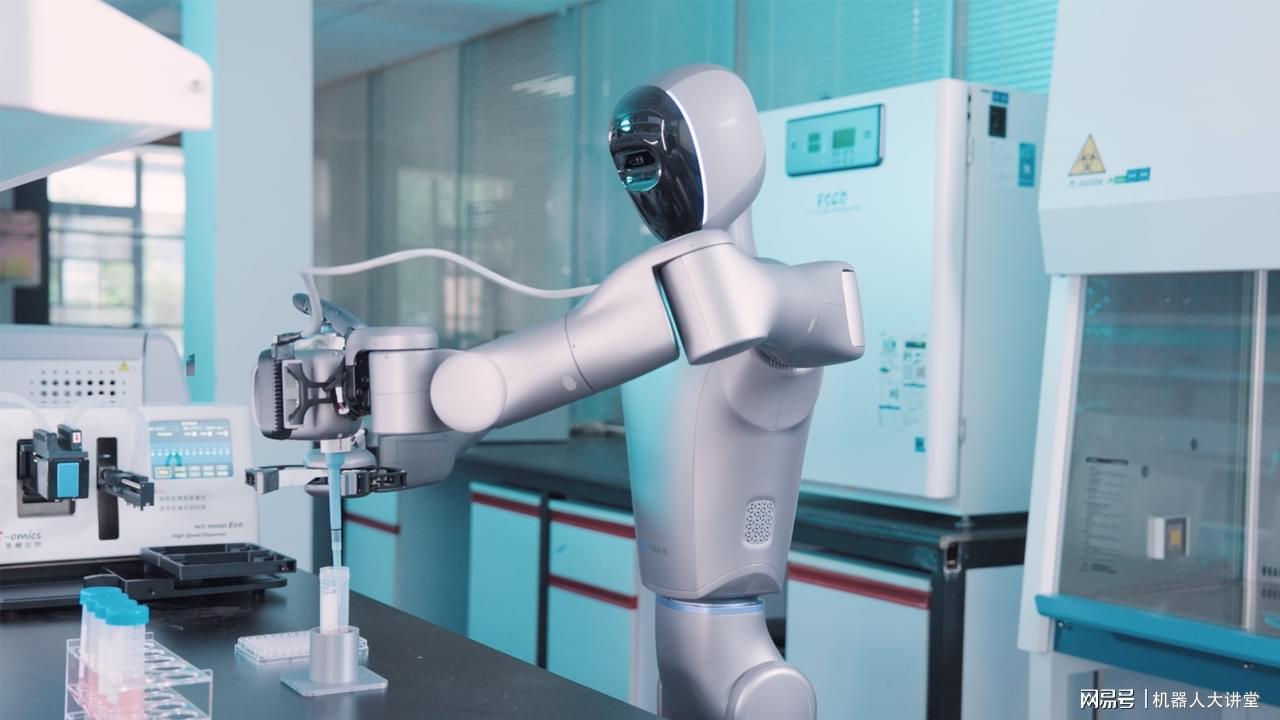
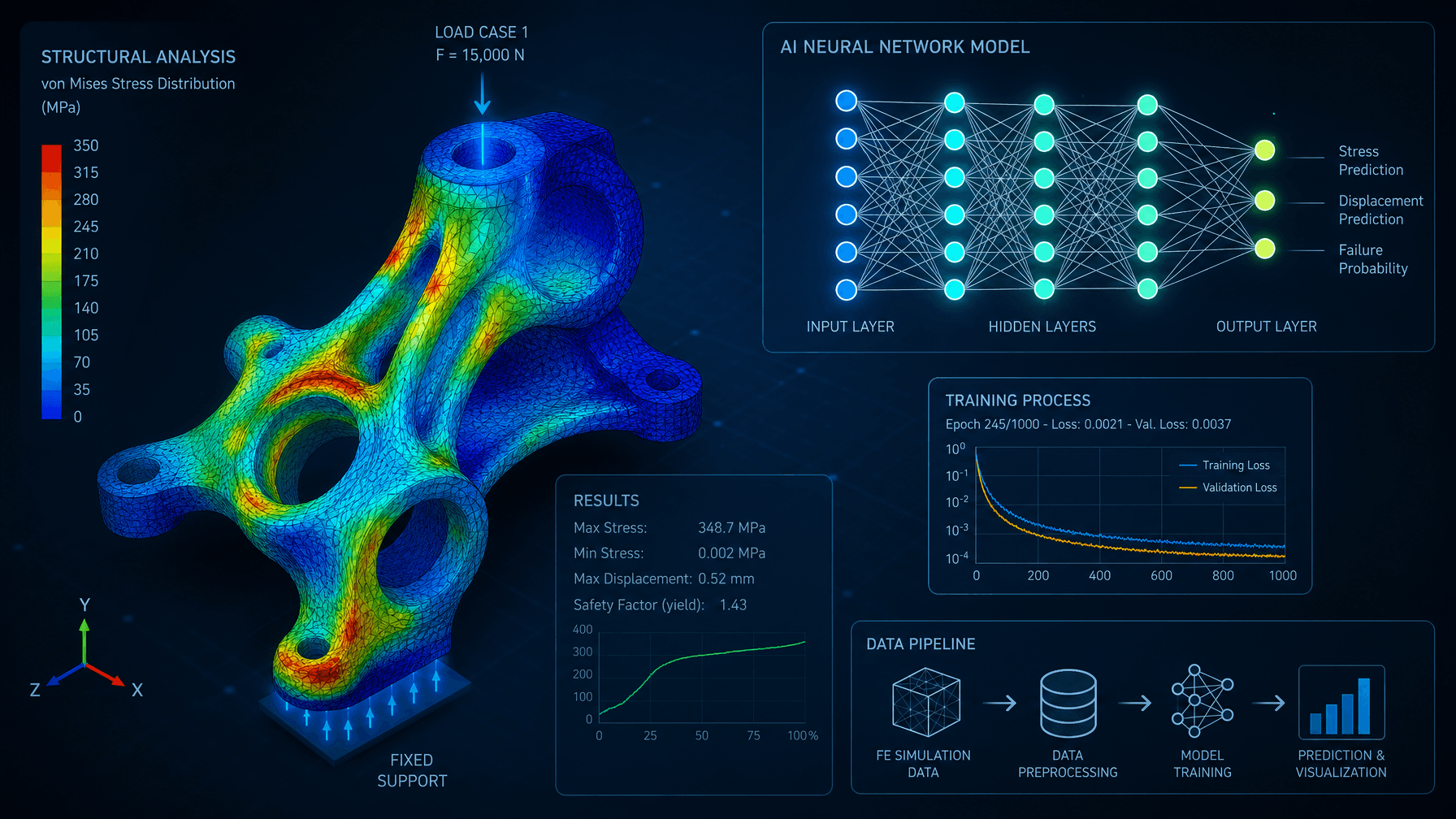
Yuanluo Technology has successfully launched the world's first autonomous laboratory on a national research platform, marking a significant advancement in embodied intelligence. The laboratory's robotic system can autonomously perform over 40 operations, including nucleic acid extraction and cytotoxicity testing, with a precision of less than one millimeter. This achievement demonstrates the robot's capability to execute complex, multi-step tasks continuously for over three hours, addressing challenges in throughput and consistency in biochemical research. This development is crucial as it signifies a shift from demonstration to practical application of embodied intelligence in the biochemical and material science sectors. The Object-centric Physics Native Model (OPN), developed by Yuanluo, enables the robot to understand and adapt to the dynamic conditions of a real laboratory environment. By integrating visual, tactile, and force feedback, the robot can make real-time adjustments, ensuring stable execution of intricate experimental workflows across multiple devices. Looking ahead, the successful implementation of this autonomous laboratory sets the stage for further advancements in research and development processes across various industries, including public health and advanced manufacturing. The next milestones will involve expanding the capabilities of the OPN model and integrating it into more complex industrial systems. No further timeline was disclosed at the time of publication.
Autonomous Laboratories Embodied Intelligence Biochemical Research Robotics AI
AI could uncover new physics faster but there’s a surprising catch

AI could uncover new physics faster but there’s a surprising catch

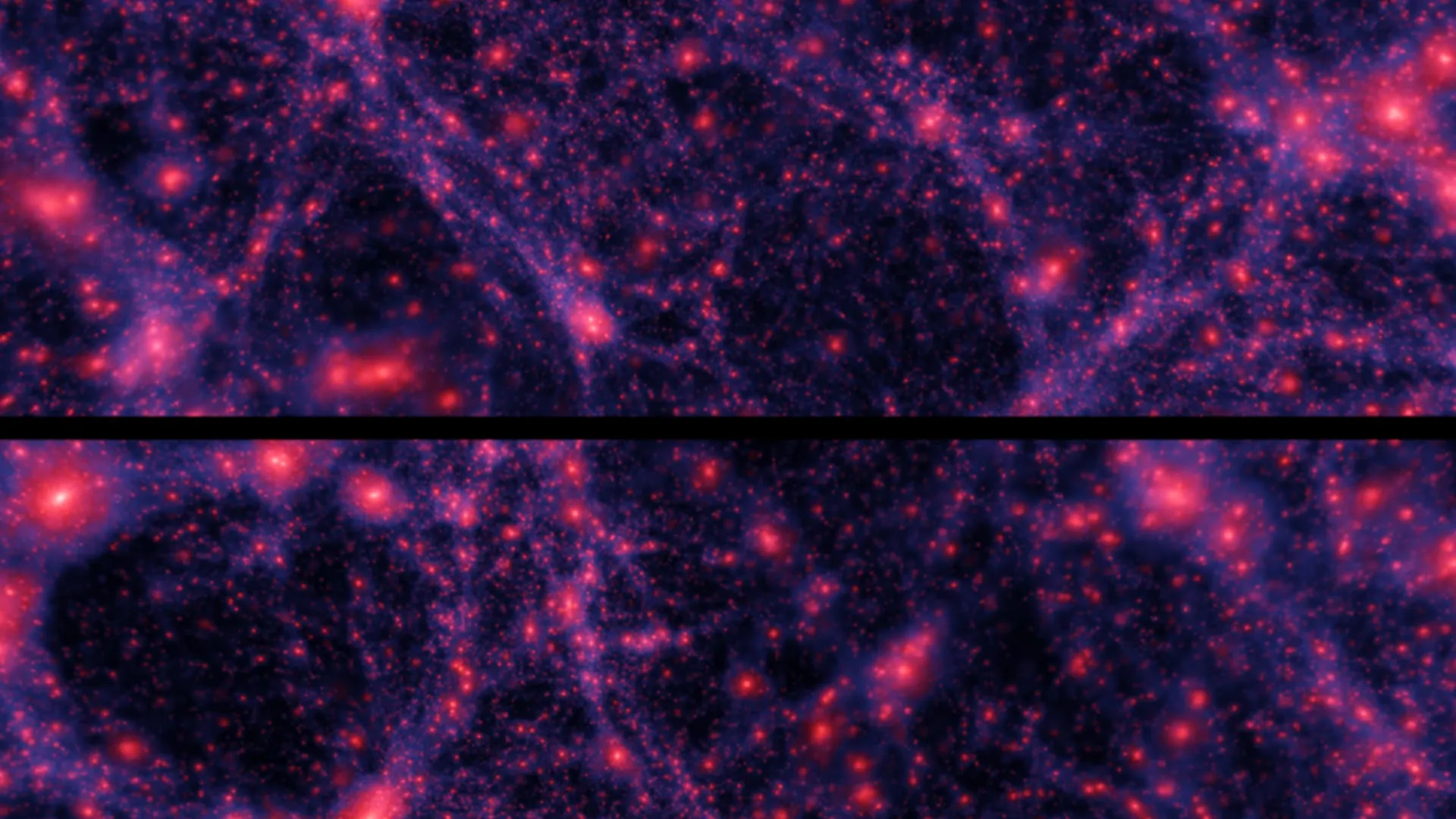
Recent research by scientists has revealed that transfer learning can significantly expedite the search for new physics in the universe, reducing the reliance on costly simulations. This innovative approach allows researchers to leverage existing data to identify potential new phenomena more efficiently. However, the study also cautions that over-reliance on familiar patterns in AI could lead to missed opportunities for discovering groundbreaking evidence. The findings underscore the importance of balancing advanced technology with the need for vigilance in the pursuit of novel scientific insights.
‘Like a flowing material’: Robot swarm uses physics, not commands to self-organize

‘Like a flowing material’: Robot swarm uses physics, not commands to self-organize

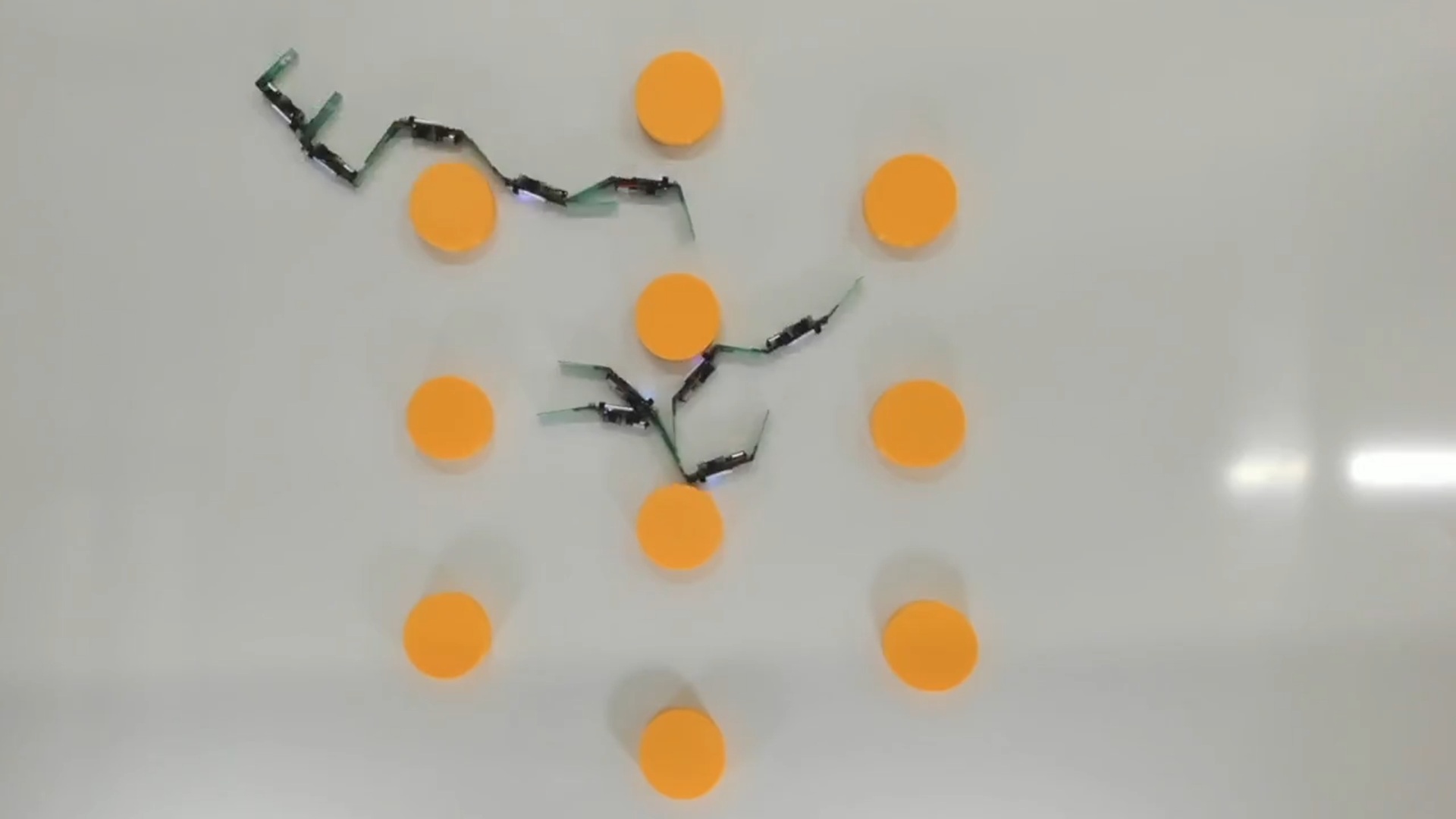
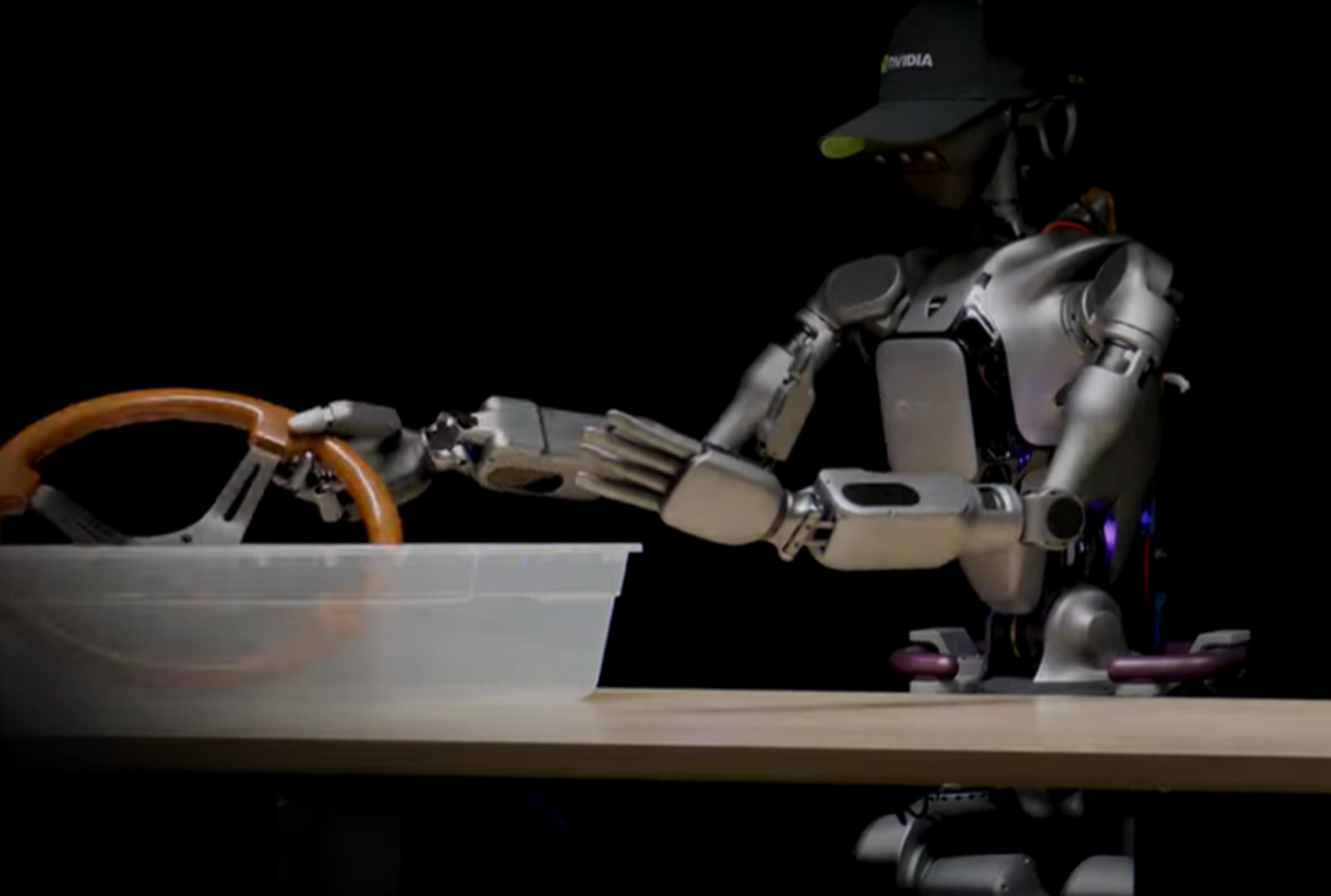
Engineers at Cornell University have unveiled an innovative robotic system that mimics the behavior of flowing liquids. This groundbreaking development, announced in October 2023, aims to enhance the versatility and adaptability of robots in various applications. By incorporating principles of fluid dynamics, the team has created a robot capable of navigating complex environments with unprecedented ease. The motivation behind this project stems from the desire to improve robotic mobility and functionality, particularly in scenarios where traditional rigid robots struggle. The researchers utilized advanced algorithms and soft materials to enable the robot to change shape and move fluidly, allowing it to overcome obstacles and traverse challenging terrains. This new robotic system has the potential to revolutionize fields such as search and rescue, environmental monitoring, and even medical applications, where flexibility and adaptability are crucial. The team's findings highlight the importance of interdisciplinary approaches in robotics, merging concepts from engineering, biology, and physics to create more efficient and capable machines.

A Low‐Drift Legged Robot State‐Estimation System Through Combined Physics‐Informed Contact Estimation Network and Full Joint State

A Low‐Drift Legged Robot State‐Estimation System Through Combined Physics‐Informed Contact Estimation Network and Full Joint State

A recent study published in the Journal of Field Robotics highlights advancements in autonomous robotic systems designed for agricultural applications. Researchers from various institutions collaborated to develop innovative algorithms that enhance the efficiency and precision of farming robots. The findings, released in early October 2023, demonstrate how these technologies can significantly improve crop monitoring and management. The study was conducted across multiple farms in the Midwest, where the team tested the robots' capabilities in real-world conditions. By utilizing advanced sensors and machine learning techniques, the robots were able to identify crop health issues and optimize resource usage, such as water and fertilizers. This approach not only aims to increase agricultural productivity but also addresses sustainability concerns in farming practices. The motivation behind this research stems from the growing need for efficient food production methods to meet the demands of a rising global population. As traditional farming faces challenges such as labor shortages and environmental impacts, the integration of autonomous systems presents a viable solution. The researchers emphasized that the successful implementation of these technologies could lead to a transformative shift in how agriculture is practiced, ultimately benefiting both farmers and consumers alike.

RESEARCH ARTICLE
AI just discovered new physics in the fourth state of matter

AI just discovered new physics in the fourth state of matter

Physicists have made significant progress in harnessing artificial intelligence to not only analyze data but also to discover new laws of nature. This breakthrough was achieved by a research team that integrated a specially designed neural network with advanced 3D tracking of particles within a dusty plasma, a unique state of matter observed in various environments, from outer space to wildfires. The study, conducted recently, demonstrated the model's ability to identify hidden patterns in particle interactions, successfully capturing complex, one-way (non-reciprocal) forces with over 99% accuracy. This innovative approach has challenged and overturned long-standing assumptions regarding the behavior of these forces, potentially reshaping our understanding of fundamental physical interactions.

Physics‐Based Torque Prediction Model for Excavating Drums on Granular Soil

Physics‐Based Torque Prediction Model for Excavating Drums on Granular Soil

A recent study published in the Journal of Field Robotics highlights advancements in robotic technology aimed at enhancing agricultural efficiency. Conducted by a team of researchers from various institutions, the study was released in May 2026 and focuses on the integration of autonomous robots in farming practices. The research addresses the growing need for sustainable agricultural solutions in response to increasing global food demands and labor shortages. By employing advanced sensors and machine learning algorithms, the robots are designed to optimize planting, monitoring, and harvesting processes, thereby reducing resource waste and improving crop yields. The study was carried out in diverse agricultural settings, showcasing the robots' adaptability to different environments and crop types. Through extensive field trials, the researchers demonstrated how these autonomous systems can operate effectively, even in challenging conditions, while significantly minimizing human intervention. This innovative approach not only aims to boost productivity but also seeks to promote environmentally friendly practices in agriculture, aligning with global sustainability goals. The findings suggest that the implementation of such robotic technologies could revolutionize the agricultural sector, making it more resilient and efficient in the face of future challenges.

RESEARCH ARTICLE

Physics-informed neural controlled differential equations for long horizon multi-agent motion forecasting

Physics-informed neural controlled differential equations for long horizon multi-agent motion forecasting

Researchers are tackling the complexities of long-horizon motion forecasting for multiple autonomous robots, a task made difficult by non-linear interactions among agents and the accumulation of prediction errors over time. This initiative, which aims to enhance trajectory forecasting, is particularly relevant for applications such as travel time prediction, prediction-guided planning, and surrogate simulation. By developing efficient forecasting methods, the team seeks to improve the reliability and accuracy of autonomous systems in dynamic environments. The work is ongoing, with implications for various fields that rely on advanced robotics and automation.

Machine learning
Pioneering Study Unites Physics, Geology and Biology in Argentina’s Submarine Canyons

Pioneering Study Unites Physics, Geology and Biology in Argentina’s Submarine Canyons

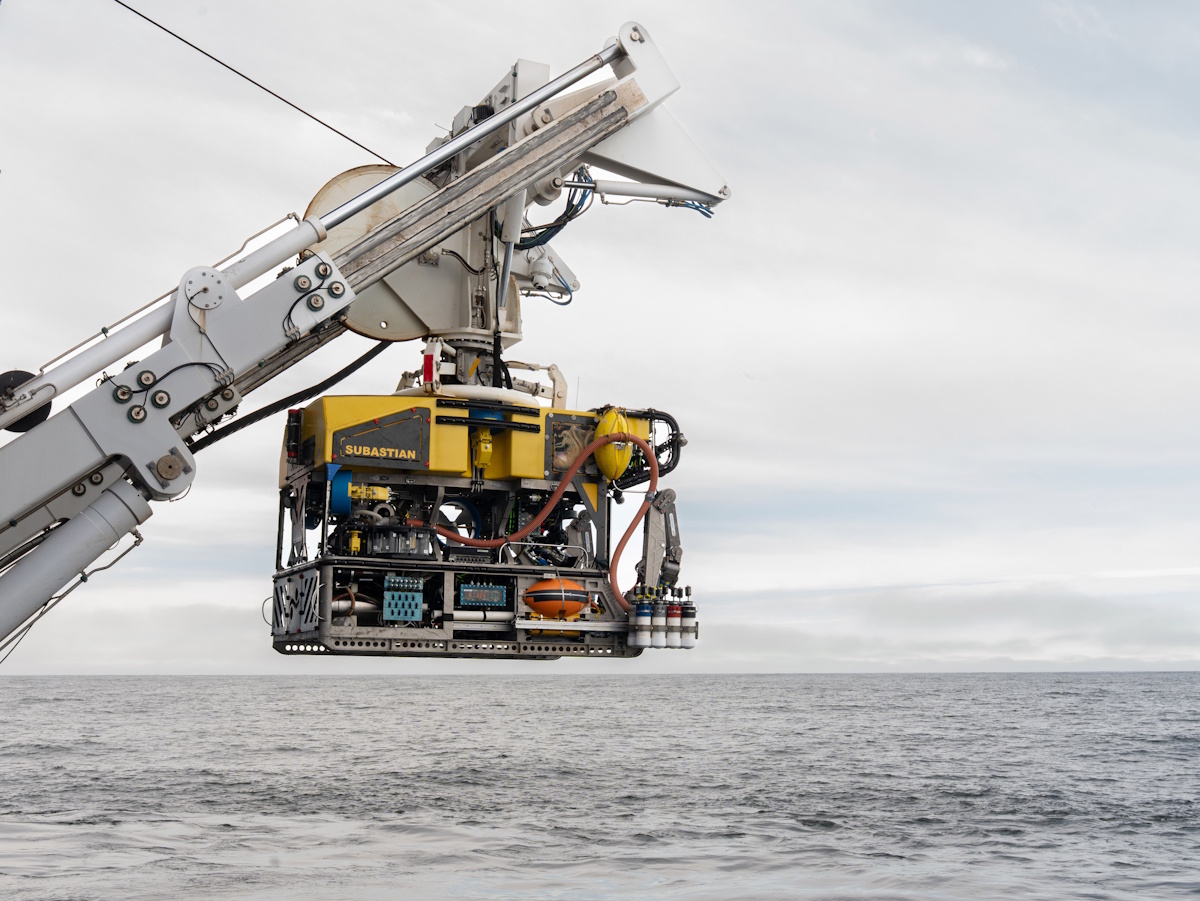
An Argentinian-led scientific expedition aboard the Schmidt Ocean Institute’s R/V Falkor (too) has successfully deployed advanced technologies to gather comprehensive data on the Malvinas ocean current and its interaction with submarine canyons. This initiative aims to enhance understanding of the region's plankton blooms, which are crucial for sustaining Argentina’s rich marine biodiversity and fishing industry. Notably, these extensive plankton blooms are significant enough to be detected from space. The expedition underscores the importance of marine research in preserving the ecological balance and supporting local economies reliant on fishing.

schmidt ocean institute r/v falkor (too) ocean science servicio de hidrografía naval conicet
Humanoid Startup Foundation Pins Hopes on Decades of AI Research to Give Robots a Deeper Understanding of Physics

Humanoid Startup Foundation Pins Hopes on Decades of AI Research to Give Robots a Deeper Understanding of Physics

Startup Foundation, under the leadership of former Synapse CEO Sankaet Pathak and AI research chief Professor Patrick van der Smagt, has announced plans to develop humanoid robots that utilize Deep Variational Bayes Filters to enhance their interaction with the environment. The initiative aims to revolutionize how robots learn and adapt to their surroundings. As the company sets ambitious fundraising targets to support this innovative project, experts are scrutinizing the scientific principles behind these claims, as well as the potential challenges that may arise during development. The project is positioned at the forefront of AI and robotics, promising to push the boundaries of technology and human-robot interaction.

sankaet-pathak phantom foundation
Nobel Laureate Collaborates with AI to Solve 12-Year-Old Mathematical Conjecture

Nobel Laureate Collaborates with AI to Solve 12-Year-Old Mathematical Conjecture

Nobel Prize-winning physicist Giorgio Parisi has joined forces with the AI model Claude to tackle a long-standing conjecture in statistical physics. Their collaboration, which took place recently, involved extensive dialogue and intricate calculations, ultimately leading to the discovery of a surprisingly simple proof. This partnership not only underscores the potential of artificial intelligence in advancing scientific research but also highlights the critical role of human oversight in the process. Parisi, who had previously expressed skepticism about AI, now illustrates how such technology can complement human expertise in solving complex scientific problems.

AI in Research Mathematical Conjectures Statistical Physics Scientific Collaboration
World Labs Acquires SceniX to Enhance Physical Robot Training Capabilities

World Labs Acquires SceniX to Enhance Physical Robot Training Capabilities

On July 22, World Labs, founded by AI pioneer Li Feifei, announced its acquisition of the American robotics simulation startup SceniX. This marks World Labs' first public acquisition since its inception, expanding its focus from 3D world generation to physical robot training. Li Feifei emphasized that spatial intelligence involves interaction, not just perception and generation. Founded in April 2024, World Labs has quickly positioned itself at the forefront of spatial intelligence, securing $230 million in initial funding and an additional $1 billion in early 2026 from major investors like NVIDIA and AMD. Its flagship product, Marble, generates high-fidelity 3D virtual environments from text and images, but the technology has primarily served creative industries, lacking the physical accuracy required for effective robot training. SceniX aims to address this gap by developing a game engine tailored for robotic learning, integrating high-precision physics simulation and sensor modeling. Their research, in collaboration with Columbia University and Google DeepMind, has demonstrated the potential for high-fidelity transfer from simulation to reality. Following the acquisition, the SceniX team will join World Labs to further advance physical simulation and robot training, highlighting the industry's ongoing challenges in generalizing robotic capabilities despite advancements in hardware.

Robotics Simulation Embodied Intelligence AI Technology Physical Robotics Training
Generative Bionics Launches Gene.01 Humanoid with Advanced Smart Skin for Industrial Use

Generative Bionics Launches Gene.01 Humanoid with Advanced Smart Skin for Industrial Use

Generative Bionics has introduced significant enhancements to its Gene.01 humanoid robot, aimed at industrial applications. Developed in six months, this robot features full-body tactile sensing and a physics-native AI system, allowing it to better perceive and respond to its environment. Unlike traditional humanoids, Gene.01 is a customizable platform designed for specific industrial needs, emphasizing safer human-robot collaboration. The importance of Gene.01 lies in its innovative design that integrates tactile sensing with AI, enhancing interaction safety in shared workspaces. Its smart skin detects touch, proximity, force, and temperature, enabling the robot to sense human presence before contact. This capability allows workers to physically guide the robot, addressing the limitations of vision-only systems in complex manipulation tasks. Looking ahead, Generative Bionics plans to release Gene.01's digital twin as open source, facilitating easier integration into existing robotics and AI environments. This initiative aims to provide a common foundation for developers, enhancing simulation and application development for Physical AI. No further timeline was disclosed at the time of publication.

AI and Robotics
Generative Bionics Launches Gene.01 Humanoid Robot with Advanced Tactile Sensing

Generative Bionics Launches Gene.01 Humanoid Robot with Advanced Tactile Sensing

Generative Bionics has introduced the Gene.01 humanoid robot at AMD Advancing AI 2026, marking its U.S. debut. Developed in six months, Gene.01 features full-body tactile sensing integrated with physics-native AI, allowing it to interpret and respond to its environment effectively. This innovation is significant as it represents a shift towards humanoid robots that prioritize human interaction and adaptability in industrial applications. CEO Daniele Pucci emphasized that Gene.01 is a scalable platform tailored to meet specific customer needs, enhancing collaboration in environments such as shipyards through a partnership with Fincantieri. Looking ahead, Generative Bionics is open-sourcing the Gene.01 model to support developers in creating industry-specific applications. The robot's design focuses on safe and efficient human-robot collaboration, utilizing advanced sensing capabilities to improve task teaching and interaction. No further timeline was disclosed at the time of publication.

Artificial Intelligence Artificial Intelligence / Cognition Human Robot Interaction / Haptics Humanoids Manufacturing Maritime
Understanding the Deadly Risks of Left-Turn Crashes for Bicycle Riders

Understanding the Deadly Risks of Left-Turn Crashes for Bicycle Riders

Left-turn crashes pose significant risks to bicycle riders due to the physics involved in such collisions. When a driver turns across an oncoming lane, they must quickly estimate various factors, and a misjudgment can leave little room for a cyclist. The resulting impact often leads to severe injuries, as bicycles lack protective features found in larger vehicles. These accidents frequently result in catastrophic injuries within seconds, as riders are exposed to direct force on vulnerable body parts. In Arkansas, for instance, evidence such as lane position and driver behavior is crucial for understanding the circumstances surrounding these crashes. The tendency of drivers to prioritize larger vehicles can lead to dangerous miscalculations during left turns, increasing the likelihood of collisions with cyclists. As the speed of a bicycle can exceed 50 feet per second, the window for avoiding a crash is minimal. Factors like road conditions can further complicate braking distances, making it essential for riders to be aware of their surroundings. No further timeline was disclosed at the time of publication.

Business Engineering accident prevention defensive riding driver awareness intersection safety
Diana Grass Explores Body Communication Through Soft Bioelectronic Devices

Diana Grass Explores Body Communication Through Soft Bioelectronic Devices

Diana Grass, a PhD candidate in the Harvard-MIT Program in Health Sciences and Technology, is developing soft bioelectronic devices to study physiological signals that facilitate communication between the brain and body. Her journey from studying philology and education to neuroscience was sparked by her experiences as a medical interpreter, where she observed the interactions between physicians and patients with neurological disorders. Grass's work aims to bridge the gap in understanding how the body communicates continuously, despite the reliance on isolated biological snapshots in current medical practices. Her research emphasizes the interconnectedness of the nervous system with the immune system and other peripheral organs, highlighting the importance of these interactions in maintaining physiological balance. As she pursues her PhD in medical engineering and medical physics, Grass is part of the Bioelectronics Group at MIT, where she collaborates on innovative projects that could revolutionize our understanding of health and disease. No further timeline was disclosed at the time of publication.

Profile Students Graduate, postdoctoral Materials science and engineering Medicine Electronics
Chinese Companies Explore World Models for AI Simulation of Environments

Chinese Companies Explore World Models for AI Simulation of Environments

Artificial intelligence is evolving with a focus on 'world models,' which simulate environmental responses to actions. This shift is gaining traction among Chinese companies, expanding the application of these models beyond traditional physics and robotics. The technology is still developing, with no clear consensus on its final form, indicating a significant area of exploration for AI advancements. The significance of world models lies in their potential to enhance AI's predictive capabilities, allowing systems to anticipate changes in both physical and digital environments. This could lead to improved decision-making processes across various sectors, as companies leverage these models to better understand and interact with their surroundings. The growing interest from major tech firms highlights the competitive landscape surrounding this emerging technology. Looking ahead, the development of world models is expected to progress, although specific timelines for advancements or implementations remain undisclosed. As the industry continues to explore this frontier, stakeholders should monitor the evolution of standards and applications that will shape the future of AI simulation technologies.

NVIDIA and DeepMind Lead Robotics Simulation Debate with New Industrial Applications

NVIDIA and DeepMind Lead Robotics Simulation Debate with New Industrial Applications

The field of embodied intelligence is witnessing a fierce debate over the best approach to training robots for industrial applications. One faction advocates for simulation-based training, leveraging structured environments to generate synthetic data, while the opposing view emphasizes the necessity of real-world data to handle complex physical interactions and unpredictable scenarios. Key players include NVIDIA, DeepMind, and Intrinsic, each with unique strategies and technologies. NVIDIA's Omniverse platform and Isaac Sim engine exemplify the simulation approach, enabling comprehensive digital twins of factories for training and optimization. Their collaboration with BMW on a digital twin project in Hungary showcases the potential of synthetic data in logistics and robotic movements. However, challenges remain in achieving the necessary fidelity for force control and physical interactions, prompting NVIDIA to seek partnerships with companies like Hexagon Robotics. Conversely, DeepMind's use of the MuJoCo physics engine has demonstrated that pure simulation can achieve industrial-grade precision in specific tasks, such as sorting with known rigid models. Yet, this method's effectiveness is limited to scenarios with minimal contact and force control. Intrinsic aims to transform simulation into a comprehensive development tool for industrial robots, focusing on lowering barriers for small manufacturers. The ongoing challenge of the SIM2REAL gap remains a critical factor in the success of these approaches.

Robotics Industrial Automation Simulation Technology AI
Argonne National Laboratory launches ChemGraph framework for automated chemistry simulations

Argonne National Laboratory launches ChemGraph framework for automated chemistry simulations

Researchers at Argonne National Laboratory have introduced ChemGraph, an open-source framework that automates complex computational chemistry simulations using AI agents. Built on the Aurora exascale supercomputer, ChemGraph simplifies the simulation process by allowing users to describe scientific problems in plain language, which the system then translates into computational tasks. This innovation aims to enhance research in materials science, battery design, and combustion systems by streamlining workflows and reducing the need for specialized expertise. The significance of ChemGraph lies in its ability to combine large language models with agent-based automation, enabling researchers to conduct simulations without manually navigating every technical step. By distributing tasks among AI agents, the framework enhances efficiency and reduces costs associated with computational resources. This approach not only improves the accuracy of simulations but also allows for the integration of various scientific software and libraries, ensuring that results are physics-based rather than solely reliant on language model outputs. Looking ahead, ChemGraph's open-source nature has already led to adaptations for other applications, such as X-ray absorption spectroscopy and high-throughput materials screening. The research team envisions further educational applications, providing a platform for professors to teach advanced computational techniques while simplifying the exploration of research questions for students. No further timeline was disclosed at the time of publication.

AI and Robotics
Why this CEO thinks video games make better training data than the internet

Why this CEO thinks video games make better training data than the internet

Recent discussions in the field of artificial intelligence have highlighted the limitations of large language models, such as ChatGPT and Claude, in achieving artificial general intelligence (AGI). While these models excel in text generation, they struggle with understanding the dynamics of movement through space and time, a critical component for developing generalized intelligence. To address this gap, researchers are exploring the potential of gaming data as a solution. This innovative approach, known as General Intuition, aims to leverage the rich, interactive environments found in video games to enhance AI's understanding of real-world physics and dynamics. By integrating insights from gaming, experts believe they can create more sophisticated models capable of reasoning and adapting in complex scenarios. The exploration of this method is ongoing, with the hope of advancing the field of AGI significantly.

AI Startups AI Funding general intuition physical ai Pim DeWit
$4.1 Billion Deal Shows Why Ferrari and Tesla Are Ditching Copper for a Substitute

$4.1 Billion Deal Shows Why Ferrari and Tesla Are Ditching Copper for a Substitute

$4.1 Billion Deal Shows Why Ferrari and Tesla Are Ditching Copper for a Substitute $4.1 Billion Deal Shows Why Ferrari and Tesla Are Ditching Copper for a Substitute Stjepan Kalinic Sun, July 5, 2026 at 8:31 AM PDT 6 min read RACE.MI TSLA Benzinga and Yahoo Finance LLC may earn commission or revenue on some items through the links below. Substitution is one of the fundamental economic forces. If a product goes up in price, consumers have a direct incentive to switch to a cheaper substitute. While branding power dictates some price flexibility, such calculations are more straightforward for fungible commodities. When copper costs about $15,000 a metric ton, manufacturers have every right to ask – does every wire really need to be copper? With data centers, grid upgrades and green-energy projects tightening supply, the answer from automakers is increasingly no. Aluminum, trading at $3,100 per ton, is being promoted wherever physics allows. Don't Miss: A single bad hire can set a startup back years. Here are the 5 hires founders most often misjudge — and why Still Learning the Market? These 50 Must-Know Terms Can Help You Catch Up Fast Driving Investment and Corporate Consolidation Aside from being much cheaper, the metal is lighter and good enough for many vehicle applications. The appeal to save on weight is just a bonus for range-anxious electric vehicles. Ferrari has used aluminum in bodies, engines, and chassis for years and has recently begun using aluminum power cables in the 296 hybrid and other models. The payoff can be meaningful: wiring weight savings of up to 20%. "We are not choosing aluminum because it's cheaper; we choose the material that has better performance," the firm's communications executive Dario Esposito said per Reuters. Market interest is driving asset transactions, as Alcoa Corp. has just signed a binding agreement to acquire most of South32 Ltd.'s aluminum value chain for $4.1 billion. These include assets in Australia, South Africa and Brazil, but not the Mozal operation in Mozambique. The largest domestic aluminum producer expects the transaction will generate about $900 million in synergies. JPMorgan estimates the aluminum substitution could affect about 2% of global copper demand this year, and potentially as much as 6% by 2030. Trending: Avoid the #1 Investing Mistake: How Your 'Safe' Holdings Could Be Costing You Big Time A Partial Substitute Still, aluminum is not copper with a discount sticker. It is less electrically conductive, meaning cables often must be thicker to carry the same current. Those properties create problems in tight spaces – shared by both data centers and automobiles. For high-performance systems and specialized applications, copper's efficiency still remains ahead. Story Continues Then, there are environmental and geopolitical complications. The final phase of aluminum production is energy-intensive, often generating a much larger carbon footprint than copper. Energy prices have squeezed domestic producers and closed smelters, while trade frictions, including U.S. tariffs, further complicate sourcing. Cable makers provide some guidance on the issue. Xavier Mathieu, VP of Nexans, the second-largest global cable manufacturer, said buyers typically start switching when copper costs about 3.5 times as much as aluminum. The current ratio exceeds 4.2. The math means aluminum will keep swallowing market share where weight and space permit, but copper's performance edge still means it is the hedge, not the heir. Photo by laowaika via Shutterstock Read Next:  Skip the Regrets: The Essential Retirement Tips Experts Wish Everyone Knew Earlier. Think you're saving enough for your kids? You might be dangerously off — see why Building Wealth Across More Than Just the Market Building a resilient portfolio means thinking beyond a single asset or market trend. Economic cycles shift, sectors rise and fall, and no one investment performs well in every environment. That's why many investors look to diversify with platforms that provide access to real estate, fixed-income opportunities, precious metals, and even self-directed retirement accounts. By spreading exposure across multiple asset classes, it becomes easier to manage risk, capture steady returns, and create long-term wealth that isn't tied to the fortunes of just one company or industry. Arrived Backed by Jeff Bezos, Arrived Homes makes real estate investing accessible with a low barrier to entry. Investors can buy fractional shares of single-family rentals and vacation homes starting with as little as $100. This allows everyday investors to diversify into real estate, collect rental income, and build long-term wealth without needing to manage properties directly. FarmTogether Farmland has historically held its value through market volatility and delivered returns uncorrelated to stocks and bonds. For accredited investors, FarmTogether offers direct access to high-quality U.S. farmland starting at $15,000 — fully ma

Tsinghua Vehicle School Alums Launch Guangxiang Technology, Raise Hundreds of Millions for Embodied AI in Automotive

Tsinghua Vehicle School Alums Launch Guangxiang Technology, Raise Hundreds of Millions for Embodied AI in Automotive

Guangxiang Technology, a company incubated by Tsinghua University, has successfully raised hundreds of millions in angel funding to advance its innovative physics-native embodied AI model aimed at revolutionizing automotive manufacturing. This significant financial backing comes as the company seeks to enhance efficiency and precision in the automotive sector through advanced artificial intelligence solutions. The funding round, which reflects growing investor confidence in AI technologies, positions Guangxiang Technology to further develop its cutting-edge applications and expand its market presence. The investment underscores the increasing importance of AI in transforming traditional manufacturing processes, particularly in the automotive industry, where precision and efficiency are paramount.

Startups AI
NASA's AstroPix Technology Demonstration to Advance Next-Generation Gamma-Ray Detection

NASA's AstroPix Technology Demonstration to Advance Next-Generation Gamma-Ray Detection

NASA is set to conduct an in-orbit demonstration of its innovative AstroPix gamma-ray sensor, a cutting-edge pixel-based detector designed to enhance the study of gamma-ray bursts and active galaxies. This significant event is scheduled to take place in the near future as part of NASA’s ongoing efforts to advance astrophysical research. The AstroPix sensor aims to provide unprecedented insights into cosmic phenomena, which could deepen our understanding of the universe. By utilizing this advanced technology in space, NASA hopes to gather critical data that will inform future missions and studies in astrophysics. The demonstration marks a pivotal step in harnessing new detection methods to explore the mysteries of high-energy astrophysical events.

Our sun is destined to 'kick and spit' its way across the solar system when it dies

Our sun is destined to 'kick and spit' its way across the solar system when it dies

Recent research has revealed that dying stars, specifically red giants, exhibit dramatic behavior as they approach the end of their life cycle. These stars eject blobs of plasma into space, a phenomenon that is accompanied by a notable reaction known as a "kick." This discovery sheds light on the complex processes that occur during stellar death, highlighting the dynamic interactions between a star's outer layers and its core. The findings contribute to a deeper understanding of stellar evolution and the life cycles of celestial bodies. The study was conducted by a team of scientists and was published in a leading astronomical journal, emphasizing the significance of these observations in the field of astrophysics.

Stars Astronomy
Doosan Robotics Unveils AI Palletizing Solution PalletizHD+ at Automate 2026

Doosan Robotics Unveils AI Palletizing Solution PalletizHD+ at Automate 2026

A new solution has been introduced that integrates artificial intelligence, robotics, and PalletizOS, aimed at enhancing throughput and streamlining palletizing operations for manufacturers. This innovative technology was showcased at a recent industry event, highlighting its potential to transform production processes. In addition to the palletizing advancements, the exhibition also featured advanced sanding and welding solutions that utilize Physics-Informed AI and 3D vision, demonstrating the growing intersection of AI and manufacturing. The developments reflect a broader trend towards automation and smart manufacturing, driven by the need for increased efficiency and productivity in the industry.

Visual Components launches new version of its factory simulation software

Visual Components launches new version of its factory simulation software

Visual Components, a leader in 3D manufacturing simulation and robot offline programming, has unveiled its latest software, Visual Components 5.1. This significant update aims to assist manufacturers in navigating the increasing complexity of autonomous production environments. Released recently, the new version features enhanced physics simulation for greater accuracy and scalable robot orchestration capabilities. These advancements are designed to streamline operations and improve efficiency in manufacturing processes, responding to the industry's evolving demands for automation and precision.

Computing News Robot simulation Software AGV simulation AMR simulation
Visual Components launches version 5.1 to enable manufacturers to simulate and validate large-scale autonomous robot operations before deployment

Visual Components launches version 5.1 to enable manufacturers to simulate and validate large-scale autonomous robot operations before deployment

A recent software release has empowered manufacturers to simulate hundreds of Autonomous Mobile Robots (AMRs) and Automated Guided Vehicles (AGVs) with enhanced dynamic collision avoidance capabilities. This update significantly boosts performance, achieving speeds up to ten times faster than previous versions. The integration of updated PhysX technology further enhances the realism of physics simulations, providing a more accurate representation of real-world scenarios. This advancement is expected to streamline operations in various manufacturing environments, allowing for more efficient planning and deployment of robotic systems. The release, which reflects the latest developments in simulation technology, aims to meet the growing demand for automation in the manufacturing sector.

High-precision laser spectroscopy confirms proton is smaller than expected, at 0.84 fm

High-precision laser spectroscopy confirms proton is smaller than expected, at 0.84 fm

Physicists at the Max Planck Institute of Quantum Optics (MPQ) have successfully reinforced a critical measurement related to quantum mechanics, enhancing our understanding of the fundamental principles governing the behavior of particles at the quantum level. This significant advancement was achieved through a series of precise experiments conducted over the past year at the institute's facilities in Garching, Germany. The researchers aimed to address longstanding questions in the field, specifically focusing on the interactions between light and matter. By employing advanced techniques in quantum optics, they were able to achieve unprecedented accuracy in their measurements, which could have far-reaching implications for future technologies, including quantum computing and secure communication systems. The findings, which were published recently in a leading scientific journal, underscore the importance of continued research in quantum physics and its potential to revolutionize various industries.

Forget electrons, this breakthrough uses light-matter particles to power AI

Forget electrons, this breakthrough uses light-matter particles to power AI

Researchers at the University of Pennsylvania have developed a groundbreaking hybrid light-matter particle that has the potential to significantly enhance artificial intelligence computing efficiency while reducing energy consumption. This innovative advancement could pave the way for the replacement of traditional electronic computing methods with more efficient light-based technologies. The research, which highlights the intersection of physics and computer science, aims to address the growing demand for faster and more sustainable computing solutions, particularly in the field of AI. By harnessing the unique properties of light and matter, the team believes this new approach could transform how data is processed, leading to faster and more energy-efficient systems.

Agentic AI for Robot Teams

Agentic AI for Robot Teams

Researchers at the Johns Hopkins Applied Physics Laboratory are making strides in the development of agentic artificial intelligence aimed at enhancing collaborative robotic teams. During a recent presentation, they outlined the significant challenges associated with achieving autonomy, coordination, and adaptability among diverse robotic systems. To address these issues, the team introduced a scalable architecture designed to facilitate agentic behaviors in multi-robot environments. The presentation also featured demonstrations of this innovative approach, showcasing its application in hardware with a varied group of robots. Additionally, the researchers shared valuable insights gained from their ongoing research and development efforts, highlighting key challenges faced and lessons learned throughout the process. This work not only advances the field of robotics but also sets the stage for future developments in agentic AI technology.

Type-webinar Agentic-ai Robotics Llms
AI reveals the invisible magnetic chaos wasting energy inside electric motors

AI reveals the invisible magnetic chaos wasting energy inside electric motors

Researchers in Japan have made significant strides in addressing a critical issue affecting electric vehicles: magnetic energy loss within electric motors. This hidden energy drain has become a focal point for scientists as the demand for electric vehicles continues to grow. Utilizing an advanced AI-driven physics model, the team has gained insights into the complex and chaotic magnetic patterns found in motor materials. Their innovative approach allows them to analyze how heat and microscopic magnetic structures contribute to energy waste. This breakthrough could lead to more efficient electric motors, enhancing the performance and sustainability of electric vehicles in the future.

Cornell’s insect-inspired 3D model could allow flapping-wing robots to fly stably

Cornell’s insect-inspired 3D model could allow flapping-wing robots to fly stably

Researchers at Cornell University have unveiled a groundbreaking 3D computational model designed to decode complex physical phenomena. This innovative model, which was developed over the past year, aims to enhance our understanding of various scientific processes by simulating intricate interactions within physical systems. The research team, led by a group of physicists and engineers, conducted extensive experiments and simulations to refine the model's accuracy and applicability. The development of this model is particularly significant as it addresses longstanding challenges in the field of physics, providing a tool that can potentially revolutionize how scientists approach problem-solving in areas such as material science, fluid dynamics, and even climate modeling. By leveraging advanced algorithms and high-performance computing, the researchers were able to create a more precise representation of physical interactions, which could lead to new discoveries and innovations. This work not only showcases the capabilities of modern computational techniques but also underscores the importance of interdisciplinary collaboration in advancing scientific knowledge. The findings of this research are expected to be published in a leading scientific journal, contributing to ongoing discussions and developments in the field.

Sonardyne Fetch Precision for New Deep-sea Neutrino Telescope

Sonardyne Fetch Precision for New Deep-sea Neutrino Telescope

A groundbreaking deep-sea neutrino detector is currently under construction, aimed at revolutionizing our understanding of the universe. This ambitious project, which is set to enhance scientific research significantly, will utilize advanced positioning technology provided by the underwater technology firm Sonardyne. The collaboration between scientists and Sonardyne is expected to ensure the detector's precise placement in the challenging underwater environment. As the project progresses, it promises to contribute valuable insights into fundamental questions about cosmic phenomena, potentially reshaping our knowledge of particle physics and astrophysics. The initiative highlights the growing intersection of technology and scientific exploration, as researchers strive to unlock the mysteries of the universe.

sonardyne fetch deep-sea neutrino telescope
Virtual Worlds Teach AI To Think Like a Physicist

Virtual Worlds Teach AI To Think Like a Physicist

Researchers at Carnegie Mellon University’s School of Computer Science have developed a groundbreaking approach to training artificial intelligence by utilizing simulated physics environments instead of relying on traditional static text data. This innovative system, known as Breakdown Sim2Reason, generates an unlimited supply of high-quality training data from virtual worlds, significantly enhancing the AI's ability to reason in real-world scenarios. The advancements achieved through this method have shown promise in solving complex physics problems, demonstrating the potential for AI to think more like a physicist. This research aims to transform the way AI learns and interacts with physical concepts, paving the way for more sophisticated applications in various fields.

Research
Into the Omniverse: How Industrial AI and Digital Twins Accelerate Design, Engineering and Manufacturing Across Industries

Into the Omniverse: How Industrial AI and Digital Twins Accelerate Design, Engineering and Manufacturing Across Industries

Companies across various industries are increasingly leveraging industrial AI, digital twins, AI physics, and accelerated AI infrastructure to enhance their design, simulation, and optimization processes. This technological shift allows organizations to refine products, processes, and facilities in a virtual environment before actual construction begins. By adopting these advanced tools, businesses aim to improve efficiency, reduce costs, and accelerate time-to-market for new innovations. The integration of these technologies is seen as a crucial step in staying competitive in a rapidly evolving market, enabling firms to make data-driven decisions and optimize their operations effectively.

Rhoda AI Hits $1.7B Valuation, Unveils "Direct Video-Action" Model to Bridge the Real-World Gap

Rhoda AI Hits $1.7B Valuation, Unveils "Direct Video-Action" Model to Bridge the Real-World Gap

Rhoda AI, a technology company based in Palo Alto, has emerged from stealth mode with the announcement of a $450 million Series B funding round. This significant investment will support the development of its innovative "Direct Video-Action" framework, which leverages hundreds of millions of internet videos to educate robots on the principles of physics. The funding aims to enhance the company's capabilities in artificial intelligence and robotics, positioning Rhoda AI at the forefront of technological advancements in these fields. The announcement marks a pivotal moment for the company as it seeks to revolutionize how machines learn and interact with the physical world.

DVA US rhoda-ai
DELMIA & NVIDIA: Hardcoding the Future of Autonomous Factories

DELMIA & NVIDIA: Hardcoding the Future of Autonomous Factories

Dassault Systèmes is revolutionizing the manufacturing industry by integrating NVIDIA’s Physical AI with its DELMIA Virtual Twin technology. This innovative collaboration aims to transition from traditional static automation to advanced autonomous software-defined systems. The new systems are designed to "learn" the laws of physics prior to the production of the first part, enhancing efficiency and precision in manufacturing processes. This development reflects a significant shift in how companies approach automation, emphasizing the importance of adaptive and intelligent systems in modern production environments. The integration is expected to set a new standard in the industry, enabling manufacturers to optimize their operations and improve overall productivity.

The Mirror of Uncanny Valley: How Seedance 2.0 Is Breaking Our Ability to Fact-Check Robotics

The Mirror of Uncanny Valley: How Seedance 2.0 Is Breaking Our Ability to Fact-Check Robotics

The humanoid robotics industry is grappling with a significant challenge as AI video generators, such as ByteDance’s Seedance 2.0, reach unprecedented levels of realism in physics and lighting. This advancement has led to a "crisis of truth," where distinguishing between genuine technological milestones and high-fidelity fakes is becoming increasingly difficult. As these AI tools evolve, the implications for authenticity in robotics and related fields raise concerns about trust and verification in technological advancements. The situation underscores the urgent need for clear standards and methods to differentiate between real and artificially generated content, as the lines blur between innovation and imitation.

Unitree Robotics
Brain inspired machines are better at math than expected

Brain inspired machines are better at math than expected

Researchers have achieved a significant breakthrough in computing by developing neuromorphic computers that mimic the human brain's architecture. This advancement enables these computers to solve complex equations related to physics simulations, a task previously reserved for traditional supercomputers that consume vast amounts of energy. The development, announced in October 2023, promises not only to create more powerful and energy-efficient computing systems but also to enhance our understanding of brain function and information processing. By leveraging the brain's computational methods, scientists aim to unlock new potentials in both technology and neuroscience.

Everything Will Be Represented in a Virtual Twin, NVIDIA CEO Jensen Huang Says at 3DEXPERIENCE World

Everything Will Be Represented in a Virtual Twin, NVIDIA CEO Jensen Huang Says at 3DEXPERIENCE World

NVIDIA's founder and CEO, Jensen Huang, has joined forces with Dassault Systèmes CEO, Pascal Daloz, to establish a partnership aimed at developing a shared industrial AI architecture. This collaboration, announced recently, seeks to integrate virtual twins with physics-based AI, a move that promises to transform the fields of design and engineering. The initiative is positioned to redefine how industries approach innovation and efficiency, leveraging advanced technologies to enhance product development and operational processes. By combining their expertise, both companies aim to push the boundaries of what is possible in industrial applications, ultimately driving progress in various sectors.

AI Copilot Keeps Berkeley’s X-Ray Particle Accelerator on Track

AI Copilot Keeps Berkeley’s X-Ray Particle Accelerator on Track

In Berkeley, California, researchers at the Lawrence Berkeley National Laboratory are utilizing an AI agent to enhance high-stakes physics experiments at the Advanced Light Source (ALS) particle accelerator. This innovative technology aims to improve the efficiency and accuracy of experiments conducted at the facility, which is renowned for its cutting-edge research in particle physics. The deployment of the AI agent marks a significant advancement in the integration of artificial intelligence within scientific research, as it assists scientists in analyzing complex data and optimizing experimental conditions. This initiative, launched in October 2023, reflects the growing trend of leveraging AI to accelerate discoveries in the field of physics and beyond. By streamlining processes and providing real-time insights, the AI agent is expected to contribute to groundbreaking findings at the ALS, further solidifying its position as a leader in particle acceleration research.

This AI finds simple rules where humans see only chaos

This AI finds simple rules where humans see only chaos

Researchers at Duke University have developed a groundbreaking artificial intelligence system capable of distilling complex systems into simple, readable rules. This innovative AI analyzes the evolution of various systems over time, effectively condensing thousands of variables into concise equations that accurately reflect real-world behavior. The technology has broad applications across multiple fields, including physics, engineering, climate science, and biology. By providing a clearer understanding of systems where traditional equations are either absent or overly complicated, this new method aims to enhance scientific comprehension and facilitate advancements in these disciplines.

Disney Unveils “Olaf” Robot, Pushing the Boundaries of Emotive Robotics

Disney Unveils “Olaf” Robot, Pushing the Boundaries of Emotive Robotics

Walt Disney Imagineering has announced the development of an innovative robotic snowman, set to debut in 2026. This free-roaming, physics-based creation aims to showcase advanced engineering and the capabilities of specialized artificial intelligence. The project emphasizes the importance of personality and expression in robotics, reflecting a growing trend in technology that seeks to create machines that resonate emotionally with audiences. Through this initiative, Disney aims to enhance the interactive experience for visitors, blending cutting-edge technology with beloved character traits.

Walt Disney Imagineering
AI creates the first 100-billion-star Milky Way simulation

AI creates the first 100-billion-star Milky Way simulation

A team of researchers has developed a groundbreaking model of the Milky Way that tracks over 100 billion stars individually by integrating deep learning with high-resolution physics. This innovative approach, unveiled recently, addresses a significant challenge in galactic modeling by teaching artificial intelligence how gas behaves following supernovae, which has traditionally been a major computational hurdle. The resulting simulation operates hundreds of times faster than existing methods, marking a significant advancement in the field of astrophysics. This development not only enhances our understanding of the galaxy but also paves the way for more detailed and efficient astronomical research.

Quantum simulations that once needed supercomputers now run on laptops

Quantum simulations that once needed supercomputers now run on laptops

Researchers at the University at Buffalo have developed a groundbreaking method that allows for the simulation of complex quantum systems without the need for supercomputers. By enhancing the truncated Wigner approximation, the team has created a more accessible and efficient approach to modeling quantum behavior, translating intricate equations into a format that can be executed on standard computers. This innovation could significantly change the landscape of quantum physics, enabling physicists to explore quantum phenomena more effectively and broaden their research capabilities.

MIT Researchers Selected for Funding in US Department of Energy’s Genesis Mission Phase I

MIT Researchers Selected for Funding in US Department of Energy’s Genesis Mission Phase I

MIT researchers have been chosen to participate in the U.S. Department of Energy’s Genesis Mission, with 15 collaborative projects receiving funding under Genesis Phase I. This national initiative aims to create a powerful integrated science discovery platform that leverages AI, supercomputing, and quantum systems to drive advancements in energy and scientific discovery. The Genesis Mission is significant as it fosters collaboration between universities, industry, and national laboratories, aligning research efforts with national priorities. Ian A. Waitz, MIT’s vice president for research, emphasized the importance of this initiative in catalyzing innovation for the benefit of both the nation and the world. Looking ahead, projects that demonstrate promising pathways for transformative capabilities may receive further funding from the DOE. Six projects will be led by MIT principal investigators, while MIT researchers will also contribute to nine additional projects led by other institutions, showcasing a robust collaborative effort in advancing scientific capabilities.

Funding Artificial intelligence Quantum computing Laboratory for Nuclear Science Plasma Science and Fusion Center Research Laboratory of Electronics
RobotToday Initiative

Robotics needs a service framework.

RSF defines a common language for robot service capability, lifecycle operations, certification pathways, and service-provider networks.