


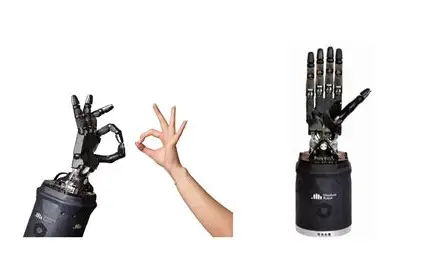
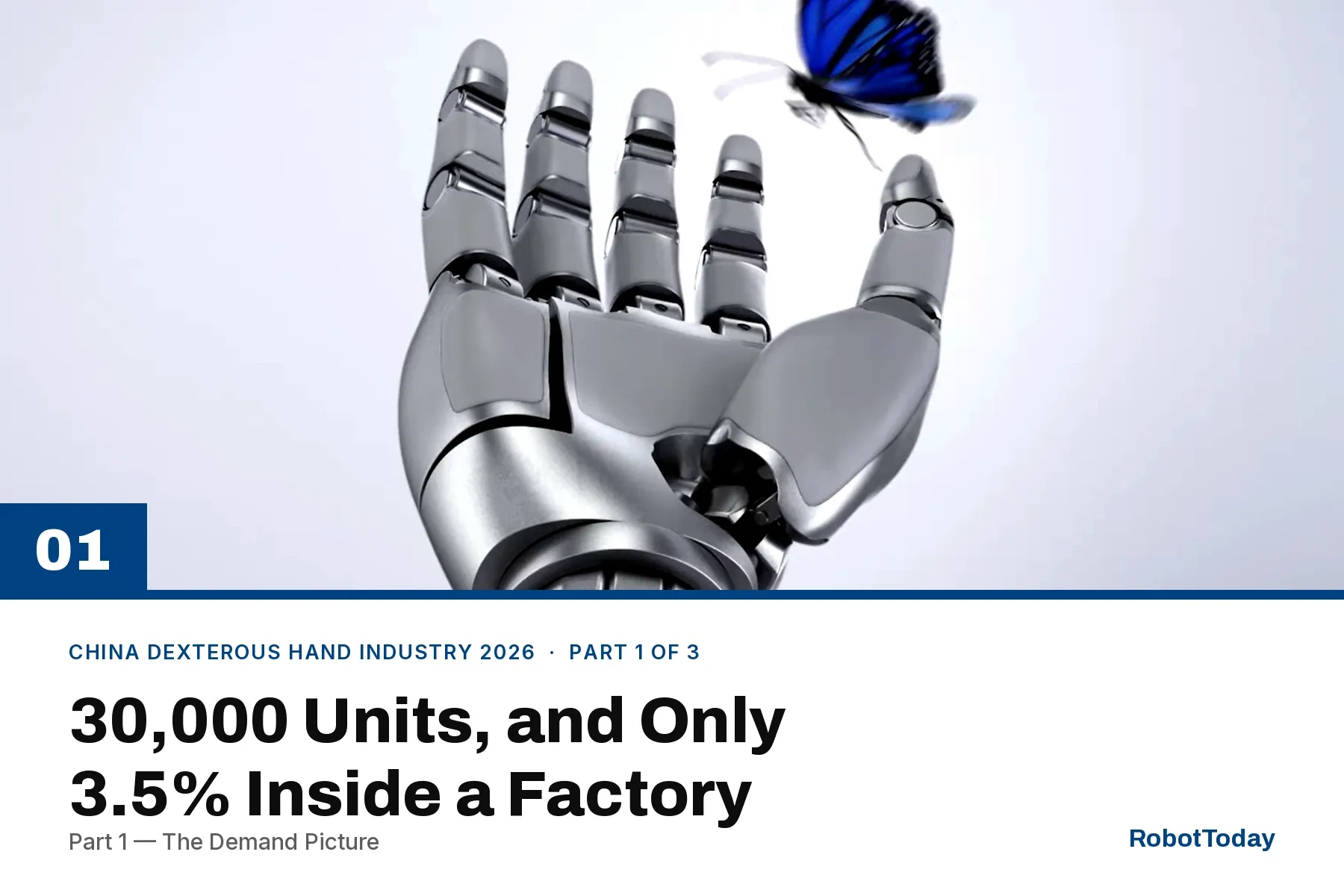
MIR has published the '2026 White Paper on China's Dexterous Hand Industry Development,' highlighting the current state and future projections of the sector. The report indicates that by 2026, the market is expected to see over 30,000 units shipped, with a significant shift towards industrial applications, increasing from 4% to a more substantial share.
The white paper emphasizes the importance of software in the competitive landscape, as hardware differences narrow. Companies like Genesis AI and Lingxin Qiaoshou are leading the way in integrating software and hardware, focusing on intelligent perception and operational models that enhance dexterous capabilities.
As the industry transitions from research to commercial applications, the report suggests that the stability and reliability of dexterous operations will be critical. Key players are establishing differentiated paths to market, indicating a promising future for the dexterous hand technology in various sectors, including automotive and healthcare.
Editor's Note
The dexterous hand industry is at a pivotal moment, transitioning from research to commercial viability. As companies refine their software capabilities and integrate them with hardware, the competitive landscape is shifting. This evolution is crucial for enterprises looking to leverage dexterous hands in practical applications, particularly in manufacturing and service sectors.






























Leave a comment