


Microsoft has reported a significant increase in phishing attacks impersonating well-known AI brands such as ChatGPT, Microsoft Copilot, and Claude. These attacks have involved sending up to 100,000 fraudulent emails daily, aimed at stealing personal and credit card information under the guise of payment updates for ChatGPT Plus.
The rise in these attacks highlights the exploitation of consumer trust in AI brands, as attackers leverage the popularity of these services to enhance the credibility of their phishing schemes. Microsoft emphasizes that these incidents do not indicate a breach of the AI services themselves but rather a manipulation of brand trust and curiosity.
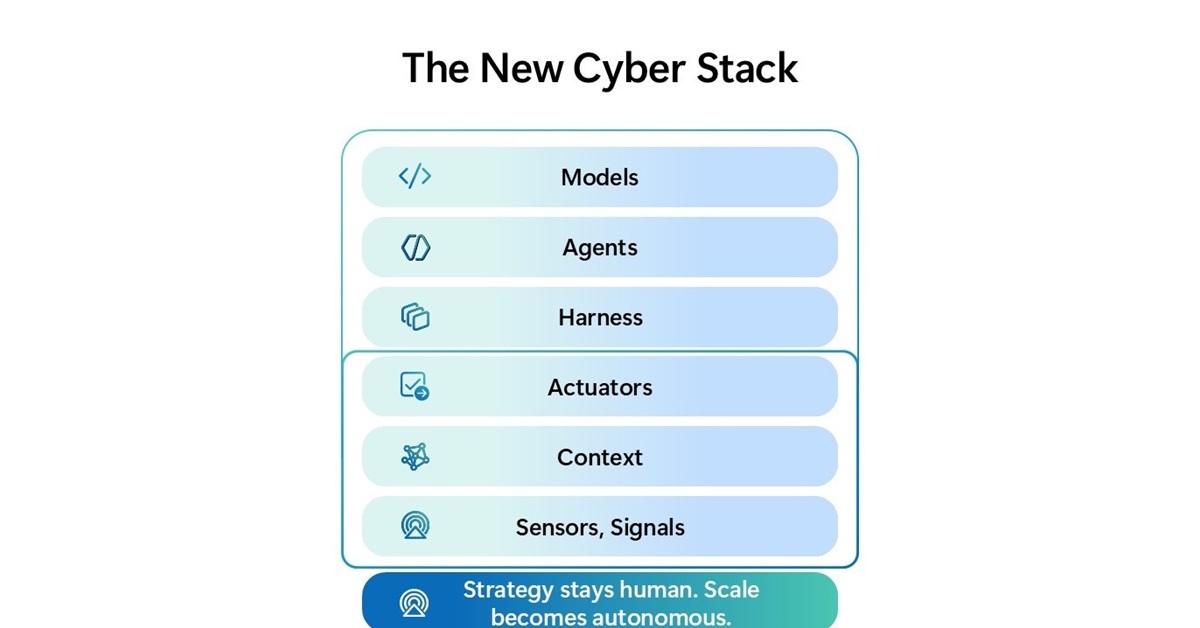
Looking ahead, organizations should be vigilant as attackers continue to refine their tactics, making social engineering attacks more targeted and sophisticated. Microsoft advocates for a comprehensive defense model that integrates prevention, detection, investigation, and response across the entire attack vector, as the threat landscape evolves with increasing interest in AI technologies.
Editor's Note
The rise of AI-themed phishing attacks underscores the need for enhanced cybersecurity measures in organizations. As attackers become more adept at exploiting brand trust, businesses must prioritize robust defense mechanisms to protect sensitive information. This trend also highlights the importance of employee training in recognizing and responding to social engineering tactics, which are likely to become more sophisticated.
































Leave a comment