

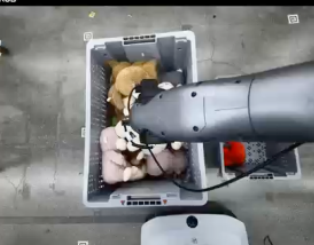
On July 17, Extreme Intelligence unveiled Gravity 4D WAM, the first module of its embodied intelligence framework, at the 2026 World Artificial Intelligence Conference (WAIC). This launch addresses a critical issue in current visual language models: the discrepancy between visually plausible predictions and physical reality. Gravity 4D aims to transition world models from merely predicting visuals to accurately anticipating three-dimensional physical evolution.
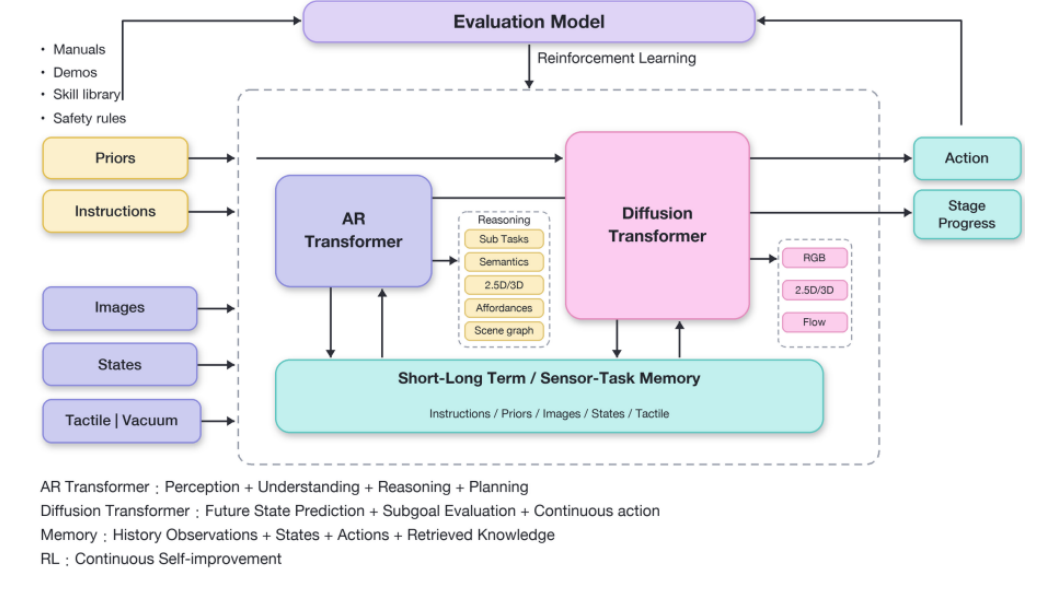
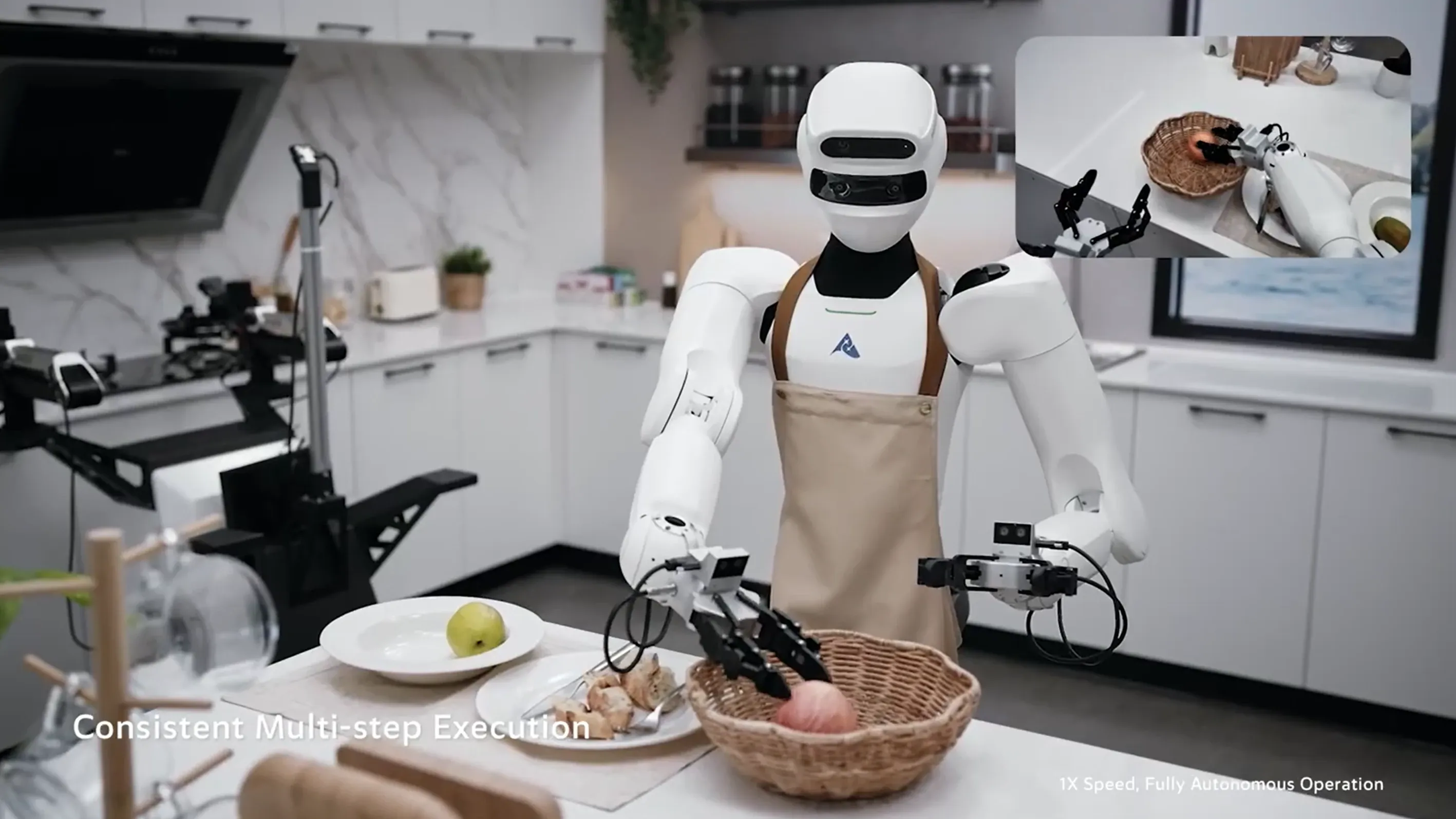
The significance of Gravity 4D lies in its ability to enhance robotic operations by ensuring that actions are based on physical realities rather than just visual appearances. The framework introduces a 4D latent model that allows the World Action Model (WAM) to learn essential information about RGB appearance, spatial structure, and motion dynamics. This paradigm shift is crucial for improving the reliability of robotic tasks, as it ensures that robots can effectively grasp objects and navigate environments based on true physical interactions.
Looking ahead, Gravity 4D's approach could redefine how robots interact with their environments, moving from visual-based predictions to a deeper understanding of physical laws. The framework's dual-brain architecture and integration of various sensory inputs will be further detailed in upcoming technology releases. No further timeline was disclosed at the time of publication.
Editor's Note
The introduction of Gravity 4D marks a pivotal advancement in robotics, emphasizing the need for models that prioritize physical accuracy over visual fidelity. This shift could significantly impact supply chain operations and automation processes, as robots equipped with such capabilities will be better suited for complex tasks in dynamic environments. The implications for enterprise procurement and technology adoption are profound, as businesses seek reliable automation solutions.





















Leave a comment