

Renault Group
Boulogne-Billancourt, France automaker founded 1899; sold 2.26 million Renault, Dacia, and Alpine vehicles in 2024, alongside ADAS and autonomy work.
Contact Renault Group
WEBSITE
https://www.renaultgroup.com/HEADQUARTERS
France

Company Facts
Founded
1898
Primary Role
Manufacturer
Company Size
-
Primary Region
Europe
Annual Sales
-
Funding Stage
-
Funding Total
-
Certifications & Memberships

Supplier of Robot Vision Systems Goes Public; BYD Subsidiary Invests 100 Million HKD
A supplier of vision systems for sweeping robots has recently gone public, marking a significant milestone in the robotics industry. This development is noteworthy as it highlights the increasing demand for advanced robotic technologies, particularly in automation and cleaning applications. The investment from a BYD subsidiary, amounting to 100 million Hong Kong dollars, underscores the confidence in the growth potential of this sector. The public offering is expected to enhance the supplier's capabilities in developing innovative vision systems, which are critical for the functionality of sweeping robots. This move is significant as it reflects the broader trend of investment in robotics and automation technologies, which are becoming essential in various industries. The partnership with BYD, a major player in the automotive and technology sectors, could lead to further advancements in robotic applications. Looking ahead, industry stakeholders should monitor the supplier's progress post-IPO and the impact of the BYD investment on its growth trajectory. No further timeline was disclosed at the time of publication.
Robotics Automation AI
KargoBot Expands AI Freight Network in Ordos with Cabless Transport Robots
KargoBot is expanding its AI-driven freight network in Qipanjing, Ordos, incorporating a combination of manned trucks, cabbed autonomous trucks, and cabless robots. The company aims for a target gain exceeding 30 percent as it scales its operations. This initiative is significant as it represents KargoBot's commitment to integrating advanced technologies in freight transportation, enhancing efficiency and potentially reducing costs. The mixed fleet approach allows for greater flexibility in logistics, catering to varying freight demands. Looking ahead, industry observers will be keen to see how KargoBot's mixed freight network performs and whether it achieves its ambitious gain target. No further timeline was disclosed at the time of publication.

UBTECH Partners with FAW-Volkswagen to Enhance Humanoid Robots for Factory Logistics
UBTECH has announced a collaboration with FAW-Volkswagen to develop humanoid robots aimed at improving factory logistics. This partnership signifies a shift from traditional quality inspection roles to more dynamic applications within manufacturing environments. The collaboration is significant as it highlights the growing trend of integrating advanced robotics into factory operations, enhancing efficiency and productivity. By focusing on logistics, UBTECH and FAW-Volkswagen are addressing the evolving needs of the manufacturing sector, which increasingly relies on automation to streamline processes. Looking ahead, industry watchers should monitor the outcomes of this partnership, particularly how these humanoid robots will be integrated into existing workflows. No further timeline was disclosed at the time of publication.
Robotics Automation AI
Automotive Supply Chain and Robotics Share 60-70% Overlap, Yet Key Components Remain Fixed
Recent insights reveal that the automotive supply chain and robotics sectors overlap by 60-70%. This significant intersection highlights the potential for innovation and efficiency in both fields. However, it is noted that the most expensive components within these sectors cannot be easily relocated, posing challenges for integration. The overlap between automotive and robotics is crucial as it suggests opportunities for collaboration and technological advancements. Understanding this relationship can lead to improved supply chain strategies and enhanced robotic applications in automotive manufacturing. The inability to move costly components, however, raises concerns about flexibility and adaptability in these industries. Looking ahead, stakeholders should monitor developments in both sectors to identify potential synergies and innovations. No further timeline was disclosed at the time of publication, but ongoing research and advancements may provide insights into overcoming the challenges posed by immovable components in the automotive supply chain and robotics integration.
Robotics Automation AI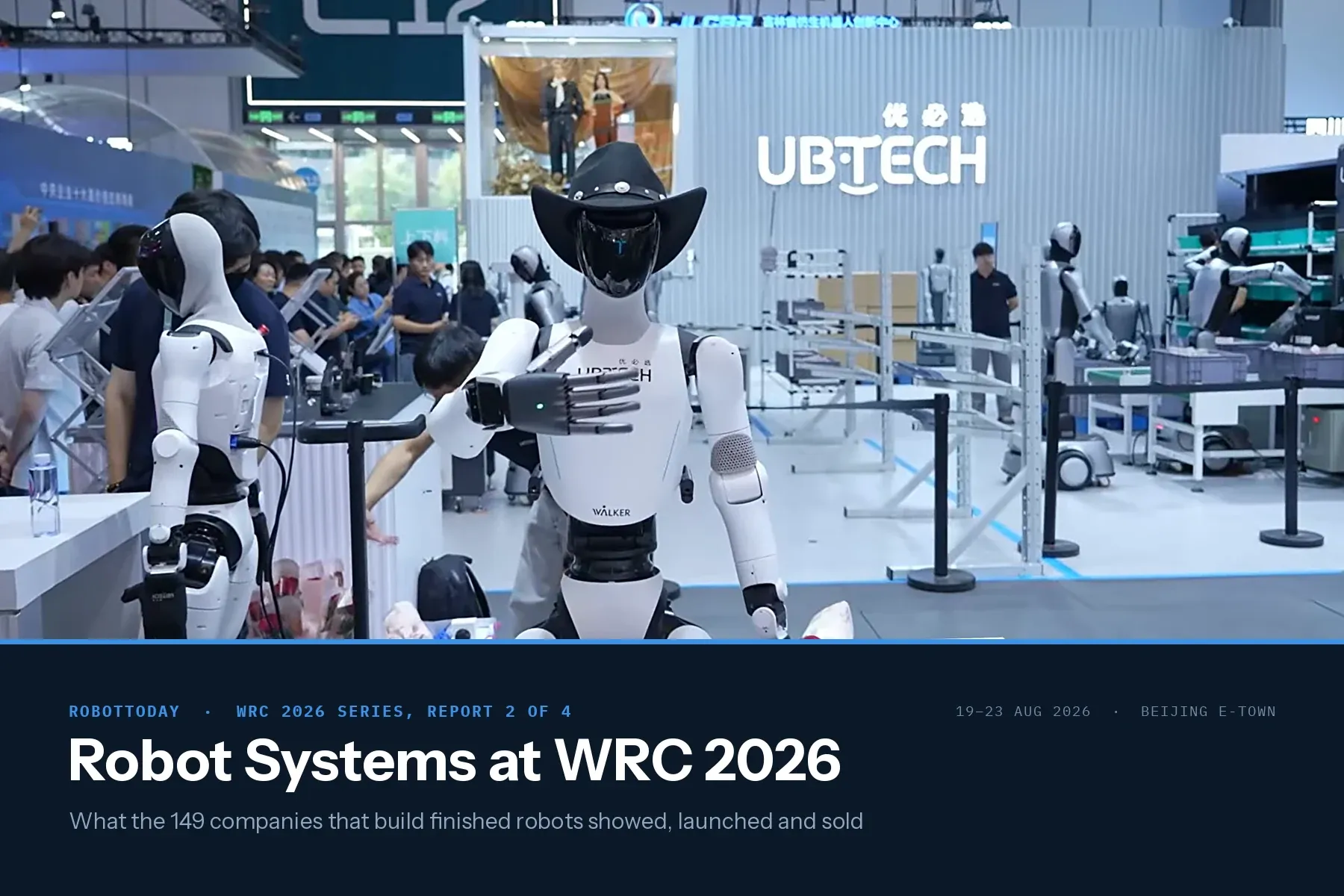
WRC 2026 Robot Systems: 149 Companies That Build Robots
149 of the 248 classified WRC 2026 exhibitors build finished robots. 93 build humanoid or legged machines. The audited humanoid sales number is one unit.

Renault Group Enhances Warehouse Automation with Exotec's Skypod Robots in France and Germany
Renault Group has partnered with Exotec to automate its spare parts operations across warehouses in France and Germany. The deployment of Exotec's Skypod robots has reduced order processing time from two hours to just 15 minutes, significantly improving efficiency and customer satisfaction. This transformation comes as Renault addresses challenges in managing the delivery and distribution of vehicle parts, particularly in France, which represents 37 percent of its parts and accessories business. The collaboration with Exotec has led to a complete reorganization of Renault's spare parts warehouses, including the closure of the older Cergy site and the establishment of a new facility in Puiseux. The Villeroy warehouse now features 167 Skypod robots and is capable of processing 4,130 bins per hour, allowing for the storage and picking of over 1.6 million items. This modernization aims to handle 20,000 order lines daily while stabilizing the workforce and reducing reliance on temporary staff. Looking ahead, Renault Group's partnership with Exotec is expected to further enhance operational efficiency and inventory management. The integration of specialized machines alongside the Skypod system is set to improve traceability and stock management. No further timeline was disclosed at the time of publication.
News Warehouse robots automated warehouse automotive logistics exotec exotec skypod
ROBOTTODAY Weekly July 20 – 24, 2026
Your weekly robotics briefing: AGIBOT unveils four new robots at WAIC 2026, the NDAA bars Chinese humanoids from the U.S. military, SoftBank eyes Gravis Robotics for its Roze vehicle, and Anduril reveals its Thunder autonomous attack tiltrotor at Farnborough.

Renault Group Automates Spare Parts Operations with Exotec's Skypod Robots
Renault Group has partnered with Exotec to enhance its spare parts operations across warehouses in France. The integration of Exotec's Skypod robots has reduced order processing time from two hours to just 15 minutes, significantly improving efficiency and customer satisfaction. This transformation is crucial as Renault previously faced challenges in managing the delivery and distribution of replacement vehicle parts in Europe. The new system consolidates over 80% of French business into a single warehouse, allowing for next-day delivery of parts ordered by 5:30 PM, which has resulted in a customer service satisfaction rate exceeding 99.7%. Looking ahead, Renault Group aims to further expand its partnership with Exotec, with plans to deploy 89 Skypod robots in Germany. This marks a significant step as it will be Renault's first automated warehouse in the country, indicating a broader strategy to enhance operational efficiency and meet growing demand in the automotive sector.
Automation Systems and Shuttles eFulfilment Materials Handling Robotic Picking Exotec Renault
Renault Group and Thales unveil 4 TROOP vehicle for land forces
At Eurosatory 2026, Renault Group and Thales unveiled a prototype militarized vehicle called 4 TROOP, designed to meet the operational needs of land forces. This collaboration highlights the companies' commitment to enhancing military capabilities through innovative vehicle solutions. The introduction of the 4 TROOP prototype reflects a strategic response to evolving defense requirements, showcasing advanced technology tailored for modern warfare. The event, taking place in Paris, serves as a significant platform for defense industry leaders to demonstrate their latest advancements and address the challenges faced by armed forces globally.
News
Digital Twin, Physical AI & Robot OEM Readiness 2026: Platforms, VLA Models, LLM Programming
A balanced analysis of the robot intelligence revolution: multi-vendor digital twin platforms (NVIDIA, Siemens, Dassault, ABB, Rockwell, Hexagon), Physical AI VLA models (RT-2, pi0, GR00T N1, AgiBot), current Physical AI limitations, LLM robot programming, and the OEM readiness matrix across US, European, and Chinese manufacturers.

Krypton Evening News: Token prices drop to a few dollars; OpenAI may significantly reduce product prices; discounted train tickets for
Christian Stein has been appointed as the new CEO of Renault Group Spain, effective July 1, succeeding Josep María Recasens, who is leaving the company for new career opportunities. Stein will also continue in his role as Chief Communications Officer and report to Renault Group CEO François Provost. In a significant shift, General Motors is considering abandoning the use of lithium iron phosphate (LFP) batteries for electric vehicles, despite plans to produce them by the end of 2027 at a joint factory in Tennessee. This decision comes as the company reassesses its battery technology strategy amidst a competitive market. Global prediction markets Polymarket and Kalshi have reported that contracts for the upcoming World Cup champion have surpassed $2 billion, potentially setting a new record for single-event prediction market transactions. In the tech sector, OpenAI is contemplating substantial price reductions for its products to compete with rival Anthropic, as rising costs for AI services have become a concern for executives. Meanwhile, J&T Express has responded to an investigation by China's State Post Bureau, emphasizing its commitment to cooperate fully and improve safety management practices in light of the inquiry. AliExpress, Alibaba's cross-border e-commerce platform, has launched official local delivery services in five countries, including the U.S. and Spain, aiming to enhance logistics efficiency for merchants. In product news, Insta360 has unveiled the Luna Ultra, the world's first 8K dual-camera gimbal, which sold out shortly after its launch on June 10. Lastly, Neura Robotics, a German robotics firm, has secured $1.4 billion in funding to accelerate its development of a leading physical AI platform, with backing from major investors like Amazon and NVIDIA.

FUTURE WARFARE | The Geopolitical Competitive Landscape
Military robotics is no longer a U.S.-centric story. Global defence spending crossed $2.75 trillion in 2026; defence-tech VC hit a record $49.1 billion in 2025; and a multipolar robotics order is crystallising in real time — with China’s 15th Five-Year Plan institutionalising civil-military fusion, Europe’s €381 billion defence budget financing its own AI champions, and Turkey and Israel reshaping the export market with affordable, combat-proven systems. Part Five of the Future Warfare Series maps the country-by-country competitive landscape, the collapsing regulation race, and the investment forces reshaping who builds — and who controls — the autonomous weapons of the next decade.
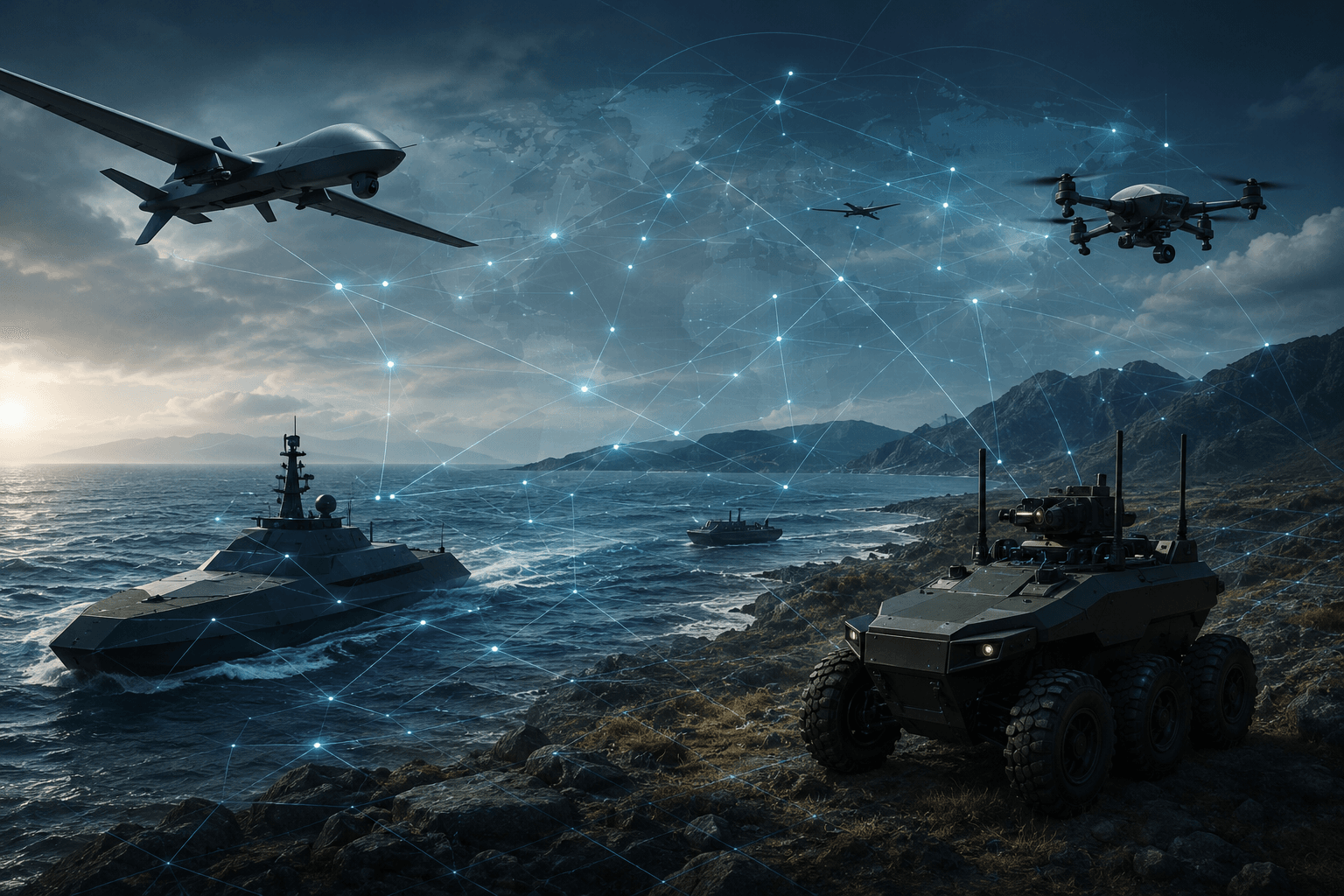
FUTURE WARFARE | Cross-Domain Integration - Integration How Land, Sea, Air and Software Are Converging Into a Single Kill Chain
Cross-domain robotics is reshaping modern warfare as drones, UGVs, AI targeting systems, and autonomous logistics converge into a single networked kill chain across land, sea, air, and software.

GLOBAL ROBOTICS INDUSTRY Comprehensive Sector Overview
A comprehensive global robotics industry overview for 2025, analyzing 14 key market segments — from industrial and humanoid robots to logistics AMRs, military systems, and service robots — with expert market sizing, US case studies, five-year forecasts, and bilingual English-Chinese analysis for executives and investors.
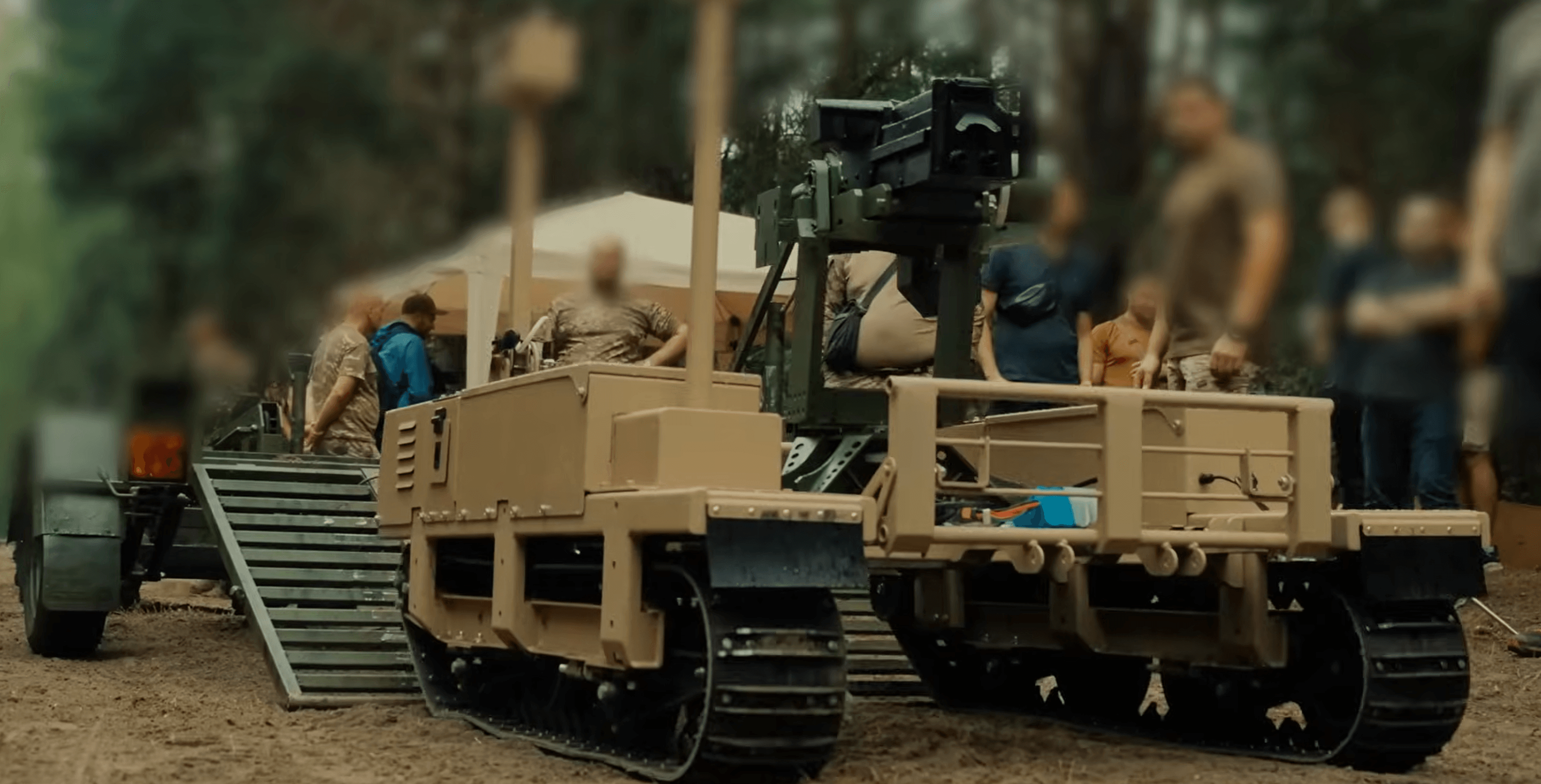
FUTURE WARFARE | Land - Unmanned Ground Vehicles — From Logistics Mules to Front-Line Robots
Ukraine fielded 15,000 unmanned ground vehicles in 2025 — surpassing its own procurement targets by over 100 percent. A single UGV held a front-line position for 45 days. Up to 90 percent of supplies to Pokrovsk now move by robot, not truck. The U.S. Army cancelled its $3 million Robotic Combat Vehicle and is starting over. China is deploying $3,000 robot dogs in PLA urban-warfare exercises. This article maps the emerging UGV battlefield — from Ukraine’s garage-built logistics fleet to the Pentagon’s stalled combat-vehicle ambitions, and from Ghost Robotics’ Vision 60 to the quadruped proliferation problem no treaty has yet addressed.

EU Bets €1.5B on Drones and AI: Inside EDIP's 2026–2027 Defence Industry Programme
The EU's €1.47 billion European Defence Industry Programme (EDIP) 2026–2027 targets drones, counter-UxS systems, AI-enabled autonomy, and loitering munitions across six major funding calls — allocating over €232 million directly to unmanned systems and related electronics supply chains.

RobotToday Weekly Industry Briefing: March 23 – March 27, 2026
RobotToday's weekly industry briefing for March 21–28, 2026 covers Physical Intelligence's $1B raise, Amazon's Fauna Robotics acquisition, Agile Robots' DeepMind partnership, the launch of Europe's first robotaxi service, DJI's Avata 360 drone, Skydio's $52M Army order, and the latest in humanoid, AMR, and drone technology.

FUTURE WARFARE | The Autonomy Spectrum
How modern weapons shattered the concept of human control — from kill-switch confirmation to AI systems that select targets independently.
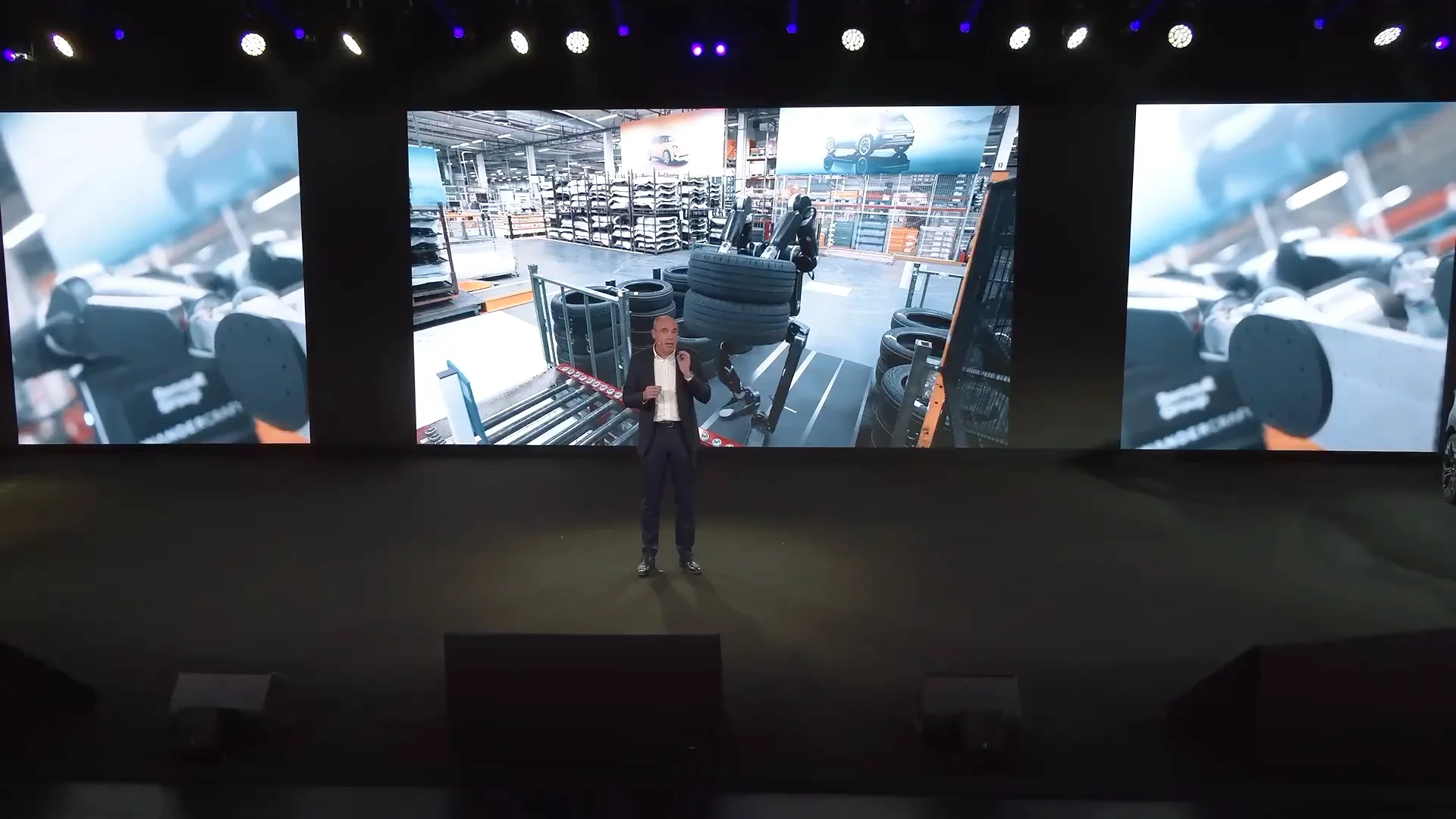
Renault to Deploy 350 Wandercraft Calvin Humanoids in Industrial Speed Run
Renault Group has unveiled its futuREady strategy, announcing the integration of 350 humanoid robots, developed in collaboration with Wandercraft, into its production lines by 2027. This initiative represents a significant advancement in the European industrial robotics sector. The decision to incorporate these advanced robots aims to enhance efficiency and productivity within Renault's manufacturing processes. The move underscores the company's commitment to innovation and modernization in an increasingly competitive automotive industry.
Calvin renault Europe wandercraft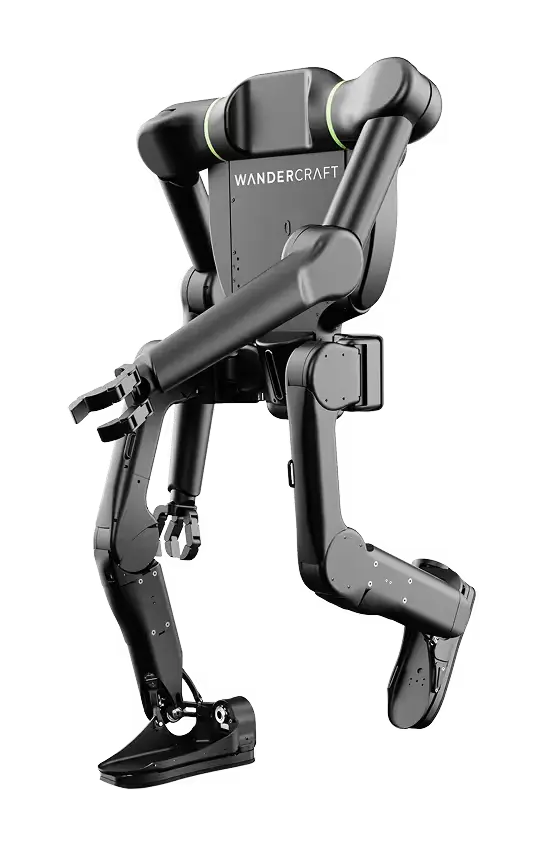
Exoskeleton Pioneer Wandercraft Partners with Renault, Unveils 'Calvin' Industrial Humanoid
Wandercraft, a leader in exoskeleton technology based in France, has announced a strategic partnership with Renault Group. This collaboration includes a minority investment from Renault and a joint initiative to develop a new line of industrial humanoid robots, dubbed 'Calvin.' The partnership aims to integrate Wandercraft's cutting-edge artificial intelligence and self-balancing technology into Renault's manufacturing processes. This move is expected to enhance efficiency and innovation within Renault's production facilities, marking a significant step forward in the automation of industrial operations.
renault exoskeleton wandercraft automation

