


NEURA Robotics
Metzingen, Germany robotics company founded 2019 by David Reger; builds MAiRA, LARA, and 4NE-1 humanoid robots, raising over 1 billion dollars in funding.
Contact NEURA Robotics
WEBSITE
https://neura-robotics.comPHONE
+49 7123 879700HEADQUARTERS
Germany

Company Facts
Founded
2019
Primary Role
Manufacturer
Company Size
employees 100-500
Primary Region
Europe
Annual Sales
-
Funding Stage
-
Funding Total
-

ROBOTTODAY WEEKLY September 7 – 11, 2026
This week in robotics: JD.com plans to deploy three million robots across its logistics network, XPeng commissions its IRON humanoid production line, FANUC and Google launch an AI arc-welding agent, and Unitree shares fall 53% from their post-IPO high. September 7–11, 2026.
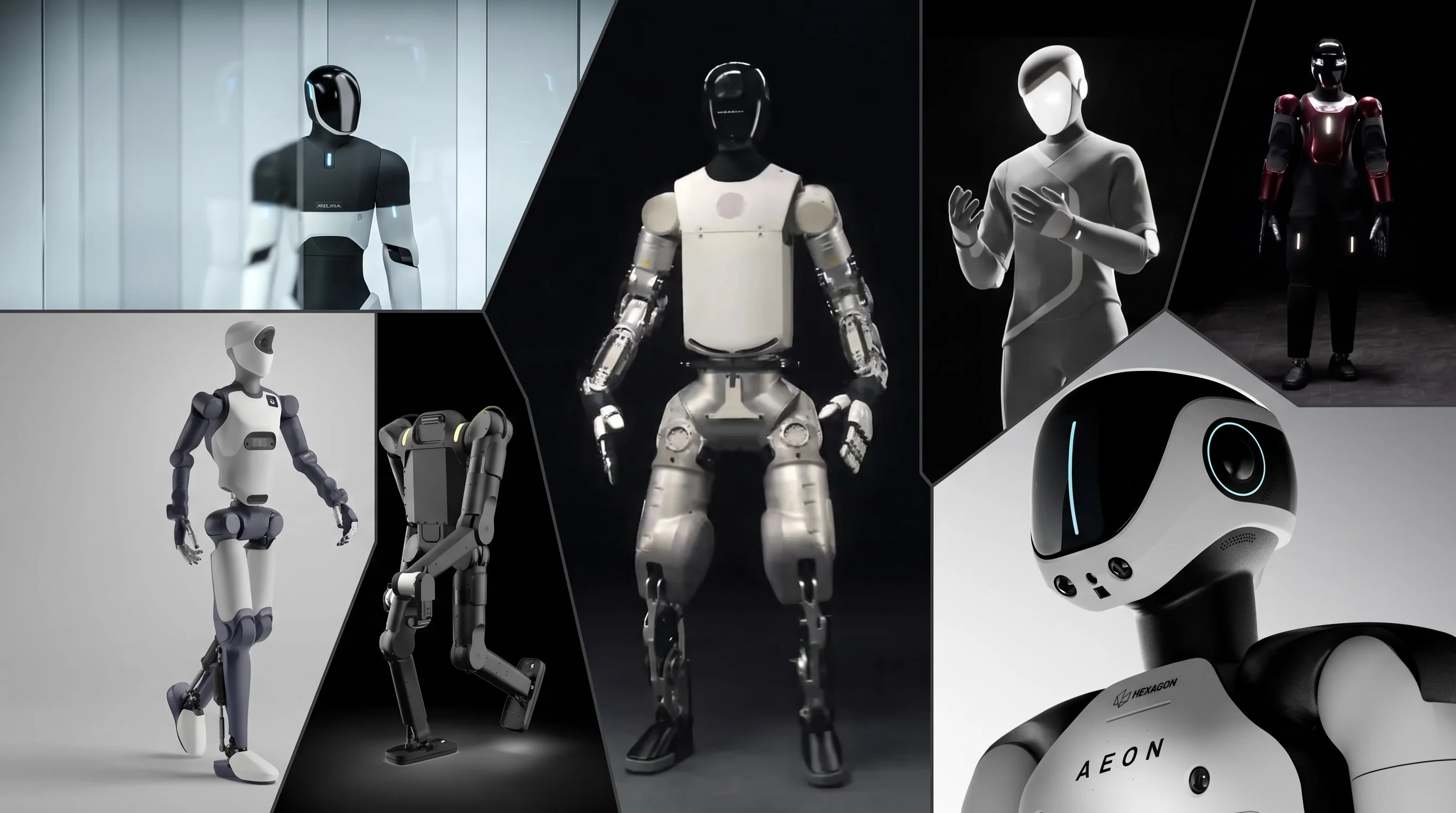
European Humanoid Robotics Market Grows with Significant Deployment Agreements and Investments
In the past year, European manufacturers have signed deployment agreements for thousands of humanoid robots, raising nearly $2 billion in disclosed equity. Companies like Schaeffler, Bosch, Renault, and BMW are leading the charge, integrating humanoid robots into their production lines without relying on demo reels. This shift highlights a structural difference in the European market, where industrial buyers prioritize equity and production capabilities over venture capital. Schaeffler's agreements to deploy NEURA 4NE1 and Hexagon AEON units exemplify this trend, as the company invests in humanoid technology while supplying critical components. Looking ahead, the European humanoid robotics landscape is set to evolve further, with NEURA Robotics planning to launch its Gen 3.5 model by the end of 2026. As companies continue to explore humanoid integration, the phased and revocable nature of these agreements will be crucial in navigating competition from Chinese alternatives.
Calvin Generative Bionics Uma AEON 4NE-1 Neura Robotics
Neura Robotics and SECO Collaborate to Enhance Humanoid Robot Production in Europe
Neura Robotics has entered into a strategic partnership with SECO to develop and manufacture electronic compute modules for its cognitive robots, including the 4NE1 humanoid. This collaboration aims to facilitate scalable series production in Europe, addressing the growing demand for advanced robotics solutions. The partnership is significant as it not only focuses on humanoid robot production but also aims to expand into physical AI applications within the semiconductor and electronics manufacturing sectors. This move is expected to enhance the capabilities of Neura's robots and improve production efficiency. Looking ahead, the collaboration between Neura Robotics and SECO could lead to advancements in both humanoid robotics and AI applications in manufacturing. No further timeline was disclosed at the time of publication.
Humanoids News 4ne1 cognitive robots dragonwing edge ai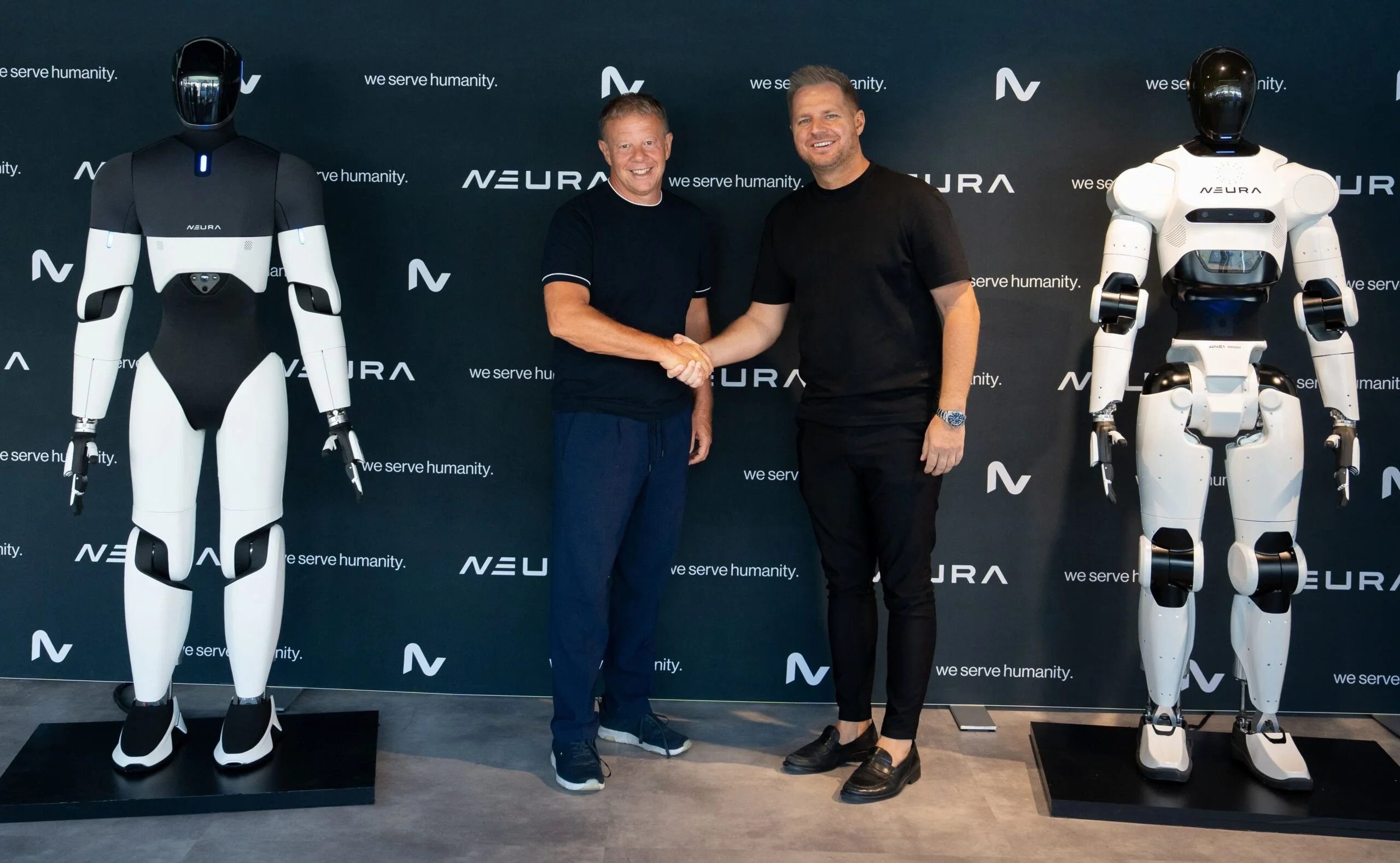
Neura Robotics and Seco Form Strategic Partnership for Physical AI and Robot Compute
Neura Robotics and Seco have established a strategic partnership focused on developing robot compute hardware and physical AI automation. This collaboration aims to manufacture key computing components for Neura's cognitive robots, including the 4NE1 humanoid, using Qualcomm Dragonwing processors. The partnership also includes plans to open a Neura Gym in Italy for training and to collect real-world production data from industrial applications. This partnership is significant as it aims to enhance the capabilities of Neura's robots through advanced computing and physical AI, which could revolutionize semiconductor and electronics manufacturing. By leveraging real-world data, Neura and Seco intend to create automation solutions that can be deployed globally, thereby contributing to a broader European physical AI ecosystem that integrates regional robotics and manufacturing expertise. Looking ahead, the collaboration will focus on training machines to handle complex production processes, with the goal of scaling these capabilities across various manufacturing environments. No further timeline was disclosed at the time of publication.
AI AI Funding & Investment Capital Markets Robotics Europe Germany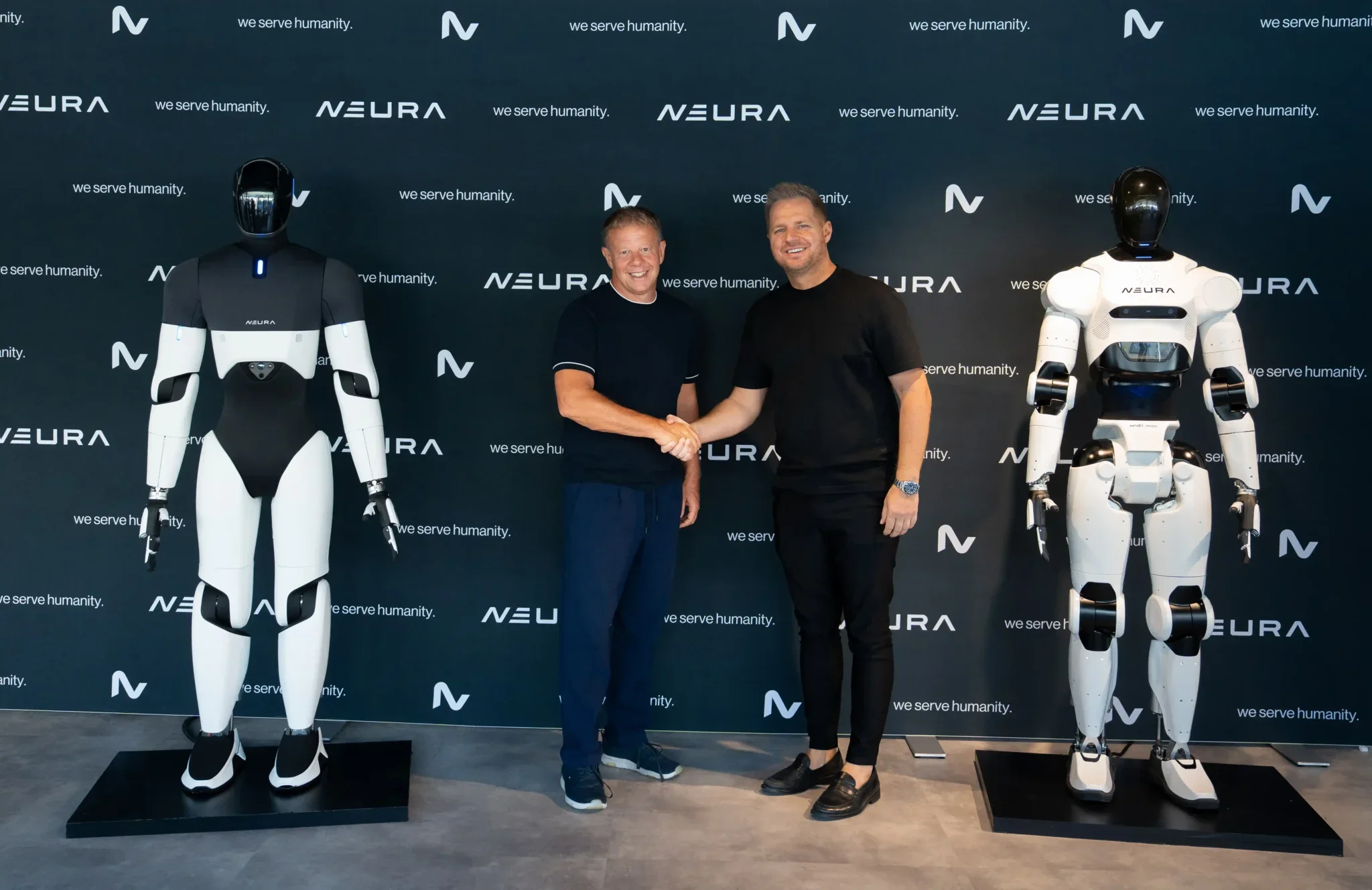
NEURA Robotics and SECO Collaborate to Advance European Physical AI Hardware Production
On September 7, 2026, NEURA Robotics, based in Metzingen, announced a strategic partnership with SECO S.p.A. to industrialize the compute infrastructure for NEURA's cognitive robots. SECO will design and produce industrial-grade electronic compute modules for NEURA’s humanoid platform, the 4NE-1, utilizing Qualcomm Dragonwing processors to support a decentralized compute strategy. This collaboration is significant as it aims to transition from centralized computing to localized, real-time edge processing, enhancing the robots' responsiveness in unpredictable industrial environments. NEURA's architecture, described as a 'Brain + Nervous System,' integrates sensing and compute hardware across the robot's limbs, allowing for ultra-low-latency interactions crucial for human-robot collaboration. Looking ahead, NEURA and SECO plan to establish a 'NEURA Gym' in Italy, focusing on real-world data collection to improve physical AI models. This initiative aims to address challenges in robotic autonomy during the transition from simulation to real-world applications, particularly in semiconductor manufacturing. No further timeline was disclosed at the time of publication.
Neura Robotics Europe Market
NEURA Robotics and SECO Partner to Enhance Physical AI Production in Europe
NEURA Robotics and SECO S.p.A. have announced a strategic partnership aimed at industrializing and scaling Physical AI in Europe. This collaboration will focus on the design, engineering, and manufacturing of electronic compute modules for NEURA's cognitive robots, including the humanoid 4NE1. The partnership is significant as it combines NEURA's expertise in Physical AI and robotics with SECO's embedded engineering and manufacturing capabilities. The electronic compute modules will utilize Qualcomm Dragonwing™ processors, which are integral to NEURA's distributed compute architecture, enhancing the performance of their robots. Looking ahead, the collaboration is expected to facilitate scalable series production of cognitive robots in Europe. No further timeline was disclosed at the time of publication.
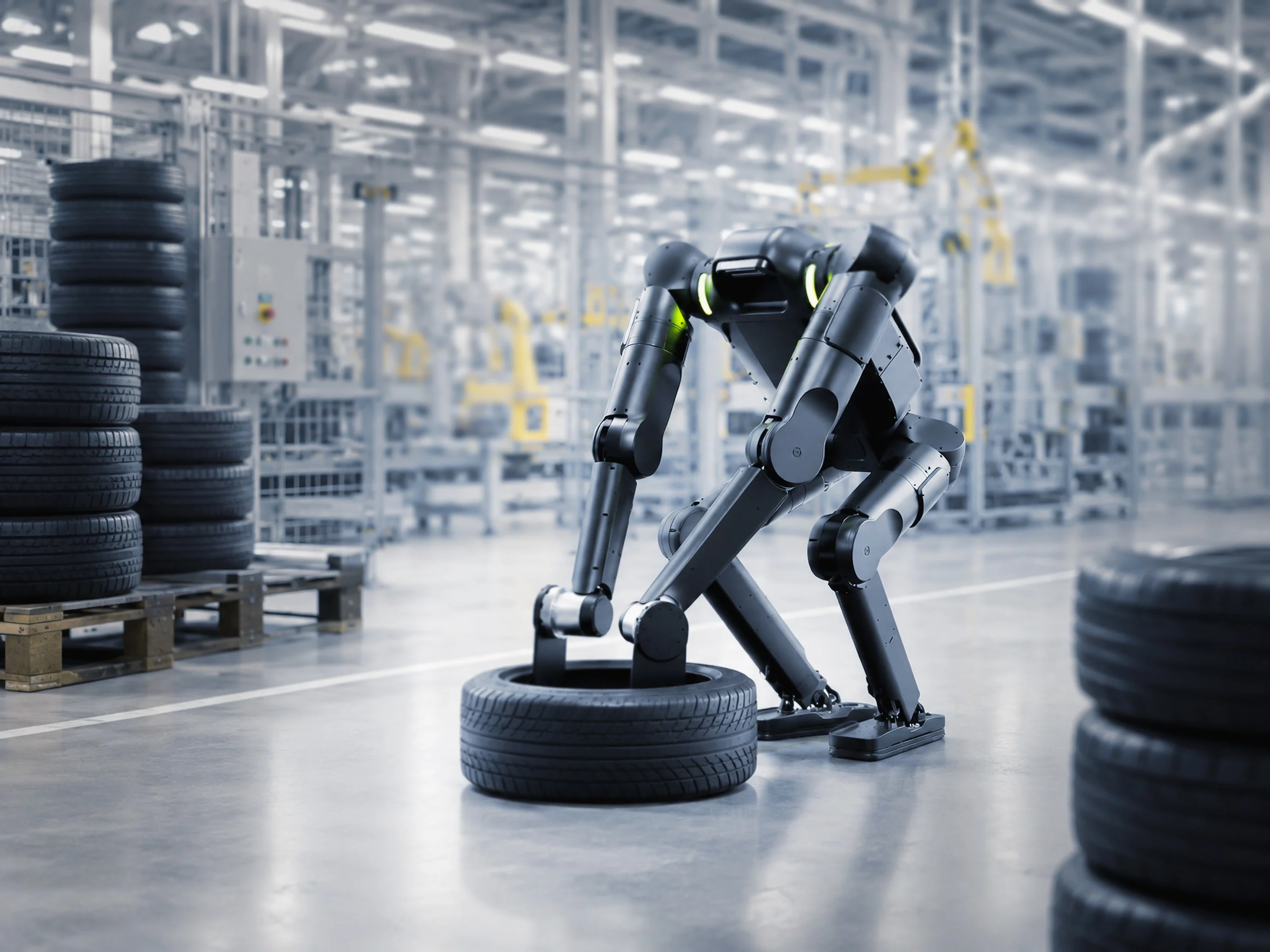
Wandercraft Aims for €100M Funding at €750M Valuation to Expand Industrial Humanoid Efforts
Wandercraft, a Paris-based robotics company, is seeking approximately €100 million (around $116 million) in new equity funding to enhance the commercialization of its hardware platforms. The firm is collaborating with Goldman Sachs Group Inc. to facilitate this funding round, which is expected to achieve a pre-money valuation of about €750 million. Discussions are ongoing, and neither Wandercraft nor Goldman Sachs has commented on specific terms or timelines. This funding initiative comes as Wandercraft transitions from its specialized rehabilitation hardware to a focus on heavy industrial automation. The company previously raised $75 million in a Series D funding round, which included investments from Renault SA and other notable entities. Wandercraft is known for its dynamic balancing medical exoskeletons, but its recent efforts are centered on the Calvin family of industrial humanoids designed for heavy-payload material handling in automotive manufacturing. Looking ahead, Wandercraft's push for €100 million reflects a larger trend in European robotics financing, where startups are increasingly attracting significant late-stage investments. The involvement of Goldman Sachs indicates a shift towards institutional investors capable of supporting long-term manufacturing cycles, as seen in recent funding successes by other European robotics firms like NEURA Robotics and Humanoid.
Europe Market Wandercraft
ROBOTTODAY WEEKLY BRIEFING August 24 – 28, 2026
This week in robotics: XPeng's Dogotix raises over $900 million at a $6.3 billion valuation, Unitree's post-IPO slump revives bubble talk, Beijing's World Humanoid Robot Games close with a shift to real-world tasks, and Teradyne sues JAKA at Europe's Unified Patent Court. August 24–28, 2026.
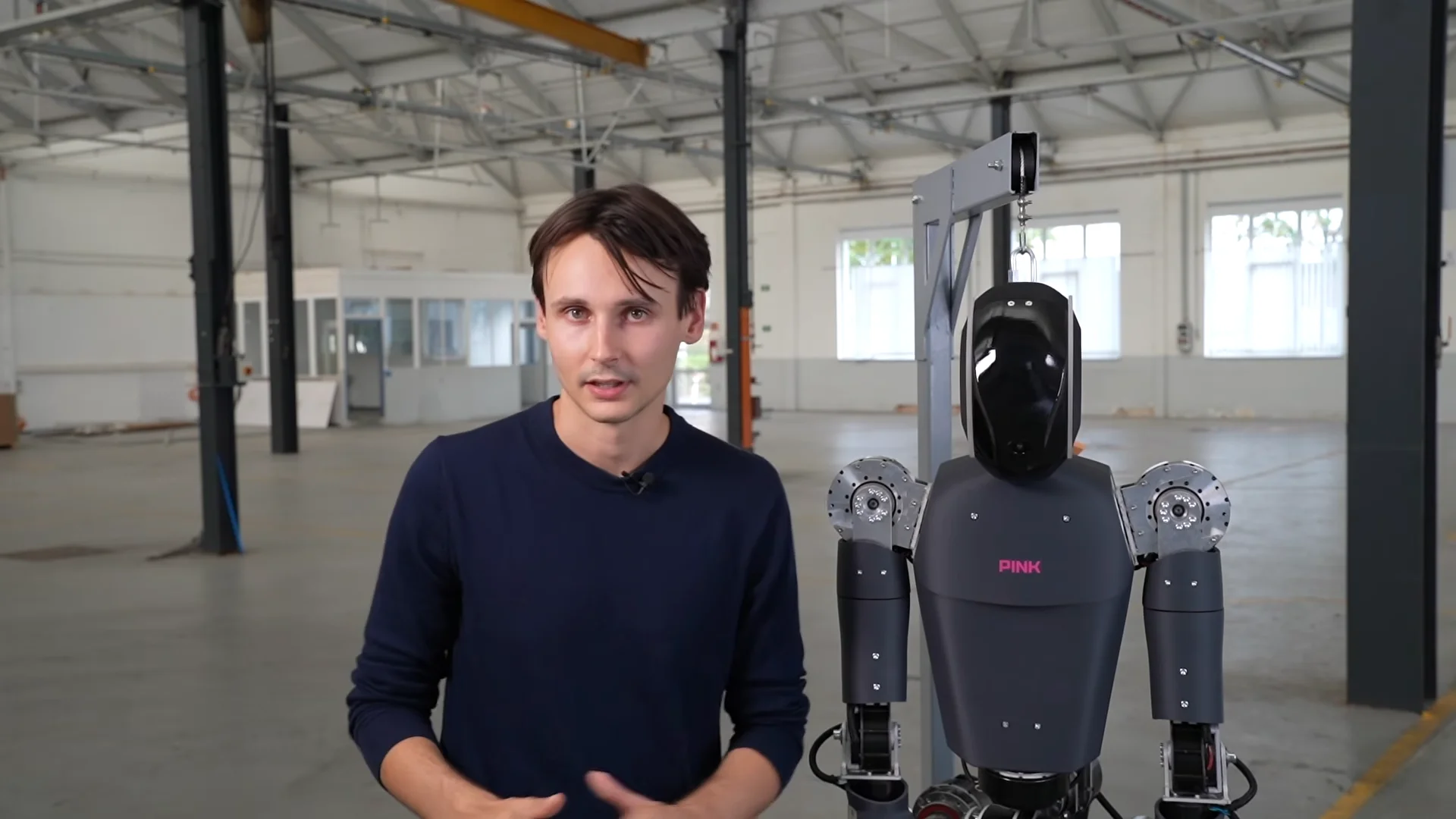
Pink Robotics Launches P0 Humanoid Prototype to Revitalize Germany's Industrial Sector
Pink Robotics, a new startup from Darmstadt, Germany, has unveiled its first humanoid prototype, the P0, aiming to address the country's industrial challenges. Founded by engineer Christopher Helmke, the company seeks to reposition Germany in the global robotics race, which is currently dominated by the U.S. and China. Helmke's dissatisfaction with the current state of German robotics, particularly after attending Hannover Messe, has fueled this initiative. The emergence of Pink Robotics is significant as it highlights the urgent need for innovation in Germany's robotics sector, which Helmke believes is lagging behind competitors. With major players like NEURA Robotics and Agile Robots leading the market, Helmke argues that the country requires a new industrial focus beyond its traditional automotive sector. The P0 humanoid is designed to integrate into existing facilities, showcasing advanced engineering with a mechanical chassis that offers extensive motion capabilities. Looking ahead, the success of Pink Robotics will depend on its ability to capture market interest and secure funding to compete with established players. Helmke's vision for the company reflects a broader call for revitalization in Germany's industrial landscape, emphasizing the importance of adapting to new technological demands. No further timeline was disclosed at the time of publication.
Pink Robotics Europe
Neura Robotics Completes Acquisition of ADLATUS to Enhance Physical AI Capabilities
Neura Robotics, a German robotics startup, has announced its fifth acquisition in 16 months, acquiring Adlatus, a manufacturer of autonomous cleaning and sweeping robots. This acquisition aims to integrate Neura's sensor and AI technologies into Adlatus's fleet, enhancing the capabilities of these robots within Neura's physical AI infrastructure, known as the Neuraverse. The significance of this acquisition lies in Neura's vision to transform the cleaning industry through advanced physical AI. CEO David Reger emphasized that the goal is not merely to add another cleaning robot but to create machines that can understand their environment and tasks. This aligns with the growing demand for automation in a labor-intensive global market. Looking ahead, Neura Robotics is focused on expanding its Neuraverse platform and developing physical AI systems. The company recently raised up to $1.4 billion in funding, indicating strong investor interest in the physical AI sector, which has seen substantial venture capital investment in recent months. No further timeline was disclosed at the time of publication.

Neura Robotics Acquires Adlatus Robotics to Enhance Cleaning Automation Solutions
Neura Robotics has acquired 100 percent of Adlatus Robotics, a company specializing in autonomous cleaning robotics. This acquisition is part of Neura's strategy to integrate various robots and applications into a unified physical AI infrastructure, enhancing the capabilities of cleaning robots. The significance of this acquisition lies in Neura's aim to transform cleaning robots from simple navigators into intelligent agents capable of understanding their environment. Adlatus has developed a robust portfolio of autonomous cleaning systems, and Neura plans to enhance these with advanced sensor and AI technologies, ultimately connecting them to the Neuraverse. Looking ahead, Neura Robotics intends to leverage Adlatus as both a product platform and a testing ground for physical AI advancements. The integration is expected to foster collaboration with other manufacturers, promoting an open ecosystem for various autonomous systems and enhancing the scalability of physical AI solutions.
Humanoids News adlatus robotics amrs autonomous cleaning robots autonomous mobile robots
Neura CEO David Reger Calls Physical AI Development Pace 'Tremendous
David Reger, CEO of Neura, a German robotics company, has expressed optimism about the potential of physical AI as a significant growth driver for Europe. He emphasized the rapid advancements in this field, describing the development pace as 'tremendous.' Reger's insights were shared during an interview with Tom Mackenzie on Bloomberg Tech: Europe. The significance of Reger's comments lies in the growing recognition of physical AI's role in the European market. As industries increasingly adopt AI technologies, the potential for economic growth and innovation in robotics is substantial. Neura Robotics, under Reger's leadership, aims to capitalize on this momentum to position itself as a leader in the sector. Looking ahead, stakeholders in the robotics and AI industries should monitor Neura's developments and the broader implications of physical AI advancements. No further timeline was disclosed at the time of publication.

ROBOTTODAY Weekly July 27 – 31, 2026
Your weekly robotics briefing: the US bans imports of Chinese humanoid robots, Google DeepMind unveils Gemini Robotics 2, Unitree pushes toward its Shanghai IPO, and Amazon's Zoox wins approval for paid robotaxi rides.

ROBOTTODAY Weekly July 20 – 24, 2026
Your weekly robotics briefing: AGIBOT unveils four new robots at WAIC 2026, the NDAA bars Chinese humanoids from the U.S. military, SoftBank eyes Gravis Robotics for its Roze vehicle, and Anduril reveals its Thunder autonomous attack tiltrotor at Farnborough.

ROBOTTODAY Weekly, June 8 – 12, 2026
This week in robotics: Bezos’ Prometheus raises $12B for physical AI, NEURA Robotics closes $1.4B Series C, NVIDIA deepens partnerships with Hyundai and LG in Seoul, and Hyundai’s Boston Dynamics robot dogs debut at FIFA World Cup 2026. June 8–12, 2026.

ROBOTTODAY Weekly April 20 – 24, 2026
This week in robotics: Chinese humanoid wins Beijing half-marathon, Tesla begins Cybercab production, bipartisan American Security Robotics Act targets Chinese-made robots, and Figure hints at exponential manufacturing ramp-up. April 20–24, 2026.

RobotToday Weekly Industry Briefing: March 2 – 6, 2026
TI-NVIDIA safety collab, Hyundai MobED at AW 2026, Neura €1B funding, service robots forecast, and $243B humanoid market propel physical AI and industrial robotics forward.

RobotToday Weekly Industry Briefing: January 12 – January 16, 2026
NVIDIA advances physical AI with Cosmos and GR00T, humanoid robots move into real factories, China leads global deployments, and robotics stocks gain momentum.
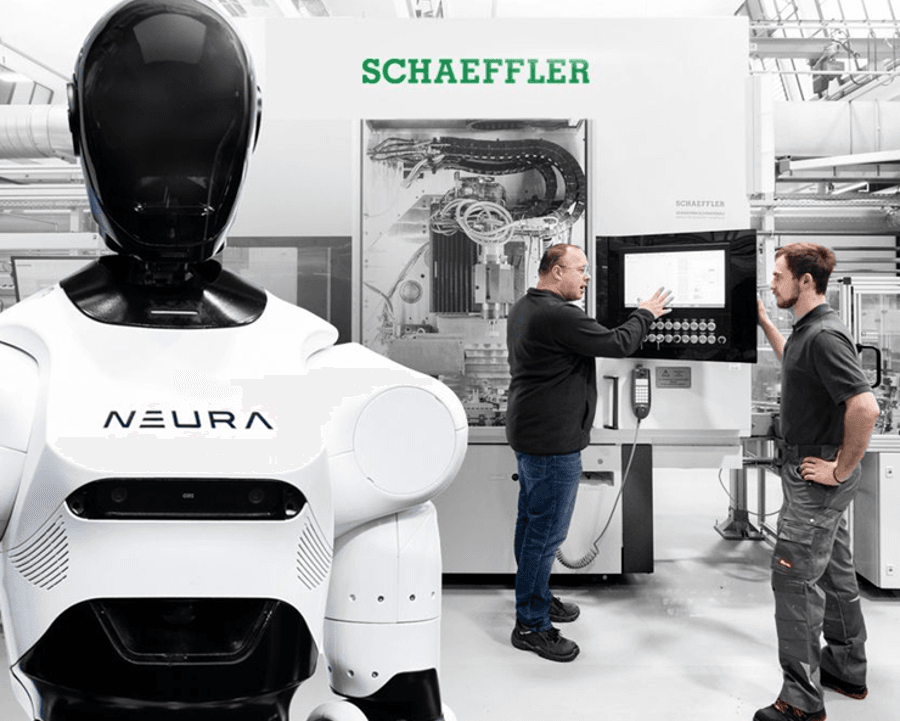
Schaeffler & NTU Launch Corporate Lab to Drive AI-Enabled Humanoid
Schaeffler and NTU launch a new corporate lab in Singapore to accelerate R&D in AI-enabled humanoid, collaborative, and assistive robotics technologies.

Why the Tesla Supply Chain for Optimus is Consolidating in Chinese Yangtze River Delta
Why Tesla’s Optimus supply chain is consolidating in China’s Yangtze River Delta, where actuators, motors, and robotics suppliers enable humanoid scale.


