

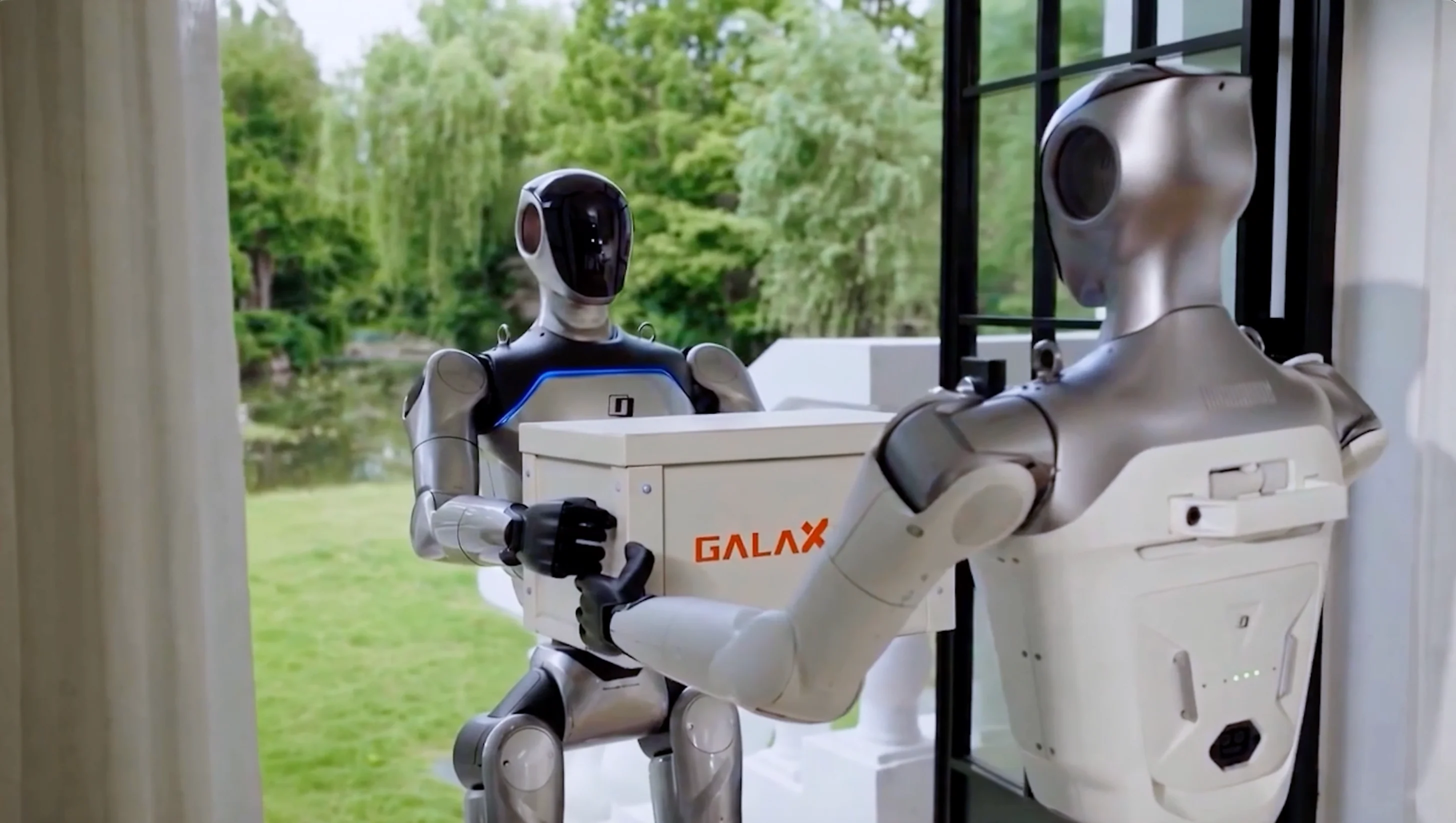
On August 24, Xinhai Map established a new entity in Hangzhou, marking a significant regional expansion. Founded in September 2023, this Tsinghua University-affiliated embodied intelligence company achieved a valuation exceeding 20 billion yuan after completing a B+ round of financing in April 2026, with total funding nearing 5 billion yuan, making it one of the fastest-growing unicorns in the sector.
The high valuation of nearly 20 billion yuan is not primarily based on large-scale commercial revenue but rather reflects the capital market's confidence in its model-first approach. Xinhai Map's move to Hangzhou signifies a shift in focus from laboratory demonstrations and research clients to real-world testing in urban environments. Unlike many domestic humanoid robotics startups that concentrate on hardware aesthetics and visual effects, Xinhai Map emphasizes foundational algorithms, prioritizing its VLA visual-language-action model and high-speed world model over hardware iterations.
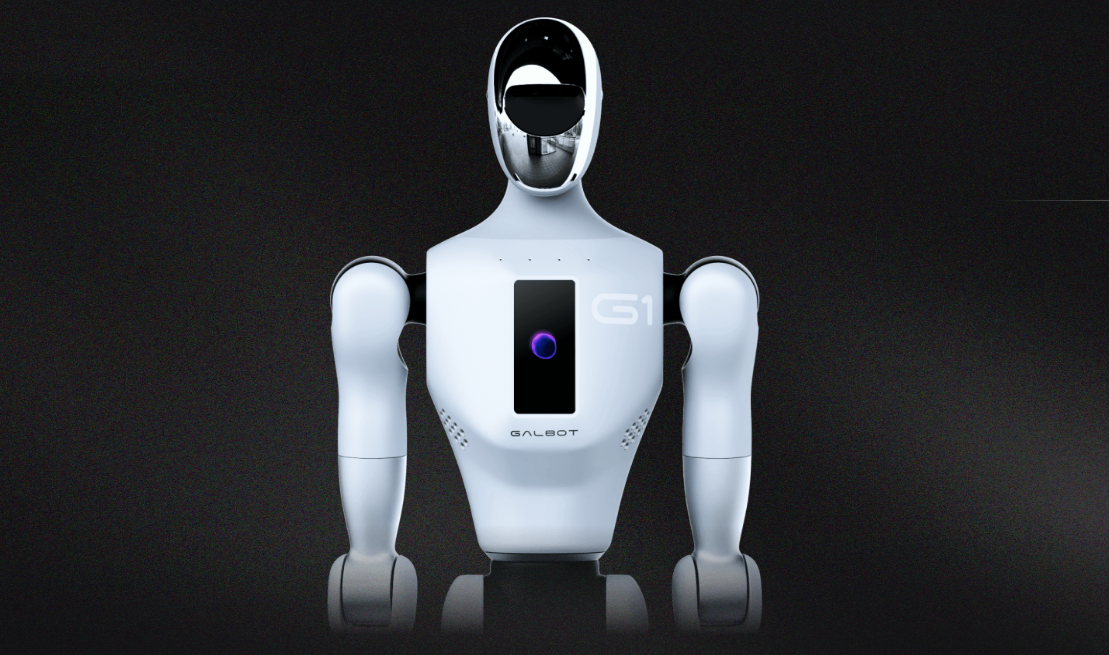
Looking ahead, Xinhai Map's strategy involves collecting operational data in open environments using its R1 and R1-Pro wheeled dual-arm robots while also providing the open-source GOD dataset, which has seen over 600,000 downloads. As the industry landscape evolves, with a shift from centralized hubs to multi-location development, the ability to adapt to real-world scenarios and continuously iterate models will be crucial for long-term success.
Editor's Note
The robotics industry is witnessing a shift towards real-world application and validation of technologies, moving away from reliance on simulation. Companies like Xinhai Map are leading this change by focusing on foundational algorithms and real-world data collection. As competition intensifies, the ability to demonstrate commercial viability will be essential for attracting investment and achieving sustainable growth.































Leave a comment