

Galaxea AI - 星海图(北京)人工智能科技有限公司)
Galaxea AI, founded 2023, develops embodied-intelligence robots combining advanced AI, dual-arm humanoids and multi-DOF manipulation, targeting industrial automation, teleoperation and flexible manufacturing.

RobotToday Initiative
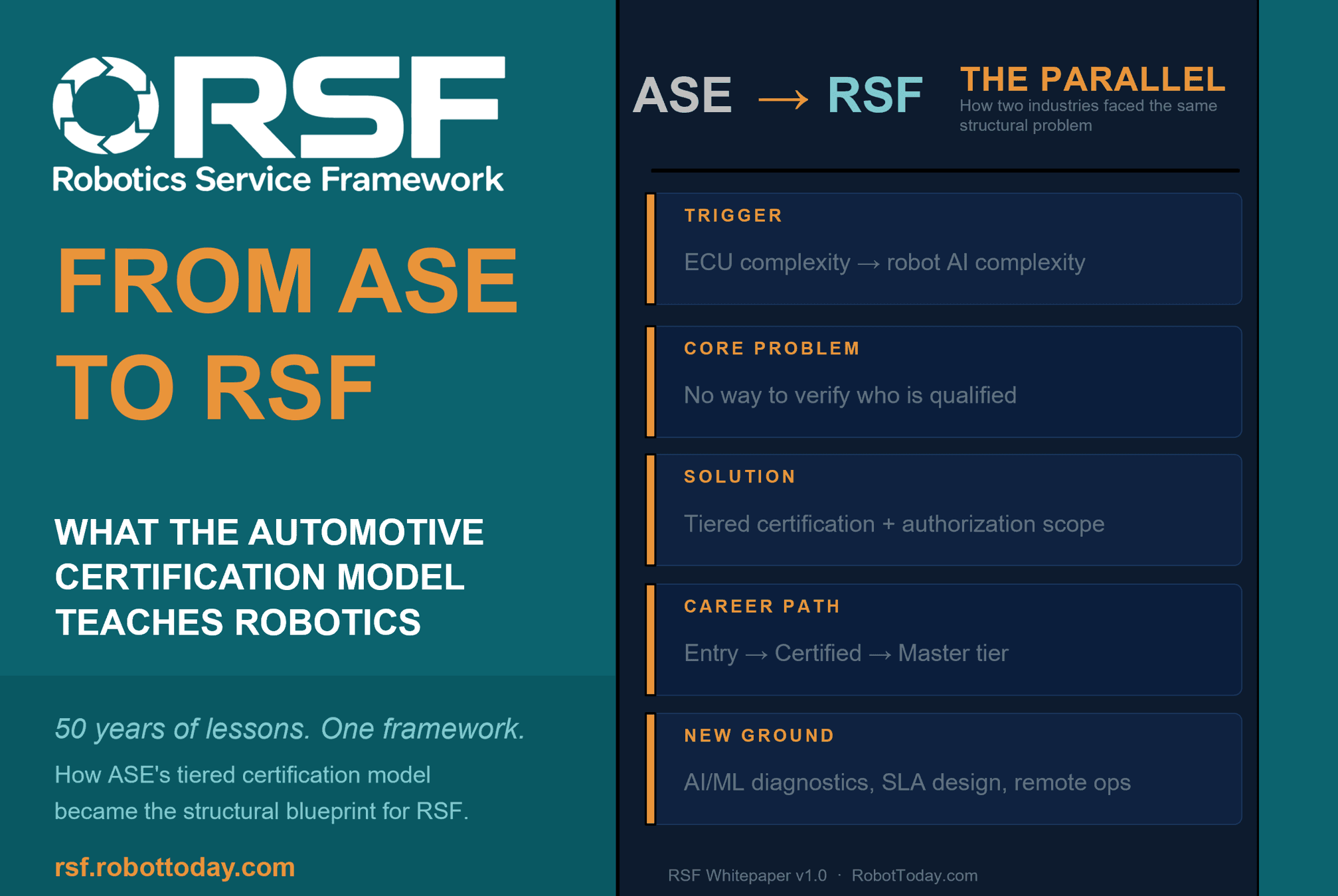
Robotics needs a service framework.
RSF defines a common language for robot service capability, lifecycle operations, certification pathways, and service-provider networks.
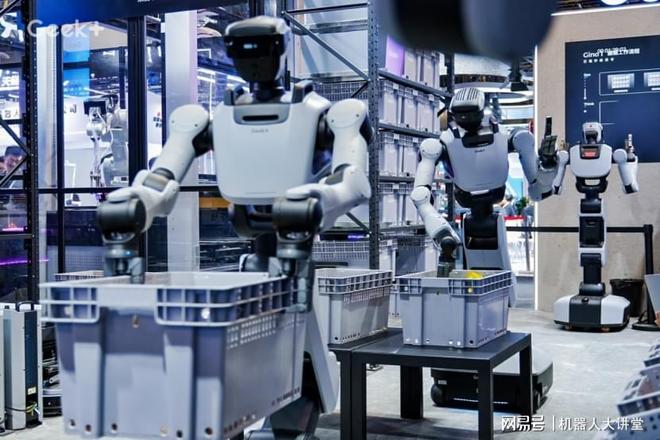
Gino 1 Robot Showcases Speed and Versatility at WAIC 2023
At the WAIC exhibition, the Gino 1 humanoid robot from Geek+ stood out by combining generalization capabilities with operational efficiency in real-world tasks. Unlike other robots that either excelled in speed or adaptability, Gino 1 demonstrated its ability to perform end-to-end workflows, including precise item picking and collaborative operations with mobile robots. The significance of Gino 1 lies in its advanced full-body parallel control, which reduces task completion time by approximately 30%. This innovative approach allows simultaneous movement and manipulation, resulting in smooth and stable operations without interruptions. The robot's integration with Geek+'s AI scheduling system enhances its efficiency across entire workflows rather than focusing on individual machine performance. Looking ahead, Gino 1's ability to adapt to various physical conditions and its dynamic response to unexpected challenges highlight its potential in real-world applications. As it continues to learn from each task, Gino 1 exemplifies the concept of self-evolution, making it a noteworthy development in the field of intelligent robotics. No further timeline was disclosed at the time of publication.
Humanoid Robots AI Warehouse Automation Robotics Technology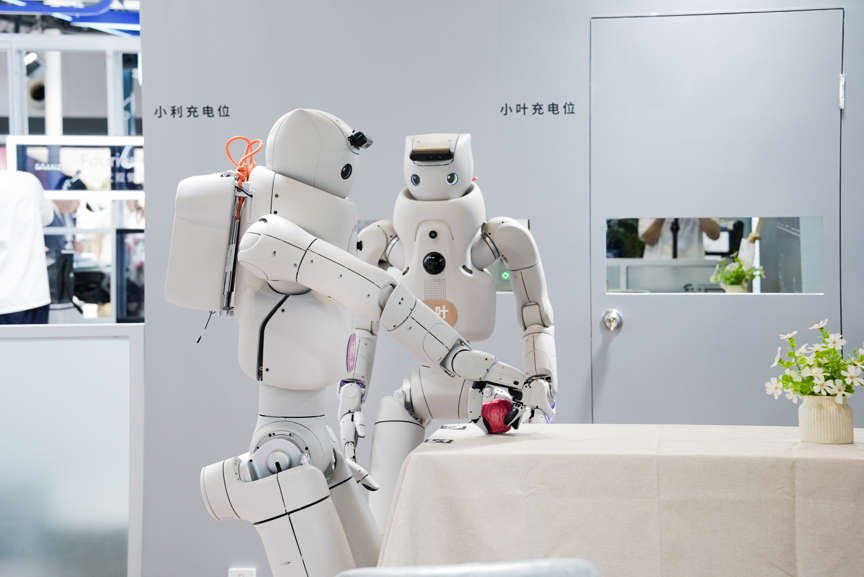
Fourier Introduces 'Embodied Home' Solution for Intelligent Robot Operations in 2026
In 2026, the embodied intelligence industry is transitioning from technology validation to large-scale commercialization. With support from capital and policy, the focus is shifting from rigid, high ROI scenarios like industrial manufacturing to commercial services and home environments. A key challenge remains: can robots effectively operate in the complex and unstructured home settings? The complexity of home environments poses significant challenges for humanoid robots, which must navigate unclear instructions and varied layouts. Current mainstream navigation AI struggles with personalized understanding, a critical shortcoming for practical applications in home services. At the World Artificial Intelligence Conference 2026, Fourier showcased the 'Embodied Home' solution, aiming to enable robots to understand their environment and intentions, thereby completing long sequences of tasks autonomously. The 'Embodied Home' solution integrates a semantic task execution hub for humanoid robots, combining large language models, 3D spatial semantic memory, navigation planning, and control execution. This allows robots to autonomously interpret and execute tasks based on natural language commands, enhancing user interaction and ensuring task reliability through a complex task scheduling mechanism. No further timeline was disclosed at the time of publication.
Robotics AI Home Automation Semantic Understanding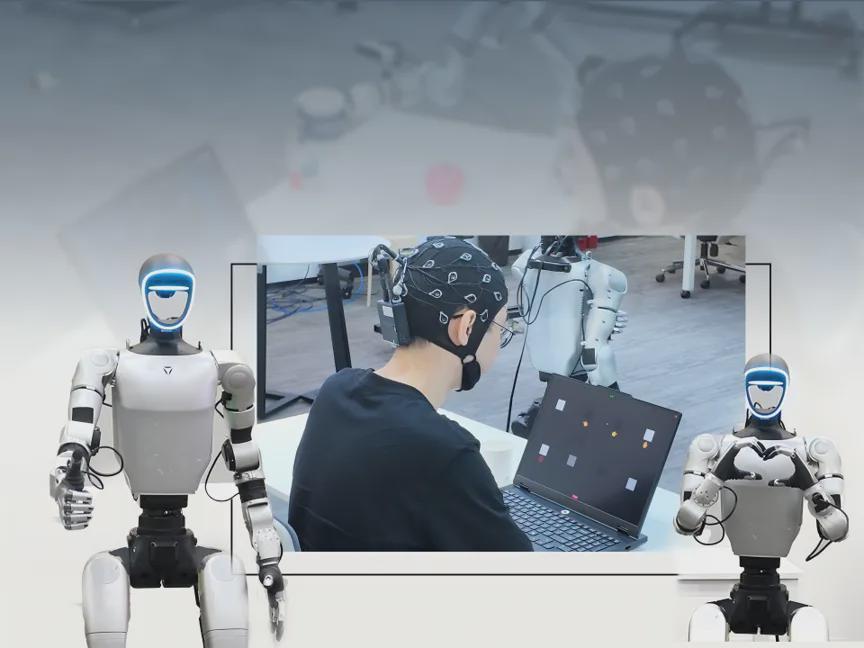
BrainCo Unveils Brain-Controlled Robot Training Platform at WAIC 2026
At the 2026 World Artificial Intelligence Conference (WAIC), BrainCo showcased a brain-controlled robot training platform. This innovative platform allows users to control robotic arms through brainwave signals, enabling actions like pouring water and picking apples without traditional interfaces. The significance of this technology lies in its ability to bridge the gap between human intention and robotic action. By decoding brain signals, the platform facilitates a direct communication pathway, allowing robots to understand and execute tasks based on users' thoughts. This advancement simplifies the integration of brain-machine interfaces with robotics, making it accessible to researchers without specialized backgrounds. Looking ahead, BrainCo's platform supports various robotic types, including humanoid robots and robotic arms, and is adaptable for ongoing developments. Researchers can select robots based on their study focus, whether for grasping tasks or complex human-robot interactions. No further timeline was disclosed at the time of publication.
Brain-Controlled Robots AI Research Neuro-Embodied AI Human-Robot Interaction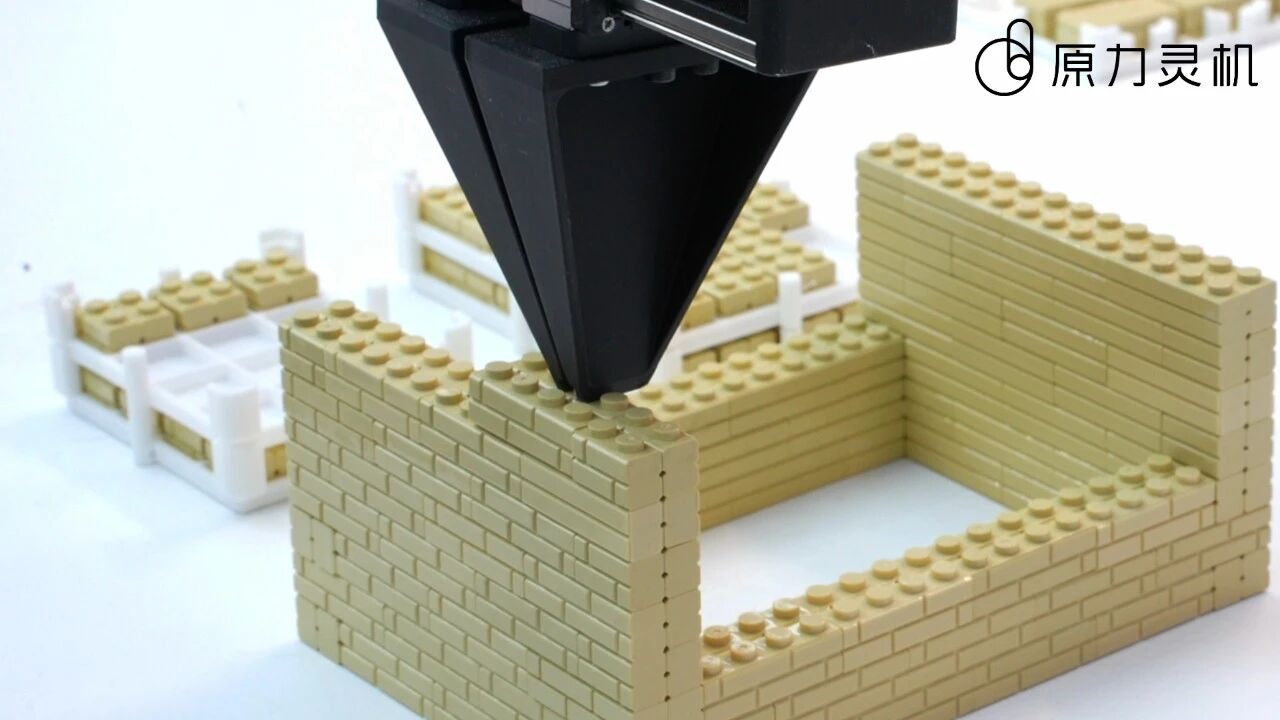
Six Robots Assemble a 3.5-Meter Great Wall Model Using 81,920 Blocks at WAIC
At the World Artificial Intelligence Conference (WAIC), six robots from General Embodied Intelligence Company, Yuanli Lingji, undertook a challenging task to assemble a Great Wall model using 81,920 micro building blocks over 15 hours. Each robot was required to complete approximately 910 assembly actions per hour, achieving a speed comparable to skilled human workers. This demonstration highlights the complexities of robotic assembly, as traditional industrial robots operate under fixed conditions, while block assembly requires real-time perception and adaptability to varying positions and angles. The robots needed to maintain sub-millimeter precision throughout the task, pushing the limits of robotic capabilities and mimicking human dexterity. The execution team consisted of four desktop robots and two humanoid wheeled robots, each equipped with independent perception, decision-making, and execution abilities. The challenge tested multi-agent collaboration in a dynamic environment, emphasizing the need for real-time negotiation and coordination among robots to adapt to unforeseen circumstances during the assembly process. No further timeline was disclosed at the time of publication.
Robotic Assembly AI Technology Collaborative Robotics Precision Engineering
Beijing Humanoid Robotics Showcases 3D Solutions at WAIC to Enhance Future Productivity
On July 17, the 2026 World Artificial Intelligence Conference (WAIC) commenced in Shanghai, focusing on embodied intelligence and digital industrialization. Beijing Humanoid Robotics unveiled its 3D solutions, emphasizing a new industry standard of 'technology with warmth, rapid deployment, and broad industry application.' The company aims to transition humanoid robots from experimental settings to real-world applications, addressing industry challenges such as high customization costs and lengthy development cycles. The introduction of these 3D solutions is significant as it targets core operational needs in commercial, industrial, energy, inspection, and logistics sectors. By focusing on three specific areas—Dirty, Dangerous, and Dull tasks—Beijing Humanoid Robotics aims to replace manual labor in high-risk and repetitive jobs, thereby enhancing productivity across various fields. This marks a shift towards a more systematic and standardized approach in the embodied intelligence industry. Looking ahead, the company plans to continue developing its technology and solutions, inviting global partners to collaborate in building a new ecosystem for embodied intelligence. No further timeline was disclosed at the time of publication.
Humanoid Robots Industrial Automation AI Solutions Robotics Technology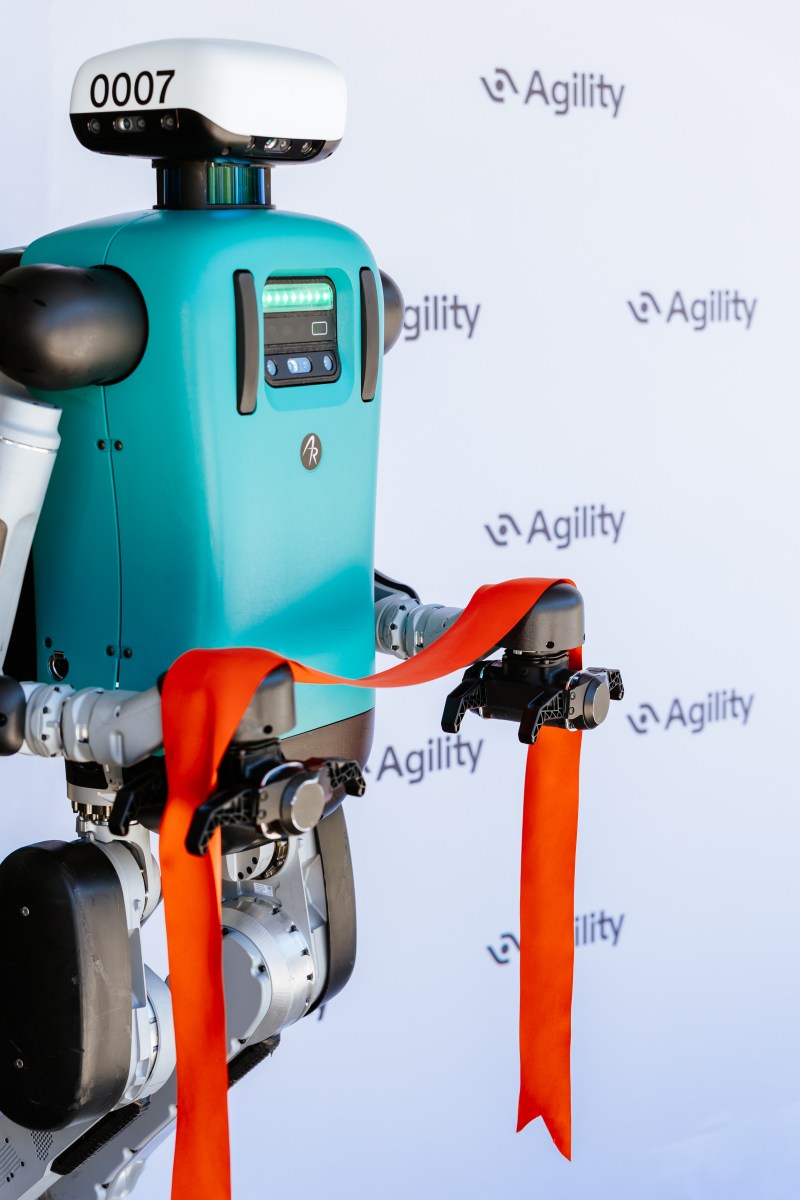
Agility Robotics Opens New Facility in Fremont to Train Humanoid Robot Digit
Agility Robotics is establishing a 60,000-square-foot facility in Fremont, California, to enhance the training of its humanoid robot, Digit. This location is strategically close to Tesla's factory, where production of the Optimus robot is anticipated to begin this year. Agility's CEO, Peggy Johnson, emphasized the importance of being in proximity to Tesla, as it fosters a competitive environment in the humanoid robotics sector. The significance of this development lies in Agility's established presence in the market, with Digit already generating revenue through tasks such as transporting totes and bins for major clients including Amazon and Toyota Motor Manufacturing Canada. The company has secured $300 million in contract orders, showcasing its commercial viability. Agility's approach focuses on practical autonomy, ensuring safety and compliance in operational environments, which sets it apart from newer AI-driven robotic startups. Looking ahead, Agility is in discussions with over 30 potential customers for Digit's deployment, and the new facility will facilitate the robot's skill development in realistic settings. The upcoming version 5 of Digit, expected to be revealed this fall, will feature enhanced capabilities to sense human presence, marking a significant step towards broader operational applications.
AI Robotics agility robotics Optimus Tesla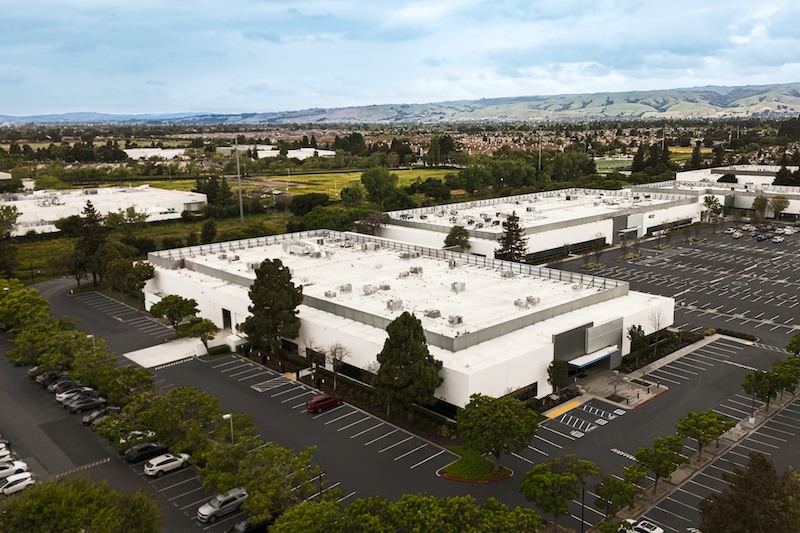
Agility Robotics Launches New Facility in Fremont to Enhance Physical AI Development
Agility Robotics has inaugurated a new facility in Fremont, California, aimed at accelerating advancements in physical AI that enhance customer operations. This 60,000-square-foot site will serve as a hub for software development and AI capabilities, focusing on training and testing technologies that enable the humanoid robot, Digit, to acquire new skills and perform complex tasks in various environments. The establishment of this facility is significant as it positions Agility Robotics in the heart of Silicon Valley, a region known for its AI talent and innovation. The company plans to employ nearly 200 staff members, including experts in hardware engineering and AI/ML software, to drive the development of next-generation AI capabilities that will enhance Digit's safety and productivity in enterprise settings. Looking ahead, Agility Robotics has secured over $300 million in multi-year orders for Digit v5 and has a growing pipeline of more than 30 customers. The Fremont facility is crucial for meeting the increasing demand for humanoid robots in warehouses and manufacturing, as it aims to deliver ongoing safety and productivity improvements in collaboration with human workers. No further timeline was disclosed at the time of publication.
Humanoids Infrastructure News agility robotics ai artificial intelligence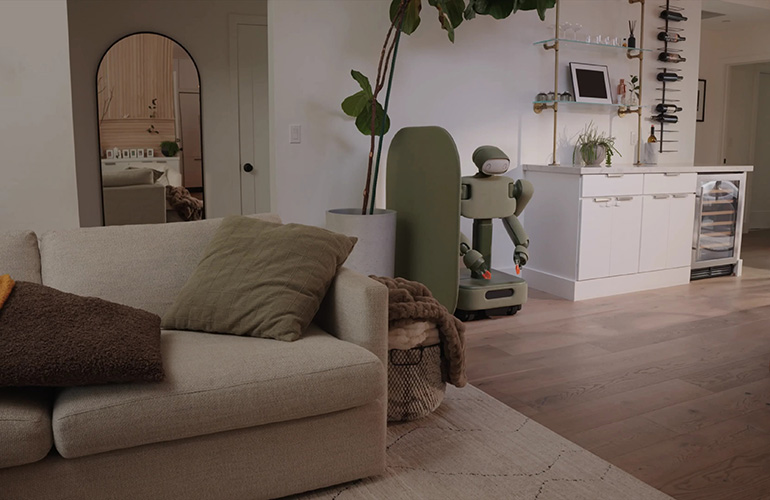
Weave Robotics Introduces Isaac 1, Its First Mobile Humanoid Robot for Home Use
Weave Robotics has launched Isaac 1, a wheeled humanoid robot designed for household chores, with deliveries set to begin this fall. Priced at $7,999 or $449 per month, Isaac 1 features a friendly design and is equipped to perform tasks like folding laundry and tidying rooms. The introduction of Isaac 1 marks a significant step in consumer robotics, providing an approachable solution for everyday household tasks. With its adjustable height and autonomous navigation, the robot can efficiently move around homes, allowing users to schedule tasks via a companion app. Looking ahead, Weave Robotics aims to position Isaac 1 as an affordable entry point into home robotics. The company has previously sold units of Isaac 0 for laundry services, and it will be interesting to see how the market responds to this new consumer-focused model. No further timeline was disclosed at the time of publication.
Arms / Manipulators Autonomous Mobile Robots (AMRs) Human Robot Interaction / Haptics Humanoids News household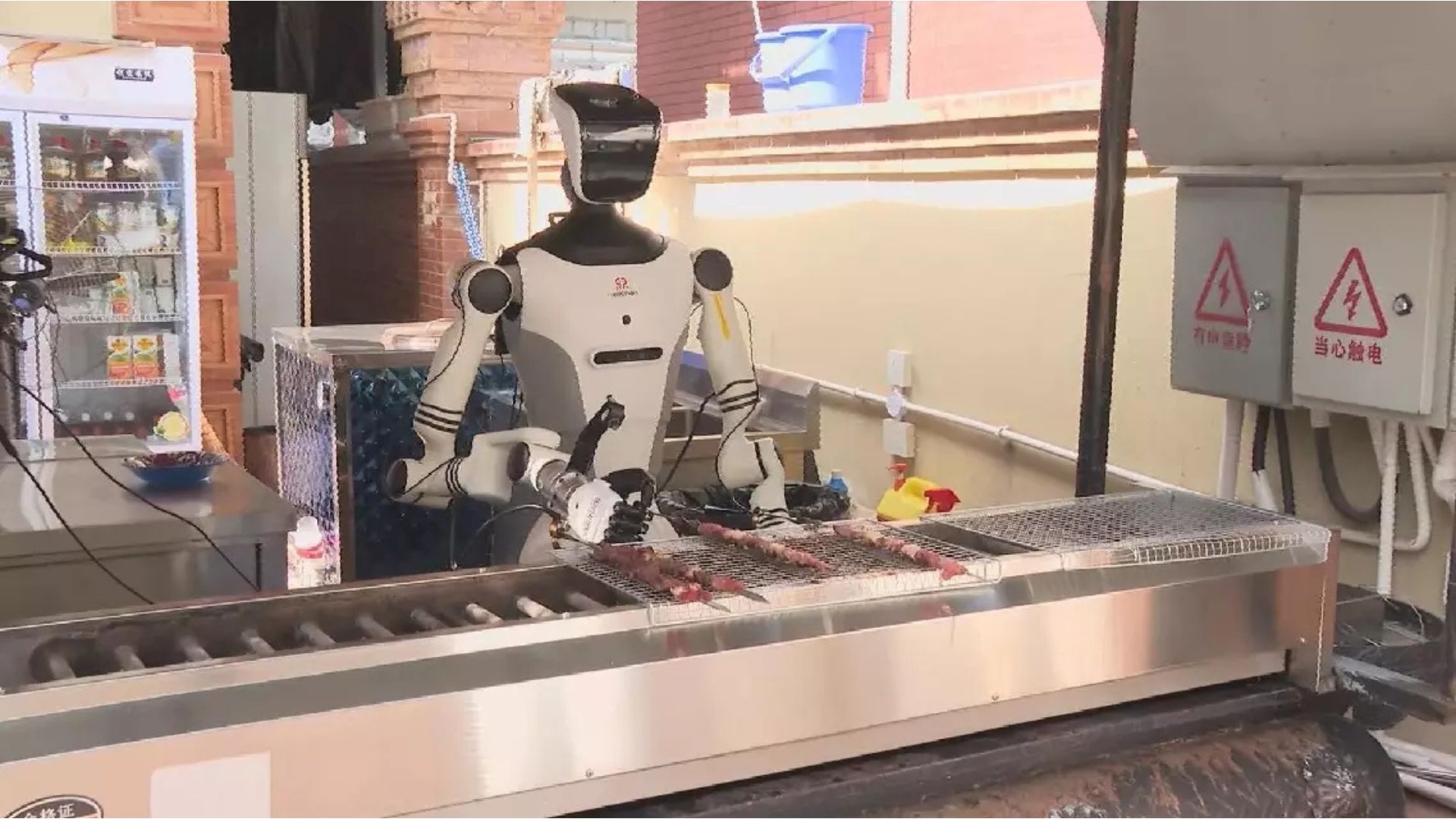
Humanoid Robot Showcases Cooking Skills in Live Demo of Xinjiang Dishes
A humanoid robot demonstrated its culinary abilities by preparing traditional Xinjiang dishes during a live show in Yining City, China. The robot successfully grilled kebabs and skewered meat, showcasing its coordination and force control after less than a week of specialized training, although it still lagged behind experienced chefs. This demonstration is significant as it highlights the advancements in embodied artificial intelligence and robotic dexterity, particularly in complex tasks like food preparation. The event took place on July 15, emphasizing the potential for humanoid robots to tackle real-world challenges that require precision and adaptability. Looking ahead, the demonstration served as a precursor to the second World Humanoid Robot Games in Beijing, scheduled for August 22 to 26. This event will further showcase the progress in humanoid robotics and their applications in various sectors beyond manufacturing, such as hospitality and healthcare.
AI and Robotics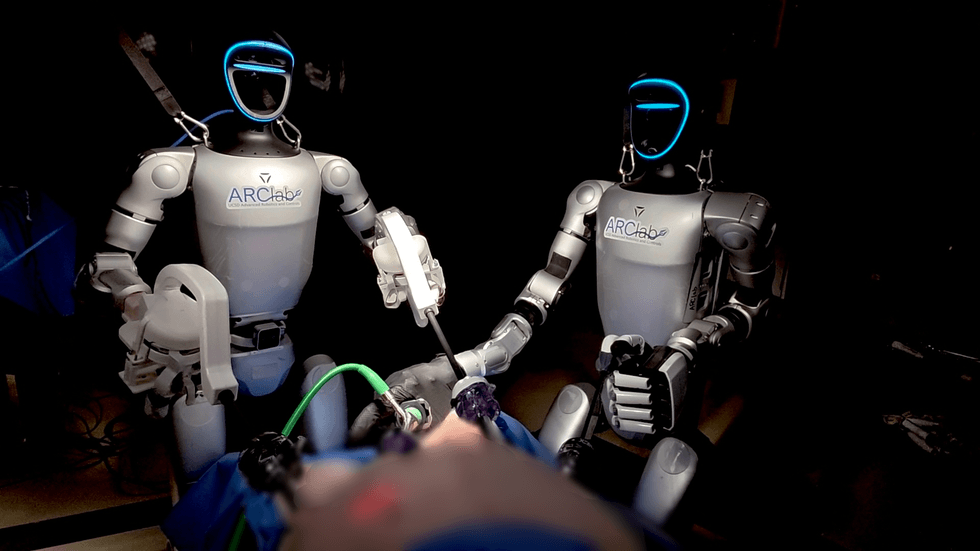
Weekly Robotics Videos Showcase Advances in Humanoid Surgery and Quadrupedal Locomotion
This week's Video Friday highlights significant advancements in robotics, including a systematic evaluation of humanoid technology for laparoscopic surgical tasks. Researchers developed a humanoid-based teleoperation framework and assessed its performance through various studies, revealing both potential and challenges for clinical deployment. The importance of these developments lies in their ability to enhance surgical precision and efficiency, which could transform medical practices. The study provides an evidence-based assessment of humanoid capabilities, emphasizing the need for further technical improvements before widespread clinical use. Looking ahead, the robotics community will continue to explore the integration of advanced technologies in surgical applications and other fields. Upcoming events, such as the Summer School on Multi-Robot Systems and Actuate 2026, will provide platforms for sharing insights and innovations in robotics.
Humanoid-robots Video-friday Quadruped-robots Robot-videos Robot-surgeon Boston-dynamics
LingBot-VLA 2.0: Open-Source Universal Brain for Robots
Robbyant open-sources LingBot-VLA 2.0, a vision-language-action model trained on 60,000 hours of data for cross-morphology, whole-body robot control.

ROBOTTODAY Weekly May 18 – 22, 2026
This week in robotics: Hyundai plans 25,000 Atlas robots for its factories, XPENG rolls off China’s first mass-produced L4 robotaxi, Singapore launches its first multi-operator physical AI testbed, and Kawasaki Heavy opens a Silicon Valley physical AI center with NVIDIA. May 18–22, 2026.






Leave a comment