


WiBotic
Wireless charging systems for autonomous mobile robots, drones, and UUVs; adaptive resonant inductive technology for autonomous recharging.
Contact WiBotic
WEBSITE
https://www.wibotic.comPHONE
+1 206-519-7440HEADQUARTERS
United States

Company Facts
Founded
2015
Primary Role
Manufacturer
Company Size
employees 10-50
Primary Region
North America
Annual Sales
-
Funding Stage
-
Funding Total
-
Keywords
- WiBotic
- wireless charging
- AMR
- drone charging
- inductive power
- autonomous charging
- UW spinout
- Commercial Service Robots
- Software & Algorithm Provider
- Cloud & Data
- Manufacturer
- Motion & Actuation
- Connectivity
- Power & Energy
- Logistics & Supply Chain
- Defense & Security
- Special / Extreme Environments
- Aerospace & Space

Qualcomm Partners with Amazon to Develop Advanced AI Data Center Infrastructure
Qualcomm Technologies Inc. has entered into a collaboration with Amazon to create customized silicon for large-scale AI data centers, focusing on AI inference. This partnership aims to enhance data center infrastructure by improving computing and connectivity capabilities, as highlighted by Qualcomm's President and CEO, Cristiano Amon. The significance of this collaboration lies in addressing the escalating demand for AI workloads, which necessitate advancements in compute, storage, networking, and energy-efficient infrastructure. By combining Amazon's robust AI infrastructure with Qualcomm's expertise in power-efficient processing and silicon design, the partnership is poised to deliver innovative solutions for next-generation AI infrastructure. Looking ahead, Qualcomm and Amazon will work on high-performance optical connectivity solutions capable of supporting bandwidth demands of up to 1.6 terabits per second. The collaboration indicates a long-term commitment to developing customized silicon across multiple generations, which could lead to significant advancements in AI data center capabilities.
AI and Robotics
Swarmer Signs Agreement to Acquire Ratel Robotics for Up to $224 Million
Swarmer Inc. has announced an agreement to acquire Ratel Robotics, a prominent Ukrainian manufacturer of uncrewed ground vehicles (UGVs), for up to $224 million. This acquisition aims to enhance Swarmer's capabilities in providing autonomous systems, leveraging Ratel's expertise in UGVs that have been deployed for various defense operations in Ukraine. The significance of this acquisition lies in the growing demand for cost-effective autonomous systems in defense, particularly as Ukrainian companies have demonstrated their ability to develop advanced technologies at lower costs compared to Western counterparts. Swarmer's integration of Ratel's battle-tested UGVs with its own autonomy software is expected to create versatile solutions for modern warfare. Looking ahead, Swarmer plans to combine ground and aerial capabilities with increased autonomy levels, marking a pivotal evolution in military operations. Ratel Robotics, founded in 2023, has already developed systems for battlefield logistics and reconnaissance, and its collaboration with Swarmer could lead to further advancements in unmanned systems. No further timeline was disclosed at the time of publication.
Defense / Security Drones Mergers & Acquisitions Mobility / Navigation Networking / Connectivity News
Alibaba Integrates 1688 and Alibaba.com Under Unified Management Structure
Alibaba has initiated the integration of its domestic wholesale platform 1688 with the cross-border marketplace Alibaba.com, placing both under the leadership of Kuo Zhang, Alibaba's vice president and president of Alibaba.com. The former head of 1688 will transition to a different role within the organization. This strategic move aims to streamline operations between the two platforms, which have functioned independently for over 20 years, catering to domestic and international wholesale markets. By unifying these platforms, Alibaba seeks to enhance connectivity between Chinese suppliers and overseas buyers, leveraging shared operations and AI tools to improve efficiency. Looking ahead, the integration is expected to foster greater collaboration and innovation within Alibaba's Global Wholesale segment. No further timeline was disclosed at the time of publication.
News Feed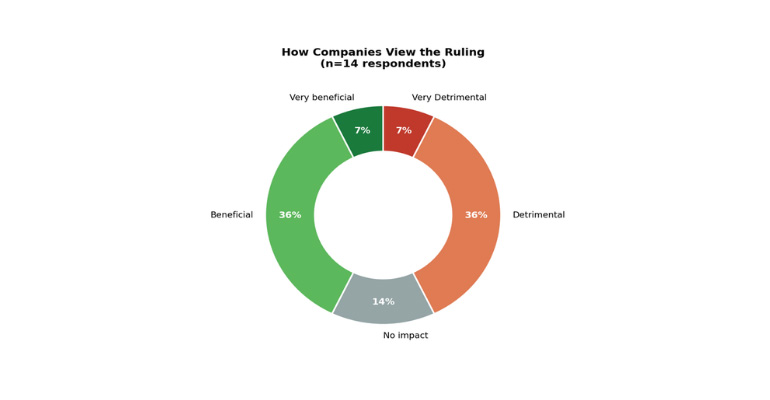
MassRobotics Reveals Mixed Reactions to FCC Robotics Ban in Member Survey
MassRobotics conducted a survey among its members regarding the FCC's ban on foreign-made advanced robotic devices, which was announced in July 2026. The ban targets ground-based robots over 4.4 lb. that utilize environmental sensors and connectivity, with a requirement for 65% of components to be domestically produced, increasing to 75% by 2029. The survey revealed that opinions on the FCC ruling were evenly split, with 43% of respondents viewing it as beneficial and an equal percentage considering it detrimental. The sentiment largely depended on the companies' manufacturing footprints, with domestic producers seeing it as an advantage while those reliant on foreign supply chains viewed it as disruptive. Looking ahead, the FCC's policy has prompted companies to reassess their supply chains, with 29% of surveyed organizations indicating plans to onshore production. No further timeline was disclosed at the time of publication.
Autonomous Mobile Robots (AMRs) China Defense / Security Drones Humanoids Manufacturing
9th China Robot Summit Scheduled for September 2026 in Hangzhou with Key Themes and Guests
The 9th China Robot Summit is set to take place from September 16 to 18, 2026, in Hangzhou's Future Science City Academic Exchange Center. The summit will focus on the theme 'Intelligent Connectivity New Ecology, Empowering All Scenarios - The Intelligent Change and Quality Change of the Robot + Era', organized by the China Electromechanical Integration Technology Application Association. This event marks a significant moment for the Chinese robotics industry as it transitions from experimental phases to mass production, particularly for humanoid robots. The summit will gather industry leaders, founders of unicorn companies, and key players in the supply chain to discuss critical paths from capital frenzy to commercial realization, making it a vital platform for insights and resource connections. Attendees can expect a comprehensive agenda featuring keynote speeches, roundtable discussions, thematic forums, and exhibitions. The registration deadline is September 11, 2026, and the summit promises to offer unprecedented inspiration and opportunities for researchers, corporate decision-makers, and investors alike. No further timeline was disclosed at the time of publication.
Robotics Industry Technology Innovation Industry Summit Exhibitions Networking
China’s Dexterous Hand Industry, 2026 Part 3 — The Players
Five vendor archetypes, MIR’s composite top ten, eight company profiles and six field deployments — every firm linked to the RobotToday supplier directory.

Elon Musk Declares Cybercab Launch Marks 'Golden Era' of Mobility with Starlink Integration
Tesla Inc. CEO Elon Musk announced the launch of the Cybercab, heralding a new era in mobility. He emphasized the vehicle's integration with Space Exploration Technologies Corp.'s Starlink internet, which will enable passengers to enjoy 4K live video during rides. Musk's comments highlight the significance of the Cybercab as a transformative product in the transportation sector, reflecting Tesla's commitment to innovation and connectivity. The introduction of Starlink connectivity is expected to enhance the user experience, making rides more enjoyable and engaging. Looking ahead, Musk mentioned a workforce expansion at Tesla, projecting over 30,000 employees at the company's headquarters and manufacturing facilities in Austin by 2028. This growth underscores Tesla's ambition to lead in the evolving mobility landscape. No further timeline was disclosed at the time of publication.

China’s Dexterous Hand Industry, 2026 Part 1 — The Demand Picture
MIR Databank puts China dexterous hand shipments above 30,000 units in 2026, yet only 3.5% of 2025 demand came from factory production. Part 1 of 3.

Exploring the Role of FPGAs in Enhancing Physical AI Security
In Episode 260 of The Robot Report Podcast, Eric Sivertson, vice president of security at Lattice Semiconductor, discusses the significance of FPGAs in physical AI security. He highlights how these field-programmable gate arrays are crucial for building safe and secure robots, emphasizing their role in enhancing trust in embedded systems. The conversation underscores the growing importance of security in robotics, particularly as the industry shifts towards more advanced AI applications. Sivertson's extensive experience in developing technologies for security and connectivity positions him to provide valuable insights into the challenges and opportunities within this sector. Listeners should pay attention to the evolving landscape of physical AI security and the potential for FPGAs to serve as foundational elements in safeguarding robotic systems. No further timeline was disclosed at the time of publication.
Artificial Intelligence Autonomous Mobile Robots (AMRs) Humanoids Manufacturing Markets / Industries Microprocessors / SoC
Exploring Wireless Connectivity's Role in Advancing Physical AI and Humanoids
As artificial intelligence transitions from research environments to practical applications in homes, warehouses, and factories, the importance of wireless connectivity has surged. It is now considered as vital to a robot's intelligence as the AI model itself. This shift highlights the necessity for a robust wireless infrastructure that supports low-latency, low-power, and high-speed communication. Such capabilities are essential for enabling embodied AI, which relies on seamless interaction with its environment. Looking ahead, the development of a multi-radio stack will be crucial for the future of physical AI and humanoid robots. The integration of advanced wireless technologies will likely enhance their operational efficiency and responsiveness. No further timeline was disclosed at the time of publication.
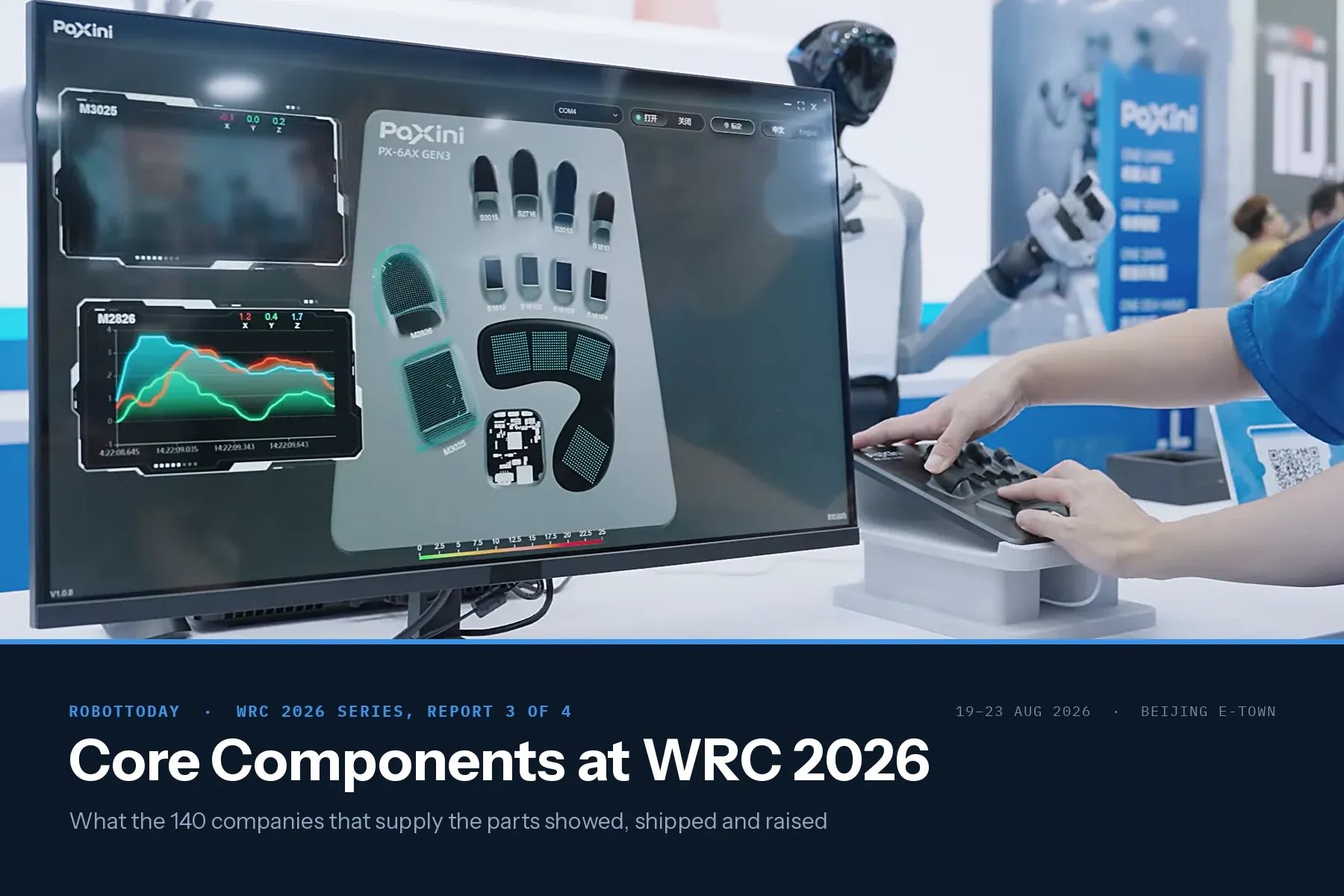
WRC 2026 Core Components: 137 Robot Parts Suppliers
The third report in the WRC 2026 series. Report 1 mapped all 248 exhibitors by category and Report 2 covered the 139 that build finished robots. This one covers the 137 that build what goes inside them.

WRC 2026 Exhibitor Map: 248 Robotics Companies Mapped
We classified 248 WRC 2026 exhibitors with the RobotToday taxonomy. Motion & Actuation leads at 75 companies, Humanoid at 72, and compute stays thin at 12. (Modified 2026-08-27)
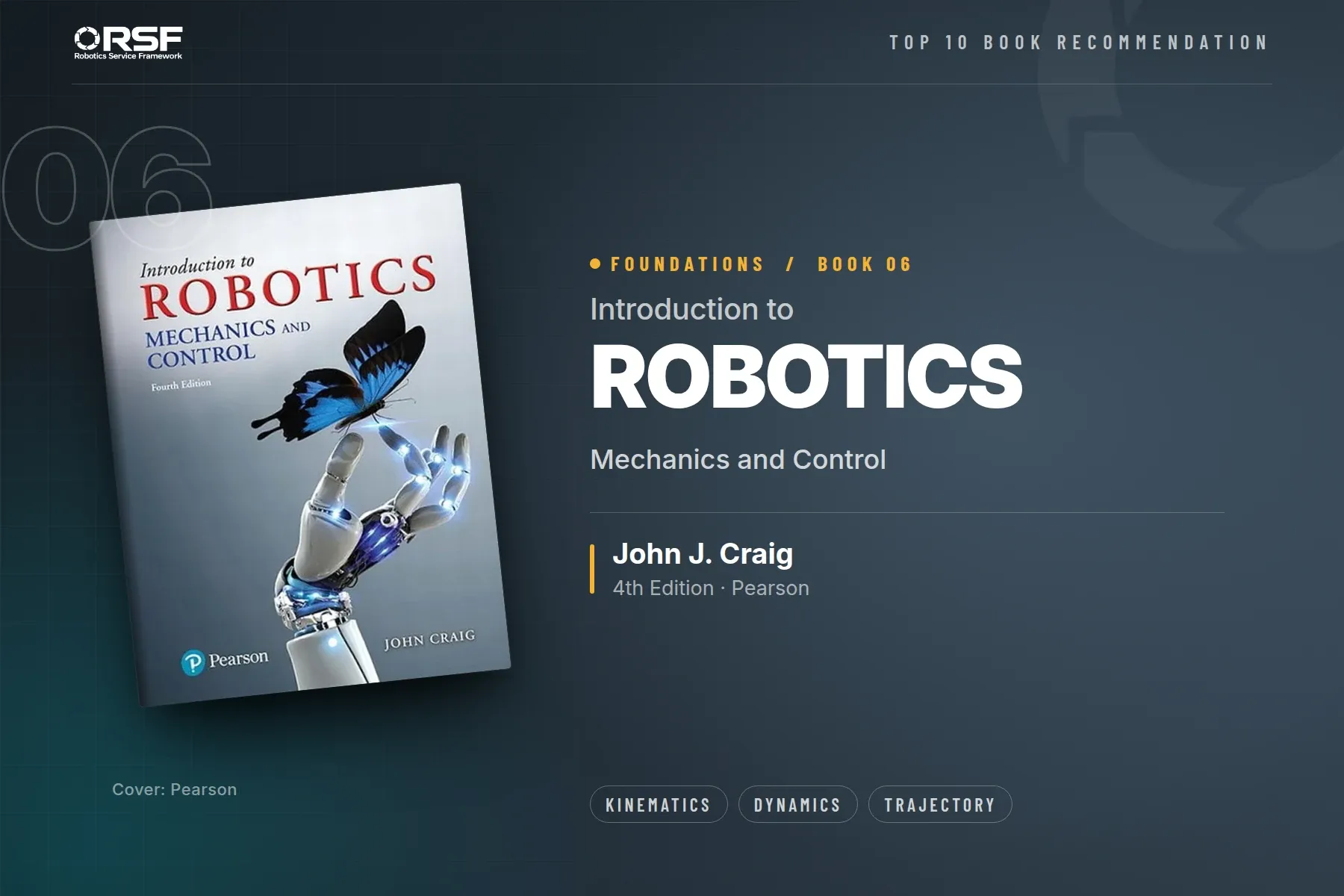
Introduction to Robotics J. J. Craig — RSF Top 10 Robot Education Textbooks · No. 6
Six of ten benchmark universities teach kinematics from Craig. Frames, transforms and D-H parameters: the language vendor manuals already speak.
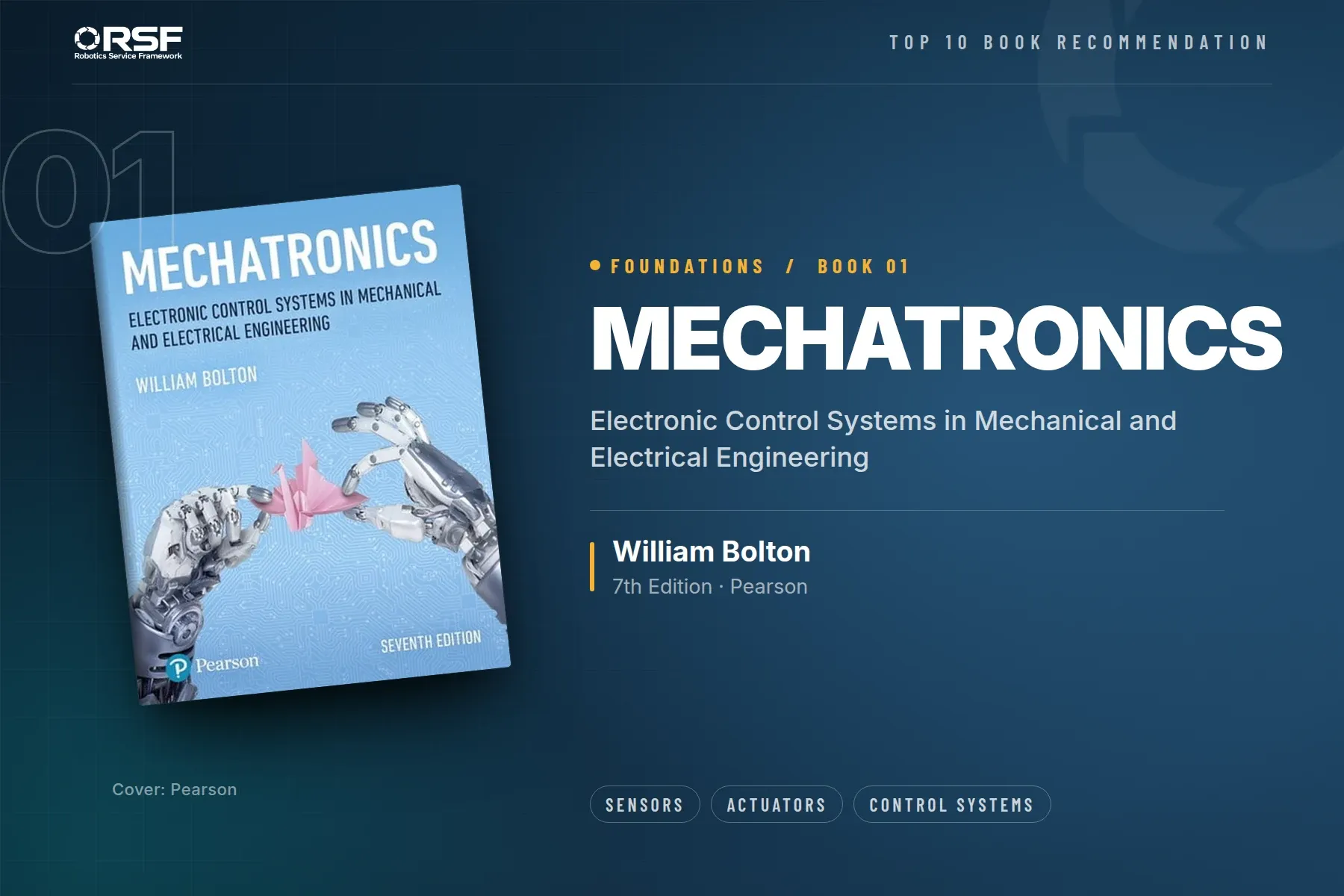
Mechatronics W. Bolton — RSF Top 10 Robot Education Textbooks · No. 1
Bolton's Mechatronics ranks No.1 for robot service engineers: encoders, drives, sensors and the Layer 2 faults most textbooks skip. Difficulty 2/5.

In Robotics, Ruggedization Is No Longer Optional
As the field of robotics advances, the need for ruggedized design in autonomous systems is increasingly recognized as essential for dependable performance in real-world environments. This shift highlights the growing importance of durability and resilience in robotic applications, moving beyond controlled settings to tackle more challenging conditions. The push for ruggedization is driven by the demand for robots to operate effectively in diverse and often harsh environments, ensuring they can withstand various operational stresses. This trend reflects a broader evolution in robotics, as developers prioritize the integration of robust features to enhance reliability and functionality in practical applications. The emphasis on rugged design is becoming a fundamental requirement for the future of autonomous robotics.
Sponsored Content WiBotic
Pittsburgh Regional Alliance Convenes Nine CMU-Rooted Robotics Firms at Automate 2026
At Automate 2026, the Pittsburgh Regional Alliance convened nine robotics firms — most spun out of Carnegie Mellon — spanning materials, perception and AMRs.

CONSTRUCTION ROBOTICS | BUSINESS MODELS & INVESTMENT LANDSCAPE
Construction robotics attracted $4.4 billion in built environment tech funding through Q3 2025. SoftBank acquired ABB Robotics for $5.375 billion. RaaS is displacing capex models. AI-native platforms command 39x revenue multiples. This is where money meets machines.
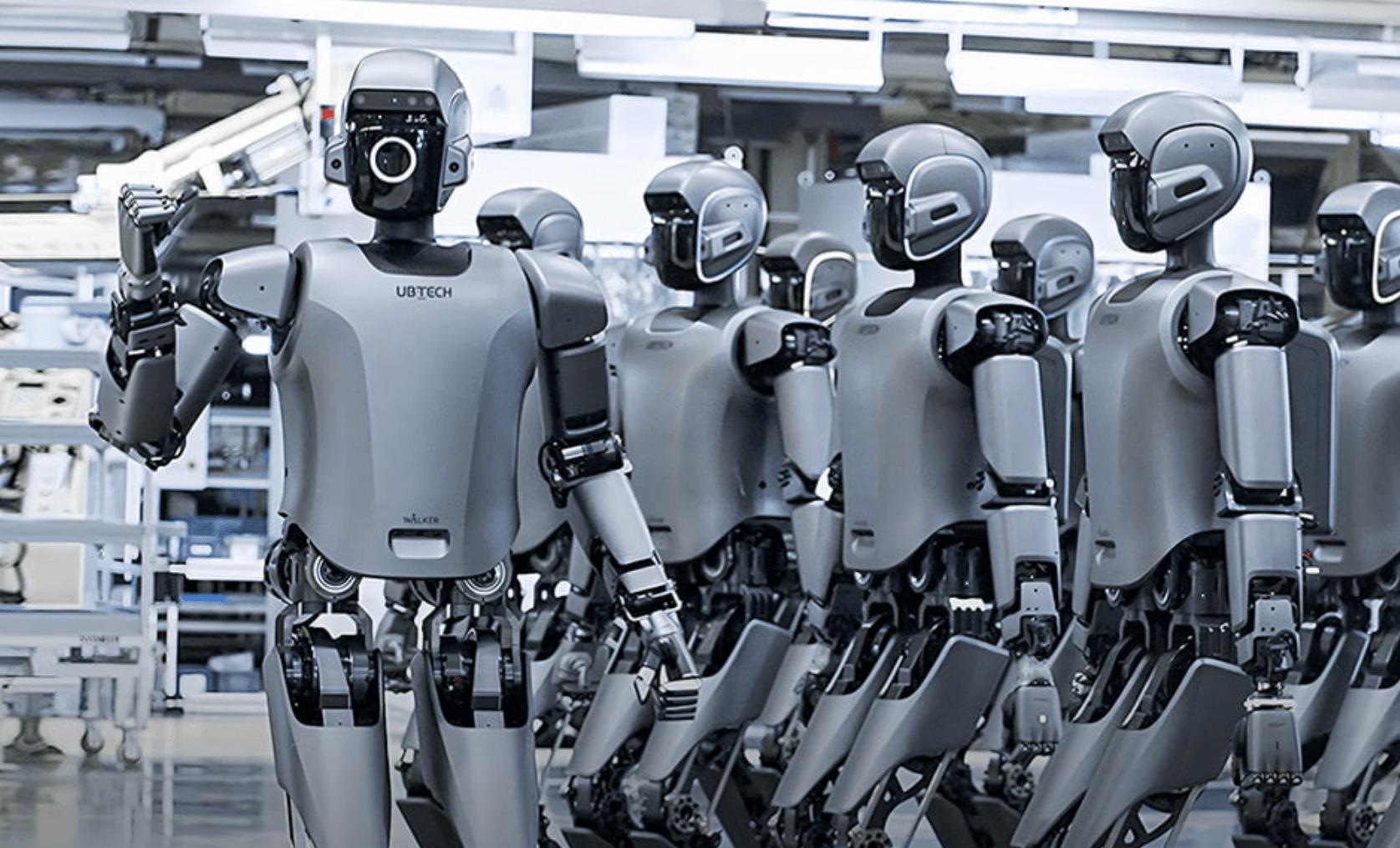
U.S. Moves to Ban Chinese Robots: Supply Chain Shock or Strategic Decoupling?
A bipartisan U.S. bill targets Chinese humanoid and autonomous robots in federal procurement. We analyse the supply chain, investor, and geopolitical implications for both China and U.S. robotics markets.

Cutting the Cord Beneath the Surface
WiBotic, a company specializing in wireless power technology, has developed a new system designed for underwater environments where flexibility and robustness are prioritized over maximum theoretical efficiency. This innovative technology addresses the unique challenges posed by underwater operations, allowing for more reliable power delivery in these demanding conditions. The development comes as part of WiBotic's ongoing efforts to enhance the capabilities of underwater systems, which are increasingly relied upon for various applications, including research, exploration, and maintenance tasks. The project reflects a growing recognition of the need for adaptable solutions in environments where traditional power methods may fall short.

RobotToday Weekly Industry Briefing: March 23 – March 27, 2026
RobotToday's weekly industry briefing for March 21–28, 2026 covers Physical Intelligence's $1B raise, Amazon's Fauna Robotics acquisition, Agile Robots' DeepMind partnership, the launch of Europe's first robotaxi service, DJI's Avata 360 drone, Skydio's $52M Army order, and the latest in humanoid, AMR, and drone technology.


