

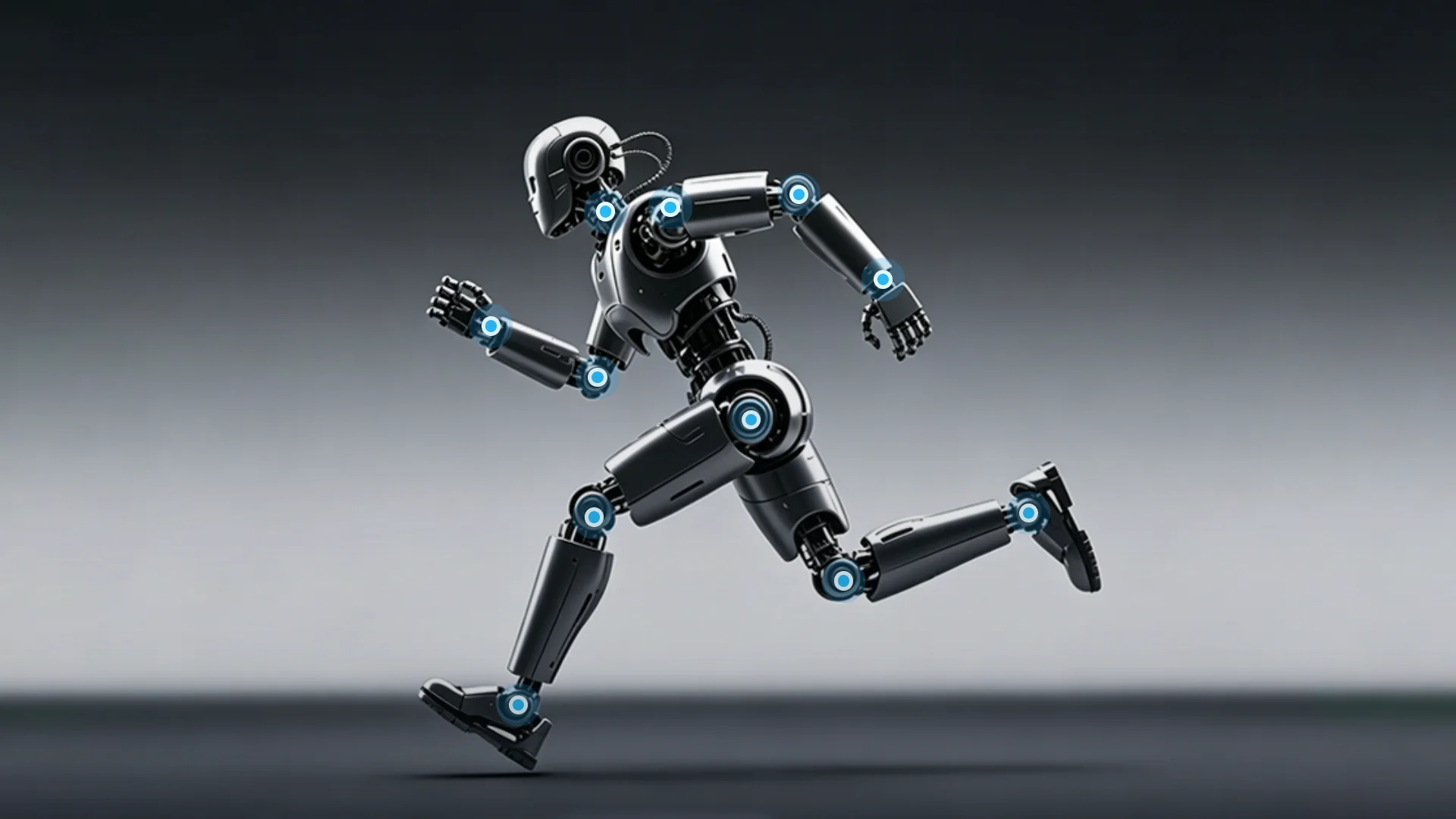
The humanoid robotics sector is at a pivotal moment as advancements in artificial intelligence have outpaced hardware development. While AI has improved robots' cognitive abilities, the physical motion capabilities, particularly actuator technology, remain a significant hurdle. For humanoid robots to operate effectively in real-world environments, they require actuators that can deliver high torque, respond quickly, and absorb impacts safely.
This disparity between software and hardware highlights the urgent need for enhanced actuator systems. Traditional industrial robots are designed for predictable settings, but humanoid robots must navigate dynamic, human-centric spaces. This necessitates compact, powerful actuators that can provide mechanical compliance and precise torque control, essential for safe human-robot interactions.
To address these challenges, the robotics industry is shifting towards Quasi-Direct Drive (QDD) architectures. These systems offer high torque density and low friction, enabling robots to react to external forces with human-like compliance. Continued innovation in actuator technology will be crucial for the successful deployment of humanoid robots in diverse applications. No further timeline was disclosed at the time of publication.
Editor's Note
As humanoid robots evolve, the focus on actuator technology becomes increasingly critical. The ability to create robust and responsive motion systems will determine how effectively these robots can operate in unpredictable environments. This shift may influence supply chain dynamics and investment strategies within the robotics sector, as companies seek to bridge the gap between advanced AI capabilities and physical execution.





















Leave a comment