


Zhejiang Rongtai (Rongtai Tech) is a high-performance insulation materials specialist that has quietly become a strategic upstream player in both Tesla’s EV and humanoid-robot roadmaps. Listed on Shanghai’s main board, Rongtai generates several billion RMB in annual revenue, with its core product—NEV battery thermal-runaway protection and insulation parts—holding over 27% global market share. The company is confirmed as a Tesla supplier and has begun supporting Optimus with insulation and safety materials for high-power electric drives and dense electronics. For investors tracking the Tesla humanoid ecosystem, Rongtai sits at the “safety + insulation” layer of the supply chain rather than the actuator/mechanical tier.
1. Company Profile and Financial Scale
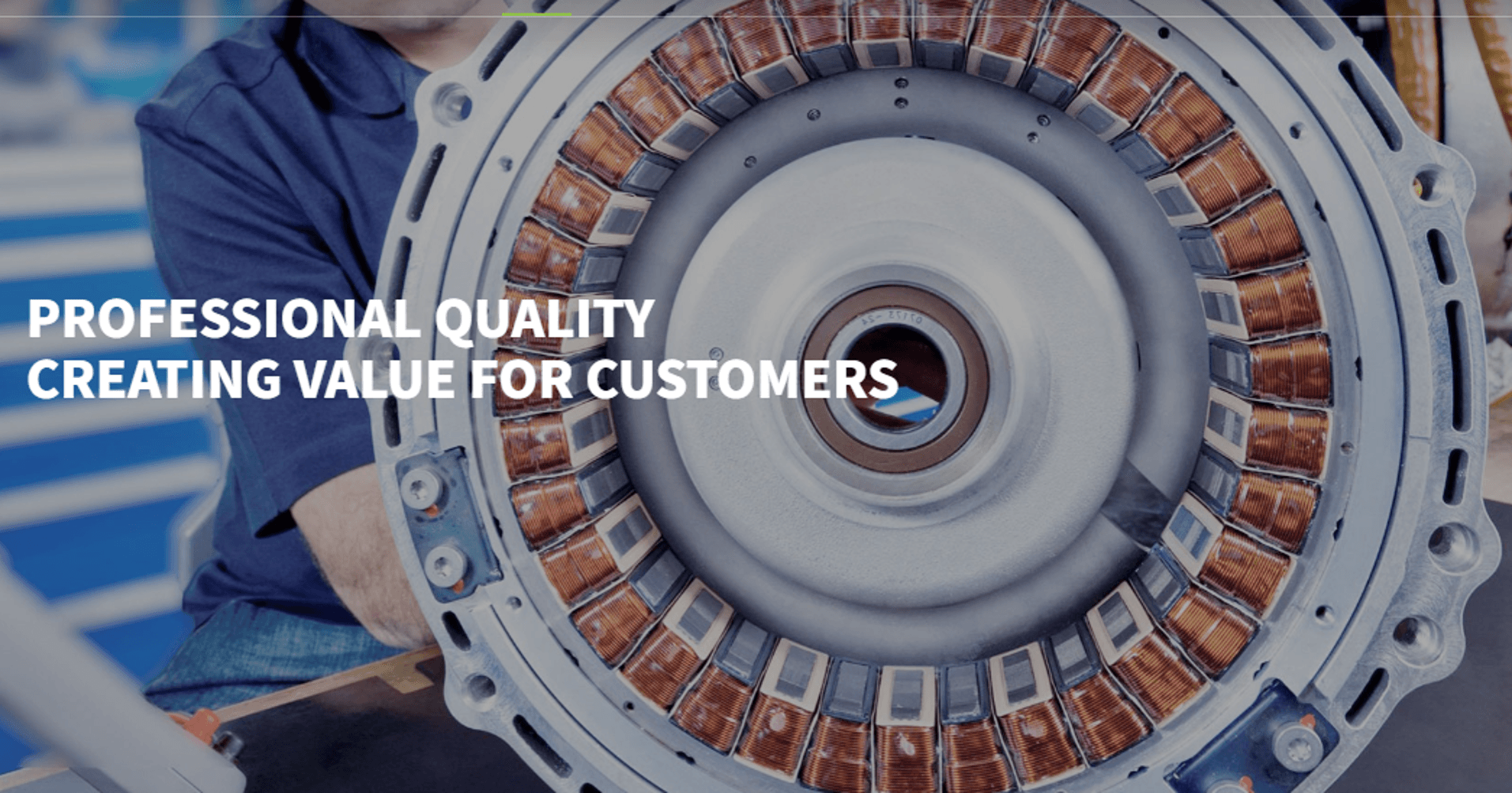
Rongtai Tech focuses on high-temperature, high-performance insulation materials: mica-based sheets and parts, impregnation varnish, potting resins, structural adhesives and protective coatings for NEVs, industrial motors and high-voltage equipment.
According to its IPO coverage, Rongtai’s revenue grew from CNY 3.65 bn (2020) to CNY 6.67 bn (2022), with steady net-profit expansion. At 2025 A-share prices, its market capitalisation is in the tens of billions of RMB (low single-digit billions of USD). Exact employee count and factory numbers are not spelled out in the open sources I can see, but Rongtai operates multiple production bases in Jiaxing, Zhejiang and other Chinese locations focused on NEV and electrical-insulation applications.
2. Business Mix, Customers and Technical Edge
Rongtai’s profit engine is its NEV battery safety and insulation business. The flagship product line—“NEV thermal-runaway protection insulation parts” —generated CNY 470 m in 2022, with an estimated 27.14% share of the global market.
A 2025 research report notes that NEV applications now dominate Rongtai’s revenue structure, with cloud-mica products used in battery cells, modules, packs and high-voltage wiring. Key customers include Tesla, VW, BMW, Mercedes-Benz, Volvo, SAIC, FAW, Geely and CATL, positioning Rongtai as a global Tier-1 material supplier to top EV and battery OEMs.
Technically, Rongtai’s edge lies in high-temperature resistance, flame retardancy, electrical insulation and processability (machining and forming complex 3D parts), enabling it to meet rising safety standards in 800 V fast-charging and large-format battery packs.
3. Relationship with Tesla – From EV Battery Safety to Optimus
Rongtai is a confirmed Tesla supplier. In an interview responding to market rumours about a Tesla robot supplier conference, the company stated that it does cooperate with Tesla and maintains “close communication,” while declining to disclose specific data due to confidentiality.
An Eastmoney feature (snippet) notes that as early as 2013, Tesla approached Rongtai to develop a battery safety protection component. Thanks to superior high-temperature, fire-resistance and insulation performance, Rongtai won Tesla’s approval and subsequently expanded its supply scope in NEV thermal-runaway insulation parts. Although Tesla-specific revenue isn’t broken out, NEV insulation for global OEMs (with Tesla as a core anchor customer) now represents the majority of Rongtai’s top line.
For the Optimus humanoid, Tesla needs highly reliable insulation for:
High-power joint actuators and in-limb motors
Dense low-voltage wiring and busbars in torso and arms
Compact control and power electronics around the battery and “spine”
Rongtai’s mica-based structural parts, potting systems and coatings are natural candidates for thermal-runaway barriers, flame shields and high-voltage insulation inside a humanoid robot’s compact body.
4. Humanoid Robotics Exposure and Growth Outlook
Recent analyst commentary explicitly highlights Rongtai’s humanoid-robot components business as a key new growth leg, stating that the company’s NEV cloud-mica platform now extends into robot joints and power-electronics insulation, effectively “opening a new growth ceiling.”
Unlike Sanhua, Tuopu, XCC or Zhenyu—who sit in the actuator and mechanical-drive tiers—Rongtai’s role in the Optimus supply chain is material and safety-oriented:
Providing thermal and electrical protection for robot batteries, power buses and motor windings
Enabling higher-power-density actuators by improving heat and fire tolerance
Supporting Tesla’s push toward 800 V-class architectures and dense pack designs over time
The upside is clear: if Tesla moves toward hundreds of thousands to millions of Optimus units, every robot will require specialised insulation assemblies, shielding parts and potting materials—very similar in logic to the EV battery pack. Rongtai thus becomes a scaled, repeat-content supplier per robot, with a business model that mirrors its NEV success: high-value materials, mission-critical safety role, and strong pricing power in a heavily regulated domain.
Tesla’s Humanoid Robot Supply Chain coverage articles:
- Tesla’s Humanoid Robot Supply Chain Comes Into Focus
Overview of Tesla Optimus' emerging supply chain, highlighting key partners, production challenges, and broader implications. - How Sanhua Became Tesla’s Key Humanoid Robot Actuator Candidate: Inside the Optimus Supply Chain
Explores why Sanhua Intelligent Controls stands out as a leading candidate for supplying critical actuators to Tesla's Optimus.. - Wuzhou Xinchun The Rising Mechanical Power Behind Tesla‘s Optimus Humanoid Robot
Highlights Wuzhou Xinchun's growing role as a key mechanical component (likely motors or drive elements) supplier powering Optimuss. - Rongtai‘s Surge In The Tesla Optimus Supply Chain
Details Rongtai's rapid rise and specialized contribution (e.g., in materials or safety-related parts) within the Optimus ecosystem. - Tesla Supply Chain: How Zhaowei Powers Optimus Humanoid Gearboxes
Examines Zhaowei's strategic position as a vital provider of precision gearboxes and micro-drives for Optimus joints. - How Tuopu Became a Core Player in Tesla’s Emerging Humanoid Robot Ecosystem
Covers Tuopu Group's ascent to a central role, particularly in actuators, motors, or related joint technologies for Optimus. - Tesla Optimus Supply Chain Analysis: Moons' Strategic Role in Motion Control and Mini Actuators
Analyzes Moons' important involvement in delivering motion control systems and compact actuators tailored for Optimus. - How Zhenyu Technology Is Becoming a Key Linear Actuator Supplier Candidate for Tesla’s Optimus Humanoid Robot
Discusses Zhenyu Technology's emergence as a strong contender for supplying linear actuators essential to Optimus movement. - Why the Tesla Supply Chain for Optimus is Consolidating in Chinese Yangtze River Delta
Explains the geographic and industrial reasons behind the heavy concentration of Optimus suppliers in China's Yangtze River Delta region.
Continue exploring Optimus coverage for updates on mass production timelines, Gen 3/4 progress, or comparisons with Chinese humanoid competitors (e.g., Unitree, Agibot). For broader context, check recent industry reports on the "Optimus chain" and how Chinese suppliers (50-70%+ of core components) shape Tesla's humanoid ambitions despite U.S. final assembly plans.
- Tesla Launches Final Audits of Potential Suppliers for Optimus (Mass Production I)
- Why Tesla's Audit Standards Redefine Humanoid Manufacturing (Mass Production II)
- China VS TESLA Two Paths to Humanoid Robot (Mass Production III)




Leave a comment